
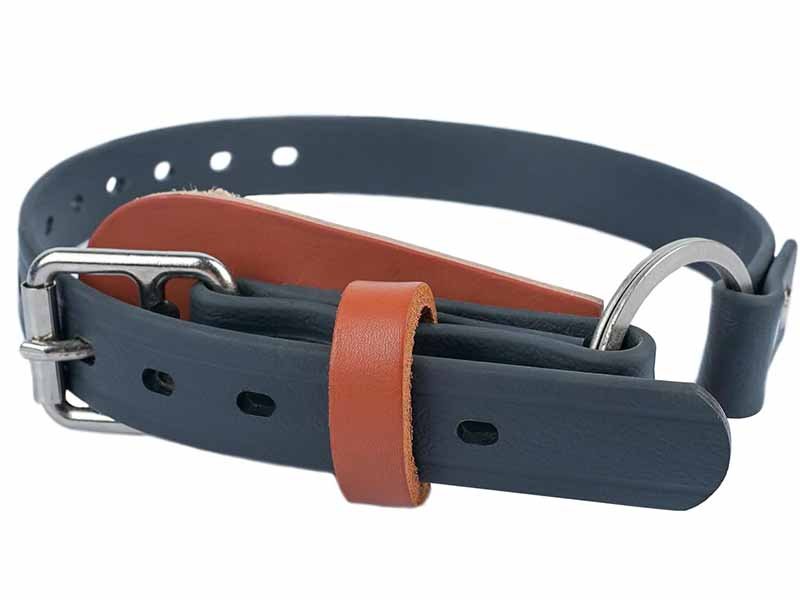
Leather buyers don’t usually complain that a wallet is “split leather.” They complain that it creases too fast, the strap stretches, the edges peel, or the surface looks “plastic” after a few months. And that’s the real issue: split leather isn’t a problem by name—it’s a problem when it’s used in the wrong place, or finished in a way that hides what it really is.
Split leather can be a smart material choice in leather accessories when you use it where it naturally performs well—like suede panels, interior structures, non-load-bearing parts, or protected areas. It becomes a risky choice when it’s used for high-stress components (handles, belts, strap anchors), or when heavy coatings are used to imitate higher-grade leather and the coating later cracks or peels.
Split leather is the lower layer of a hide after the top grain is separated. It can be acceptable in leather accessories when used for suede finishes, linings, interior panels, or decorative areas with low stress. It is usually not acceptable for belts, load-bearing straps, bag handles, or premium wallets where fiber strength, tear resistance, and long-term surface performance matter. Correct placement and finishing decide success.
Here’s a quick story you’ll recognize if you’ve sourced leather goods before. A brand launched a “premium” leather crossbody strap at a great price. The first month looked fine. By month three, customer photos started coming in: stretching near the buckle, surface cracking at folds, and edge peeling. The strap wasn’t “bad workmanship”—it was the wrong leather layer used for the job. One material decision created a chain reaction of complaints. This guide helps you avoid that trap.
What Is Split Leather in Leather Accessories?
Split leather in leather accessories refers to the lower layer of a natural animal hide that remains after the top grain portion has been separated during the leather splitting process. In leather manufacturing, a single hide is often divided into multiple layers to maximize material utilization. The upper portion becomes full grain or top grain leather, while the inner fibrous layers become split leather.
Although split leather does not have the natural grain surface found on the outer layer of the hide, it is still genuine leather. The key difference lies in fiber density and structural strength, which influence how the material performs in finished leather accessories such as bags, wallets, belts, straps, and small leather goods.
For brands developing leather accessories, understanding how split leather behaves is important because it affects durability, cost, product positioning, and long-term product performance.
How Is Split Leather Made?
Leather splitting occurs during the early stages of tanning and processing. After the raw hide is cleaned and prepared, it passes through a splitting machine that separates the hide horizontally into layers of different thicknesses.
A simplified view of hide structure looks like this:
| Hide Layer | Fiber Density | Surface Appearance | Typical Applications |
|---|---|---|---|
| Full grain leather | very high | natural grain, visible pores | luxury bags, belts, premium accessories |
| Top grain leather | high | corrected grain surface | handbags, wallets, straps |
| Split leather | medium | suede texture or coated surface | suede products, interior panels |
| Bonded leather | low | synthetic-like surface | low-cost decorative items |
The reason this layering matters is that the outer layer of the hide contains the strongest and tightest fiber structure. As you move deeper into the hide, the fibers become more open and less compact.
This structural difference explains why split leather behaves differently in certain products.
What Does Split Leather Look and Feel Like?
In its natural state, split leather usually has a soft, fibrous texture because it comes from the underside of the hide. It does not contain the smooth natural grain pattern seen on full grain or top grain leather.
Manufacturers typically process split leather in several ways depending on the intended product:
| Finish Type | Description | Common Products |
|---|---|---|
| Suede finish | surface sanded for soft texture | suede bags, shoes, straps |
| Coated split leather | polyurethane or pigment coating applied | lower-cost leather accessories |
| Embossed split leather | artificial grain pattern pressed on surface | fashion handbags |
| Nubuck-style split | lightly sanded finish | fashion accessories |
Among these options, suede split leather is often the most durable, because it does not rely on a thick synthetic coating.
Coated split leather may look similar to top grain leather initially, but long-term performance depends heavily on the quality of the coating layer.
How Strong Is Split Leather Compared to Other Leather Types?
When selecting leather for accessories, manufacturers usually compare materials based on several mechanical properties.
The following table illustrates the relative differences between common leather grades used in accessories:
| Performance Factor | Full Grain Leather | Top Grain Leather | Split Leather |
|---|---|---|---|
| Fiber strength | very high | high | moderate |
| Stretch resistance | strong | moderate | lower |
| Surface durability | excellent | good | coating dependent |
| Tear resistance | excellent | good | moderate |
| Flex resistance | excellent | good | moderate |
This data explains why split leather is not ideal for components that experience constant stress or repeated bending, such as:
- belt straps
- bag handles
- shoulder straps
- watch straps
However, split leather performs well in areas where flexibility and softness are more important than structural strength.
Where Is Split Leather Commonly Used in Leather Accessories?
Split leather appears in many leather goods, often in places that consumers do not immediately notice.
Examples include:
| Product Category | Common Split Leather Applications |
|---|---|
| Handbags | interior panels, suede exteriors |
| Wallets | interior dividers, card slot backing |
| Leather pouches | suede body panels |
| Belts | inner reinforcement layers |
| Watch straps | suede lining layers |
In many leather bags, for example, the outer shell may use top grain leather, while interior panels or decorative components use split leather.
This approach helps manufacturers balance material cost, product weight, and durability.
Why Do Many Brands Use Split Leather in Leather Accessories?
The most common reason is cost efficiency without sacrificing overall product functionality.
Leather accessories often consist of multiple components, and using premium leather for every internal part may significantly increase manufacturing cost.
Consider a simplified example of material cost in leather handbags:
| Material Choice | Approximate Material Cost Per Bag |
|---|---|
| full grain leather throughout | highest |
| top grain leather throughout | high |
| top grain exterior + split leather interior | medium |
| split leather throughout | lowest |
Many mid-range brands choose the third option, which maintains the visual quality of the product while reducing production costs.
Another advantage of split leather is flexibility. Because the fibers are less dense, split leather can be easier to fold and shape, making it suitable for interior structures in wallets and small leather goods.
What Should Brands Consider Before Using Split Leather?
When developing leather accessories, brands should evaluate several factors before deciding to use split leather.
Important considerations include:
| Evaluation Factor | Why It Matters |
|---|---|
| Product price level | premium products often require higher-grade leather |
| Stress areas | high-stress parts require stronger leather |
| Surface finish | coated split leather may age differently |
| Product lifespan | long-term durability expectations |
| Brand positioning | affects customer perception |
A well-designed leather product often combines multiple materials strategically.
For example, a leather tote bag may use:
- top grain leather for handles and strap anchors
- split leather for large body panels or interior components
This design approach allows brands to maintain both durability and cost control.
Understanding these details helps companies make informed decisions when developing leather accessories and ensures that the final product performs well in real-world use.
Which Leather Accessories Use Split Leather?
Split leather appears in many leather accessories, but it is rarely used in every part of a product. Most well-designed leather goods combine different grades of leather in different structural areas. The reason is simple: some components of a product experience heavy tension or friction, while other components mainly provide shape, decoration, or internal organization.
When designers understand which parts of a product carry structural stress, they can decide where split leather performs well and where stronger materials such as top grain leather are required.
In most leather accessories, split leather is used in low-stress zones such as interior panels, decorative surfaces, or suede finishes. This approach allows brands to maintain the overall appearance of leather goods while controlling production cost.
A practical way to evaluate leather placement is to divide products into three stress categories:
| Stress Level | Product Areas | Suitable Leather |
|---|---|---|
| High stress | straps, handles, belts | top grain or full grain leather |
| Medium stress | bag body panels | top grain or reinforced split leather |
| Low stress | linings, interior pockets | split leather or suede |
Understanding this distribution helps brands choose the right material for each component rather than relying on a single leather type for the entire product.
Which Leather Bags Use Split Leather?
Leather bags are one of the most common products where split leather is used strategically. A typical handbag contains multiple structural layers, and not all of them require high-strength leather.
Split leather is frequently used in the following areas:
| Bag Component | Common Material | Reason |
|---|---|---|
| interior lining panels | split suede leather | soft texture and cost efficiency |
| inner pockets | split leather | low mechanical stress |
| decorative panels | embossed split leather | aesthetic design |
| hidden reinforcement layers | split leather | structural support without visible grain |
For example, a medium-sized leather tote bag may contain 2.5–3.5 square feet of leather material. If the entire bag were made from top grain leather, the material cost could increase significantly.
Instead, many brands use a combination of materials such as:
- top grain leather for handles and strap anchors
- split leather for internal panels
- suede split leather for lining surfaces
This hybrid construction helps control costs while keeping the visible exterior areas premium.
Another situation where split leather is used effectively is suede handbags. Because suede is produced from the underside of the hide, these products intentionally use split leather to achieve a soft, textured surface.
Suede leather bags are common in fashion collections because they offer:
- lightweight flexibility
- matte appearance
- soft tactile feel
However, suede products usually require additional finishing treatments such as water-resistant coatings to protect against stains.
Which Leather Wallets Use Split Leather?
Wallets are compact leather accessories that require flexibility and precise folding performance. Because the product is constantly opened and closed, the internal structure must remain thin and flexible.
Split leather is often used inside wallets for structural layers that are not directly exposed to heavy abrasion.
A typical wallet construction may look like this:
| Wallet Component | Material Choice | Purpose |
|---|---|---|
| outer shell | top grain leather | durability and appearance |
| card slot layers | split leather or top grain | flexibility |
| interior dividers | split leather | lightweight structure |
| lining | fabric or suede split | smooth surface |
Wallet interiors often contain 6–12 small leather components, depending on the design. Using top grain leather for every internal layer would significantly increase thickness and material cost.
Split leather allows manufacturers to keep the wallet slim while maintaining structural stability.
However, there are situations where split leather should not be used in wallets:
- wallet exteriors exposed to abrasion
- fold areas with heavy coatings that may crack
- premium wallets positioned as luxury products
High-end brands usually prefer top grain or full grain leather throughout the product because natural grain texture plays an important role in perceived value.
Which Leather Belts Use Split Leather?
Leather belts experience constant tension and bending during daily use. Because of this, belts typically require strong leather fibers that can resist stretching.
For this reason, belt exteriors are almost always made from top grain leather.
However, split leather may still appear in certain belt constructions.
Examples include:
| Belt Structure | Material Combination |
|---|---|
| bonded belt | split leather + synthetic backing |
| reinforced belt | top grain outer layer + split leather filler |
| suede belt | split suede exterior |
In reinforced belts, split leather can be used as an internal filler layer between two outer layers of stronger leather. This increases belt thickness while controlling cost.
Suede belts are another category where split leather performs well. Because the product intentionally uses a suede texture, split leather becomes the ideal material choice.
However, belts made entirely from split leather without reinforcement may stretch around buckle holes over time, especially if the leather thickness is insufficient.
Which Leather Straps and Small Accessories Use Split Leather?
Split leather also appears in smaller leather accessories where the material does not need to support heavy loads.
Common examples include:
| Product Type | Split Leather Application |
|---|---|
| leather watch straps | suede lining layers |
| camera straps | decorative outer panels |
| leather pouches | suede body panels |
| card holders | interior divider layers |
In watch straps, for example, the outer layer may use top grain leather for durability, while the inner lining uses soft split suede leather for comfort against the skin.
Similarly, small leather pouches or cosmetic bags may use suede split leather as the main material because flexibility and softness are more important than structural strength.
How Do Brands Decide Where to Use Split Leather?
When developing leather accessories, designers usually evaluate three practical questions before selecting split leather:
| Question | Design Impact |
|---|---|
| Does this part carry weight or tension? | if yes, stronger leather is needed |
| Will the surface be exposed to abrasion? | top grain leather preferred |
| Is flexibility more important than strength? | split leather may be suitable |
Using this evaluation method helps product developers place the right material in the right position.
Many successful leather accessories on the market today combine top grain leather for structural components with split leather for interior or decorative areas.
This balanced approach allows brands to maintain product durability while optimizing manufacturing cost and material efficiency.
When Is Split Leather Acceptable in Leather Accessories?
Split leather can be acceptable in leather accessories when it is used in areas where structural strength is not critical. It works best in suede finishes, interior panels, decorative elements, and cost-sensitive products where the material does not carry heavy loads or repeated bending stress.
The key principle is simple: split leather performs well when it is protected and supported by the product structure.
Brands that understand this principle often use split leather strategically to balance durability and production cost.
When Do Leather Bags Use Split Leather?
Leather bags frequently combine multiple leather grades to achieve the right balance between durability, appearance, and cost.
Split leather is commonly used in large surface areas where flexibility is more important than structural strength.
Examples include:
| Bag component | Material often used | Reason |
|---|---|---|
| bag interior panels | split suede | soft texture and lower cost |
| decorative outer panels | embossed split leather | visual effect without high cost |
| inner pockets | split leather | low structural stress |
| base reinforcement layer | split leather | hidden support layer |
In many handbag designs, the most critical stress points are:
- handles
- strap anchors
- buckle attachments
- zipper ends
These parts typically require stronger leather such as top grain leather.
Meanwhile, larger surface areas like bag body panels can sometimes use split leather without affecting the bag’s performance.
This hybrid approach allows brands to maintain product durability while controlling material cost.
When Do Wallets Use Split Leather?
Wallets are compact leather accessories that prioritize flexibility and thin construction. Because they are not required to carry heavy loads, split leather can sometimes work well for interior components.
Many wallet designs combine multiple materials in layers.
Example material structure:
| Wallet part | Recommended material |
|---|---|
| outer layer | top grain leather |
| card slot panels | split leather or top grain |
| inner dividers | split leather |
| lining | fabric or suede split |
Using split leather for internal layers can reduce thickness while maintaining a smooth folding action.
However, premium wallet collections often avoid split leather on exterior surfaces because the natural grain pattern of top grain leather gives the product a more luxurious appearance.
Brands positioning their products in the mid-range or entry-premium market often combine top grain leather exteriors with split leather interiors.
This allows the wallet to retain a premium look while keeping manufacturing costs manageable.
How Do Brands Control Cost with Split Leather?
Material cost is one of the largest factors in leather accessory manufacturing. Strategic use of split leather can significantly reduce production cost without sacrificing product quality.
For example:
| Product | Material strategy |
|---|---|
| leather tote bag | top grain handles + split leather body |
| leather wallet | top grain exterior + split leather interior |
| leather pouch | split suede exterior |
In some products, using split leather in non-structural components can reduce material costs by 20–40 percent compared with using top grain leather throughout the product.
Brands often evaluate three factors when deciding where split leather is acceptable:
- product price positioning
- expected product lifespan
- visual appearance requirements
When these factors are carefully considered, split leather becomes a practical design tool rather than a quality compromise.
When Should Split Leather Be Avoided in Leather Accessories?
Split leather should be avoided in leather accessories when the material is expected to handle heavy loads, frequent bending, or structural tension. In these situations, the lower fiber density of split leather can lead to stretching, cracking, or tearing over time.
Products that require strong structural integrity generally perform better with top grain or full grain leather.
Which Leather Accessories Need Top Grain Leather?
Certain leather accessories rely heavily on the natural strength of the hide’s outer layer.
Examples include:
| Product type | Reason top grain is preferred |
|---|---|
| leather belts | constant tension and bending |
| bag handles | heavy load stress |
| shoulder straps | weight distribution |
| watch straps | repeated movement and friction |
These products experience continuous mechanical stress.
Because top grain leather has a denser fiber structure, it maintains its shape better under tension.
Using split leather in these areas often leads to common product issues such as:
- stretching around buckle holes
- tearing near stitching lines
- surface cracking at fold points
For this reason, most high-quality leather accessories use top grain leather for load-bearing components.
Why Can Split Leather Wear Out Faster?
The main reason split leather may wear out faster is its fiber structure.
Top grain leather contains tightly packed fibers that resist abrasion and deformation.
Split leather fibers are looser and less dense, which can result in:
| Performance factor | Top grain leather | Split leather |
|---|---|---|
| tear resistance | high | moderate |
| stretch resistance | strong | lower |
| surface durability | natural grain | coating dependent |
Another factor affecting durability is finishing.
Some split leather products receive heavy synthetic coatings to mimic the appearance of grain leather.
While these coatings can initially look attractive, they may eventually crack or peel if the leather beneath flexes too much.
This problem often appears in products that experience repeated bending, such as wallets or belts.
How Coated Split Leather Can Mislead Buyers
Coated split leather is sometimes marketed simply as “genuine leather,” which can create confusion among consumers.
The coating process usually involves applying a layer of polyurethane or pigment to the surface of split leather.
This coating can:
- create an artificial grain texture
- add color consistency
- increase water resistance
However, heavy coatings may also reduce breathability and flexibility.
Over time, repeated folding or bending may cause the coating to separate from the leather fibers beneath.
Typical signs of coated split leather failure include:
- surface cracking
- peeling edges
- visible creasing lines
For this reason, many premium brands avoid coated split leather in products where natural leather performance is expected.
Instead, they reserve coated split leather for decorative components or budget product lines.
Understanding these differences helps brands make informed material choices when designing leather accessories.
How Do Manufacturers Use Split Leather in Leather Accessories?
Manufacturers do not simply decide whether a product will use split leather or top grain leather. Instead, they evaluate several technical factors including fiber strength, leather thickness, stress location, and product positioning before selecting the appropriate material.
In many professional leather goods factories, the decision process is based on how each component of the product will behave during daily use. This approach allows designers to combine different leather layers strategically while maintaining both durability and cost efficiency.
How Do Factories Test Split Leather Quality?
Before split leather is approved for use in production, factories usually conduct several quality checks to ensure the material meets the required performance level.
These checks evaluate characteristics such as thickness consistency, tensile strength, flexibility, and surface durability.
Common leather material tests include:
| Test Type | Purpose | What It Evaluates |
|---|---|---|
| Thickness measurement | confirm uniform material thickness | structural stability |
| Tensile strength test | measure resistance to pulling force | tear resistance |
| Flex resistance test | simulate repeated bending | cracking risk |
| Abrasion test | evaluate surface wear | durability of finish |
| Color fastness test | check dye stability | resistance to fading |
For split leather used in suede products, factories often perform additional tests such as nap consistency and surface softness evaluation.
These tests help manufacturers determine whether the leather is suitable for different parts of a product.
For example, leather that performs well in abrasion tests may work for exterior panels, while leather with excellent flexibility may be better suited for interior components.
How Do Designers Combine Split Leather and Top Grain Leather?
One of the most common strategies in leather accessory development is combining different leather grades within a single product.
This method allows brands to preserve the premium appearance of leather goods while optimizing production cost.
Example material distribution in leather bags:
| Product area | Recommended leather type | Reason |
|---|---|---|
| handles | top grain leather | high strength required |
| shoulder straps | top grain leather | load-bearing component |
| bag body panels | split leather or top grain | visual area with moderate stress |
| interior pockets | split leather | low structural stress |
| lining panels | split suede | soft texture |
Using this approach, manufacturers can maintain the durability of critical structural areas while reducing overall material cost.
Many brands choose this strategy when launching mid-range leather product collections where both aesthetics and pricing are important.
Another example appears in leather belts.
Because belts must withstand continuous tension, the outer layer is usually top grain leather. However, some belts incorporate split leather backing layers to add thickness and stability without significantly increasing cost.
How Do Manufacturers Select Leather Thickness?
Leather thickness is another factor that determines whether split leather can be used successfully.
Leather thickness is usually measured in millimeters.
Typical thickness ranges for leather accessories include:
| Product Type | Leather Thickness |
|---|---|
| wallets | 0.8 – 1.2 mm |
| handbags | 1.2 – 1.6 mm |
| belts | 3.0 – 4.0 mm |
| watch straps | 1.4 – 2.0 mm |
Split leather with sufficient thickness can sometimes provide adequate strength for certain applications.
However, very thin split leather may lose structural integrity over time if exposed to repeated bending or tension.
For this reason, designers often reinforce split leather with lining materials, stitching structures, or internal support layers.
How Do Factories Evaluate Leather Durability in Accessories?
Durability testing is essential when developing leather accessories that will be used daily.
Manufacturers often perform simulated usage tests to evaluate how leather behaves over time.
Examples include:
- repeated bending tests for wallets
- load testing for bag handles
- abrasion testing for belt surfaces
- strap tension testing for shoulder bags
These tests help engineers identify potential weaknesses before the product enters mass production.
A simple durability test used in many factories involves applying a weighted load to bag handles for extended periods to ensure that stitching and leather layers remain intact.
By combining laboratory testing with real-world simulation, manufacturers can better predict how products will perform in customer use.
How Do Manufacturers Ensure Consistent Leather Quality?
Consistency is one of the biggest challenges in leather production because natural hides vary in thickness, fiber structure, and surface appearance.
Professional factories usually manage this challenge through strict material inspection procedures.
Key quality control steps include:
- Incoming leather inspection – checking hide thickness, defects, and surface quality
- Cutting optimization – selecting stronger sections of the hide for structural components
- Material grading – grouping leather by quality level
- Production monitoring – ensuring stitching and assembly meet specifications
By controlling these variables, manufacturers can maintain consistent product quality even when natural materials are involved.
How SzoneierLeather Develops Custom Leather Accessories for Brands
Developing leather accessories for brands requires more than simply producing finished products. It involves a collaborative process that integrates design, engineering, material sourcing, and manufacturing expertise.
SzoneierLeather has more than 18 years of experience in leather goods development, supporting global brands and wholesale clients in creating customized leather accessories.
Step 1 – Product Concept and Material Selection
The development process usually begins with a product concept or reference sample.
During this stage, engineers evaluate:
- product function
- target price range
- material performance requirements
- brand positioning
Based on these factors, suitable leather materials are recommended.
Example selection process:
| Product Type | Recommended Leather |
|---|---|
| premium handbag | full grain leather |
| fashion tote bag | top grain + split leather combination |
| suede pouch | split suede leather |
| belt collection | top grain leather |
This early decision plays a major role in determining the final product quality.
Step 2 – Design and Sample Development
Once the material is selected, designers create technical drawings and prototypes.
The sampling stage allows the team to evaluate:
- leather thickness
- stitching construction
- edge finishing
- structural stability
Sample production typically takes 7–10 days, depending on product complexity.
Multiple sample revisions may be produced to refine design details before mass production.
Step 3 – Production and Quality Control
When the sample is approved, the project enters the production phase.
The manufacturing process typically includes:
- leather cutting
- stitching and assembly
- edge finishing
- hardware installation
- quality inspection
- packaging preparation
Quality control is performed throughout the production process to ensure each product meets required specifications.
Step 4 – Packaging and Brand Customization
Many leather accessory brands require customized packaging to match their brand identity.
SzoneierLeather provides packaging development services including:
- custom boxes
- dust bags
- branded labels
- logo embossing
These elements enhance the presentation and perceived value of leather products.
Final Thoughts: Choosing the Right Leather for the Right Purpose
Split leather is not inherently inferior—it simply serves a different purpose than top grain or full grain leather.
When used correctly, split leather can:
- reduce material cost
- create soft suede textures
- improve flexibility in interior components
However, when used in high-stress areas such as belts, straps, or bag handles, it may not provide the durability required for long-term use.
Successful leather accessory design requires a careful balance between material performance, aesthetics, and production cost.
Brands that understand the strengths and limitations of different leather layers can make better decisions when developing new products.
With more than 18 years of experience in leather goods manufacturing, SzoneierLeather supports brands worldwide in developing high-quality leather accessories。
From material sourcing and product design to sampling and large-scale manufacturing, our team works closely with clients to transform product ideas into reliable finished goods.
If you are planning to develop a custom leather accessory collection, the SzoneierLeather team is ready to help you evaluate materials, optimize product structure, and ensure your products meet both quality and market expectations.
You are welcome to contact us with your design ideas, target pricing, and order quantities. Our engineers will recommend the most suitable leather solutions for your project.