A leather keychain is small, but it lives a hard life. It gets twisted in your hand, crushed in pockets, rubbed against coins, hit by keys, exposed to sweat, and tossed onto car consoles hundreds of times a week. That’s why “nice-looking leather” is not enough. If the leather choice is wrong, keychains fail in very specific ways: edges crack, holes stretch, the surface scratches into a dull patch, or the leather delaminates around the metal ring.
Full grain leather keychains use the strongest outer layer of the hide with the natural grain intact, so they usually last longer, resist tearing better, and develop a natural patina over time. Top grain leather keychains come from the same hide layer but are lightly sanded and finished for a smoother, more uniform look. Top grain is easier to match in color and often costs less.
Here’s the real sourcing problem: two keychains can both be labeled “genuine leather,” yet one feels premium and lasts years while the other looks tired after one season. The difference often comes down to grain selection, thickness, tanning method, and finishing—not marketing words. If you’re developing keychains for a brand, these choices decide your return rate, review quality, and whether customers reorder.
What Is Full Grain Leather Keychain?
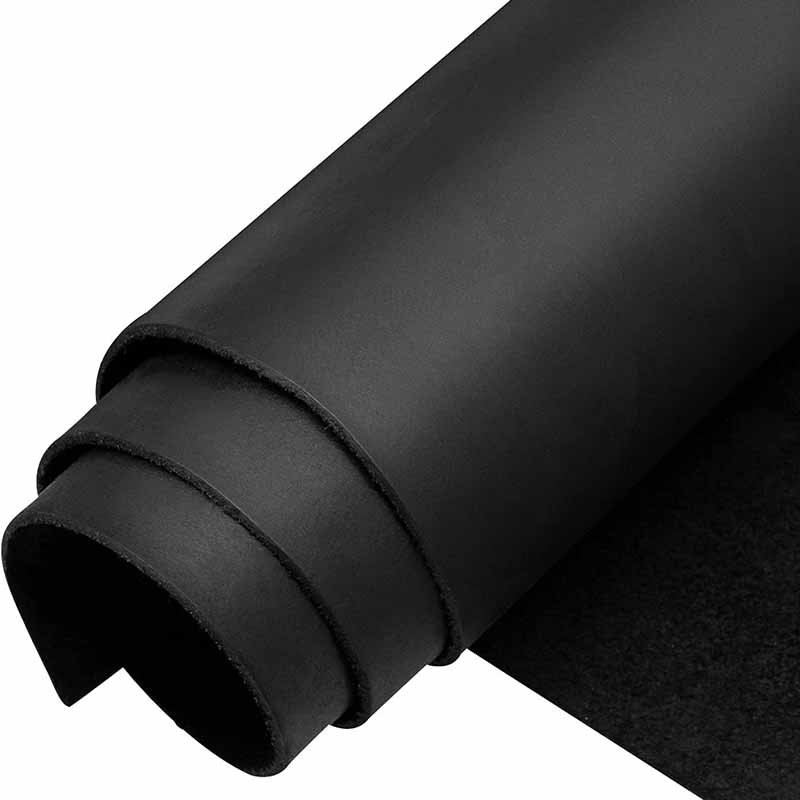
A full grain leather keychain is made from the outermost layer of animal hide where the natural grain surface remains intact. This layer contains the strongest fiber structure of the leather, giving it excellent durability, resistance to stretching, and long-term aging characteristics. Because the surface is not sanded or corrected, full grain leather keychains retain natural texture and gradually develop a darker, smoother patina with use.
What Makes Full Grain Leather Different from Other Leather Types?
To understand full grain leather keychains, it helps to understand how leather is structured.
Animal hide consists of several layers, each with different fiber density and strength. The outermost layer—where hair originally grows—is called the grain layer. This layer contains the tightest collagen fiber network and provides the greatest strength.
When leather is processed, manufacturers can choose whether to keep or modify this grain layer.
Full grain leather keeps the grain layer completely intact. No sanding or heavy surface correction is applied. As a result, the leather retains its natural strength and texture.
Below is a simplified comparison of common leather layers used in leather goods.
| Leather Type | Surface Treatment | Strength | Common Use |
|---|---|---|---|
| Full Grain Leather | no sanding | strongest | premium leather goods |
| Top Grain Leather | lightly sanded | very strong | commercial leather products |
| Split Leather | grain removed | moderate | suede or coated leather |
| Bonded Leather | fiber scraps bonded | weak | low-cost products |
Because full grain leather preserves the natural fiber structure, it generally offers the highest durability among leather materials used in accessories.
Why Is Full Grain Leather Suitable for Keychains?
Keychains may appear simple, but they experience constant stress during everyday use.
Most leather keychains are subjected to:
- repeated bending
- friction against metal keys
- pulling forces when keys are removed
- pressure inside pockets or bags
- exposure to moisture and sweat
These conditions can quickly damage low-quality leather.
Full grain leather performs well in these situations because of its dense fiber structure.
Below is a simple comparison of how leather types respond to daily stress.
| Stress Type | Full Grain Leather | Lower Grade Leather |
|---|---|---|
| Bending resistance | strong | may crack |
| Tear resistance | excellent | moderate |
| Surface wear | ages naturally | may peel or scratch |
| Hole stretch resistance | high | may deform |
For example, when a keychain loop is pulled repeatedly by a metal key ring, the leather fibers around the hole experience concentrated stress.
Full grain leather handles this stress more effectively because its fibers remain tightly connected.
This is one reason why many premium leather accessories and outdoor gear products use full grain leather.
What Thickness Is Used for Full Grain Leather Keychains?
Leather thickness has a direct influence on how a keychain feels and performs.
If the leather is too thin, the keychain may stretch or lose shape. If it is too thick, the product can become stiff and uncomfortable to carry.
Most full grain leather keychains use leather thickness within the following range.
| Thickness | Typical Use |
|---|---|
| 1.8–2.2 mm | lightweight keychains |
| 2.2–2.8 mm | standard keychains |
| 2.8–3.5 mm | heavy-duty keychains |
| 3.5–4.0 mm | reinforced key fobs |
Many manufacturers combine two leather layers to create stronger structures. For example, a folded keychain strap may use two layers of 1.6 mm leather stitched together to achieve a durable 3.2 mm structure.
This construction improves both strength and flexibility.
How Does Full Grain Leather Keychain Age Over Time?
One of the most valued characteristics of full grain leather is how it ages.
Instead of deteriorating quickly, the material develops what leather craftsmen call patina.
Patina refers to gradual visual changes that occur as leather is exposed to handling, light, and natural oils.
Typical aging changes include:
- darker color tone
- smoother surface texture
- soft natural shine
These changes usually appear first in areas that are handled most frequently.
For example, a brown leather keychain may gradually develop deeper color around the edges and central surfaces where fingers often touch.
The aging process is influenced by several factors.
| Factor | Influence |
|---|---|
| Tanning method | affects color change |
| Leather finish | determines how visible patina becomes |
| Exposure to sunlight | darkens leather tone |
| Daily handling | accelerates surface smoothing |
Vegetable-tanned full grain leather usually shows stronger patina development compared with heavily coated leather.
For many customers, this aging process adds character to the product and makes the keychain feel more personal over time.
Why Do Many Premium Brands Use Full Grain Leather Keychains?
For brands producing leather accessories, material choice strongly influences how customers perceive product quality.
Full grain leather is often associated with craftsmanship and durability.
Products made from full grain leather tend to communicate several qualities:
- authenticity
- long-lasting durability
- natural material quality
- premium positioning
Because of these characteristics, full grain leather keychains are frequently used in:
- luxury leather accessory collections
- automotive brand merchandise
- handcrafted leather goods
- premium corporate gifts
These products rely on material authenticity and long-term durability to justify higher retail prices.
For companies developing leather accessories, selecting full grain leather can help reinforce brand positioning as a manufacturer of high-quality leather goods.
What Is Top Grain Leather Keychain?
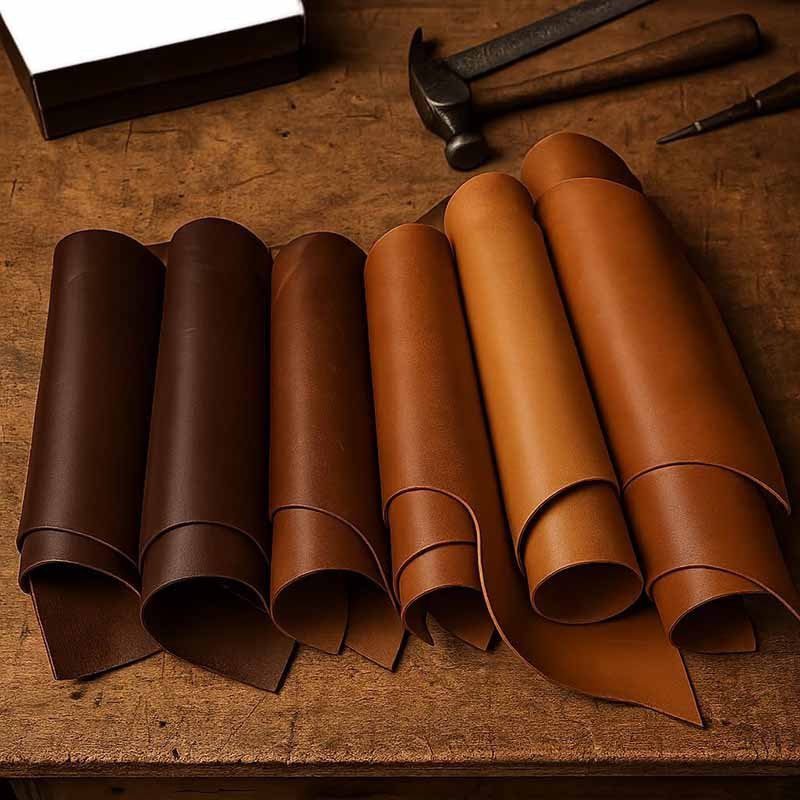
A top grain leather keychain is made from the upper layer of the hide, but the surface is lightly sanded and finished to remove natural imperfections. This process creates a smoother and more uniform appearance than full grain leather. Top grain leather keychains still provide strong durability while offering more consistent texture and color, making them widely used in commercial leather accessories.
How Is Top Grain Leather Keychain Made?
Top grain leather begins with the same raw material as full grain leather—the outer layer of the animal hide. However, before the leather is finished into products, the surface undergoes a light sanding or buffing process.
This sanding removes small natural marks such as:
- scars
- insect bites
- natural wrinkles
- uneven grain patterns
Once the surface is smoothed, manufacturers apply finishing treatments such as pigments or protective coatings.
These finishing processes help create leather that looks more uniform across large production batches.
The simplified production flow for top grain leather typically follows these steps:
| Step | Description |
|---|---|
| Raw hide selection | High-quality hides chosen |
| Surface sanding | Removes natural imperfections |
| Dyeing | Adds consistent color |
| Protective coating | Improves durability |
| Cutting and manufacturing | Leather turned into products |
Because of these processing steps, top grain leather often looks cleaner and more consistent than full grain leather.
This consistency can be especially important for brands producing large quantities of leather accessories where customers expect identical appearance across every product.
Why Is Top Grain Leather Keychain Smooth?
One of the main reasons brands choose top grain leather is the smooth surface appearance.
After sanding and finishing, the leather surface becomes more uniform in texture and color. This makes it easier to achieve a refined, modern look that appeals to many consumers.
Smooth leather surfaces also allow for more precise finishing techniques, such as:
- laser engraving
- embossing logos
- foil stamping
- color coatings
For example, when a brand wants to produce leather keychains with bright colors or modern finishes, top grain leather often performs better than full grain leather.
This is because the finishing layers applied to top grain leather help create stable color and surface texture.
Below is a comparison of surface appearance characteristics.
| Feature | Full Grain Leather Keychain | Top Grain Leather Keychain |
|---|---|---|
| Surface texture | natural grain variations | smooth and consistent |
| Color uniformity | moderate | high |
| Visible natural marks | possible | minimal |
| Surface coating | light | stronger finishing |
Because of these characteristics, top grain leather is commonly used in products designed for fashion-oriented accessories or retail gift items.
Is Top Grain Leather Keychain Durable?
Although top grain leather is processed, it still retains most of the strength of the original hide.
The sanding process removes only a thin layer from the surface, leaving the majority of the dense fiber structure intact.
For leather accessories such as keychains, this means top grain leather can still provide strong durability when manufactured correctly.
Key durability factors include:
- leather thickness
- tanning process
- stitching reinforcement
- metal hardware quality
For example, a 2.5–3.0 mm top grain leather keychain with reinforced stitching can easily withstand daily use for several years.
Below is a simplified durability comparison between leather types used in accessories.
| Leather Type | Durability | Typical Product Lifespan |
|---|---|---|
| Full Grain Leather | Excellent | 5+ years |
| Top Grain Leather | Very good | 3–5 years |
| Split Leather | Moderate | 1–3 years |
| Bonded Leather | Low | <1 year |
For many commercial leather accessories, top grain leather provides a balance between durability and production consistency.
What Is Full Grain vs Top Grain Leather Keychain?
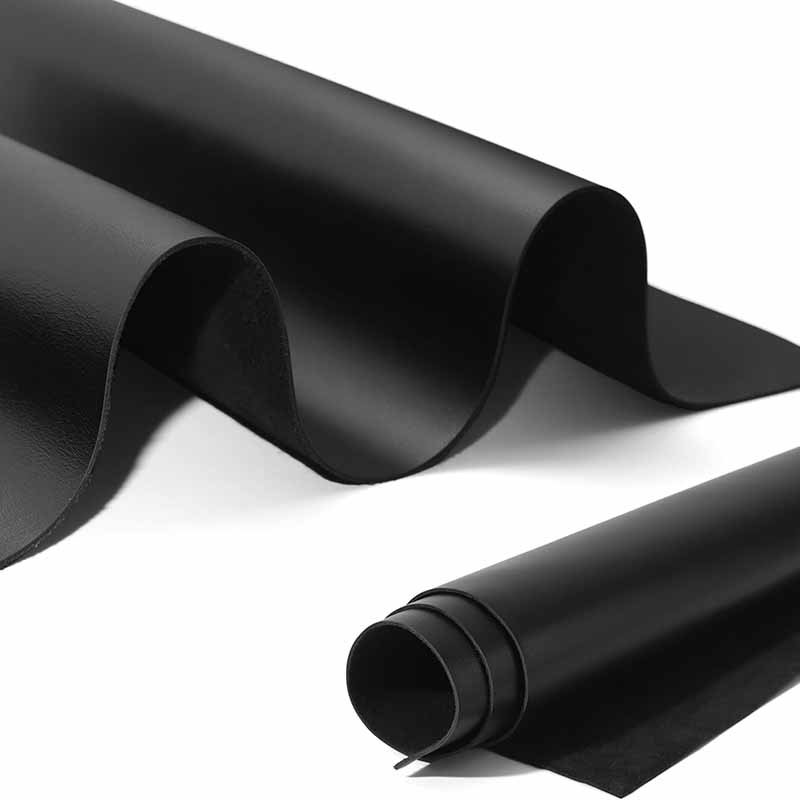
Full grain leather keychains keep the natural grain layer of the hide, offering maximum durability and natural aging characteristics. Top grain leather keychains have the surface lightly sanded and finished to create a smoother and more uniform look. Full grain leather emphasizes natural character and longevity, while top grain leather focuses on consistent appearance and manufacturing efficiency.
Which Leather Keychain Is More Durable?
Durability is one of the most important factors when choosing leather for keychains.
Because keychains are constantly exposed to friction, bending, and pressure from metal keys, the leather must resist wear over long periods.
Full grain leather generally offers the highest durability because the grain layer remains intact.
This outer layer of the hide contains tightly packed collagen fibers that provide strong resistance to tearing and stretching.
Top grain leather still performs well but may lose a small amount of strength due to the sanding process.
However, in most real-world use cases, both materials provide sufficient durability for keychains.
Durability often depends more on construction quality than leather type alone.
For example:
- poorly stitched full grain leather can fail quickly
- well-constructed top grain leather can last many years
Below is a simplified durability comparison.
| Factor | Full Grain Leather Keychain | Top Grain Leather Keychain |
|---|---|---|
| Tear resistance | highest | very good |
| Stretch resistance | excellent | very good |
| Abrasion resistance | excellent | good |
| Surface protection | moderate | higher (due to coating) |
This means full grain leather is usually better suited for long-life premium accessories, while top grain leather performs well in retail-oriented leather goods.
Which Leather Keychain Looks Better?
Appearance is often the deciding factor for many brands.
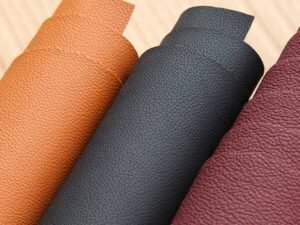
Full grain leather displays the natural texture of the hide, which creates a more organic and authentic appearance.
This natural look often appeals to brands focused on craftsmanship or heritage aesthetics.
Characteristics of full grain leather appearance:
- natural grain patterns
- subtle color variations
- visible texture
Top grain leather, on the other hand, offers a more polished and uniform look.
Because the surface has been corrected and coated, it often appears smoother and more refined.
Characteristics of top grain leather appearance:
- consistent color
- smoother surface
- fewer natural marks
For modern accessory brands, this consistent appearance can help maintain a clean and minimal design style.
Which Leather Keychain Lasts Longer?
When comparing lifespan, full grain leather usually ages better over long periods.
The natural grain layer protects the leather fibers and allows the material to develop patina rather than deteriorate.
Top grain leather also lasts well but may show wear differently depending on the finishing layer applied.
For example, heavy coatings can sometimes hide scratches initially but may show surface wear later.
The longevity of leather keychains also depends on several practical factors.
| Factor | Influence on Lifespan |
|---|---|
| Leather thickness | thicker leather lasts longer |
| Edge finishing | prevents cracking |
| Hardware quality | prevents structural failure |
| Stitch reinforcement | improves durability |
For brands designing leather keychains intended to last many years, full grain leather is often the preferred material.
However, for products where visual consistency and scalable production are priorities, top grain leather can be the better choice.
Which Leather Keychain Should Buyers Choose?
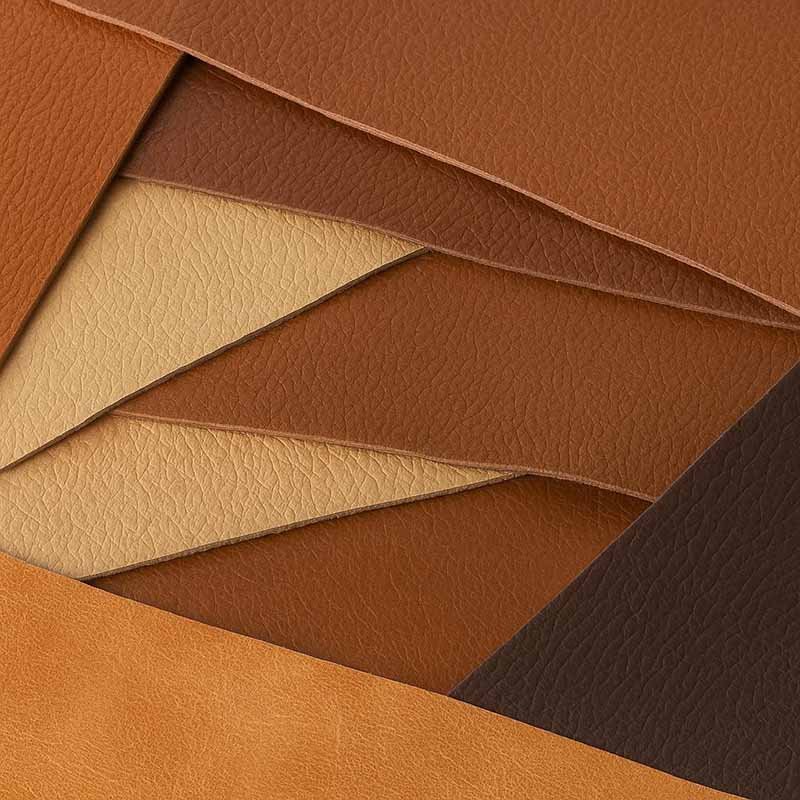
The best leather keychain depends on product positioning, durability requirements, and target price. Full grain leather keychains are ideal for premium products that emphasize natural texture and long-term aging. Top grain leather keychains offer smoother surfaces, more consistent appearance, and easier large-scale production. Brands should select leather based on their design goals, market segment, and manufacturing strategy.
When Should Buyers Choose Full Grain Leather Keychain?
Full grain leather is often the preferred choice when durability and authenticity are the main priorities.
Because the natural grain layer of the hide remains intact, full grain leather provides strong structural integrity and long-term durability.
This makes it particularly suitable for leather accessories designed to last many years.
Situations where full grain leather keychains are commonly used
- premium leather goods collections
- handmade leather accessories
- heritage or vintage-style brands
- high-end corporate gifts
Customers purchasing these products often appreciate natural leather characteristics such as grain patterns, patina development, and unique texture.
Full grain leather also works well for minimalist keychain designs where the material itself becomes the main aesthetic feature.
Another important factor is product longevity.
Leather accessories made from full grain leather often remain in good condition even after several years of daily use.
Below is a simplified positioning comparison.
| Product Positioning | Recommended Leather |
|---|---|
| Premium leather accessories | Full grain leather |
| Heritage style products | Full grain leather |
| Luxury corporate gifts | Full grain leather |
| Handcrafted artisan products | Full grain leather |
For brands building a strong reputation for quality, full grain leather keychains can reinforce the perception of craftsmanship and durability.
When Should Buyers Choose Top Grain Leather Keychain?
Top grain leather is often the better choice for brands that prioritize visual consistency and scalable production.
Because the leather surface has been corrected and finished, it is easier to control color uniformity across large production batches.
This consistency is valuable for companies producing leather accessories in higher volumes.
Situations where top grain leather keychains are commonly used
- fashion accessory brands
- promotional products
- retail gift collections
- corporate branded merchandise
Another advantage of top grain leather is its compatibility with various finishing techniques.
These include:
- embossing logos
- foil stamping
- color coatings
- laser engraving
These finishing processes allow brands to create leather keychains with modern aesthetics and distinctive branding.
Below is a typical use comparison.
| Product Category | Suitable Leather |
|---|---|
| Retail fashion accessories | Top grain leather |
| Promotional giveaways | Top grain leather |
| Corporate branding merchandise | Top grain leather |
| High-volume retail products | Top grain leather |
For brands focused on design consistency and scalable production, top grain leather provides an effective balance between durability and appearance.
What Thickness Is Best for Leather Keychain?
Leather thickness plays a major role in the durability and feel of a leather keychain.
If the leather is too thin, the keychain may stretch or deform under the weight of keys. If it is too thick, the product can feel bulky and uncomfortable in pockets.
Most leather keychains fall within a thickness range between 2 mm and 4 mm.
The ideal thickness depends on the design structure of the keychain.
Below is a reference thickness guide.
| Leather Thickness | Typical Use |
|---|---|
| 1.5–2.0 mm | lightweight keychains |
| 2.0–2.8 mm | standard leather keychains |
| 2.8–3.5 mm | heavy-duty keychains |
| 3.5–4.0 mm | reinforced loop keychains |
For keychains that include folded leather loops or riveted structures, thicker leather may provide additional strength.
Manufacturers sometimes combine two thinner leather layers to achieve the desired thickness while maintaining flexibility.
Edge finishing techniques such as edge painting or burnishing also influence durability and appearance.
How Can Brands Customize Leather Keychain?
Brands can customize leather keychains by selecting leather type, thickness, hardware, color, logo techniques, and packaging. Customization allows companies to create accessories that match their brand identity and product lines. Working with an experienced leather manufacturer helps ensure consistent quality, precise branding, and efficient production.
Which Leather Keychain Styles Sell Best?
Leather keychains are available in many design styles depending on their function and aesthetic.
Some designs focus on minimalist elegance, while others emphasize durability or decorative elements.
Below are several popular leather keychain styles commonly used in retail and promotional products.
| Keychain Style | Description |
|---|---|
| Loop keychain | folded leather strap with ring |
| Tag keychain | flat rectangular leather tag |
| Car key fob | reinforced loop with metal clip |
| Wrist strap keychain | long strap for easy carrying |
| Multi-ring keychain | multiple key attachments |
Among these designs, loop keychains and tag keychains are the most widely produced due to their simplicity and durability.
Brands often customize these products through color variations and logo placement.
How Do Logos Go on Leather Keychain?
Brand identity is one of the most important aspects of leather accessories.
Several techniques are used to apply logos to leather keychains.
| Logo Method | Characteristics |
|---|---|
| Debossing | pressed logo creates recessed design |
| Embossing | raised logo effect |
| Foil stamping | metallic logo finish |
| Laser engraving | precise engraved logo |
| Printed logo | colored graphic designs |
Debossing is one of the most popular methods for leather keychains because it creates a subtle and elegant logo that integrates naturally with the leather surface.
Foil stamping is often used for luxury products where metallic branding enhances visual appeal.
How Does SzoneierLeather Manufacture Leather Keychain?
Developing high-quality leather keychains requires both material expertise and manufacturing precision.
SzoneierLeather has more than 18 years of experience in leather product development and manufacturing.
Because SzoneierLeather maintains a strong raw material supply chain, the company can control the entire production process from leather sourcing to final packaging.
Typical SzoneierLeather production workflow
| Stage | Description |
|---|---|
| Product design | develop keychain concept |
| Material selection | choose full grain or top grain leather |
| Sample development | create prototype samples |
| Production planning | confirm materials and hardware |
| Mass manufacturing | precision cutting and stitching |
| Quality inspection | ensure durability and finish |
This integrated production capability allows SzoneierLeather to support OEM, private label, and custom product development for global brands.
Request Custom Leather Keychains from SzoneierLeather
Choosing between full grain and top grain leather keychains ultimately depends on the product’s design goals, target customers, and price positioning.
Full grain leather offers unmatched durability and natural character, making it ideal for premium accessories.
Top grain leather provides smoother appearance and manufacturing consistency, which suits many modern retail products.
For brands planning to develop leather accessories, working with an experienced leather manufacturer can greatly improve product quality and production efficiency.
SzoneierLeather specializes in custom leather product development.
Whether you are launching a new leather accessories brand or expanding an existing product line, SzoneierLeather can help transform your concept into high-quality leather keychains.
Contact SzoneierLeather today to request samples or receive a customized quotation for your leather keychain project.