
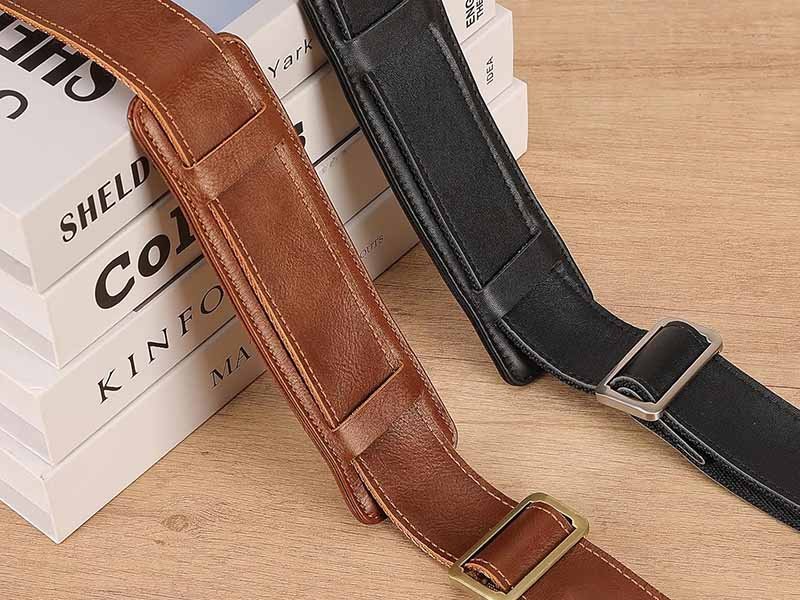
Choosing the right strap width and padding for leather bags is not just about style; it’s about comfort and long-term usability. A well-designed strap can greatly improve the overall experience, while a poorly chosen strap can lead to discomfort and wear and tear. The challenge, however, lies in balancing comfort with cost—after all, extra padding or wider straps come at a price. So, how do you find the perfect balance?
Strap width and padding are key to comfort and durability, with wider straps and thicker padding offering more comfort but increasing the cost. This article explores the relationship between these two factors and how they influence bag design.
Imagine carrying your leather purse during a long day—at first, the strap feels comfortable. But after a few hours, the thin strap starts to dig into your shoulder. Strap width and padding thickness directly affect how a leather bag feels during prolonged use. While wider straps and more padding offer better comfort, they can also drive up the cost of the bag. Let’s break down how these features impact comfort and performance, and how you can make the right choices based on your needs.
What Is Strap Width and Why Does It Matter?
Strap width directly affects the comfort and weight distribution of leather bags. Wider straps provide better comfort but can increase the cost, while narrower straps are lighter but might cause discomfort when carrying heavier bags.
Strap width refers to the physical width of the strap, typically measured across the top. It plays a key role in comfort because it determines how the weight of the bag is distributed across the shoulder. The ideal strap width varies depending on the type of bag and its intended use. While narrow straps are suitable for small, lightweight bags, wider straps are often better for larger bags that are used for heavier loads. Let’s explore how different strap widths impact comfort, functionality, and design.
What Defines Strap Width?
Strap width is a simple but impactful design choice. Narrow straps typically range from 0.5 to 1 inch, while wider straps usually start at 1.5 inches and can go up to 3 inches or more for heavier bags. The wider the strap, the more surface area it covers, which helps distribute weight more evenly across the shoulder, reducing the risk of discomfort.
- Narrow Straps (<1 inch): Best suited for small bags and fashion accessories where the design is the focus rather than comfort. These straps look sleek and minimalistic but often cause discomfort when carrying heavier items.
- Medium Width (1-2 inches): A good compromise for daily bags like tote bags or crossbody bags, where comfort is important but style still matters. Medium-width straps distribute weight better than narrow straps.
- Wide Straps (2-3 inches): Designed for heavier bags, these straps maximize comfort and reduce shoulder strain by distributing the weight evenly across a larger area.
| Strap Width | Comfort Level | Best For |
|---|---|---|
| Narrow Straps (<1 inch) | Minimal comfort, stylish look | Small bags, fashion bags |
| Medium Straps (1-2 inches) | Balanced comfort and style | Daily use bags, everyday bags |
| Wide Straps (2-3 inches) | Maximum comfort, reduces strain | Travel bags, heavy-duty bags |
Why Does Strap Width Affect Comfort?
Strap width plays a direct role in how comfortably the bag rests on the shoulder. The wider the strap, the better it can distribute weight across the shoulder, reducing concentrated pressure on any one area.
- Narrow straps focus weight in a smaller area, leading to discomfort, especially with heavier bags.
- Wide straps distribute weight over a broader area, significantly reducing discomfort and making them ideal for heavier loads.
For example, a wide strap with padding is excellent for tote bags or luggage because it minimizes shoulder fatigue. Narrow straps may be suitable for lightweight bags like clutches, but when you add weight, they can start to feel uncomfortable after extended wear.
Which Padding Types Improve Comfort Most?
The padding in leather bag straps plays a key role in reducing shoulder strain and improving comfort. Memory foam, polyester, and neoprene are common materials used for padding, each offering different levels of comfort and durability.
Padding is used to improve the comfort of the bag strap, particularly for heavier bags. A well-padded strap helps to distribute weight more evenly and reduce pressure on the shoulder. However, the type of padding used—along with the thickness—can greatly affect both the comfort and cost of the bag.
Which Padding Materials Are Common?
Here are some of the most commonly used padding materials for leather bag straps:
- Memory Foam:
- Comfort: Memory foam is known for superior comfort as it molds to the shape of the shoulder, providing a personalized fit. It helps to evenly distribute the weight of the bag, especially for heavier loads.
- Cost: Memory foam is typically more expensive than other padding materials but is often used in luxury bags due to its high-quality feel and lasting comfort.
- Polyester Foam:
- Comfort: Polyester foam is lightweight and provides moderate comfort. It doesn’t conform to the shoulder like memory foam but offers adequate cushioning for everyday use.
- Cost: It’s more affordable than memory foam, making it ideal for budget-conscious customers who still want a decent level of comfort.
- Neoprene:
- Comfort: Neoprene offers a flexible and lightweight cushioning that’s perfect for casual bags. It’s comfortable enough for shorter periods of wear but doesn’t provide the same level of luxury feel as memory foam.
- Cost: Neoprene is cost-effective and durable, making it a great choice for sports bags or everyday bags that need lightweight comfort.
| Padding Material | Comfort Level | Best For | Cost |
|---|---|---|---|
| Memory Foam | High comfort, adapts to the body | Luxury bags, heavy-duty bags | Expensive |
| Polyester Padding | Moderate comfort | Everyday bags, budget bags | Affordable |
| Neoprene | Flexible, lightweight comfort | Sports bags, casual bags | Moderately priced |
Which Padding Thickness Works Best for Heavy Loads?
The thickness of padding plays an important role in determining how comfortable the strap will be, especially when carrying heavy bags.
- Thicker Padding (0.5-1 inch): For heavy-duty bags, travel bags, or weekend bags, thicker padding helps to distribute the weight more evenly and reduces shoulder strain over long periods of use.
- Thinner Padding (0.2-0.3 inch): For light bags or fashion bags, thinner padding provides adequate comfort without making the strap too bulky.
| Padding Thickness | Comfort Level | Best For | Cost |
|---|---|---|---|
| Thick Padding (0.5-1 inch) | Maximum comfort, heavy-duty wear | Travel bags, tote bags, luggage | Higher cost |
| Thin Padding (0.2-0.3 inch) | Moderate comfort | Small purses, lightweight bags | More affordable |
Thicker padding is recommended for larger bags that will be used for extended periods and need extra comfort.
How Does Strap Width Impact Bag Performance?
Strap width significantly affects both the performance and comfort of a leather bag. Wider straps can improve weight distribution, reduce shoulder strain, and enhance durability, while narrower straps may be more stylish but less comfortable for heavier loads.
When we talk about bag performance, we’re considering several factors: comfort, durability, and how efficiently the strap allows the user to carry the bag. Strap width is one of the key components influencing these factors. Here’s how narrow and wide straps impact overall performance.
How Does Strap Width Affect Weight Distribution?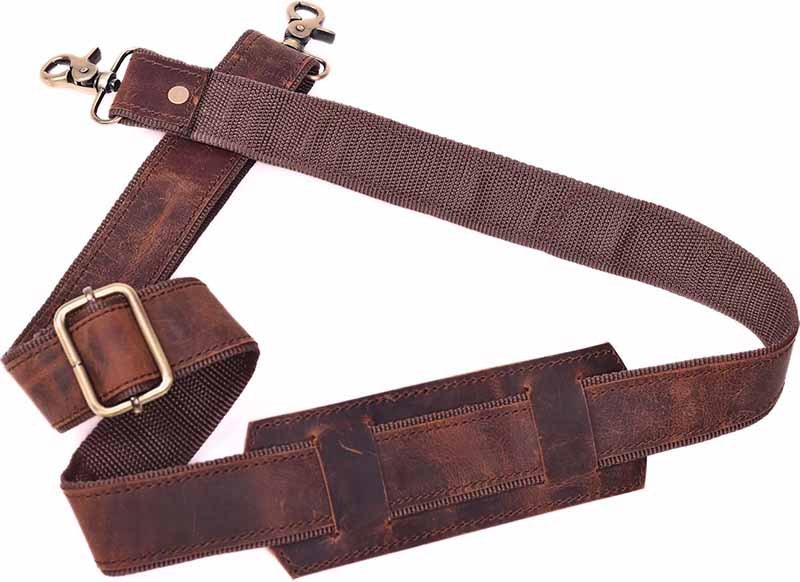
One of the most important factors in how a bag performs is how weight is distributed across the shoulder. A narrow strap places all the bag’s weight on a small surface area of the shoulder, leading to pressure points. Over time, this can lead to discomfort, muscle fatigue, or even pain.
Wide straps have a broader surface area, meaning that the weight of the bag is spread out more evenly. This helps reduce the pressure on any single point on the shoulder and allows the wearer to carry heavier bags without feeling sore. The wider the strap, the more the weight is distributed, making it a better option for heavier bags or travel bags.
| Strap Width | Weight Distribution | Comfort |
|---|---|---|
| Narrow Straps (<1 inch) | Concentrated on a small area of the shoulder | Can cause discomfort, especially with heavy bags |
| Wide Straps (2-3 inches) | Evenly distributed across a larger area | Provides comfort for long periods of use |
Wider straps are ideal for larger bags or bags that carry heavy loads because they provide more support and comfort during extended use.
How Does Strap Width Impact Bag Movement?
The width of the strap affects how the bag behaves when worn. Narrow straps tend to make the bag move more freely, causing it to sway from side to side. This can lead to a feeling of instability, especially when carrying a heavier bag. On the other hand, wider straps help stabilize the bag, preventing excessive movement and ensuring it stays securely in place, making the bag more stable during active use.
For example: A tote bag with a narrow strap may swing more when you walk, making it uncomfortable or difficult to manage. In contrast, a wide strap on a travel bag keeps the bag in place, reducing swinging and providing better control.
| Strap Width | Movement Control | Best For |
|---|---|---|
| Narrow Straps (<1 inch) | More free movement, less stable | Small bags, fashion bags |
| Wide Straps (2-3 inches) | More stable, less swinging | Heavy-duty bags, travel bags |
For active users or those who need the bag to stay put, a wide strap offers more control and less distraction.
How Does Strap Width Affect Durability and Long-Term Use?
The width of the strap also influences the durability of the bag over time. Narrow straps are often less durable, especially when used with heavier bags. Over time, the constant pressure on a small area can cause the strap to wear down or even break.
Wider straps, due to their larger surface area, distribute the weight of the bag more effectively, which means they are less likely to suffer from wear and tear. This makes them ideal for larger bags or bags designed for heavy-duty use, like travel bags or weekender bags.
Additionally, wider straps are less prone to stretching over time. Narrow straps may stretch out or lose their shape faster, particularly when used with heavier loads.
| Strap Width | Durability | Best For |
|---|---|---|
| Narrow Straps (<1 inch) | Less durable, prone to wear and tear | Small bags, occasional use |
| Wide Straps (2-3 inches) | More durable, withstands heavy use | Heavy-duty bags, travel bags |
If you need a strap that will last over time, especially for larger bags, a wider strap is the more durable option.
Do Wider Straps Always Mean Better Comfort?
While wider straps provide better comfort, they also increase cost and can affect the overall design of the bag. The ideal choice depends on balancing comfort, cost, and the bag’s intended use.
Wider straps are typically more comfortable because they distribute weight more evenly across the shoulder. However, they come with a cost—both in terms of material and design. Wider straps can also affect the overall aesthetic of the bag, making it look bulkier. Let’s explore whether wider straps are always the best choice.
Do Wider Straps Cost More?
Yes, wider straps generally increase the cost of the bag. They require more material (especially when made from high-quality leather or padded materials), which raises production costs. Additionally, wider straps may require heavier-duty hardware, further adding to the cost.
However, the comfort they provide can justify the added cost, especially for large bags or travel bags. If comfort is a priority and the budget allows, wide, padded straps are often worth the investment.
| Strap Width | Cost Impact | Design Impact |
|---|---|---|
| Narrow Straps | Lower cost | Sleeker, more minimal look |
| Wide Straps | Higher cost | More bulk, better comfort |
Do Wide Straps Impact Bag Design and Style?
Yes, wide straps can alter the look of the bag. While they enhance comfort, they also make the bag look bulkier, which may not align with the design vision for smaller, more delicate bags.
- Wide Straps: Ideal for large bags, tote bags, or travel bags that require extra support. However, they might not suit fashion-forward or compact designs.
- Narrow Straps: Best for small purses, clutches, and evening bags, where the design is focused on elegance rather than comfort.
| Strap Width | Style Impact | Best For |
|---|---|---|
| Wide Straps (2-3 inches) | Bulkier, casual look | Travel bags, heavy-duty bags |
| Narrow Straps (<1 inch) | Sleek, elegant look | Evening bags, small clutches |
What Is the Best Width & Padding for Different Use Cases?
The best strap width and padding depend on how the leather bag will be used. For light bags, thinner straps and minimal padding are sufficient, but for heavy-duty bags or travel bags, wider straps with thicker padding are necessary for comfort and support.
The ideal strap width and padding thickness depend on the bag’s intended use. Whether you’re designing a luxury evening bag or a functional travel bag, choosing the right combination of width and padding is essential for both comfort and cost-effectiveness.
What Width for Everyday Use?
For everyday bags, a medium-width strap (about 1-2 inches) is usually the best choice. This width strikes the perfect balance between comfort and style. It provides enough weight distribution to reduce discomfort without adding too much bulk to the bag’s design. For these bags, moderate padding (around 0.2-0.3 inches) is sufficient to offer comfort without affecting the bag’s flexibility.
| Strap Width | Comfort Level | Best For |
|---|---|---|
| Medium Width (1-2 inches) | Comfortable, balanced | Everyday bags, work bags, crossbody bags |
What Design for Travel or Heavy Loads?
For heavier bags or travel bags, wider straps (about 2-3 inches) with thicker padding (about 0.5-1 inch) are ideal. These straps help distribute the weight more evenly across the shoulder, reducing fatigue during long periods of wear. Padding adds a layer of comfort and reduces pressure on the shoulder, especially when the bag is heavy or loaded with gear.
| Strap Width | Comfort Level | Best For |
|---|---|---|
| Wide Width (2-3 inches) | Excellent comfort | Travel bags, heavy-duty bags, large tote bags |
Conclusion
When choosing the right strap width and padding for leather bags, it’s essential to balance comfort, cost, and design. While wider straps and thicker padding improve comfort, they can increase the cost and influence the overall design. By understanding how strap width and padding impact comfort, performance, and aesthetic appeal, manufacturers and designers can create bags that meet both functional and stylish needs.
At Szoneier Leather, we specialize in creating customizable leather straps that balance comfort, durability, and design. Whether you’re looking for luxury padded straps or sleek, minimalist straps, we can help bring your vision to life. Contact us today to discuss your custom leather strap needs.