
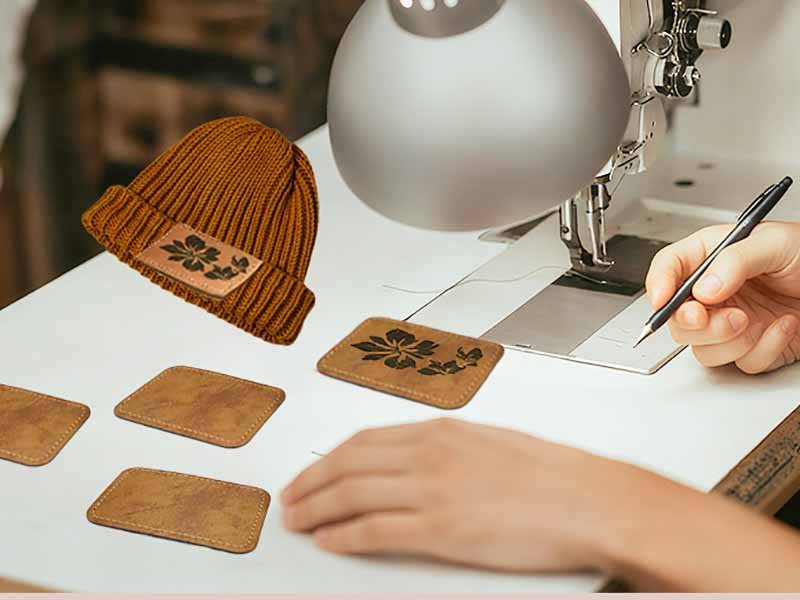
Leather patches are a popular choice for a wide range of applications, from fashion garments to durable accessories and tactical gear. Understanding the ideal leather thickness for different patch uses is crucial to ensure the right balance of flexibility, durability, and overall quality. Whether you’re designing custom patches for clothing, bags, or outdoor gear, selecting the correct leather thickness plays a major role in the final product’s success.
Choosing the right leather thickness not only affects how the patch looks but also influences its longevity and how it interacts with the base material. For example, thicker leather patches are better for high-durability needs, such as backpacks and heavy-duty gear, while thinner leather patches are ideal for flexible applications like clothing or accessories.
In this guide, we’ll break down the different leather thickness options, the best uses for each, and practical advice for choosing the perfect patch thickness for your specific application.
What Is Leather Thickness for Patches?
Leather thickness is an important factor to consider when selecting material for custom patches. It determines the patch’s durability, flexibility, and suitability for various applications. Leather thickness is typically measured in ounces (oz) or millimeters (mm).
In the ounces system, one ounce equals 1/64th of an inch. For example, 3 oz leather would be 3/64ths of an inch thick. For millimeter measurements, thickness can range from 1 mm to several millimeters, depending on the type of leather used.
Leather thickness is vital for creating patches that fit the intended product—whether it’s a flexible, comfortable patch for a jacket or a sturdy, resilient patch for tactical gear. The thickness directly impacts both the patch’s texture and its ability to withstand wear and tear over time.
What Does Leather Thickness Mean for Patches?
The thickness of leather patches significantly affects how they function in their application. Thicker patches tend to be more durable, providing strength and protection in high-stress environments. However, they can also be stiffer, making them less suitable for garments or lightweight accessories. Thinner patches, while offering greater flexibility, may not provide the same long-lasting durability as thicker options.
To make the right choice, it’s essential to understand both the material thickness and the intended use of the patch.
Why Does Leather Thickness Matter in Patch Performance?
The leather thickness of a patch determines several key features:
- Durability: Thicker leather offers more resistance to wear and tear, making it ideal for high-use products like bags and work gear.
- Flexibility: Thinner leather is more flexible, which is essential for clothing, where the patch must move with the wearer.
- Aesthetics: Thicker leather can hold embossing, engraving, or stitching better, which is essential for more detailed designs or logos. Thinner leather is often used for more subtle applications, where the patch needs to blend smoothly with the garment or accessory.
Which Leather Thickness Is Best for Different Patch Applications?
Choosing the right leather thickness for patches is essential for achieving both the functionality and appearance that match the product’s needs. Here’s a detailed guide to selecting the right thickness for various patch applications.
| Application | Recommended Thickness | Ideal Leather Type | Key Features |
|---|---|---|---|
| Garment Patches (jackets, shirts) | 3-5 oz (1.2-2 mm) | Full-grain or Top-grain | Soft, flexible, comfortable |
| Bag Patches (backpacks, purses) | 5-7 oz (2-3 mm) | Vegetable-tanned or Full-grain | Sturdy, structured |
| Tactical & Workwear Patches | 7-10 oz (3-4 mm) | Full-grain or Oil-tanned | Heavy-duty, abrasion-resistant |
| Outdoor Gear Patches | 6-8 oz (2.5-3.2 mm) | Chrome-tanned, Oil-tanned | Water-resistant, durable |
| Accessory Patches (belts, wallets) | 4-5 oz (1.6-2 mm) | Top-grain or Vegetable-tanned | Soft but durable, pliable |
Best Thickness for Garment Patches
Garment patches, commonly found on jackets, shirts, and other clothing, require a thinner leather to ensure they are comfortable to wear without causing stiffness. Leather in the range of 3 to 5 oz (1.2-2 mm) is ideal for garments as it strikes a balance between durability and flexibility.
Full-grain leather is a popular choice for garment patches due to its natural texture and longevity. It molds beautifully to clothing and develops a unique patina over time. Top-grain leather, while slightly thinner and more uniform, provides a smoother finish and is perfect for clothing patches that need to maintain a crisp look without compromising strength.
Best Thickness for Bag and Backpack Patches
For bags, backpacks, and other accessories that need to stand up to heavy use, a thicker leather patch is necessary. Patches in the 5-7 oz (2-3 mm) range offer the strength and durability needed to withstand regular contact, abrasions, and general wear.
Vegetable-tanned leather is often used for bags because it develops a rich color and patina, making the patch not only functional but aesthetically pleasing. Full-grain leather is another excellent option for patches on bags, as it provides superior durability while maintaining flexibility.
Best Thickness for Tactical and Workwear Patches
Tactical gear and workwear require the most durable patches, so leather thickness in the 7-10 oz (3-4 mm) range is preferred. This thick leather provides maximum strength and resistance to environmental factors like weather, dirt, and abrasion, which are common in these types of applications.
Full-grain leather or oil-tanned leather works well for heavy-duty patches, as these types of leather are resistant to water, chemicals, and wear. These patches are often used on uniforms, tool bags, and tactical accessories where durability is paramount.
Best Thickness for Outdoor Gear Patches
Outdoor gear like camping bags, tool kits, and hiking backpacks requires leather patches that are tough enough to endure the elements. Leather thickness of 6-8 oz (2.5-3.2 mm) is optimal for this use, providing durability while maintaining flexibility for attachment to various materials.
Chrome-tanned leather and oil-tanned leather are both great choices for outdoor gear patches. Chrome-tanning gives leather a smooth, durable finish, while oil-tanning makes the leather water-resistant and perfect for rugged environments.
Best Thickness for Accessories Patches
For accessories such as wallets, belts, and small bags, leather patches in the 4-5 oz (1.6-2 mm) range are ideal. This thickness provides a nice balance of flexibility and durability, making the patch strong enough to withstand daily use but still comfortable for wearables.
Top-grain leather or vegetable-tanned leather is often chosen for accessories, as it offers a smooth finish that is both aesthetically pleasing and durable enough to handle everyday contact.
How to Choose the Right Leather Thickness for Patches?
Selecting the right leather thickness for patches isn’t always straightforward—it requires a deep understanding of the product’s purpose, design needs, and how the patch will be used. Choosing leather that’s too thick can lead to stiffness, while leather that’s too thin may not provide enough durability for high-use applications. Below, we’ll cover the key factors to consider when selecting leather thickness and how to ensure you strike the perfect balance.
What Factors Influence Thickness Selection?
When choosing leather thickness for patches, several factors will directly influence your decision. These considerations help ensure that the patch not only performs well but also fits the intended design and use requirements.
1. Application Type
The type of product you’re applying the leather patch to is the most significant factor in determining the thickness. Here’s a breakdown:
- Garment Patches: For clothing like jackets, shirts, or hats, a thinner leather (3-5 oz or 1.2-2 mm) is ideal. This provides flexibility and comfort, ensuring that the patch moves with the fabric without feeling too rigid.
- Accessory Patches: For items like wallets, belts, and bags, thicker leather (4-6 oz or 1.6-2.4 mm) is typically used. These products require durability but also need to remain pliable enough for comfort.
- Heavy-duty Gear Patches: Patches for outdoor gear, backpacks, or tactical equipment require thicker leather (6-10 oz or 2.4-4 mm). These applications endure more wear and tear, so a more durable leather is needed to withstand abrasions and environmental conditions.
2. Durability Requirements
Durability is often linked to the thickness of the leather. For products that will be subjected to high levels of stress or frequent contact, thicker leather will offer more resistance to wear and tear. However, there’s a trade-off—while thicker leather is more durable, it can also be less flexible and heavier. For instance, bags or tactical gear patches need to resist abrasions and water, which thicker leather can better handle.
3. Design Complexity
Patches with intricate designs, whether embossed, laser-etched, or stitched, often require thicker leather to hold detail without distorting. Thicker leather can better support embossing or engraving techniques, ensuring crisp, long-lasting designs. However, if the design is simple and doesn’t require much depth, thinner leather can still be used effectively.
4. Comfort & Flexibility
For garments or accessories that require a comfortable fit, flexibility is key. Thinner leather (3-5 oz) allows the patch to move with the fabric, making it ideal for items that will be worn directly on the body. Thicker patches may create stiffness and discomfort, which is undesirable in clothing or smaller accessories.
5. Environmental Factors
If your patches are going to be exposed to specific environmental conditions—such as rain, snow, or high levels of friction—thicker, more resilient leather is essential. For example, patches used in outdoor gear, boots, or workwear are often made from thicker leather to ensure they endure harsh conditions without degrading quickly.
How to Balance Aesthetics and Durability in Patches?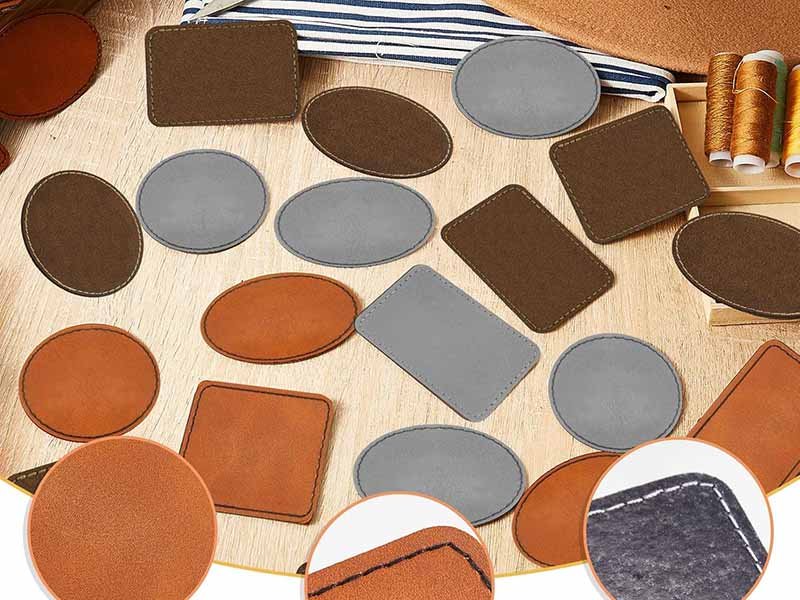
Choosing the right leather thickness is a balance between aesthetics and functionality. While durability is important, especially for products that will experience significant wear and tear, it’s also essential to maintain a visually appealing and comfortable patch. Here’s how to find that balance:
1. Consider the Desired Look
Thicker leather has a more rugged, textured look, which works well for products like workwear, backpacks, and accessories that need to look sturdy. If you’re aiming for a more sophisticated or sleek appearance, thinner leather will offer a smoother, more refined look.
- For a rugged, vintage look: Go with thicker leather (5-7 oz) that will age beautifully and develop a unique patina over time. This is great for outdoor gear, military-style jackets, and tool bags.
- For a more refined or minimalist design: Choose thinner leather (3-5 oz), which will keep the patch light and flexible while still looking high-quality.
2. Functionality vs. Aesthetic Trade-off
While thicker leather often offers a more durable and premium feel, it may not always be the best for every application. For example, a thicker leather patch on a lightweight jacket may disrupt the natural drape and flow of the fabric. Similarly, a thicker patch on a delicate garment may look bulky, which is not desirable.
Balancing Function and Style:
- For garments, where comfort and flexibility are important, thinner leather (3-4 oz) will allow the patch to integrate seamlessly with the fabric, without compromising on quality. It’s also perfect for smaller designs that don’t require heavy embossing or intricate etching.
- For bags and accessories, consider using a middle ground of 4-6 oz leather. This thickness offers both durability and an attractive appearance, ensuring the patch adds to the product’s value without making it feel too rigid.
3. Consider Wear Patterns
For products that will undergo heavy use, such as backpacks or tool bags, thicker leather patches (6-10 oz) are necessary for longevity and to maintain their appearance over time. However, thinner leather patches may wear out faster, especially if they are placed in areas that are exposed to constant friction or pressure.
4. Evaluate Comfort
Leather patches should not add unnecessary bulk to the garment or accessory. Thinner leather provides a more comfortable feel for wearable items. For example, a 3 oz patch on a jacket or a 4 oz patch on a belt will maintain comfort without compromising durability. However, for accessories like bags or wallets, thicker leather can provide a more structured, premium look.
Does Thicker Leather Mean Better Quality for Patches?
The relationship between leather thickness and quality isn’t always straightforward. While thicker leather can be more durable, it doesn’t always translate to superior quality. Understanding how thickness impacts the overall performance of a patch is crucial for making the right choice.
How Does Thickness Affect Durability and Patch Lifespan?
Thicker leather patches are generally more durable, but durability isn’t just about thickness—it’s also about the leather type and the tanning process. Thicker patches provide more resistance to abrasions, cuts, and general wear, making them ideal for products that experience frequent contact, such as workwear, outdoor gear, and bags.
For example, a 7 oz (2.8 mm) full-grain leather patch will last longer in harsh conditions compared to a 3 oz (1.2 mm) patch, as it can resist more wear and tear. However, this doesn’t mean that thinner leather patches are of poor quality. Thinner leather is often chosen for its flexibility and comfort, and when the correct type of leather (e.g., vegetable-tanned) is selected, it can still be quite durable.
When Is Thicker Leather Too Much for Patches?
While thicker leather provides durability, it can also introduce challenges. Thicker patches can make the patch feel stiff or bulky, which may not be desirable for applications such as clothing or accessories that require a more flexible, lightweight patch.
For example, a 10 oz (4 mm) patch might be too rigid for a jacket or wallet, affecting comfort and movement. Furthermore, when using thicker leather, it’s important to ensure that the patch will still conform to the surface it’s being applied to without creating a bulky, heavy feel.
Thicker patches are also more challenging to work with, as they may require more precise stitching techniques or machinery to ensure proper attachment to the base material. In some cases, too thick a patch can lead to difficulty in sewing or applying the patch, particularly when it’s being sewn onto lightweight fabrics.
How to Choose the Right Leather Thickness for Custom Patches?
When considering leather thickness for custom patches, it’s essential to take a holistic approach. While the general rule of thumb is that thicker leather is better for durability, the actual choice depends on the end product’s purpose, comfort, and the patch’s design. Below are key factors to consider when selecting the right leather thickness for your custom patches:
What Factors Influence Thickness Selection?
- Application Type: If the patch will be applied to high-stress areas, like backpacks or tactical gear, a thicker leather (5-7 oz) is required. For lightweight applications, such as jackets or belts, thinner leather (3-5 oz) will provide the necessary flexibility without sacrificing durability.
- Patch Design: The type of design you plan to create will also affect the thickness choice. Detailed embossed or laser-engraved patches often benefit from thicker leather (5-7 oz), while simpler designs can be created using thinner leather for a more streamlined look.
- Environmental Considerations: If the patch will be exposed to harsh conditions, such as extreme temperatures, water, or chemicals, it’s important to select a leather thickness that will withstand those factors. Thicker leather, especially oil- or chrome-tanned varieties, will fare better in such environments.
How to Balance Aesthetics and Durability?
Choosing the right leather thickness isn’t just about durability—it’s about finding the right balance between aesthetics and functionality. Leather thickness can affect the patch’s appearance, texture, and feel, and it’s important to choose a thickness that aligns with both the functional needs and the design vision of the product.
- Garments: For clothing patches, such as those on jackets or shirts, opt for thinner leather (3-5 oz) that will conform to the fabric without adding bulk or stiffness.
- Accessories: For items like wallets or belts, 4-5 oz leather offers enough durability while remaining soft enough to provide comfort and flexibility.
- Heavy-duty Items: For bags or workwear, thicker leather (5-7 oz) is essential to ensure longevity, but you should be mindful of the weight and stiffness the patch may add to the overall product.
Common Leather Thickness Standards for Patches
While there are no strict, universally agreed-upon standards for leather patch thickness, there are some commonly accepted ranges in the industry for various applications. Knowing these standards can help guide your decision-making process and ensure the final product meets industry expectations.
What Are Industry Standards for Leather Patch Thickness?
Industry standards for leather patch thickness are often influenced by the type of product and the intended use of the patch. However, there are some general guidelines that most manufacturers follow. Below is an overview of the typical leather thickness used for different patch applications:
| Application | Common Thickness Range | Ideal Leather Type | Usage |
|---|---|---|---|
| Clothing (jackets, shirts) | 3-5 oz (1.2-2 mm) | Full-grain, Top-grain | Lightweight, flexible patches |
| Backpacks & Bags | 5-7 oz (2-3 mm) | Vegetable-tanned, Full-grain | Sturdy, abrasion-resistant |
| Tactical Gear | 7-10 oz (3-4 mm) | Full-grain, Oil-tanned | High-durability, heavy-duty |
| Outdoor Gear | 6-8 oz (2.5-3.2 mm) | Chrome-tanned, Oil-tanned | Water-resistant, tough |
| Accessories (belts, wallets) | 4-5 oz (1.6-2 mm) | Top-grain, Vegetable-tanned | Soft yet durable, pliable |
How Do Manufacturers Standardize Leather Thickness?
While leather thickness standards vary by manufacturer, certain processes help standardize thickness for patches. These include using precise measuring tools, cutting machines, and quality control measures to ensure consistency in the final product.
- Measuring Tools: Leather thickness is measured using tools like micrometers, which ensure accuracy down to the millimeter.
- Cutting & Stamping: Machines used to cut leather patches can be calibrated to maintain consistent thickness across large batches.
- Quality Control: A detailed inspection process ensures that the final patches meet the required thickness specifications before they are used in production.
By adhering to these standards and processes, manufacturers can create leather patches that are consistent in quality and thickness, ensuring they meet the expectations of both designers and end consumers.
Testing and Prototyping Custom Patches
Before finalizing your leather patch thickness, it’s crucial to test your designs and prototypes. Working with a manufacturer who offers prototyping services allows you to sample different leather thicknesses to see how they perform in real-world conditions. Testing prototypes can help you assess the patch’s durability, comfort, and overall aesthetic.
Testing is especially important when creating custom patches, as it ensures that the final product meets your specific needs. Whether you’re testing durability for heavy-duty patches or comfort for garment patches, prototyping will help you make the best choice.
Conclusion
Choosing the right leather thickness for patches is essential for creating high-quality products that perform well and look great. By considering factors like the application type, durability needs, patch design, and comfort requirements, you can ensure that the leather thickness you choose is the best fit for your product. With proper testing and attention to detail, your custom leather patches will be both functional and aesthetically pleasing.
For tailored leather patch solutions that meet your unique needs, contact Szoneier Leather today. Our experienced team can help you select the ideal leather thickness, material, and design for your custom patches. Get in touch for a quote or to discuss your project!