
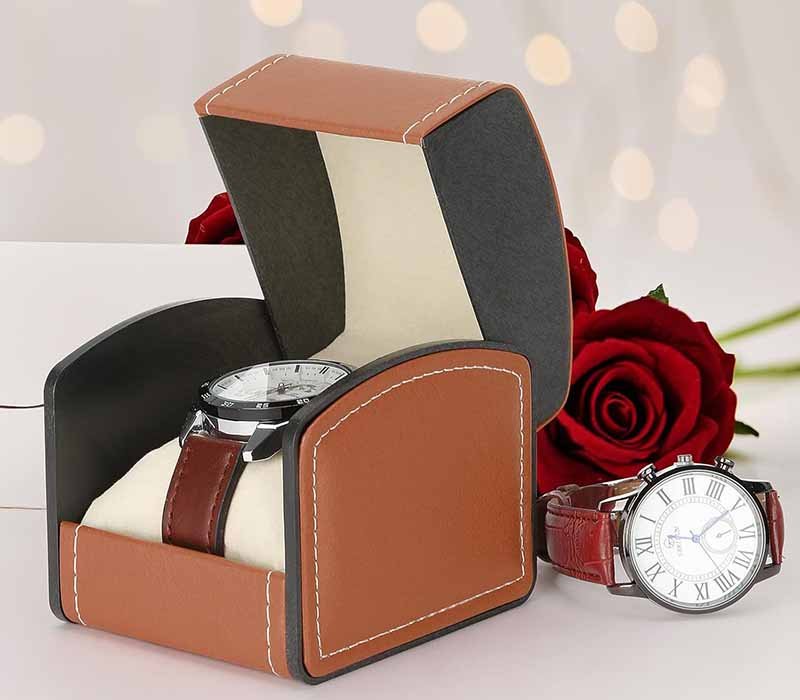
People often blame the leather when a leather box feels weak: “The leather is too thin,” or “The wrapping isn’t tight enough.” In production, the truth is simpler—and more important. Leather is the skin. Core board is the skeleton. If the skeleton is underbuilt, the box will flex, warp, and lose alignment no matter how premium the leather looks.
Core board thickness is the fastest way to change how rigid a leather box feels. Thicker board increases stiffness, improves load resistance, and reduces deformation in shipping and daily use. Thinner board reduces weight and cost, but it raises the risk of sidewall bowing, lid misalignment, and corner crush—especially on larger boxes or boxes meant to be stacked.
Here’s the part many brands learn only after a few rounds of sampling: a leather box can look perfect on day one, then start “aging” badly after real handling—opening 30–50 times, being pressed into a shelf, or shipped across humid climates. When that happens, the root cause is usually not the leather—it’s the board thickness, board grade, and joint design. Let’s break it down in a way you can actually use in development.
What Is Core Board in Leather Boxes?
Core board is the internal rigid panel material that forms the walls, lid, and base of a leather box. It controls the box’s stiffness, shape accuracy, and resistance to bending; the leather layer mainly adds surface look, touch, and wear protection.
What does core board do inside a leather box?
Think of a leather box like a building. Leather is the exterior finish; the core board is the frame. Core board affects the box in four ways customers notice immediately:
- Hand feel (quality signal)
- Customers squeeze the sidewall without thinking.
- If it flexes easily, they read it as “light-duty,” even if the leather is expensive.
- Geometry (how “square” it stays)
- Thin board can bow outward on long walls.
- Poor stiffness makes lids sit uneven, creating visible gaps.
- Shipping survival
- Carton pressure + stacking force targets corners and long panels.
- Weak board leads to crushed corners and deformed lids.
- Long-term alignment
- Opening/closing cycles stress hinge lines and lid edges.
- Underbuilt board leads to drifting alignment after weeks/months.
Where rigidity matters most (practical zones):
- Long side panels (most likely to bow)
- Lid edge (most likely to warp)
- Bottom panel (affects standing and stacking)
- Corners/joints (most likely to crush)
| Customer Action | What They Feel/See | Common Failure if Board Is Too Thin |
|---|---|---|
| Squeeze sidewall | “Is it solid?” | Wall flex / bow |
| Put box on shelf | “Does it sit flat?” | Base twist / rocking |
| Open/close lid daily | “Is it smooth?” | Lid gap / hinge drift |
| Stack boxes | “Does it hold weight?” | Corner crush / lid sag |
What materials are commonly used as core boards?
Thickness alone doesn’t tell the full story. A 2.0 mm board from a low-grade batch can feel weaker than a 1.8 mm board with higher density. That’s why brands should specify material + thickness + density/grade whenever possible.
| Board Type | Common Thickness (mm) | Relative Rigidity | Weight Feel | Best Use Cases |
|---|---|---|---|---|
| Greyboard (high-density) | 1.2–3.0 | Medium–High | Medium | Most premium leather boxes |
| Greyboard (standard) | 1.2–2.5 | Medium | Medium | General gift boxes |
| MDF board | 2.0–5.0 | Very High | Heavy | Large boxes, heavy contents |
| Chipboard | 1.0–2.5 | Medium (varies) | Light–Medium | Cost-controlled projects |
| Paperboard | 0.8–1.5 | Low–Medium | Light | Decorative, small/light boxes |
- Greyboard is popular because it wraps well and balances cost/rigidity.
- MDF gives strong stiffness but increases weight and machining time.
- Paperboard can work only for small boxes or “display only” use, not stacking or shipping abuse.
How Does Core Board Thickness Affect Rigidity?
Core board thickness changes rigidity sharply. A small thickness increase can make a box feel dramatically more solid, especially on longer panels and larger lids. But after a certain point, extra thickness brings diminishing returns and can create new problems like heavier weight, tighter tolerances, and harder wrapping.
How does thickness change structural stiffness?
In real box development, thickness impacts three things immediately:
- Sidewall deflection (how much walls bend under pressure)
- Lid flatness (how much the lid sags across its span)
- Edge straightness (how clean the lines stay after wrapping)
A useful “feel guide” many factories use:
| Thickness (mm) | Hand Feel When Pressed | What It’s Usually Good For |
|---|---|---|
| 0.8–1.2 | Noticeable flex | Small decorative boxes only |
| 1.5–1.8 | Moderate firmness | Small–medium boxes, light loads |
| 2.0–2.5 | Clearly rigid | Premium gift boxes, stacking |
| 2.8–3.2 | Very rigid | Large boxes, heavy items |
| 3.5+ | Extremely rigid | Special heavy-duty builds |
Rigidity doesn’t increase “smoothly.” There are thresholds. Many brands feel the biggest jump when moving from 1.8 → 2.2 mm, especially for mid-size boxes.
But thickness also affects manufacturing tolerance. When boards get thicker:
- Cutting accuracy must be higher (small errors become visible).
- Edge finishing is harder (more sanding/cleaning).
- Corner joints must be aligned perfectly or the box looks “crooked.”
So the best build is not “thickest possible.” It’s “thick enough with clean execution.”
How does thickness affect load-bearing capacity?
Load-bearing matters when boxes are used for:
- High-value items (watches, jewelry sets)
- Heavy items (bottle gift sets, tech kits)
- Retail stacking / warehouse stacking
- Long shipping routes
Here’s a practical range for load expectations (this is not lab-certified; it’s a working development guideline used in production planning):
| Box Size Range | Suggested Board Thickness | Safer Stacking / Load Expectation |
|---|---|---|
| ≤ 15 cm (small) | 1.2–1.8 mm | Light stacking, low crush risk |
| 15–30 cm (medium) | 1.8–2.5 mm | Moderate stacking, better shape hold |
| 30–45 cm (large) | 2.5–3.2 mm | Higher stacking safety, stronger corners |
| 45 cm+ (extra large) | 3.0–4.0 mm | Heavy-duty approach recommended |
Common failures when thickness is under-selected:
- Lid sag (customers see it immediately)
- Sidewall bowing (box looks “puffed”)
- Corner crush (happens in shipping, hard to repair)
- Magnet/lock misalignment (closure feels cheap)
And one more thing brands care about: weight. A thicker board can push shipping cost up—especially in air freight. If your product sells online internationally, weight and volumetric size matter. That’s why many brands choose a hybrid thickness approach:
- thicker board on the base and lid frame
- slightly thinner board on side panels
- reinforcement only where stress is highest
Which Core Board Thickness Fits Different Leather Boxes?
There is no “one correct” core board thickness for all leather boxes. The right thickness depends on box size, internal load, usage frequency, and whether the box is decorative, functional, or structural. Choosing thickness without considering these factors is the most common reason boxes fail after production.
Which thickness works for small or decorative leather boxes?
Small leather boxes are often used for jewelry, accessories, or display purposes. Because their panel spans are short, they naturally resist bending better than large boxes. This allows thinner board—but only up to a point.
For small boxes (generally under 15–18 cm on the longest side):
| Box Use Case | Recommended Thickness | Reasoning |
|---|---|---|
| Jewelry display box | 1.2–1.5 mm | Short walls, low internal load |
| Gift presentation box | 1.5–1.8 mm | Better hand feel, cleaner lid alignment |
| Retail shelf box | 1.8 mm | Improved durability under handling |
| Decorative, non-shipping box | 1.0–1.2 mm | Visual use only, no stacking |
Important detail brands often miss: Even small boxes benefit from thicker base panels than side panels. A common and effective approach is:
- Base: 1.8 mm
- Sides + lid: 1.5 mm
This improves perceived quality without adding much weight or cost.
Where brands get into trouble is using paperboard below 1.2 mm for boxes that customers open and close frequently. Over time, the hinge line softens, lids lose alignment, and corners show early wear.
Which thickness is needed for large or heavy leather boxes?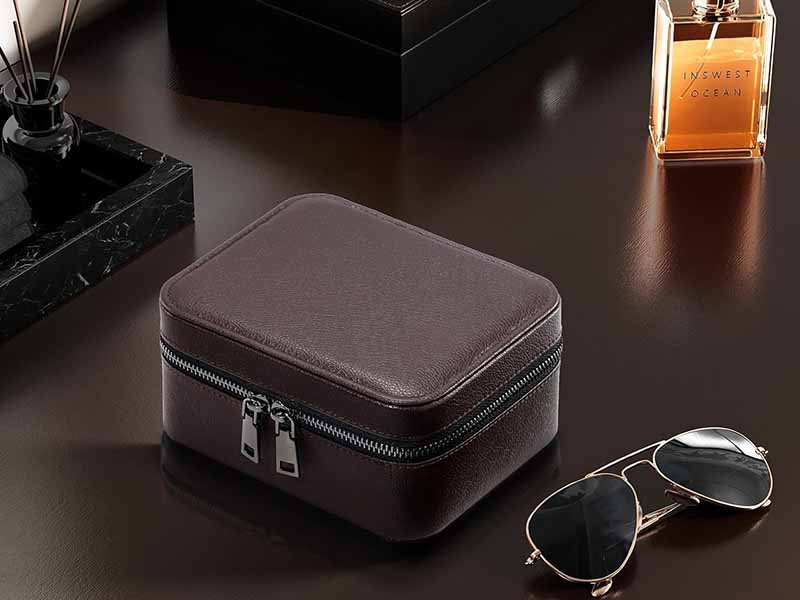
As box size increases, rigidity requirements rise sharply. Long panels behave like beams—the longer they are, the more they bend under the same force. This is where thickness selection becomes critical.
For medium to large leather boxes (20–45 cm):
| Box Size | Typical Contents | Suggested Thickness Range |
|---|---|---|
| 20–30 cm | Wallet sets, light accessories | 1.8–2.2 mm |
| 30–40 cm | Watch sets, gift kits | 2.2–2.8 mm |
| 40–45 cm | Bottles, electronics kits | 2.8–3.2 mm |
| 45 cm+ | Heavy or stackable items | 3.0–4.0 mm |
Key engineering reality: Once side panels exceed ~30 cm, 1.8 mm board is rarely enough, even if it feels firm at first. Over time, humidity, stacking pressure, and repeated handling will cause bowing.
For large boxes, experienced factories usually apply selective reinforcement, such as:
- Thicker board on long walls
- Double-layer base construction
- Internal corner blocks or wrapped corner patches
This avoids making the entire box excessively heavy while protecting the most vulnerable zones.
Why Does Core Board Thickness Matter for Durability?
Durability problems in leather boxes rarely appear immediately. They show up weeks or months later, after shipping, stacking, and real customer use. Core board thickness is the main variable controlling how quickly these problems appear.
How does thickness influence deformation and warping?
Warping happens when a box cannot resist uneven stress or environmental changes. Common triggers include:
- Humidity changes
- Uneven stacking pressure
- Leather tension during wrapping
- Lid weight pulling on hinge edges
Thinner boards absorb moisture faster and lose stiffness more quickly. Once stiffness drops, the box no longer returns to its original shape.
Typical deformation patterns linked to insufficient thickness:
| Deformation Type | What Customers See | Root Cause |
|---|---|---|
| Sidewall bowing | Box looks “puffed” | Long panel + thin board |
| Lid sag | Uneven lid gap | Lid span too wide for thickness |
| Base twist | Box rocks on table | Base board too thin |
| Corner collapse | Crushed edges | Inadequate corner strength |
Increasing thickness by even 0.3–0.5 mm in problem areas often eliminates these issues entirely—without changing leather, hardware, or design.
How does thickness affect long-term structural stability?
Long-term stability is about how the box behaves after:
- 30–50 open/close cycles
- Shelf pressure from other products
- Seasonal temperature and humidity changes
Factories often simulate this with:
- Repeated lid opening tests
- Weight stacking for 24–72 hours
- Controlled humidity exposure
Observed performance trends:
| Thickness Level | After 1 Month | After 6 Months |
|---|---|---|
| ≤1.5 mm | Noticeable softening | Visible misalignment |
| 1.8–2.2 mm | Stable | Minor cosmetic change |
| 2.5–3.0 mm | Very stable | Minimal change |
| 3.0 mm+ | Extremely stable | Near-original condition |
This is why premium leather boxes rarely go below 1.8 mm, even for relatively small sizes. The cost difference is small compared to the improvement in perceived and actual durability.
How Do Manufacturing Methods Influence Thickness Performance?
Manufacturing techniques have a significant effect on the final performance of core board thickness in leather boxes. While core board thickness is essential, how it’s processed, laminated, and joined during assembly can make the difference between a box that lasts for years or one that shows early signs of wear.
How does lamination affect core board rigidity?
Lamination plays a pivotal role in improving core board performance. It strengthens the board and ensures it holds its shape for longer. Without proper lamination, even thicker boards can bend or sag under pressure.
There are several lamination techniques commonly used in leather box manufacturing:
- Single-layer lamination: This involves applying a thin layer of adhesive and pressing the board. While simple and cost-effective, it offers moderate stiffness.
- Multi-layer lamination: Used for higher-end products, this method bonds multiple layers of material to create a more rigid and durable core board. It significantly enhances shape retention and adds weight resistance.
- Film lamination: In this method, a plastic or resin film is bonded to the board, giving it a smoother surface. This process can also make the board more resistant to moisture and damage.
The choice of lamination method depends on the final product’s need for rigidity, durability, and cost management.
How do joints and edge finishing impact thickness performance?
The way corners and joints are constructed influences how the core board behaves, especially under pressure. In poorly joined boxes, even the thickest core board can show weaknesses.
- Reinforced corners: High-end leather boxes often use reinforced corners—usually with extra layers of board or metal reinforcements—designed to bear weight without deforming.
- Edge wrapping: The edges of a leather box are prone to bending or warping, particularly if they are not finished properly. A reinforced edge helps control box shape and improves overall rigidity.
- Internal supports: Some boxes use internal framing or thin strips of wood or plastic for added corner strength.
These manufacturing choices help distribute weight evenly and prevent corners and edges from becoming the weak points.
A common flaw in mass-produced leather boxes is corner collapse after the box is exposed to environmental stresses (humidity, stacking). This can be avoided by adding extra reinforcement along the seams and corners during production.
Is Thicker Core Board Always Better?
Many brands assume that more thickness equals better rigidity. While it’s true that thicker boards provide more structure, there’s a balance between thickness, weight, and cost. Going overboard with thickness might lead to unnecessary weight and higher production costs.
When does extra thickness stop improving rigidity?
In boxes designed for light-duty or decorative purposes, increasing board thickness past a certain point doesn’t result in proportional stiffness improvements. In fact, it can make the box heavier without any significant performance gain. For example:
- A box that starts with 2.0 mm greyboard may not need to go beyond 2.5 mm for durability and stiffness.
- A 3.0 mm MDF board might create a box too heavy for luxury packaging unless it’s specifically intended for large items (e.g., wine sets or electronics kits).
How should brands balance cost, weight, and strength?
Brands must think about product application before deciding on core board thickness. A luxury gift box intended to hold a small jewelry set won’t require the same board thickness as a large storage box for electronics.
Here’s a simple decision flow brands can use:
| Factor | Light Duty | Moderate Duty | Heavy Duty |
|---|---|---|---|
| Suggested Thickness | 1.2–1.8 mm | 1.8–2.5 mm | 2.5–3.2 mm |
| Load-bearing Capacity | Low | Medium | High |
| Box Type | Decorative, small | Gift sets, accessories | Large, functional boxes |
| Weight Concern | Low | Moderate | High |
| Cost Impact | Low | Medium | High |
The optimal thickness should always balance strength and weight. If cost savings are needed, selective reinforcement (e.g., thicker base and lid, thinner sides) is a smarter choice than increasing overall thickness.
How Should Brands Choose the Right Core Board Thickness?
Choosing the right core board thickness is a critical step in leather box design. Getting this wrong can lead to issues with shipping, stacking, and long-term durability. The best way to choose the right thickness is to ask the right questions during the design and development phase.
What product factors determine thickness selection?
Several product characteristics directly influence core board thickness choice:
- Box purpose: Is the box for storage, gifting, or display?
- Product weight: Are you holding light jewelry or heavy electronics?
- Shipping requirements: Will the box be shipped internationally, and how will it be stacked?
- Retail display: Should the box hold its shape perfectly when sitting on a shelf or when opened?
Once you know the answer to these questions, you’ll know exactly which thickness range is appropriate for your product. For example, a gift box for a jewelry set will have thinner boards than a storage box for wine bottles.
How can factories test and validate rigidity before production?
Experienced manufacturers test prototypes for several factors to ensure the right core board thickness is selected:
- Compression testing: Boxes are subjected to weight loads and stacking to simulate how they will perform during shipping.
- Bend and deflection tests: Sidewalls, lids, and corners are tested for flexibility and bending resistance. This test helps determine if the board thickness is enough to prevent warping.
- Tensile strength tests: These tests measure the ability of a box to resist stretching or deforming under stress. They are particularly useful for testing corners and edges.
In addition, the factory should ensure that thickness consistency is maintained across all panels and joints during production. Variations in board thickness can lead to poor alignment, deformation, and inconsistent product quality.
How Can SzoneierLeather Help You Choose Core Board Thickness?
SzoneierLeather brings over 18 years of manufacturing expertise to the table, helping brands optimize their core board thickness decisions. We ensure that your leather boxes meet both aesthetic and functional requirements with durability in mind.
How does Szoneier test rigidity during sampling?
At SzoneierLeather, we test every sample for its rigidity performance before mass production begins. Our testing methods include load-bearing tests, corner compression tests, and repeated opening/closing simulations. These tests ensure that the boxes are ready for the real world before reaching the customer.
How does material sourcing affect final box quality?
We source high-quality core boards to ensure the right balance between stiffness, weight, and cost. Our material suppliers meet ISO standards, ensuring that our boards are consistent in thickness, density, and durability.
We also offer customized solutions based on your product requirements, whether you need light, decorative boxes or heavy-duty storage boxes. Our design and prototyping teams work directly with you to ensure the right board thickness and construction techniques.
Ready to Design Custom Leather Boxes with SzoneierLeather?
Choosing the right core board thickness is a crucial part of leather box development. Whether you need a rigid box for high-end gifting or a soft, flexible box for storage, SzoneierLeather has the expertise to guide you through the decision-making process.
If you’re ready to develop custom leather boxes with the perfect combination of stiffness, durability, and aesthetics, reach out today! Let’s turn your product ideas into high-quality, durable boxes that your customers will love.