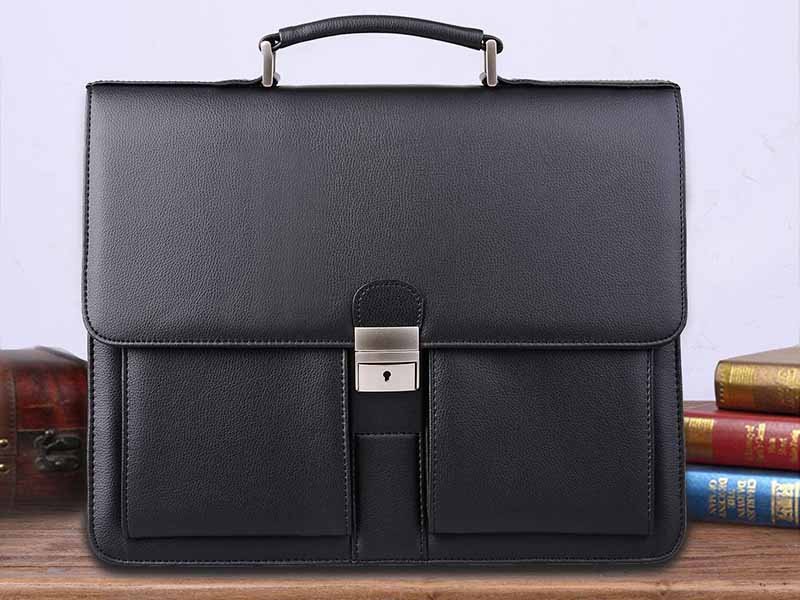
A leather briefcase is not just a functional accessory; it’s an investment in style and durability. However, like any high-quality product, the handle base of a leather briefcase experiences significant stress, especially when carrying heavy items. Knowing where these stress points occur and how its construction can impact its overall durability is crucial in selecting a briefcase that will stand the test of time. In this article, we’ll explore the critical handle base stress points, construction techniques, and how these factors impact both the durability and comfort of your leather briefcase.
Understanding handle base stress points and construction is crucial for ensuring that your leather briefcase lasts longer and remains comfortable. This article will guide you through the critical points where stress accumulates and explain how proper construction methods can prevent failures.
Leather briefcases are often subject to heavy use, so it’s important to consider how the handle is constructed. The stress points, attachment methods, and ergonomic considerations all come together to ensure the briefcase is not only functional but also durable.
What Are the Main Handle Stress Points?
The handle of a leather briefcase is subjected to the most wear and tear. Understanding the critical areas of stress is essential for ensuring the longevity of the briefcase and comfort for the user. These stress points are typically located at areas where the handle attaches to the bag and where the handle bends and moves during regular use.
Where Do Handles Experience the Most Stress?
The most common areas where handles experience stress are:
- Attachment Points: The areas where the handle is stitched or riveted to the body of the briefcase.
- Handle Base: Where the handle folds over the leather to attach to the bag.
- Leather Edges: The edges of the handle itself that may come into contact with hard surfaces or experience friction during use.
Stress builds over time at these areas because the weight of the contents and the constant movement of the handle place continuous pressure on the attachment points and the leather material.
Why Handle Base Failure Happens
Handle base failure can happen when the attachment points are not properly reinforced or when the material used is weak. Several reasons contribute to handle base failure:
| Cause | Effect |
|---|---|
| Weak Stitching | Causes handle to detach from the briefcase under stress. |
| Low-Quality Leather | Leather can crack or become too stiff, weakening the handle’s attachment. |
| Overloading | Excess weight places too much stress on the handle attachment points. |
| Improper Reinforcement | Areas where additional layers of leather or metal reinforcements are missing. |
How to Prevent Handle Base Failure
Reinforced stitching, higher-quality leather, and additional layers of support at the handle base can prevent failure. For instance, using a metal plate hidden within the leather base ensures that stress is distributed evenly and prevents sagging or damage.
How to Strengthen Handle Bases for Durability?
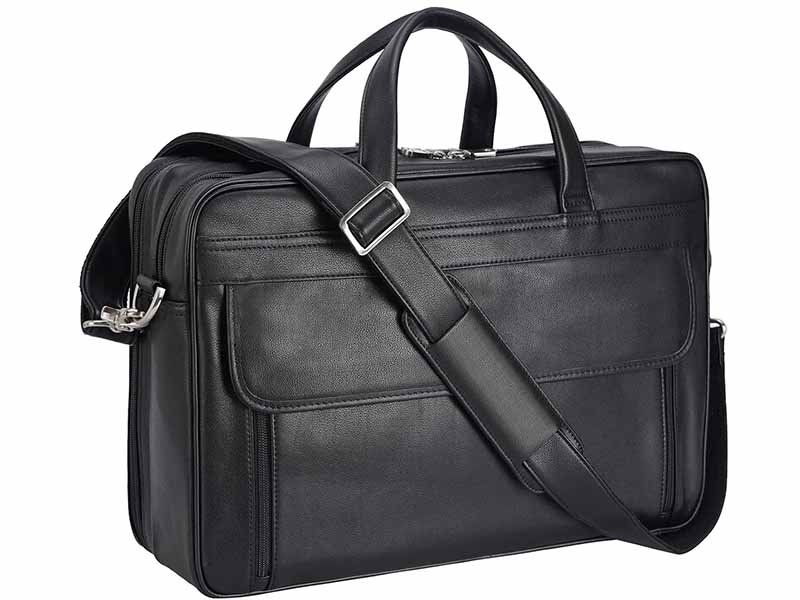
The handle base is the single most failure-prone area of a top handle leather briefcase. Even premium leather can fail early if the handle base is not properly reinforced. From a manufacturing perspective, durability is not about using “thicker leather” alone — it’s about how load is distributed, how stress is absorbed, and how materials work together under repeated movement.
A well-designed handle base should safely support 3–5× the expected daily load, resist tearing at stitch holes, and maintain its shape after thousands of lift cycles. Achieving this requires the right internal materials combined with correct stitching and hardware placement.
What Materials Reinforce the Handle Base?
Reinforcing a handle base is not visible from the outside, but it determines whether a briefcase lasts 2 years or 10+ years. Professional manufacturers rely on internal reinforcement layers to prevent leather deformation, stitch pull-through, and handle collapse.
Below are the most commonly used reinforcement materials and their real-world performance characteristics:
| Reinforcement Material | Typical Thickness | Load Benefit | Best Use Case |
|---|---|---|---|
| Layered Full-Grain Leather | 1.6–2.4 mm per layer | Medium–High | Luxury & classic briefcases |
| Nylon / Polyester Webbing | 1.0–1.5 mm | High | Daily carry, business travel |
| Fiberboard / Saddle Board | 1.2–2.0 mm | Very High (rigid) | Structured briefcases |
| Thin Metal Plate (Steel/Brass) | 0.5–0.8 mm | Maximum | Heavy load or premium models |
How these materials work in practice:
- Layered Leather Reinforcement Multiple leather layers slow down stitch tearing and distribute load across a wider area. This method maintains a natural look but must be paired with proper stitching density to avoid seam fatigue.
- Internal Webbing (Most Reliable for Weight) Webbing absorbs tensile force that leather alone cannot handle. In load tests, webbing-reinforced handle bases can carry 30–50% more weight before deformation compared to leather-only designs.
- Structural Boards (Shape Control) Used when a briefcase must remain rigid even when fully loaded. Boards prevent handle base collapse but must be carefully padded to avoid stress transfer to the leather surface.
- Metal Plates (Extreme Durability) Reserved for premium or heavy-duty briefcases. Plates spread force across the entire handle base and dramatically reduce stitch pull-out, but require precise positioning to avoid hard edges.
If a briefcase is designed to carry laptops, documents, and daily tools (typically 3–6 kg), internal reinforcement is not optional — it’s essential.
Why Stitching and Rivets Matter
Even the strongest reinforcement materials will fail if stitching and hardware are poorly executed. In real use, most handle failures occur at stitch holes, not in the leather itself. This is why stitching design and rivet placement are critical engineering decisions.
Stitching: Strength Is in the Details
Professional handle bases use load-bearing stitch patterns, not decorative ones.
| Stitch Factor | Recommended Standard | Why It Matters |
|---|---|---|
| Stitch Type | Saddle stitch / Lock stitch | Prevents seam unraveling |
| Stitch Density | 3.5–5 stitches per cm | Balances strength & flexibility |
| Thread Material | Bonded nylon / polyester | Resists abrasion & moisture |
| Back-tacking | Yes (stress zones) | Stops stitch migration |
Common problems from poor stitching:
- Over-tight stitches cut into leather fibers
- Wide stitch spacing causes load concentration
- Weak thread breaks long before leather fails
A well-stitched handle base should survive 10,000+ lift cycles without visible seam distortion.
Rivets: Mechanical Insurance, Not Decoration
Rivets should support stitching — never replace it.
| Rivet Type | Holding Strength | Best Application |
|---|---|---|
| Solid Brass Rivet | Very High | Premium briefcases |
| Copper Rivet & Burr | Maximum | Heavy-duty loads |
| Tubular Rivet | Medium | Light to medium loads |
Correct rivet use principles:
- Place rivets outside stitch lines, not through them
- Always reinforce rivet backs with washers or leather pads
- Avoid over-rivet designs that create stress concentration
When used correctly, rivets can reduce stitch stress by 20–30%, significantly extending handle lifespan.
Which Attachment Methods Prevent Handle Wear?
The method used to attach the handle to the leather briefcase is a critical element of its longevity. Weak attachment methods can lead to handle wear, weakening, or detachment, even under normal use. Choosing the best attachment method is essential for ensuring a long-lasting briefcase.
What Are the Best Handle Attachments?
Several methods are used to attach handles to leather briefcases. Each method provides different levels of durability, comfort, and functionality:
| Method | Pros | Cons |
|---|---|---|
| Reinforced Stitching | Strong, flexible, and cost-effective; provides secure attachment when done with high-quality thread. | Needs to be regularly inspected for wear and tear. |
| Metal Rivets | Adds durability by securely fastening the handle to the briefcase. | Can be more costly and harder to replace. |
| Leather Loops | Distributes weight evenly and adds style. | Requires precise stitching to prevent wear. |
How Rivets and Stitching Reinforce the Handle
- Reinforced Stitching: High-quality stitching is one of the most common methods used to attach the handle to the briefcase. Double stitching with strong nylon thread ensures that the handle stays firmly in place. However, improper stitching can easily unravel, so it’s important to look for tight and clean stitching along the edges.
- Rivets: Rivets offer extra strength by physically securing the handle to the bag. They are especially useful in high-stress areas, such as where the handle meets the body of the briefcase. Metal rivets prevent the handle from loosening and give the briefcase additional longevity. Rivets are commonly used in combination with stitching for added security.
- Leather Loops: Leather loops are often used as an attachment method where the handle is sewn through loops of leather sewn into the briefcase body. This creates a sturdy base for the handle and evenly distributes the weight across the entire handle, preventing stress at any one point.
Using these attachment methods ensures that the handle will remain firmly in place and able to withstand the weight of the contents, preventing wear and tear over time.
Why Ergonomics Matter for Handle Comfort?
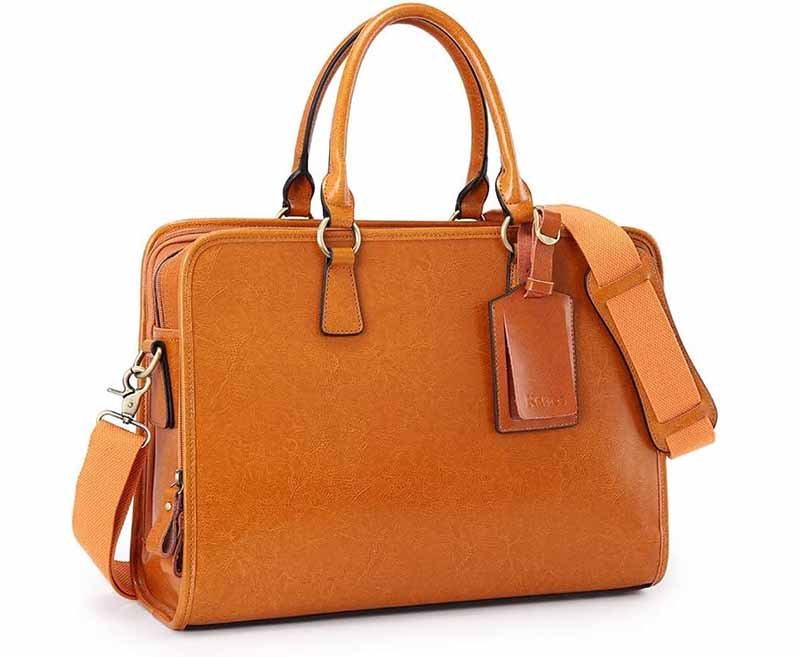
When selecting a leather briefcase, it’s easy to focus on the aesthetics, material quality, and durability—but the comfort of the handle is just as important. An uncomfortable handle can make even the most durable and high-quality briefcase challenging to carry, especially when it’s heavy and used frequently. Proper ergonomic design can significantly enhance the carrying experience, reducing strain and improving comfort.
A well-designed handle ensures that the weight is distributed evenly across the hand, reducing pressure points and minimizing hand fatigue. For anyone who carries their briefcase throughout the day, whether for work, meetings, or travel, ergonomics should be a key consideration.
How Does Handle Shape Affect Carrying Comfort?
The shape of the handle plays a major role in how comfortable the briefcase feels when you carry it. While a beautifully designed handle may look stylish, it’s the shape that determines how easy it is to hold for extended periods without causing discomfort or hand strain. A handle that fits the natural curves of the hand is far more comfortable than one that is too rigid or flat.
What Happens with Poor Handle Shape?
A poorly shaped handle can lead to hand fatigue, pain, and discomfort, especially when carrying a heavy briefcase. Handles that are flat or angular do not fit the natural shape of your hand, which creates pressure points. Over time, these pressure points can lead to sore fingers, aching palms, and even blisters in extreme cases.
Ergonomically Designed Handles:
Handles that are ergonomically designed, such as those with a slight curve or contour, fit more naturally in the hand. This reduces the need to grip the handle too tightly, which in turn reduces the risk of fatigue. A contoured or slightly curved handle follows the natural shape of the hand, allowing for better weight distribution and more comfortable gripping.
| Handle Shape | Effect on Comfort |
|---|---|
| Curved or Contoured Handles | Fits naturally to the shape of the hand, reducing hand fatigue and improving comfort. |
| Flat or Rigid Handles | Can create pressure points and lead to discomfort or hand fatigue, especially under heavy loads. |
| Thick, Round Handles | Offers a fuller grip, distributing the load more evenly across the hand and preventing soreness. |
Why Does This Matter for Users?
Comfortable handles ensure that your briefcase doesn’t become a burden during the day, particularly when carrying a fully loaded bag for long hours. This is crucial for professionals who need to carry heavy documents, laptops, or other gear. A well-designed, ergonomic handle will make carrying the briefcase feel effortless and less tiring, even when the bag is heavy.
Can Padded Handles Reduce Stress?
When you carry a leather briefcase filled with items such as laptops, books, or other gear, the pressure on your hand can become overwhelming. One way to alleviate this stress and improve comfort is by using padded handles. Padded handles offer several advantages, especially for those who carry heavy loads regularly.
How Padded Handles Work:
Padded handles are designed to cushion the pressure points on the hand, distributing the weight of the bag more evenly across the palm and fingers. By adding a layer of cushioning, the handle becomes more comfortable to grip, especially when carrying heavier items.
| Padded Handle Feature | Benefit | Impact on Comfort |
|---|---|---|
| Soft Padding | Helps reduce direct pressure on the hand by absorbing the weight of the briefcase. | Prevents hand fatigue and soreness, especially when carrying heavy loads. |
| Padded Leather | Adds extra comfort while still maintaining a stylish leather appearance. | Provides cushioning without compromising the briefcase’s aesthetic. |
| Ergonomic Padding | Contoured padding designed to fit the natural curves of the hand. | Ensures that the handle conforms to the hand’s natural grip, offering maximum comfort. |
What Happens Without Padded Handles?
Without padding, the handle will directly transmit the pressure from the bag’s contents to your hand. This can lead to discomfort, particularly if the briefcase is heavy or if you’re carrying it for extended periods. Over time, this may result in sore hands, particularly for individuals who use their briefcase frequently or for long durations.
Why Padded Handles Are Ideal for Heavy Loads:
For those who carry a lot of weight, padded handles provide the extra comfort needed to prevent stress on the hands and wrists. The added cushioning allows for a softer grip, which is crucial for reducing fatigue during long hours of carrying. The padding can also absorb some of the shock caused by movement, which is helpful if you’re walking or commuting with the briefcase.
What Are Signs of a Well-Built Handle?
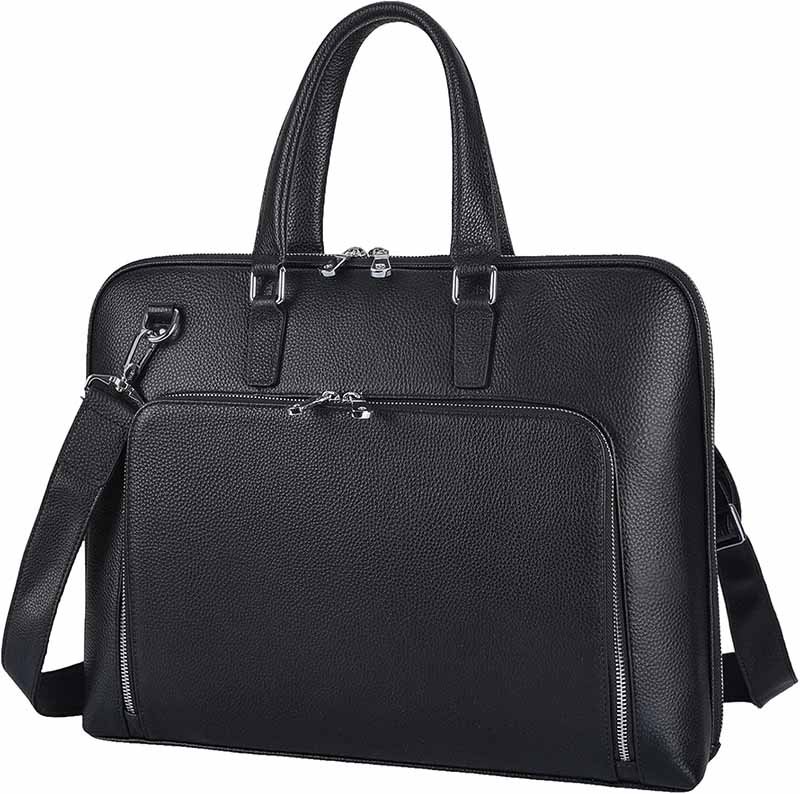
A well-built handle is one of the most crucial elements of a durable and functional leather briefcase. It ensures that the briefcase remains comfortable to carry, even when fully loaded, and can withstand years of daily use without losing its integrity. But how can you identify whether the handle of a leather briefcase is well-constructed? Let’s explore the key signs of a high-quality handle.
What Quality Features to Look for in Handles?
When assessing the quality of a leather briefcase handle, several key features indicate durability and craftsmanship. Here are the most important aspects to consider:
| Feature | Significance | Why It Matters for Durability |
|---|---|---|
| Reinforced Stitching | Stitching that is consistent, tight, and strong, especially around the attachment points. | Ensures the handle stays firmly attached, preventing loose seams or detachments. |
| Strong, High-Quality Leather | Full-grain leather or premium quality leather that retains strength and flexibility. | High-quality leather won’t crack or wear out quickly, providing long-term durability. |
| Metal Reinforcements | Metal plates or rivets used in the handle base to provide extra strength. | Prevents the handle from sagging or tearing, especially under heavy weight. |
| Smooth Edges | Well-finished edges that are either rounded, burnished, or padded for comfort. | Prevents discomfort from rough edges and ensures the handle is comfortable to grip. |
| Ergonomic Design | A handle that fits comfortably in the hand, with a natural curve or padding that makes gripping easier. | Reduces strain and makes it easier to carry heavy loads for extended periods. |
Why These Features Matter
- Reinforced Stitching: Stitching that is done well not only holds the handle securely but also ensures that the briefcase can handle the daily wear and tear. High-quality stitching, especially double or triple-stitched seams, ensures that the handle will not break or fray over time.
- Leather Quality: Full-grain leather is the highest quality leather and should be used in premium briefcases. It’s durable, flexible, and has the ability to soften over time. This type of leather will not crack easily, even after years of use, and it retains its natural strength.
- Metal Reinforcements: Adding metal rivets or plates into the handle design provides much-needed strength, especially in high-stress areas. The use of metal ensures that the handle can handle the weight of the briefcase without becoming weak or losing form.
- Smooth Edges: Leather edges that are finished properly, whether through rolling, burnishing, or padding, ensure that the handle is comfortable to hold. Rough edges or poorly finished leather can cause irritation or discomfort, leading to an unpleasant carrying experience.
- Ergonomics: A handle that fits naturally into the hand and is padded for additional comfort can significantly reduce hand fatigue, especially when carrying heavy loads. Ergonomic handles are designed to reduce the risk of strain, making it easier to carry the briefcase for longer periods.
These features collectively contribute to a well-built handle that stands up to daily use and provides long-lasting comfort and durability.
How to Test Handle Durability
Testing the durability of a leather briefcase handle is essential to ensure that it can withstand the stress of daily use. A handle must be capable of handling the weight of the contents, as well as the friction and wear that comes from constant handling. Here are some methods to test a handle’s durability:
- Weight Test: A simple yet effective way to test the durability of the handle is to load the briefcase with items of varying weight (books, a laptop, papers, etc.) and see how the handle performs.
- What to Look for: Observe whether the handle sags, the stitching loosens, or if there is any visible stretching or cracking in the leather. If the handle becomes uncomfortable or starts to show signs of strain under a reasonable weight, it may need reinforcement.
- Carrying Test: Carry the briefcase for extended periods, both by hand and over the shoulder if the design allows, to test how the handle feels under normal usage conditions. A high-quality handle should remain comfortable and not cause any strain, even when carrying the briefcase for several hours.
- What to Look for: Pay attention to how the handle conforms to your hand. If you experience discomfort or hand fatigue, it may indicate poor ergonomics or insufficient padding. Additionally, inspect the base of the handle to check for any signs of wear or shifting.
- Flexibility Test: Gently flex the handle to check for flexibility. The handle should bend slightly without stiffness or cracking. The leather should have enough flexibility to mold to your hand’s grip without becoming rigid or uncomfortable over time.
- What to Look for: If the handle feels stiff or too rigid, the leather may not be of high quality, or it may not be properly conditioned. A high-quality leather handle should soften and adjust with use, becoming more comfortable over time.
- Reinforcement Integrity Check: Check the stitching, rivets, and any metal reinforcements used in the handle. Gently tug at the handle to ensure that these reinforcement points are secure.
- What to Look for: Any looseness in stitching or rattling of rivets indicates a potential weak point. The handle should remain firmly attached to the briefcase, with no visible signs of loosening or damage at the attachment points.
- Surface Condition Check: Inspect the leather for any surface damage, such as scuff marks, discoloration, or cracks, especially at the handle base. Properly treated leather should resist damage and remain smooth to the touch.
- What to Look for: If the leather feels rough or cracked, it may not have been treated or conditioned properly. Leather that has been well-cared-for will develop a patina over time but should not show significant wear or cracks.
By testing these areas, you can ensure that the handle of your leather briefcase is durable and capable of withstanding regular use. High-quality handles should pass all of these tests without any signs of significant wear or discomfort.
Get in Touch with Szoneier for Customized Leather Briefcases
At Szoneier, we specialize in designing custom leather briefcases tailored to your needs. Our expert craftsmanship ensures that every detail, from the ergonomic handle design to reinforced construction methods, provides maximum durability and comfort. Whether you need a briefcase for daily use or a custom solution for professional needs, we are here to help.
Contact us today for a personalized consultation and let us create the perfect leather briefcase for you.