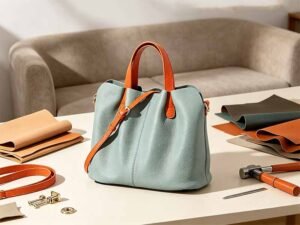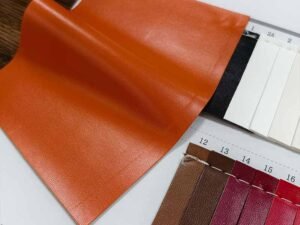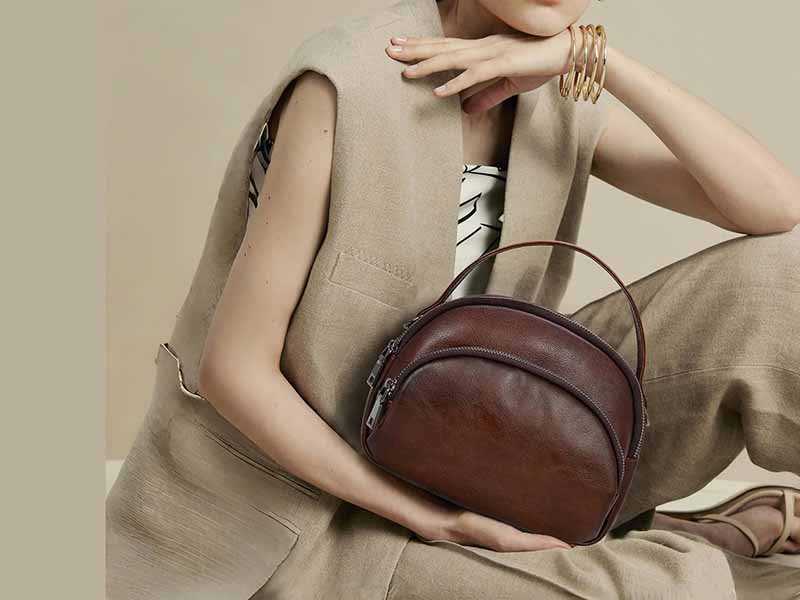
When customers look at a handbag online, they judge it in seconds—often before they read a single word of product copy. A bag that stands upright, holds sharp corners, and keeps a clean silhouette signals “polished, premium, organized.” A bag that drapes and moves signals “comfortable, relaxed, effortless.” That one visual difference is why brands keep comparing structured vs soft leather handbags: the build doesn’t just change the shape—it changes what the product means to the customer, and what price they believe it deserves.
Structured vs soft leather handbags are chosen based on brand positioning and user habits. Structured bags use firm leather and internal reinforcements to keep a defined silhouette and protect contents. Soft bags use flexible leather and lighter support to feel comfortable and adapt to what’s inside. The best build is the one that matches your customer’s daily use, your target price, and your expected wear life.
In sampling, we often see a surprising pattern: the “prettiest” prototype is not always the best seller. The best seller is usually the one that feels right when carried for 30 minutes, opened 50 times, stuffed on a back seat, and worn through real life. That’s why the build decision deserves serious attention—before you finalize style, hardware, or even colors.
What Are Structured Leather Handbags?
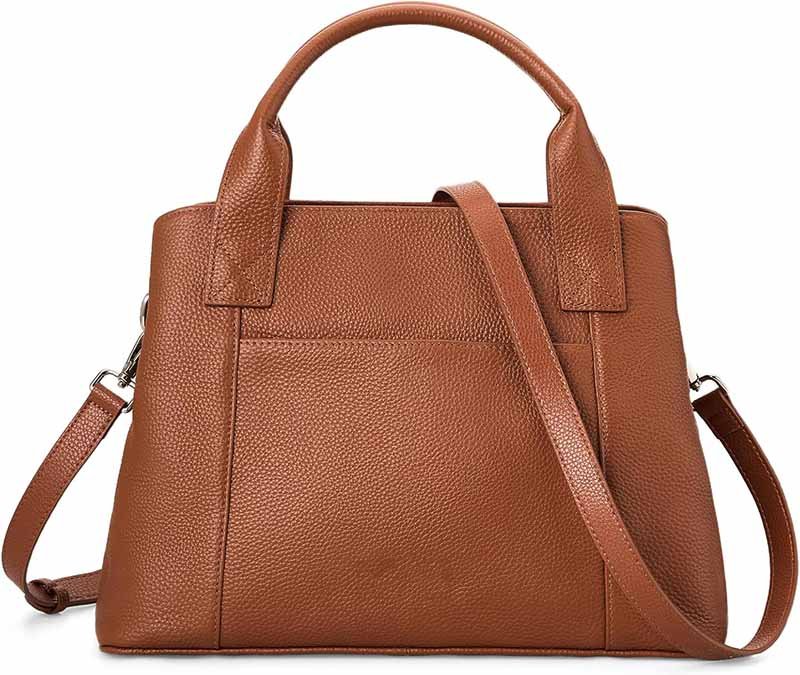
Structured leather handbags are designed to hold their shape when empty and to keep edges, corners, and panels visually crisp. The structure comes from a combination of leather selection + reinforcement system + pattern engineering + assembly accuracy. If any one of those is weak, the bag can look “boxy but cheap” or lose shape after a few months.
Key Features of Structured vs Soft Leather Handbags
A structured build usually includes at least one support layer (often several) and more rigid forming at key zones.
Common build ingredients in structured leather handbags
- Leather thickness: often 1.4–2.2 mm for body panels (varies by silhouette and leather type)
- Support layers: board, nonwoven stiffener, EVA foam, molded panels
- Edge & corner control: turned edges, binding, edge paint, piping, or rolled edges
- Bottom stability: base board + feet optional
- Handle/strap anchoring: reinforcement patches + rivets/stitch patterns designed for load
Where structure is “built in” most often
- Front/back main panels (shape)
- Side gussets (standing power)
- Top opening (mouth stability)
- Bottom base (upright + load support)
- Handle bases / D-ring zones (tear prevention)
Reinforcement options and what they do
| Reinforcement Material | What It Improves | Where Used Most | Notes |
|---|---|---|---|
| Fiberboard / paperboard | Shape, flatness | Base, front/back | Strong silhouette, adds weight |
| Nonwoven stiffener | Smoothness, wrinkle control | Panels, gussets | Lighter than board |
| EVA foam | Volume, cushioning | Panels, base | Helps “luxury puff” look |
| Thermoplastic sheet | Firm structure | Panels | More stable, higher cost |
| Metal frame | Opening stability | Doctor bags, top handles | Premium feel, higher tooling |
What brands notice in real use
- Structured bags photograph cleanly and keep the same look on shelves.
- They protect tablets, cosmetics, and sharp items better.
- They can feel heavier and less “huggy” against the body.
Benefits of Structured vs Soft Leather Handbags for Your Brand
Structured bags tend to support higher perceived value—but only if the leather and construction feel premium. If reinforcement is strong but leather is low-grade, customers notice the “hard but plastic-like” feeling.
How structured builds help brand strategy
- Stronger “luxury cues” in product photos and unboxing
- Better silhouette consistency across production batches
- Better compatibility with formal styling and office wear
- More “giftable” presence because it looks expensive at first glance
Business impact: cost and pricing reality
Structured bags often cost more to produce due to extra materials and labor steps (skiving, forming, laminating, edge work).
| Cost Driver | Structured Bags | Soft Bags | Why It Matters |
|---|---|---|---|
| Reinforcement materials | Higher | Lower | Board/foam/sheets add cost |
| Labor time | Higher | Medium | More steps = more minutes |
| Hardware requirement | Medium–High | Medium | Structured styles often use feet/frames |
| Defect risk (appearance) | Higher | Medium | Alignment matters more visually |
| Shipping volume | Higher | Lower | Structured shapes don’t compress |
Practical guidance brands ask for
- If your bag must stand up in photos and in stores, structured is usually safer.
- If your customer carries fragile items, structured helps.
- If your target price is tight, a fully structured build may squeeze margin unless you simplify hardware/lining.
What Are Soft Leather Handbags?
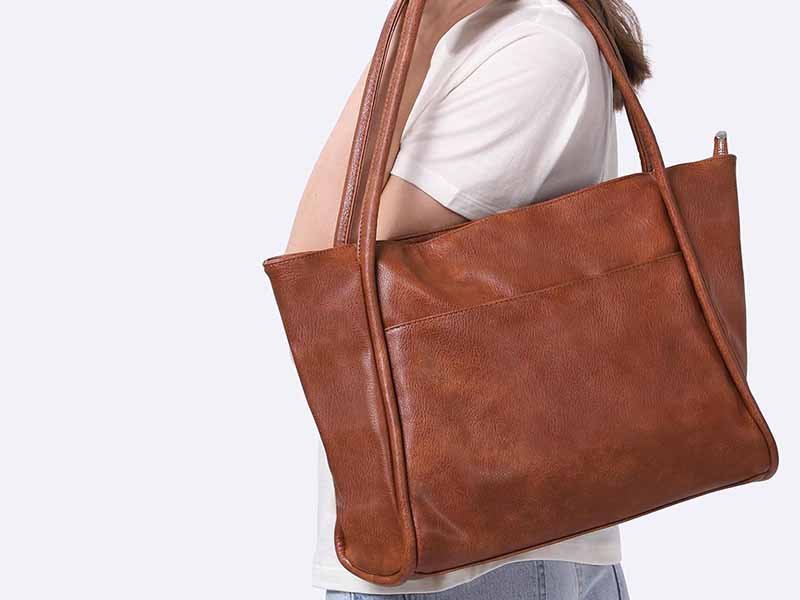
Soft leather handbags are built to move, to feel comfortable, and to adapt to contents. The silhouette is intentionally relaxed. The customer experience is tactile: softness is often the first reason they fall in love with the product.
Soft does not mean “no structure.” The best soft bags still have smart reinforcement—just placed differently and kept lighter, so the bag doesn’t look sloppy after a season.
Characteristics of Structured vs Soft Leather Handbags
Soft builds focus on leather hand-feel and drape. That usually means:
- Leather thickness: often 0.9–1.4 mm for body panels
- Leather selection: tumbled full-grain, nappa, soft top-grain, washed leather, suede
- Minimal stiffeners: used only where necessary (handle bases, zipper lines, bottom)
- Pattern design: built to drape cleanly, not collapse awkwardly
Soft bag comfort advantage
- Better body fit for shoulder carry and crossbody carry
- Less “box pressure” against ribs/hip
- Easier to pack into a suitcase or car
Soft bag risk areas (and how factories solve them)
| Risk in Soft Bags | What Customers Notice | Build Fix |
|---|---|---|
| Sagging at bottom | Bag looks tired fast | Base patch + light board |
| Strap pull tearing | Failure at D-ring | Reinforcement patch + stitch pattern |
| Wrinkle waves on panels | “Cheap look” | Nonwoven stabilizer on panel |
| Mouth collapse | Hard to open/close | Frame tape or zipper reinforcement |
| Uneven drape | Looks unbalanced | Pattern correction + leather grading |
Why Structured vs Soft Leather Handbags Matter to Customers
Soft leather handbags sell on lifestyle. Customers often want:
- A bag that feels “easy”
- A bag that works with casual outfits
- A bag that looks better with wear (natural slouch patina)
Soft builds are popular for:
- Hobos, slouch totes, bucket bags, casual crossbodies
- Travel and daily commuting
- Fashion brands that emphasize relaxed confidence
However, softness can backfire when:
- leather quality is weak (it feels “thin”)
- stitching is under-strength
- reinforcement is skipped at stress points
- the bag loses shape too quickly and looks worn out early
What brands should define before sampling
- Do you want a controlled slouch (premium), or a collapse (cheap)?
- Should the bag stand partially, or fully collapse when empty?
- Do you want a “buttery” hand-feel, or a “dry” hand-feel that resists scratches?
Structured vs Soft Leather Handbags
| Feature | Structured Leather Handbags | Soft Leather Handbags |
|---|---|---|
| Silhouette | Fixed, crisp | Relaxed, draped |
| Best for | Office, luxury, formal | Casual, lifestyle, travel |
| Feel | Firm, architectural | Comfortable, tactile |
| Protection | Higher | Medium |
| Weight | Medium–High | Low–Medium |
| Packaging/shipping | Higher volume | Compressible |
| Production difficulty | Higher | Medium |
| Key risk | Stiff “fake” feel | Sagging / sloppy drape |
Which Build Is Right for Your Brand?
Choosing between structured and soft leather handbags is not just about style—it’s about what your customers want and how your brand is positioned in the market. The right build determines the longevity, aesthetic appeal, and functional integrity of your product. For some brands, structure is key for luxury and organization. For others, softness aligns with casual, easy-going lifestyles.
Who Prefers Structured Bags?
Structured leather handbags tend to attract professional buyers, individuals seeking luxury, or those who prefer sharp silhouettes and clear organization. These bags are often associated with high-end fashion, business meetings, travel, and premium markets.
- Luxury consumers: Those who invest in timeless quality and are looking for bags that reflect sophistication.
- Professionals: People who need bags that help them stay organized (documents, laptops, tablets).
- Retailers & designers targeting formal occasions: Structured bags work well in fashion lines that focus on corporate gifts, office accessories, and luxury bags.
Structured bags are particularly popular among customers who need more protection for their items. For example, a structured laptop bag provides better security compared to a soft, slouchy design because it keeps the contents more rigid and protected.
Who Enjoys Soft Leather Handbags?
Soft leather handbags are beloved by customers who prioritize comfort, flexibility, and casual elegance. These bags offer a relaxed, easy feel and adapt to the body, making them great for:
- Casual, lifestyle brands: Soft bags fit seamlessly into a customer’s everyday routine.
- Travel lovers: Many travelers choose soft bags because they compress easily into overhead bins and weigh less, making them ideal for trips.
- Young buyers and fashion-forward individuals: Soft bags are trendy and fit a laid-back yet chic image, perfect for brands with younger demographics.
Brands that focus on creating functional, stylish bags for everyday use should consider soft bags. They provide the flexibility and comfort that today’s modern women and urban professionals are looking for. Soft leather handbags are particularly effective for accessories that require easy storage and accessibility.
How Do Structure Choices Affect Functionality & Design?
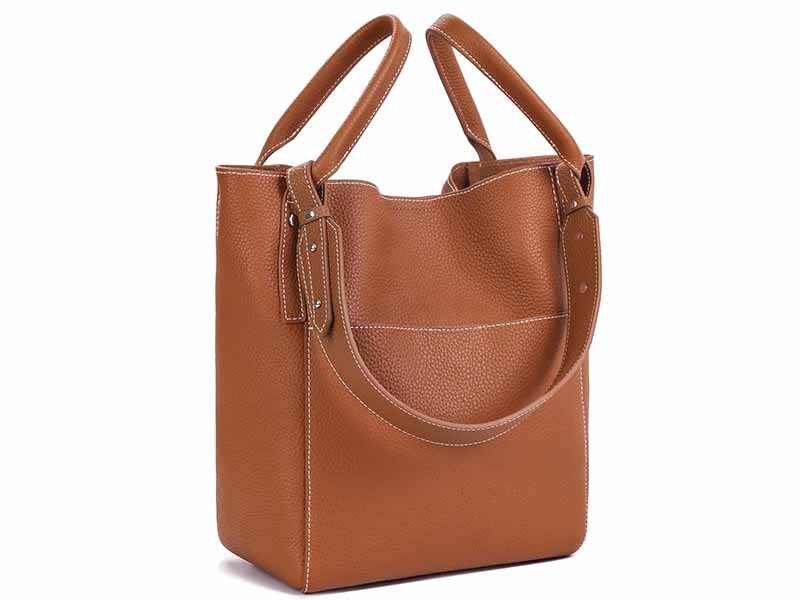
When making the choice between structured and soft builds, functionality should always come first. The structure of a bag affects everything from its weight distribution to its storage capacity to its durability under daily wear. This is where form truly meets function.
Advantages of Structured Designs
A structured design offers several benefits, particularly in terms of form, protection, and organization.
- Shape stability: The main advantage of structured handbags is their ability to retain shape, especially when left unattended. A structured bag maintains a clean, crisp appearance that doesn’t lose its form over time.
- Internal organization: Structured bags often feature dedicated compartments that help customers organize their items. This is especially useful for those who carry laptops, planners, or other accessories. Structured handbags are typically easier to organize, as the compartments remain clear and defined.
- Protection: A structured build helps protect fragile items such as electronics and cosmetics. The firm base and reinforced panels prevent crushing and damage. For example, a structured camera bag offers better protection than a soft slouchy one.
Functionality Snapshot:
| Feature | Structured Bags | Soft Bags |
|---|---|---|
| Shape retention | Excellent | Moderate |
| Organization | High (multiple compartments) | Moderate (depends on design) |
| Item protection | Very high (reinforced zones) | Medium (flexible, adapts to contents) |
| Weight | Heavier | Lighter |
| Durability | High (more resistant to wear and tear) | Moderate (more susceptible to stretching) |
Benefits of Soft Leather for Comfort & Flexibility
Soft leather handbags, on the other hand, prioritize comfort and adaptability, making them ideal for customers who need a relaxed, effortless look while on the go. Soft bags are typically less rigid, meaning they can comfortably mold to the body and provide easy access to contents.
- Flexibility: Soft leather allows for easier storage and makes the bag adaptable to its contents. For example, soft slouchy bags are great for customers who carry varied, non-structured items like a water bottle, sweater, or snacks.
- Lightweight: Soft bags are typically lighter in weight compared to their structured counterparts, which makes them easier to carry for long periods.
- Comfort: The flexibility of soft leather helps the bag fit comfortably against the body, making it ideal for crossbody and shoulder bags.
Soft bags are typically preferred by customers who value ease and convenience over rigid organization. For example, travel bags and weekend totes often have a soft structure because they need to expand and compress depending on how much they are packed.
How Do Materials Impact Structured vs Soft Bags?
The materials chosen for handbags are essential to defining whether they are structured or soft. Leather types, thickness, tanning processes, and reinforcement decisions influence both appearance and longevity. Different materials support different structural needs.
Leather Types for Structured Handbags
For structured leather handbags, the quality and thickness of the leather are critical for ensuring the desired form and durability.
- Full-Grain Leather: Often used for high-end structured handbags, full-grain leather offers superior durability and a rich finish. It’s naturally thicker, which makes it ideal for structured designs that require firmness.
- Top-Grain Leather: Slightly more flexible than full-grain, but still durable, top-grain leather is often used for structured bags that need to balance sturdiness with a slightly softer feel.
- Vegetable-Tanned Leather: This leather is durable and develops a beautiful patina over time. It’s ideal for structured bags that need to retain shape over long periods.
Materials That Enhance Soft Leather Bags
For soft leather handbags, flexibility, comfort, and lightness are prioritized. Leather types that have a more relaxed finish are often used in these designs.
- Nappa Leather: Nappa leather is known for its softness and smooth texture. It’s often used for soft handbags because it allows for a more pliable and comfortable design.
- Suede and Nubuck: Both suede and nubuck offer a luxurious feel while remaining light and flexible. These are popular choices for softer designs.
- Tumbled Full-Grain Leather: This type of leather is soft and relaxed, making it ideal for bags that will see everyday use. It still offers durability but sacrifices some of the sharpness and firmness that structured leather requires.
Reinforcement Materials for Soft Handbags
Though soft leather bags tend to have less reinforcement, they still rely on specific techniques to prevent collapse and ensure longevity.
| Material | Purpose | Application |
|---|---|---|
| Nonwoven stabilizers | Maintain soft structure while flexible | Bottom of soft totes, travel bags |
| Light foam padding | Protect contents | Laptop sleeves in soft bags |
| Fabric lining | Lighten and structure interior | Lining for soft bags, reducing sagging |
Which Build Is Trendier?
Structured and soft leather handbags do not replace each other in cycles. Instead, their popularity shifts based on lifestyle changes, retail pricing pressure, and visual trends on social media and in-store merchandising. In recent seasons, brands that sell consistently are not choosing one extreme—they are adjusting structure levels to match how customers actually dress, commute, and travel.
Structured leather handbags remain dominant in premium and professional segments, while soft leather handbags are growing faster in casual, travel, and younger lifestyle markets. The strongest commercial performance today often comes from balanced, semi-structured designs that combine visual polish with carrying comfort.
Professional Appeal of Structured Leather Bags
Structured leather handbags continue to perform strongly in mid-to-high retail price ranges, especially where customers expect a product to look organized, durable, and gift-worthy. Department store sales data and brand assortment patterns show that:
- Top-handle bags, satchels, and structured totes still anchor formal collections.
- These styles are most common in retail price bands above $120–$300, where customers associate firmness with quality.
- Structured silhouettes photograph better for e-commerce thumbnails, improving click-through consistency.
From a usage perspective, structured bags remain preferred for:
- Office commuting with laptops, documents, or tablets
- Business meetings and formal environments
- Premium gifting occasions where visual neatness matters immediately
Retailers also value structured handbags because they:
- Stand upright on shelves, improving visual merchandising
- Keep consistent shape during shipping and storage
- Show fewer wrinkles under display lighting
However, overly rigid construction is gradually losing favor. Customer feedback increasingly mentions:
- Excess weight
- Hard edges pressing against the body
- Limited flexibility when packing extra items
Because of this, many successful brands are quietly reducing stiffness while keeping the clean outline customers expect.
Casual and Fashion-Forward Soft Bags
Soft leather handbags are expanding fastest in everyday-use categories, supported by travel habits, relaxed dress codes, and social media styling trends. Market observations across online fashion platforms show:
- Crossbody soft bags and slouchy shoulder bags have grown steadily in lower-to-mid price segments (about $60–$180 retail).
- Younger consumers often choose softness first for comfort and lightweight carry, even before color or hardware.
- Travel-friendly softness is now a major selling point, especially for weekend bags, bucket bags, and unstructured totes.
Customer interviews frequently highlight three practical reasons for choosing soft builds:
- Comfort during long wear – softer panels sit naturally against the body.
- Flexible storage – the bag expands slightly when carrying bulkier items.
- Relaxed styling – easier to match with casual or minimalist wardrobes.
Still, softness alone does not guarantee success. Products that perform well in repeat sales usually include:
- Reinforced strap roots to prevent tearing
- Light base structure to reduce sagging
- Higher-grade leather to maintain a premium feel
Without these details, soft bags risk looking worn too quickly, which lowers customer satisfaction and reorder rates.
Where the Real Trend Is Moving
The most commercially stable direction today is not fully structured or fully soft, but a controlled middle ground often described in product development as semi-structured or soft-structured construction.
Common features of this balanced approach include:
- A stable bottom panel so the bag can stand briefly
- Flexible body panels for comfort while carrying
- Reduced internal board thickness to lower total weight
- Clean exterior lines that still read as premium in photos
Brands adopting this hybrid structure often report:
| Performance Factor | Fully Structured | Fully Soft | Semi-Structured |
|---|---|---|---|
| Visual polish | High | Medium | High |
| Carry comfort | Medium | High | High |
| Weight control | Low | High | Medium-High |
| Return rate due to deformation | Low | Medium | Low |
| Price acceptance | High | Medium | High |
This explains why many recent best-selling handbags sit in the middle of the structure spectrum rather than at either extreme.
How to Choose the Right Build for Your Brand
When deciding between structured and soft leather handbags, consider who your customers are and what their lifestyles demand. This decision impacts durability, pricing, and long-term satisfaction.
Key questions to ask when deciding:
- What is the primary customer demographic?
- What price point aligns with my brand’s goals?
- Does my bag need to stand up on its own or collapse comfortably?
- How important is organization inside the bag?
- Should the bag support professional, casual, or luxury purposes?
If you need help defining these factors or choosing the right materials for your structured or soft leather handbags, SzoneierLeather is here to assist. With over 18 years of experience in leather product R&D and production, we specialize in helping brands create custom, premium bags that speak to their target market.
Start Your Structured or Soft Leather Handbag Project With Confidence
Every successful handbag begins with a clear decision about how it should feel, move, and last in the customer’s daily life.
Choosing between structured vs soft leather handbags is not only a design preference—it is a strategic step that shapes brand perception, durability, and long-term sales performance.
If you are planning a new handbag collection and want expert guidance on:
- Structure vs softness balance
- Leather and reinforcement selection
- Prototype development and testing
- Cost control for scalable production
SzoneierLeather is ready to support your project.
Reach out today to discuss your design ideas, request samples, or receive a detailed quotation for custom leather handbag manufacturing.
Your next best-selling handbag can start with a single well-engineered sample.