
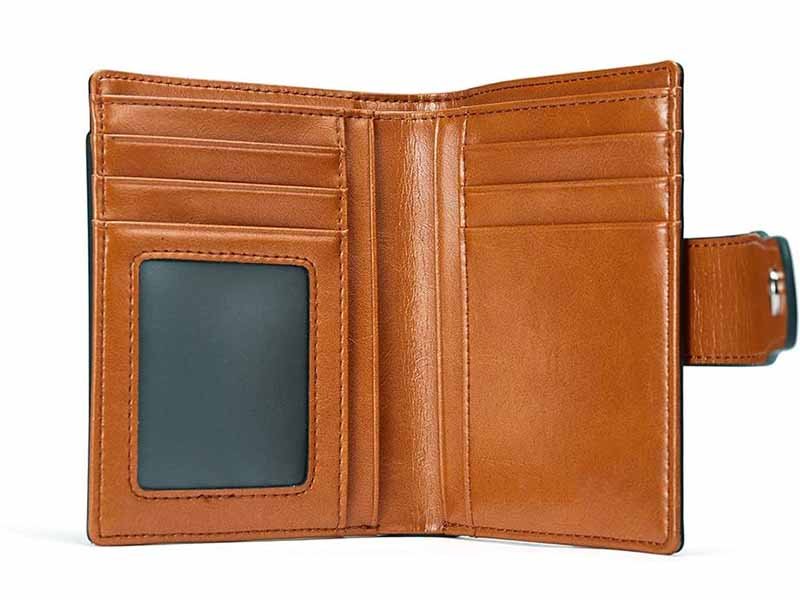
In the world of leather wallet design, the focus often falls on leather quality, stitching, and hardware. However, one of the most critical yet overlooked elements is the slot backing. The card slots in a wallet undergo continuous stress from card insertion, removal, and bending. Over time, this stress can cause the leather to tear, stretch, or distort—especially when the backing material is not up to standard.
Slot backing in leather wallets reinforces card slots by preventing tears, improving durability, and controlling stretch. The material selected for backing plays a crucial role in tear resistance, card glide, and feel. Choosing the right backing is essential to avoid failure such as edge tearing, slot distortion, or poor card movement, which can ultimately impact the product’s lifespan and customer satisfaction.
Often, wallet makers don’t give enough attention to slot backing—focusing more on outer leather and stitching details. However, the slot area is where many products fail early. By focusing on slot reinforcement, manufacturers can greatly increase the durability and functionality of the wallet. Let’s break down why and how slot backing impacts wallet performance.
What is slot backing in leather wallets?
Slot backing is a layer of reinforcement material placed behind the card slots in leather wallets. This material serves to strengthen the slot opening, prevent tear-out, and control stretching. Slot backing also affects wallet thickness, flexibility, and the ease with which cards slide in and out.
Slot backing is often hidden, but it’s essential for long-term durability, especially in wallets designed for daily use.
What does slot backing do?
Slot backing serves three main functions within a leather wallet:
- Reinforces the leather at the slot opening to prevent tearing under repeated stress.
- Controls slot stretch to maintain the slot’s shape and size over time.
- Stabilizes stitching, preventing thread pull-through and reducing the risk of seam failure.
Without proper backing, the leather at the slot opening is more vulnerable to stretching, tearing, and edge cracking, leading to product failure.
| Function | Without Backing | With Backing |
|---|---|---|
| Reinforcement | High risk of tear | Tear-resistant |
| Stretch control | Inconsistent | Stable, shape-retaining |
| Stitch stabilization | Weak, prone to pulling | Strong, secure stitches |
Even premium leather wallets can fail if the backing material isn’t engineered to resist everyday wear and tear.
Which wallet parts need backing most?
Not all areas of a wallet require the same level of reinforcement. Slot backing should be strategically placed where stress is highest, such as around the card slots, slot edges, and corners.
Key areas requiring backing:
- Card slot openings where the most stress occurs from card insertion and removal.
- Vertical slot corners where stretching can occur.
- Slot edges that meet stitching lines, as these areas are prone to tearing.
Areas with less stress (no backing needed):
- Flat bill compartments
- Decorative overlays
- Non-functional interior pockets
| Wallet Area | Stress Level | Backing Needed |
|---|---|---|
| Card slot opening | High | Required |
| Slot corner radius | High | Strongly recommended |
| Slot edge stitching | High | Required |
| Interior lining | Low | Optional |
| Cash compartment | Low | Not necessary |
Strategically reinforcing only the high-stress areas helps maintain wallet flexibility while ensuring durability.
How does backing change wallet thickness?
Backing can slightly increase wallet thickness, depending on the material chosen. However, choosing a thin, flexible backing often results in better performance than using extra layers of leather for reinforcement.
| Backing Type | Thickness Impact | Structural Benefit | Feel |
|---|---|---|---|
| No backing | 0 mm | Weak, prone to tearing | Flexible but short lifespan |
| Thin fabric backing | +0.1–0.2 mm | Adds reinforcement | Lightweight, durable |
| Nonwoven reinforcement | +0.2–0.3 mm | High durability | Slightly stiffer |
| Leather reinforcement | +0.4–0.5 mm | Strongest structure | Bulkier, durable |
The best wallets combine durable reinforcement with minimal added thickness, ensuring they are both light and long-lasting. Too much backing can make wallets feel heavy or stiff, which is something to avoid in fashion-forward, everyday wallets.
Which backing materials improve tear resistance?
The best materials for slot backing offer a balance of tear resistance, flexibility, and lightweight structure. Popular options include woven fabrics (polyester, nylon), nonwoven backings, and thin leather reinforcements. These materials enhance tear resistance without adding unnecessary bulk to the wallet.
Choosing the right backing depends on durability requirements, feel preferences, and cost considerations.
Which fabrics resist tearing best?
Woven fabrics are highly effective at preventing tears because their interlaced structure resists stress in all directions. This is important in a wallet where card slots experience regular, concentrated pressure.
The most common fabric types used for slot backing include:
| Fabric Type | Strength | Flexibility | Thickness | Cost |
|---|---|---|---|---|
| Polyester weave | High | Medium | Thin | Low |
| Nylon weave | Very high | High | Thin | Medium |
| Cotton weave | Medium | High | Thin | Low |
Why woven fabrics work:
The cross-thread design of woven fabrics allows them to distribute stress more effectively, making them resilient to tension and long-lasting under pressure.
OEM production note:
Using woven polyester or nylon can offer excellent durability for high-stress card slots without affecting overall wallet weight.
Do nonwoven backings work for wallet slots?
Nonwoven materials, such as felt or fiber-bonded sheets, are also used for wallet slot backing. They offer good tear resistance, but their use requires careful specification.
| Material Type | Tear Resistance | Flexibility | Common Use | Cost |
|---|---|---|---|---|
| Nonwoven felt | High | Medium | Entry-level wallets | Low |
| Bonded felt | Medium | Medium | Standard wallets | Medium |
| Fiber-bonded sheet | High | Low | Luxury wallets | High |
Benefits of nonwoven backings:
These materials tend to be lightweight and cost-effective, but they can be too stiff if overused. The best nonwoven options provide good tear resistance while maintaining a pleasant card glide.
Nonwoven felt is used for wallets that need a balance of strength and softness. It’s an excellent choice for entry-level or mid-tier wallets, where durability is needed, but high-end luxury finish isn’t required.
How do leather reinforcements compare?
Leather backing provides the most natural feel but at the cost of thickness and weight. It can be used for luxury wallets, but it’s more expensive and less flexible than synthetic alternatives.
| Leather Backing | Tear Resistance | Thickness | Flexibility | Cost |
|---|---|---|---|---|
| Full-grain leather | Very high | High | Medium | High |
| Top-grain leather | High | Medium | High | Medium |
| Split leather | Medium | Medium | Medium | Low |
Why leather is chosen:
Leather backings provide superior compatibility with high-end full-grain leather outer layers, ensuring a consistent texture and luxurious hand-feel.
Drawback:
Leather backing can increase wallet thickness, potentially making it bulkier than necessary. It’s typically used in luxury or designer wallets where quality perception is a top priority.
How does slot backing affect feel and card glide?
Slot backing significantly affects the feel of card slots and the ease with which cards slide in and out. The right backing material ensures smooth card insertion, prevents drag, and maintains wallet flexibility. Poor backing choices can lead to tight slots, friction, or even deformities, making wallets less user-friendly.
A wallet’s card glide plays a huge role in customer satisfaction—if it’s too tight or rough, customers are likely to return the product or avoid it in future purchases.
When considering card glide in wallet slots, it’s about balancing strength and smoothness. Slot backing must enhance both, ensuring that the leather doesn’t create friction while also providing sufficient support to the leather to avoid stretching or tearing under pressure.
A smooth glide means customers can quickly and easily insert or remove cards without struggling. If the slot feels sticky or tight, the user experience is compromised. This is a key factor in the comfort and efficiency of the wallet.
Factors affecting card glide include:
- Material smoothness: Fabrics and nonwovens can provide a much smoother feel than leather.
- Thickness of backing: Thicker backings may stiffen the wallet, creating a less fluid slot.
- Slot finish: The edges must be well-finished to prevent jagged areas that interfere with smooth card movement.
What backing feels smoothest inside slots?
Smoothest-feeling backings are typically thin, tightly woven fabrics or bonded nonwoven materials. These materials help reduce friction between the leather and the cards while still providing adequate strength for the slot.
Top materials for smooth card glide:
- Woven polyester or nylon fabrics
- Pros: Smooth, consistent texture; moderate flexibility; good wear resistance.
- Cons: Can be more rigid than leather, though much thinner.
- Bonded nonwoven fabrics (felt-like)
- Pros: Soft, pliable, and provides moderate slip.
- Cons: Can fray or break down if not properly bonded, especially in high-use slots.
- Soft leather reinforcements
- Pros: Matches outer leather, adding consistency.
- Cons: Adds bulk and may reduce glide if not properly finished.
| Material | Smoothness | Durability | Feel | Cost |
|---|---|---|---|---|
| Woven polyester | Very smooth | High | Soft, flexible | Low |
| Bonded felt | Smooth | Medium | Soft, easy to use | Medium |
| Leather | Medium | High | Luxurious but stiff | High |
Wallets with smooth glide give users the confidence that cards will slide in and out effortlessly, enhancing the overall luxury feel.
Which backing reduces card drag?
Card drag happens when the slot’s internal surface creates resistance against the card as it is inserted or removed. The wrong backing can make this feel like the card is being stuck, especially when there’s too much friction.
Key causes of card drag:
- Stiff backing: Makes card movement feel rough.
- Coarse fabric or poorly finished leather: Can catch edges of the card, leading to resistance.
- Too much slot reinforcement: If backing is too thick, the slot can become inflexible, causing drag as the card slides.
Backings that minimize drag are typically nonwoven materials or woven polyester. They ensure low friction and don’t create a tight seal around the card, which is essential for daily usability.
| Backing Type | Card Glide Impact | Best Use |
|---|---|---|
| Woven fabric | Excellent | High-quality wallets, everyday use |
| Nonwoven fabric | Good | Mid-tier wallets, affordable options |
| Leather (unbacked) | Low | Often too tight or friction-prone |
For a smooth user experience, choosing a slightly flexible material for the backing will keep the card slot’s internal feel pleasant without compromising the durability of the wallet.
How do backings affect “break-in” time?
Break-in time refers to the period during which the wallet’s leather softens, and the stitching and backing settle into place. Some wallets feel stiff and tight at first but become more comfortable after a few weeks of use. However, the backing material can influence how long this period lasts and how the wallet feels during this process.
Key backing-related break-in factors:
- Thicker backings: Wallets with heavier or thicker backing materials take longer to break in because the leather cannot stretch or soften easily around the card slots.
- Stiff nonwoven backings: These materials may initially restrict leather flexibility, making the wallet feel rigid for a while.
- Leather reinforcements: Leather reinforcements generally soften over time, but the process is slower than with fabric-based backing.
Common issues during break-in:
- Slots may feel tight or rigid until the backing settles.
- Leather may crease or stretch more than expected, requiring time to soften.
- Card slots may initially feel less smooth until both the leather and backing material adjust to everyday use.
| Backing Type | Break-in Time Impact | User Experience |
|---|---|---|
| Woven fabric | Short | Smooth, quick break-in |
| Nonwoven fabric | Medium | Stiff initially, softens over time |
| Leather reinforcement | Long | Softens slowly, may feel stiff |
For customers who prefer quick comfort, it’s best to avoid overly thick backings. Nonwoven or woven fabric options typically offer faster break-ins and smoother card gliding.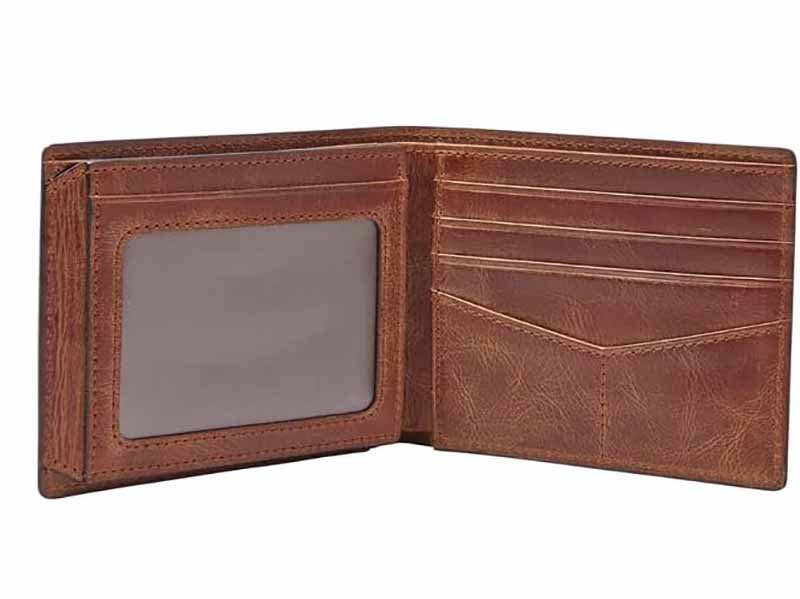
What failures happen when backing is wrong?
When slot backing is poorly specified or inconsistently applied, leather wallets commonly fail through slot edge tearing, stitch pull-out, bubbling, delamination, and permanent slot deformation. These issues result from weak reinforcement, excessive stiffness, poor bonding, or backing thickness mismatches. Most failures appear after repeated card use rather than immediately, making backing choice critical for long-term durability.
Many wallet defects reported by customers are blamed on “leather quality,” but internal audits often show the real cause is backing mismatch, not the leather itself.
What causes slot edge tearing?
Slot edge tearing is the most frequent long-term failure in wallets. It usually appears as a split starting at the card slot mouth and extending along the stitch line.
Primary causes:
- Backing with insufficient tear strength
- Excessive leather stretch without recovery control
- Stitch density too high without reinforcement
- Sharp internal slot corners without stress relief
| Cause | Mechanical effect | Visible symptom |
|---|---|---|
| Weak backing | Stress not distributed | Clean tear at slot mouth |
| No backing | Leather fibers overstressed | Frayed or cracked edge |
| High stitch density | Perforation line | Straight rip along stitches |
A thin but strong backing spreads stress across a wider area, reducing peak load at the slot opening.
What causes bubbling or delamination?
Bubbling occurs when the backing separates from the leather or lifts unevenly, creating visible waves or soft spots around card slots.
Common root causes:
- Incompatible adhesive for backing material
- Uneven glue application or soak-through
- Nonwoven backing with unstable fiber bonding
- Excessive heat during pressing
| Backing issue | Result | Long-term effect |
|---|---|---|
| Poor adhesive match | Partial separation | Progressive delamination |
| Over-absorbent backing | Glue starvation | Slot collapse |
| Excess heat | Material shrinkage | Wrinkling or bubbles |
Even if the wallet still functions, bubbling is often seen as a quality defect, leading to returns or negative reviews.
How do stitch lines weaken slot areas?
Stitch lines concentrate stress. If backing is missing or inconsistent, stitches can act like a cutting tool, gradually slicing through leather fibers.
Risk factors:
- Stitch line too close to slot edge
- Thin leather without backing support
- Hard backing that doesn’t flex with leather
| Stitch issue | Failure mode | Solution |
|---|---|---|
| Tight stitch spacing | Tear propagation | Lower SPI + backing |
| Edge-close stitching | Edge cracking | Increase edge margin |
| Rigid backing | Fiber fatigue | Use flexible reinforcement |
Correct backing allows stitches to anchor, not cut.
How do you set backing specs for OEM wallets?
OEM backing specifications should define material type, thickness range, bonding method, coverage area, and minimum tear resistance. Clear backing specs ensure consistent wallet performance across production batches and reduce warranty risk. Brands that document backing choices avoid variability that often causes long-term slot failure.
Backing specs are one of the most effective—but least documented—controls in wallet manufacturing.
What backing thickness is practical?
Thickness must balance strength and slimness. Thicker is not always better.
| Backing type | Practical thickness range | Notes |
|---|---|---|
| Woven fabric | 0.15–0.25 mm | Best strength-to-thickness ratio |
| Dense nonwoven | 0.20–0.35 mm | Strong but must stay flexible |
| Leather reinforcement | 0.40–0.60 mm | Luxury use only |
If backing thickness exceeds the leather layer it supports, the wallet often feels stiff and bulky.
Which tests verify tear resistance?
Professional wallet development includes slot-specific testing, not just leather testing.
Useful internal tests:
- Slot pull test: Measures resistance to tearing at slot mouth
- Card cycle test: Simulates repeated insert/remove actions
- Stitch pull-out test: Checks backing support at stitch line
- Bond strength test: Verifies backing adhesion
| Test type | Pass indicator |
|---|---|
| Slot pull | No tear at target load |
| Card cycle | No deformation after 5,000–10,000 cycles |
| Stitch pull | No stitch cut-through |
| Bond test | No separation under flex |
These tests catch failures before mass production, saving significant after-sale cost.
How should brands write a slot spec sheet?
A clear slot spec sheet translates design intent into repeatable manufacturing quality.
Essential items to include:
- Leather thickness and temper
- Backing material type and thickness
- Slot coverage area (full / partial)
- Adhesive type and application method
- Stitch density and edge distance
- Minimum test requirements
Example slot spec extract:
| Item | Requirement |
|---|---|
| Slot leather | 1.2–1.4 mm top-grain |
| Backing | Woven polyester, 0.20 mm |
| Coverage | Full slot width |
| Stitch | 7 SPI, ≥2.5 mm from edge |
| Test | 8,000 card cycles, no tear |
Documentation like this prevents “silent downgrades” during cost pressure.
Start Your Custom Leather Wallet Project with SzoneierLeather
Slot backing is invisible—but its impact is not. Tear resistance, card glide, long-term shape, and user comfort all depend on the materials and engineering hidden behind the leather.
With more than 18 years of leather wallet R&D and manufacturing experience, SzoneierLeather supports brands and wholesalers with:
- Carefully matched slot backing materials
- Slim yet tear-resistant wallet construction
- Smooth card glide and controlled break-in feel
- Slot-specific durability testing
- Low-MOQ sampling and fast development cycles
- Consistent bulk production with strict QC
Whether you are developing a new slim wallet, upgrading durability to reduce returns, or building a private-label collection, our team can help you engineer wallets that feel good on day one—and still perform years later.
Contact SzoneierLeather today to request samples, review wallet slot specifications, or receive a customized quotation.