
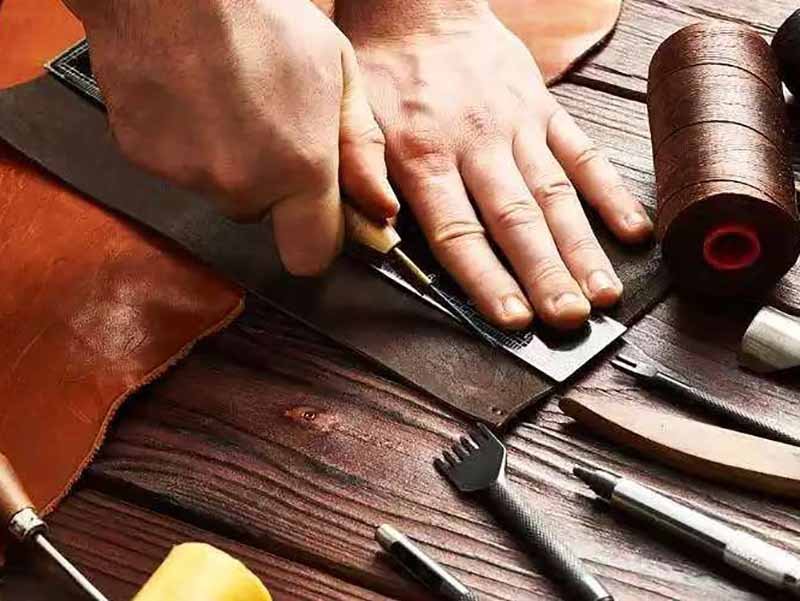
When it comes to designing leather handbags, pattern making is an essential step that determines the overall structure, functionality, and aesthetic of the bag. Getting the measurements right in the pattern-making process is crucial, as even the smallest miscalculation can result in a product that doesn’t fit properly, feels uncomfortable, or lacks functionality.
For brands looking to create well-crafted, functional leather handbags, confirming key measurements early on in the pattern-making process is vital. From the overall dimensions of the bag to the details of the straps, handles, and pockets, each measurement directly impacts the final product’s quality and user experience.
The key to successful handbag pattern making lies in knowing the exact measurements that matter most for the fit and functionality of the bag. This includes understanding how to measure the bag body, straps, handles, pockets, and closure mechanisms.
To help you navigate the pattern-making process, this article will walk you through the key measurements that must be confirmed before the final production phase. By mastering these measurements, brands can ensure that their leather handbags not only look great but also deliver excellent performance and comfort.
What Is Handbag Pattern Making?
Handbag pattern making is the process of creating detailed templates or blueprints for every component of a handbag, which includes the body, straps, handles, pockets, closures, and reinforcements. This process is fundamental in transforming a designer’s concept into a physically wearable product that not only looks good but is also functional and durable. Pattern making ensures that all elements of the handbag fit together perfectly and meet the necessary measurements for both aesthetic appeal and practical use.
In handbag design, getting the pattern right is crucial because it directly impacts the overall quality and functionality of the final product. Incorrect measurements or poorly designed patterns can result in bags that are uncomfortable to carry, have poor functionality, or simply don’t look as intended.
What Does Pattern Making Involve?
Pattern making involves several important steps, each of which must be performed carefully to ensure that the final product meets the designer’s vision while also being practical and comfortable for consumers. Below is a breakdown of the steps involved:
- Design and Initial Measurements: The first step involves gathering the designer’s sketches and ideas. At this stage, the designer determines the size and shape of the bag, as well as its intended function. Measurements are taken for key areas such as the height, width, depth, strap length, and pocket placements.
- Creating the Pattern Template: Once the initial measurements are gathered, the designer creates a template using paper or cardboard. This is the actual pattern that will be used to cut the leather or fabric. Pattern pieces are typically created for each component of the handbag, including the front, back, bottom, sides, and any internal linings or reinforcements.
- Fitting and Prototyping: After the pattern is created, a sample handbag is produced using less expensive materials to test the design and structure. This step helps identify any fit issues or areas that need adjustment.
- Pattern Adjustment: Based on the feedback from the prototype, the pattern may need to be adjusted. For instance, the dimensions may be changed, or new design elements like pockets or closures may be added. The adjustments ensure the handbag fits as intended and functions properly.
- Final Pattern and Mass Production: Once all adjustments have been made, the final pattern is digitized (if necessary) and prepared for mass production. In this stage, patterns are cut from leather or fabric, and the production process begins.
Key Steps in Handbag Pattern Making
| Step | Description | Why It Matters |
|---|---|---|
| Initial Design | Designer’s sketches and measurements are taken. | Establishes the size, shape, and functionality of the handbag. |
| Creating Templates | Paper or cardboard patterns are created based on the measurements. | Ensures the bag components will fit together correctly. |
| Prototyping | Sample bag made from a less expensive material for testing. | Helps identify issues in fit and function before final production. |
| Pattern Adjustment | Adjustments made based on prototype feedback. | Ensures the final product meets design and comfort standards. |
| Final Pattern | Final version of the pattern is digitized and prepared for production. | Prepares for mass production and ensures consistency across units. |
What Are Basic Handbag Pattern Components?
When designing a leather handbag, the pattern is divided into several key components, each of which plays an essential role in ensuring the bag is functional, durable, and visually appealing. Here are the basic pattern components that are involved in most handbag designs:
- Main Body: This is the largest and central part of the handbag pattern. The main body determines the bag’s overall size, storage capacity, and shape. Depending on the design, the body may consist of multiple pieces that are stitched together (e.g., front, back, sides, and bottom).
- Straps and Handles: These components allow the user to carry the handbag. The strap pattern defines the length and width of the straps or handles, ensuring that they provide comfort and functionality while maintaining the overall aesthetic.
- Pockets: Pockets are an essential feature for many handbags. They provide extra storage and organization. The pattern includes the dimensions and placement of both internal and external pockets, ensuring they are accessible and functional.
- Closures: The closure system (e.g., zippers, magnetic snaps, or clasps) secures the contents of the bag. Patterns must include the correct measurements for the closure system to ensure it fits properly and functions smoothly.
- Lining and Reinforcements: The lining adds durability and strength to the bag, especially in areas like the bottom or where the straps attach. Reinforcements in the pattern ensure that the bag holds its shape and provides structural integrity, especially for larger bags that carry heavy loads.
Basic Handbag Pattern Components
| Component | Description | Importance |
|---|---|---|
| Main Body | The primary structure of the bag. | Determines overall size, shape, and capacity. |
| Straps/Handles | Components for carrying the bag. | Affect comfort, usability, and overall design. |
| Pockets | External or internal compartments for storage. | Essential for functionality, organization, and style. |
| Closures | Fastening mechanisms (e.g., zippers, snaps). | Secure the bag and ensure ease of access. |
| Lining/Reinforcements | Internal components that add strength and structure to the bag. | Vital for maintaining shape and providing durability. |
What Tools Are Needed for Accurate Patterns?
The accuracy of a handbag pattern depends on the tools used during the pattern-making process. Having the right tools ensures precise measurements and smooth, accurate cutting, which directly affects the quality of the final product. Below are the key tools used in handbag pattern making:
- Ruler and Measuring Tape: These tools are essential for taking precise measurements of the bag’s body, straps, and pockets. A metal ruler ensures accuracy, especially for straight edges, while a flexible measuring tape is useful for measuring around curves or bag outlines.
- Pattern Paper: Pattern paper (also called dressmaker’s or butcher’s paper) is used to sketch out the design. It’s essential for creating the initial templates and transferring measurements from the design to the material.
- Scissors or Rotary Cutter: Once the pattern is drawn on the paper, scissors or a rotary cutter is used to carefully cut the pattern components. Rotary cutters are often preferred for their precision and smooth cutting action.
- Notches and Marking Tools: These tools are used to mark important points on the pattern, such as where to join pieces, add stitching, or place hardware. Notches help align the pattern pieces accurately during assembly.
- Cutting Mat: A self-healing cutting mat protects both the work surface and the blade of the rotary cutter. It also provides a grid for accurate cutting.
- Weights and Pins: These tools are used to hold the pattern pieces in place when cutting leather or fabric. Weights are often preferred for heavier materials, while pins are useful for lighter fabrics.
| Tool | Description | Why It Matters |
|---|---|---|
| Ruler/Measuring Tape | For precise measurements of body, straps, and pockets. | Ensures accurate sizing of each component. |
| Pattern Paper | Special paper used for drawing patterns. | Provides a template for cutting leather or fabric. |
| Rotary Cutter/Scissors | Used for cutting the pattern components. | Ensures smooth, accurate cutting, especially for curves. |
| Notches/Marking Tools | For marking alignment points and stitch lines. | Helps ensure accurate assembly and stitching. |
| Cutting Mat | Protects the work surface and blade during cutting. | Ensures precision and protects the tools and workspace. |
| Weights/Pins | Used to hold pattern pieces in place while cutting. | Prevents shifting during the cutting process, ensuring accuracy. |
Which Key Measurements Must Be Confirmed?
To ensure the handbag is functional, comfortable, and aesthetically pleasing, it is essential to confirm certain measurements. These measurements will influence the final fit and design of the handbag. Here are the primary measurements to focus on:
Which Body/Structure Measurements Matter Most?
The body of the handbag dictates its size and overall shape. Getting the dimensions of the bag’s width, height, and depth correct is crucial to its functionality and style. These measurements ensure that the handbag fits the intended use—whether it’s a compact clutch or a spacious tote.
- Width: This is the horizontal measurement of the bag from one side to the other. It determines how much internal storage the bag provides.
- Height: The vertical measurement from the top to the bottom of the bag. This affects how the bag sits when worn, particularly in crossbody or shoulder bags.
- Depth: The distance from the front to the back of the bag. Depth affects the bag’s capacity and how much can be stored without making the bag too bulky.
Key Body/Structure Measurements
| Measurement | Description | Why It Matters |
|---|---|---|
| Width | The horizontal measurement of the bag’s body. | Determines storage capacity and the bag’s overall size. |
| Height | The vertical measurement of the bag’s body. | Affects how the bag hangs and the bag’s proportion. |
| Depth | The front to back measurement of the bag. | Impacts storage volume and the bag’s silhouette. |
Which Strap and Handle Measurements Impact Fit?
Straps and handles are not only functional but also essential for the bag’s comfort and style. The length, width, and attachment points of the straps and handles all play a role in the bag’s usability. Here are the key measurements to confirm:
- Strap Length: This is the total length of the strap from end to end. It ensures the bag sits at the desired height on the shoulder or body, especially for crossbody and shoulder bags.
- Strap Width: The width of the strap affects both comfort and aesthetics. Wider straps are more comfortable for heavier bags, while narrower straps may be more suitable for smaller bags or for style purposes.
- Drop Length: The drop length refers to how far the strap hangs from the top of the bag to where it rests on the shoulder. This measurement is crucial for comfort and convenience.
Key Strap and Handle Measurements
| Measurement | Description | Why It Matters |
|---|---|---|
| Strap Length | The total length from one end of the strap to the other. | Ensures the bag hangs at the desired height and comfort. |
| Strap Width | The thickness of the strap. | Affects comfort, especially for heavier bags. |
| Drop Length | The vertical measurement from the top of the bag to where the strap rests on the shoulder. | Ensures a comfortable fit when carrying the bag. |
Which Pocket & Closure Measurements Are Critical?
Pockets and closures are important for the functionality and overall design of the handbag. Proper pocket placement ensures easy access to essentials, while the right measurements for zippers, clasps, or magnetic closures guarantee the bag’s usability.
- Pocket Placement: Pockets must be positioned in a way that balances the aesthetic appeal with practicality. Common pocket placements include exterior front or back pockets, as well as interior compartments.
- Pocket Size: The size of the pockets affects what can be stored. Too small, and the pockets become impractical; too large, and they may disrupt the design.
- Closure Mechanisms: The placement of zippers, snaps, or magnetic closures is crucial to ensure ease of access. Poorly placed closures can make the bag difficult to open or close.
Pocket and Closure Measurements
| Measurement | Description | Why It Matters |
|---|---|---|
| Pocket Placement | Where the pockets are located on the bag (front, back, or interior). | Affects both the bag’s functionality and aesthetic design. |
| Pocket Size | The dimensions of the pockets. | Determines how useful the pockets are for carrying items. |
| Closure Position | The location of the zipper, clasp, or snap. | Ensures ease of access and functionality. |
How to Take Accurate Handbag Measurements?
Accurate measurements are the foundation of good pattern making. For brands aiming to create high-quality leather handbags, getting each dimension precisely correct is critical to ensure that the finished product not only looks great but also functions well. Here’s a breakdown of how to measure different elements of the handbag and why these measurements matter.
Taking accurate measurements for the body, straps, handles, and closures of leather handbags is essential to achieving the right fit and functionality. Proper measurement ensures the bag’s usability and visual balance.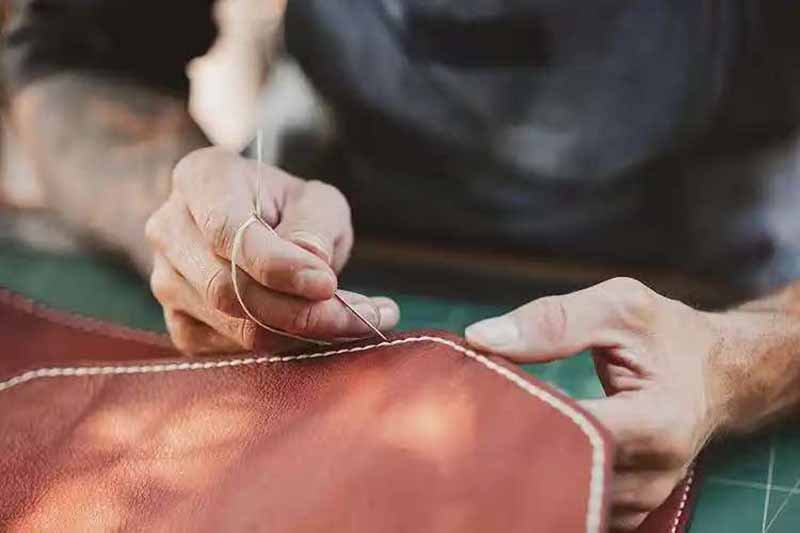
How to Measure Bag Width, Height, and Depth?
- Bag Width: To measure the width, lay the bag flat on a surface and measure from one side to the other at its widest point. This measurement determines how much space the bag provides internally, impacting storage capacity.
- Bag Height: The height is measured vertically from the bottom to the top of the bag, ensuring it aligns with the desired design. For shoulder or crossbody bags, height measurements also affect how the bag sits when carried.
- Bag Depth: Depth is measured from the front to the back of the bag. This is especially important for larger bags, like totes, to ensure they have adequate storage capacity without becoming too bulky or uncomfortable to carry.
Measuring Bag Dimensions
| Measurement | How to Measure | Why It Matters |
|---|---|---|
| Width | Measure horizontally from side to side. | Affects internal space and overall bag shape. |
| Height | Measure vertically from the bottom to the top. | Determines bag proportion and how it sits when worn. |
| Depth | Measure from the front to the back. | Affects capacity and bulkiness, especially for larger bags. |
How to Measure Strap, Handle, and Drop Length?
Straps and handles are essential to the functionality of the bag. The strap length, width, and drop length determine the comfort level and usability. Here’s how to accurately measure them:
- Strap Length: Measure from one end of the strap to the other, ensuring the strap is not twisted. This measurement affects how the bag hangs when worn over the shoulder or as a crossbody.
- Strap Width: The width of the strap affects both its visual appearance and comfort. Wider straps are better for heavier bags, providing more support and reducing pressure on the shoulder.
- Drop Length: Drop length is the vertical distance from the top of the bag (where the strap attaches) to where the strap rests on the shoulder. This measurement is crucial for ensuring comfort when carrying the bag.
Strap and Handle Measurements
| Measurement | How to Measure | Why It Matters |
|---|---|---|
| Strap Length | Measure the full length of the strap from one end to the other. | Affects how the bag fits on the shoulder or body. |
| Strap Width | Measure the width of the strap at its widest point. | Affects comfort, especially for larger or heavier bags. |
| Drop Length | Measure from the top of the bag to where the strap rests on the shoulder. | Ensures the strap hangs at a comfortable length. |
Do Materials Affect Pattern Tolerance?
Leather behaves differently compared to other materials like fabric or synthetics. When making patterns for leather handbags, it’s essential to understand how different types of leather react to cutting, stitching, and sewing. Some leathers stretch, while others retain their shape.
The type of leather you choose significantly impacts the pattern-making process. Different materials require different tolerances in pattern measurements to ensure the final product retains its shape, structure, and functionality.
Do Leather Thickness and Stretch Matter?
Leather thickness and stretchiness affect the way the pattern will come together during the manufacturing process. Thicker leather is less flexible and requires more precise cutting and stitching to ensure a proper fit. On the other hand, thinner leather may stretch more and require adjustments to ensure the final bag keeps its shape.
- Thick Leather: When working with thicker leathers, such as full-grain or top-grain leather, patterns need to be carefully designed to account for the material’s rigidity. These leathers typically require more precise stitching to avoid issues like puckering or uneven seams.
- Stretchable Leather: Some leathers, like soft or bonded leather, may stretch more than others, requiring patterns to be slightly looser to accommodate for expansion. Stretchy leather will need additional space in certain areas to ensure the bag doesn’t lose its shape after wear.
Leather Types and Their Impact on Pattern Tolerance
| Leather Type | Thickness | Stretchability | Pattern Adjustment |
|---|---|---|---|
| Full-Grain Leather | Thick and firm | Minimal stretch | Requires precise cutting, fewer allowances for stretch. |
| Top-Grain Leather | Moderate thickness | Slight stretch | Slight adjustments to accommodate stretch during use. |
| Soft Leather | Thin and pliable | High stretch potential | Patterns need to allow for stretch, especially in high-mobility areas. |
Do Lining, Interfacing, and Reinforcements Change Measurements?
Lining, interfacing, and reinforcements can impact the final size of the handbag. These components provide structure, shape, and durability, but they can also affect the internal measurements of the bag.
- Lining: The material used for the lining of the handbag can affect how it fits within the outer leather shell. The lining often adds to the overall dimensions of the bag, so it must be factored into the measurements during pattern making.
- Interfacing: This is used to add stiffness and structure to certain parts of the bag. Depending on the type of interfacing used, it can make a bag feel more rigid or flexible, affecting the overall fit and structure.
- Reinforcements: Areas that need additional durability, such as the base or edges, may require reinforcements. These reinforcements can alter the overall shape and measurement of the bag, especially in high-stress areas.
Impact of Lining and Reinforcements on Pattern
| Material | Impact on Measurements | Why It Matters |
|---|---|---|
| Lining | Adds extra dimension to the interior of the bag. | Affects the internal measurements of the bag. |
| Interfacing | Adds structure, which may make the bag more rigid. | Must be accounted for in pattern-making to ensure a proper fit. |
| Reinforcements | Adds bulk to high-stress areas, like the base or corners. | Ensures durability but alters the overall measurements. |
How to Scale Handbag Production After Finalizing the Pattern?
Once the pattern is finalized and tested, scaling production becomes the next major step. Transitioning from prototype to mass production requires precision, as it’s essential to maintain the quality of the design while meeting larger order volumes. It’s crucial to address potential challenges in material sourcing, manufacturing processes, and quality control to ensure consistency across all units.
Scaling up leather handbag production involves ensuring that patterns, materials, and quality standards remain consistent as production volume increases. Efficient production planning and attention to detail are key for successful scaling.
How to Ensure Consistent Pattern Production in Large Volumes?
To maintain consistency in mass production, it is essential to have detailed production specifications and clear communication with the manufacturers. The patterns should be digitized and standardized so that they can be replicated accurately across multiple units. It’s crucial to ensure that the leather used in mass production is of the same quality and texture as the samples.
- Standardized Patterns: Once the final pattern is confirmed, it should be digitized into CAD (Computer-Aided Design) files, allowing for precise cuts and easy adjustments during the scaling process.
- Quality Control: Implement strict quality control checks at each stage of production to ensure the bags meet the desired standards for dimensions, stitching, and finishing.
- Material Sourcing: Work closely with suppliers to ensure that the same type of leather and hardware are used across all production units, minimizing variations that could impact the final product.
Key Steps to Ensure Production Consistency
| Step | Action | Why It Matters |
|---|---|---|
| Digitize Patterns | Convert patterns to CAD files for easy replication. | Ensures accuracy and reduces errors in mass production. |
| Implement QC | Perform quality control at each production stage. | Ensures each unit meets quality standards. |
| Source Consistent Materials | Work with suppliers to ensure consistent leather and hardware. | Avoids discrepancies in product appearance and quality. |
How to Adjust Patterns for Different Leather Types?
Not all leather behaves the same way—some leathers are thicker and stiffer, while others are soft and pliable. Adjusting your patterns to account for these differences is crucial for ensuring that the final handbag retains its shape and functionality. A pattern designed for a stiffer leather might not perform as well with a softer leather, and vice versa.
Leather type significantly impacts how the handbag will look and function. Brands must adjust their patterns based on the material being used to ensure a perfect fit and finish.
How to Adjust Patterns for Stiff vs Soft Leather?
- For Stiff Leather (e.g., Full-Grain): Patterns made for stiff leather should have less allowance for stretch. The pattern pieces should fit more precisely since the leather will maintain its shape well. It is important to ensure that there is no excess material that could cause the leather to pucker or feel too rigid.
- For Soft Leather (e.g., Lambskin, Napa): Soft leather requires patterns with more flexibility. Allowances for stretch and fit adjustments are necessary, as the leather will naturally stretch and soften over time. Soft leathers may require slightly looser patterns to avoid distortions in the shape of the bag after use.
- Hybrid Leathers: Some leathers combine the stiffness of full-grain leather with the softness of other materials. In these cases, patterns may need to balance between firmness and flexibility, ensuring the bag remains both structured and comfortable.
| Leather Type | Adjustment Required | Why It Matters |
|---|---|---|
| Stiff Leather | Less stretch allowance, precise pattern cutting. | Helps maintain shape and ensures the bag keeps its form. |
| Soft Leather | Allowance for stretch, looser fit in some areas. | Prevents the bag from losing its shape or becoming too tight. |
| Hybrid Leather | Balance between structure and flexibility in patterns. | Ensures durability while maintaining comfort and softness. |
How to Ensure Quality in Mass Production?
Quality assurance in mass production is essential for maintaining the reputation of your brand. Consistent quality control checks at each stage of the manufacturing process ensure that every bag that leaves the production line is up to standard. Even when scaling up, the production process must remain meticulous to meet customer expectations.
Implementing stringent quality control processes at every stage of production ensures that all handbags, regardless of order volume, maintain the same high standard of craftsmanship and functionality.
How to Monitor Consistency in Stitching and Construction?
Stitching is one of the most critical elements of leather handbag construction. Poor stitching can compromise both the aesthetics and durability of the bag. Here’s how to monitor and maintain high-quality stitching in mass production:
- Stitching Consistency: Ensure the stitching is uniform in length, tension, and placement. Use automated stitching machines to ensure uniformity.
- Stitching Material: The quality of thread used should match the leather type. Heavy-duty leathers require thicker, stronger threads, while lighter leathers can use finer threads.
- Edge Finishing: Proper edge finishing ensures that raw leather edges don’t fray or discolor. This can be done with heat sealing or applying a protective edge paint.
Quality Control for Stitching and Construction
| Factor | Quality Control Action | Why It Matters |
|---|---|---|
| Stitching Consistency | Use automated stitching machines and manual checks. | Ensures uniformity and prevents defects in the final product. |
| Thread Quality | Choose thread thickness based on the leather’s weight. | Ensures durability and proper stitch tension. |
| Edge Finishing | Implement techniques like edge painting or sealing. | Prevents fraying and enhances the overall finish. |
Conclusion: Bring Your Leather Handbag Designs to Life
Successfully making leather handbags requires careful planning and attention to detail. From pattern making and precise measurements to scaling production and setting the right price, each step contributes to the creation of a functional, stylish, and profitable product. By confirming key measurements, adjusting for different leathers, and refining your production process, your handbags will meet both design standards and customer expectations.
Ready to bring your leather handbag designs to life? Szoneier Leather specializes in high-quality, custom leather products tailored to your brand’s needs. Whether you need help with pattern making, bulk production, or unique design elements, we are here to assist. Contact us today to get a quote or start discussing your custom leather handbag project!