 Skip to content
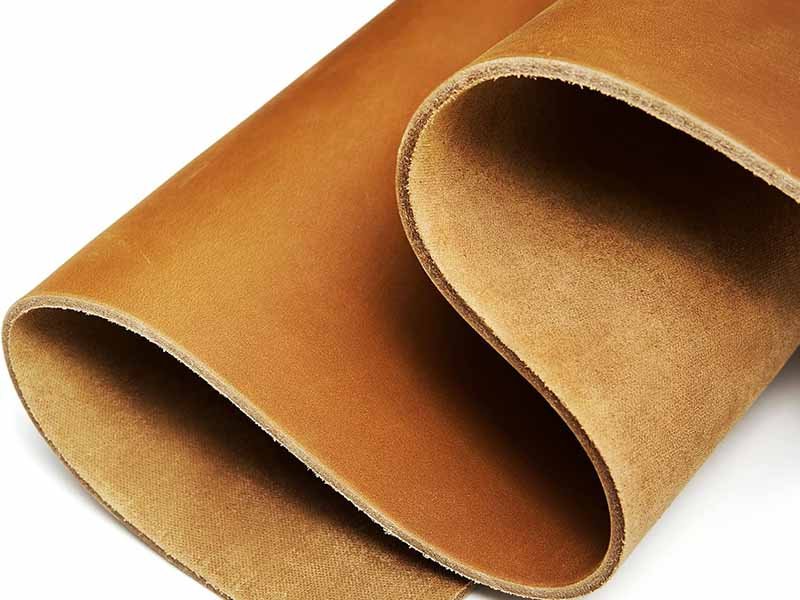
Leather is not just an aesthetic choice—it’s a fundamental part of your product’s longevity, structure, and performance. The right thickness of leather can make the difference between a durable, high-quality product and one that fades after a few uses. Leather thickness influences everything from a bag’s ability to retain its shape, to a wallet’s flexibility and feel.
When choosing leather for accessories, it’s crucial to consider product type, intended use, and customer expectations. Whether you’re designing a sturdy tote, a slim wallet, or a rugged belt, understanding how to select the right leather thickness is essential.
In this guide, we’ll break down the optimal leather thickness for each type of accessory. We’ll also include data on leather types, tanning methods, and thickness measurements, along with practical tips to ensure your products stand the test of time.
What Is Leather Thickness and Why Does It Matter?
Leather thickness directly impacts the quality, feel, durability, and weight of your product. Choosing the correct thickness will affect the performance of the leather in its intended use—be it a handbag, wallet, or belt. Thicker leather offers durability, while thinner leather allows for flexibility and softness. It’s important to understand how to choose the right thickness to meet both functional and aesthetic requirements.
What Does Leather Thickness Mean?
Leather thickness refers to the depth or gauge of the leather material, typically measured in ounces or millimeters. Each “ounce” equals 1/64th of an inch, while millimeters provide a more precise measurement.
| Leather Thickness | Measurement (mm) | Use Case |
|---|---|---|
| 1-2 oz | 0.4-0.8mm | Lining, light wallets, small goods |
| 2-3 oz | 0.8-1.2mm | Wallets, cardholders |
| 4-5 oz | 1.6-2.0mm | Light bags, smaller accessories |
| 6-7 oz | 2.4-2.8mm | Bags, belts, large wallets |
| 8+ oz | 3.2mm+ | Heavy-duty bags, outdoor gear |
Thicker leather provides greater durability but may feel stiffer, while thinner leather provides flexibility and ease of handling.
How Is Leather Thickness Measured?
Leather is usually measured in ounces or millimeters. A single ounce (1 oz) corresponds to 1/64th of an inch. Leather thickness in millimeters is more common in specific applications, like small leather goods or wallets.
| Thickness (oz) | Thickness (mm) | Typical Use |
|---|---|---|
| 1-2 oz | 0.4-0.8mm | Wallets, accessories |
| 2-3 oz | 0.8-1.2mm | Cardholders, linings |
| 4-5 oz | 1.6-2.0mm | Purses, belts |
Accurately measuring the thickness of leather is crucial for determining how well it will hold its form, handle stress, and wear over time.
Why Does Thickness Impact Durability and Feel?
Thickness is one of the key factors determining leather’s overall durability. Thicker leather tends to last longer, resist wear, and provide a sturdy feel. However, it may be less flexible and comfortable for certain products, like wallets, where thin leather is preferred for its softness and pliability.
| Leather Thickness | Durability | Feel |
|---|---|---|
| Thin (1-3 oz) | Moderate | Soft, flexible |
| Medium (4-5 oz) | Good | Sturdy, balanced |
| Thick (6+ oz) | Excellent | Rigid, durable |
For example, thick leather on a wallet may feel too bulky, whereas it would be ideal for bags or belts where structure is important.
Which Leather Thickness Works Best for Bags?
Choosing the right leather thickness for bags is crucial to ensure that the bag retains its structure, provides durability, and offers comfort for the user. The leather thickness impacts the bag’s overall weight, stiffness, and ability to handle daily wear and tear. A good balance of durability and flexibility is key, depending on the type of bag you’re creating, whether it’s a shoulder bag, tote, or travel bag.
Which Thickness Is Ideal for Shoulder Bags and Totes?
For shoulder bags and totes, you want leather that is thick enough to provide structure and support, but flexible enough to remain comfortable when worn on the shoulder for extended periods. The ideal thickness range for these bags is typically between 4 oz (1.6mm) and 6 oz (2.4mm).
- 4 oz leather (1.6mm): This thickness offers a good balance of structure and flexibility. It provides enough stiffness to maintain the shape of the bag, but is still soft enough to be comfortable when carried on the shoulder. This weight works well for smaller to medium-sized shoulder bags or totes that aren’t intended to carry excessively heavy loads.
- 5-6 oz leather (2.0-2.4mm): Slightly thicker, this range provides a more structured feel. It’s excellent for larger bags or totes that are expected to hold more items, as it provides more rigidity and ensures that the bag doesn’t lose its shape. However, it can feel a bit heavier, especially for larger bags, so you may want to consider the design of the bag to ensure comfort.
| Leather Thickness | Ideal for | Characteristics |
|---|---|---|
| 4 oz (1.6mm) | Small-to-medium totes | Flexible, maintains shape, lightweight |
| 5-6 oz (2.0-2.4mm) | Larger totes and shoulder bags | More structured, better for heavy use |
Choosing the right thickness in this range will allow your bag to retain its shape and functionality without sacrificing comfort.
How Does Thickness Affect Structure and Weight?
Leather thickness has a direct impact on the weight and structural integrity of a bag. Thicker leather adds weight, making the bag sturdier but also potentially less comfortable for long-term use.
- Thicker Leather (6-8 oz or 2.4-3.2mm): This thickness is ideal for bags that need a more rigid structure, such as briefcases or work bags. While these bags will be durable and resistant to wear, they may feel heavier when carried, which can be a consideration for everyday use.
- Lighter Leather (3-4 oz or 1.2-1.6mm): Lighter leather, often used in smaller bags, helps reduce overall weight. It’s more flexible and easier to carry but may not be suitable for larger bags that need more support to hold heavy items.
| Leather Thickness | Effect on Bag Structure | Weight Impact | Use Case |
|---|---|---|---|
| 4-5 oz (1.6-2.0mm) | Balanced structure and flexibility | Moderate | Everyday shoulder bags and totes |
| 6-7 oz (2.4-2.8mm) | Sturdy, more rigid | Heavier | Large bags, briefcases, heavy-duty totes |
What Thickness Range Prevents Sagging and Wear?
To avoid sagging and ensure long-lasting durability, leather thickness plays a crucial role. If leather is too thin, it may lose its shape over time, especially when carrying heavier items. If the leather is too thick, the bag can become too stiff and less comfortable to use.
- 5-6 oz (2.0-2.4mm): This thickness is commonly used in higher-end, structured bags like briefcases or larger totes. It provides enough thickness to prevent sagging while still allowing for some flexibility. For larger bags that are expected to hold a fair amount of weight, this thickness helps the leather maintain its shape over time.
- 7 oz (2.8mm) and above: While thicker leather offers more durability and structure, it can lead to a stiffer feel. This may not be the best choice for bags that need to stay flexible, like weekend bags or bags that need to expand with the load.
| Leather Thickness | Effect on Sagging & Wear | Ideal For |
|---|---|---|
| 5-6 oz (2.0-2.4mm) | Prevents sagging, durable | Larger totes, daily-use bags |
| 7 oz (2.8mm) | Very sturdy, minimal sag | Heavy-duty bags, outdoor gear |
For most bags that are expected to handle daily use without losing their shape, 5-6 oz (2.0-2.4mm) leather is a good choice to ensure the bag doesn’t sag under weight but remains flexible enough for comfort.
What Leather Thickness Should Wallets and Small Goods Use?
When crafting leather goods like wallets, coin purses, cardholders, and other small accessories, the choice of leather thickness is critical. The thickness directly impacts the product’s flexibility, comfort, and durability. Too thick, and the product will be bulky and uncomfortable to use. Too thin, and it may lack the necessary strength and durability for everyday use.
What Thickness Ensures Flexibility Without Bulk?
For wallets and small leather goods, 2 oz (0.8mm) to 3 oz (1.2mm) thickness is generally ideal. This thickness range offers a balance between flexibility and strength, making it perfect for small, frequently used items that need to fold and bend without losing their shape.
- 2 oz leather (0.8mm): This thickness is ideal for thin wallets or cardholders where you need a high degree of flexibility. It’s soft enough to fold easily and will fit into pockets comfortably without feeling bulky. 2 oz leather is commonly used for products where a sleek, slim profile is essential.
- 3 oz leather (1.2mm): Slightly thicker, this leather is still flexible but provides more durability. It’s a great choice for bi-fold wallets, coin purses, and credit card sleeves that need a bit more structure but still require the softness and pliability that thinner leather offers.
| Leather Thickness | Ideal for | Characteristics | Common Uses |
|---|---|---|---|
| 2 oz (0.8mm) | Thin wallets, cardholders | Flexible, lightweight | Slim wallets, small accessories |
| 3 oz (1.2mm) | Bi-fold wallets, coin purses | Durable yet pliable, still flexible | Coin purses, folding wallets |
The thinner the leather, the more pliable it will be, but keep in mind that if you need more structure, a slightly thicker leather is required.
Is Thin Leather Better for Card Slots and Folds?
Yes, thin leather (2 oz to 3 oz) is the best option for card slots and folds. Small leather goods, especially wallets, need to have a leather that bends easily to accommodate the folding action without compromising durability. Thicker leather can create stiffness, making it difficult to fold and reducing the overall comfort of the product.
- Card Slots: Leather that is too thick in card slots can make it hard to slide cards in and out. The optimal thickness for card slots is 2 oz (0.8mm), as it provides a good amount of flexibility while still holding up well to repeated friction and use.
- Folding: When it comes to wallet folds, thin leather (2-3 oz) allows the wallet to be flexible enough to fold smoothly while maintaining its shape and structure when closed. 3 oz leather (1.2mm) provides a slight increase in durability while keeping the wallet soft and flexible.
| Leather Thickness | Ideal for | Characteristics | Common Uses |
|---|---|---|---|
| 2 oz (0.8mm) | Card slots, folds | Soft, highly flexible | Credit card sleeves, thin wallets |
| 3 oz (1.2mm) | Folding wallets | Durable, soft, pliable | Bi-fold wallets, coin purses |
For card slots or wallet folds, thinner leather not only enhances usability but also allows the wallet to remain light and easy to handle. It strikes a balance between flexibility and strength.
How Thickness Affects Durability Over Time?
While thinner leather is great for flexibility, it’s important to consider how thickness impacts the product’s durability over time. Thicker leather, while more durable, can add weight and bulk, which is undesirable for wallets and smaller accessories.
- Thinner Leather (2 oz to 3 oz): Thinner leather may wear more quickly in high-stress areas, like card slots or the edges of a wallet. Over time, these areas may show signs of wear such as stretching or cracking. However, this type of leather still provides sufficient durability for small leather goods when properly treated.
- Thicker Leather (4 oz and above): Leather thicker than 3 oz will last longer but may make the product bulky. For wallets, belts, and similar items, 4 oz leather (1.6mm) provides better wear resistance and can handle more stress without losing its shape.
| Leather Thickness | Durability | Ideal Uses | Potential Drawbacks |
|---|---|---|---|
| 2-3 oz (0.8-1.2mm) | Moderate | Wallets, cardholders | Wear and tear over time |
| 4 oz (1.6mm) | High | Heavy-duty wallets, belts | Bulkier, less flexible |
To enhance the longevity of thinner leather products, ensure the leather is well-maintained and consider using reinforced linings or additional stitching to provide extra strength to high-friction areas.
How to Choose Thickness for Straps and Belts?
When selecting the right thickness for leather straps and belts, the key considerations are strength, comfort, and load-bearing capacity. Straps and belts need to endure constant use, whether they’re worn as a fashion accessory, used for carrying weight, or part of a product like bags or outdoor gear. Leather thickness influences how well the strap or belt performs over time, as well as its overall comfort.
What Thickness Makes Belts Strong Yet Comfortable?
For belts, whether fashion belts or functional ones for holding heavy gear, the thickness of the leather is crucial for strength, durability, and comfort.
- 6 oz to 8 oz (2.4mm to 3.2mm): This thickness range is ideal for durable and comfortable belts. It provides the necessary strength to hold up to daily use without feeling overly stiff. 8 oz leather (3.2mm) is perfect for heavy-duty belts, while 6 oz leather (2.4mm) offers a good balance for belts that need to be strong but flexible.
- 4 oz to 5 oz (1.6mm to 2.0mm): Leather in this thickness range is often used for fashion belts, where comfort and flexibility are prioritized over extreme durability. While not as heavy-duty as thicker leather, it still holds its shape well and is comfortable for daily wear.
| Leather Thickness | Ideal for | Characteristics | Common Uses |
|---|---|---|---|
| 6-8 oz (2.4-3.2mm) | Heavy-duty belts | Sturdy, durable, holds its shape | Utility belts, tool belts, rugged fashion belts |
| 4-5 oz (1.6-2.0mm) | Fashion belts, lighter use | Flexible, comfortable, lighter | Casual belts, dress belts |
For functional belts that need to carry tools or other heavy items, opting for 6 oz to 8 oz leather ensures the belt holds up over time without sacrificing too much comfort. For lighter, fashion-forward belts, 4 oz to 5 oz leather offers flexibility and a more refined look.
How Thickness Impacts Strap Strength and Stretch?
Straps are often subject to different levels of stress, whether they are part of a backpack, bag, or even a harness. The thickness of the leather determines how much weight a strap can bear without stretching or breaking.
- 8 oz to 10 oz (3.2mm to 4mm): For heavy-duty straps used in backpacks, duffle bags, or equipment harnesses, this thickness is the optimal choice. It provides the strength needed to withstand constant pulling, lifting, or bearing heavy loads, without sacrificing durability. 10 oz leather (4mm) is incredibly strong but may feel a little stiff.
- 6 oz to 7 oz (2.4mm to 2.8mm): Leather straps in this range are suitable for lighter bags, such as handbags or tote bags, where flexibility and comfort are just as important as strength. While not as heavy-duty as thicker leather, it still offers plenty of strength for everyday use.
| Leather Thickness | Ideal for | Strength & Stretch | Common Uses |
|---|---|---|---|
| 8-10 oz (3.2-4mm) | Heavy-duty straps | High strength, minimal stretch | Backpacks, tool straps, outdoor gear |
| 6-7 oz (2.4-2.8mm) | Light-to-medium duty straps | Good balance of flexibility and strength | Handbags, shoulder straps, lighter bags |
Straps need to be both durable and flexible enough to provide comfort. For heavy-duty applications, a thicker leather strap in the 8 oz to 10 oz range is ideal. For lighter-duty applications, 6 oz to 7 oz leather offers a good compromise between strength and comfort.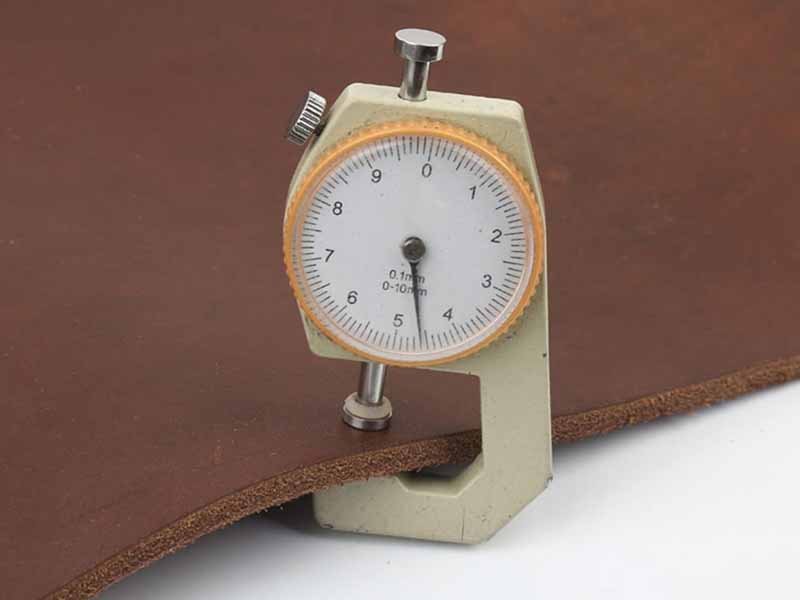
Which Thickness Is Best for Heavy‑Load vs Light‑Load Accessories?
When choosing leather thickness for heavy-load or light-load accessories, it’s essential to match the leather thickness to the level of stress it will be exposed to.
- Heavy-Load Accessories (10 oz leather, 4mm and above): For accessories that will bear a lot of weight—such as backpack straps, tool belts, or cargo straps—leather in the 8 oz to 10 oz range is ideal. This thickness is strong enough to handle the heavy load without overstretching. 10 oz leather (4mm) is the heaviest and most durable, making it perfect for straps that need to withstand constant tension and force.
- Light-Load Accessories (4 oz to 6 oz leather, 1.6mm to 2.4mm): For lighter bags and fashion accessories, such as handbag straps or purse handles, leather in the 4 oz to 6 oz range offers adequate durability without becoming too rigid. This thickness range is also more comfortable for daily use, ensuring the straps don’t feel too stiff or uncomfortable on the shoulders or hands.
| Leather Thickness | Load-Bearing Capacity | Ideal Use | Characteristics |
|---|---|---|---|
| 8-10 oz (3.2-4mm) | Heavy load | Backpacks, tool straps, heavy-duty belts | Strong, durable, rigid |
| 4-6 oz (1.6-2.4mm) | Light to medium load | Handbags, small backpacks, fashion straps | Flexible, lightweight |
For heavy-duty applications, such as tool straps or large backpacks, 8 oz to 10 oz leather is best. For light-duty applications, 4 oz to 6 oz leather provides a balance of comfort and durability.
Are There Recommended Thicknesses for Leather Hardware & Components?
Leather hardware and components, such as handles, reinforcements, and attachments, play an essential role in the overall durability and functionality of leather products. These parts need to be strong and resilient but also well-balanced in terms of flexibility. The thickness of the leather used in hardware components directly influences their ability to withstand stress, maintain their shape, and integrate seamlessly with the rest of the leather product.
What Thickness Works for Handles and Reinforcements?
Handles and reinforcements are some of the most critical components of leather bags and accessories. These parts experience frequent stress due to the weight and handling of the bag. Therefore, choosing the right thickness is essential to ensure strength, comfort, and longevity.
- 7 oz to 9 oz (2.8mm to 3.6mm): Leather in this range provides the strength needed to handle the daily wear and tear on handles, without being excessively stiff. 9 oz leather (3.6mm) is perfect for heavier bags that need additional support, such as weekender bags or luggage. It offers enough structural integrity to support the weight of the bag without feeling too bulky.
- 6 oz to 7 oz (2.4mm to 2.8mm): This thickness is suitable for lighter bags and fashion accessories that don’t need as much reinforcement but still require durable handles. 6 oz leather (2.4mm) is enough to provide support for handbags and shoulder bags, ensuring the handles remain sturdy but flexible.
| Leather Thickness | Ideal for | Strength & Comfort | Common Uses |
|---|---|---|---|
| 7-9 oz (2.8-3.6mm) | Heavy-duty handles, reinforcements | Strong, supportive, durable | Luggage, heavy-duty bags |
| 6-7 oz (2.4-2.8mm) | Lighter handles, reinforcements | Sturdy yet flexible, comfortable | Handbags, fashion accessories |
The thicker leather offers durability for high-stress areas, while 6-7 oz leather ensures comfort and flexibility in lighter bags.
How to Balance Thickness with Hardware Fittings?
When it comes to leather hardware, such as buckles, zippers, and studs, the leather thickness must be balanced to match the hardware fittings to avoid awkward gaps or difficulty in assembling the final product. Leather that’s too thick can make it difficult to fit hardware properly, while leather that’s too thin may compromise the structure and longevity of the attachment points.
- 5 oz to 7 oz (2.0mm to 2.8mm): This thickness range is ideal for components that will be paired with metal hardware like buckles or rivets. 7 oz leather provides enough strength for the leather to hold the hardware firmly without causing strain on the attachment points, while 5 oz leather offers a more flexible fit for smaller hardware, such as zippers or small studs.
- 4 oz to 5 oz (1.6mm to 2.0mm): For lighter hardware fittings, such as small handles or decorative elements, thinner leather in the 4 oz to 5 oz range works well. It’s flexible enough to allow for easy fitting while maintaining durability.
| Leather Thickness | Ideal for | Hardware Compatibility | Use Case |
|---|---|---|---|
| 5-7 oz (2.0-2.8mm) | Hardware fittings, reinforcements | Good fit with buckles, rivets, zippers | Bags, wallets, backpacks |
| 4-5 oz (1.6-2.0mm) | Light hardware components | Flexible and comfortable fit | Decorative pieces, small wallets |
For hardware attachments, you’ll want to find the perfect balance between leather thickness and the size/type of hardware to ensure everything fits together seamlessly.
Do Different Tanning Types Affect Thickness Selection?
Yes, tanning methods play a significant role in how leather behaves and influences its thickness. The two most common tanning processes—vegetable tanning and chrome tanning—have distinct effects on leather characteristics, including thickness.
- Vegetable-Tanned Leather: Typically thicker, vegetable-tanned leather offers more rigidity and structure. This is beneficial for reinforced areas and handles that need to bear weight and stress. If you are using thicker leather for reinforcements or heavy-duty handles, this is the preferred tanning method as it provides long-lasting durability and sturdiness.
- Chrome-Tanned Leather: Chrome-tanning results in leather that’s generally more pliable and softer, which may require slightly thinner leather for hardware components. It is ideal for lighter products or components that require flexibility, such as strap connectors or decorative elements. Chrome-tanned leather is less stiff than vegetable-tanned leather, so it’s better suited for products that demand softer leather, like wallet linings or small hardware reinforcements.
| Tanning Method | Leather Characteristics | Ideal Thickness Range | Recommended Use |
|---|---|---|---|
| Vegetable Tanning | Thicker, stiffer, durable | 6-10 oz (2.4-4mm) | Heavy-duty components, reinforcements |
| Chrome Tanning | Softer, more pliable | 4-6 oz (1.6-2.4mm) | Lighter components, fashion items |
The choice between vegetable-tanned and chrome-tanned leather directly affects your hardware and reinforcement decisions, with vegetable-tanned leather providing more structure for demanding applications and chrome-tanned leather offering more flexibility for less demanding components.
How Does Leather Type and Tanning Affect Thickness Choice?
The type of leather and its tanning process play a significant role in determining the ideal thickness for your product. Different leathers—such as full-grain, top-grain, or corrected-grain—have unique characteristics that impact how they should be used. Likewise, the tanning method, whether vegetable tanning or chrome tanning, influences not just the texture and feel of the leather, but also its thickness.
Is Full‑Grain vs Top‑Grain Different in Thickness Standards?
Yes, full-grain and top-grain leathers differ significantly in terms of thickness. Full-grain leather, which retains the entire surface of the hide, tends to be thicker and more durable. It’s commonly used in products that require added strength and structure, like heavy-duty bags, boots, and belts. Full-grain leather can range from 6 oz (2.4mm) to 10 oz (4mm), depending on the intended product.
Top-grain leather, on the other hand, is more processed and polished, often resulting in a thinner and more flexible product. This type of leather is ideal for lighter accessories like wallets and smaller bags, with a typical thickness range of 2 oz (0.8mm) to 4 oz (1.6mm). The processed nature of top-grain leather makes it more pliable but less durable than full-grain leather.
| Leather Type | Thickness Range | Characteristics | Common Uses |
|---|---|---|---|
| Full-Grain | 6-10 oz (2.4-4mm) | Strong, durable, retains natural texture | Heavy-duty bags, belts, boots |
| Top-Grain | 2-4 oz (0.8-1.6mm) | Smooth, flexible, softer | Wallets, small bags, fashion accessories |
How Does Vegetable vs Chrome Tanning Influence Flexibility?
Vegetable tanning and chrome tanning are the two most common methods of tanning leather, each affecting the leather’s flexibility and thickness in different ways.
- Vegetable Tanning: This method uses tannins from plant sources, which makes the leather stiffer and thicker. Leather treated through vegetable tanning tends to retain its natural rigidity, which is great for items like saddlebags, boots, and heavy-duty belts. It typically results in leather that is 6-10 oz (2.4-4mm) thick, depending on the hide.
- Chrome Tanning: Chrome-tanned leather is more flexible and thinner, often used in products that require a softer feel, like wallets and fashion accessories. This tanning method uses chromium salts to produce a more pliable leather, often 2-5 oz (0.8-2mm) thick. This makes it perfect for lightweight accessories that still need durability and smoothness.
| Tanning Method | Leather Characteristics | Typical Thickness Range | Best For |
|---|---|---|---|
| Vegetable Tanning | Stiff, durable, thicker | 6-10 oz (2.4-4mm) | Heavy-duty products, structured bags, boots |
| Chrome Tanning | Soft, flexible, thinner | 2-5 oz (0.8-2mm) | Wallets, small bags, clothing |
Which Tanning Type Pairs Best with Which Thickness Range?
The right combination of leather type and tanning method ensures the product’s longevity, flexibility, and feel.
- For heavy-duty products like luggage, saddlebags, and rugged accessories, vegetable-tanned leather in the 6-10 oz range is ideal. This thickness provides durability while retaining structure and support.
- For lighter products, such as wallets, pouches, or fashion bags, chrome-tanned leather in the 2-5 oz range is often the best choice. It provides a balance of softness, pliability, and durability while still maintaining flexibility.
Do Thicker Leathers Always Mean Better Quality?
When choosing leather thickness, more isn’t always better. While thick leather is often associated with durability, it’s important to consider the product’s function and comfort. There are scenarios where a thinner leather will provide better value, comfort, and usability. Understanding the trade-offs between thickness and functionality is key to producing high-quality leather goods.
What Are the Limitations of Excessively Thick Leather?
Excessively thick leather may seem like a good choice for durability, but it has limitations that can make it impractical for certain products:
- Comfort: Thicker leather can feel stiff and uncomfortable, especially in products like wallets, where flexibility and ease of use are crucial. An overly thick wallet will be bulky, reducing the comfort for the user.
- Weight: Heavy leather may increase the weight of bags or accessories, which is undesirable, especially in products like backpacks or handbags, where weight can be a concern for comfort.
- Break-In Time: Thicker leather requires a longer break-in period to soften up, which can delay the usability of the product.
| Leather Thickness | Possible Limitations | Ideal Uses |
|---|---|---|
| Overly Thick Leather (10+ oz) | Too stiff, bulky, heavy | Heavy-duty products, outdoor gear |
| Thinner Leather (2-3 oz) | May lack durability, easily damaged | Small accessories, wallets |
How Does Thickness Trade‑Off with Comfort and Wearability?
While thicker leather provides durability, it may not always be the most comfortable option. For items like wallets, belts, and small bags, thinner leather offers better comfort and wearability, as it’s more flexible and lighter.
- Comfort: Leather thickness impacts how comfortable the product is during use. For example, a 3 oz wallet will be much more comfortable to carry than one made of 8 oz leather, as it bends and conforms to your pocket or bag more easily.
- Wearability: Thinner leather is often more breathable, which can make it more comfortable during extended wear, especially for accessories like belts or straps. However, while comfort is important, it should not compromise durability.
When Should Lighter Leather Perform Better Than Thicker?
Lighter leather performs better in products where flexibility and comfort are paramount. For accessories like wallets, cardholders, and clothing accessories, thinner leather is often the best option as it allows the product to conform to the shape of the body or fit into tight spaces, such as pockets, without discomfort.
For instance, a 2 oz wallet will not only be more comfortable but will also allow for easier folding, fitting, and use.
How to Test Leather Thickness Before Production
Ensuring that the leather thickness is consistent throughout the production process is key to maintaining high-quality standards. Here’s how you can continue testing leather thickness effectively and make adjustments as needed before beginning full-scale production.
What Tools Measure Leather Thickness Accurately?
Using the right tools for measuring leather thickness ensures consistent and reliable results across all stages of production. Here are some options:
| Tool Type | Measurement Range | Accuracy | Ideal Use |
|---|---|---|---|
| Digital Calipers | 0-10mm | High | Precision measurements for detailed checks |
| Manual Thickness Gauge | 0-1 inch (25.4mm) | Moderate | General use for standard testing |
| Micrometers | 0-25mm | Very High | Ideal for extremely accurate measurements |
For best results, digital calipers are often preferred for their accuracy and ease of use, especially for smaller items like wallets, where precision is paramount.
How to Inspect Thickness Consistently in Sampling?
Inconsistent thickness can result in uneven quality across a batch, making it essential to measure leather consistently. During the sampling phase, leather should be inspected at multiple locations to ensure uniformity.
- Measure at Multiple Points: Sample leather from at least 3 to 4 points across the hide to get an accurate understanding of thickness. Ensure that these measurements reflect variations in the hide, especially in areas near the edges or folds.
- Monitor Variations: Small variations in thickness are normal, but for high-quality leather goods, aim to keep these variations within ±0.2mm for light products (wallets, cardholders) and ±0.5mm for more robust items (bags, belts).
What Tolerance Ranges Are Acceptable for Customization?
Understanding the tolerance range is important for manufacturers to ensure that leather goods maintain their integrity without sacrificing flexibility or appearance.
- For small goods like wallets and cardholders, ±0.2mm tolerance is generally acceptable, as small discrepancies are less noticeable and don’t affect the final product’s usability.
- For larger items, such as belts, bags, and heavier accessories, a ±0.5mm tolerance is more common, allowing for more flexibility during production.
How to Customize Leather Thickness for Your Product Needs?
When working with a manufacturer to produce leather goods, customization is essential to meet the specific needs of your product. Here’s how to communicate your requirements for leather thickness and ensure the final product fits your design vision.
What Questions to Ask Manufacturers About Thickness?
To ensure that the manufacturer can meet your thickness requirements, ask the following questions before placing an order:
- What is the minimum and maximum thickness for the leather in the selected range?
- How will variations in thickness be handled during production?
- Can you adjust the leather thickness for specific components, such as handles, linings, or reinforcements?
- Do you offer options for custom finishes, such as smooth or textured leather, that could influence thickness?
By asking these questions, you can ensure that you receive a product that meets your design requirements without compromise.
How to Request Custom Thickness and Finishing?
Once you’ve established your desired leather thickness, it’s important to communicate this clearly to your manufacturer, along with any finishing requirements. Here’s how to make a request:
- Provide Specific Measurements: Be clear about the exact thickness you need for each component of the product. Use both ounces (oz) and millimeters (mm) as reference points, especially if you want specific measurements for different parts of the leather item.
- Specify Finishing Preferences: In addition to thickness, describe the type of finish you prefer—whether it’s a polished, embossed, or matte finish, which can affect how the leather feels and behaves. Be sure to indicate whether the leather will undergo treatments like waterproofing or dyeing.
What Specifications to Include in Tech Packs?
A tech pack is a crucial document when working with leather manufacturers, as it ensures that every detail of your product is captured. When creating a tech pack for custom leather goods, be sure to include:
- Detailed Thickness Specifications: Specify the thickness required for each leather component (e.g., the body, lining, and reinforcements). Include both the min/max thickness range and preferred measurement units (oz or mm).
- Leather Type and Tanning Method: Indicate whether you want full-grain, top-grain, or corrected-grain leather, as well as the preferred tanning method (vegetable vs chrome).
- Finish and Treatment Instructions: Specify any additional treatments such as waterproofing, burnishing, or embossing, and ensure that these are accounted for in the thickness measurements.
- Reinforcement and Stitching: If your product requires reinforcement in certain areas (like handles or edges), be sure to include the thickness of these areas to ensure durability without compromising flexibility.
Conclusion: Custom Leather Thickness for Your Perfect Product
Choosing the right leather thickness is essential for crafting leather goods that meet both your aesthetic and functional needs. From bags and wallets to belts and straps, leather thickness impacts the overall quality, durability, and feel of your products. Understanding how different thicknesses interact with leather types and tanning methods will help you create leather accessories that last and look great.
When working with a manufacturer, clear communication is key. Be sure to specify your leather thickness preferences, tanning methods, and any necessary finishing treatments in your tech packs. By following the guidelines outlined in this guide, you can ensure that your products are well-crafted, long-lasting, and truly reflective of your brand’s quality.
If you’re ready to start producing custom leather accessories or have any questions about leather thickness, don’t hesitate to reach out to us at Szoneier. With over 18 years of experience in custom leather goods, we provide high-quality, durable products tailored to your exact specifications.