
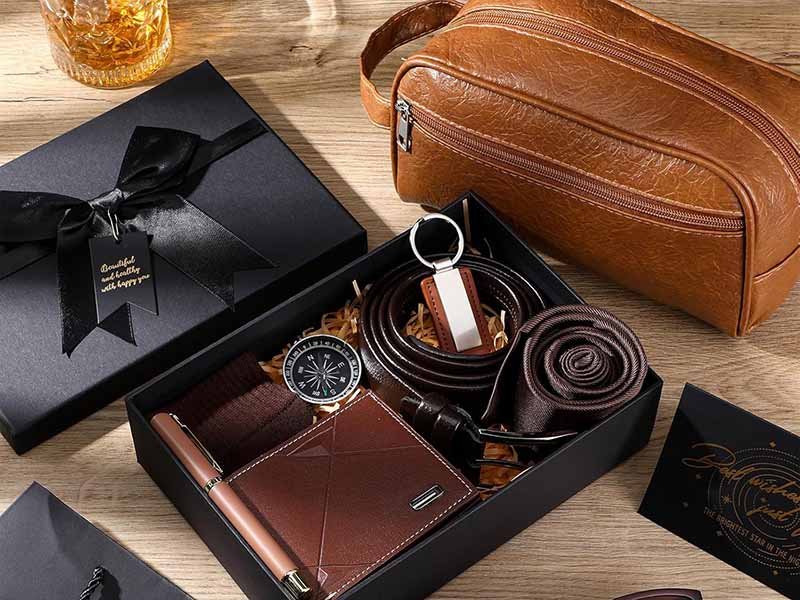
When building a leather goods product line, brands must focus not only on creating stylish products but also on offering high-quality leather goods that appeal to their target audience. Whether you’re venturing into the leather market for the first time or looking to expand your existing offerings, a well-thought-out strategy is essential. From selecting the right products to sourcing premium materials and finding the right manufacturing processes, every decision contributes to creating a comprehensive, profitable product line. The goal is to offer functional and durable leather products that embody your brand’s core values. Building a complete leather goods product line involves strategic product selection, high-quality craftsmanship, and market research. The right combination will help you meet customer demand and establish a strong brand presence in the leather market.
Creating your own line of leather goods can be both exciting and challenging. The process requires balancing creativity with business acumen, and understanding what works for the market. Imagine crafting a luxury leather wallet that combines premium materials with innovative designs, or offering a range of eco-friendly bags that reflect modern values. This article will guide you through the steps to build a comprehensive, customer-centric leather product line that stands out in a competitive market.
What Is a Leather Goods Product Line?
A leather goods product line is a curated collection of leather-based items, such as bags, wallets, belts, and accessories, all designed and produced under a single brand. The goal is to create a range of products that cater to diverse customer needs while maintaining brand consistency.
- A leather goods product line includes a variety of leather products designed for different uses, from luxury bags to everyday accessories.
- A complete product line should offer a balanced mix of core products and seasonal or limited edition items.
- Consistent quality and design across the product line help reinforce the brand identity.
What types of leather products are included?
A typical leather goods product line may consist of several types of products that serve different customer needs. These include:
- Bags: Tote bags, backpacks, crossbody bags, messenger bags, and duffel bags.
- Wallets & Cardholders: Slim wallets, bifold wallets, cardholders, and passport holders.
- Belts: Fashion belts, leather straps for bags, and accessories.
- Small Accessories: Phone cases, keychains, coin purses, and leather organizers.
Each product in the line must align with the brand’s ethos, whether it’s luxury, affordability, or sustainability. High-end brands may offer limited-edition collections, while more mainstream brands may focus on products that cater to everyday use.
What defines a complete product line?
A complete leather goods product line is one that strikes a balance between variety and cohesion. It should include a mix of core products (such as wallets, bags, and belts) that can consistently generate sales, alongside seasonal items or special editions to create excitement and exclusivity. A complete product line reflects the brand’s identity, offering products that:
- Serve different customer needs (e.g., casual, formal, luxury).
- Use consistent materials, such as specific types of leather (e.g., full-grain, vegetable-tanned).
- Have a common design language that ties all items together, whether through stitching, hardware, or overall aesthetic.
What benefits does a product line bring to a brand?
A well-curated leather goods product line provides numerous advantages for brands, including:
| Benefit | Description |
|---|---|
| Brand Recognition | A diverse yet cohesive product line strengthens brand identity and creates recognition in the market. |
| Market Reach | A complete product line allows you to appeal to different customer segments (e.g., luxury, functional). |
| Cross-Selling Opportunities | Offering related products (e.g., wallets with bags) increases the likelihood of customers buying multiple items. |
| Customer Loyalty | A variety of products increases customer retention by meeting evolving needs, leading to repeat purchases. |
By offering a variety of products, brands can extend their market reach and create lasting customer relationships. This is especially crucial for leather goods, as quality and durability often lead to repeat business.
Which Leather Goods Should You Start With?
When building your leather goods product line, it’s essential to choose the right products that will not only resonate with your target market but also reflect your brand’s core values. Certain products have proven demand and should be prioritized when starting your product line.
To begin, focus on staple leather goods such as wallets, bags, and belts, which are in constant demand. Consider your target market’s preferences and select products that align with your brand’s identity and customer needs.
Which market segments matter most?
The leather goods market is diverse, and you should choose a segment that aligns with both your brand positioning and target customer base. Some of the key segments include:
- Luxury Leather Goods: High-end bags, wallets, and accessories for premium buyers who value craftsmanship and exclusivity.
- Everyday Leather Goods: Functional products like backpacks, messenger bags, and belts for customers looking for durable, affordable leather goods.
- Sustainable Leather Goods: Eco-conscious leather bags and wallets made from recycled or vegan leather, catering to the growing demand for environmentally friendly products.
Each segment has unique pricing, marketing, and production requirements. Deciding which segment to focus on is a key part of your brand’s strategy.
Which key product categories sell best?
Some leather goods categories are consistently in high demand. These include:
| Product Category | Why It Sells |
|---|---|
| Bags (Totes, Backpacks) | Bags are a staple product in the leather goods market, used daily by many. |
| Wallets | Slim and bifold wallets are universally popular, easy to produce, and affordable. |
| Belts | Leather belts have a broad market, from luxury fashion to workwear. |
| Phone Cases & Small Accessories | These products complement other leather items and serve as entry-level items for consumers. |
These categories are highly versatile and adaptable, making them essential starting points for any leather goods line. They cater to a broad audience, from affordable luxury to more economical options.
Which products add strategic value?
In addition to core items, certain products can offer strategic value for your brand. These include:
- Customizable items: Offering products that can be personalized (e.g., monogrammed bags or wallets) creates a unique selling point and attracts a different customer base.
- Limited-edition items: Exclusive, seasonal collections or special releases generate excitement and urgency among consumers.
- Complementary products: Products that complement one another, like a matching wallet and belt, encourage customers to purchase multiple items from your brand.
These additions can help differentiate your product line from competitors and attract a loyal customer base willing to invest in premium, customizable, or exclusive items.
How to Plan Your Product Line Strategy?
A successful leather goods product line requires careful planning. This includes understanding market demand, identifying customer preferences, and forecasting sales to ensure a profitable product mix. Effective planning involves conducting market research, analyzing competitors, and forecasting demand. A data-driven approach helps you create a product line that aligns with consumer needs and market trends.
How to conduct market research?
Market research is a critical step in understanding consumer needs and identifying gaps in the market. Here’s how you can conduct effective research:
- Survey potential customers: Reach out to your target audience through surveys or focus groups to understand their preferences, needs, and expectations from leather goods.
- Analyze industry trends: Review industry reports to identify growing trends (e.g., sustainable fashion, luxury leather).
- Study competitors: Investigate what competitors are offering, their pricing strategies, and their design features. This will help you identify opportunities for differentiation.
Data Sources:
- Google Trends: Check which leather products are trending and adjust your product line accordingly.
- Industry Reports: Reports from agencies like Statista or IBISWorld provide insights into market forecasts.
How to analyze competitors?
Competitor analysis helps you identify strengths and weaknesses in your product line, giving you insights on how to differentiate. Here’s how to analyze your competitors:
- Product Range: Look at the types of leather products they offer. Are there any gaps you can fill?
- Pricing: Compare the pricing strategies. Are there opportunities for more competitive pricing without sacrificing quality?
- Brand Positioning: Understand how competitors position their products. Is there a gap in the market for more affordable luxury or sustainable goods?
By evaluating your competitors, you can make more informed decisions on which products to prioritize and how to position your brand.
How to forecast demand & pricing?
Demand forecasting involves predicting how many units of each product you will need based on market trends and consumer behavior. The key is to understand seasonal changes and market dynamics.
- Demand fluctuations: Certain products (e.g., luxury bags) may see higher sales during holiday seasons or fashion events.
- Pricing strategy: Set your prices based on the cost of production and your brand’s market position. Ensure that your pricing is competitive but reflects the value and quality you’re offering.
What Are the Key Design & Development Steps?
Design and development are crucial phases in creating a successful leather goods product line. From conceptualization to the final product, each step must align with your brand’s identity and ensure that the end result meets consumer expectations for both functionality and aesthetic appeal. Design and development steps include defining product specifications, choosing the right materials, and prototyping. These steps are essential to create functional, high-quality leather products that align with customer expectations and brand identity.
What product specs and size charts are needed?
Defining product specifications is crucial for ensuring consistency across your leather goods product line. Product specs should cover everything from size to construction and material choices. Here’s what to include:
- Dimensions: Accurate size charts are important for products like bags, wallets, and belts. Ensure you have a clear size guide for each item to minimize returns and customer dissatisfaction.
- Weight and Material: Specify the weight of the product, especially for items like bags and backpacks. The choice of leather type (e.g., full-grain or vegetable-tanned) should also be outlined in your specs.
- Stitching and Hardware Details: Clearly define the type of stitching (e.g., double stitching) and hardware (e.g., zippers, buckles) used in each product. This ensures uniformity in production and quality control.
Why Size and Specs Matter:
Accurate size charts and specifications make your products easy to manufacture and fit expectations. This reduces errors in production and ensures a seamless customer experience, which is essential for building brand trust.
How to choose materials & leather types?
Choosing the right materials is crucial for ensuring that your leather goods not only look great but also stand the test of time. When selecting leather types, consider the following:
- Leather Type: Full-grain leather is the highest quality and is used for high-end bags and wallets. It retains the natural imperfections and character of the hide, developing a unique patina over time.
- Vegetable-tanned leather is eco-friendly and ideal for brands that prioritize sustainability. It’s slightly stiffer but becomes more supple over time, making it a favorite for durable, eco-conscious products.
- Other materials: Depending on the product, consider incorporating metal hardware (brass, stainless steel), zippers, and lining materials (e.g., cotton, polyester) to ensure durability and functionality.
| Leather Type | Description | Best For |
|---|---|---|
| Full-Grain Leather | Highest quality, natural texture, durable, and ages well. | Luxury bags, wallets, belts. |
| Vegetable-Tanned Leather | Eco-friendly, ages with a unique patina. | Sustainable brands, high-end products. |
| Top-Grain Leather | Sanded and polished, smooth surface. | Fashion bags, belts, wallets. |
By selecting the appropriate leather, you ensure that your products are of the highest quality and that they align with your brand’s ethos—whether that’s luxury, sustainability, or affordability.
How does prototyping and sampling work?
Prototyping and sampling are essential steps in ensuring that your product meets your expectations before mass production. Here’s how the process typically works:
- Design Stage: Work with a designer or team to sketch out your ideas and ensure that the specifications (size, material, stitching) align with your brand’s vision.
- Sample Production: Once the design is finalized, send it to your manufacturer to create a sample. The sample is a physical representation of your product and allows you to test its durability, functionality, and aesthetic appeal.
- Testing & Refinement: Evaluate the sample for any potential issues (e.g., stitching strength, leather durability, fit). Make adjustments as necessary. It’s also a good idea to have a focus group test the product to gather feedback.
- Approval: Once the sample meets all requirements, give the go-ahead for full-scale production.
Prototyping helps you avoid costly mistakes in mass production and ensures that the final product aligns with both your vision and market expectations.
How to Build a Scalable Manufacturing Process?
Once you’ve finalized your designs and materials, it’s time to build a scalable manufacturing process that can meet demand without compromising quality. Establishing an efficient and reliable production system is critical for maintaining consistency and fulfilling customer orders on time.
Building a scalable manufacturing process involves setting up quality control measures, determining production capacity, and selecting appropriate manufacturers. These steps ensure that your products are produced efficiently and to the highest standard.
How to standardize quality control?
Quality control (QC) ensures that each product meets your brand’s standards before it reaches the customer. Standardizing QC processes is essential to maintaining consistent product quality across your leather goods product line.
Here’s how to standardize quality control:
- Inspection Guidelines: Define clear guidelines for inspecting the quality of raw materials (leather, hardware, stitching) and finished products. For example, leather thickness should meet specific standards, and stitching density should be consistent.
- Test Samples: Take random samples from each production batch and assess them for durability, functionality, and aesthetic quality. For instance, test the leather’s flexibility and color consistency.
- Document Everything: Keep detailed records of each quality control test performed to ensure transparency and traceability.
Having a standardized quality control process allows you to catch defects early, reduce production errors, and provide customers with products that consistently meet your brand’s expectations.
How to choose production capacity & MOQ?
Selecting the right production capacity and minimum order quantity (MOQ) is crucial for balancing costs and meeting customer demand. Here’s how to approach this:
- Evaluate Demand: Based on your market research, estimate the volume of orders you expect. High-demand products may justify larger production runs, while niche products may require smaller batches.
- Negotiate with Manufacturers: Work with your manufacturer to determine the best MOQ for your needs. A smaller MOQ may be beneficial for testing the market without overcommitting, while larger orders can help reduce per-unit costs.
- Plan for Scaling: As your brand grows, your production capacity should scale with demand. Establish a plan for increasing manufacturing output while maintaining quality.
Choosing the right production capacity helps manage cost-efficiency while ensuring that you can meet demand without overextending your resources.
How to integrate packaging & branding?
Packaging is a crucial aspect of the product experience and brand perception. The right packaging can enhance the perceived value of your leather goods and provide customers with a memorable unboxing experience.
- Design Packaging: Choose eco-friendly packaging materials that align with your brand values, whether it’s luxury packaging for high-end items or minimalistic packaging for a more sustainable brand.
- Include Branding Elements: Ensure that your logo, brand colors, and design elements are incorporated into the packaging. Consider using embossing or foil stamping for added luxury appeal.
- Functional Packaging: Packaging should also be functional. For example, ensure bags and wallets are carefully protected during shipping and that the packaging is durable enough to avoid damage.
Effective packaging reinforces your brand identity and elevates the customer experience, making it a vital part of your product line strategy.
Do You Need a Go‑to‑Market Plan?
A solid go-to-market (GTM) plan is essential for successfully launching your leather goods product line. The GTM plan should outline how you will promote your products, set pricing, and distribute them through the right channels.
A go-to-market plan is necessary to launch your leather goods product line. It covers pricing, distribution channels, and launch strategies to ensure your products reach the right audience and generate sales.
What channels should you use?
Selecting the right sales channels is key to your go-to-market strategy. Depending on your target market, you may want to consider:
- Online Stores: Use your website, platforms like Shopify, or Amazon to sell directly to customers.
- Wholesale: Work with retailers or distributors to sell your leather goods in stores.
- Pop-up Shops & Events: Attend trade shows or set up pop-up shops to introduce your products to a wider audience.
Each channel offers unique benefits, so it’s important to align them with your brand’s goals and customer preferences.
How to set pricing & positioning?
Pricing is a critical aspect of your go-to-market plan. Set a competitive price point that reflects the value of your product and matches your target audience. Consider the following:
- Cost-based pricing: Ensure the price covers production costs, including materials, labor, and overheads, while allowing for a reasonable profit margin.
- Market-based pricing: Compare your product pricing with competitors to ensure it is in line with market expectations.
Your pricing strategy should align with your brand positioning, whether you’re offering premium luxury products or more affordable options.
What launch strategies work best?
To make a successful product launch, consider:
- Pre-launch teasers: Build excitement with sneak peeks and social media campaigns before the launch.
- Influencer partnerships: Collaborate with influencers in the fashion or leather goods space to expand your reach.
- Launch discounts: Offer limited-time promotions or early bird discounts to encourage immediate purchases.
A well-executed launch can create buzz and drive sales, helping establish your leather goods product line in the market.
How to Build a Scalable Manufacturing Process?
Once you’ve designed your leather goods and planned your product line strategy, it’s time to set up a scalable manufacturing process. This ensures that you can meet market demand without compromising on quality. Building a scalable process is essential for maintaining consistency, optimizing costs, and staying competitive as your brand grows.
A scalable manufacturing process involves ensuring quality control, determining production capacity, and selecting the right manufacturing partners. These steps allow for efficient scaling while maintaining the high standards your brand requires.
How to standardize quality control?
Quality control is one of the most critical aspects of scaling production. As your product line expands, ensuring that every item meets the same high standards is essential for brand consistency and customer satisfaction. Here’s how to standardize quality control:
- Define Inspection Criteria: Establish clear guidelines for material quality, stitching, and finish. For example, check the thickness and texture of the leather to ensure uniformity.
- Use Automated Systems: For large-scale production, consider using automated systems for initial inspections, such as machines that check for consistent stitching and color matching.
- On-the-Spot Inspections: Perform random inspections during production to ensure quality is maintained throughout the process. Select a few samples from each batch and assess them against your quality standards.
- Train Employees: Ensure your manufacturing team is well-trained on your quality standards and knows exactly what to look for during inspections.
Standardized quality control ensures that your leather goods maintain consistency and meet customer expectations, regardless of the scale of production.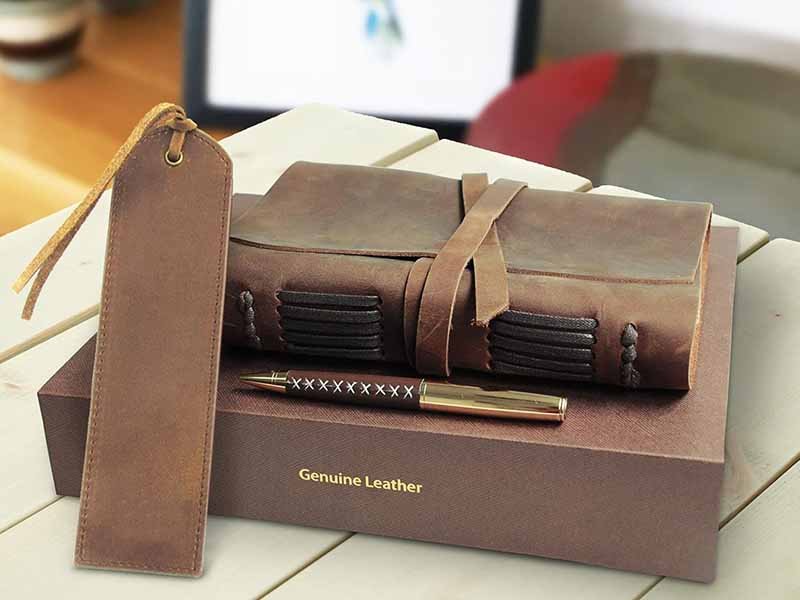
How to choose production capacity & MOQ?
Choosing the right production capacity and minimum order quantity (MOQ) is essential for scaling your leather goods product line effectively. Here’s how to make the right decisions:
- Evaluate Forecasted Demand: Use data from your market research and sales forecasts to estimate how many units you’ll need to produce. For high-demand products, consider larger production runs to optimize costs.
- Start with Small Batches: If you’re unsure about the market demand, start with small production runs to test your products before committing to larger quantities. This allows you to adjust your products based on feedback.
- Negotiate with Manufacturers: Work closely with your manufacturing partner to set realistic MOQs that balance production efficiency and demand. Higher MOQs often lead to lower per-unit costs, but ensure they are aligned with your projected sales.
- Scale Gradually: As demand increases, scale up production gradually. This allows you to meet growing demand without overwhelming your manufacturing partners.
By choosing the right production capacity and MOQ, you ensure your brand can scale efficiently without overproducing or understocking, which is vital for meeting market demand while controlling costs.
How to integrate packaging & branding?
The packaging of your leather goods plays a crucial role in the customer experience. It not only protects your products during shipping but also acts as a branding tool. Here’s how to integrate packaging and branding seamlessly:
- Eco-Friendly Packaging: For eco-conscious consumers, use recyclable or biodegradable packaging materials. This aligns with growing trends toward sustainability.
- Branding Elements: Incorporate your logo, brand colors, and design elements on the packaging. Packaging should reflect your brand’s identity, whether it’s luxury, minimalist, or sustainable.
- Functional Packaging: Ensure that your packaging is functional and durable. Leather products should be well-protected from moisture and rough handling during shipping, so consider custom boxes, padded materials, or dust bags for added protection.
- Unboxing Experience: For premium products, consider adding special touches like embossed logos or custom tissue paper for a luxurious unboxing experience.
By integrating your packaging with your brand’s identity, you enhance the overall customer experience and leave a lasting impression, making your leather goods feel even more premium.
Do You Need a Go‑to‑Market Plan?
Once your product line is ready, it’s time to launch it to the market. A well-thought-out go-to-market (GTM) plan is essential for ensuring that your leather goods reach the right audience, generate sales, and build brand awareness. A comprehensive GTM plan covers marketing, sales channels, and launch strategies to ensure that your products are positioned for success.
A strong go-to-market plan involves choosing the right sales channels, setting an effective pricing strategy, and implementing launch tactics that build excitement and drive demand for your leather goods.
What channels should you use?
Choosing the right sales channels is crucial for maximizing your product’s reach. Here are the primary channels to consider:
- E-commerce (Direct-to-Consumer): Selling on your website or platforms like Shopify or Amazon gives you direct control over customer experience and sales margins.
- Wholesale Distribution: Partnering with retailers allows your leather goods to reach a wider audience, especially if you’re targeting traditional brick-and-mortar stores.
- Social Media & Marketplaces: Leverage Instagram, Pinterest, or Etsy to target niche markets. These platforms offer visually driven engagement, perfect for showcasing the aesthetic appeal of leather goods.
Choosing the right mix of sales channels allows you to reach customers where they shop most and tailor your approach to their preferences.
How to set pricing & positioning?
Your pricing strategy should reflect your brand’s positioning in the market while ensuring that it covers production costs and delivers a reasonable profit margin. Consider the following factors when setting your prices:
- Cost-Based Pricing: Calculate the cost of goods sold (COGS), including material, labor, and shipping costs, and add a markup that accounts for your brand’s value and market positioning.
- Market-Based Pricing: Compare your pricing to competitors offering similar products. If you’re entering the luxury leather goods market, your pricing should reflect the premium nature of your product.
- Tiered Pricing: Offering products at different price points (e.g., premium, mid-range, and affordable options) allows you to cater to different segments within your target market.
Pricing directly impacts how your brand is perceived, so ensure it aligns with your brand values and the customer’s willingness to pay.
What launch strategies work best?
Launching your leather goods product line requires careful planning to generate excitement and demand. Here are some effective strategies:
- Pre-Launch Teasers: Use social media, email newsletters, and your website to build anticipation. Show sneak peeks or behind-the-scenes content to pique interest.
- Influencer Marketing: Collaborate with influencers who align with your brand values. Their endorsement can give your product line credibility and access to their followers.
- Limited-Time Offers: Create urgency by offering early-bird discounts or exclusive deals for the first customers who purchase your products.
The key to a successful launch is creating buzz around your product and driving early sales. Use your launch as an opportunity to generate media coverage and build a loyal customer base.
Do Vegetable Tanned Leather Bags Improve With Time?
Vegetable tanned leather is prized for its ability to improve with time. As the leather is used and exposed to the elements, it develops a rich patina that makes each bag unique. This aging process is a major selling point, as it enhances the leather’s beauty and individuality.
Yes, vegetable tanned leather bags improve over time by developing a personalized patina and becoming more supple and characterful with use. This process enhances the value and uniqueness of each piece.
Do they develop patina?
Vegetable tanned leather is known for developing a rich patina as it ages. The leather changes color—typically darkening—giving the bag a personalized, well-worn look. This patina is a sign of the unique interaction between the leather and its environment, including exposure to sunlight, air, and moisture.
| Stage | Appearance | Factors Influencing Patina |
|---|---|---|
| New Leather | Light, natural color, uniform appearance. | Freshly tanned, minimal exposure. |
| 6 Months | Begins to darken and gain visible creases. | Regular use, sunlight, and touch. |
| 1+ Years | Rich, deep color with a personalized finish. | Long-term exposure to wear, handling, and light. |
The patina process makes vegetable tanned leather unique to each item, adding value over time as the leather shows its personalized history.
Do they become more characterful?
As vegetable tanned leather bags age, they develop more character. Small imperfections, scratches, and the effects of wear become part of the leather’s story. This process makes each bag feel more personal and authentic.
The aging process adds depth to the leather, making it more flexible and comfortable to use. Over time, the leather becomes more distinctive, and each mark on it adds to the overall character of the piece.
Are they long-lasting?
Yes, vegetable tanned leather bags are incredibly long-lasting. The natural tanning process strengthens the leather fibers, ensuring they remain durable and resilient over time. With proper care, these bags can last decades, developing a rich patina while maintaining their structural integrity.
Unlike synthetic or chrome-tanned leather, which may degrade over time, vegetable tanned leather improves with age and lasts significantly longer.
How to Promote and Market Your Leather Goods Line
After creating your leather goods product line and setting up your manufacturing processes, it’s time to focus on marketing and promotion. A strategic marketing plan helps position your brand effectively, attract the right customers, and generate sales.
Promoting your leather goods requires identifying the right marketing channels, target audience, and crafting a unique brand story. Using platforms like social media, email campaigns, and partnerships can help increase visibility and drive sales.
What channels should you use for marketing?
Choosing the right marketing channels is essential for getting your leather goods in front of the right customers. Here’s a breakdown of some popular and effective channels:
- Social Media Marketing: Platforms like Instagram, Pinterest, and Facebook are perfect for showcasing the aesthetic appeal of your leather products. Instagram, in particular, is a visually-driven platform, making it ideal for leather goods brands to show off their designs and engage with potential buyers.
- Influencer Partnerships: Collaborate with fashion influencers or eco-conscious bloggers to expand your reach. Influencers with a strong following can showcase your leather goods to a wider audience, and their endorsement can increase brand credibility.
- Email Marketing: Build a strong email list of interested customers and send them exclusive offers, new product launches, or seasonal promotions. Personalized emails and well-targeted campaigns can drive repeat sales and increase customer loyalty.
- E-commerce Platforms: Utilize marketplaces like Etsy, Amazon, or Shopify to sell your products. These platforms have established customer bases and offer integrated payment systems and shipping solutions.
- Offline Events: Consider attending trade shows, pop-up shops, or local markets. These face-to-face interactions can help build a personal connection with your audience and provide valuable feedback.
Choosing the right channels depends on your brand’s identity and the demographics of your target audience. Tailoring your efforts to these channels will help increase engagement and drive traffic to your store.
How to craft a compelling brand story?
A compelling brand story sets the tone for how your leather goods are perceived. A strong narrative not only attracts customers but also helps build emotional connections. Here’s how to craft your brand story:
- Define Your Mission and Values: What sets your leather goods apart? Are you committed to sustainability? Is luxury craftsmanship your hallmark? Your story should reflect the values that drive your brand.
- Tell the Journey Behind Your Brand: Share the story of how your leather goods came to life—whether it’s about family traditions, artisan craftsmanship, or innovation in design.
- Focus on Customer Experience: Highlight how your products fit into your customer’s lifestyle. For example, if your bags are designed for travel, talk about how they offer functionality, style, and durability for the modern traveler.
A well-crafted brand story will differentiate your leather goods from competitors and create a memorable identity that resonates with your target audience.
How to set up an effective pricing strategy?
Pricing your leather goods product line can be tricky. You want to ensure that your products are affordable, while still reflecting the quality and value of the craftsmanship involved. Here’s how to approach pricing:
- Cost-Plus Pricing: Determine the cost of production (materials, labor, shipping, etc.) and add a markup that allows for a reasonable profit margin. Be sure to include overhead costs like marketing and storage.
- Market-Based Pricing: Research competitors and establish a pricing strategy that aligns with similar products. For luxury leather goods, ensure your pricing reflects the premium nature of the product while remaining competitive.
- Tiered Pricing: Offer different price levels for various product categories (e.g., entry-level, premium, and luxury). This allows you to reach a broader audience, from budget-conscious buyers to high-end consumers.
Effective pricing must also account for brand positioning. If your brand is positioned as a luxury, high-quality option, the price should reflect that perception.
What promotional strategies work best for leather goods?
Promotions can be a key driver of sales, especially during product launches or seasonal events. Here are a few strategies to consider:
- Seasonal Promotions: Leather goods often make perfect gifts for holidays or special occasions. Offer holiday discounts or bundled offers to attract customers looking for the perfect gift.
- Referral Programs: Encourage your existing customers to refer others by offering discounts or incentives. Word-of-mouth marketing can be highly effective for leather goods brands, as people value recommendations from friends or family.
- Limited-Time Offers: Create urgency with limited-time offers or exclusive products that are only available for a short period. This strategy can help increase sales during product launches or promotional events.
- Collaborations: Partner with influencers, celebrities, or other brands to create exclusive, co-branded items. This helps increase exposure and appeal to a new customer base.
Promotions should align with your overall brand strategy and market positioning, ensuring they attract the right audience and build brand loyalty.
How to Scale Production and Grow Your Leather Goods Brand
After your product line is launched, it’s time to scale your operations to meet growing demand. Scaling involves optimizing your production capacity, maintaining quality standards, and expanding your distribution channels.
To scale your leather goods brand, increase production capacity, expand your product offerings, and leverage additional sales channels. This will help meet demand, reduce costs, and grow your business over time.
How to manage growth in production?
Managing growth in production is crucial for scaling your leather goods brand. As demand increases, you’ll need to adjust your production processes to meet the needs without sacrificing quality or efficiency. Here’s how:
- Increase Production Capacity: Invest in additional manufacturing equipment, or consider outsourcing some production to trusted partners to scale quickly.
- Streamline Processes: Implement efficient workflows that help reduce lead times, from material sourcing to shipping.
- Monitor Quality: As you scale, maintain consistent quality by using quality control systems and conducting regular checks at each stage of production.
By increasing production capacity and streamlining processes, you ensure that your leather goods are produced efficiently without compromising on quality.
How to expand sales channels and distribution?
Expanding your sales channels is crucial for growing your leather goods brand. Here’s how to approach it:
- Wholesale & Retail Partnerships: Partner with retailers or distributors to sell your products in stores and expand your reach.
- Global Expansion: Consider expanding internationally through e-commerce platforms or international partnerships.
- B2B Sales: Explore B2B opportunities, such as selling wholesale to other brands or offering customized leather goods for businesses (e.g., corporate gifts, branded accessories).
Each of these expansion strategies opens up new avenues for your brand, allowing you to reach more customers and increase sales.
Conclusion: How to Succeed in the Leather Goods Market
Building a successful leather goods product line involves more than just creating products; it’s about understanding market needs, providing exceptional craftsmanship, and creating a strong brand presence. From the initial product selection to marketing and scaling production, each step plays a vital role in the success of your brand.
By following the steps outlined in this article, you can confidently create and grow a leather goods product line that resonates with consumers, maintains high-quality standards, and establishes long-term brand loyalty.