
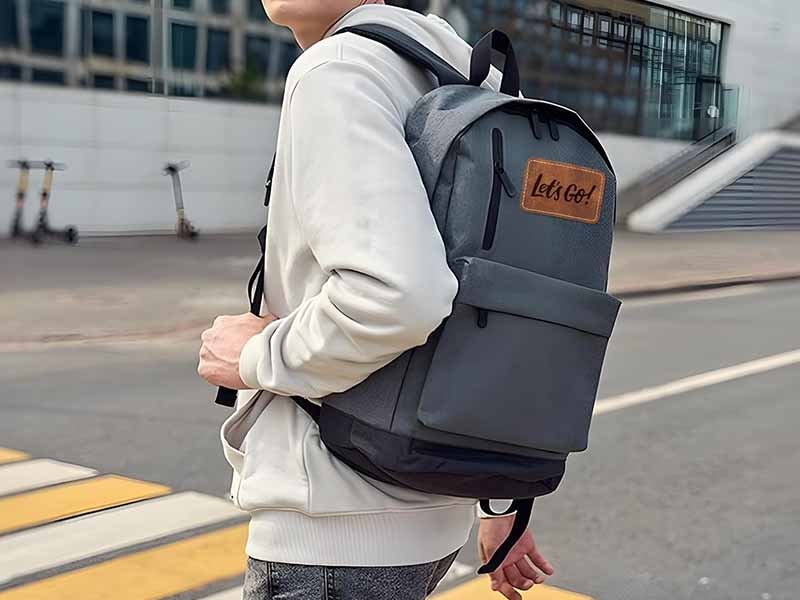
Choosing the right leather for patches is crucial when manufacturing high-quality leather products. Whether it’s a wallet, bag, or belt, the leather patch plays a major role in both the durability and aesthetics of the final product. The most common options for leather patches are full grain and top grain, both offering distinct characteristics.
Full grain leather is often regarded as the most durable and aesthetically pleasing option because it retains the natural texture and structure of the hide. Over time, full grain leather develops a rich patina that enhances its appearance. However, this comes at a higher price point.
On the other hand, top grain leather undergoes more processing, which removes imperfections and creates a smoother, more uniform look. While it may not develop the same unique patina as full grain, top grain is a more affordable option that still offers high durability and flexibility.
The decision between full grain and top grain leather depends on what’s most important to the buyer—whether it’s the longevity and unique character of full grain or the polished, budget-friendly look of top grain.
In the sections below, we will explore the differences between these two types of leather, comparing their strengths, weaknesses, and how they influence the finished product. This guide will help you make an informed choice for your leather goods.
What Is Full Grain Leather?
Full grain leather is the highest-quality leather available, made from the top layer of the hide. It is left untouched, meaning the leather retains all of its natural characteristics, including scars, markings, and texture. This gives full grain leather a unique and authentic appearance that cannot be replicated by other types of leather.
How Is Full Grain Leather Defined?
Full grain leather comes from the topmost part of the animal hide, where the natural grain and structure of the leather are most intact. It is the strongest and most durable form of leather because it has not been altered by sanding or other processes. The natural surface provides added resistance to wear, tear, and stretching. It’s ideal for high-end products like luxury bags, footwear, and heavy-duty gear.
Key Characteristics of Full Grain Leather:
- Unaltered Surface: Retains all the hide’s natural features, including scars, wrinkles, and grain.
- Durability: Highly resistant to damage and wear due to its full thickness and natural structure.
- Aging: Full grain leather ages beautifully, developing a rich patina over time that enhances its appearance and adds value.
| Full Grain Leather | Advantages | Disadvantages |
|---|---|---|
| Retains natural texture | Extremely durable and long-lasting | More expensive due to less processing |
| Develops rich patina over time | Unique character that improves with age | Can feel rigid initially |
| Ideal for luxury items | Resistant to wear and tear | Limited availability |
How Full Grain Patches Are Made
To create full grain leather patches, the hide is carefully cut into sections without removing any of the top layer. This means the grain is preserved in its original state, with no sanding or buffing. The result is a patch that is not only durable but also maintains the unique features of the hide, such as texture, natural markings, and imperfections.
Why Do Brands Value Full Grain?
Full grain leather is highly valued for its authenticity and durability. It is the preferred choice for high-end products because it retains the natural features of the hide, making each piece unique. Brands that produce luxury leather goods often use full grain leather because it offers unmatched strength and beauty. Over time, full grain leather develops a patina that makes each product look better and more personalized with age.
What Is Top Grain Leather?
Top grain leather is also a high-quality leather, but it undergoes additional processing. The top layer of the hide is sanded to remove imperfections, scars, and other marks. This process results in a smoother, more uniform surface, but it also removes some of the leather’s natural character.
How Is Top Grain Leather Made?
Top grain leather is created by removing the top layer of the hide to smooth out any imperfections. This gives the leather a more uniform and polished look. After sanding, the leather is treated with dyes and oils to restore its color and texture. The result is a smooth surface that is ideal for products that require a more refined appearance.
How Does Top Grain Differ from Full Grain?
The main difference between full grain and top grain leather lies in the processing. Full grain leather is left unaltered, retaining the full natural texture and grain of the hide. Top grain leather, however, is sanded to remove imperfections, resulting in a smoother and more consistent surface. While top grain leather is still strong and durable, it doesn’t have the same level of natural characteristics or the ability to develop a patina like full grain leather.
Key Characteristics of Top Grain Leather:
- Smoother Finish: Polished and consistent texture, ideal for products that require a sleek appearance.
- Flexibility: Easier to work with and more flexible than full grain leather.
- Affordability: More cost-effective than full grain leather due to the additional processing.
| Top Grain Leather | Advantages | Disadvantages |
|---|---|---|
| Smooth and polished finish | More flexible and easier to work with | Not as durable as full grain leather |
| More affordable option | Ideal for high-volume production | Lacks the unique aging process of full grain |
| High-quality appearance | Uniform texture and look | Can show wear faster |
Where Is Top Grain Most Used?
Top grain leather is used in a wide range of products, especially those that require a clean, polished finish. Common applications include high-end wallets, belts, fashion accessories, and automotive upholstery. Because top grain leather is more affordable than full grain, it’s often used for mass-produced goods where uniformity and consistency are essential.
How Do Full Grain and Top Grain Compare?
When it comes to choosing the best leather for patches, comparing full grain and top grain leather involves looking at several key factors. Durability, appearance, aging process, and cost all play crucial roles in determining which type is right for your product. Here’s a detailed comparison of the two:
How Do They Compare in Durability?
Full Grain Leather:
- Durability: Full grain leather is the most durable type of leather due to its natural composition. Because it retains the entire hide’s structure, it is resistant to wear and tear. It can withstand heavy use and environmental conditions, making it ideal for high-performance items such as workwear and heavy-duty luggage.
- Data Insight: Studies show that full grain leather can last up to 10-20 years or more with proper care, depending on usage, compared to top grain leather, which typically lasts 5-7 years.
Top Grain Leather:
- Durability: Top grain leather is durable but slightly less so than full grain leather. The process of sanding down the top layer weakens the leather’s natural fibers. However, top grain still offers excellent strength, making it perfect for fashion items and accessories that don’t undergo as much wear and tear.
- Data Insight: Top grain leather can show signs of wear sooner than full grain, particularly in products that face heavy abrasion, such as travel bags or footwear.
Durability Comparison (Illustrative Data)
| Leather Type | Average Lifespan (Years) | Ideal Applications |
|---|---|---|
| Full Grain | 10-20+ years | Luxury goods, work gear, premium luggage |
| Top Grain | 5-7 years | Fashion accessories, belts, wallet production |
How Do They Compare in Look & Aging?
Full Grain Leather:
- Aging: One of the most desirable features of full grain leather is its aging process. Over time, it develops a unique patina, a rich color change that deepens with exposure to light and use. The more you use full grain leather, the better it looks.
- Visual Appeal: The natural imperfections, such as scars and wrinkles, give full grain leather a rugged, one-of-a-kind appearance that can’t be replicated by synthetic materials or top grain leather.
- Data Insight: A survey by leather industry experts shows that full grain leather products with patina development can increase their value by up to 30% over the years due to the unique look.
Top Grain Leather:
- Aging: Top grain leather does age, but not as dramatically as full grain. The sanding process reduces its ability to develop a rich patina, so it retains a more uniform appearance over time.
- Visual Appeal: Top grain leather is smoother and more polished, which gives it a refined, clean look that is often desired for fashion products. However, it may lose some of its appeal as it ages because it doesn’t develop the same depth of character as full grain leather.
Look & Aging Comparison (Illustrative Data)
| Leather Type | Aging Ability | Visual Appeal |
|---|---|---|
| Full Grain | Develops a rich, unique patina | Distinct, rugged look with natural markings |
| Top Grain | Ages consistently, but lacks patina | Smooth, uniform, and polished appearance |
How Do They Compare in Price & Value?
Full Grain Leather:
- Price: Full grain leather is the more expensive option because it is the least processed. The leather retains the original texture and grain, which makes it rare and highly sought after. As a result, products made from full grain leather often carry a higher price tag.
- Value: Although full grain leather requires a larger upfront investment, its longer lifespan and unique aging process provide great value over time. For high-end products, full grain leather adds significant value due to its ability to last longer and improve aesthetically.
- Data Insight: Full grain leather products can command up to 40% higher prices than top grain leather goods, especially in luxury segments such as premium bags or designer accessories.
Top Grain Leather:
- Price: Top grain leather is more affordable, as it undergoes additional processing that removes the natural grain and marks. While still considered premium, the reduced processing costs make it less expensive than full grain.
- Value: Top grain leather offers a good balance between cost and quality. It’s a popular choice for products that need to look great while being produced on a larger scale at a lower cost, such as fashion accessories or wallets.
Price vs. Value Comparison
| Leather Type | Average Price | Long-Term Value |
|---|---|---|
| Full Grain | Higher ($100+ per unit) | High value due to durability and patina |
| Top Grain | More affordable ($50-$100 per unit) | Good value for mass production, but may wear faster |
Which Leather Patch Should Buyers Choose?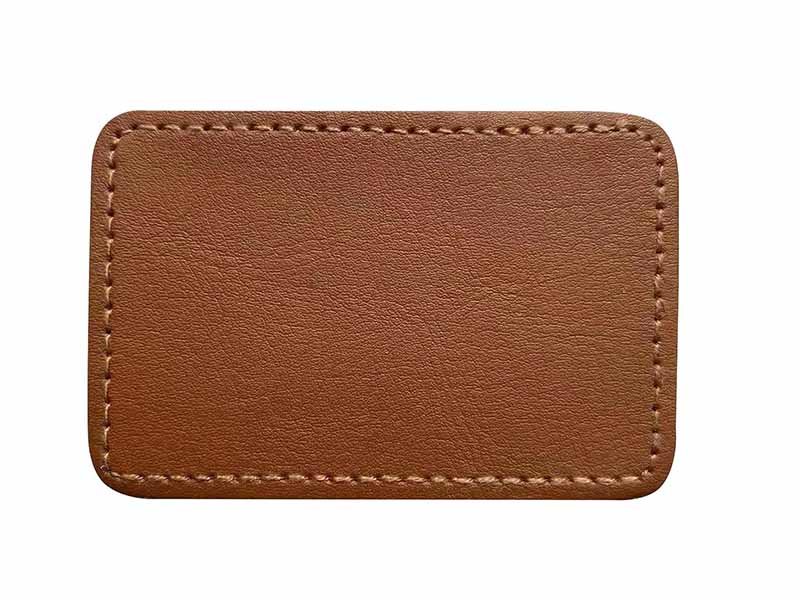
The decision between full grain and top grain leather patches depends largely on the buyer’s specific needs, goals, and product requirements. While both types of leather offer high quality and durability, understanding the main distinctions between them can help guide you to the best choice. Below, we’ll break down the considerations that should influence your decision-making process.
Is Full Grain Better for Everyday Use?
Full grain leather is an excellent choice for products designed for everyday use, particularly when durability is paramount. It’s a tough material that can stand up to the rigors of daily wear and still maintain its structure and visual appeal. Because full grain leather naturally ages and becomes more attractive over time, it’s ideal for items like luggage, backpacks, and work gear that are used frequently and subjected to heavy use.
- Durability: Full grain leather is highly resistant to abrasion and tear, making it the go-to choice for products that will endure daily wear and exposure to harsh conditions.
- Aging: Full grain leather gets better with age, developing a unique patina that enhances its appearance and tells the story of its usage over time.
For high-end products, like luxury leather bags or premium wallets, full grain leather provides the best combination of longevity, visual appeal, and resilience.
Is Top Grain Better for Stylish Finishes?
Top grain leather offers a refined and smooth finish, making it ideal for fashion accessories, belts, wallets, and handbags that require a clean, uniform look. Top grain leather is commonly used in high-end fashion and accessories, where consistency in texture and a polished finish are key selling points.
- Sleek Appearance: Top grain leather is ideal for items that need to look stylish without the irregularities that come with full grain leather’s natural markings.
- Flexibility: Its smoother texture makes top grain leather more flexible and easier to work with during the manufacturing process, especially when creating detailed designs.
For buyers focused on premium aesthetic finishes, top grain leather is the perfect balance between affordability and visual appeal.
How Should Budget Influence the Choice?
While full grain leather provides unmatched durability and beauty, it does come at a higher price point. For luxury products, high-end luggage, and premium leather accessories, the cost of full grain leather is justified by its longevity and unique appearance.
However, for businesses or consumers working within a budget or seeking high-quality leather goods at a lower price, top grain leather is an excellent alternative. It still provides the look and feel of leather, offering a smooth finish and strong durability, but at a more affordable cost.
When to Choose Top Grain Leather:
- If you need leather patches in bulk
- When cost is a significant concern but quality cannot be compromised
- For products that prioritize appearance over long-term aging, such as fashion accessories
When to Choose Full Grain Leather:
- If you need a product that will last for many years and improve with use
- For luxury goods where durability and a unique, personalized look are essential
- When you want leather that gets better over time and offers premium quality
How to Inspect Leather Patches Before Ordering
Once you’ve decided between full grain and top grain leather, the next step is to ensure the leather patches you order meet the required standards. Quality control during the inspection process can help prevent potential issues like inconsistent texture, poor finishing, or defects that could affect the final product.
What Should You Look for in Grain & Texture?
Grain refers to the natural pattern or texture of the leather. For both full grain and top grain leathers, you’ll want to inspect the consistency of the grain and ensure there are no visible defects.
- Full Grain Leather: Look for uneven texture and natural markings like scars or wrinkles. These are a sign that the leather hasn’t been altered, maintaining its authenticity.
- Top Grain Leather: Check for a smooth and uniform surface, free from irregularities or imperfections. Any variation in texture could indicate poor-quality processing.
High-quality leather patches should maintain consistency within the same batch. You should expect smooth patches with no significant changes in texture or visual quality.
How Do Touch & Flex Tests Help?
Touch and flexibility tests are simple but effective ways to assess the quality of leather.
- Touch Test: High-quality leather will feel smooth yet firm. Full grain leather may feel slightly stiffer at first but will soften over time, whereas top grain leather should feel softer and more pliable from the start.
- Flex Test: Gently bend the leather and observe how it responds. Quality leather will retain its shape and show minimal signs of stretching or cracking. Full grain leather will break in over time, becoming softer but still durable. Top grain leather should also flex without damage but may not develop the same degree of softness.
What Questions Should You Ask Manufacturers?
When working with leather patch manufacturers, ensure you ask the right questions to verify the quality and suitability of the leather. Here are some key inquiries to make:
- What type of leather is being used? Make sure they confirm whether it’s full grain or top grain.
- How is the leather sourced? Ensure that the leather is responsibly sourced and free from harmful chemicals.
- What’s the leather’s thickness? For durability, thicker leather is preferred, but the type of product being made may influence this.
- Do you offer samples? Always request a sample to physically inspect the leather before committing to a large order.
- What is the expected lead time? This ensures that your production schedule stays on track.
Manufacturers who are transparent about their processes and offer the ability to sample the leather are more likely to produce high-quality patches that meet your expectations.
Are There Myths About Full Grain vs Top Grain?
Real-World Applications for Full Grain vs. Top Grain Leather Patches
There are several myths surrounding the differences between full grain and top grain leather. Let’s take a closer look at some common misconceptions and clarify the truth.
Is Full Grain Always Better?
While full grain leather is often considered the highest quality, this doesn’t mean it’s always the best choice for every application. The decision between full grain and top grain depends on the product’s intended use, budget, and desired appearance. Top grain leather may be better for products where consistency and flexibility are prioritized, like fashion accessories, wallets, or belts.
The myth: Full grain is always superior.
The truth: Top grain can outperform full grain in some applications, particularly for fashion items where smoothness and flexibility are more important than ruggedness.
Does Top Grain Ever Outperform Full Grain?
While full grain leather is more durable and natural, there are certain cases where top grain leather may outperform it. For instance, in luxury fashion accessories where the smoothness and uniform appearance are key, top grain leather can create a more polished and aesthetically consistent product. Additionally, top grain leather is easier to work with in production, which can be a critical factor for manufacturers.
The myth: Full grain leather is always better for durability.
The truth: In certain cases, top grain leather provides more flexibility and is easier to manufacture, making it ideal for certain product categories.
Common Misconceptions Explained
One common misconception is that top grain leather is always of lower quality. While it may not offer the same unique aging process or rustic appeal as full grain leather, top grain leather is still high quality and widely used in premium products. It simply caters to a different set of needs, offering a more affordable and polished alternative.
How to Inquire for Custom Leather Patches with SzoneierLeather
At SzoneierLeather, we offer a wide variety of leather patches made from full grain and top grain leather to meet your production needs. Whether you are creating luxury items or high-volume products, our team is here to help you select the best leather for your business.
Why Choose SzoneierLeather?
- 18+ Years of Expertise: Over 18 years of experience in the leather industry.
- Customized Leather Patches: We offer full custom design services, allowing you to create the perfect leather patches for your products.
- Quality Assurance: We use the highest quality leather and provide detailed inspection at every stage of production.
- Flexible Ordering: From small batches to large orders, we cater to both small brands and large manufacturers.
Ready to Get Started?
Contact us today at info@szoneierleather.com for a personalized quote, or visit our website to learn more about our services and how we can help you bring your leather goods to life.