
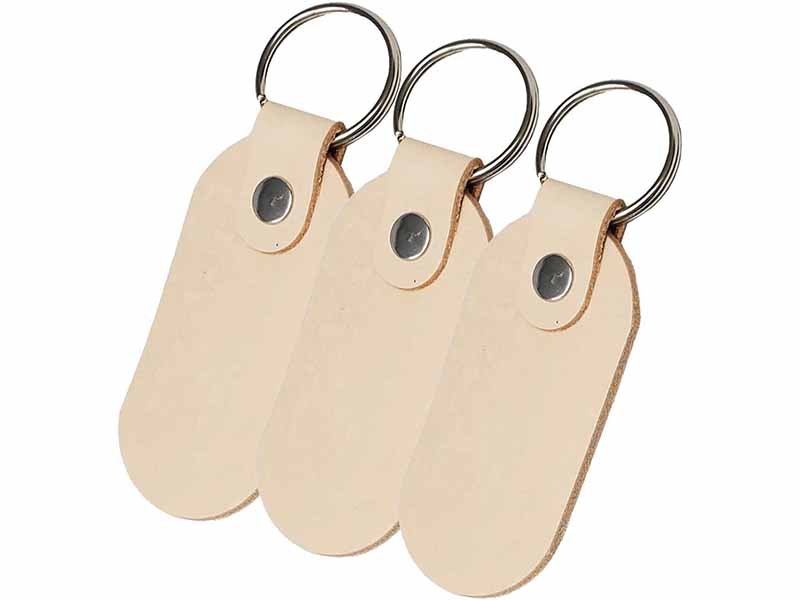
Vegetable tanned leather has become a staple in the leather industry due to its eco-friendly nature and the beautiful patina it develops over time. Keychains made from this material stand out for their unique aging process, where the leather darkens and develops a one-of-a-kind finish that reflects usage. However, while patina is a beloved feature of vegetable-tanned leather, it comes with its own set of risks, particularly in the form of stains.
For many leather enthusiasts, the developing patina is a major selling point. Over time, the leather absorbs oils, moisture, and environmental factors, creating a distinct, personalized look. But as much as the patina adds charm and uniqueness, vegetable-tanned leather is also vulnerable to stains. Staining from water, oil, or dirt can mar the appearance of your keychain if not properly cared for. So, how do you balance the beauty of patina with the risks of staining?
Vegetable-tanned leather keychains are prized for their developing patina, which enhances over time. However, this leather type is sensitive to stains. Proper care can help maintain the balance between beauty and functionality.
As we delve deeper into the benefits of patina and the risks of stains, we’ll also provide practical tips on how to care for vegetable-tanned leather to ensure your keychain remains a beautiful, durable accessory.
What Is Vegetable Tanned Leather?
Vegetable-tanned leather is a type of leather that is tanned using tannins derived from plants, such as tree bark, fruits, and leaves. Unlike chrome tanning, which involves synthetic chemicals, vegetable tanning is a natural and eco-friendly process that uses plant-based substances to preserve and harden the leather. This process results in a firmer leather that is not only durable but also develops a unique, rich patina over time. Vegetable-tanned leather is favored for its sustainability, natural aesthetic, and the depth of character it gains with use.
Vegetable-tanned leather is eco-friendly, made using plant-based tannins, and ages beautifully over time. It’s firmer than chrome-tanned leather and is ideal for products that benefit from a personalized, unique look.
What Does “Vegetable Tanned” Mean?
“Vegetable tanned” refers to the method of using tannins found in plants, such as oak, chestnut, or hemlock, to tan the leather. This process is slower than chrome tanning, taking several weeks, but it results in leather that is firmer and more resilient, capable of withstanding the test of time while developing a distinctive patina.
- Plant-Based Tannins: These come from natural materials such as tree bark and fruits. The tannins interact with the collagen fibers in the leather, making it stronger and more durable.
- Natural Process: Unlike chrome tanning, which uses toxic chemicals, vegetable tanning is an environmentally friendly process. It allows the leather to retain more of its natural grain and texture.
This method of tanning is favored for its eco-friendliness and the fact that it results in leather that can develop a personalized, aged appearance over time, which is particularly desirable for keychains, wallets, and other accessories that are meant to be used frequently and develop character.
How Is It Different from Chrome-Tanned Leather?
The key difference between vegetable-tanned leather and chrome-tanned leather lies in the tanning process. Chrome tanning uses chromium salts to treat the leather, making the process much faster (only a few hours), and it results in leather that’s softer and more pliable. However, chrome-tanned leather lacks the depth, character, and patina that vegetable-tanned leather develops over time.
| Feature | Vegetable-Tanned Leather | Chrome-Tanned Leather |
|---|---|---|
| Tanning Process | Plant-based tannins | Chromium salts |
| Environmental Impact | Eco-friendly, sustainable | Uses toxic chemicals, less eco-friendly |
| Durability | Very durable, ages beautifully | Softer, but less durable in the long term |
| Patina Development | Develops a unique, rich patina | No significant patina development |
| Aesthetic | Retains natural grain, more rustic | Softer, smooth texture but lacks character |
Why It Matters:
Vegetable-tanned leather is ideal for those looking for long-term durability and a product that develops a rich, personalized character over time. It’s perfect for accessories like keychains, wallets, or bags that will age beautifully with the user’s interaction. Chrome-tanned leather, on the other hand, is better for products that require immediate softness but don’t offer the same long-term aesthetic development.
Why Is It Chosen for Keychains?
Vegetable-tanned leather is highly preferred for crafting keychains due to its combination of durability, eco-friendliness, and ability to develop a unique patina. Over time, a vegetable-tanned leather keychain will develop a beautiful, one-of-a-kind patina that reflects the owner’s usage.
Benefits for Keychains:
- Durability: As vegetable-tanned leather ages, it becomes more supple and resistant to wear, making it ideal for daily use like keychains, which are often handled regularly.
- Aesthetic Appeal: The rich patina that develops over time gives each keychain a unique look. This personalized aging process is highly sought after by those who appreciate the natural beauty of leather.
- Eco-Friendly: With growing awareness of sustainability, consumers increasingly favor vegetable-tanned leather for its environmentally friendly production process. It appeals to customers looking for more eco-conscious products.
What Makes Vegetable Tanned Leather Unique?
Vegetable-tanned leather stands apart due to its organic and sustainable tanning process, and the way it ages over time. Here’s a deeper look at what makes vegetable-tanned leather stand out:
- Eco-Friendly:
- Vegetable tanning is a natural process that uses plant-based materials like oak bark, chestnut, and hemlock. This method is far more eco-friendly compared to chrome tanning, which uses toxic chemicals.
- Patina Development:
- The leather starts off light and gradually darkens over time as it reacts to sunlight, air, and oils from your skin. This aging process creates a unique, rich patina that is highly valued in leather products.
- Durability:
- Vegetable-tanned leather is firmer and tougher compared to chrome-tanned leather. It holds up well over time, making it ideal for products that need to endure frequent use, such as keychains, wallets, and belts.
- Natural Look and Feel:
- Because the process preserves the natural texture of the leather, vegetable-tanned leather retains the imperfections, grain, and character of the hide. This makes each piece of leather unique and gives it a natural, organic feel.
What Are the Benefits of Vegetable Tanned Leather?
Vegetable-tanned leather offers several benefits, both in terms of aesthetics and functionality. Below are the most significant advantages:
- Long-Term Value:
- While vegetable-tanned leather products may cost more upfront, their ability to last longer and develop a rich, personalized patina makes them a long-term investment. Over time, vegetable-tanned leather products often look better, increasing in value and character as they age.
- Patina Development:
- As mentioned, the most significant aesthetic benefit of vegetable-tanned leather is the development of patina. Over time, the leather will darken, acquiring a deep, rich color. This process is unique to each item, making every keychain or wallet one-of-a-kind.
- Eco-Friendly:
- With increasing consumer demand for sustainable and eco-friendly products, vegetable-tanned leather is an excellent choice for those looking for a greener alternative to synthetic leather. It’s biodegradable, making it a better option for environmentally conscious buyers.
- Natural Texture:
- Vegetable-tanned leather retains its natural texture, including markings, veins, and scars from the animal hide. This gives the leather more character and authenticity, appealing to those who want a more organic product rather than a manufactured, uniform appearance.
- Strength and Flexibility:
- While vegetable-tanned leather starts off firmer and stiffer than chrome-tanned leather, it becomes more flexible and soft with time. The leather becomes stronger, more resilient, and less prone to damage as it ages, making it ideal for items like keychains that need to be both durable and functional.
What Are the Challenges of Vegetable Tanned Leather?
Despite its many advantages, vegetable-tanned leather comes with some challenges that need to be considered before purchasing:
- Time-Consuming Process:
- Vegetable tanning is a slower process, which means it can take weeks to produce the final leather product. This longer production time leads to a higher cost, which might be a consideration for customers looking for cheaper, mass-produced items.
- Staining:
- Vegetable-tanned leather is highly susceptible to stains from oils, water, and dirt. Since it’s more porous than chrome-tanned leather, these stains can be harder to clean and might even become permanent. However, many customers embrace this “imperfect” feature, as it adds to the leather’s character.
- Requires Regular Maintenance:
- To keep the leather in optimal condition and prevent it from drying out or cracking, vegetable-tanned leather requires regular care, including conditioning and cleaning. This can be more work than maintaining chrome-tanned leather, but it ensures the leather lasts and develops a beautiful patina.
What Benefits Does Patina Bring to Leather Keychains?
Patina is one of the most defining and appreciated features of vegetable-tanned leather. It develops naturally over time, adding unique character to leather products like keychains. As the leather ages and reacts with sunlight, oils, moisture, and daily use, it transforms into something more personal, with rich colors and textures that tell a story.
While the process of patina development is often slow, it’s one of the key reasons why people choose vegetable-tanned leather for keychains. The benefits of patina are not just aesthetic—they also enhance the durability and overall appeal of the product. Below, we explore in detail how patina impacts the leather, offering both functional and visual benefits.
How Does Patina Develop Over Time?
Patina on vegetable-tanned leather develops through constant exposure to environmental factors. As the leather interacts with sunlight, air, oils from your skin, dirt, and even natural wear from use, the leather slowly darkens and evolves in color. This process typically takes months or even years, and the result is a piece of leather that is one-of-a-kind, with no two keychains looking exactly the same.
| Patina Development Stage | Process | Visual Changes |
|---|---|---|
| Initial Stage | First few months of use, minimal exposure to oils and sunlight | Light tan color, smooth texture |
| Middle Stage | 6-12 months of regular handling, exposure to sunlight and oils | Rich golden hue, texture becomes more defined |
| Mature Stage | 1-2 years of use or more | Deep brown or chestnut hue, prominent natural markings and scars |
What Aesthetic Changes Happen with Use?
- Color Darkening: The most noticeable change is the darkening of the leather. Initially, vegetable-tanned leather starts off as a light tan color, and over time, it gradually transitions to a deeper brown or chestnut shade.
- Texture Enhancement: As the leather ages, its texture becomes more pronounced. Natural marks, such as wrinkles, scars, and veins, become more visible, adding to the leather’s character. These markings, which were once subtle, become part of the leather’s unique aesthetic.
- Shine Development: With constant use, vegetable-tanned leather develops a natural sheen. As oils from your hands are absorbed, the leather becomes shinier, contributing to its luxurious look. Over time, this patina makes the leather look smooth, refined, and more resilient.
Which Functional Advantages Come with Patina?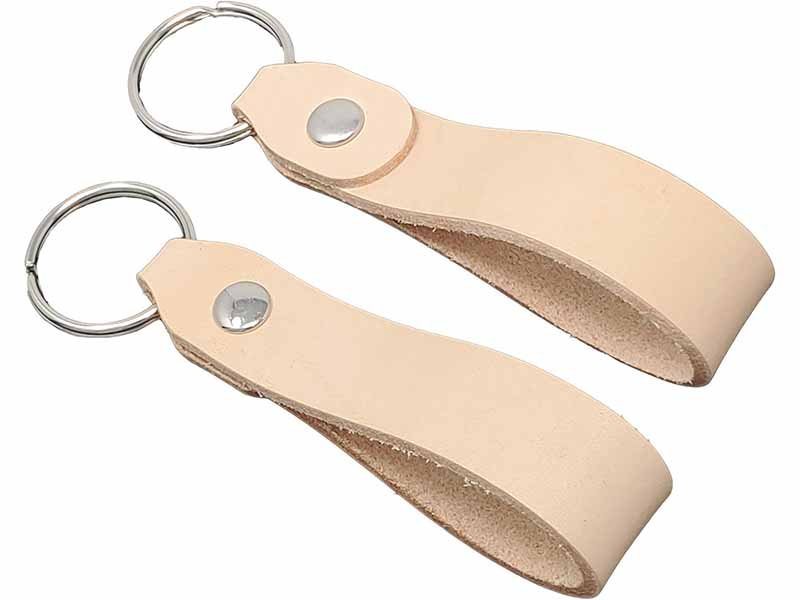
While the aesthetic benefits of patina are widely appreciated, the process also brings functional improvements to vegetable-tanned leather keychains. As the leather ages, it becomes more durable, flexible, and resistant to wear and tear. Below are the key functional advantages that patina brings to your keychain:
1. Increased Durability
As the leather interacts with the environment and absorbs oils and moisture, the fibers tighten and strengthen. The natural oils from your skin help condition the leather, making it more resilient and less prone to cracking or breaking. Over time, the leather becomes more resistant to damage, making it an excellent choice for items that undergo frequent handling, such as keychains.
2. Enhanced Flexibility
While vegetable-tanned leather starts off stiff, the process of patina development makes it more supple. With continuous use, the leather becomes softer and more flexible, allowing it to conform to the shape of the keychain holder or the hand. This flexibility makes the keychain more comfortable to carry and handle over time.
3. Water Resistance
Although vegetable-tanned leather is naturally porous, the patina layer can provide a certain degree of water resistance. As the leather absorbs oils and moisture, it becomes more impervious to environmental elements, offering better protection from light rain and moisture. However, it’s still essential to care for it with water-repellent products to maintain its quality.
4. Personalized Character
The most significant functional benefit of patina is its personalization. Each keychain will age differently based on how it’s used and how often it’s exposed to environmental factors. The patina becomes a unique signature that reflects the individual’s habits and usage, making each keychain truly one-of-a-kind. This unique development adds a personal touch that mass-produced, factory-finished products cannot replicate.
Why Is Patina So Special for Leather Keychains?
Patina is not just a cosmetic feature; it’s a core aspect of what makes vegetable-tanned leather so unique and desirable. The transformation that occurs with each use adds a layer of richness and history to the leather. For those who appreciate craftsmanship and the beauty of aged materials, the patina is a defining feature that enhances the value of leather goods.
1. Unique Aging Process
Each vegetable-tanned leather keychain develops its own distinct patina based on factors like exposure to sunlight, temperature, and the oils it absorbs from your hands. No two keychains will age the same way, making every item unique to its owner. Over time, this uniqueness adds emotional value, as the keychain becomes a personal item that reflects the owner’s life and use.
2. It Tells a Story
Patina tells the story of the leather’s journey. As the keychain is used, it picks up signs of wear—scratches, marks, and deepening color—that show how it’s been handled and interacted with. For many leather enthusiasts, this storytelling aspect is one of the most appealing parts of owning a vegetable-tanned leather keychain. The longer you use it, the more it becomes a reflection of your life and experiences.
What Are the Risks of Patina Development?
Although the patina adds significant beauty and character to vegetable-tanned leather keychains, it’s important to be aware of the potential risks. As the leather darkens and evolves, it can sometimes develop spots, streaks, or uneven coloring, particularly if exposed to excessive moisture, oils, or other environmental factors.
1. Uneven Patina Development
One of the risks of patina development is that it can occur unevenly. If parts of the leather come into contact with oils or moisture more frequently than other parts, it may darken in those areas, leading to an uneven look. While some people appreciate this “imperfect” look, others may prefer a more uniform patina.
2. Stains and Marks
Excessive exposure to oils, grease, or water can cause permanent staining or discoloration. Since vegetable-tanned leather is more porous than other types of leather, stains can be difficult to remove. However, the staining process can also contribute to a more personalized patina, adding to the overall character of the keychain, as long as it’s properly cared for.
3. Vulnerability to Environmental Factors
Although patina makes leather more durable, vegetable-tanned leather is still sensitive to extreme environmental conditions. Direct sunlight, exposure to harsh chemicals, and constant friction can wear down the leather faster, leading to damage. It’s crucial to protect the leather from such elements to maintain its quality.
Patina is one of the most cherished benefits of vegetable-tanned leather, especially for items like keychains. Not only does it add an unmatched aesthetic appeal, but it also enhances the leather’s durability and flexibility over time. The unique aging process ensures that every keychain becomes a personalized item, gaining character and resilience as it’s used. However, it’s essential to be mindful of the potential risks, such as staining and uneven patina development, and to properly care for the leather to preserve its beauty.
What Are the Risks of Staining on Vegetable Tanned Leather?
While the patina on vegetable-tanned leather keychains is highly desirable, stains can occur if the leather is exposed to certain substances. Stains can alter the leather’s appearance, sometimes permanently, depending on the type of stain and how long it is left untreated. This makes proper care essential for preserving the leather’s natural beauty.
What Causes Stains and Discoloration?
The most common causes of staining include:
- Oils and Grease: Oils from your skin, hair, or other substances can darken the leather and leave unsightly marks.
- Water: When vegetable-tanned leather is exposed to water, it can result in water spots or uneven color changes. This is especially true if the leather is not dried properly.
- Dye Transfer: If the keychain comes into contact with clothing or other items that bleed dye (like denim), it can cause discoloration.
| Staining Cause | Impact on Leather | Prevention Tips |
|---|---|---|
| Oils and Grease | Darkens the leather, often permanently | Avoid contact with oily substances; clean regularly |
| Water | Can cause dark marks or uneven coloring | Keep leather dry, use water-repellent products |
| Dye Transfer | Leaves marks, especially from denim or dark fabrics | Store away from clothing; clean immediately if exposed |
Which Factors Accelerate Staining?
Several factors can increase the likelihood of staining on vegetable-tanned leather:
- Exposure to moisture: Water can stain and cause the leather to darken unevenly.
- Contact with oils: Regular handling without cleaning can lead to an accumulation of oils, resulting in dark patches.
- Storage conditions: Storing the keychain in a damp or dirty environment can lead to mold or grime accumulation, which stains the leather.
Is Staining Always Bad, or Can It Add Character?
While stains can detract from the leather’s uniform appearance, some people appreciate the character that staining adds. For instance, oil stains can contribute to the overall patina, giving the keychain a more personalized, aged look. However, it’s important to note that not all stains are desirable. Water marks or dye transfers may not add to the aesthetic appeal and should be cleaned immediately to avoid permanent damage.
How to Care for Vegetable Tanned Leather Keychains
Proper care is essential for maintaining the quality and appearance of your vegetable-tanned leather keychain. Regular cleaning, conditioning, and protective measures will help preserve the leather’s patina and prevent staining.
How to Clean Stains Safely?
To clean a vegetable-tanned leather keychain, use a damp cloth to wipe away dirt or grime. For oil stains, use a gentle leather cleaner or saddle soap to remove the excess oil without damaging the leather. Always test any cleaning product on a small area before applying it to the entire keychain.
What Conditioning Methods Help Prevent Damage?
Leather conditioner helps keep the leather flexible and prevents it from drying out or cracking. Apply conditioner sparingly, focusing on areas that show wear. This will keep the leather smooth and enhance its ability to develop a rich patina.
Do Protective Products Help? Which Ones to Use?
Water-repellent sprays designed for vegetable-tanned leather can help protect your keychain from moisture and stains. These sprays create a thin protective barrier that helps prevent water and oils from being absorbed into the leather. However, it’s important to choose products specifically designed for vegetable-tanned leather to avoid altering the patina.How to Care for Vegetable Tanned Leather Keychains
Which Design & Thickness Work Best for Durability and Patina?
When designing a vegetable-tanned leather keychain, both the thickness of the leather and the design play a key role in its durability and the way the patina develops over time. The ideal thickness and design will depend on how you plan to use the keychain and how you want it to age.
Which Leather Thickness Is Ideal for Keychains?
The thickness of the leather used for your keychain influences both its durability and its ability to develop a patina. Keychains typically use leather that’s between 1.5mm to 3mm in thickness.
Why Thicker Leather Works Well for Keychains:
- Durability: Thicker leather offers more durability and resistance to daily wear. It holds its shape better and is less likely to bend or deform.
- Better Patina Development: Thicker leather takes longer to develop a patina, but the change is often more pronounced. It ages gracefully, acquiring a deeper, richer color over time.
| Leather Thickness | Patina Development | Durability | Comfort |
|---|---|---|---|
| 1.5mm – 2mm | Moderate and quicker | Less durable | Comfortable, flexible |
| 2mm – 3mm | Gradual, deepening color | Highly durable | Slightly stiffer |
Thicker Leather’s Impact on Durability and Patina
Thicker leather is ideal for keychains that are frequently handled. The durability of the leather ensures that the keychain maintains its shape and structure, even with constant use. As the leather ages, it will develop a patina that’s deeper and richer, showcasing the leather’s ability to age beautifully and uniquely with each use.
What Design Choices Enhance Durability and Patina?
The design of your vegetable-tanned leather keychain can affect its overall durability and how the patina forms. Consider the following design elements:
1. Stitching:
- High-quality stitching reinforces the keychain and prevents it from coming apart. Hand-stitched keychains are particularly strong, as they ensure the leather is securely fastened.
2. Edges:
- Burnishing the edges of the keychain helps prevent fraying and adds a polished finish. Properly sealed edges will ensure that the leather holds up to everyday use and keeps its shape.
3. Hardware:
- The hardware, such as rings and clasps, should be sturdy and corrosion-resistant. Using quality materials like brass or stainless steel can complement the leather and ensure longevity, while also contributing to the overall aesthetic.
Conclusion
Vegetable-tanned leather keychains offer a beautiful combination of durability, aesthetics, and personal touch. The developing patina is one of the most appealing features, as it gives each keychain a unique, personalized appearance. However, proper care is essential to prevent staining and maintain the keychain’s beauty over time. By cleaning regularly, conditioning the leather, and using protective products, you can ensure that your vegetable-tanned leather keychain remains a functional and stylish accessory for years.
At Szoneier Leather, we specialize in creating high-quality, customizable leather products, including vegetable-tanned leather keychains. If you’re looking for a unique, personalized keychain or other leather accessories, our team is ready to assist with your custom order.
Contact Szoneier Leather for Custom Orders
Interested in a custom leather keychain? Reach out to Szoneier Leather today to design the perfect keychain tailored to your specific needs.