When choosing between bifold and trifold leather wallets, the decision often comes down to a few key factors: thickness, comfort, and cost. Both wallet styles have been around for years, and each offers distinct advantages depending on personal preferences and functional needs.
But what makes these two wallet designs stand out? Bifold wallets are typically slimmer and more compact, while trifold wallets offer extra storage capacity at the expense of bulkiness. Understanding these differences will help you determine the right fit for your product line.
In this article, we’ll explore the key differences between bifold and trifold wallets in terms of thickness, comfort, and cost—factors that directly influence your wallet design and ultimately, your customer’s satisfaction.
What Are Bifold and Trifold Wallets?
To decide which wallet design is best for your brand or target market, it’s essential to first understand the basic construction of both bifold and trifold wallets. Each wallet type has its unique folding mechanism and design layout.
What Is a Bifold Wallet?
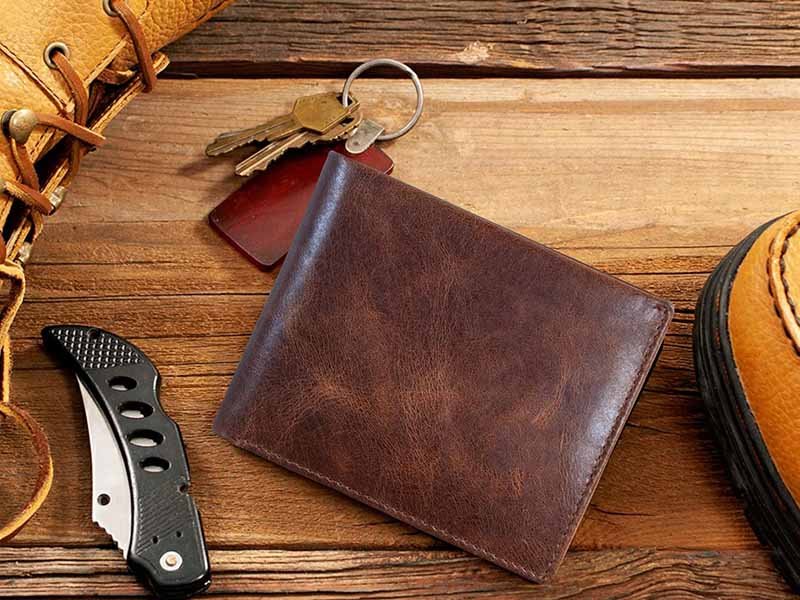
A bifold wallet is a two-fold wallet, typically consisting of a single fold that divides the wallet into two sections when closed. The design is simple, with one main compartment for cash and one or more slots for credit cards, IDs, and other essentials.
- Size: Typically, a bifold wallet measures about 4 inches by 3 inches when folded. It’s compact and slim, fitting easily in a pocket or small bag.
- Storage: Bifold wallets usually have 4-12 card slots and a single compartment for cash. This makes them perfect for minimalist customers who prefer carrying only the essentials.
- Design: The simple design of bifold wallets makes them highly functional and easy to access. There is less storage space compared to a trifold wallet, but this often appeals to customers who want a streamlined wallet.
Advantages of Bifold Wallets:
- Compact and easy to carry: Fits comfortably in front and back pockets.
- Quick access: The wallet can be opened quickly to retrieve cash or cards, making it convenient for customers who need easy access.
- Affordable: Typically, bifold wallets are less expensive than trifold wallets due to their simpler design and lower production costs.
Common Use Cases for Bifold Wallets:
- Everyday carry for individuals who don’t require extra storage space.
- Ideal for people who prefer a minimalist style, carrying only cards and cash.
- Often used in classic wallet designs, particularly in budget-friendly products.
What Is a Trifold Wallet?
A trifold wallet features a three-fold design, which means the wallet folds in three parts rather than two. This extra fold provides more compartments, making it ideal for customers who need more storage for cards, cash, coins, and even receipts.
- Size: Trifold wallets are typically 4.5 inches by 3.5 inches when folded. They are larger than bifold wallets, offering more space but increasing bulk.
- Storage: They offer 12-20 card slots, coin pockets, and multiple compartments for cash, receipts, and other items. This makes them suitable for individuals who carry more cards and prefer extra organization.
- Design: The additional folds make the trifold wallet bulkier, but they also provide better organization. Trifold wallets often include small compartments for coins, a feature missing from most bifold designs.
Advantages of Trifold Wallets:
- More storage: Trifold wallets have more compartments for organizing cash, cards, and receipts.
- Organized: Ideal for people who need extra compartments and like to keep their items well-structured.
- Ideal for larger pockets: Although bulkier, trifold wallets still fit comfortably in larger pockets or bags where bulkiness is less of an issue.
Common Use Cases for Trifold Wallets:
- Suitable for individuals who carry more items and need extra organization in their wallet.
- Often used by people who prefer to have separate sections for different types of items like coins, cash, and cards.
- Popular among customers who need a high-storage wallet for work or travel purposes.
Which Wallet Type Is Thicker and Why?
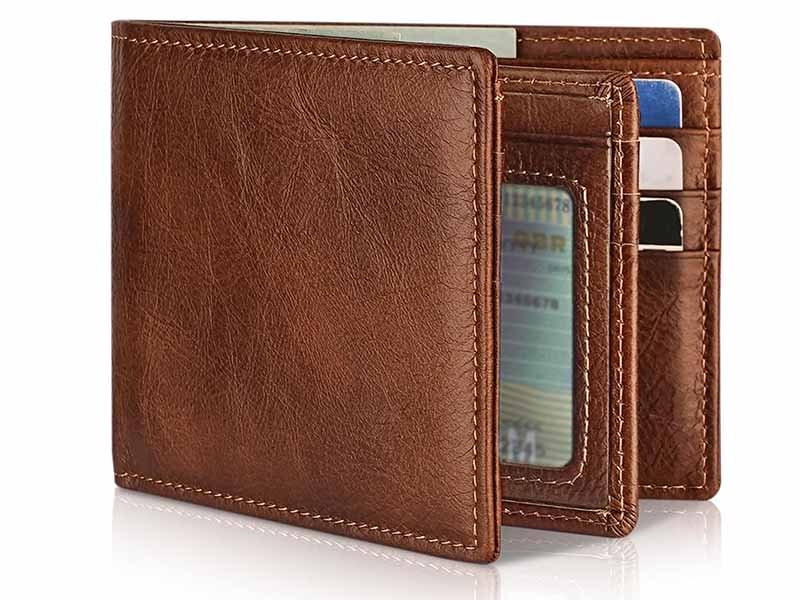
The thickness of a wallet significantly affects both comfort and portability. Below we will discuss how the fold count, design structure, and material thickness contribute to the overall bulkiness of bifold and trifold wallets.
How Does Fold Count Affect Wallet Thickness?
The number of folds in a wallet is one of the primary factors that determines its thickness. A bifold wallet has only two folds, making it slimmer and easier to carry in a pocket or bag. On the other hand, a trifold wallet, with its three folds, creates additional space for more storage, which results in a thicker, bulkier wallet.
| Wallet Type | Number of Folds | Thickness | Storage Capacity | Best For |
|---|---|---|---|---|
| Bifold | 2 | Slim, compact | 6-12 cards, cash | Minimalist use, everyday carry |
| Trifold | 3 | Bulkier, thicker | 12-20 cards, coins, bills | Extra storage, organized carry |
Does Material or Lining Change Thickness?
Yes, the type of leather and lining material can affect the overall thickness and feel of the wallet. For example:
- Full-grain and top-grain leather tend to be thicker and more rigid, contributing to a firmer, bulkier wallet.
- Lining materials, such as canvas or satin, can also add a slight amount of thickness and structure to the wallet.
How to Measure Wallet Thickness Accurately?
To measure wallet thickness, use a caliper or a ruler to measure the thickness of the wallet when it’s folded and flattened. Measure the wallet from edge to edge and compare different designs for consistency.
Which Wallet Feels More Comfortable to Use?
When choosing a leather wallet, comfort is one of the most important considerations. Whether customers are looking for a wallet to carry every day or a luxury piece for special occasions, the feel of the wallet directly affects their satisfaction. Comfort is influenced by factors like the thickness of the wallet, its flexibility, how it fits in the pocket, and how easily customers can access their cards and cash.
Let’s dive into how bifold and trifold wallets compare in terms of comfort.
Is Bifold More Comfortable for Everyday Carry?
Yes, bifold wallets tend to be more comfortable for daily carry due to their slim and compact design. A bifold wallet typically offers just enough storage for the essentials, without adding excessive bulk or weight. Here’s why:
- Slim Design: The most significant reason bifold wallets feel more comfortable is their slim profile. With only two folds, the wallet is compact and lightweight, making it ideal for customers who carry their wallets in front or back pockets. This minimalism contributes to a comfortable fit even in tight pockets or slim-fit pants.
- Ease of Access: A bifold wallet typically offers quick and easy access to cash and cards. With fewer compartments and folds, users can pull out the items they need without having to open multiple sections of the wallet. This streamlined design adds to the wallet’s overall usability, especially for individuals who prefer quick access.
- Better for Smaller Pockets: Due to its compact size, a bifold wallet fits comfortably into smaller pockets without causing any discomfort or bulging. This makes it an ideal choice for people who prefer a sleek wallet that doesn’t take up much room.
| Feature | Bifold Wallet | Trifold Wallet |
|---|---|---|
| Size | Slim, compact | Bulky, larger size |
| Access to Essentials | Quick, easy access | Slower, more compartments |
| Pocket Comfort | Fits easily in small pockets | Bulkier, less pocket-friendly |
Why Does Bifold Wallet Offer More Comfort?
Bifold wallets are made with less material due to their simpler design, which makes them less bulky. The reduced bulk allows the wallet to fit more naturally into your pocket, whether it’s front, back, or inside a jacket.
- The minimal design contributes to the wallet’s comfort, as there are fewer parts to fold and less structure to push against the body. Customers often prefer this simple and straightforward design, as it doesn’t add unnecessary weight.
- The thin profile allows users to carry their wallet without worrying about distortion in their pocket or uncomfortable bulges when sitting.
Are Trifold Wallets Too Bulky for Comfort?
Trifold wallets, on the other hand, tend to feel bulkier due to their three-fold design. While the extra fold provides more storage for cards, cash, and coins, this comes at the expense of comfort for everyday carry. Here’s why:
- Extra Fold = More Bulk: The additional fold in a trifold wallet creates more layers of leather and increases the wallet’s thickness. This extra bulk can make the wallet uncomfortable to carry in tight pockets or slim-fit jeans. Even though trifold wallets offer more compartments, the thickness can become a disadvantage for people who value comfort in their daily carry items.
- Larger Pockets Required: Trifold wallets are better suited for individuals who carry larger bags or wear looser pants. Due to their bulk, trifold wallets are not as ideal for smaller pockets. When carried in tight spaces, these wallets can feel unwieldy and make it difficult to sit comfortably, especially in small pockets.
- Slower Access: With more compartments, trifold wallets require more time to open and access specific items. The extra folds mean that you must unfold multiple sections, which can be less convenient and slower than the quick, one-fold access offered by bifold wallets.
| Comfort Factor | Bifold Wallet | Trifold Wallet |
|---|---|---|
| Bulkiness | Slim, fits in small pockets | Bulkier, uncomfortable in small pockets |
| Ease of Access | Quick, fewer compartments | Slower, more sections to open |
| Comfort for Sitting | Comfortable, easy to carry | Bulky, may cause discomfort when sitting |
How Do Wallet Materials Affect Comfort?
The material used in the wallet has a huge impact on how comfortable it feels during everyday use. Both bifold and trifold wallets can be made from a variety of leather types, each offering different qualities of softness, flexibility, and comfort.
What Leather Types Are Best for Comfort?
- Full-Grain Leather: This is the highest quality leather, known for its durability and strength. Full-grain leather can feel firm at first but softens over time, offering a comfortable fit as it molds to the user’s shape.
- Ideal for bifold wallets because the firmer leather ensures that the wallet maintains a sleek, minimalist design without compromising durability.
- For trifold wallets, full-grain leather will provide the necessary structure but may feel stiff until it softens with use.
- Top-Grain Leather: Top-grain leather is softer than full-grain leather but still offers high durability. It’s more pliable and comfortable for everyday use. It’s also less stiff, making it perfect for wallets that need to be flexible yet resistant to wear.
- This leather type works well for both bifold and trifold wallets, providing a balance between comfort and durability.
- Genuine Leather: While genuine leather is more affordable, it is typically thinner and less durable than full-grain or top-grain leather. It’s softer but may not provide the same level of long-term comfort.
- Genuine leather wallets are lightweight and soft, making them comfortable in the short term. However, they tend to wear out faster and may not offer the same comfort over time as higher-quality leathers.
| Leather Type | Comfort | Feel | Best For |
|---|---|---|---|
| Full-Grain Leather | Firm, softens over time | Smooth, luxurious | Premium bifold wallets, long-lasting comfort |
| Top-Grain Leather | Softer, pliable | Soft, flexible | Both bifold and trifold wallets, everyday comfort |
| Genuine Leather | Soft, lightweight | Light and smooth | Affordable wallets, short-term comfort |
How Do Costs Compare Between Bifold and Trifold Wallets?
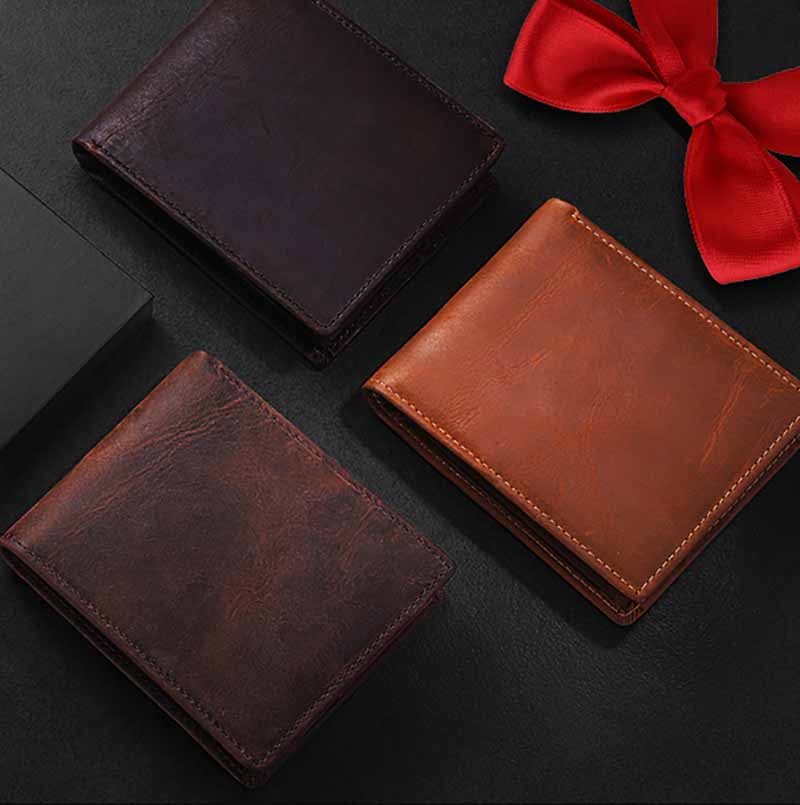
The cost of leather wallets is a crucial consideration for both manufacturers and consumers. The production complexity, materials used, and customization options can all influence the final price.
Is Bifold Generally Cheaper Than Trifold?
In most cases, bifold wallets tend to be more affordable than trifold wallets. This is because bifold wallets have a simpler design, fewer folds, and require less material compared to trifold wallets.
- Lower Production Costs: With only two folds, the production time for bifold wallets is generally shorter and requires less leather.
- Simplicity: The simpler design means there are fewer steps involved in crafting a bifold wallet, making it easier to keep production costs low.
| Wallet Type | Production Complexity | Average Price Range | Best For |
|---|---|---|---|
| Bifold | Simple, 2 folds | $20 – $100 | Budget-friendly, minimalist designs |
| Trifold | More complex, 3 folds | $30 – $150 | Extra storage, premium designs |
What Production Factors Drive Cost Differences?
- Leather Quality: Full-grain and top-grain leathers are more expensive but result in higher-end wallets.
- Customization: Embossing, monogramming, and special finishes can significantly increase the cost of both bifold and trifold wallets.
- Labor: The more handcrafted the wallet is, the higher the cost will be, especially if it involves detailed stitching or custom design features.
How Do Production Methods Differ for Bifold and Trifold Wallets?
The production process for bifold and trifold wallets involves several stages, from material selection to cutting, stitching, and finishing. However, the complexity of the design plays a major role in how these wallets are produced, as trifold wallets require more steps compared to bifold wallets.
What Are the Key Stages in Leather Wallet Production?
- Material Selection: Both bifold and trifold wallets start with the selection of leather, where quality, thickness, and texture are the primary considerations.
- Full-grain leather is often chosen for its durability and ability to develop a rich patina over time.
- Top-grain leather is smoother and more pliable, offering a more refined appearance.
- Genuine leather is typically used for budget-friendly wallets and may be thinner but still functional.
- Cutting: Once the leather is selected, the leather is cut into the required shapes. The process involves carefully cutting the wallet pieces to the correct dimensions, ensuring that the grain direction aligns with the intended design for durability and aesthetic purposes.
- Edge Finishing: The edges of the leather are then treated to prevent fraying. For bifold and trifold wallets, edge painting or burnishing is commonly used to create a smooth, polished finish.
- Stitching: This step involves sewing the pieces of leather together. Bifold wallets typically have fewer seams, while trifold wallets require more precise stitching due to their additional folds and compartments.
- Finishing and Quality Control: Finally, the wallet undergoes quality control checks to ensure it meets the required standards for craftsmanship, functionality, and aesthetics. This includes checking stitching for evenness, leather finish for consistency, and overall structural integrity.
How Do Trifold Wallets Require More Production Steps?
Because trifold wallets have an additional fold, they require more precise cutting and sewing to accommodate the extra sections. This results in additional labor and a longer production time, which can increase the cost. Bifold wallets, by contrast, have simpler designs with fewer compartments, making them faster and easier to produce.
| Wallet Type | Production Complexity | Time to Manufacture | Labor Intensity |
|---|---|---|---|
| Bifold | Simple, 2 folds | Faster | Less intensive |
| Trifold | Complex, 3 folds | Longer | More intensive |
Which Wallet Type Should You Choose for Your Product Line?
When deciding between bifold and trifold wallets for your product line, it’s important to consider not only the design and functionality but also the preferences and needs of your target customers. Different wallet types cater to different lifestyles, so understanding what your audience values most—whether it’s storage, comfort, or price—will help guide your decision.
Let’s explore which wallet type suits different customer segments and how to align your product offerings with their expectations.
What Customers Prefer in Different Markets?
The choice between bifold and trifold wallets often depends on the target market you are selling to. Demographic preferences such as age, gender, and lifestyle play a crucial role in determining which wallet style will appeal the most to your customers.
Younger Demographics (18-35): Minimalist wallets tend to be more popular among younger consumers, especially bifold wallets, due to their compact size and streamlined design. Younger buyers typically prioritize convenience, ease of access, and lightweight options. They also value wallets that can fit into tight pockets without feeling too bulky.
- Bifold wallets are a great fit for this market because they are slim, provide just enough room for cards and cash, and are easy to carry in skinny jeans or slim-fit pants.
- Trifold wallets, while offering more storage space, are generally perceived as bulkier, which may deter younger customers who prefer a sleek, minimalist look.
Older Demographics (35 and up): Trifold wallets are often favored by older customers who carry more items in their wallets, such as additional cards, receipts, and cash. The extra compartments in a trifold wallet make it easier to organize and store items in an orderly fashion.
- Older buyers may prioritize organization and storage capacity over slimness. Since they typically carry more cards or frequent shoppers, the trifold wallet’s extra space for coins and documents becomes a key benefit.
- In this market, bifold wallets may not provide enough compartments, making them less attractive for customers who need extra room.
Luxury Market: For premium products, both bifold and trifold wallets can be designed with premium materials like full-grain leather, top-grain leather, or exotic leather types (e.g., crocodile or alligator). Trifold wallets often align well with luxury products due to their more intricate designs and larger storage capacity, making them appealing for customers who prefer luxurious yet functional wallets.
- The multiple compartments of trifold wallets provide a sense of high-end organization, while bifold wallets can still work well in luxury lines if they feature premium finishes and personalization options.
| Demographic | Preferred Wallet Type | Reasons |
|---|---|---|
| Young Adults (18-35) | Bifold | Minimalist, compact, easy access |
| Older Adults (35+) | Trifold | More storage, better organization |
| Luxury Consumers | Both Bifold and Trifold | Premium finishes, elegant designs |
How to Align Wallet Choice with Brand Positioning?
Your wallet choice should reflect your brand’s identity and target market. Here’s how to align your wallet style with brand positioning and market strategy:
- Minimalist Brands: If your brand revolves around simplicity and functionality, bifold wallets are likely the best fit. These wallets cater to customers who value clean designs, slim profiles, and easy access to their essentials.
- Bifold wallets work well for brands that emphasize efficiency, modernity, and sleekness. The minimalist design can be tailored with premium leather, embossing, or special finishes to offer a luxury feel without compromising on functionality.
- Luxury/High-End Brands: If your brand is positioned in the luxury or premium market, trifold wallets can be a perfect option. Their larger storage capacity allows for customizations like multiple compartments for cards, cash, coins, and even receipts.
- For luxury brands, a trifold wallet can be seen as an artisanal item with features such as personalized engravings, exclusive linings, and premium stitching. The additional storage makes it a premium product for customers who value organization in their accessories.
- Budget-Friendly Brands: If your brand is focused on affordable pricing while maintaining quality, bifold wallets should be your focus. They are easier to produce, requiring less material and fewer steps in manufacturing, making them a cost-effective option without sacrificing style.
- Offering customization options such as monogramming or different color choices will allow your brand to provide affordable wallets with a personal touch, appealing to customers who want both style and functionality on a budget.
| Brand Type | Best Wallet Type | Target Market | Key Considerations |
|---|---|---|---|
| Minimalist Brands | Bifold | Young adults, functional design lovers | Sleek, compact, modern designs |
| Luxury Brands | Trifold | High-end consumers, luxury shoppers | Premium materials, larger storage |
| Budget-Friendly Brands | Bifold | Cost-conscious buyers, practical users | Affordable pricing, streamlined design |
Are There Hybrid Solutions or Alternatives?
Some customers may want the best of both worlds—storage with a compact design. Hybrid wallet solutions, like slim trifold wallets or expandable bifold wallets, offer the organization of a trifold and the minimalist feel of a bifold wallet.
- Slim Trifold Wallets: These wallets retain the trifold design but are designed to be thinner and lighter. They are ideal for customers who need extra storage without the bulkiness of a traditional trifold.
- Expandable Bifold Wallets: These bifolds offer flexible compartments that expand to fit more cards and bills, but they retain the slim profile for comfort and convenience.
Hybrid wallets are becoming increasingly popular as versatile solutions that cater to different customer needs while maintaining comfort and style.
| Hybrid Design | Key Feature | Best For |
|---|---|---|
| Slim Trifold | Slimmer profile, extra storage | Customers who want both storage and slim design |
| Expandable Bifold | Flexible compartments | Users who need more space but prefer a slim wallet |
How to Produce High-Quality Bifold & Trifold Leather Wallets
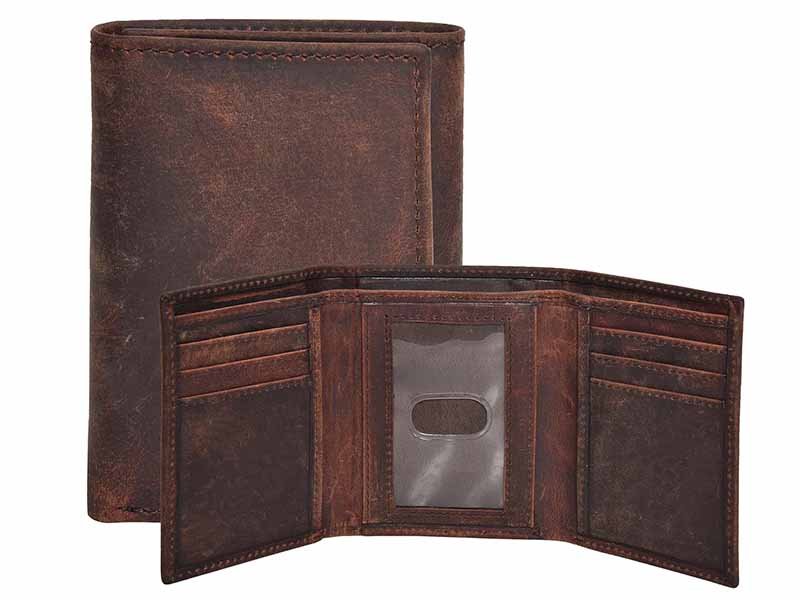
Creating high-quality bifold and trifold wallets involves more than just using premium leather. To produce wallets that stand out in the market, you must focus on craftsmanship, material quality, design precision, and attention to detail at every stage of production. Whether you’re manufacturing luxury wallets for high-end clients or affordable options for a broader audience, the process remains largely the same, with some variations based on wallet style and target market.
Here, we’ll explore the key steps and best practices for manufacturing both bifold and trifold leather wallets, highlighting what matters most in terms of quality control, material selection, and design.
What Are Best Practices for Cutting and Stitching Leather Wallets?
Cutting and stitching leather are two of the most crucial processes in the wallet-making journey. Poor cutting or stitching can ruin a wallet’s appearance and durability, making it essential to follow the right techniques.
Cutting Leather for Wallets
- Accurate Measurements: Start by marking the leather with precise measurements. Use a ruler, caliper, or laser cutter to ensure uniformity in the wallet’s components. For bifold wallets, cut the leather into 4×3 inches for a compact, slim design. For trifold wallets, cut the leather to 4.5×3.5 inches for extra storage.
- Grain Direction: Always cut along the grain of the leather to ensure that the wallet retains its strength and structure. Cutting against the grain can make the leather weaken and stretch over time.
- Leather Type: Depending on whether you’re using full-grain, top-grain, or genuine leather, the thickness and texture of the leather will vary, which will affect the cutting process. For example, full-grain leather tends to be thicker and may require stronger cutting tools than top-grain or genuine leather.
Stitching Leather for Wallets
- Stitching Techniques: Use high-quality thread (often waxed polyester or nylon thread) for durability. Hand stitching is generally preferred for luxury wallets, as it ensures stronger seams and provides a premium finish. For bifold wallets, the stitching should be tight and even to hold the wallet together while allowing flexibility. Trifold wallets will require more stitching because of the extra folds and compartments.
- Even Stitching: The key to durable stitching is consistency. Whether using hand stitching or machine stitching, ensure that the stitches are uniform and tightly bound. Inconsistent stitching can create weak points that might cause the wallet to fall apart over time.
- Edge Stitching: Ensure that all the edges are stitched smoothly to prevent the leather from fraying. For luxury wallets, edge stitching should be perfectly aligned and finished with a polished edge for a professional, high-end look.
How to Ensure Consistent Wallet Thickness?
Maintaining consistent wallet thickness is essential for uniformity and functionality. If the thickness of your wallet varies from one section to another, it can cause issues with fit and appearance.
Leather Thickness Control
- Select Uniform Leather: Choose leather pieces with consistent thickness throughout. For luxury wallets, it’s especially important that the full-grain leather or top-grain leather used has a uniform thickness, as this affects both the feel and longevity of the wallet.
- Edge Finishing: After cutting the leather, use a burnishing tool or edge sealer to smooth the edges of the wallet. This process ensures that the leather edges don’t become rough or uneven, which can affect both the wallet’s comfort and durability.
- Avoid Overstuffing: For wallets that are meant to hold cards and cash, ensure that the compartments aren’t overstuffed, as this can cause bulging or irregular thickness. When designing trifold wallets, make sure the third fold doesn’t add unnecessary bulk when the wallet is closed.
What Are the Best Leather Finishes for Wallets?
The finish of the leather is just as important as the quality of the leather itself. A good finish enhances the appearance and longevity of the wallet, giving it that polished, luxurious look.
What Finishes Are Suitable for Bifold and Trifold Wallets?
- Matte Finish: A matte finish is perfect for full-grain leather wallets. It gives the wallet a natural, rustic feel and allows the leather to develop a unique patina over time. This is often used for bifold wallets, which require a sleek, understated appearance.
- Glossy Finish: A glossy finish is common for luxury wallets, particularly trifold designs that benefit from the shiny, polished look. The glossy finish enhances the color and appearance of high-end leathers such as top-grain leather, giving it a sleek, sophisticated look.
- Antique Finish: For wallets that aim for a vintage look, an antique finish can be applied to the leather, providing a worn and well-loved appearance that appeals to customers seeking classic styles.
| Finish Type | Appearance | Ideal For | Effect on Feel |
|---|---|---|---|
| Matte | Natural, rustic | Full-grain, everyday use | Soft, smooth feel |
| Glossy | Shiny, sophisticated | High-end trifold wallets | Firm, polished feel |
| Antique | Worn, vintage | Classic, rugged bifold wallets | Softer texture over time |
What Customization Options Can Enhance Bifold & Trifold Wallets?
Customization adds value and uniqueness to your wallets, making them more appealing to customers. Whether you’re creating luxury wallets or budget-friendly options, offering personalized touches can differentiate your products from the competition.
What Customization Features Can Be Added?
- Embossing & Monogramming: Adding custom embossing (e.g., initials, logos, or designs) is a popular choice for luxury wallets. It gives the wallet a personal touch and premium appeal, especially in trifold designs where the larger surface area can accommodate more intricate designs.
- Color Customization: Offering customers the ability to choose from a variety of colors can be a great way to appeal to different tastes. Full-grain leather and top-grain leather can be dyed in a range of colors, from classic brown to bold red, providing personalization and giving your wallets a unique look.
- Contrast Stitching: Another way to add distinction is through contrast stitching, where the thread color stands out against the leather. This works well with trifold wallets, adding a stylish and distinctive edge to the overall design.
- Interior Lining: Many luxury wallets feature unique interior linings, such as silk or suede, adding an extra layer of luxury and comfort. Lining materials can enhance the wallet’s feel and appearance, particularly in premium bifold and trifold wallets.
| Customization Option | Impact on Wallet | Ideal For |
|---|---|---|
| Embossing | Personalized, premium | Luxury wallets, gifts |
| Color Customization | Unique designs | Fashion-forward brands |
| Contrast Stitching | Adds distinctive style | High-end bifold and trifold wallets |
| Interior Lining | Soft, luxurious feel | Luxury wallets, soft-touch interiors |
Looking for Custom Leather Wallets?
At Szoneier, we specialize in creating premium, custom leather wallets for businesses and brands. Whether you’re looking for sleek bifold designs or luxurious trifold wallets, we offer a wide range of personalization options, including embossing, color choices, and high-quality leather finishes.
Our expert craftsmen ensure that your wallets are made to the highest standards of quality, comfort, and durability. Contact us today for a custom quote and to discuss how we can help bring your leather wallet designs to life.