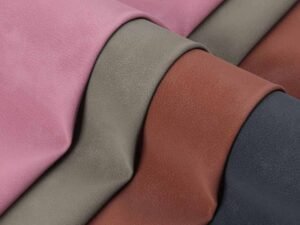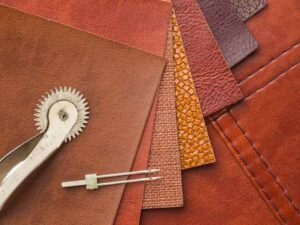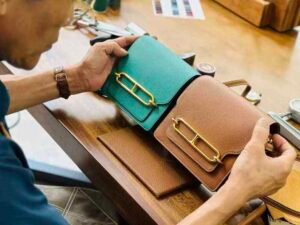
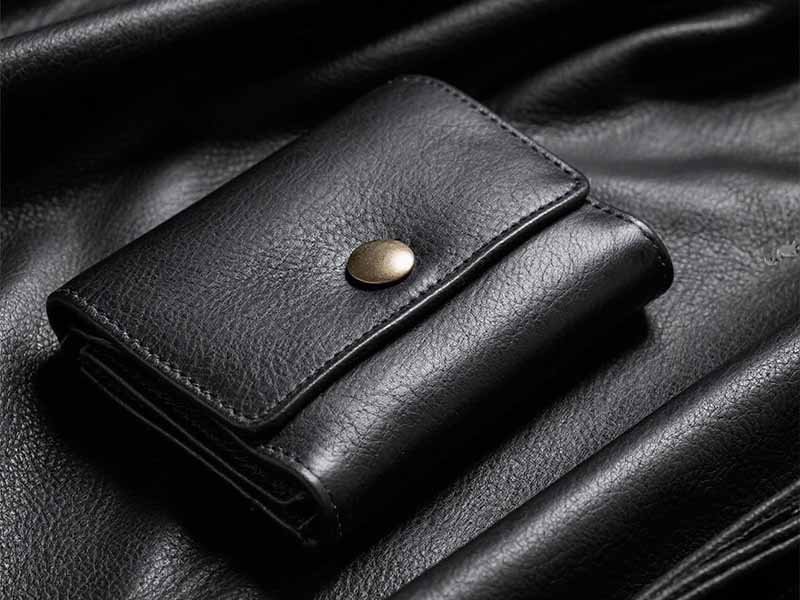
Leather is a timeless material used in everything from bags and wallets to belts and furniture. However, choosing the right type of leather for your goods depends largely on your specific needs, such as durability, texture, and price. Among the many types of leather, cowhide, goat, and sheepskin are the most popular, but each has its own strengths and weaknesses depending on the application.
In this article, we will dive into the strengths, weaknesses, and unique qualities of cowhide, goat, and sheepskin leather. We will also provide key insights for brands looking to make an informed decision when it comes to custom leather goods. Understanding the differences will help ensure you select the right leather for your bags, wallets, belts, and other accessories.
What Is Leather? Understanding the Different Types of Leather
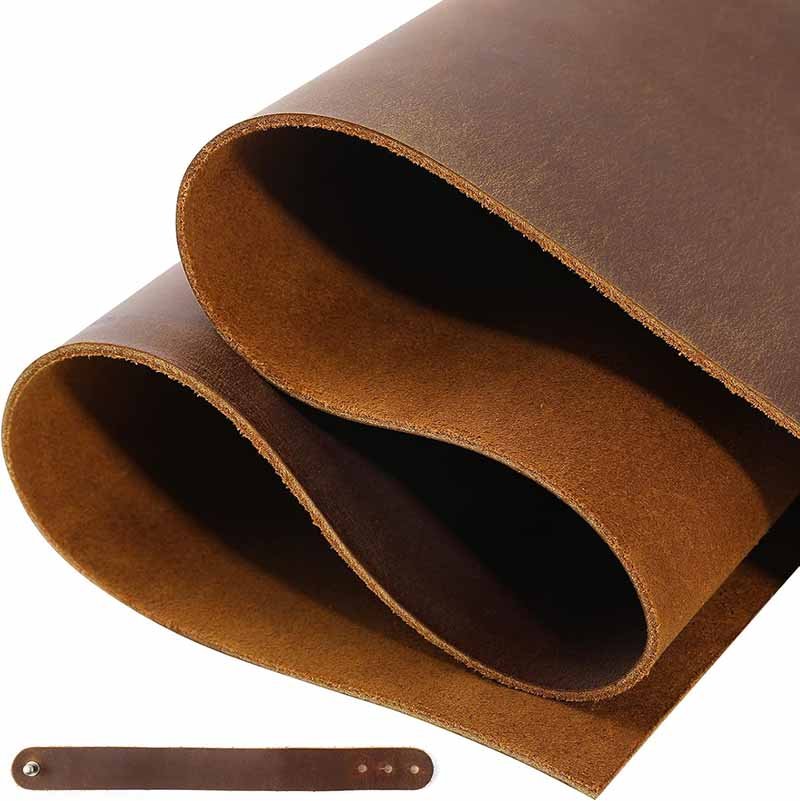
Leather is a versatile material made from the hides or skins of animals. It’s processed through a series of steps called tanning, which turns raw hide into a durable and flexible product suitable for a variety of uses, including bags, wallets, belts, and upholstery. Leather is prized for its longevity, comfort, and luxurious appeal. But not all leather is created equally. The choice of leather can significantly impact the durability, texture, and price of your products.
Below, we will explore the most commonly used types of leather — cowhide, goat leather, and sheepskin — focusing on the key differences that matter most when choosing the right material for your custom leather goods.
What Is Cowhide Leather?
Cowhide leather is the most popular and durable type of leather. It is obtained from the skin of cattle and is known for its strength and thickness, which makes it ideal for heavy-duty applications. The leather is often tough, abrasion-resistant, and structurally firm, making it suitable for products that need to withstand a lot of wear and tear.
- Strength: Cowhide is one of the strongest leather types, able to endure heavy use over long periods.
- Thickness: Typically ranges from 1.2mm to 2.0mm in thickness, depending on the intended application.
- Durability: Cowhide is highly resistant to scratches, abrasions, and general wear. It’s often used for heavy-duty products like work bags, leather belts, and jackets.
- Surface Texture: The surface of cowhide can be smooth or pebbled, with the most durable being full-grain or top-grain leather, which preserves the natural texture of the hide.
Typical Applications:
- Work bags: These bags need to withstand heavy usage, so cowhide is perfect.
- Furniture upholstery: Cowhide offers comfort, durability, and a polished appearance for high-use furniture.
- Motorcycle jackets: The thick, resistant nature of cowhide makes it ideal for protective gear like motorcycle jackets.
What Is Goat Leather?
Goat leather is another popular type of leather, known for its flexibility and fine texture. It’s thinner and lighter than cowhide, but it still offers excellent durability. Goat leather has a natural grain that gives it a unique, sophisticated look. It’s often used in luxury goods due to its softness, but it’s strong enough to be used for products like gloves, wallets, and small bags.
- Strength: Moderate; goat leather is strong, but not as thick as cowhide.
- Thickness: Generally between 0.8mm and 1.2mm. It’s thinner than cowhide but still highly durable.
- Durability: Goat leather is abrasion-resistant and performs well in products that require a combination of flexibility and strength.
- Surface Texture: The grain of goat leather is often smooth but may have natural variations, which gives it character.
Typical Applications:
- Luxury bags: Goat leather offers a soft, supple feel, ideal for high-end bags that need to retain their shape.
- Wallets: The flexibility and lightweight nature of goat leather make it perfect for luxury wallets that need to bend and mold to the user.
- Gloves: The soft texture and flexibility of goat leather make it ideal for leather gloves that need to feel comfortable and durable.
What Is Sheepskin Leather?
Sheepskin leather is the softest and most pliable of the three types. It comes from sheep and is known for its luxurious feel. While sheepskin is incredibly soft and lightweight, it is less durable than both cowhide and goat leather. It’s typically used for products that prioritize comfort and luxury, such as high-end clothing and accessories.
- Strength: Sheepskin is the weakest in terms of strength but makes up for it with its comfort and softness.
- Thickness: Sheepskin is thinner than both cowhide and goat leather, ranging between 0.5mm and 1.0mm.
- Durability: Sheepskin is prone to wear and may not withstand the same amount of abrasion as cowhide or goat leather. It is best suited for light-to-medium-use products.
- Surface Texture: Sheepskin has a smooth, soft texture and often appears polished. It is highly pliable, molding easily to the shape of the wearer or product.
Typical Applications:
- Luxury handbags: Sheepskin is highly favored for luxury fashion accessories because of its plush feel and high-end appearance.
- Garments: Sheepskin is often used in high-end coats, jackets, and gloves, where comfort and softness are the main priority.
- Footwear: Its lightweight nature makes it ideal for soft, comfortable footwear.
How Do Tanning Processes Affect Leather Types?
Leather can be tanned using various processes, but the two most common methods are vegetable tanning and chrome tanning. These processes significantly influence the leather’s durability, color, and feel.
Vegetable Tanning
Vegetable tanning is a natural process that uses plant-based tannins (from oak, chestnut, or hemlock trees) to preserve and soften leather. The process is environmentally friendly and results in leather that’s firm and durable. Over time, vegetable-tanned leather develops a unique patina that enhances its character.
- Best for: Cowhide and heavy-duty leather products.
- Durability: Very high, especially when used for bags and furniture.
- Color: It tends to darken over time, giving the leather a rich, vintage look.
Chrome Tanning
Chrome tanning is a quicker process that uses chromium salts to tan leather. This method is faster and results in leather that is more pliable and flexible, but it’s less environmentally friendly. Chrome-tanned leather can be produced in a wide range of colors and has a softer texture.
- Best for: Goat leather and sheepskin.
- Durability: Moderate, with excellent softness but less abrasion resistance.
- Color: Chrome-tanned leather can be dyed in a wide array of vibrant colors, which is ideal for fashion-forward products.
How to Choose the Right Leather for Your Products
When choosing between cowhide, goat, and sheepskin, you’ll need to evaluate the specific needs of your product. Here are some key factors to keep in mind:
| Leather Type | Durability | Comfort/Feel | Best for | Price |
|---|---|---|---|---|
| Cowhide | High | Firm, structured | Work bags, saddles, luggage | Affordable |
| Goat Leather | Moderate | Soft, flexible | Luxury bags, wallets, gloves | Mid-range |
| Sheepskin | Low | Soft, plush | Luxury handbags, apparel, soft footwear | Expensive |
- If you need durability for heavy-duty products, cowhide is the best option.
- For luxury goods that require a soft feel but with some durability, goat leather is a great middle ground.
- For soft luxury items like handbags and clothing, sheepskin is the ultimate choice, though it’s less durable for everyday wear.
What Are the Key Differences Between Cowhide, Goat, and Sheepskin Leather?
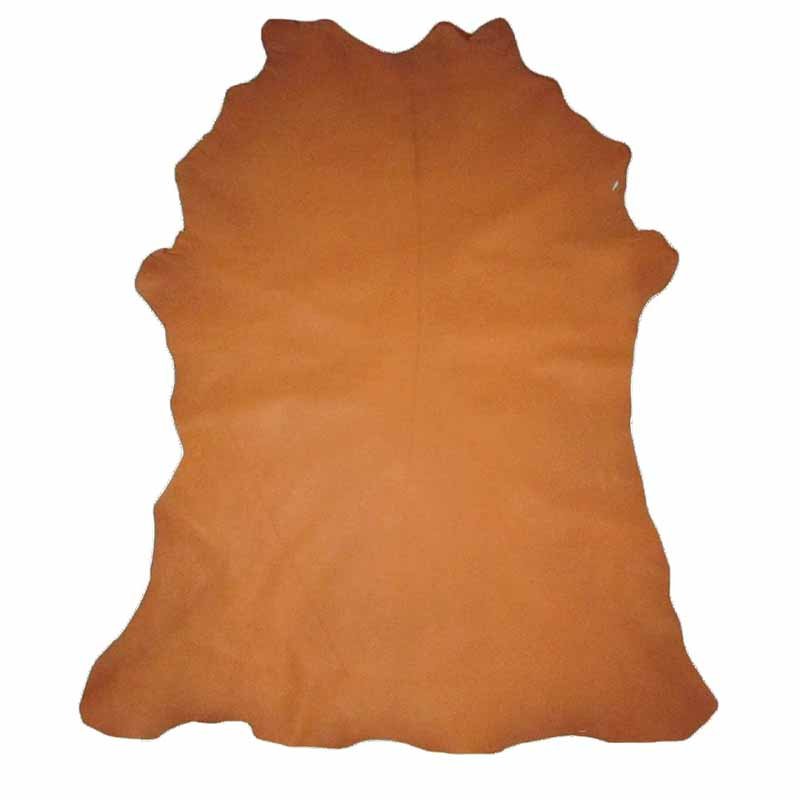
Leather types like cowhide, goat leather, and sheepskin have distinct qualities that make them suitable for different types of leather goods. These differences are primarily based on strength, feel, texture, flexibility, and durability. Understanding these differences will help you choose the right leather for your specific products, ensuring optimal performance and a better customer experience.
Let’s break down the key differences between these leather types, with a focus on how these properties affect real-world applications.
1. Strength and Durability
Cowhide leather is the strongest and most durable of the three. Its thicker texture allows it to withstand more abrasion and stress, making it the ideal choice for products that need to last for many years. Products like work bags, saddles, and luggage benefit from cowhide’s resilience.
| Leather Type | Thickness | Durability | Strength |
|---|---|---|---|
| Cowhide | 1.2 – 2.0mm | High | Very High |
| Goat Leather | 0.8 – 1.2mm | Moderate | High |
| Sheepskin | 0.5 – 1.0mm | Low | Moderate |
- Cowhide is typically 1.2mm to 2.0mm thick, which gives it its strength and ability to handle tough conditions. It’s best for items that need long-lasting durability, like work gear or outdoor products.
- Goat leather, at 0.8mm to 1.2mm, is thinner and more flexible, making it suitable for luxury accessories like bags and wallets, but it’s not as durable for high-stress applications.
- Sheepskin, being the thinnest at 0.5mm to 1.0mm, is the least durable of the three and is more suited to luxury products that aren’t subject to heavy wear.
2. Texture and Feel
The feel of leather is one of the most important factors when selecting materials for products that come into frequent contact with the skin, such as wallets, gloves, and bags.
- Cowhide leather has a smooth but firm texture. It’s great for products that need structure and form, but its texture can feel stiff compared to softer leathers.
- Goat leather is more pliable and flexible, providing a balance between durability and softness. This makes it suitable for luxury goods that require a bit more softness without sacrificing strength.
- Sheepskin is the softest and most luxurious of the three, with a smooth, velvety feel. It’s perfect for high-end accessories that need to feel as good as they look.
| Leather Type | Texture | Feel | Best for |
|---|---|---|---|
| Cowhide | Smooth, firm | Structured, tough | Work bags, saddles, luggage |
| Goat Leather | Smooth with natural grain | Soft, flexible | Luxury bags, wallets, gloves |
| Sheepskin | Smooth, velvety | Luxurious, soft | Luxury handbags, soft clothing, footwear |
3. Flexibility and Comfort
Flexibility is especially important when designing leather goods that need to conform to the user or mold to a specific shape, such as gloves, wallets, and soft bags.
- Cowhide is the least flexible of the three due to its thickness and firmness. It’s best suited for products that require structure and stiffness, like briefcases and tool bags.
- Goat leather offers a moderate level of flexibility, making it ideal for items like luxury gloves and slim wallets, which need to fit the user’s shape while still being durable.
- Sheepskin is the most flexible, easily molding to the user’s shape. It’s perfect for luxury garments, coats, and footwear, where comfort and softness are the priority.
| Leather Type | Flexibility | Comfort | Best for |
|---|---|---|---|
| Cowhide | Low | Firm, structured | Heavy-duty bags, saddles, furniture |
| Goat Leather | Moderate | Soft, flexible | Luxury bags, gloves, wallets |
| Sheepskin | High | Extremely soft | Luxury handbags, jackets, apparel |
4. Color and Aesthetic Appeal
The appearance of leather often plays a significant role in a customer’s purchasing decision. Leather types vary in terms of color richness, texture variation, and how they age over time.
- Cowhide tends to be uniform in appearance, especially when it’s full-grain leather, giving it a smooth and polished look. Over time, it develops a patina, which adds character and a vintage look.
- Goat leather has a more natural grain with variations, giving it a unique, artisanal feel. It is also available in a wide variety of colors, making it a favorite for fashionable accessories.
- Sheepskin has a fine, consistent grain, offering a polished look that is sought after in luxury fashion. Sheepskin also ages beautifully, softening with use and developing a vintage appeal.
| Leather Type | Color Range | Aesthetic | Aging Characteristics |
|---|---|---|---|
| Cowhide | Natural, rich tones | Polished, smooth | Develops a rich patina over time |
| Goat Leather | Wide range of colors | Natural grain, varied | Ages with a subtle character |
| Sheepskin | Soft, uniform tones | Luxurious, fine grain | Softens and becomes plush |
5. Price and Cost Considerations
Leather prices can vary depending on quality, availability, and processing methods. The cost of each leather type often reflects its durability, softness, and luxury appeal.
- Cowhide leather is the most affordable among the three, particularly for bulk orders. It is widely available and cost-effective, making it a popular choice for mass-produced leather goods.
- Goat leather falls into the mid-range price category. It offers great value for luxury accessories and premium products while still being cost-efficient for brands.
- Sheepskin is generally the most expensive, due to its luxurious texture and limited availability. Sheepskin is often used in high-end fashion products and luxury goods where customers are willing to pay a premium for softness and comfort.
| Leather Type | Price Range | Cost Effectiveness | Best For |
|---|---|---|---|
| Cowhide | Affordable | Cost-effective for heavy-duty goods | Bags, belts, saddles, furniture |
| Goat Leather | Moderate | Good value for luxury items | Luxury accessories like bags, wallets |
| Sheepskin | Expensive | Premium pricing for luxury goods | Luxury handbags, clothing, footwear |
Which Leather Is Strongest for Durable Goods?
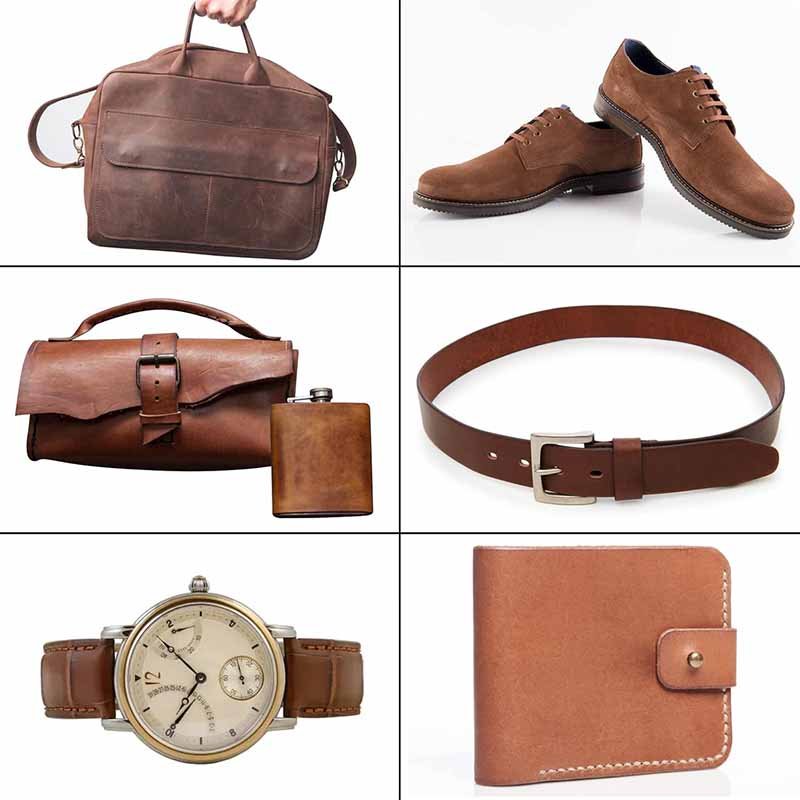
When it comes to leather goods that need to endure heavy use over long periods—such as work bags, luggage, belts, and saddlery—strength and durability are key factors to consider. Not all leathers are created equal, and some types of leather are naturally more resistant to abrasion, scratches, and stress.
So, which leather stands up best in the long run? Let’s break down the strength of cowhide, goat, and sheepskin leather to help you make an informed decision for your leather goods.
1. Cowhide Leather: The Strongest Option for Heavy Duty
Cowhide leather is widely regarded as the strongest of the three types of leather. This leather is thicker, denser, and more resilient, making it the go-to choice for products that need to withstand intense use.
- Thickness: Cowhide typically ranges from 1.2mm to 2.0mm, making it thicker and stiffer compared to goat and sheepskin. The thicker the leather, the more resistant it is to physical wear.
- Durability: Cowhide leather is known for its abrasion resistance. It can withstand scratches, tears, and environmental stress far better than the other types of leather, making it the preferred choice for heavy-duty applications.
- Resistance to Stress: Due to its tight grain and full thickness, cowhide is highly tensile—it can resist stretching or breaking under high tension.
Why Cowhide Is Best for Durable Goods:
- Cowhide’s density and strength ensure that products like tool bags, luggage, and motorcycle jackets last a long time, even under tough conditions.
- Over time, vegetable-tanned cowhide develops a unique patina that adds character but doesn’t diminish its resilience.
- It’s ideal for products subjected to physical wear, like backpacks, work belts, and saddles.
| Leather Type | Thickness | Strength Rating | Best For |
|---|---|---|---|
| Cowhide | 1.2 – 2.0mm | Very High | Heavy-duty bags, tool bags, saddles, belts |
2. Goat Leather: A Balanced Choice for Durability and Flexibility
While goat leather is not as durable as cowhide, it offers a strong balance of durability and flexibility, making it ideal for medium-duty use. It’s particularly resilient when it comes to handling wear-and-tear without losing its shape or texture.
- Thickness: Goat leather usually ranges from 0.8mm to 1.2mm. It’s thinner than cowhide, but this makes it more pliable and comfortable for certain fashion products.
- Durability: While not as thick as cowhide, goat leather has an impressive resistance to water and abrasions. It’s a great choice for luxury products that still need to perform well in daily use.
- Strength-to-Weight Ratio: Goat leather is light but still offers substantial strength. It’s often used in fashion accessories that require both softness and tensile strength, like luxury bags and wallets.
Why Goat Leather Is Good for Moderate-Duty Use:
- Goat leather performs well in accessories like gloves, small bags, and wallets, offering a combination of comfort and long-lasting performance.
- It’s soft enough to mold to the user’s body and still resilient enough to hold up to daily wear.
| Leather Type | Thickness | Strength Rating | Best For |
|---|---|---|---|
| Goat Leather | 0.8 – 1.2mm | Moderate | Luxury bags, wallets, gloves, accessories |
3. Sheepskin Leather: Soft But Less Durable for Heavy Use
Sheepskin leather is not as strong as cowhide or goat leather, but it excels in softness and comfort. It’s ideal for luxury items where flexibility and plushness are prioritized over long-term durability.
- Thickness: Sheepskin is the thinnest leather type, typically ranging from 0.5mm to 1.0mm. Its thinness contributes to its softness, but it also makes it more susceptible to damage.
- Durability: Sheepskin is not ideal for heavy-duty applications where the leather will be exposed to rough handling. Over time, sheepskin can show signs of abrasion and tear more quickly than cowhide or goat leather.
- Strength: While it’s strong enough for lighter uses, sheepskin is prone to stretching and losing shape under stress.
Why Sheepskin Is Best for Luxury, Soft Goods:
- Sheepskin is the go-to leather for luxury products such as handbags, clothing, and footwear, where softness and luxury feel matter more than durability.
- Sheepskin is not designed to withstand heavy wear or heavy-duty use. It’s better suited for light-duty, luxurious items like fine jackets and handbags that benefit from its soft texture.
| Leather Type | Thickness | Strength Rating | Best For |
|---|---|---|---|
| Sheepskin | 0.5 – 1.0mm | Low | Luxury bags, soft clothing, high-end accessories |
Key Differences Between Cowhide, Goat, and Sheepskin Leather
Here’s a quick comparison table of the key strengths of each leather type in terms of strength, durability, and practical use:
| Leather Type | Thickness | Durability | Best for | Strength |
|---|---|---|---|---|
| Cowhide | 1.2 – 2.0mm | Very High | Heavy-duty bags, work belts, saddles | Very Strong |
| Goat Leather | 0.8 – 1.2mm | Moderate | Luxury bags, wallets, gloves | High (Balanced) |
| Sheepskin | 0.5 – 1.0mm | Low | Luxury handbags, clothing, soft footwear | Moderate |
How Do Leather Grades Affect Durability?
Another important factor in leather durability is its grade. Leather grades are determined by how much of the leather is used and how it’s processed. Let’s break down how full-grain, top-grain, and genuine leather differ:
- Full-Grain Leather (used for cowhide): Full-grain leather is the highest quality and the most durable. It’s not sanded or altered, retaining the leather’s natural texture. Full-grain cowhide is often used in luxury or heavy-duty products.
- Top-Grain Leather (used for goat leather): Top-grain leather is second to full-grain and is slightly thinner. It’s durable but may have a smoother finish due to surface treatment.
- Genuine Leather (often used for sheepskin): Genuine leather is made from the lower layers of the hide and is not as durable as full-grain or top-grain leather. It’s less resistant to wear and tear and is typically used for fashion products with less wear-and-tear demands.
| Leather Grade | Durability | Best Use |
|---|---|---|
| Full-Grain | Very Durable | Heavy-duty bags, saddles, work gear |
| Top-Grain | Moderately Durable | Luxury bags, wallets, gloves |
| Genuine Leather | Low Durability | Fashion accessories, light-duty use |
Which Leather Is Best for Durable Goods?
Cowhide is the best option for heavy-duty leather goods. Its thickness, strength, and abrasion resistance make it ideal for products that need to endure constant wear. Goat leather is perfect for those seeking a balance of flexibility and strength, ideal for luxury goods that need to withstand daily use. On the other hand, sheepskin is more suited for luxury items that prioritize softness and comfort over durability.
Choosing the right leather for your product depends on the intended use and the performance requirements. If long-lasting durability is your top priority, cowhide should be your first choice.
Which Leather Feels Best for Wallets, Bags, and Accessories?
When selecting leather for wallets, bags, and accessories, feel and texture play a major role. These products are often handled frequently, and their comfort and luxury appeal are key factors that influence a customer’s purchasing decision.
Different leathers offer unique textures, softness, and pliability, and understanding how each leather type feels in the hand is essential for making the best choice for your product line. Let’s dive deeper into how cowhide, goat, and sheepskin leather compare in terms of feel and comfort for wallets, bags, and other accessories.
1. Cowhide Leather: Firm and Structured, Ideal for Durable Bags and Accessories
Cowhide leather is known for its firm, structured feel, making it an excellent choice for functional leather products that require rigidity and shape retention. While cowhide is not as soft as goat or sheepskin leather, its strength and durability make it an ideal option for products like work bags, briefcases, and tool bags, which need to maintain their shape and structure over time.
- Feel: Cowhide leather has a firm, dense feel. It’s smooth to the touch, but not as supple as goat or sheepskin.
- Comfort: Cowhide leather can feel stiff at first, but it softens with time, molding to the user’s needs. Over time, vegetable-tanned cowhide develops a patina, adding to its character.
- Best For: Work bags, luggage, tool bags, and belts that need to hold their shape under heavy use.
| Leather Type | Feel | Comfort | Best For |
|---|---|---|---|
| Cowhide | Firm, smooth | Stiff at first, softens with use | Work bags, briefcases, tool bags, saddles |
2. Goat Leather: Soft and Flexible, Perfect for Luxury Bags and Accessories
Goat leather is softer than cowhide and offers a great balance of strength and flexibility, making it ideal for luxury goods like wallets, gloves, and smaller bags. The smooth texture and natural grain of goat leather give it a sophisticated look and feel, while its flexibility makes it a comfortable option for products that need to bend and conform to the user’s shape.
- Feel: Goat leather has a soft, supple feel that provides a luxurious texture. It’s more flexible than cowhide but still retains enough strength for everyday use.
- Comfort: Because of its softness and flexibility, goat leather is very comfortable to use. It molds easily to the user’s touch, making it ideal for wallets, bags, and gloves that require a personalized fit.
- Best For: Luxury handbags, small wallets, gloves, and accessories where a balance of softness and durability is required.
| Leather Type | Feel | Comfort | Best For |
|---|---|---|---|
| Goat Leather | Soft, supple | Very comfortable, flexible | Luxury bags, wallets, gloves, small accessories |
3. Sheepskin Leather: Luxurious Softness, Ideal for High-End Luxury Goods
Sheepskin leather is the softest and most luxurious of the three. Its extremely pliable texture makes it the perfect material for luxury items that prioritize comfort and elegance over durability. Sheepskin is used primarily for high-end accessories and fashionable bags where softness and luxury feel are critical.
- Feel: Sheepskin has a velvety, plush feel that is incredibly soft to the touch. It’s the most pliable leather, which means it feels gentle and smooth against the skin.
- Comfort: Sheepskin is highly comfortable because of its softness and ability to mold to the user’s shape. It’s especially suitable for products worn close to the body or items that require a luxurious touch.
- Best For: Luxury handbags, clothing, footwear, and premium accessories that focus on comfort and a high-end experience.
| Leather Type | Feel | Comfort | Best For |
|---|---|---|---|
| Sheepskin | Soft, velvety | Extremely comfortable, pliable | Luxury handbags, jackets, fine footwear |
Key Factors in Leather Feel: Texture, Softness, and Comfort
To summarize the key aspects of each leather type, let’s explore how texture, softness, and comfort are influenced by the animal hide, thickness, and processing methods.
| Leather Type | Texture | Softness | Comfort | Best Use |
|---|---|---|---|---|
| Cowhide | Smooth, firm | Medium | Firm, molds with time | Heavy-duty bags, saddles, belts |
| Goat Leather | Natural grain, smooth | Soft, flexible | Soft, molds easily | Luxury bags, gloves, wallets |
| Sheepskin | Fine, smooth, velvety | Very soft, plush | Extremely soft and pliable | Luxury handbags, clothing, footwear |
How Leather Ages and Softens Over Time
- Cowhide: As cowhide leather ages, it softens and molds to the user’s body, especially with vegetable-tanned leather, which develops a unique patina. The leather’s firmness will gradually give way to a more supple feel over time, particularly with regular use.
- Goat Leather: Goat leather is naturally soft and retains much of its flexibility even after aging. It doesn’t lose its soft feel over time, and the leather stays pliable, providing long-lasting comfort in luxury bags and accessories.
- Sheepskin: The softest leather, sheepskin maintains its luxurious feel even after prolonged use. Over time, it softens further, becoming even more pliable and comfortable, which makes it ideal for luxury products that prioritize comfort over rigidity.
How to Choose Leather for Comfort and Feel in Products
- For luxury goods that prioritize softness and a premium touch, sheepskin is the top choice. Its soft feel and pliability make it perfect for products like luxury handbags, clothing, and footwear.
- If you need comfort and flexibility without compromising durability, goat leather offers the best balance. It’s soft enough for wallets and gloves but still durable for luxury accessories.
- For products where strength and structure are essential, such as work bags and saddles, cowhide provides the firm, resilient feel needed for long-lasting durability.
How Do Strength and Feel Affect Product Performance?
When selecting leather for products such as bags, belts, and wallets, the performance of the leather is influenced by its strength and feel. Different leathers are better suited for different types of products, depending on how the leather will be used and how much stress it will endure. Below, we’ll take a closer look at how cowhide, goat, and sheepskin perform in real-world conditions.
Are Some Leathers Better for Heavy‑Use Bags?
Yes, cowhide leather is the best choice for heavy-use bags. Cowhide’s thickness and tensile strength make it resistant to abrasions and stresses commonly faced by products like laptop bags, backpacks, and duffel bags. These bags often carry heavy items, so the leather must be able to withstand rough handling.
| Leather Type | Suitability for Heavy-Use Bags | Key Strengths |
|---|---|---|
| Cowhide | Excellent | Strong, durable, resistant to abrasions |
| Goat Leather | Good | Flexible, yet still holds structure |
| Sheepskin | Poor | Too soft, lacks the durability for heavy-duty use |
Cowhide is ideal because of its resilience under heavy load. On the other hand, goat leather can handle some light-to-medium use, such as travel bags or weekender bags, but it doesn’t have the same durability under extreme conditions. Sheepskin, while soft and luxurious, is not well-suited for heavy-duty products due to its delicate nature.
How Does Flexibility Impact Wear Over Time?
Flexibility plays a key role in how leather goods age. Leathers like goat leather and sheepskin are much more flexible than cowhide, which allows them to mold to the shape of the user over time, providing a personalized feel. However, this increased flexibility often comes at the expense of long-term durability.
| Leather Type | Flexibility | Impact on Wear |
|---|---|---|
| Cowhide | Low | Holds structure well, resists sagging |
| Goat Leather | Moderate | Softens over time, molds to shape |
| Sheepskin | High | Extremely pliable, may lose shape |
- Cowhide leather tends to retain its shape and firmness over time, making it a great choice for items that need to maintain their structure, such as briefcases or structured bags.
- Goat leather is more pliable and can mold to the user’s body, making it an ideal choice for gloves and wallets that need to conform to the user’s touch.
- Sheepskin is the most pliable, but it also risks losing its shape after prolonged use. Therefore, it’s better suited for items that are not subjected to rough wear, such as luxury bags or clothing.
Do Customers Prefer Specific Leathers?
Yes, customer preferences vary depending on the application and product. Many luxury consumers prefer sheepskin for its softness and luxury feel, while customers looking for durability and strength in products like work bags and saddles prefer cowhide.
- Sheepskin is ideal for luxury buyers seeking soft, high-end accessories.
- Cowhide appeals to customers in need of strong, durable bags or outdoor products.
- Goat leather strikes a balance between luxury and durability, making it popular for luxury accessories that need to withstand daily use.
Which Leather Should You Choose for Your Product Line?
Choosing the right leather type is crucial for the overall quality, feel, and functionality of your products. Here, we’ll break down which leather is best for specific products and the key factors you need to consider.
What Questions Should Brands Ask When Selecting Leather?
Brands should ask several important questions to ensure they choose the right leather for their needs:
- What is the primary purpose of the product?
- Is it meant for luxury or durability?
- Should the product withstand heavy wear or exude softness?
- How important is the feel and texture?
- Should the leather feel soft (luxury goods) or firm (durable goods)?
- What is the intended lifespan of the product?
- Will the product undergo constant use (bags, belts) or remain unused most of the time (luxury apparel)?
- What price point are you targeting?
- Higher-end luxury goods might justify the cost of sheepskin, while cowhide offers greater durability for long-lasting, functional products.
How to Balance Strength vs. Feel?
Balancing strength and feel comes down to understanding the end goal of your leather goods. If the goal is long-term durability, cowhide is your best option. For products where luxury and softness are paramount, sheepskin is ideal. However, if you’re looking for a balance of both, goat leather provides a compromise between flexibility and resilience.
| Leather Type | Strength | Feel | Best Use |
|---|---|---|---|
| Cowhide | High | Firm, smooth | Work bags, saddlery, belts |
| Goat Leather | Moderate | Soft, flexible | Luxury bags, gloves, wallets |
| Sheepskin | Low | Soft, luxurious | Luxury handbags, apparel |
Is Price Worth the Trade‑off Between Materials?
Price is an important consideration when selecting leather. Cowhide tends to be more cost-effective due to its availability and durability. Sheepskin, being softer and more delicate, is typically more expensive because it’s often used in high-end fashion. Goat leather offers a middle ground in terms of cost and performance, providing a good balance between luxury and durability.
- Cowhide: Most cost-effective for durable goods.
- Goat Leather: Moderate pricing, offers flexibility and durability.
- Sheepskin: Typically more expensive due to its luxurious feel.
How to Test and Compare Cowhide, Goat, and Sheepskin in Practice
Testing leather ensures that the material you select performs as expected and meets quality standards. Here’s how to test cowhide, goat, and sheepskin for specific qualities.
What Tests Measure Strength?
Strength is a key factor in determining whether leather is suitable for certain products. To test the strength of the leather:
- Tensile Strength Test: Measures how much force the leather can withstand before breaking. Cowhide consistently scores the highest in this test.
- Abrasion Resistance Test: Measures the leather’s ability to resist wear and tear. Again, cowhide excels here.
| Test Type | Cowhide | Goat Leather | Sheepskin |
|---|---|---|---|
| Tensile Strength | Very High | Moderate | Low |
| Abrasion Resistance | Excellent | Good | Moderate |
How to Evaluate Softness and Comfort?
Softness can be tested through hand-feel and flexibility tests:
- Sheepskin will feel the softest and most pliable, ideal for luxury goods.
- Goat leather will have a balanced feel, soft enough for fine accessories but still sturdy.
- Cowhide offers a firmer feel, ideal for heavy-duty products.
| Leather Type | Softness Test | Comfort Level |
|---|---|---|
| Cowhide | Firm | Long-lasting comfort |
| Goat Leather | Soft | Flexible, comfortable |
| Sheepskin | Very Soft | Luxurious, plush feel |
Are There Industry Standards to Follow?
Yes, there are several ISO leather testing standards that provide guidelines for evaluating the quality, strength, and flexibility of leather. These standards ensure that the leather you use meets global market expectations for both durability and luxury.
Ready to Customize Your Leather Goods?
At Szoneier, we specialize in high-quality, custom leather goods that meet your specific needs. Whether you need durable cowhide leather bags, luxurious sheepskin wallets, or goat leather accessories, our team is ready to bring your designs to life. We offer end-to-end solutions including material selection, custom embossing, color treatments, and design consultancy.
Contact us today for a personalized quote and to discuss your custom leather product requirements.