
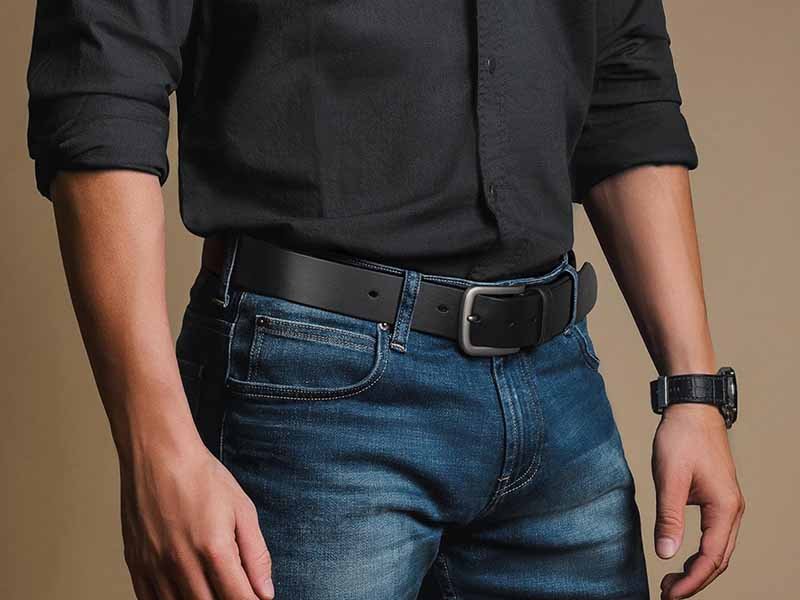
Leather belts are a staple accessory for both men and women, playing an important role in both function and fashion. For brands, offering correctly sized belts is essential to ensure customer satisfaction and reduce returns. When it comes to sizing, belt measurement isn’t always intuitive, especially since the sizing systems vary by region. For many consumers, the wrong size belt means frustration and a poor buying experience.
For brands, understanding how to measure belts correctly and providing accurate sizing charts is critical to driving sales, reducing returns, and enhancing customer loyalty. But how do you ensure your leather belts are sized correctly for a diverse customer base, across different regions, and with varying body types?
What Is the Secret to Leather Belt Sizing? The correct belt size isn’t just about picking a number on a size chart. It’s about understanding the relationship between waist size, belt length, and comfort. Accurate measurements and a clear size guide can dramatically improve the shopping experience for customers.
Summary: Leather belts are sized based on waist measurement or belt length. Proper sizing is crucial for customer satisfaction, and providing a clear, consistent size guide will help reduce returns and ensure a perfect fit. Brands need to understand how to measure correctly and communicate the correct sizing information to customers.
What Is the Standard for Leather Belt Sizing?
Leather belts are typically sized based on the length from the buckle to the middle hole. However, sizing standards can vary by region, and brands need to provide consistent, accurate size guides based on inches or centimeters.
What Do Belt Sizes Actually Represent?
Belt sizes generally correspond to the waist measurement or belt length, with the common convention being that the belt is 2 inches longer than the customer’s waist measurement to allow for comfort. The size of the belt refers to the length from the buckle end (including the buckle) to the center hole in the belt.
| Belt Size | Waist Size | Belt Length | Common Use |
|---|---|---|---|
| 30″ | 28-30″ | 30″ | Slim/Minimalist Wallets |
| 34″ | 32-34″ | 34″ | Casual Belts |
| 38″ | 36-38″ | 38″ | Formal Belts |
| 42″ | 40-42″ | 42″ | Work/Heavy Use |
Belt Length vs Waist Size: While your waist size indicates the measurement around your body, the belt size needs to be longer to accommodate the extra length for fastening. For example, a person with a 32-inch waist would generally need a 34-inch belt, ensuring there is enough length to fasten the belt comfortably and allow for movement.
How Is Belt Size Measured?
- Waist Size: The waist size measurement is taken around the circumference of your natural waist. It is important that customers are measuring the right spot, typically around the navel or slightly above the hipbones.
- Belt Measurement: The belt size is taken from the buckle end (where the buckle is attached) to the middle hole in the belt, with extra length added to account for different waist sizes.
How Should You Measure Belt Size Correctly?
To ensure accuracy in leather belt sizing, brands must use the right tools and follow the correct procedure. Providing clear, step-by-step instructions for customers is crucial for reducing mistakes in sizing.
Which Tools Do You Need to Measure Accurately?
To measure leather belts correctly, you will need:
- A flexible measuring tape: This ensures that you can measure around the waist and the belt length accurately.
- A ruler or straight edge: For determining belt length from the buckle to the middle hole.
- A hole puncher or hole setter: If you need to make adjustments for custom sizes or personalized belts.
How Do You Measure From the Buckle to the Middle Hole?
- Step 1: Measure the Waist: First, measure the customer’s waist at the natural waistline using the flexible measuring tape. This is typically 2 inches smaller than the customer’s belt size.
- Step 2: Measure the Belt: Measure the belt length from the end of the buckle to the middle hole in the belt. The middle hole is the standard reference point for sizing.
- Step 3: Add Length for Comfort: When deciding on the correct belt size, add 2 inches to the waist measurement. This ensures the belt fits comfortably and can be adjusted properly.
Which Size Chart Should Brands Use?
Different countries and regions use different belt sizing systems, so providing multiple sizing options based on international standards is key for global brands. Offering a conversion chart helps international customers get the correct fit.
Are There International Belt Size Standards?
Yes, belt sizes are measured differently across regions, which can lead to confusion for international customers. To accommodate global buyers, brands need to provide clear and accurate sizing information for various markets.
| Region | Sizing Unit | Belt Size Range | Common Conversion |
|---|---|---|---|
| US | Inches | 30″, 32″, 34″, 36″ | Waist size + 2″ |
| EU | Centimeters (cm) | 75 cm, 80 cm, 85 cm | US Size Conversion |
| UK | Inches | 30″, 32″, 34″ | Similar to US sizing |
| Asia | Centimeters (cm) | 75 cm, 80 cm, 85 cm | Similar to EU sizing |
What Are Common Belt Size Charts (US / EU / UK / Asia)?
- US Sizing: Commonly uses inches (e.g., 30″, 32″, 34″), where the measurement corresponds to the waist size plus 2 inches for comfort.
- EU Sizing: Belt sizes in Europe are often in centimeters (e.g., 75 cm, 80 cm, 85 cm), and conversion from US sizing may be necessary.
- UK Sizing: Similar to US sizing in inches, but the conversion between UK and US may differ slightly.
For global brands, providing a belt size conversion chart is essential to ensure your customers can make an informed decision regardless of their location.
What Are Common Belt Fit Issues & Solutions?
Common fit issues arise when customers choose the wrong size or misunderstand how the size relates to their waist. Clear sizing guides and adjustable options can solve these problems.
Why Do Customers Get the Wrong Size?
- Misunderstanding Waist Measurement: Customers may buy a belt that matches their waist size exactly, not understanding that belt sizes should be 2 inches longer to allow for a comfortable fit. This mistake leads to belts that are too tight or too loose.
- Style Variations: Different styles of belts (e.g., casual vs formal) may require slightly different sizing. For instance, work belts designed for heavy-duty use may be larger to accommodate extra layers of clothing.
How Do You Recommend Adjustable or Custom Sizes?
- Adjustable Belts: Adjustable leather belts allow for flexibility in sizing. These are ideal for brands that offer one-size-fits-all options or belts with multiple hole options to ensure a better fit for a wider range of customers.
- Custom Sizing: Offering custom belt sizing for customers who may not fall within the typical size range is a great way to improve customer satisfaction. Brands can request waist measurements and offer belts made to the exact size requested.
How Does Split Leather Affect Belt Fit?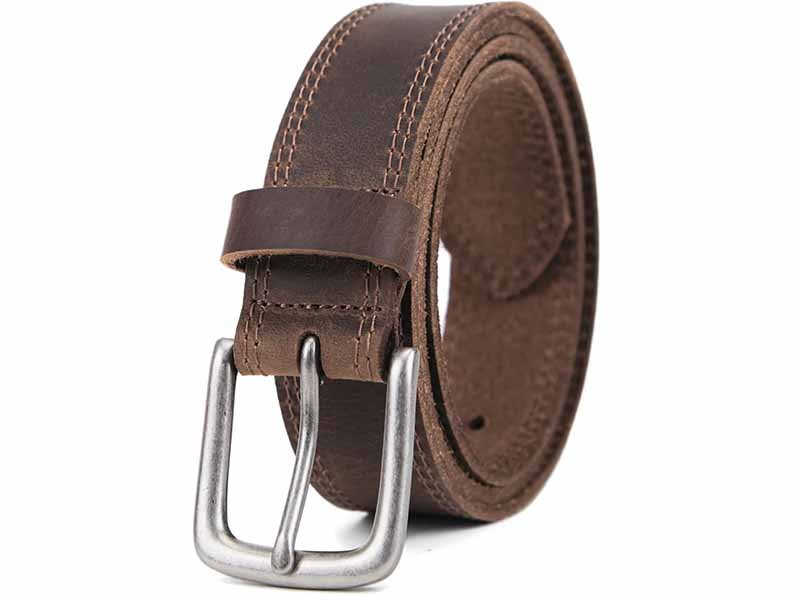
Split leather is thinner and less durable than full grain leather, which can affect how well the belt holds its shape over time. It’s important for brands to consider how the material may affect fit and longevity when choosing the right leather for their belts.
Does Leather Stretch Over Time?
Leather, including split leather, tends to stretch with use, but the amount of stretch depends on the material. Full grain leather typically stretches in a more predictable way and holds its shape better over time. Split leather, however, may stretch unevenly due to its thinner construction.
- Real-World Example: A split leather belt may start off fitting well but gradually stretch in specific areas, causing it to loosen or fit less securely over time. Full grain leather, with its thicker and more resilient texture, generally retains its shape and fit longer.
- Data Insight: Research has shown that full grain leather belts can maintain their shape and fit for 5-10 years, while split leather belts may begin to stretch and lose their fit after 1-3 years.
How Does Split Leather Perform in Real-World Use?
Heavy Duty vs. Light Use:
Split leather works well for belts that won’t be subjected to heavy use. It’s ideal for fashion belts or slim belts that are designed for occasional use rather than constant wear. However, for belts that will experience frequent friction, split leather is less durable than full grain leather and may start to show signs of wear more quickly.
Impact of Buckle Type:
The type of buckle used in a belt can also impact its fit and performance. For example, a heavy-duty buckle paired with split leather may cause the leather to stretch or loosen more quickly, whereas a lighter, smaller buckle may reduce some of that pressure.
How Should Brands Communicate Belt Size to Customers?
Clear and consistent communication of belt sizing is essential for reducing returns and ensuring customer satisfaction. Providing detailed size charts, clear product descriptions, and interactive sizing tools can enhance the shopping experience and improve conversion rates.
What Belt Size Info Should Be in Product Descriptions?
For customers to feel confident about their purchase, brands need to include comprehensive sizing information directly in their product descriptions. Here are some key elements to include:
1. Size Conversion Table
Providing a size conversion table helps customers from different regions easily understand what size they should order, especially when your belts are sold internationally. Include conversions between US, EU, and UK sizes, and list both inches and centimeters for maximum clarity.
| Region | Belt Size | Waist Size | Belt Length |
|---|---|---|---|
| US | 30″, 32″, 34″ | 28″-30″, 30″-32″ | Waist size + 2″ |
| EU | 75 cm, 80 cm, 85 cm | 75 cm, 80 cm, 85 cm | Waist size + 5 cm |
| UK | 30″, 32″, 34″ | 28″-30″, 30″-32″ | Waist size + 2″ |
- Tip: If you sell in different countries, always provide a size conversion chart that clearly translates inches to centimeters.
2. Waist Size and Belt Size Relationship
Clarify that belt size is 2 inches larger than the waist size. This helps customers understand the fit they can expect. For example, a person with a 30-inch waist should choose a 32-inch belt.
- Example: “If your waist measurement is 32 inches, we recommend a 34-inch belt for a comfortable fit.”
3. Additional Length for Comfort and Fit
While the waist size is a good starting point, you should explain why extra length is needed for comfort. The belt should have enough room for the buckle and to fit through the belt loops while also providing the flexibility to adjust the fit.
- Example: “We recommend adding 2 inches to your waist size for the perfect fit. Our belts come with 5 holes for adjustment.”
4. Length Measured from Buckle to Middle Hole
A clear explanation of how belt length is measured is important for customer understanding. Always mention that the size refers to the length from the buckle end to the middle hole.
- Example: “Our belt sizes are measured from the end of the buckle to the center hole for a snug fit.”
How Can Sizing Tools Improve Conversion?
Interactive sizing tools and virtual try-on features can be highly beneficial for online shoppers who are uncertain about their size. These tools give customers a visual and interactive way to ensure they select the correct size.
1. Virtual Sizing Tool
A virtual sizing tool allows customers to input their waist measurements and get a recommended belt size based on your brand’s sizing guide. These tools reduce the chance of customer error and improve the shopping experience.
- Example: Implement a waist measurement input tool where customers can select their waist size, and the tool automatically recommends a belt size with specific fit suggestions.
2. Belt Fit Finder Tool
Another useful tool is a fit finder, which helps customers determine the best belt size based on fit preferences (e.g., snug fit, looser fit). This tool allows for more personalization and customization.
- Example: “Choose your preferred fit: A snug, firm fit (recommended for dress belts) or a looser fit (ideal for casual styles).”
3. Live Chat or Sizing Assistance
Offering real-time assistance with live chat where customers can ask for sizing advice can greatly improve customer confidence in their purchase. Include sizing experts or chatbots that can help recommend the right size based on waist measurements and style preferences.
- Tip: “If you’re unsure about your size, chat with us! Our team is ready to help you choose the perfect belt size.”
How Can Brands Use Product Photography to Showcase Fit?
Clear product images and detailed visuals can further aid customers in understanding how the belt will look and fit. Showing how the belt fits on models of different sizes can help customers make informed decisions.
1. Use Lifestyle Images
Lifestyle images showing models of various body types wearing the belts will help customers visualize how the belt fits around the waist. Include shots of the buckle end, hole placement, and overall fit to show how the belt adjusts.
- Real-World Example: If you sell belts in different sizes, show how each size looks on models of varying waist measurements (e.g., 32-inch, 34-inch waist).
2. Detail the Belt’s Length in Photos
Make sure to highlight the belt’s length and the number of holes in the product photos. Include close-up shots that show how many holes the belt has, and explain that the center hole is usually the most used.
- Tip: “For optimal comfort, the belt should fit through the center hole. Ensure there’s room on both sides for easy adjustment.”
How Can Manufacturers Improve Belt Size Communication?
Manufacturers can improve belt size communication by providing consistent sizing guides, using sizing tools for personalized recommendations, and offering interactive product pages that clearly explain how to measure and select the correct belt size.
1. Consistent Sizing Across Product Lines
Ensure that all products within your belt collection use the same sizing system (e.g., inches or centimeters). This creates a seamless experience for customers who shop across different belt styles, whether it’s a casual belt, a dress belt, or a work belt.
- Example: A customer who buys a 34-inch casual belt should be able to easily purchase a 34-inch formal belt from the same brand, with confidence that the sizing will be consistent.
2. Clear and Accurate Product Descriptions
For each belt, brands should include the following in the product description:
- Belt size options
- Belt length (in inches or centimeters)
- Material specifications
- Fit suggestions based on customer waist size
Conclusion
Communicating belt sizing effectively is crucial for ensuring customer satisfaction and minimizing returns. Providing clear sizing guides, offering interactive tools, and using lifestyle photography can go a long way in helping customers find the perfect fit. As a brand, understanding the nuances of belt sizing and communicating those effectively to your customers is key to building trust and reducing sizing errors.
At Szoneier, we specialize in custom leather belt production and offer tailored solutions for your brand’s specific needs. Whether you’re designing affordable leather belts or luxury custom belts, we provide high-quality materials, accurate sizing, and expert craftsmanship to ensure the best product fit for your customers.
Contact us today to discuss custom leather belts, sizing options, and how we can support your brand with premium leather goods.