
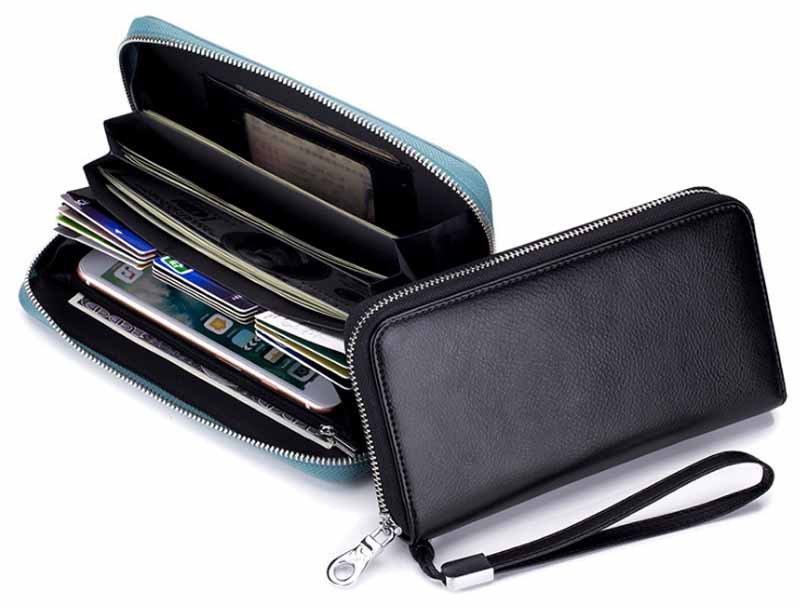
In the world of leather products, particularly wallets, the material used plays a significant role in the overall quality and appeal. Among the various types of leather, split leather often raises questions due to its affordability and durability concerns. While it’s commonly used in budget-friendly wallets, many brands and consumers wonder: When is split leather an acceptable option, and when should higher-quality alternatives be considered?
Split leather is sourced from the lower layers of the hide, typically offering a more affordable option for wallet production. While it’s thinner and less durable than full grain leather, it still provides a genuine leather experience at a fraction of the price. Brands can use split leather when designing cost-effective wallets, but they must consider its limitations in terms of durability and aesthetic appeal.
In this article, we will explore what split leather is, its advantages and disadvantages, when it’s acceptable for use in wallets, and how it compares to other types of leather. We’ll also discuss the key factors brands need to keep in mind when choosing leather for their products.
What Is Split Leather in Wallets?
Split leather is made from the lower layers of a hide after the topmost, most durable layer has been removed. It’s thinner and generally less durable than full grain leather but offers a more affordable alternative for certain leather products like wallets.
What Does “Split” Mean in Leather Terms?
In leather production, the term “split leather” refers to leather that comes from the lower layers of the hide, after the top layer (often used for full grain leather) has been separated. The hide is split into two or more layers: the top layer, which contains the strongest part of the hide (and is used for full grain leather and top grain leather), and the lower layer, which is processed into split leather.
This lower layer is typically thinner, and while it retains some of the qualities of genuine leather, it lacks the strength and unique character of the top layer. The process of splitting the leather allows manufacturers to create a more affordable product, while still offering a material that retains the appearance of leather.
How Is Split Leather Made?
Splitting the Hide:
After the hide is tanned, it’s passed through a machine that splits the leather into layers. The top layer is used for high-end products (like full grain leather goods), while the bottom layers become split leather. The thickness of split leather varies depending on the number of layers removed.
Processing:
Split leather is usually thinner than full grain leather. To improve its aesthetic appeal and performance, manufacturers often treat the surface with coatings, embossing, or dyeing. These treatments help create a more uniform texture and appearance, mimicking the look of more premium leathers.
Cost Advantage:
Since split leather comes from the lower, less durable layers of the hide, it’s less expensive to produce than full grain leather. This makes it a popular choice for budget-conscious products, including wallets and small accessories.
How Is Split Leather Made Compared to Full Grain?
The major difference between split leather and full grain leather is in the layer of the hide used.
Full Grain Leather
Full grain leather comes from the top layer of the hide, which contains the tightest fibers and the most natural structure. It is the highest-quality leather, highly durable, and renowned for developing a patina over time as it ages. Full grain leather is used for premium leather goods, such as luxury wallets and high-end bags, and is more expensive because of the processing required to preserve the natural texture and characteristics.
Split Leather
Split leather, on the other hand, is derived from the lower layers of the hide. While it still maintains some genuine leather characteristics, it’s thinner and less durable. The topmost layer is removed, meaning split leather doesn’t have the same natural grain or structure as full grain leather. The lower layers are not as resistant to wear and abrasion, which means split leather products may show signs of aging more quickly than full grain leather items.
| Leather Type | Source of Leather | Durability | Texture | Common Use |
|---|---|---|---|---|
| Full Grain Leather | Top layer of the hide | Most durable, long-lasting | Natural grain, unique imperfections | Luxury bags, wallets, belts |
| Top Grain Leather | Top layer (after splitting) | Durable, but slightly less than full grain | Smoother, more uniform | Fashion accessories, wallets |
| Split Leather | Lower layers of the hide | Less durable, more prone to wear | Smoother, consistent texture | Budget wallets, small accessories |
What Are the Key Properties of Split Leather?
1. Thinner Texture
Since split leather is made from the lower layers of the hide, it’s thinner and more flexible than full grain leather. This gives it a softer feel, but the lack of the dense top layer means it’s also less resilient over time.
- Real-World Example: A split leather wallet will feel soft and flexible when you first get it, but it may not last as long as a full grain leather wallet, especially in areas that see high friction, such as the edges or folds.
2. More Uniform Appearance
Unlike full grain leather, which retains the natural grain and imperfections of the hide, split leather has a more uniform texture because of the removal of the top layer. This smooth surface is more consistent, which may be appealing for wallets that need to look polished and sleek.
- Real-World Example: A split leather wallet designed with an embossed pattern can look just as stylish as higher-end products, but without the added cost of full grain leather.
3. More Affordable
The lower cost of split leather makes it a popular choice for budget-friendly products. Since it’s thinner and comes from the lower layers of the hide, it is less expensive to produce, which translates into more affordable leather wallets for customers.
- Data Insight: Split leather wallets can cost anywhere from 30% to 50% less than full grain leather wallets due to the cheaper cost of production and the material’s inherent properties.
Which Types of Wallets Use Split Leather?
Split leather is commonly used in budget-friendly wallets or accessories that require a lower price point without sacrificing the appearance of genuine leather.
Are Some Wallet Styles Better Suited for Split Leather?
- Slim Wallets and Cardholders: Split leather is ideal for minimalist wallets and cardholders that need to be lightweight and cost-effective. These wallets don’t need the rugged durability that full grain leather offers, and split leather’s thinness makes it perfect for slim designs.
- Small Accessories: Products such as keychains, coin pouches, or travel wallets are great candidates for split leather. These items don’t undergo heavy stress, making split leather a suitable option for maintaining a genuine leather feel at a lower cost.
Which Price Tiers Commonly Use Split Leather?
Split leather is typically used in entry-level or mid-range wallets. It’s a popular choice for brands targeting cost-conscious consumers who still want a product with the aesthetic appeal of leather but without the premium price of full grain leather. In comparison, full grain leather is typically used in luxury or high-end wallets that prioritize durability and longevity.
| Wallet Style | Suitability for Split Leather | Reason |
|---|---|---|
| Slim Wallets | Suitable | Split leather’s thin, flexible nature is ideal for minimalist designs. |
| Cardholders | Suitable | Lightweight split leather provides a low-cost alternative for small accessories. |
| Luxury Wallets | Less Suitable | Full grain leather is preferred for premium wallets due to durability and aging potential. |
| Travel Wallets | Suitable for budget options | Split leather works well in travel wallets where price plays a bigger role than longevity. |
When Is Split Leather Acceptable?
Split leather is an acceptable option when cost-effectiveness is prioritized and durability is not the main concern. It is best suited for budget-friendly wallets or fashion items where longevity is secondary to appearance and price.
In What Scenarios Do Customers Accept Split Leather?
1. Affordable Wallets for Everyday Use
Split leather is most commonly used in affordable wallets, especially those that are aimed at customers looking for a genuine leather experience without the premium cost of full grain leather. While split leather does not offer the same durability or aging properties, it’s perfectly suitable for customers who want a wallet that looks good and functions well, but won’t be used heavily.
- Real-World Example: For a brand offering slim wallets or minimalist cardholders, split leather is an acceptable choice. These products are typically designed for people who prefer a lightweight, easy-to-carry wallet and are less concerned about long-term wear and tear. These customers value affordability over extreme durability, so split leather’s lower cost works well for this market.
- Key Considerations: If the wallet will be used occasionally or by customers looking for affordable luxury, split leather can offer the look and feel of genuine leather without the cost of high-end alternatives like full grain leather.
2. Occasional Use Products
In some cases, split leather can be acceptable for wallets that are used only occasionally or for special occasions, where long-term durability is not a concern. These wallets may be purchased as a fashion accessory or to complement an outfit for a specific event, rather than for daily use.
- Real-World Example: For a seasonal wallet designed to match a specific fashion trend, split leather can be a great material. These wallets may not need to withstand everyday use, so their durability is not a major issue. Customers who buy these wallets are primarily concerned with style, which can still be achieved with split leather, especially if treated with a good finish.
- Key Considerations: For short-term use or wallets intended as fashion pieces, split leather offers a cost-effective alternative. These wallets can be lightweight and stylish, making them suitable for the occasional user.
3. Entry-Level Leather Products
Split leather is often used in entry-level leather goods that aim to introduce consumers to genuine leather products at an accessible price. For brands that are trying to attract first-time leather buyers or customers who are not familiar with the differences between leather grades, split leather provides an entry point into the world of leather products without breaking the bank.
- Real-World Example: First-time buyers of leather wallets or accessories who are curious about genuine leather but are unwilling to spend too much on their first purchase may find split leather appealing. It offers an authentic leather feel but is affordable enough for customers to try out without a significant investment.
- Key Considerations: When targeting new buyers or people who may not fully understand the quality differences between leather types, split leather offers a more approachable price point. It gives them a taste of what leather products are like while keeping the risk low and the cost down.
How Does Product Design Affect Acceptability?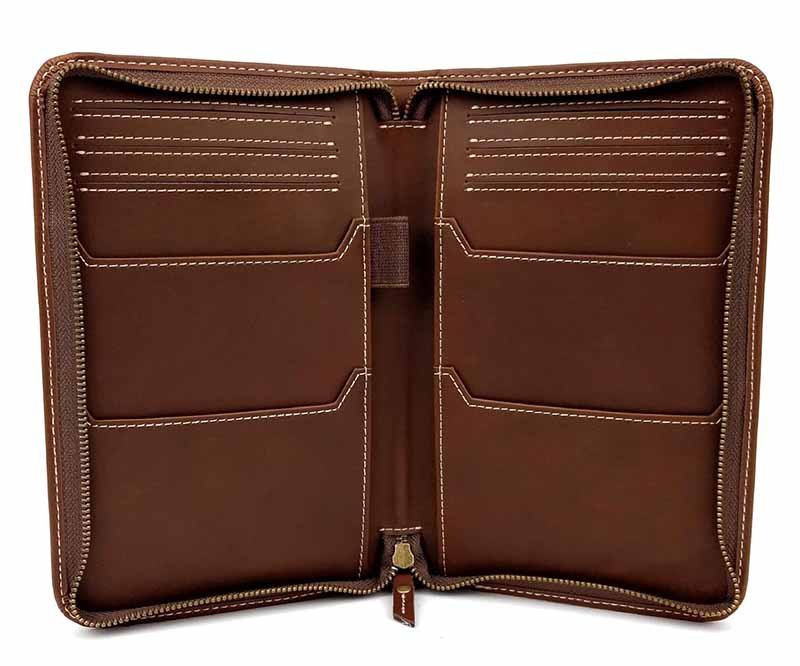
1. Slim and Minimalist Designs
Split leather works particularly well for slim wallets or minimalist wallets that don’t require thick, heavy leather. These designs are lightweight, easy to carry, and can provide a premium leather experience while remaining affordable. Since slim wallets are not meant to carry a lot of cards or cash, the thinner nature of split leather is less of an issue.
- Real-World Example: A slim bifold wallet or a cardholder wallet with minimal compartments is a perfect example of a product where split leather is acceptable. These wallets don’t experience heavy wear and don’t need the extra thickness or durability of full grain leather, making split leather a great choice.
- Key Considerations: The thinness of split leather doesn’t detract from its performance in minimalist designs. As long as the product is designed with lightness and affordability in mind, split leather is a suitable material.
2. Fashion-Focused Wallets
Wallets that focus on design aesthetics rather than long-term durability can also benefit from split leather. Many fashion-forward brands focus on visual appeal, and split leather can be treated to look similar to higher-quality leathers. By using embossing or dyeing techniques, brands can create sleek and trendy wallets that cater to a market that cares more about style than the leather’s performance over many years.
- Real-World Example: For a luxury fashion wallet meant to complement a particular season’s trends, split leather can be a good option. Since the product is more about appearance and style rather than longevity, split leather allows the brand to create affordable, fashionable items that can still be marketed as leather goods.
- Key Considerations: If the design is the focus, and customers are interested in trendiness rather than durability, split leather can provide the right balance between cost and visual appeal. Fashion-conscious customers may accept split leather, especially if it’s coated or finished to resemble higher-quality leather.
3. Budget-Friendly Products
For wallets that aim to keep costs down while still offering a genuine leather product, split leather is often the material of choice. For example, budget-friendly wallets sold by big-box retailers or fast-fashion brands rely on split leather to maintain affordable pricing without sacrificing the leather appearance.
- Real-World Example: A discount retail brand offering a wallet for $20-$30 might choose split leather as a way to keep costs low while offering a genuine leather product. The customer gets the leather experience without the high price tag, and the brand stays within budget constraints.
- Key Considerations: For mass-market wallets that need to appeal to price-conscious buyers, split leather provides an affordable solution. It’s the ideal choice when brands want to provide genuine leather without committing to the higher costs of full grain leather.
How Does Split Leather Affect Wallet Quality?
Split leather affects wallet quality primarily in terms of durability and texture. While it provides a genuine leather look at a lower cost, it is less durable and prone to wear and tear compared to higher-grade leathers like full grain or top grain leather.
Does Split Leather Impact Durability?
One of the primary concerns with split leather is its durability. Since it is made from the lower layers of the hide, it’s thinner and lacks the robustness of full grain leather, which is taken from the outermost layer. This makes split leather more vulnerable to wear, particularly when used in products like wallets that experience regular handling.
Wear and Tear Over Time
More Prone to Damage:
Split leather’s thinner construction means it is more susceptible to scratches, scuffs, and general wear. Unlike full grain leather, which has a natural protective layer, split leather can begin to show signs of damage much earlier, especially in high-contact areas such as wallet corners, folds, and edges.
- Real-World Example: Wallets made from split leather are likely to experience scratches more easily, especially if carried in pockets alongside keys, coins, or other rough objects. Over time, these scratches accumulate and reduce the product’s aesthetic appeal.
Higher Maintenance Needs:
Due to its weaker structure, split leather wallets require more maintenance to maintain their appearance. Split leather wallets may need regular cleaning, conditioning, and even re-coating to keep the leather looking fresh and new. Full grain leather, on the other hand, ages beautifully and requires less maintenance over the years.
- Data Insight: According to industry reports, split leather wallets tend to show signs of wear after 1-2 years of regular use, while full grain leather wallets can last for over 5-10 years, depending on usage and care.
Water Sensitivity:
While full grain leather has a natural resistance to water due to its dense structure, split leather lacks this advantage. Moisture and humidity can damage split leather more quickly, leading to potential cracking or brittleness. Wallets made from split leather need protective coatings or regular waterproofing treatments to mitigate damage.
- Real-World Example: A split leather wallet exposed to rain or spills may develop water stains or damage to the finish. Full grain leather, if treated correctly, will resist such conditions and develop a rich patina over time.
How Does Finish & Coating Change Performance?
Surface Treatments to Enhance Durability
To improve the performance of split leather and extend its lifespan, manufacturers often apply surface treatments, such as protective coatings or polyurethane finishes. These coatings create a protective barrier that helps prevent scratches, moisture penetration, and fading.
However, while these treatments can enhance scratch resistance and water repellency, they do not entirely make up for the inherent weaknesses of the material.
Wax Coatings:
Waxed finishes are commonly used on split leather to add a protective layer that helps to prevent dirt and moisture from penetrating the leather. It can also help preserve the leather’s appearance by providing a smooth, shiny surface. However, this coating does not stop the leather from becoming worn down over time due to the thinner nature of split leather.
Polyurethane Coatings:
Another option is polyurethane coatings, which are often applied to split leather to give it a glossy finish and provide additional resistance to scratches and staining. While this helps to improve its performance, the shine and texture of the leather may not be as natural or high-end as those of full grain leather.
- Data Insight: Coatings can increase the scratch resistance of split leather by up to 30-40%, but they do not make it as resistant to wear or aging as full grain leather.
Aesthetic Enhancements
Embossing and Dyeing:
Many manufacturers apply embossing or dyeing techniques to split leather to give it a more premium appearance. Embossing can add texture and depth to the surface, while dyeing can create richer colors and finishes. These processes help enhance the overall look of the leather, making it resemble higher-quality options.
- Real-World Example: Embossed designs on split leather wallets can give the appearance of a high-end product. The embossed patterns may mimic the natural grain patterns of full grain leather, giving the product an authentic leather appearance at a lower cost.
Color Consistency:
Unlike full grain leather, which has a varied color due to the natural grain, split leather often benefits from consistent color and finish. Manufacturers can dye split leather uniformly, which makes it suitable for wallets that require a consistent look throughout the product.
How Does Split Leather Perform in Real-World Use?
Heavy Use:
If the wallet will be used daily and exposed to high friction, split leather may begin to show scratches and scuffs more quickly. As the leather ages, it can lose its shape and become more prone to cracking or brittleness, especially at the edges.
Occasional Use:
For wallets designed for occasional use, such as fashion wallets or slim wallets, split leather can be an acceptable choice. Since these wallets do not experience heavy friction or daily wear, split leather’s lower durability is less of a concern.
What Should Brands Consider Before Using Split Leather?
Brands should weigh the cost vs quality trade-off when using split leather, as it offers an affordable alternative but sacrifices durability. Understanding customer expectations is crucial in determining whether it’s the right material for a product.
What Are Cost vs Quality Trade‑offs?
- Lower Cost, Lower Durability: The main trade-off with split leather is its affordability at the cost of long-term durability. While it provides a leather look, it does not have the same strength or ability to age as full grain leather. Brands targeting value-conscious customers can offer affordable leather wallets, but they must be aware that the product will not have the same lifespan as high-end options.
- Customer Expectations: Brands must consider what their target market values. For luxury-focused consumers, the trade-off may not be acceptable, and full grain leather is expected. For budget-conscious buyers, split leather may provide an appealing affordable option without completely sacrificing style.
How Do Customer Expectations Vary by Market?
- Budget Market: Customers in the budget segment are often more willing to accept split leather if it allows them to buy a product that looks like genuine leather but at a lower price. These consumers may not expect long-term durability and will prioritize the appearance and price of the wallet.
- Luxury Market: Customers in the luxury market demand premium leather goods that last. For them, full grain leather is the preferred choice, as it offers the quality and longevity that define luxury products. Split leather would be unacceptable for high-end wallets.
How Can Manufacturers Improve Split Leather Wallets?
To improve the quality of split leather wallets, manufacturers can apply coatings, embossing, and invest in high-quality construction to enhance durability and aesthetic appeal.
What Treatments Enhance Split Leather Performance?
- Protective Coatings: Applying protective coatings like wax or polyurethane can help strengthen split leather and make it more resistant to moisture and scratches. These coatings also maintain the color and texture, enhancing the wallet’s longevity.
- Embossing and Dyeing: Embossing can improve the visual appeal of split leather, giving it a textured, high-end look. Additionally, dying split leather in deep colors can mimic the appearance of more expensive leathers like top grain or full grain leather.
How Can Construction & Lining Compensate Material Limits?
- Reinforced Stitching: Using reinforced stitching and internal linings can help mitigate the impact of split leather’s reduced durability. For example, durable linings can increase the structural integrity of wallets and prevent them from losing shape over time.
- Quality Control: Consistent quality control is essential for ensuring that split leather wallets meet the desired standards. Ensuring that each wallet has uniform finishing, accurate stitching, and consistent dyeing will improve both its appearance and its performance.
Conclusion
Split leather offers a cost-effective alternative to full grain leather, making it a viable option for budget-conscious wallets. However, brands must weigh the trade-offs in terms of durability and long-term performance. For affordable products, split leather provides the genuine leather experience at a fraction of the price, but for high-end wallets, full grain leather remains the superior choice.
At Szoneier, we specialize in both full grain and split leather, offering high-quality, customizable solutions to meet your brand’s needs. Whether you’re designing affordable wallets or premium leather goods, we provide premium materials, custom production services, and expert support to help you create exceptional products.
Contact us today for quotes, samples, and custom leather solutions to bring your designs to life!