When it comes to premium leather products, especially leather bags, wallets, and accessories, the choice of leather can make or break the quality of the product. Among the many types of leather, full grain and top grain stand out as the two most commonly used in high-end manufacturing. But what exactly makes these two types of leather different, and why does it matter to brands looking for the best materials for their products.
At the core, the difference between full grain and top grain leather comes down to their processing. Full grain leather is considered the highest quality due to its preservation of the entire hide, imperfections and all, while top grain leather is slightly altered to remove flaws, resulting in a smoother, more uniform surface. But does this make top grain leather less desirable or just a more cost-effective alternative?
Full grain leather is the highest quality option for leather goods, offering durability and character. Top grain leather is a more affordable option with a smoother surface, but it’s still a premium choice for leather products.
As you navigate through the complex world of leather choices, understanding these differences is key to making an informed decision about the materials your brand uses. This article will dive into what these leather types are, how they compare, and ultimately what brands are paying for when choosing one over the other.
What Is Full Grain Leather?
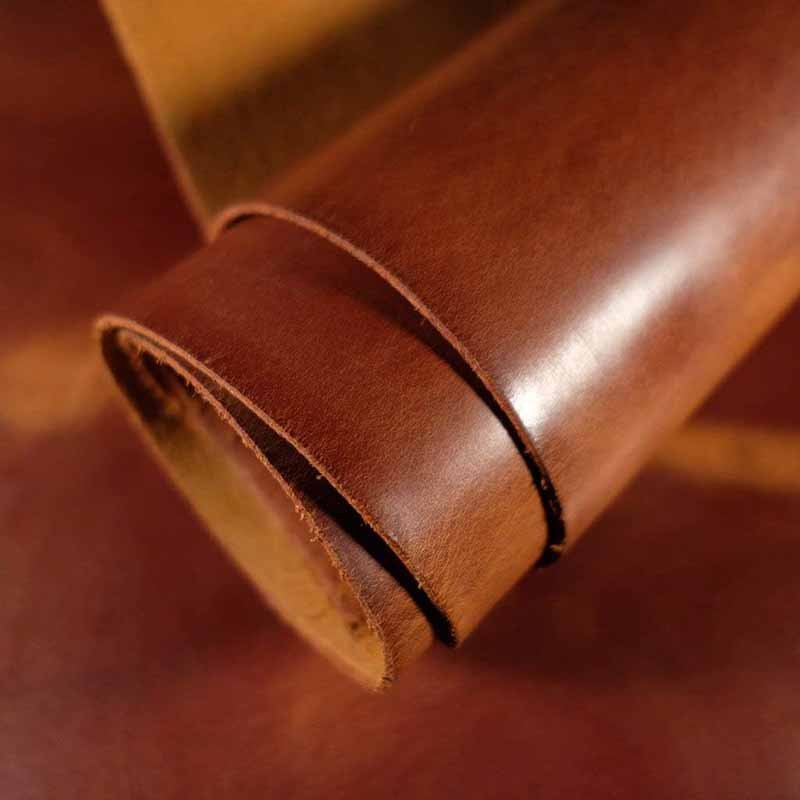
Full grain leather is made from the entire thickness of the hide, preserving the natural grain. It’s the most durable and premium leather, perfect for products requiring longevity and unique character.
Full grain leather is derived from the topmost layer of the hide and includes the entire surface, complete with its natural imperfections, such as scars or stretch marks. These markings are seen as part of the leather’s story and contribute to its authentic, one-of-a-kind appeal. Full grain leather has a rich texture, deep hues, and an ability to develop a beautiful patina over time, giving it a distinct charm that grows with age.
What Are the Key Features of Full Grain Leather?
- Natural Grain and Unique Character: Full grain leather is highly prized for its natural appearance. Unlike top grain leather, which is processed to smooth out imperfections, full grain leather retains the entire hide’s unique characteristics, including wrinkles, scars, and other markings. These features give the leather a distinct, high-end aesthetic that is increasingly valued in the luxury market.
- Durability: Full grain leather is incredibly durable due to its thickness and the fact that it retains the outermost layer of the hide. This layer is dense and strong, making the leather resistant to wear and tear. It is ideal for products like work bags, travel luggage, and wallets, which require longevity to withstand frequent use.
- Patina Development: One of the most significant advantages of full grain leather is its ability to develop a rich patina as it ages. Over time, exposure to oils, sunlight, and regular handling adds a unique layer to the leather’s appearance, enhancing its depth and beauty. This makes full grain leather bags and accessories even more valuable as they age, offering a sense of history and character to the product.
How Is Full Grain Leather Made Compared to Other Leathers?
Full grain leather is created by taking the entire hide and processing it minimally. The natural texture and grain are preserved, which means the leather’s surface is left untouched except for cleaning and dyeing. This results in a thicker leather that showcases the original markings of the animal, contributing to its durability and unique appearance.
In contrast, top grain leather undergoes a more extensive process to smooth out any imperfections. This makes it look more uniform but reduces its overall strength and ability to age gracefully. The difference in processing is why full grain leather is considered the top-tier option.
What Is Top Grain Leather?
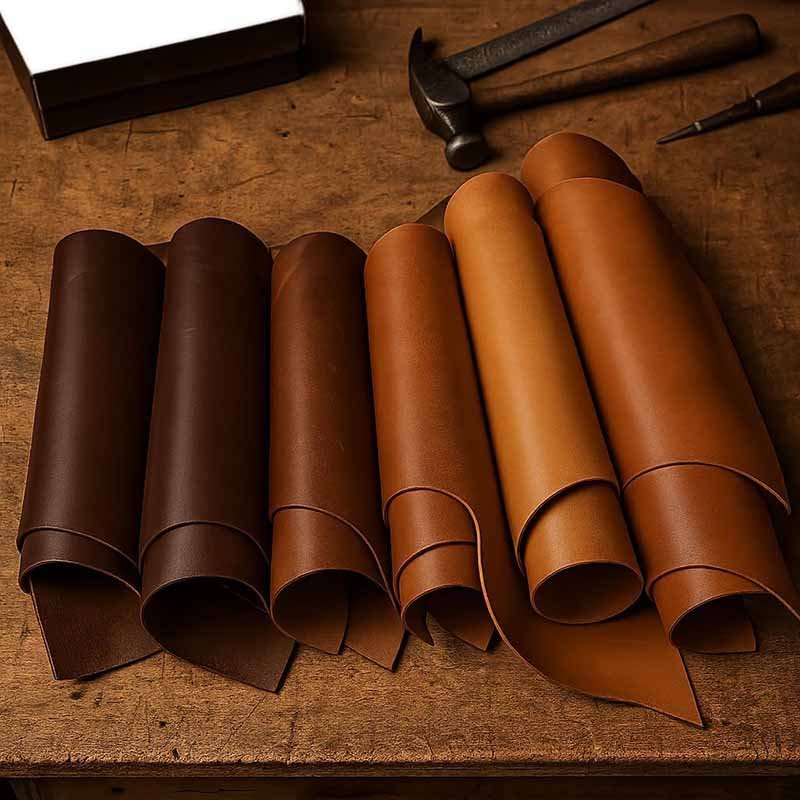
Top grain leather is a slightly lower-quality option compared to full grain, as it’s sanded and buffed to remove imperfections. It’s more affordable, with a smoother texture, but still a high-quality choice for leather goods.
Top grain leather is made from the top layer of the hide but undergoes sanding or buffing to remove any imperfections or scars. This process results in a more uniform and polished surface, making it ideal for products that require a sleek, consistent look. While top grain leather doesn’t have the same natural appeal as full grain leather, it’s still considered a premium option due to its durability, comfort, and refined appearance.
What Defines Its Surface and Texture?
- Smoother Surface: The key characteristic of top grain leather is its smooth, uniform texture. The sanding and buffing process removes natural imperfections, creating a clean surface ideal for bags and wallets where a flawless look is desired. This makes top grain leather a good choice for high-end products that need to look polished but may not require the authenticity of full grain leather.
- Consistency: Unlike full grain leather, which can vary in texture and color, top grain leather is more consistent in its appearance. It offers a uniform color and finish, which can be advantageous for designers looking to create specific visual effects without the variability that comes with natural leather.
How Is It Different from Full Grain Leather?
The main difference between full grain and top grain leather lies in the processing. Full grain leather retains all of the natural markings and grain of the hide, while top grain leather undergoes a sanding process to smooth out imperfections. As a result, full grain leather is more durable and develops a rich patina with age, whereas top grain leather maintains a smoother, more consistent appearance but lacks the aging potential.
Which Leather Gives Better Performance?
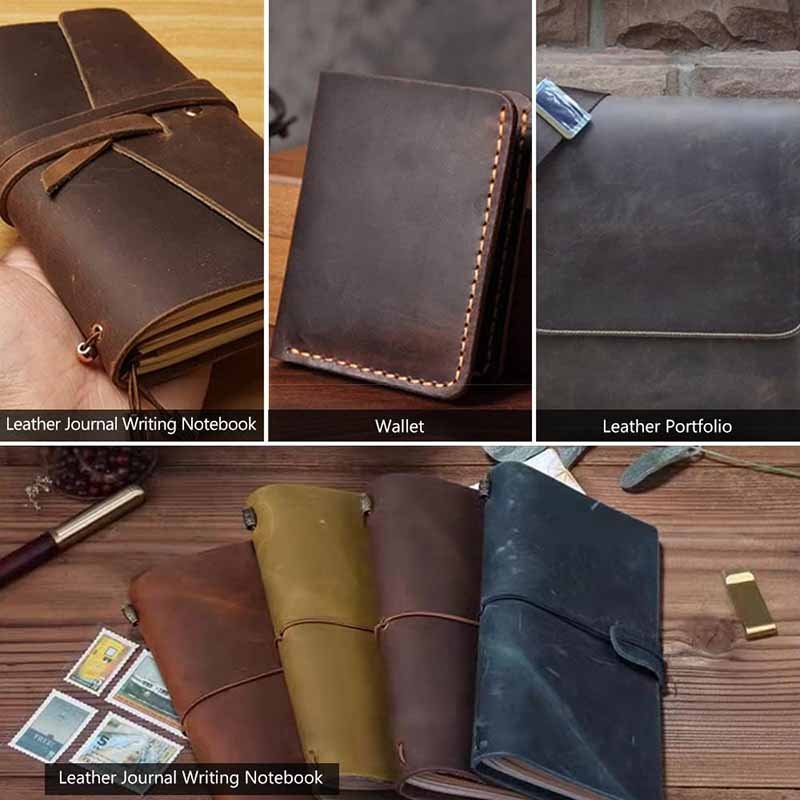
Full grain leather is generally more durable and has superior aging potential. However, top grain leather offers a more polished, uniform look, making it an ideal choice for certain types of leather goods where aesthetics and cost efficiency are important.
When considering the performance of full grain vs top grain leather, the answer largely depends on the intended use of the leather product. Full grain leather is generally more durable, as it retains the natural structure and thickness of the hide. This makes it ideal for products like heavy-duty bags, belts, and luggage, which need to withstand long-term wear and tear.
Do Full Grain and Top Grain Differ in Durability?
- Full Grain Leather: Full grain leather is known for its longevity and superior resistance to wear. The thicker, unaltered structure of the leather means it is less prone to cracking or scuffing, making it an ideal choice for items that are regularly used, like backpacks or work bags.
- Top Grain Leather: Top grain leather is also durable but slightly less so than full grain. The removal of the outer layer means it is not as thick or resistant to wear. However, it still offers good durability and performs well in many leather goods like wallets and accessories that don’t experience heavy daily use.
Are They Different in Aging & Patina?
- Full Grain Leather: Full grain leather is prized for its ability to develop a patina over time. As it is used, it darkens and takes on a unique character, enhancing its visual appeal. This aging process makes full grain leather a favorite for products that should improve with age, like premium bags and leather jackets.
- Top Grain Leather: While top grain leather can age, it does not develop the same rich patina as full grain leather. The sanding process removes the natural grain, meaning the leather remains more uniform in appearance throughout its life.
- Tip: If your brand values the aesthetics of a product that improves with age, full grain leather is the best choice. For products requiring consistency in look, top grain leather might be the better option.
How Do Full Grain and Top Grain Affect Cost?
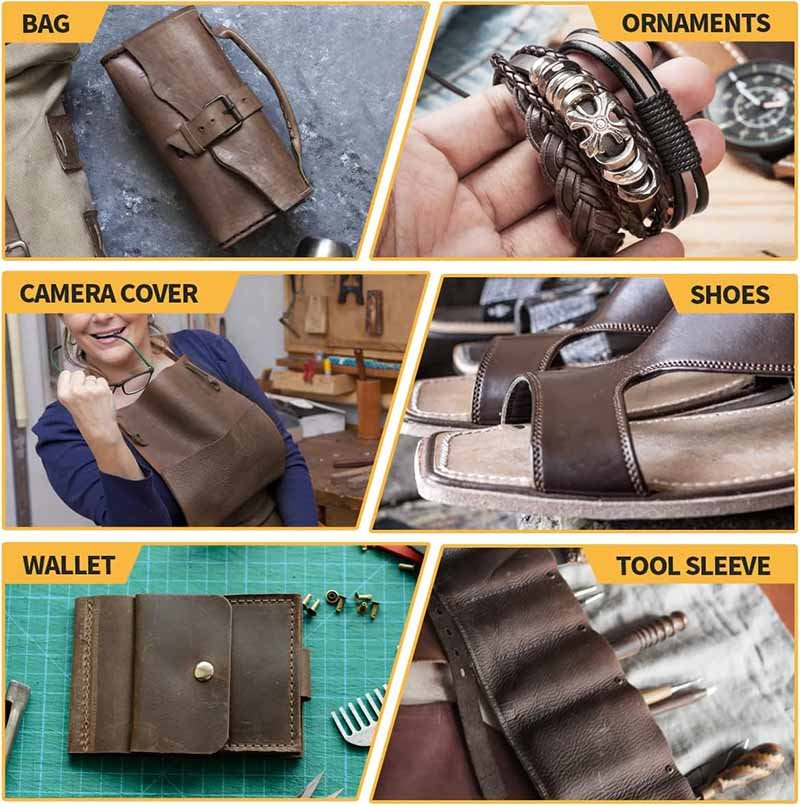
Full grain leather costs more due to its unaltered state, durability, and aging properties. Top grain leather, being processed more extensively, is more affordable but still provides high quality.
The difference in cost between full grain and top grain leather comes from the additional processing required to create top grain leather. Full grain leather requires less treatment, preserving its natural qualities but also making it more expensive. In contrast, the smoothing and buffing process for top grain leather make it more affordable, but it also reduces its overall strength and aging potential.
Why Does Full Grain Leather Cost More?
- Higher Material Quality: Full grain leather is made from the finest hides and is less processed, which makes it more expensive to source and produce. Brands pay a premium for leather that can last longer, age better, and provide a richer, more authentic look.
- Labor-Intensive Process: The production of full grain leather involves more careful handling and fewer manufacturing steps, but this labor-intensive process drives up the cost. Top grain leather, by contrast, requires more extensive processing, which helps lower its price.
Is One Leather Better for Certain Leather Goods?
Full grain leather is ideal for products that require durability and a unique, natural appearance, while top grain leather is better for products needing a polished, uniform look with a more affordable price point.
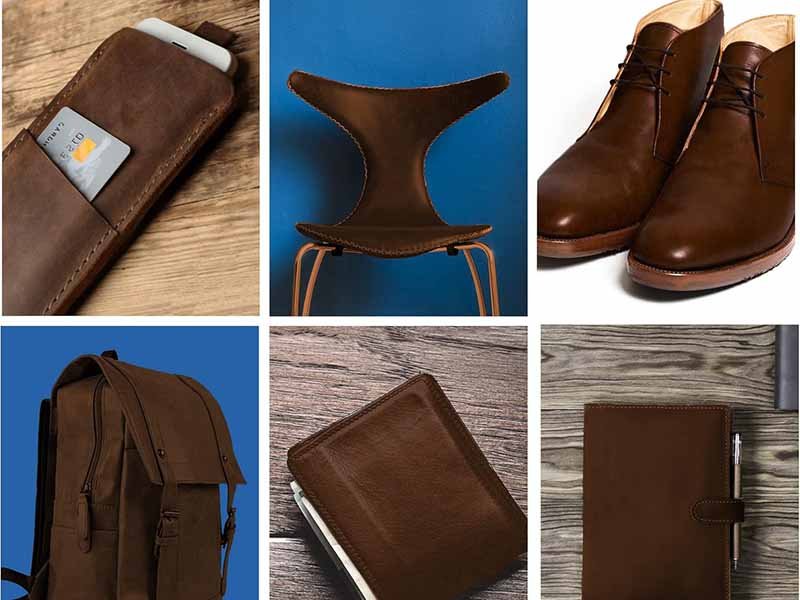
The choice between full grain and top grain leather depends heavily on the type of leather goods being produced and the specific needs of the product. While both leathers are high-quality, their different properties make them better suited to different applications. Here, we’ll look at which leather is best for various categories of leather goods.
Which Leather Works Best for Bags?
- Full Grain Leather for Durable Bags: When it comes to luggage, backpacks, and work bags, full grain leather is the superior choice. These products are meant to endure years of heavy use, and full grain leather’s robust durability ensures that the bags can withstand daily wear and tear. Full grain leather’s ability to resist scratches and scuffs while retaining its aesthetic value is why it’s the go-to material for high-end leather bags. Full grain leather also improves with age. As your customers use the bags, the leather develops a unique patina, making each bag even more distinctive over time. This is a highly sought-after feature in the luxury market, where authenticity and longevity are key selling points.
- Top Grain Leather for Fashionable Bags: While full grain leather excels in durability, top grain leather is often the best choice for fashion accessories like designer handbags and shoulder bags. These products typically need to maintain a flawless appearance and be lightweight without compromising on quality. The smooth texture of top grain leather provides the desired sleek look and polished finish that works well for fashion-forward bags. Top grain leather’s uniform texture and ability to hold dye consistently make it ideal for products where a consistent, smooth finish is a priority. Fashion brands targeting customers who want luxury but at a more accessible price often prefer top grain leather.
Which Leather Is Best for Wallets and Small Accessories?
- Full Grain Leather for Premium Wallets: Full grain leather is often preferred for premium wallets, cardholders, and money clips. These accessories are typically smaller in size, meaning the natural grain and texture of the leather become even more noticeable. Full grain leather offers superior durability, ensuring the wallet will withstand repeated use while developing a beautiful patina. The leather’s natural flaws can also add character, making each wallet unique. Additionally, the ability of full grain leather to age well means that high-end customers can enjoy a wallet that tells a story, with each crease and mark contributing to the leather’s charm. This aging process, which can’t be replicated in top grain leather, is highly valued by luxury consumers.
- Top Grain Leather for Affordable Luxury: Top grain leather is frequently used for luxury wallets and smaller accessories that need a smooth, consistent finish. Since top grain leather has been processed to remove blemishes and imperfections, it provides a sleek and polished look, making it a preferred option for high-end, fashionable accessories. It also tends to be more affordable than full grain leather, offering a good balance between price and quality. Brands targeting a broader consumer base who want luxury at a lower price often opt for top grain leather, which still provides a premium feel without the high cost of full grain leather.
Which Leather Should Be Used for Furniture?
- Full Grain Leather for Luxury Furniture: For luxury furniture, such as high-end chairs, couches, and ottomans, full grain leather is the best choice. The durability and elegance of full grain leather make it an ideal option for furniture that’s not only used regularly but also needs to maintain a luxurious and authentic appearance. The leather’s ability to develop a rich patina over time adds to the furniture’s character and value, making it a timeless investment. Additionally, full grain leather is highly resistant to wear and can withstand the daily usage that furniture pieces endure. For furniture pieces that will be passed down through generations, full grain leather is the material that holds up the best.
- Top Grain Leather for Consistency and Maintenance: Top grain leather is often used in furniture pieces that need to maintain a uniform appearance while being easy to maintain. It is an excellent option for office chairs, sofas, and living room furniture where ease of care is paramount. Unlike full grain leather, top grain leather does not develop a patina over time, which makes it easier to maintain its original appearance. Top grain leather’s smooth texture is also desirable for modern-style furniture that needs to maintain a sleek and consistent look. It is more affordable than full grain leather, which is why many mid-range brands opt for it for their furniture lines.
How Should Brands Choose Between Full Grain and Top Grain Leather?
When deciding between full grain and top grain leather, brands must consider factors like durability, appearance, cost, and the target market’s preferences. Each leather type offers unique benefits that can align with specific brand goals.
The decision between full grain and top grain leather is not only about quality but also about strategic alignment with a brand’s overall goals. Different types of leather work better for different use cases, and understanding the brand’s positioning and target customers is crucial in making the right choice.
What Factors Should Brands Consider?
- Durability vs. Aesthetic Appeal: The primary consideration when choosing between full grain and top grain leather is durability. Full grain leather is generally the more durable option, ideal for products that need to withstand heavy use over time. This includes travel bags, backpacks, and wallets that experience frequent handling. Full grain leather’s unique patina also adds a visual appeal that develops over time, giving the product more character. On the other hand, top grain leather is a better choice for products where a sleek, smooth surface is necessary, such as high-end fashion accessories or luxury handbags. Top grain leather provides a consistent finish and is often favored by brands targeting high-end fashion markets where a uniform look is desired. However, top grain leather does not develop the same patina as full grain leather, which can affect its appeal to customers looking for a product with evolving beauty.
- Target Market Preferences: Customer preferences vary based on price sensitivity and product expectations. For example, if your customers are highly quality-conscious and willing to pay a premium for authenticity, full grain leather is a better choice. Full grain leather appeals to customers who understand and appreciate the long-term value of an item that improves over time. For brands targeting a broader market or those looking to provide luxury without the luxury price, top grain leather provides a balanced solution. Top grain leather offers a high-end look at a lower cost, and while it may not have the same longevity as full grain leather, it still provides excellent quality at a more affordable price point.
- Tip: Brands targeting luxury consumers and high-end fashion markets should focus on full grain leather for its exclusivity and quality. Meanwhile, brands looking for more affordable but high-quality options can rely on top grain leather for consistent performance without the high price tag.
- Aesthetic Consistency vs. Unique Character: Full grain leather has a unique texture because it retains the natural imperfections of the hide. For some brands, this uniqueness is a selling point that adds to the authenticity of the product. Customers who value individuality and authenticity are drawn to full grain leather’s natural variations. Top grain leather, however, is sanded and buffed, giving it a more consistent appearance. Brands looking to create products that need to maintain uniformity (e.g., high-end handbags) will likely prefer top grain leather’s smoother surface. Fashion-forward brands might appreciate top grain leather for its sleekness and polished finish, which aligns with their design aesthetic.
- Tip: If your brand focuses on exclusive, unique, and long-lasting products, full grain leather will resonate better with your target market. For brands that emphasize sleek designs and consistent visual appeal, top grain leather offers the best balance.
How Does Cost Factor Into the Decision?
- Full Grain Leather: Cost vs. Value The cost of full grain leather is higher because it is sourced from the finest hides and processed minimally. This results in a more durable material that improves with age, making it a worthwhile investment for products that need to last a lifetime. However, this comes at a price. Full grain leather’s superior quality makes it the ideal choice for premium products where longevity and authenticity are key selling points.
- Example: Luxury luggage brands or high-end briefcases that want to convey both durability and exclusivity will invest in full grain leather, knowing that their customers expect products that not only look great but also stand the test of time.
- Top Grain Leather: Cost Efficiency with Quality While top grain leather is more affordable, it still offers excellent quality and consistency. Brands that need to balance price sensitivity with quality often turn to top grain leather for luxury accessories and fashion items where aesthetics matter more than the unique aging properties of full grain leather.
- Example: Brands targeting the mid-range market (e.g., premium leather goods that are not ultra-luxury) would benefit from top grain leather. These brands can offer high-end looking products without the price tag of full grain leather, appealing to a broader customer base.
Which Leather Is Ideal for Different Leather Goods?
Full grain leather is the best choice for durable, high-quality leather goods like luggage and work bags, while top grain leather is ideal for fashion accessories and luxury items that require a polished, consistent look.
When it comes to leather goods, the choice of leather depends largely on the product type and the intended use. Full grain leather and top grain leather both offer unique advantages, but each type of leather is better suited for specific items.
Which Leather Works Best for Bags?
- Full Grain Leather Bags: Full grain leather is ideal for products that need to be both durable and functional. Travel bags, work bags, and backpacks benefit greatly from full grain leather because of its long-lasting nature. Full grain leather also offers a rich, authentic look that appeals to customers who appreciate natural variations in their leather products.
- Top Grain Leather Bags: For fashion bags, including designer handbags, shoulder bags, and purses, top grain leather is often preferred for its smooth texture and consistent finish. These bags need a high-quality look but don’t necessarily require the rugged durability of full grain leather. Top grain leather provides polished elegance and affordable luxury.
Which Leather Is Best for Wallets and Small Accessories?
- Full Grain Leather: Full grain leather wallets are perfect for customers who value durability and unique aging. Full grain leather wallets can develop a beautiful patina over time, giving each product its own distinctive look.
- Top Grain Leather: Top grain leather is an excellent choice for wallets and small accessories that require a uniform, sleek appearance. These items benefit from top grain leather’s clean, refined surface, ideal for products where smoothness is important, such as credit card holders, travel wallets, and money clips.
Which Leather Should Be Used for Furniture?
- Full Grain Leather Furniture: Full grain leather is often chosen for luxury furniture, such as high-end chairs, sofas, and ottomans. It provides a timeless look and is highly durable, making it perfect for pieces that will see years of use.
- Top Grain Leather Furniture: Top grain leather is used for furniture that needs to maintain a consistent, smooth appearance. It is more affordable than full grain leather and is easier to maintain, making it a great choice for office chairs or living room furniture that needs a sleek look without the premium cost.
Conclusion
Choosing between full grain and top grain leather is a strategic decision that involves evaluating your product’s purpose, your customer’s needs, and your brand’s positioning. Full grain leather is the top choice for luxury, durability, and long-term value, while top grain leather offers a polished, consistent appearance at a more affordable cost.
At Szoneier, we specialize in providing both full grain and top grain leather for custom leather goods. Whether you’re looking for premium materials for luxury bags or fashion accessories, we offer tailored solutions to meet your unique needs.
Contact us today for more information on how we can help you source the best leather for your custom leather products. Get in touch for quotes, samples, or to discuss your next project with us.