
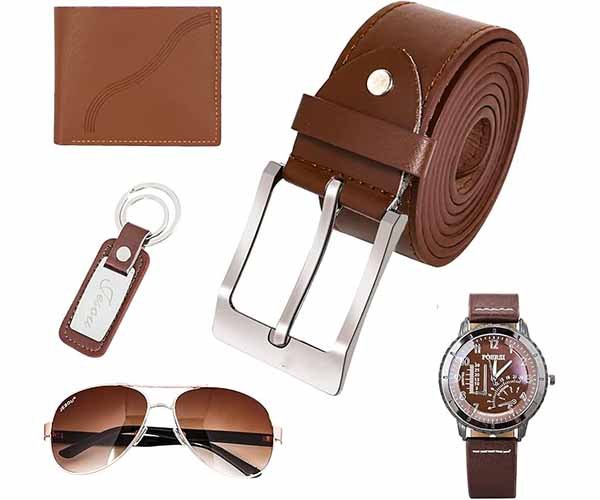
If you’re building a brand, leather goods like wallets, belts, and small leather accessories might look “easy” compared with bags. In real manufacturing, they are often harder. The reason is simple: customers touch these items every day, at close distance, and they notice small issues fast. A wallet that feels bulky in a pocket, a belt that stretches after 60 days, or an SLG with rough edges can trigger returns even when the leather itself is good.
Leather goods also sit at a tricky price point. They’re often entry products—customers buy them to test your brand quality. That means the first impression matters more than ever. And because these products are compact, you can’t hide defects behind big panels or soft structures. Everything is exposed: edge finishing, stitching lines, thickness consistency, and hardware alignment. Leather goods manufacturing is the process of turning selected leather into wallets, belts, and small leather goods using controlled thickness, structure design, cutting accuracy, stitching consistency, and reliable finishing. Each category has different performance needs—wallets require thickness control and clean folds, belts require tensile strength and stretch resistance, and SLGs rely on precision and premium finishing to meet daily-use expectations.
If you want fewer complaints and stable reorders, you need to treat leather goods like precision products—not small products. Let’s start with what these categories really mean in production.
What are Leather Goods, Wallets, and Small Leather Goods?
Leather goods include personal leather accessories such as wallets, belts, straps, and compact items commonly known as small leather goods (SLGs). Wallets are defined by layered structure and thickness control, belts by tensile strength and stretch resistance, and SLGs by precision cutting and finishing quality. Although similar in size, each category requires different leather specifications, construction logic, and quality standards to perform well in daily use.
What “Leather Goods” actually means in manufacturing
In production terms, leather goods is a broad category, not a single product type.
How factories classify leather goods
Leather goods generally include leather products that are:
- Smaller than bags or luggage
- Used daily or very frequently
- Touched at close distance (hands, pockets, waist)
- Structurally simple but visually unforgiving
Typical leather goods include:
- Wallets (bi-fold, tri-fold, long wallets, card wallets)
- Belts (dress, casual, heavy-duty)
- Card holders and key holders
- Leather straps (watch straps, bag straps, guitar straps)
- Small pouches and organizers
- Leather boxes and gift items
Why leather goods are harder than they look
| Factor | Leather Goods | Bags |
|---|---|---|
| Viewing distance | 20–30 cm | 50–100 cm |
| Usage frequency | Daily | Occasional |
| Thickness tolerance | Very low | Moderate |
| Defect visibility | Immediate | Easier to hide |
| Customer patience | Low | Higher |
Reality: A small defect that might be ignored on a bag will be rejected immediately on a wallet or belt.
What defines leather wallets
A leather wallet is not just “a thin leather item.” It is a multi-layer structure that must survive constant stress.
What a wallet experiences every day
- Repeated opening and closing (fold stress)
- Cards pushing outward (horizontal stretch)
- Compression in pockets or bags
- Friction against fabric or skin
- Heat and moisture from the body
What customers complain about most
| Customer feedback | Root cause |
|---|---|
| “Too bulky” | Inner layers too thick |
| “Slots stretched” | Leather too soft |
| “Fold cracked” | Fold not skived |
| “Looks messy inside” | Poor layer alignment |
Practical thickness logic for wallets
| Wallet component | Finished thickness range |
|---|---|
| Outer leather | 1.2 – 1.6 mm |
| Inner pockets | 0.6 – 0.9 mm |
| Fold line | Skived thinner |
| Total thickness (6 cards) | ~8–11 mm |
Factory truth: Over 70% of wallet problems come from thickness stacking, not stitching quality.
What defines leather belts
Leather belts are load-bearing products, not decorative accessories.
They must resist:
- Constant pulling
- Localized stress at holes
- Twisting from body movement
- Long-term stretching
- Friction from buckles and clothing
What customers notice first in a belt
- Does it stretch?
- Does it stay straight?
- Do the edges crack?
- Does the buckle stay firm?
Common belt complaints and real causes
| Complaint | Actual cause |
|---|---|
| “Belt stretched” | Leather too soft / oily |
| “Belt warped” | Cut against fiber direction |
| “Edges cracked” | Wrong edge system |
| “Buckle loose” | Weak fixation structure |
Real belt specifications used in factories
| Belt type | Thickness | Width |
|---|---|---|
| Dress belt | 3.0–3.5 mm | 28–35 mm |
| Casual belt | 3.5–4.0 mm | 35–40 mm |
| Heavy-duty belt | 4.0–4.5 mm | 38–45 mm |
Critical point: Belts fail far more often due to leather selection and cutting direction than stitching.
What are Small Leather Goods (SLGs) in practice
Small Leather Goods (SLGs) are compact leather accessories where visual precision defines quality.
Common SLG products
- Card holders
- Coin purses
- Key organizers
- Passport covers
- Small leather cases
- Leather gift boxes
SLGs are often:
- Gift items
- Entry products for new customers
- Used as brand representation pieces
Why SLGs are the most demanding visually
Because:
- Edges are short and easy to inspect
- Corners are tight and hard to finish
- Color differences are obvious
- Alignment errors are noticeable immediately
Most common SLG rejection reasons
| Issue | Customer perception |
|---|---|
| Rough edges | “Cheap” |
| Uneven stitching | “Poor quality” |
| Color mismatch | “Not premium” |
| Crooked layers | “Bad craftsmanship” |
Typical SLG thickness ranges
| SLG type | Leather thickness |
|---|---|
| Card holder | 1.0 – 1.4 mm |
| Coin purse | 1.2 – 1.6 mm |
| Key holder | 1.4 – 1.8 mm |
| Leather box | 1.6 – 2.0 mm |
How are Leather Goods materials chosen?
Leather goods materials are chosen based on how the product will be used, stressed, and handled over time. Wallets require thin, stable leather that resists stretching, belts demand dense leather with high tensile strength, and small leather goods need consistent grain and clean finishing behavior. Choosing leather by function—not by name—prevents bulkiness, stretching, edge cracking, and early returns.
Why leather name alone is meaningless for brands
One of the most common mistakes brands make is asking:
“Can we use full-grain leather for everything?”
From a factory perspective, this question is too vague to be useful.
Because:
- “Full-grain” does not describe softness
- It does not describe stretch behavior
- It does not describe edge performance
- It does not describe thickness after skiving
In leather goods manufacturing, how the leather behaves matters more than what it is called.
The first rule of material selection
Before choosing any leather, factories need answers to three questions:
- How is the product used every day?
- Where does stress concentrate?
- What will customers complain about first?
Wallets, belts, and SLGs give completely different answers.
Which leather works best for wallets?
Wallet leather must stay thin, stable, and predictable after cards are inserted.
What wallet leather must do in real use
- Hold cards without stretching
- Bend repeatedly without cracking
- Stack multiple layers without bulk
- Feel comfortable in a pocket
Leathers that work well for wallets
| Leather type | Why it works |
|---|---|
| Full-grain cowhide (firm) | Stable fiber, clean folds |
| Top-grain cowhide | Easier thickness control |
| Goat leather | Strong fibers, thin possible |
| Combination-tanned leather | Balanced softness and memory |
Leathers that often fail in wallets
| Leather type | Why it fails |
|---|---|
| Very soft chrome leather | Stretches after use |
| Heavy oil leather | Bulks up, loses shape |
| Loose-grain leather | Deforms at card slots |
Critical thickness rules for wallets (brands should check this)
| Wallet part | Finished thickness |
|---|---|
| Outer shell | 1.2 – 1.6 mm |
| Inner card pockets | 0.6 – 0.9 mm |
| Fold area | Skived thinner |
| Total (6 cards loaded) | ~8–11 mm |
Customer complaint trigger #1 (wallets): “Too thick” or “cards stretched.” That almost always means wrong leather softness, not stitching issues.
Which leather suits belts best?
Belts are load-bearing leather goods. They live under constant tension.
What belt leather must do
- Resist stretching over time
- Stay straight and flat
- Hold holes without tearing
- Support buckle stress
Best leather choices for belts
| Leather type | Performance |
|---|---|
| Full-grain cowhide (dense) | Excellent |
| Vegetable-tanned leather | Excellent |
| Combination-tanned leather | Good |
| Split leather | Poor |
Leather types that cause belt failure
| Leather | Problem |
|---|---|
| Soft chrome leather | Stretches |
| Oily leather | Deforms |
| Thin split leather | Tears at holes |
Real belt thickness ranges used in production
| Belt type | Thickness |
|---|---|
| Dress belt | 3.0 – 3.5 mm |
| Casual belt | 3.5 – 4.0 mm |
| Heavy-duty belt | 4.0 – 4.5 mm |
Customer complaint trigger #1 (belts): “The belt stretched in 2–3 months.” Root cause: wrong leather + no reinforcement, not poor sewing.
Which leather fits Small Leather Goods (SLGs)?
SLGs are judged mostly by appearance, not strength.
What SLG leather must deliver
- Uniform grain
- Even color
- Clean cutting edges
- Predictable edge finishing
Best leather types for SLGs
| Leather type | Why it works |
|---|---|
| Top-grain cowhide | Clean look |
| Corrected-grain leather | Uniform surface |
| Selected full-grain areas | Premium feel |
Leather types that create SLG problems
| Leather | Issue |
|---|---|
| Loose-grain hides | Uneven look |
| Natural scar-heavy hides | Visual rejection |
| Over-soft leather | Edge collapse |
Typical SLG thickness ranges
| Product | Thickness |
|---|---|
| Card holder | 1.0 – 1.4 mm |
| Coin purse | 1.2 – 1.6 mm |
| Key holder | 1.4 – 1.8 mm |
| Leather box | 1.6 – 2.0 mm |
Customer complaint trigger #1 (SLGs): “Edges look rough” or “doesn’t feel premium.”
How tanning choice changes leather goods performance
Tanning affects memory, stretch, and edge behavior.
| Tanning method | Effect |
|---|---|
| Vegetable tanning | Firm, shape-stable |
| Chrome tanning | Soft, flexible |
| Combination tanning | Balanced |
| Heavy oil tanning | Stretch-prone |
Practical application guide
| Product | Best tanning |
|---|---|
| Wallets | Chrome / combo |
| Belts | Vegetable / combo |
| SLGs | Chrome / corrected |
Choosing the wrong tanning method often leads to:
- Fold cracking
- Edge paint failure
- Unexpected stretching
How thickness planning really works
Experienced factories do not choose one thickness per product.
They plan thickness by zone.
| Product | Zone | Thickness logic |
|---|---|---|
| Wallet | Fold | Thinner |
| Wallet | Pockets | Thinnest |
| Belt | Center | Thickest |
| Belt | Hole area | Reinforced |
| SLG | Corners | Controlled |
If a factory cannot explain its thickness plan, expect problems in bulk.
Material consistency: the hidden risk brands overlook
Many first orders fail because:
- Samples use one leather batch
- Bulk uses another
- Grain, softness, or color shifts
Brands should confirm before bulk
- Same tannery batch
- Same thickness tolerance
- Same finish process
- Same color lot
This matters more for SLGs than bags.
How are Leather Goods manufactured?
Leather goods are manufactured through a disciplined process that includes raw leather inspection, directional cutting, thickness control through skiving, precision assembly, controlled stitching, edge finishing, hardware reinforcement, functional testing, and final inspection. Wallets, belts, and small leather goods follow the same core steps but differ in tolerance levels, stress points, and finishing intensity. Long-term quality depends on consistency at each stage, not production speed.
Full leather goods manufacturing workflow
Below is how experienced leather goods factories structure production.
| Stage | Process | Why it matters |
|---|---|---|
| 1 | Raw leather inspection | Prevents batch inconsistency |
| 2 | Cutting & layout | Controls direction & accuracy |
| 3 | Skiving (thickness control) | Prevents bulk & cracking |
| 4 | Layer assembly | Ensures alignment |
| 5 | Stitching | Provides structure |
| 6 | Edge finishing | Defines perceived value |
| 7 | Hardware fixing | Concentrates stress |
| 8 | Functional testing | Predicts real use |
| 9 | Final QC & packing | Prevents after-sales issues |
Skipping any one of these increases return risk.
Step 1: Raw leather inspection — the hidden foundation
Most brands assume leather inspection is automatic. In reality, it is often rushed or superficial.
What professional inspection actually checks
| Item | Why it matters |
|---|---|
| Thickness tolerance | Prevents stacking errors |
| Softness consistency | Controls stretch |
| Grain tightness | Affects appearance |
| Surface defects | SLGs expose flaws |
| Color lot consistency | Avoids mismatch |
Common brand-side problem
- Sample leather is hand-selected
- Bulk leather is mixed-grade
Result: Sample feels premium, bulk feels inconsistent.
Experienced factories separate leather by use zone, not just by hide.
Step 2: Cutting — accuracy AND fiber direction
Cutting is not just about shape.
Leather has fiber direction, and cutting against it weakens performance.
Direction mistakes and consequences
| Product | Mistake | Result |
|---|---|---|
| Belts | Cut across grain | Stretch / twist |
| Wallets | Random layout | Uneven folds |
| SLGs | Poor nesting | Visual mismatch |
Cutting methods used
| Method | Use case |
|---|---|
| Steel die | Large volumes |
| CNC cutting | Precision SLGs |
| Manual cutting | Prototyping |
Key brand question to ask: “Do you control cutting direction for belts?”
Step 3: Skiving — the single most critical process
Skiving (thinning leather) determines:
- wallet thickness
- fold durability
- edge neatness
- stacking comfort
Where skiving must be applied
| Product | Area |
|---|---|
| Wallets | Inner pockets, folds |
| SLGs | Corners, edges |
| Belts | Layer joints |
Typical skived thickness targets
| Area | Thickness after skiving |
|---|---|
| Wallet inner layers | 0.6–0.9 mm |
| Wallet fold line | Thinner than body |
| SLG edge zones | Even, consistent |
What happens when skiving is skipped
| Product | Failure |
|---|---|
| Wallets | Bulky, stiff |
| SLGs | Messy edges |
| Belts | Uneven layers |
Important truth: No amount of “nice leather” can compensate for poor skiving.
Step 4: Assembly — millimeter-level precision
Assembly is where leather layers are aligned, bonded, and prepared for stitching.
Common assembly errors
| Error | Customer perception |
|---|---|
| Crooked layers | Cheap |
| Glue overflow | Low quality |
| Pocket misalignment | Poor craftsmanship |
What good assembly requires
- Alignment jigs
- Controlled glue quantity
- Drying time before stitching
Rushed assembly is one of the most common causes of rework.
Step 5: Stitching — strength without distortion
Stitching must balance strength and appearance.
Practical stitching parameters
| Product | Stitch length |
|---|---|
| Wallets | 3.0–3.5 mm |
| SLGs | 3.0–3.5 mm |
| Belts | 3.5–4.0 mm |
Frequent stitching problems
| Issue | Cause |
|---|---|
| Wrinkling | Thread tension too high |
| Loose seams | Inconsistent tension |
| Uneven lines | Operator fatigue |
Rule: More stitches ≠ stronger product.
Step 6: Edge finishing — the “value judgment” step
Edges are where customers decide:
- premium or cheap
- handcrafted or rushed
Common edge finishing methods
| Method | Suitable products |
|---|---|
| Edge paint | SLGs, modern wallets |
| Burnished edges | Traditional styles |
| Folded edges | High-end goods |
Why edges fail
| Cause | Result |
|---|---|
| Wrong leather | Paint cracking |
| Rushed drying | Peeling |
| Too thick edges | Uneven look |
Edge finishing often takes more time than stitching on high-quality goods.
Step 7: Hardware fixing — stress concentration zone
Hardware is where leather meets metal, and stress peaks.
High-risk areas
- Belt buckles
- Key rings
- Snap buttons
What must be checked
- Fixation method (rivets + stitching)
- Pull resistance
- Sharp edges contacting leather
Many belt returns come from loose buckles, not leather failure.
Step 8: Functional testing — predicting real use
Appearance inspection alone is not enough.
Basic functional tests brands should request
| Product | Test |
|---|---|
| Wallets | 50–100 fold cycles |
| Belts | Stretch & recovery |
| SLGs | Edge flex test |
Factories that skip testing often discover problems after shipping.
Step 9: Final inspection — preventing after-sales damage
Final QC must cover:
- Appearance
- Dimensions
- Function
- Packaging condition
Final inspection focus by product
| Product | Focus |
|---|---|
| Wallets | Thickness & fold |
| Belts | Straightness |
| SLGs | Edge & symmetry |
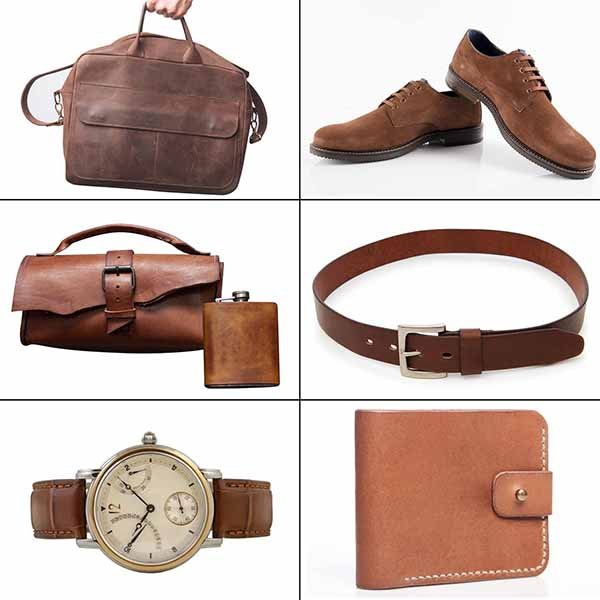
How Do You Finish, Condition, and Test the Leather Leash?
A leather leash is finished, conditioned, and tested to ensure strength, flexibility, safety, and long-term durability. Finishing protects edges and surfaces, conditioning stabilizes moisture and softness, and testing verifies tensile strength, hardware security, and real-use reliability. Proper finishing and testing prevent cracking, stretching, edge failure, and hardware pull-out during daily use with pets.
Why finishing and testing matter more for leashes than other leather goods
Unlike wallets or belts, a leather leash is a safety product.
If a wallet fails, it’s inconvenient. If a leash fails, it can cause:
- Injury to pets
- Injury to owners
- Legal complaints
- Brand reputation damage
That’s why finishing, conditioning, and testing are not cosmetic steps — they are functional requirements.
Step 1: Edge finishing — the first failure point in leather leashes
Edges are the most stressed and most ignored part of a leather leash.
What leash edges experience in real use
- Constant bending
- Friction against hands
- Moisture from sweat or rain
- Pulling force transmitted through the edge
Common edge finishing methods for leather leashes
| Edge method | Performance | Typical use |
|---|---|---|
| Painted edges | Clean look, medium durability | Fashion leashes |
| Burnished edges | High durability, natural look | Working leashes |
| Folded edges | Best durability, premium cost | High-end leashes |
Why edge failure happens
| Failure symptom | Root cause |
|---|---|
| Edge cracking | Leather too dry or too thick |
| Edge peeling | Wrong edge paint system |
| Rough edges | No sanding between coats |
Step 2: Surface finishing — protection without stiffness
Surface finishing determines how the leash:
- Handles moisture
- Resists dirt
- Ages over time
Common surface finishes used on leather leashes
| Finish type | Characteristics |
|---|---|
| Natural wax finish | Breathable, ages naturally |
| Light protective coating | Better stain resistance |
| Heavy coating | High protection, lower feel |
Surface finish mistakes brands should avoid
- Over-coating → stiff leash, poor grip
- Under-protection → staining, odor retention
Best practice: For dog leashes, light protective finishes offer the best balance of grip, flexibility, and durability.
Step 3: Conditioning — controlling softness and moisture balance
Conditioning is not decoration — it stabilizes leather behavior.
What conditioning does
- Replaces lost oils after processing
- Prevents early cracking
- Improves flexibility in cold weather
- Reduces stiffness under load
Conditioning level matters
| Conditioning level | Result |
|---|---|
| Under-conditioned | Dry, cracking risk |
| Properly conditioned | Flexible, stable |
| Over-conditioned | Stretching, slippery feel |
Factory conditioning standards (typical)
| Leash type | Conditioning level |
|---|---|
| Daily dog leash | Medium |
| Training / working leash | Medium-low |
| Fashion leash | Medium-high |
Important: Over-conditioning is a common cause of leash stretching and loss of control.
Step 4: Stitching and reinforcement finishing
Stitching areas concentrate stress, especially near hardware.
What finishing must address
- Stitch hole sealing
- Thread protection
- Stress distribution
Common reinforcement methods
| Method | Purpose |
|---|---|
| Double stitching | Prevent seam opening |
| Box stitching | Distribute pulling force |
| Fold-back reinforcement | Increase tear resistance |
If stitching areas are not sealed and conditioned, moisture enters through needle holes and weakens leather over time.
Step 5: Hardware finishing
Most leash failures occur at hardware connection points, not in the leather body.
High-risk hardware areas
- Snap hooks
- D-rings
- Rivets
- Buckles
Hardware finishing checklist
| Check item | Requirement |
|---|---|
| Plating | Rust-resistant |
| Edges | No sharp corners |
| Attachment | Rivet + stitch preferred |
| Rotation | Smooth swivel movement |
Real-world complaint: “Leash snapped at the clip.” In many cases, the leather was fine — the hardware wasn’t.
Step 6: Conditioning after assembly
After stitching and hardware installation, leather needs final conditioning.
Why?
- Stitching tightens leather fibers
- Hardware pressure creates stress zones
- Edges dry faster than body
Final conditioning equalizes moisture and prevents early cracking near hardware.
Step 7: Strength and safety testing
Testing should simulate real dog behavior, not just lab numbers.
Essential strength tests for leather leashes
| Test | What it checks |
|---|---|
| Tensile test | Maximum pulling force |
| Hardware pull test | Clip and ring security |
| Stitch tear test | Seam durability |
| Edge flex test | Crack resistance |
Reference pull-force ranges (industry practice)
| Leash size | Recommended minimum load |
|---|---|
| Small dog leash | 150–200 kg |
| Medium dog leash | 250–300 kg |
| Large dog leash | 350–450 kg |
(Exact targets depend on width, thickness, and design.)
Step 8: Real-use simulation tests
Good factories also simulate use:
- Repeated pull-and-release cycles
- Twisting under load
- Wet-dry exposure
- Hand friction testing
These tests catch failures before customers do.
Step 9: Final inspection — safety before aesthetics
Final inspection must prioritize:
- Structural safety
- Hardware security
- Edge integrity
- Consistent conditioning
Final inspection checklist
| Area | What to verify |
|---|---|
| Edges | No cracks or peeling |
| Leather body | Even flexibility |
| Hardware | No looseness |
| Stitching | No skipped stitches |
| Overall | No sharp point |
How do cost and MOQ affect Leather Goods production?
Cost and MOQ directly affect leather goods production by determining material efficiency, labor allocation, process consistency, and quality control depth. Wallets and small leather goods are labor-driven, while belts are material-driven. Lower MOQs increase unit cost and production risk, while stable MOQs allow better leather selection, tighter process control, and more consistent quality across bulk orders.
What actually makes up the cost of Leather Goods
A leather goods unit price is not just leather + stitching.
Typical cost structure
| Cost component | Wallets | Belts | SLGs |
|---|---|---|---|
| Leather material | Medium | High | Medium |
| Labor (cut / skive / stitch) | High | Medium | High |
| Edge finishing | High | Medium | High |
| Hardware | Low–Medium | Medium | Low |
| Wastage | Medium | Medium | High |
| QC & inspection | Medium | Medium | High |
Important insight: SLGs often have the highest labor percentage, even though they are the smallest products.
How leather choice changes cost more than brands expect
Leather cost is not linear
Two hides with the same name (e.g. “full-grain cowhide”) can vary in cost by 30–60% depending on:
- usable area
- defect rate
- thickness tolerance
- consistency between hides
Leather utilization rate
| Product | Average utilization |
|---|---|
| Wallets | 65–75% |
| Belts | 75–85% |
| SLGs | 55–65% |
Lower utilization = higher real leather cost per unit.
SLGs are especially sensitive because:
- small panels must avoid scars
- color consistency matters more
- rejection rate is higher
Why labor dominates cost for wallets and SLGs
Labor-intensive steps brands underestimate
- Skiving (manual skill)
- Edge sanding (multiple passes)
- Edge painting (2–4 coats)
- Precise alignment
Even if leather is inexpensive, labor does not scale down easily.
| Example | Impact |
|---|---|
| Thinner wallet | More skiving time |
| Cleaner edges | More finishing passes |
| Lower tolerance | Higher rejection |
This is why “simplifying the design” often reduces cost more than changing leather.
How MOQ really affects unit cost
MOQ influences:
- leather batch selection
- cutting efficiency
- worker consistency
- QC strictness
Typical MOQ ranges (realistic)
| Product | Entry MOQ | Stable MOQ |
|---|---|---|
| Wallets | 300–500 pcs | 800–1,500 pcs |
| Belts | 300–400 pcs | 600–1,200 pcs |
| SLGs | 500–1,000 pcs | 1,500–3,000 pcs |
Stable MOQ is where:
- unit cost drops meaningfully
- quality becomes more consistent
- production risk decreases
What happens when MOQ is too low
Low MOQ does not only raise price — it changes production behavior.
Common risks at low MOQ
| Risk | Why it happens |
|---|---|
| Mixed leather batches | Not enough volume |
| Less experienced workers | Line setup cost |
| Reduced QC sampling | Cost pressure |
| Inconsistent finishing | Frequent line change |
This is why first orders at very low MOQ often look fine in samples but vary in bulk.
Cost vs Quality: where brands make the wrong trade-off
Many brands try to:
- push MOQ down
- push price down
- keep premium quality
In leather goods, you can only pick two.
| Priority | Result |
|---|---|
| Low price + low MOQ | Inconsistent quality |
| High quality + low MOQ | Higher unit cost |
| High quality + stable MOQ | Best long-term outcome |
Factories that promise all three usually compromise silently.
How design decisions affect cost more than leather
High-impact cost drivers brands control
| Design choice | Cost impact |
|---|---|
| Number of layers | Very high |
| Edge type (painted vs folded) | High |
| Stitch density | Medium |
| Hardware count | Medium |
| Packaging complexity | Medium |
Example: Switching from folded edge to painted edge can reduce labor cost by 10–20% without changing leather.
How lead time connects to cost and MOQ
Short lead times often increase cost because:
- overtime labor is needed
- leather selection is limited
- QC steps are compressed
Realistic production timelines
| Product | Sample | Bulk |
|---|---|---|
| Wallets | 7–10 days | 30–45 days |
| Belts | 7–10 days | 25–40 days |
| SLGs | 10–14 days | 35–50 days |
Rushing leather goods production increases:
- edge failure
- stitching defects
- batch inconsistency
How do brands avoid problems in Leather Goods manufacturing?
Brands avoid problems in leather goods manufacturing by defining product function clearly, locking material and thickness specifications early, testing samples for real use, and enforcing product-specific quality controls during bulk production. Most failures come from unclear specs, rushed sampling, and weak inspection—not from poor craftsmanship. Prevention depends on preparation, not post-production fixes.
Problem 1: Vague product definition
Many brands start with:
“We want premium leather goods.”
That statement is not actionable for manufacturing.
What brands must define before sampling
| Item | Why it matters |
|---|---|
| Usage scenario | Determines leather behavior |
| Daily vs occasional use | Changes durability target |
| Thickness limit | Controls comfort |
| Aging expectation | Affects leather choice |
| Gift vs utility | Affects finishing |
Example: A wallet meant for daily pocket use needs very different leather than a gift wallet used occasionally.
Problem 2: Choosing leather by name, not behavior
Leather names do not explain:
- stretch rate
- fold memory
- edge performance
Better way to specify leather
Instead of:
- “Full-grain leather”
Specify:
- softness range
- thickness after skiving
- acceptable stretch
- tanning type
- surface finish
| Leather decision | Risk if ignored |
|---|---|
| Softness | Stretching |
| Thickness tolerance | Bulky feel |
| Tanning | Cracking or warping |
| Finish | Edge failure |
Problem 3: Skipping real-use testing at sample stage
Many samples are approved based on appearance only.
Tests brands should require on samples
| Product | Minimum test |
|---|---|
| Wallets | 50–100 fold cycles |
| Belts | Manual pull & recovery |
| SLGs | Edge flex & scratch |
Skipping these tests almost guarantees bulk-stage surprises.
Problem 4: Sample method not repeated in bulk
This is one of the most common causes of inconsistency.
What changes from sample to bulk
| Area | Risk |
|---|---|
| Leather batch | Color / softness shift |
| Operator | Skill variation |
| Skiving setup | Thickness change |
| Edge process | Rushed finishing |
How brands prevent this
- Lock sample process as reference
- Confirm same leather batch
- Approve pre-production sample
- Inspect first bulk run
Problem #5: No product-specific QC focus
Many inspections use generic checklists.
Leather goods need product-specific QC.
QC focus by product type
| Product | Critical check |
|---|---|
| Wallets | Thickness + fold feel |
| Belts | Straightness + stretch |
| SLGs | Edge quality + symmetry |
Inspecting only appearance misses functional failures.
Problem 6: Ignoring edge finishing risk
Edges are the highest complaint area for SLGs and wallets.
Common edge failures
| Failure | Root cause |
|---|---|
| Cracking | Wrong leather or drying |
| Peeling | Incompatible edge paint |
| Rough look | No sanding steps |
Prevention checklist
- Match edge system to leather
- Allow proper drying time
- Test flex before bulk
Problem 7: Weak hardware reinforcement
Hardware areas experience concentrated stress.
Common failures
- Belt buckles loosening
- Leash clips pulling out
- Rivets tearing leather
Prevention steps
- Use reinforced fold-back
- Combine rivets + stitching
- Perform pull testing
Problem 8: Unrealistic cost and MOQ expectations
Low MOQ + low price = higher risk.
What brands should understand
| Expectation | Reality |
|---|---|
| Very low MOQ | Less consistency |
| Aggressive price | Fewer QC steps |
| Fast delivery | Rushed finishing |
Better strategy:
- Start with realistic MOQ
- Simplify design
- Scale after validation
Problem 9: No final functional inspection
Final inspection often focuses on looks, not use.
Final checks brands should insist on
| Check | Purpose |
|---|---|
| Fold feel | Prevent cracking |
| Pull strength | Prevent failure |
| Edge flex | Prevent peeling |
| Hardware movement | Prevent breakage |
Ready to develop your leather goods line?
If you’re planning to develop or improve wallets, belts, or small leather goods, working with an experienced factory reduces risk and cost.
Contact SzoneierLeather to discuss:
- Material selection
- Sampling plans
- MOQ and pricing
- Custom branding and packaging
Good leather goods are not about size. They are about discipline. Build them right from the start.