
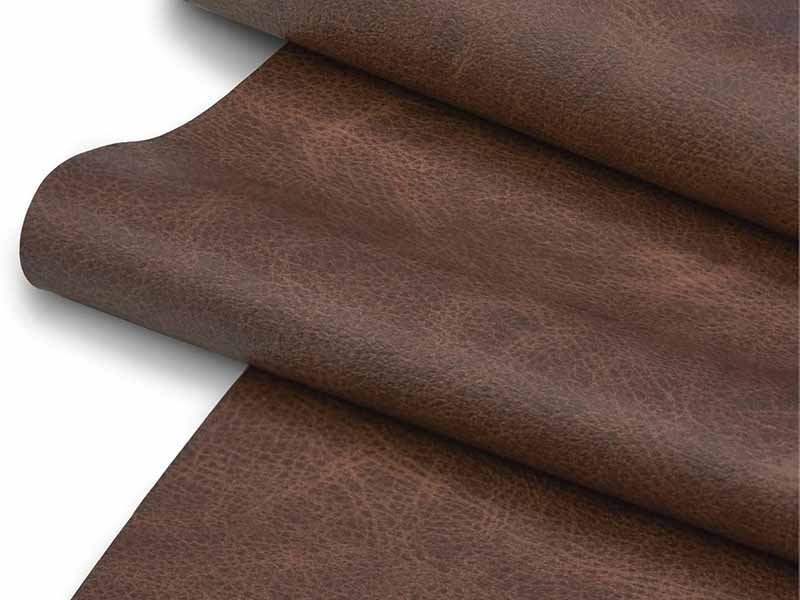
If you’ve ever launched a leather bag that looked perfect in photos but got “too heavy,” “too stiff,” or “too delicate” comments after customers used it for a few weeks, the issue usually isn’t the design—it’s the leather choice. Cowhide, goat leather, and sheepskin are all real leather, but they behave very differently once you turn them into a bag: weight changes comfort, fiber density affects scratch and stretch, and thickness determines whether a bag holds shape or collapses.
Here’s what brands often miss: the “best” leather is the one that matches how people actually use the bag. A commuter tote gets tossed under desks and rubbed against jackets. A crossbody sits against clothing all day, so color transfer and softness matter. A fashion bag might be bought for hand feel and drape, not for carrying a laptop. Pick the wrong leather and you don’t just lose durability—you lose repeat customers. Cowhide is usually the best choice for structured and heavy-use leather bags because it holds shape and handles load well. Goat leather is a lighter, flexible option with strong fibers that works well for everyday bags where comfort matters. Sheepskin is the softest and most luxurious in hand, best for fashion-focused bags, but it needs smarter reinforcement to avoid stretching and wear.
A small leather decision at the start can decide whether your bag becomes a “signature style” or a refund problem. Let’s break the differences down in a way you can actually use.
What is cowhide, goat, and sheepskin leather?
Cowhide, goat, and sheepskin are three commonly used natural leathers for leather bags, but they differ greatly in thickness, fiber density, weight, and long-term behavior. Cowhide is thick and strong, suitable for structured and heavy-use bags. Goat leather offers a lighter yet durable balance for everyday carry. Sheepskin is soft and luxurious but requires careful construction to avoid stretching and wear.
What brands actually need to understand before choosing a leather
When brands ask “What leather should I use?”, what they’re really asking is:
- Will this bag feel right when customers carry it?
- Will it hold up after months of real use?
- Will it match the price point we want to sell at?
- Will it create complaints or repeat orders?
Leather choice directly affects all four.
Below is what cowhide, goat, and sheepskin really mean in manufacturing and in customer hands, not just in theory.
What is cowhide leather in bag manufacturing?
Cowhide leather comes from cattle hide and is the most widely used leather for bags because of its strength and size availability.
Physical characteristics
- Common working thickness: 1.6–2.4 mm
- Fiber structure: thick, layered, tightly interwoven
- Average hide size: large panels, easy for big bag cutting
- Natural behavior: resists stretching and deformation
What this means for bags
Cowhide naturally supports:
- Flat bases
- Upright walls
- Strong handle attachment
- Long-term load-bearing
That’s why cowhide is the default choice for:
- Work totes
- Backpacks
- Briefcases
- Travel and duffel bags
What brands should be careful about
Cowhide is not automatically “better” if:
- The bag is small and fashion-focused
- Comfort and light weight are key selling points
- The leather is too thick and not properly split
Common customer feedback when cowhide is misused
- “The bag feels heavy”
- “It’s stiff at the opening”
- “Corners feel bulky”
Typical cowhide use zones
| Bag part | Recommended cowhide thickness |
|---|---|
| Main body panels | 1.6–2.0 mm |
| Bottom panel | 1.8–2.4 mm |
| Handles & straps | 2.0–2.6 mm |
| Gussets / folds | 1.4–1.8 mm |
Factory insight: Good manufacturers don’t use the same thickness everywhere. Poor ones do.
What is goat leather in bag manufacturing?
Goat leather is often chosen by experienced brands because it offers high strength with lower weight.
Physical characteristics
- Common working thickness: 1.2–1.8 mm
- Fiber structure: very dense and elastic
- Grain pattern: naturally pebbled, hides wear
- Weight: noticeably lighter than cowhide
Despite being thinner, goat leather has excellent tensile strength, meaning it resists tearing and cracking better than many people expect.
What this means for bags
Goat leather performs very well in:
- Crossbody bags
- Medium-size handbags
- Lightweight backpacks
- Bags worn for long periods
Because it’s lighter, customers feel less shoulder fatigue, which improves real-world satisfaction.
Where goat leather needs planning
- Large bags may sag without reinforcement
- Strap roots still need backing
- Very soft goat leather can lose definition
Typical goat leather use zones
| Bag part | Recommended goat thickness |
|---|---|
| Main body panels | 1.2–1.6 mm |
| Gussets | 1.2–1.5 mm |
| Reinforced areas | +0.4–0.8 mm backing |
| Straps | 1.8–2.3 mm (or laminated) |
Real customer benefit: Goat leather bags often receive fewer “too heavy” complaints than cowhide bags in the same size category.
What is sheepskin leather in bag manufacturing?
Sheepskin leather is selected primarily for hand feel and visual softness, not strength.
Physical characteristics
- Common working thickness: 0.8–1.4 mm
- Fiber structure: fine, loose, highly flexible
- Natural drape: very soft
- Weight: the lightest of the three
Sheepskin immediately feels premium when touched, which is why it’s popular in fashion and luxury collections.
What this means for bags
Sheepskin is best suited for:
- Fashion handbags
- Soft hobo or slouch bags
- Evening or seasonal styles
- Bags designed for light carry
Where sheepskin causes problems
- Stretches under real weight
- Corners wear faster
- Loses shape without internal support
Most common customer complaints
- “The bag lost its shape”
- “Corners wore too fast”
- “Feels delicate for daily use”
How factories make sheepskin work better
- Add internal reinforcement layers
- Use stronger leather for handles or base
- Limit bag size and load expectations
| Sheepskin support method | Purpose |
|---|---|
| Reinforced lining | Prevent stretching |
| Interlayer backing | Improve shape |
| Mixed leather structure | Increase durability |
Direct comparison: cowhide vs goat vs sheepskin
| Factor | Cowhide | Goat | Sheepskin |
|---|---|---|---|
| Thickness range | Thick | Medium | Thin |
| Weight | Heavy | Medium | Light |
| Strength | Very high | High | Medium |
| Stretch resistance | Excellent | Good | Low |
| Hand feel | Firm | Balanced | Very soft |
| Best bag use | Work / travel | Daily carry | Fashion / luxury |
Practical “wrong match” warnings
- Sheepskin + heavy daily use → stretching, corner wear, complaints
- Thick cowhide + small fashion bag → stiff feel, uncomfortable use
- Goat leather + very large tote without reinforcement → shape collapse
These are predictable problems—and easy to avoid if leather is chosen with use behavior in mind.
How do cowhide, goat, and sheepskin perform in bags?
Cowhide, goat, and sheepskin perform very differently once a bag enters daily use. Cowhide excels in structure and long-term durability, goat leather balances strength with lighter weight and comfort, while sheepskin delivers superior softness but requires careful reinforcement. Real performance depends on how the bag is carried, how often it’s used, and where stress concentrates during everyday wear.
Why “performance” matters more than leather names
Many brands choose leather based on what it is, not what it will experience.
But customers don’t use bags gently. They:
- Overload totes
- Drag bags on chairs and floors
- Rub bags against jackets and denim
- Stuff bags into cars, lockers, and overhead bins
So the real question isn’t “Is this leather premium?” It’s “What happens after 3 months, 6 months, and 1 year?”
Let’s break that down in ways brands can actually act on.
Which bags suit cowhide leather best?
Cowhide performs best when a bag needs to carry weight and hold its shape.
Real-world strengths of cowhide in bags
- Resists stretching at handle roots
- Maintains structure in large panels
- Handles abrasion on corners and bottoms
- Less deformation after long-term loading
This is why cowhide is commonly used for:
- Work totes carrying laptops (2–4 kg loads)
- Backpacks with structured frames
- Travel bags and briefcases
- Large handbags with flat bases
Typical performance over time
| Time in use | Cowhide behavior |
|---|---|
| 1–2 months | Slight softening, structure intact |
| 3–6 months | Breaks in, better hand feel |
| 12 months | Shape largely maintained |
| 24+ months | Natural creasing, still functional |
Where cowhide can underperform
- Customers sensitive to weight may complain
- Very thick cowhide can feel stiff at first
- Poor splitting leads to bulky seams and corners
Design tip: For comfort, many brands reduce cowhide thickness slightly on gussets and non-load zones while keeping full thickness on stress points.
Which bag styles fit goat leather?
Goat leather is often the best choice for everyday carry bags where comfort and durability must coexist.
Real-world strengths of goat leather
- High tensile strength despite lighter weight
- Natural grain hides scratches better
- Feels comfortable against the body
- Less fatigue for shoulder and crossbody use
Goat leather works especially well for:
- Crossbody bags worn all day
- Medium handbags
- Lightweight backpacks
- Casual daily-use styles
Typical performance over time
| Time in use | Goat leather behavior |
|---|---|
| 1–2 months | Comfortable from day one |
| 3–6 months | Minor surface marks blend in |
| 12 months | Maintains strength, flexible |
| 24+ months | Shows character, not collapse |
Where goat leather needs support
- Large bags without reinforcement may sag
- Strap attachment zones need backing
- Over-soft designs can lose definition
Design tip: Using goat leather for main panels and cowhide for straps or bases is a common hybrid solution that improves both comfort and durability.
When is sheepskin leather a good choice?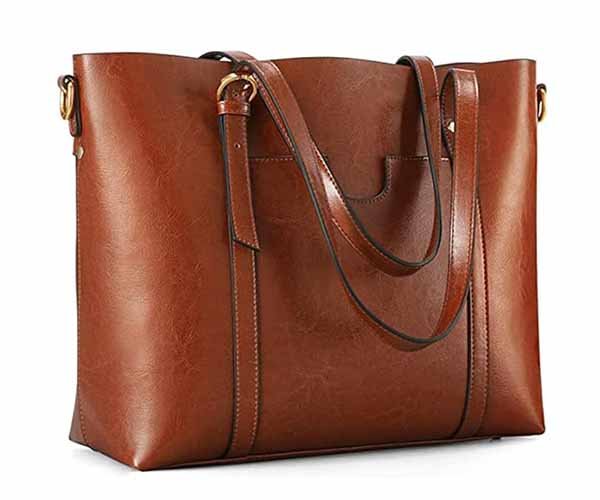
Sheepskin performs best when the customer experience is about touch, softness, and visual drape, not heavy daily use.
Real-world strengths of sheepskin
- Extremely soft hand feel
- Light weight improves comfort
- Natural drape suits fashion silhouettes
- Immediate “luxury” perception
Sheepskin is ideal for:
- Fashion handbags
- Soft hobo or pouch styles
- Seasonal or limited collections
- Bags designed for light carry
Typical performance over time
| Time in use | Sheepskin behavior |
|---|---|
| 1–2 months | Looks and feels luxurious |
| 3–6 months | Visible creasing, soft aging |
| 12 months | Stretching if overloaded |
| 24+ months | Noticeable wear if unreinforced |
Common sheepskin complaints
- “Bag lost shape”
- “Corners wear too fast”
- “Feels delicate for daily use”
Design tip: Sheepskin performs much better when combined with:
- Reinforced lining
- Hidden interlayers
- Stronger leather at stress points
How does daily use affect cowhide, goat, and sheepskin?
Daily use patterns dramatically change leather performance.
Typical stress scenarios
- Shoulder bags rub against coats and denim
- Tote bottoms hit floors and chairs
- Handles experience constant tension
- Corners absorb repeated abrasion
Comparative response to daily use
| Use stress | Cowhide | Goat | Sheepskin |
|---|---|---|---|
| Abrasion | Very good | Good | Moderate |
| Stretch resistance | Excellent | Good | Weak |
| Scratch visibility | Moderate | Low | High |
| Shape retention | Excellent | Good | Poor |
| Comfort for long wear | Moderate | High | High |
Key takeaway for brands: If your bag is marketed as “daily,” sheepskin needs extra engineering. Goat or cowhide usually perform better without complex reinforcement.
How do cowhide, goat, and sheepskin age over time?
Aging is not a flaw — customers often like it. The problem is uncontrolled aging.
Cowhide aging pattern
- Develops visible creases
- Surface becomes smoother
- Structure largely maintained
- Looks “used” but still solid
Goat leather aging pattern
- Minor scratches blend into grain
- Retains flexibility
- Maintains functional shape
- Often looks better with time
Sheepskin aging pattern
- Softens quickly
- Creases deepen
- Stretching becomes visible
- Requires careful care to age well
Aging comparison
| Aging quality | Cowhide | Goat | Sheepskin |
|---|---|---|---|
| Controlled patina | ⭐⭐⭐⭐ | ⭐⭐⭐⭐⭐ | ⭐⭐⭐ |
| Structural stability | ⭐⭐⭐⭐⭐ | ⭐⭐⭐⭐ | ⭐⭐ |
| Customer acceptance | High | Very high | Mixed |
“Which leather causes the most returns?”
Based on factory and brand feedback patterns:
| Leather | Most common return reason |
|---|---|
| Cowhide | “Too heavy” |
| Goat | “Bag too soft” (design issue) |
| Sheepskin | “Not durable enough” |
These returns are rarely caused by leather quality — they’re caused by wrong leather–bag matching.
How brands should think about performance
- If the bag carries weight → cowhide
- If the bag is worn all day → goat
- If the bag sells on touch → sheepskin
Performance improves dramatically when leather choice follows use behavior, not trend.
How should brands choose cowhide, goat, or sheepskin?
Brands should choose cowhide, goat, or sheepskin based on how the bag will be used, how it should feel, and how it will be priced. Cowhide suits structure and heavy use, goat leather fits everyday comfort and balance, and sheepskin works best for feel-driven fashion bags. The right choice aligns durability, weight, cost, and customer expectations—not trends.
How durable are cowhide, goat, and sheepskin in real use?
Durability isn’t about which leather is “stronger” on paper. It’s about how the leather behaves under repeated stress.
Real durability comparison
| Durability factor | Cowhide | Goat | Sheepskin |
|---|---|---|---|
| Load resistance | Excellent | Good | Weak |
| Stretch resistance | Excellent | Good | Low |
| Abrasion tolerance | Very good | Good | Moderate |
| Long-term structure | Excellent | Good | Poor |
| Average service life* | 3–6+ years | 2–4 years | 1–2 years |
- Assumes normal daily use, proper construction, and lining.
How brands should use this
- If customers carry laptops, books, or travel items → cowhide
- If customers carry light daily essentials → goat
- If customers carry minimal items for style → sheepskin
How do weight and comfort affect customer perception?
Weight is one of the most common hidden complaint drivers in leather bags.
Customers rarely say “the leather is wrong.” They say:
- “It feels heavy”
- “It’s tiring to carry”
- “I don’t use it as much as I thought”
Typical weight impact by leather type
| Leather type | Weight impact on bag |
|---|---|
| Cowhide | +15–30% heavier |
| Goat | Balanced |
| Sheepskin | −20–35% lighter |
Design reality
- Cowhide increases perceived durability
- Goat improves comfort and wearability
- Sheepskin improves “luxury feel” at first touch
Brand insight If your marketing highlights “lightweight” or “all-day comfort,” cowhide may work against you unless carefully engineered.
How do cowhide, goat, and sheepskin affect pricing?
Leather choice directly shapes cost structure and retail pricing.
Relative material cost
| Leather | Relative cost level |
|---|---|
| Cowhide | Medium |
| Goat | Medium–High |
| Sheepskin | High |
But material cost alone is misleading.
Sheepskin often requires:
- Extra reinforcement
- Thicker lining
- More QC time
Cowhide may require:
- More labor to handle thickness
- Heavier shipping cost
Total cost logic brands should consider
| Cost factor | Cowhide | Goat | Sheepskin |
|---|---|---|---|
| Material cost | Medium | Medium–High | High |
| Labor complexity | Medium | Medium | High |
| Reinforcement need | Low | Medium | High |
| QC attention | Medium | Medium | High |
Pricing takeaway
- Cowhide works well for value-to-premium segments
- Goat fits mid-to-premium daily bags
- Sheepskin suits premium or fashion-driven pricing
Which leather fits premium vs commercial positioning?
Leather choice silently tells customers what kind of brand you are.
Positioning guide
| Brand positioning | Best leather choice | Why |
|---|---|---|
| Commercial / volume | Cowhide | Stable, predictable, durable |
| Mid-range lifestyle | Goat | Comfort + durability balance |
| Premium daily | Goat / Cowhide mix | Performance + feel |
| Luxury fashion | Sheepskin | Softness + perception |
| Seasonal collections | Sheepskin | Visual impact |
Common mistake Using sheepskin for a “daily work bag” or cowhide for a “soft fashion bag” creates expectation gaps that lead to negative reviews.
When does mixed-leather construction make sense?
Experienced manufacturers often combine leathers to solve performance problems.
Smart mixed-leather examples
- Goat leather body + cowhide handles
- Sheepskin panels + cowhide base
- Cowhide structure + goat leather gussets
Benefits for brands
- Better comfort without sacrificing durability
- More controlled cost
- Improved long-term performance
- Fewer complaints from real users
Factory insight Mixed-leather construction is often what separates “okay bags” from bags that get repeat orders.
Final decision table: “Which leather should I choose?”
| Your main goal | Recommended leather |
|---|---|
| Maximum durability | Cowhide |
| All-day comfort | Goat |
| Lightweight feel | Goat / Sheepskin |
| Luxury hand feel | Sheepskin |
| Daily work bag | Cowhide / Goat |
| Fashion statement | Sheepskin |
| Lower return risk | Cowhide / Goat |
How SzoneierLeather helps brands choose the right leather
With over 18 years of leather product development and manufacturing experience, SzoneierLeather works with brands to select leather based on use behavior, structure, and market positioning, not guesswork.
We support:
- Cowhide, goat, and sheepskin sourcing
- Leather performance evaluation
- Mixed-leather construction solutions
- Prototyping and testing before bulk
- OEM & ODM production for bags, wallets, belts, straps, accessories, and leather boxes
If you are planning a new leather bag line—or struggling with returns, weight complaints, or durability issues—share your design idea or reference sample with us. Our team will help you evaluate which leather truly fits your product, before you commit to production.
Choosing the right leather is choosing the future of your bag. Start with the right decision. Build it with SzoneierLeather.