Leather sizing is one of the most underestimated factors in leather product development. Many buyers focus heavily on leather type—full grain, top grain, vegetable-tanned—but overlook sizing details that ultimately determine comfort, usability, durability, and customer satisfaction. In reality, most quality disputes in leather goods are not caused by leather quality itself, but by incorrect sizing decisions made early in development.
Unlike fabric apparel, leather does not follow a single universal sizing system. A “size 42” leather jacket, a 42-inch belt, and a 42 cm leather bag all mean completely different things. Add to that leather thickness measured in ounces, final thickness after splitting, lining compression, and natural stretch during wear, and sizing quickly becomes complex—even for experienced buyers.
The purpose of this leather size guide is to clarify how leather is sized, which measurements actually matter, and how buyers should choose the right size depending on product type and use case. Whether you are developing leather bags, wallets, belts, straps, accessories, or leather jackets, understanding sizing logic is critical for avoiding costly sample revisions, bulk production errors, and end-user complaints.
Leather size refers to a combination of dimensions, thickness, fit, and tolerance that varies by product type. Leather is sized using length, width, thickness (oz or mm), and functional measurements such as strap drop or jacket chest width. Because leather stretches and compresses over time, buyers must consider both initial size and long-term fit. Correct leather sizing requires product-specific measurement standards, not generic size labels.
In one real OEM project, a brand adjusted its leather wallet thickness by just 0.3 mm to improve durability—only to discover the wallet no longer fit standard card slots comfortably. That single sizing oversight delayed the launch by six weeks. Stories like this are common, and they highlight why sizing deserves as much attention as leather selection itself.
What Does “Leather Size” Mean in Different Products
“Leather size” does not have a single definition. Its meaning changes depending on the product type. In leather goods, size may refer to external dimensions, internal capacity, thickness, fit, or functional measurements such as belt length or jacket chest width. Leather is sized differently for bags, wallets, belts, straps, and apparel, so correct sizing requires product-specific measurement standards rather than generic size labels.
One of the biggest misconceptions in leather sourcing is the idea that “size” is a fixed or universal concept. In reality, leather size is context-dependent. A size that makes sense for a belt has no relevance to a wallet, and a leather jacket size tells you nothing about leather thickness or bag capacity.
Professional leather manufacturers define size based on how the product is used, not how it is labeled.
How is leather sized across different product categories?
Leather is not sized at the material level alone—it is sized at the product level.
Here’s how sizing logic changes by category:
- Leather bags Size refers to length × height × depth, plus functional measurements like handle drop and strap length. Capacity and comfort matter more than numeric size labels.
- Leather wallets and small goods Size focuses on folded dimensions, thickness when loaded, and card/cash fit. Even small dimensional changes affect daily usability.
- Leather belts and straps Size is defined by functional length (buckle pin to center hole), width, and thickness—not total length.
- Leather apparel (jackets, coats) Size relates to body measurements (chest, shoulders, sleeves), fit allowance, and lining thickness.
Because of this variation, asking “What size is this leather product?” without specifying the product type is meaningless. At Szoneier Leather, size discussions always start with use scenario, not size labels.
What measurements actually matter for leather goods?
Across leather products, size is built from several measurement layers—not all of which are obvious.
Core measurement types include:
- External dimensions Length, width, height — what customers see visually.
- Internal or usable dimensions Pocket size, gusset depth, card slot width, laptop fit.
- Thickness (material + structure) Leather thickness, lining thickness, reinforcement layers.
- Functional measurements Handle drop, strap length, belt hole spacing, sleeve length.
- Capacity indicators How many cards fit, how much weight a bag can carry, how the product behaves when loaded.
Buyers who only specify external dimensions often end up with products that look right but feel wrong. Professional sizing balances visual proportion + real-world use.
Is leather “size” the same as leather “weight” (oz) or thickness (mm)?
No. This confusion causes frequent production errors.
- Leather weight (oz) and thickness (mm) describe the material only.
- Leather size describes the finished product.
For example:
- A wallet made with 1.6 mm leather can be slim or bulky depending on layering and folding.
- Two belts made from the same 3.8 mm leather can fit very differently depending on hole placement and length.
In OEM production, thickness is treated as a material specification, while size is treated as a design and fit specification. Mixing the two leads to unclear tech packs and inconsistent bulk output.
How does leather behavior (stretch, compression) affect size definition?
Leather is not dimensionally static like metal or plastic. It changes over time.
Key behaviors include:
- Stretch along the fiber direction (common in belts and straps)
- Compression under pressure (wallets, padded bags)
- Softening with wear (jackets, bags)
- Relaxation after break-in (reduces stiffness, not size)
This is why professional factories define:
- Initial size (new product)
- Expected break-in behavior
- Acceptable tolerance ranges
For example, a belt may be designed to stretch 3–5 mm after wear. Ignoring this leads to complaints like “the belt got too loose,” even when the leather quality is excellent.
Which sizing mistakes cause returns and bulk-order failures?
The most common sizing failures in leather products are not obvious until after sale.
Frequent mistakes include:
- Using apparel sizing logic for leather goods
- Designing samples that fit perfectly but don’t scale well
- Ignoring lining thickness in wallets and bags
- Not defining ± tolerance ranges (e.g. ±2–3 mm)
- Assuming leather will “fix” sizing issues over time
In real production, a bag handle drop that is 15 mm too short can make the bag uncomfortable for most users, even if all other dimensions are correct.
That’s why experienced OEM buyers and factories define measurement method + target size + tolerance, not just a single number.
How professional factories define leather size correctly
Professional leather manufacturers treat size as a controlled system, not a guess.
At Szoneier Leather, size definition typically includes:
- Clear measurement diagrams
- Defined measurement points (where and how to measure)
- Finished-size targets (not raw cut size)
- Area-specific thickness rules
- Tolerance ranges by product type
- Reference samples for visual and tactile confirmation
This approach ensures that bulk production matches the approved sample dimensionally, not just visually.
How Do You Measure Leather Thickness
Leather thickness is measured in ounces (oz) or millimeters (mm) using precision tools such as calipers or thickness gauges. One ounce equals approximately 0.4 mm of leather thickness. Accurate measurement must be taken on finished, conditioned leather and account for splitting, skiving, lining, and compression during use. Professional manufacturers define thickness by both raw material and finished assembly to ensure consistency in production.
Leather thickness affects feel, durability, flexibility, weight, and aging behavior. Yet many buyers rely on rough estimates or supplier descriptions like “medium thickness,” which are meaningless in professional manufacturing.
Correct thickness measurement requires:
- The right units
- The right tools
- The right measurement point
- An understanding of how thickness changes during processing and use
What units are used to measure leather thickness (oz vs mm)?
Leather thickness is commonly expressed in two systems:
- Ounces (oz) – traditional system used in the US leather industry
- Millimeters (mm) – metric system used globally in manufacturing
Standard conversion:
1 oz ≈ 0.4 mm
| Ounces (oz) | Approx. Thickness (mm) | Typical Use |
|---|---|---|
| 2–3 oz | 0.8–1.2 mm | Linings, small leather goods |
| 4–5 oz | 1.6–2.0 mm | Wallets, light bags |
| 6–7 oz | 2.4–2.8 mm | Bag panels, straps |
| 7–8 oz | 2.8–3.2 mm | Belts, handles |
| 9–10 oz | 3.6–4.0 mm | Heavy-duty belts |
Why confusion happens:
“5 oz leather” might refer to:
- Raw hide before splitting
- Finished leather after splitting
- An average thickness across the hide
Professional specs must clarify which stage the measurement refers to.
What tools are used to measure leather thickness accurately?
Thickness cannot be measured reliably by hand or by eye.
Professional tools include:
- Leather thickness gauge Designed specifically for soft materials Applies consistent pressure without compressing the leather excessively
- Digital calipers Useful for spot checks Must be used carefully to avoid squeezing the leather
- Bench micrometer (factory-level) Used in QC environments Provides repeatable readings across batches
Best practice:
- Measure at multiple points
- Avoid edges and skived areas
- Condition leather at room temperature before measuring
Where should you measure leather thickness on a hide or panel?
Leather is not uniform across a hide.
Correct measurement locations:
- Center of the panel or hide
- Areas that will remain full thickness
- Before skiving or edge thinning
Avoid measuring:
- Near edges
- At fold lines
- On embossed or heavily finished areas
Professional factories record thickness at defined points so readings are repeatable across batches.
How do splitting and skiving affect thickness measurements?
Most leather used in finished goods is processed before assembly.
- Splitting reduces overall thickness evenly
- Skiving thins specific areas (edges, folds, gussets)
This means:
- A wallet panel may start at 1.8 mm
- Be skived to 0.9–1.1 mm at folds
- End up thinner once lined and compressed
This is why professional specifications often include:
- Base thickness
- Skived thickness
- Finished thickness
Without this detail, bulk products often feel thicker or stiffer than approved samples.
Should you measure raw leather or finished product thickness?
Both—but for different reasons.
| Stage | Why It Matters |
|---|---|
| Raw leather | Confirms material supply consistency |
| Post-splitting | Ensures correct processing |
| After assembly | Determines user experience |
Many OEM issues happen because buyers approve samples based on feel, but production is controlled by raw specs that don’t reflect final thickness.
Professional factories like Szoneier Leather align all three stages.
How does leather compression and break-in change thickness over time?
Leather compresses under pressure and softens with use.
Typical changes:
- Wallets may compress 10–20% in thickness after break-in
- Belts stretch lengthwise but thin slightly at stress points
- Bags soften and relax, changing perceived thickness
This is normal and expected. Good sizing design anticipates these changes instead of fighting them.
What thickness tolerances are acceptable in OEM production?
Leather is a natural material, so tolerance matters.
Common industry tolerances:
- ±0.1–0.2 mm for small leather goods
- ±0.2–0.3 mm for belts and straps
- ±0.3–0.5 mm for bags
A factory that promises “exact thickness everywhere” is being unrealistic. A factory that defines and controls tolerance is being professional.
How professional factories control leather thickness
At Szoneier Leather, thickness control typically includes:
- Incoming leather thickness inspection
- Splitting calibration checks
- Skiving depth control by area
- In-process measurement records
- Finished product verification
This system ensures that what you approve in a sample is what you receive in bulk—within defined, controlled limits.
Which Leather Belt Sizes Are Correct
Correct leather belt size is measured from the buckle pin to the center hole, not by total belt length. A properly sized belt allows adjustment both tighter and looser while accounting for leather stretch over time. Correct sizing also depends on belt width, thickness, buckle type, and intended use. For OEM production, belt size must be defined by functional fit, measurement method, and tolerance—not by generic waist size labels.
Leather belt sizing causes more confusion than almost any other leather product. Many buyers assume belt size equals pants size, or that a longer belt is safer. Both assumptions lead to poor fit and high return rates.
In professional leather manufacturing, a belt is considered “correctly sized” only when it:
- Fits comfortably on the center hole
- Maintains visual balance (tail length, buckle position)
- Accommodates natural leather stretch
- Matches buckle design and dress code
How is a leather belt size measured correctly?
The only correct measurement method is:
Distance from buckle pin to the center hole
This measurement defines the belt size.
Why the center hole matters:
- Allows 2 holes tighter and 2 holes looser
- Accounts for weight change and seasonal clothing
- Maintains proper tail length after fastening
Incorrect methods include:
- Measuring total belt length
- Measuring from belt tip to buckle
- Guessing based on waist or pant size
Professional factories like Szoneier Leather base all belt sizing on functional measurement, not visual length.
How does belt size relate to waist size and pant size?
Belt size is related to waist size—but not identical.
General guideline:
- Belt size ≈ waist size + 1–2 inches (2.5–5 cm)
However, this varies depending on:
- Belt thickness
- Buckle size
- Wearing position (high waist vs hip)
- Clothing layers
For example, a thick leather belt worn over jeans often needs to be slightly longer than a thin dress belt worn with trousers.
This is why professional sizing charts always specify how the belt is intended to be worn.
Should you size up or down in leather belts?
This is one of the most searched questions—and the answer is nuanced.
Do not automatically size up.
A belt that starts too long will always look wrong.
Leather belts typically stretch 3–5 mm over time, depending on:
- Leather fiber density
- Tanning method
- Thickness
- Reinforcement
Best practice:
- Choose the size that fits on the center hole initially
- Allow leather to break in naturally
- Avoid forcing fit adjustments through oversizing
Sizing down can be risky if the belt is very thick or worn over heavy clothing, so context matters.
Which belt widths and thicknesses are considered correct?
Correct belt size includes width and thickness, not just length.
| Belt Type | Typical Width | Typical Thickness | Use Case |
|---|---|---|---|
| Dress belt | 28–32 mm | 2.8–3.2 mm | Formal wear |
| Casual belt | 35–38 mm | 3.2–3.8 mm | Everyday wear |
| Work / heavy belt | 38–40 mm | 3.8–4.5 mm | Utility / denim |
If belt width does not match buckle opening, the belt will twist, wear unevenly, or feel uncomfortable.
Professional factories confirm buckle specs first, then finalize belt width and thickness.
How do buckle type and leather thickness affect belt size?
Buckle design changes effective belt length and comfort.
- Large or thick buckles shorten usable length slightly
- Thin dress buckles require precise sizing to avoid excess tail
- Reversible buckles often need longer belts
Leather thickness also affects fit:
- Thicker belts sit tighter through loops
- Thicker leather stretches less initially but relaxes over time
OEM buyers should always test belts with the actual buckle intended for production.
Do leather belts stretch over time, and how much?
Yes—but controlled stretch is normal and expected.
Typical stretch ranges:
- Full-grain leather belts: 3–5 mm
- Laminated or reinforced belts: 1–3 mm
Factories manage stretch by:
- Cutting straps along the backbone
- Laminating layers
- Adding hidden reinforcement where needed
Ignoring stretch leads to customer complaints like “the belt became too loose,” even when leather quality is excellent.
What sizing tolerances are acceptable in OEM belt production?
Leather is a natural material, so zero deviation is unrealistic.
Common OEM tolerances:
- Length: ±5 mm
- Width: ±1–2 mm
- Hole spacing: ±1 mm
- Thickness: ±0.2–0.3 mm
Clear tolerance definitions prevent disputes and ensure consistency from sample to bulk.
How professional factories ensure correct belt sizing
At Szoneier Leather, correct belt sizing is ensured through:
- Defined measurement diagrams
- Standardized hole spacing and center-hole reference
- Thickness and width checks before assembly
- Buckle-fit testing during sampling
- In-process QC during cutting and finishing
This system ensures that belts not only match the approved sample—but also fit correctly after real-world use.
What Are Standard Wallet Sizes
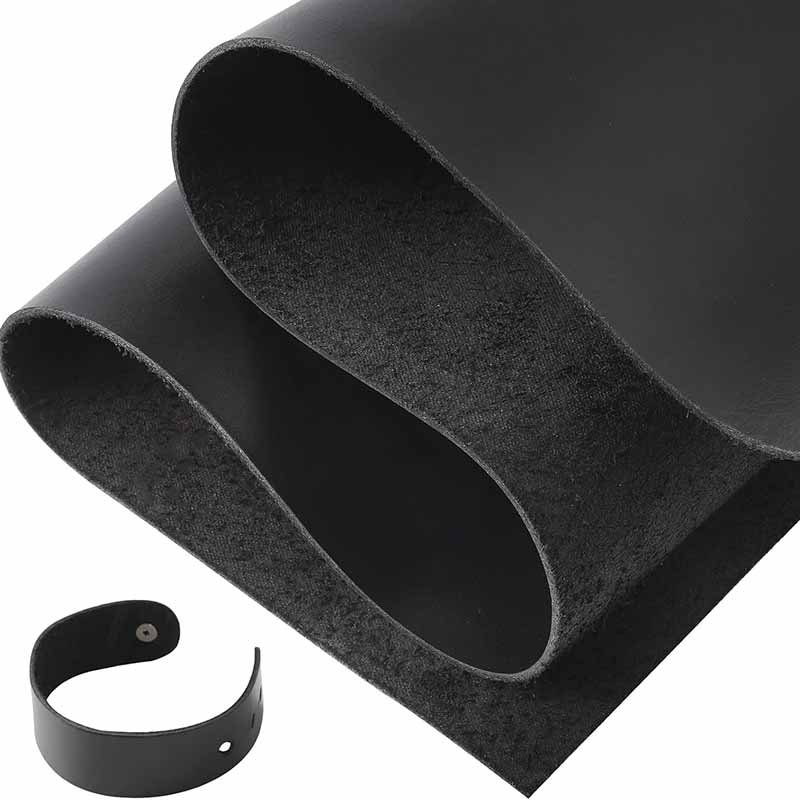
Standard wallet sizes vary by wallet type rather than by a single universal standard. Bifold wallets, trifold wallets, card holders, long wallets, and zip wallets each follow different dimension ranges based on card size, currency size, thickness control, and pocket comfort. Correct wallet sizing balances external dimensions, loaded thickness, and leather compression over time. Professional manufacturers define wallet size by finished, folded dimensions—not by unfolded panel size.
Many buyers search for “standard wallet size” expecting one fixed measurement. In reality, wallet sizing is use-case driven. A wallet that works perfectly in a jacket pocket may feel uncomfortable in jeans. A wallet designed for cash-heavy markets differs from one designed for card-only use.
Professional leather factories do not rely on a single standard. Instead, they work within accepted dimension ranges that are proven to fit cards, currency, and real pockets across different regions.
What are the standard sizes for common wallet types?
Below are the most widely accepted industry ranges used in OEM and private-label production:
| Wallet Type | Typical Closed Size (cm) | Typical Closed Size (in) | Common Use |
|---|---|---|---|
| Bifold wallet | 11–12 × 9–9.5 | 4.3–4.7 × 3.5–3.7 | Everyday carry |
| Trifold wallet | 10–11 × 8–9 | 3.9–4.3 × 3.1–3.5 | Compact, high capacity |
| Card holder | 10–11 × 7–8 | 3.9–4.3 × 2.8–3.1 | Minimalist |
| Long wallet | 18–20 × 9–10 | 7.1–7.9 × 3.5–3.9 | Cash / premium |
| Zip wallet | 11–13 × 9–10 | 4.3–5.1 × 3.5–3.9 | Secure carry |
These sizes are based on:
- ISO credit card dimensions (85.6 × 54 mm)
- Common banknote sizes (folded)
- Pocket ergonomics
Factories like Szoneier Leather adjust within these ranges depending on target market (US, EU, Asia) and brand positioning.
Why folded size matters more than unfolded size
A common OEM mistake is approving a wallet based on unfolded pattern size. Customers never experience a wallet unfolded—they experience it folded and loaded.
Correct wallet sizing focuses on:
- Folded length and height
- Thickness when fully loaded
- Ease of opening and closing
- Pocket comfort
For example, two wallets with identical unfolded panels can feel completely different once folded, lined, stitched, and filled with cards.
Professional factories always confirm finished, folded dimensions during sampling—not just cutting patterns.
What is the “standard” wallet thickness, and why it matters?
Thickness is often the deciding factor between “comfortable” and “too bulky.”
Typical loaded thickness ranges:
- Card holder: 6–8 mm
- Slim bifold: 8–10 mm
- Standard bifold: 9–12 mm
- Trifold or zip wallet: 12–16 mm
Leather compresses over time, but first impressions matter. A wallet that starts too thick may never feel premium, even if the leather quality is excellent.
Factories manage thickness by:
- Splitting leather thinner for interior panels
- Skiving fold lines
- Choosing lighter linings instead of heavy reinforcements
How do card slots, cash compartments, and coin pockets affect size?
Every added feature increases size—especially thickness.
- Card slots: Each slot adds ~0.6–0.8 mm when loaded
- Cash compartments: Require height allowance for folded bills
- Coin pockets: Add bulk and stiffness
- ID windows: Reduce flexibility at fold points
- RFID layers: Add ~0.2–0.4 mm thickness
OEM buyers must decide which features matter most. Many luxury brands intentionally limit features to maintain a slim profile.
Should you size up or down when designing wallets?
You should not size up expecting leather to “settle.”
Leather softens and compresses, but it does not magically solve poor sizing. Oversized wallets:
- Feel bulky
- Distort pocket shape
- Age poorly
Correct wallet sizing starts with:
- Realistic card capacity assumptions
- Controlled thickness from day one
- Acceptance that minimalism often improves user experience
Luxury wallets prioritize comfort and restraint over maximum storage.
How regional markets influence “standard” wallet sizes
Wallet sizing also varies by market:
- US & EU: Slim bifolds and card holders are dominant
- Japan & East Asia: Long wallets remain popular
- E-commerce brands: Favor minimalist designs with fewer compartments
Professional factories adjust wallet size, slot count, and thickness based on target consumer behavior, not personal preference.
How professional factories define standard wallet sizes in OEM production
At Szoneier Leather, standard wallet sizing is controlled through:
- Finished-size measurement diagrams
- Loaded thickness targets
- Area-specific leather thickness rules
- Tolerance ranges (±1–2 mm typical)
- Pre-production approval samples
This ensures that bulk wallets match the approved sample not just visually—but in real daily use.
How Do Bag and Strap Sizes Work in Leather Manufacturing
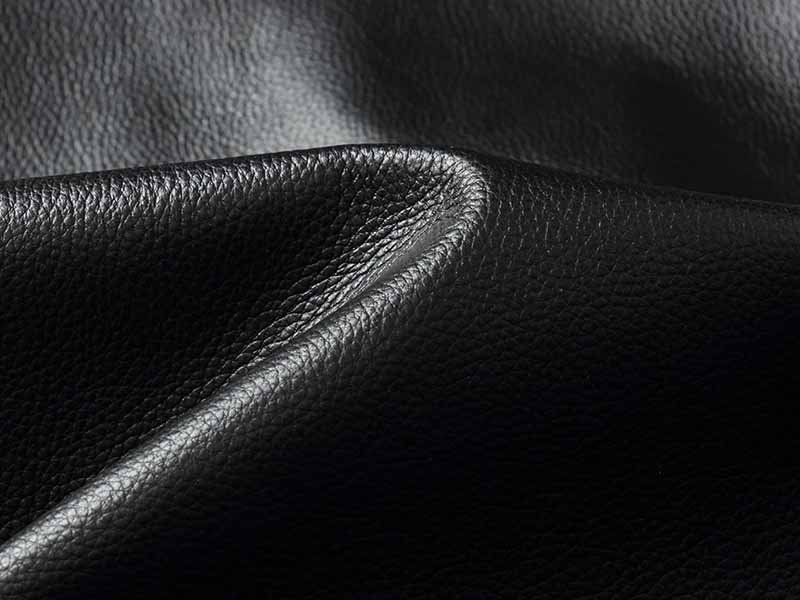
In leather manufacturing, bag size is defined by finished external dimensions (length × height × depth), internal usable capacity, and functional measurements such as handle drop and strap length. Strap sizing depends on carry style (handheld, shoulder, crossbody), adjustment range, attachment point position, and leather thickness. Professional factories control bag and strap sizing using pattern measurements, reinforcement rules, and tolerances to ensure comfort, symmetry, and consistency from sample to mass production.
Many buyers think bag size is just a set of external dimensions. In manufacturing, that’s only the starting point. A bag that is technically “the right size” can still fail in the market if:
- it feels heavy or unbalanced when carried
- the handle drop is uncomfortable
- the strap is too short for crossbody wear
- the gusset depth reduces usability
- or the internal pockets don’t match real items (phone, laptop, passport)
Luxury leather bags are judged by comfort and usability, which come from functional sizing decisions—not only external measurements.
What measurements define leather bag size in production?
Professional factories define bag size using multiple measurement layers:
- External finished dimensions
- Length (L): measured across the front top opening or widest point
- Height (H): from base to top edge (not including handle unless specified)
- Depth (D): gusset depth at base or side panel
- Internal usable dimensions
- inner opening width (what can actually go in)
- pocket sizes and device fit
- internal height after lining and reinforcement are added
- Functional measurements
- handle drop
- strap length range
- zipper opening length
- base width and base reinforcement area
A tote may measure 38 × 30 × 12 cm externally, but if the zipper opening is only 30 cm, the “usable size” feels smaller than the spec suggests.
How do bag size categories (S/M/L) work for handbags, totes, and backpacks?
There is no global standard for S/M/L, but factories commonly use practical ranges.
| Bag Type | Small | Medium | Large |
|---|---|---|---|
| Handbag (L) | 20–24 cm | 25–30 cm | 31–36 cm |
| Tote (L) | 28–32 cm | 33–38 cm | 39–45 cm |
| Backpack (H) | 36–40 cm | 41–46 cm | 47–52 cm |
Instead of approving “Medium,” confirm:
- fits A4 paper or not
- fits 13”/15” laptop or not
- fits water bottle upright or not
These “fit statements” convert size into real user value and reduce disputes.
What is handle drop, and which handle drops feel comfortable?
Handle drop is the distance from the top of the handle to the top edge of the bag opening (when laid flat). It determines whether the bag can be comfortably carried by hand or worn on the shoulder.
Typical comfort ranges:
- Hand carry: 8–12 cm handle drop
- Shoulder carry: 20–28 cm handle drop
- Mixed use (tote): 18–24 cm common
A 2–3 cm difference is noticeable in real use. If the handle drop is too short, the bag constantly slips off the shoulder or feels tight under the arm—even if the bag “looks right.”
Which strap lengths work for shoulder bags vs crossbody bags?
Strap sizing is one of the most searched problems because it directly affects comfort for different body sizes.
Typical strap length ranges:
- Shoulder bag strap: 55–70 cm (non-adjustable)
- Crossbody strap (adjustable): 95–125 cm
- Long crossbody range for wider fit: up to 135 cm
Use adjustable straps that cover a wide range rather than one fixed length. This reduces returns and makes the product fit more customers.
How do strap attachment points change fit even if strap length stays the same?
This is a “hidden sizing factor” many buyers miss.
Two bags can have the same strap length, but feel completely different depending on:
- where the strap attaches
- the angle of attachment
- the distance between left and right attachment points
If attachment points are placed wider apart, the strap sits more securely. If placed too close, the bag may rotate, twist, or pull forward.
Luxury factories often prototype attachment points early, because strap comfort is hard to correct late in production.
How do leather thickness and strap width affect comfort and durability?
Strap width and thickness are part of “size,” because they determine pressure on the shoulder and load strength.
Typical ranges:
- Light shoulder bags: 12–18 mm width
- Medium bags: 18–25 mm width
- Heavy totes/travel bags: 25–38 mm width
Thickness depends on structure:
- 2.0–2.8 mm for standard straps
- 3.0–3.8 mm for heavy-duty straps
- padded straps often use thinner leather + foam + lining
A strap that is too narrow feels painful; too wide can look bulky. The right size depends on bag weight and brand style.
How do gusset depth and base width affect capacity and shape retention?
Two bags with the same length and height can feel very different in capacity depending on depth.
- Gusset depth determines how much the bag expands
- Base width affects stability and whether the bag stands upright
Luxury buyers often want a bag that stands and keeps shape. That requires:
- correct base proportions
- reinforcement placement
- balanced depth-to-height ratio
Deep bags with weak base reinforcement sag quickly and look “cheap” even if leather quality is good.
What tolerances are acceptable for bag and strap sizing in bulk production?
Leather is natural and handmade steps introduce variation. Professional factories manage this with tolerances.
Common tolerances:
- Bag body dimensions: ±3–5 mm
- Strap length: ±5–10 mm
- Handle drop: ±3–5 mm
- Pocket placement: ±2–3 mm
Buyers should define tolerances in the tech pack. Without tolerances, “pass/fail” becomes subjective and disputes increase.
How do professional factories control bag and strap sizing from sample to mass production?
At Szoneier Leather, bag and strap size control typically includes:
- pattern-confirmed measurement points
- pre-production “golden sample” standards
- cutting control to reduce panel deviation
- strap reinforcement rules (stress-point stitching, backing layers)
- in-process QC checks for symmetry and drop length
- final measurement confirmation before packing
This ensures that bulk products match the approved sample not only visually, but in comfort and usability.
How Do You Choose the Right Size for Apparel & OEM Orders
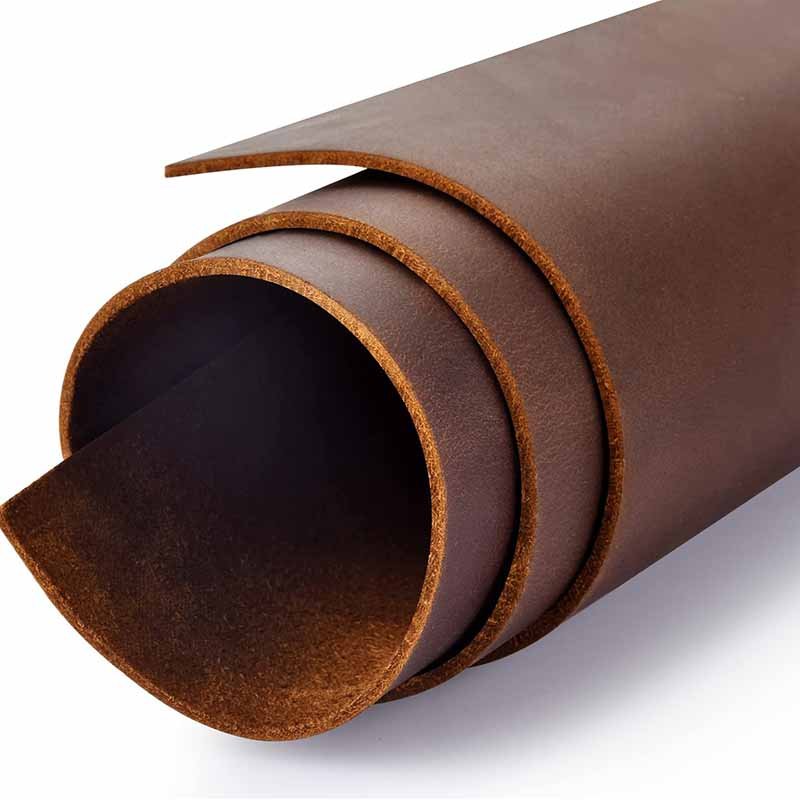
To choose the right size for leather apparel and OEM orders, buyers must confirm the sizing system (US/EU/UK), use body-based measurements (chest, shoulder, sleeve, length), and define fit allowance based on style and lining thickness. Numeric sizes like “42” vary by region and brand, so accurate sizing requires a measurement chart, a graded size set, clear tolerances, and a “golden sample” standard to keep bulk production consistent.
Leather apparel sizing creates confusion because it mixes three things that don’t behave the same:
- Label size systems (US/EU/UK/IT)
- Fit style (slim, regular, relaxed, oversized)
- Material behavior (leather stiffness + lining bulk + limited stretch)
A jacket can be “size 42” and still fit completely differently depending on brand and pattern. That’s why professional OEM sizing is never built on a label alone. It’s built on measurements + fit intent + production control.
How do you define leather jacket size correctly (what to measure)?
Leather jacket sizing should be defined using a consistent measurement method. The most important measurements are:
- Chest (circumference or half-chest across front)
- Shoulder width (point-to-point)
- Sleeve length (from shoulder seam to cuff)
- Back length (from collar seam to hem)
- Bicep width (important for comfort)
- Hem width (affects layering)
leather has limited stretch. If the chest or bicep is tight, the wearer feels restricted immediately. Brands that ignore bicep and sleeve comfort often get “fits small” reviews, even when chest size is correct.
Is size 42 large or XL?
This question is searched constantly because size labels are inconsistent.
In practice:
- US size 42 often refers to 42-inch chest (commonly closer to L)
- EU size 42 is usually much smaller (often closer to M, sometimes even S/M depending on category)
- Italian sizing varies by brand and cut
“42” is not a universal meaning.
It can describe:
- a chest measurement (US tailoring logic)
- or an EU label size (women’s clothing often uses 40/42/44 scale)
For OEM orders, you should never base production on the number “42” alone—always require the measurement chart behind it.
What size is a 42 in a leather jacket?
For leather jackets, the safest approach is to interpret “42” through measurement context:
- If “42” means 42-inch chest, it usually maps to US L (depending on fit)
- If you’re working with EU men’s jackets, “42” may be a much smaller label size
- UK often aligns closer to US for chest-based tailoring, but brand variation is real
Because these systems vary, OEM best practice is:
- Confirm target market (US/EU/UK)
- Request the brand’s existing best-selling jacket measurements
- Build your sample from measurements, not labels
Should you size up or down in leather jackets?
Leather jackets don’t “stretch into comfort” like knitwear. They may soften slightly, but they won’t fix a tight pattern.
Sizing direction depends on:
- Fit goal: slim vs regular vs oversized
- Lining type: unlined, satin lining, quilted padding
- Layering intent: t-shirt only vs sweater/hoodie under
Practical rules:
- Slim fit + padded lining → size up or increase ease
- Regular fit + light lining → true-to-measure is usually safe
- Oversized style → sizing is intentional; adjust pattern, not just label
A common OEM mistake is adding thick quilted lining without increasing chest/bicep ease. The jacket becomes restrictive even if the label size stays the same.
How do you choose the right size range for OEM production (S–XXL or numeric sizing)?
For OEM programs, decide early whether your brand will use:
- Alpha sizing: S / M / L / XL / XXL
- Numeric sizing: 38 / 40 / 42 / 44 (tailoring-based)
- EU numeric: 46 / 48 / 50 / 52 (common in menswear)
Alpha sizing is simpler for DTC brands, but numeric sizing offers more precision for premium apparel.
Use numeric measurements internally (for accuracy), then map to label sizes for marketing.
What is grading, and how do you scale sizes correctly from one sample?
Grading means increasing/decreasing pattern dimensions between sizes. Leather apparel grading must be controlled because small errors amplify quickly.
- Chest increment per size
- Shoulder increment per size
- Sleeve length increment per size
- Back length increment per size
- Bicep increment per size
If grading is wrong, you’ll see:
- M fits good, but L feels tight in arms
- XL becomes too long but still narrow
- Shoulder slopes misalign
Professional OEM factories build a graded size set after the first approved sample, not before.
Which tolerances are acceptable in leather apparel OEM production?
Leather apparel involves cutting + sewing + lining + pressing, so slight variance is normal. Define tolerances upfront.
Common production tolerances:
- Chest / hem width: ±1 cm
- Shoulder width: ±0.5–1 cm
- Sleeve length: ±0.8–1 cm
- Back length: ±1 cm
For luxury projects, tighter tolerances may be requested, but they require stricter QC and cost.
Tolerances should be written into the tech pack so bulk inspection is objective.
What should be included in an OEM tech pack for sizing?
A sizing tech pack should include:
- Measurement diagram (where and how to measure)
- Size chart (all sizes + units in cm/in)
- Fit intent (slim/regular/oversized)
- Lining type and thickness assumptions
- Tolerance rules
- Reference sample notes (“golden sample” standard)
This turns sizing into a controlled system instead of a debate.
How do you lock sizing consistency from sample to mass production?
This is where professional factories make the difference.
A reliable bulk consistency process includes:
- Golden sample approval (final fit + measurements)
- Pre-production sample built with bulk materials and lining
- Cutting control (pattern markers, panel checks)
- In-process QC (measurements checked during sewing, not only at end)
- Final measurement audit (random size set checks)
This prevents the classic OEM problem: “sample fit is perfect, bulk feels different.”
How Szoneier Leather Supports Apparel & OEM Sizing
For leather apparel and leather goods OEM orders, Szoneier Leather typically supports buyers with:
- Measurement-based sizing development (not label guessing)
- Fit adjustments based on lining, style intent, and market expectations
- Controlled grading rules for size runs
- Defined tolerances and QC checkpoints
- Sample-to-bulk consistency control using golden samples and pre-production approvals
Conclusion
Leather sizing is not a matter of guesswork, but a rigorous system. Brands that adhere to sizing principles reduce returns, improve product comfort, and earn customer trust.
Szoneier Leather boasts over 18 years of experience in leather product development and manufacturing.
If you are developing leather products and want to ensure sizing accuracy from the first sample to mass production, please contact Szoneier Leather to discuss your project specifications and obtain a quote.
Precise sizing is not merely a technical detail, but a key differentiator between ordinary and professional leather goods.