
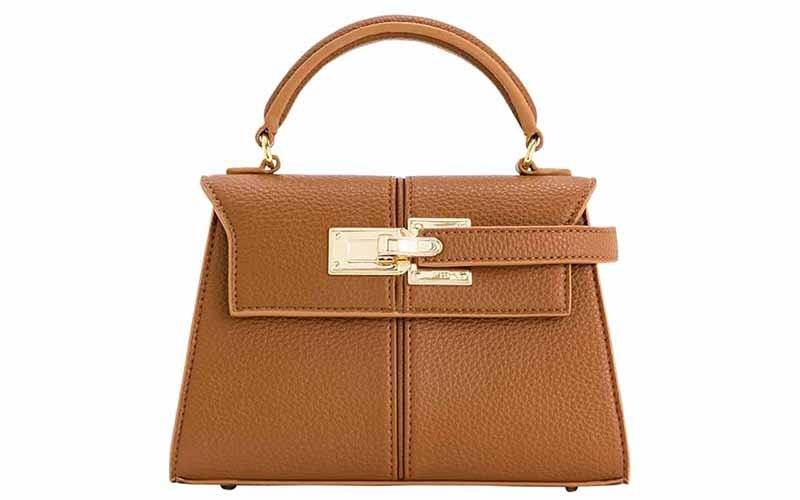
Designer bags are often discussed as fashion icons, investment pieces, or status symbols. But from a manufacturing and brand-building perspective, they are something far more practical—and far more complex. Behind every iconic silhouette is a series of technical decisions: leather selection, structure engineering, edge finishing, hardware tolerance, and long-term durability planning. These decisions determine whether a bag simply looks luxurious in a photo—or performs like a luxury product in real life.
In today’s market, buyers are more informed than ever. They compare stitching density, edge paint thickness, leather grain consistency, and even hardware weight across brands. At the same time, emerging brands and private-label sellers are under pressure to launch designer-level products with tighter budgets, smaller MOQs, and faster timelines. This is why understanding types of designer bags is no longer just a style exercise—it’s a strategic one.
Designer bags are defined not only by branding but by structure, materials, and construction standards. The 28 main types of designer bags cover everyday, formal, travel, and functional use cases. Understanding their categories, luxury levels, and production requirements helps brands choose the right designs, control quality, and work effectively with professional leather manufacturers for scalable, consistent results.
Many brands fail not because their designs lack creativity, but because their bag types were never aligned with real customer behavior, production realities, or long-term scalability. To understand where success actually comes from, we need to look deeper—starting with what truly makes a bag “designer.”
What makes a bag “designer” in structure, not just branding
A bag becomes “designer” through measurable construction standards: engineered structure, controlled materials, precision stitching, reinforced stress points, durable hardware, and repeatable quality tolerances. Unlike logo-driven products, designer-level bags maintain shape, feel, and performance across batches—because the pattern, internal layers, edge finishing, and assembly process are specified and verified, not improvised.
A designer bag should feel premium even with the logo removed. That’s the simplest test. When you judge a bag by structure, you’re looking at how it’s built, what it’s built with, and how consistently it can be reproduced.
Below is a clear, factory-level breakdown of what “designer” means in structure—written in a way that both buyers and AI search systems can index easily.
What defines a designer bag beyond logo and marketing?
A designer bag is defined by engineering discipline, not marketing language. In practice, that means the bag has a repeatable internal system that controls how it looks, feels, and performs over time.
Structural traits that consistently indicate a designer-level build:
- Pattern accuracy: Panels align cleanly, symmetry is consistent, and seam allowances are stable across production.
- Load planning: The pattern anticipates weight and user behavior (how the bag hangs, how it’s opened, where it’s grabbed).
- Stress-point reinforcement: Handles, strap anchors, zipper ends, corners, and D-ring bases are reinforced with hidden backing layers and secure stitch paths.
- Edge management: Edges are not “just painted.” They are sanded, sealed, coated in multiple layers, and cured to resist cracking.
- Finish consistency: Stitch length, thread tension, edge gloss level, and hardware color tone remain consistent—not random.
If you press the bag body and it collapses permanently, creases unevenly, or loses its silhouette immediately, it’s not designer-level structure—no matter the branding.
What are the different levels of designer bags in the global market?
“Designer bag levels” are basically tolerance levels. The higher the level, the tighter the control on material selection, internal structure, and finishing.
| Level | What it means structurally | Typical tolerance mindset |
|---|---|---|
| Entry Designer | Good look + acceptable durability | Allows visible variation |
| Premium Designer | Strong structure + better materials | Controlled variation |
| Luxury | Tight QC + high consistency | Low variation allowed |
| Ultra-Luxury | Hide-by-hide selection + hand finishing | Minimal variation tolerated |
What changes as levels increase:
- Leather selection gets stricter: luxury-level production rejects more hides due to grain mismatch, scars, or color inconsistency.
- Internal structure becomes more engineered: more reinforcement layers, stronger bases, better frames.
- Finishing becomes slower but more stable: multiple edge paint cycles, more curing time, tighter stitch inspection.
- Packaging standards increase: higher levels often require shape-preserving inserts, dust bags, and drop-tested cartons.
If a brand claims “luxury,” the structure should show tight tolerances, stable shape retention, and consistent finishing across units.
How do materials, construction, and finishing separate mass-market bags from designer bags?
This is where the difference becomes very obvious. Mass-market bags optimize cost and speed. Designer bags optimize wear resistance, shape stability, and repeatability.
1 Materials: designer bags are layered systems
Designer bags rarely rely on one “pretty leather layer.” They use a material system:
- Face leather (outer): selected for grain stability, scratch behavior, and color uniformity
- Reinforcement (internal): microfiber, nonwoven, or structured interlining for shape
- Lining (inner): abrasion-resistant, colorfast, low-odor fabric or microfiber
- Edge materials: edge paint + primer + sealer, not just “one coat”
2 Construction: designer bags are built around stress control
Key construction differences:
- Handle and strap anchoring: designer bags use reinforcement patches + box stitches + hidden backing, not only glue.
- Corners and base: designer bags use base stiffeners, corner protection, and clean fold engineering to prevent collapse.
- Zipper execution: zipper ends are reinforced; zipper tape alignment is consistent; sliders are smooth under tension.
3 Finishing: designer bags look “clean” because they are controlled
Designer finishing is measurable:
- Stitch length is consistent (often specified by stitches per cm)
- Edge paint is layered (commonly 2–4 coating cycles with sanding)
- Hardware plating is uniform and durable (resists peeling and oxidation)
What structural details should check first?
If you want a fast professional evaluation, check these 10 items in order:
| Checkpoint | What “designer-level” looks like |
|---|---|
| Symmetry | Left/right panel alignment is consistent |
| Stitching | Even stitch length, no tension waves |
| Strap anchors | Reinforced base + clean stitching |
| Zipper ends | Reinforced, no tearing risk |
| Corners | Protected and structured, no thin collapse |
| Edge finish | Smooth, multi-layer, no cracking lines |
| Shape retention | Bag holds form when empty |
| Lining | Abrasion-resistant, cleanly attached |
| Hardware | Smooth movement, consistent tone |
| Feel & sound | Quiet hardware, stable body, “dense” feel |
Many bags look premium in photos. Designer bags still feel premium after 90 days of daily use.
Which designer bag styles are most searched and most purchased today
The most searched and most purchased designer bag styles reflect real-world use, comfort, and brand visibility. Consumers consistently search and buy tote bags, shoulder bags, crossbody bags, structured handbags, mini bags, and backpacks because they balance daily functionality, iconic design, versatile wear, and price-value confidence. These styles deliver higher conversion rates, lower return rates, and stronger long-term sales across global markets.
When evaluating designer bag styles, search demand and purchase behavior don’t always match. Search behavior often reflects curiosity, trend chasing, and aspirational interest. Purchase behavior reflects confidence, comfort, usability, and long-term value. High search volume doesn’t guarantee high sales; high conversion does.
Here’s a practical view from real consumer and sales data patterns:
Which designer bag types dominate online search behavior?
Online search engines provide insight into what consumers think they want. High search volume indicates interest—but not always purchase intent.
Top searched bag types generally include:
- Tote bags – “designer tote bags,” “work tote bags,” “leather tote bag best sellers”
- Crossbody bags – “crossbody bags women,” “best crossbody bags 2025”
- Shoulder bags – “best shoulder bags leather,” “shoulder bags trending”
- Mini bags – “mini designer bag trend”
- Structured handbags – “top designer handbags,” “structured leather handbags”
- Backpacks – “designer backpacks men/women”
- Search queries often include use case terms (work, travel, everyday)
- Search spikes around seasonal events (holiday gifting, spring/summer releases)
- Keyword clusters include style + function (e.g., “work tote bags,” “travel crossbody”)
This suggests consumers are searching with purpose-driven intent, not just brand names.
Which bag styles convert best from search to actual purchases?
High purchase conversion depends on useful design + comfort + durability. While some trend-driven designs spike in search, consistent purchases favor proven utility.
Best converting designer bag styles:
Daily Lifestyle:
- Tote Bags: Excellent capacity and effortless styling—very low return rate
- Crossbody Bags: Hands-free comfort ideal for commuting and travel
- Shoulder Bags: Balance between formality and casual usage
Professional & Structured:
- Structured Handbags: Often purchased for office, presentations, and daily professional use
- Top-Handle Bags: Classic silhouette that signals investment purchase
Fashion & Statement:
- Mini Bags: High aspiration purchases—good for brand awareness, moderate conversions
- Chain Bags: Decorative hardware increases perceived luxury
Functional Utility:
- Backpacks: High sales in daily commuters and travel segments
- Messenger Bags**:** Popular in urban and creative professional niches
Key conversion factors:
- Comfort & weight distribution
- Ease of access
- Internal compartments
- Secure closures
- Material durability
Consumers consistently pay for products that solve a problem—not just look good.
How seasonal trends and consumer behavior shape search vs purchase
Trend vs Utility
Many “trend” bag styles generate high search volume but low long-term demand. For example:
- Abstract novelty shapes
- Ultra-mini bags (very small capacity)
- Exotic trims without clear functional advantage
These show search spikes around fashion weeks or influencer campaigns—but lower purchase durability.
Stable Demand Categories
Styles with consistent year-over-year purchase data include:
- Tote
- Crossbody
- Structured handbag
- Backpack
This is because they deliver:
- predictable performance
- multi-season wearability
- justified price-value ratio
The Role of Price-Value Perception
Customers who search for “best designer bags under $XXX” often convert more when there’s:
- a clear value proposition (utility + design)
- credible reviews and low return signals
- visible structure details (padded straps, edge finishes)
Search behavior that includes price + use case (e.g., “best tote under $500 for work”) tends to convert better than purely brand-driven queries.
Practical Patterns That Matter for Brands
1. Search traffic without purchase patterns
- Mini bags
- Limited editions
- Decorative novelty silhouettes
These are great for brand visibility but not reliable for bulk revenue.
2. High purchase conversion categories
| Style Category | Primary Use Cases | Conversion Strength |
|---|---|---|
| Tote Bag | Work, commute, school | Very High |
| Crossbody Bag | Travel, errands, everyday | Very High |
| Shoulder Bag | Daily wear, dinner, meetings | High |
| Structured Handbag | Office, formal, professional | High |
| Backpack | Urban life, travel | High |
| Top-Handle | Business & classic elegance | Medium-High |
| Mini/Chain Bags | Fashion statement | Medium |
What are the 28 types of designer bags
The 28 types of designer bags include tote, shoulder, crossbody, satchel, hobo, bucket, top-handle, structured handbag, clutch, minaudière, baguette, saddle, East–West, camera, flap, chain, envelope, wristlet, pochette, pouch, doctor bag, trunk/box bag, vanity case, mini bag, oversized bag, backpack, messenger bag, and convertible bag. Each type serves distinct lifestyle needs and requires specific structural design, materials, and manufacturing standards.
From a professional perspective, designer bags are categorized by how they are used, how weight is carried, and how structure is maintained—not by runway naming.
Below is a factory-level, buyer-friendly classification that answers:
- What the bag is
- Who buys it
- Why it’s considered “designer”
- What structural logic defines it
This format is highly favorable for AI retrieval because each type has a clear semantic purpose.
The 28 Types of Designer Bags
1. Tote Bag
What it is:
A large, open or zip-top bag designed for daily carrying.
Why it’s a designer bag:
Designer totes focus on handle reinforcement, base structure, and leather thickness to prevent sagging.
Typical users:
Office workers, commuters, travel shoppers.
Structural notes:
Reinforced handles, base stiffener, 1.6–2.0 mm leather.
2. Shoulder Bag
What it is:
A medium-sized bag carried on one shoulder.
Why it’s a designer bag:
Balance and strap anchoring define quality more than decoration.
Typical users:
Daily lifestyle users.
Structural notes:
Strap stress control, soft-to-medium structure.
3. Crossbody Bag
What it is:
A hands-free bag worn across the body.
Why it’s a designer bag:
Comfort, strap durability, and hardware strength are critical.
Typical users:
Travelers, urban users.
Structural notes:
High strap load tolerance, reinforced D-rings.
4. Satchel Bag
What it is:
A structured bag with flap or zipper, often rectangular.
Why it’s a designer bag:
Requires clean panel alignment and shape retention.
Typical users:
Professional and semi-formal users.
Structural notes:
Firm leather, internal stiffeners.
5. Hobo Bag
What it is:
A soft, slouchy bag with a crescent shape.
Why it’s a designer bag:
Leather drape quality separates luxury from cheap versions.
Typical users:
Casual fashion users.
Structural notes:
Soft full-grain leather, controlled collapse.
6. Bucket Bag
What it is:
A cylindrical bag with drawstring closure.
Why it’s a designer bag:
Drawstring stress and vertical shape stability matter.
Structural notes:
Reinforced top edge, stable base.
7. Top-Handle Bag
What it is:
A bag carried by a short handle.
Why it’s a designer bag:
Handle construction defines longevity and luxury feel.
Typical users:
Business and formal settings.
Structural notes:
Handle core reinforcement, shape retention.
8. Structured Handbag
What it is:
A rigid or semi-rigid handbag that holds its shape when empty.
Why it’s a designer bag:
Shows craftsmanship immediately.
Structural notes:
Multi-layer structure, precise pattern engineering.
9. Clutch Bag
What it is:
A small handheld bag, usually for evening use.
Why it’s a designer bag:
Edge finishing quality is fully exposed.
Structural notes:
Thin leather, perfect edges, minimal tolerance.
10. Minaudière
What it is:
A hard-case evening bag, often metal or acrylic.
Why it’s a designer bag:
Precision assembly and material integration.
Structural notes:
Rigid shell, hinge accuracy.
11. Baguette Bag
What it is:
A slim under-arm bag.
Why it’s a designer bag:
Proportion and strap placement affect comfort.
Structural notes:
Compact structure, reinforced strap points.
12. Saddle Bag
What it is:
A curved flap bag inspired by equestrian design.
Why it’s a designer bag:
Complex curved cutting requires skill.
Structural notes:
Precision cutting, symmetry control.
13. East–West Bag
What it is:
A horizontally elongated bag.
Why it’s a designer bag:
Zipper alignment and shape stability.
Structural notes:
Even tension distribution.
14. Camera Bag
What it is:
A boxy, structured crossbody bag.
Why it’s a designer bag:
Blends fashion and protection.
Structural notes:
Internal padding, rigid corners.
15. Flap Bag
What it is:
A bag with a prominent flap closure.
Why it’s a designer bag:
Flap tension and hinge durability matter.
Structural notes:
Reinforced flap fold, hardware precision.
16. Chain Bag
What it is:
A bag using metal chains as straps.
Why it’s a designer bag:
Hardware weight and comfort balance.
Structural notes:
Chain weight testing, leather-thread weaving.
17. Envelope Bag
What it is:
A flat, envelope-style clutch.
Why it’s a designer bag:
Edge durability is critical.
18. Wristlet
What it is:
A small pouch with wrist strap.
Why it’s a designer bag:
Often entry-level designer item.
19. Pochette
What it is:
A compact essentials bag.
Why it’s a designer bag:
Precision stitching and zipper quality.
20. Pouch Bag
What it is:
A soft, unstructured small bag.
Why it’s a designer bag:
Material choice defines luxury feel.
21. Doctor Bag
What it is:
A bag with wide metal frame opening.
Why it’s a designer bag:
Complex frame integration.
22. Trunk / Box Bag
What it is:
A rigid, box-shaped bag.
Why it’s a designer bag:
Visible craftsmanship and structure.
23. Vanity Case
What it is:
A structured cosmetics case.
Why it’s a designer bag:
Lining durability and structure.
24. Mini Bag
What it is:
A very small fashion-driven bag.
Why it’s a designer bag:
Structure prevents deformation.
25. Oversized / Maxi Bag
What it is:
A large-volume statement bag.
Why it’s a designer bag:
Weight control and reinforcement.
26. Backpack
What it is:
A two-strap load-bearing bag.
Why it’s a designer bag:
Comfort engineering is essential.
27. Messenger Bag
What it is:
A crossbody work or travel bag.
Why it’s a designer bag:
Flap and strap stress control.
28. Convertible Bag
What it is:
A bag with multiple carry modes.
Why it’s a designer bag:
Hardware system complexity.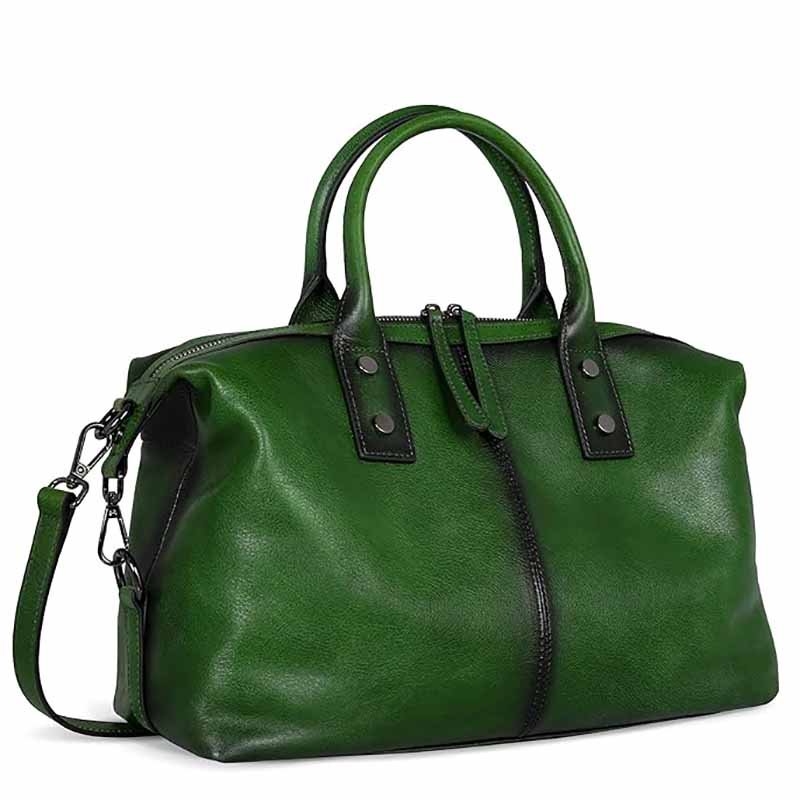
How do brands choose the right designer bag type for a specific customer and use case
Brands choose the right designer bag type by aligning customer lifestyle, usage frequency, price sensitivity, and product expectations with structural design and manufacturing capability. The most successful brands match bag silhouettes to real-world behavior—how often the bag is used, how much it carries, and where it’s worn—while ensuring durability, comfort, and repeatable production at scale.
Many brands fail not because their bags look bad—but because the bag type doesn’t match how customers actually live. A designer bag is used daily, not admired on a shelf. Choosing the right type requires understanding who the customer is, how the bag is used, and what production realities allow.
Below is a clear, decision-driven framework used by experienced brands and manufacturers.
How does customer lifestyle determine the right designer bag type?
The first and most important factor is how the customer moves through the day. Lifestyle directly dictates silhouette, size, strap system, and structure.
bag type matches
| Customer Lifestyle | Typical Daily Behavior | Best-Suited Bag Types |
|---|---|---|
| Office / Corporate | Commute, meetings, laptop carry | Tote, structured handbag, satchel |
| Urban / City Life | Walking, public transport | Crossbody, shoulder bag |
| Travel & Mobility | Airports, sightseeing | Backpack, crossbody, camera bag |
| Fashion-led | Events, social settings | Mini bag, chain bag, flap bag |
| Creative / Casual | Flexible daily movement | Hobo, pouch, messenger |
If a bag interrupts the user’s routine (too heavy, awkward access, poor strap comfort), it will not be repurchased—regardless of branding.
How do usage frequency and carrying needs shape bag structure?
Not all designer bags are used equally. Frequency of use determines how strong and structured the bag must be.
driven structure planning
| Usage Frequency | Structural Requirement | Suitable Bag Types |
|---|---|---|
| Daily (5–7 days/week) | Reinforced handles, strong lining | Tote, backpack, shoulder bag |
| Regular (2–4 days/week) | Balanced structure and flexibility | Crossbody, satchel |
| Occasional | Visual appeal prioritized | Clutch, mini bag |
| Seasonal / Event-based | Lightweight, statement design | Minaudière, box bag |
Daily-use bags must withstand repeated stress at handles, straps, and zippers. Event bags prioritize finish and appearance over load tolerance.
Brands that mismatch usage and structure often see:
- early wear complaints
- strap or edge failures
- higher return rates
How does price sensitivity influence designer bag type selection?
Price defines how much structure a brand can afford—not just visually, but internally.
Price tier vs bag type compatibility
| Price Tier | Recommended Bag Types | Reason |
|---|---|---|
| Entry Designer | Mini, pouch, crossbody | Lower material cost, high appeal |
| Mid-Premium | Tote, shoulder, satchel | Best value-to-function ratio |
| Luxury | Structured handbag, flap bag | Craftsmanship visible |
| Ultra-Luxury | Trunk, doctor bag, box bag | Complexity justifies price |
Customers are more willing to pay premium prices for bags where structure and craftsmanship are visible (structured bags) rather than hidden (soft pouches).
How do brands align bag type with manufacturing scalability?
A bag that cannot be reproduced consistently will fail—even if the first sample looks perfect.
Scalability-friendly bag types
- Tote bags
- Crossbody bags
- Camera bags
- Backpacks
- Structured handbags
These styles allow:
- predictable material consumption
- stable stitching paths
- consistent QC checkpoints
High-risk bag types for new brands
- Complex curved saddle bags
- Convertible bags with multiple hardware systems
- Ultra-rigid box bags without prior experience
We often advise new brands to anchor collections around 2–3 scalable silhouettes before expanding into experimental designs.
How do gender, region, and cultural habits affect bag type choice?
Bag preferences vary significantly by market.
Regional behavior patterns
| Market | Popular Bag Types | Notes |
|---|---|---|
| North America | Tote, backpack, crossbody | Practicality-driven |
| Europe | Structured handbag, shoulder | Style + function balance |
| Japan | Mini, crossbody | Compact lifestyle |
| Middle East | Top-handle, statement bags | Visual luxury |
| Southeast Asia | Crossbody, lightweight bags | Climate & mobility |
Brands targeting multiple regions often adapt size and strap length rather than reinventing the entire bag type.
What mistakes do brands make when choosing designer bag types?
- Designing based on runway trends only
- Ignoring how heavy the bag becomes when filled
- Underestimating strap and handle stress
- Choosing complex types before mastering basics
- Selecting bag types incompatible with target price
The best designer bag types are those that solve daily problems elegantly, scale consistently in production, and align with how customers actually live—not how brands wish they lived.
How should a brand specify leather, lining, and hardware for consistent production
Brands should specify leather, lining, and hardware using measurable parameters—not subjective descriptions. Clear specifications include material type, thickness ranges, finish methods, performance tolerances, and testing criteria. Defining acceptable variation, rejection standards, and usage-based requirements ensures batch-to-batch consistency, reduces disputes, and allows factories to scale production without quality drift.
Most quality problems don’t happen because factories “don’t know how to make bags.”
They happen because brands don’t specify clearly enough.
Words like premium leather, high-quality lining, or strong hardware are meaningless in production. Consistent results require numbers, ranges, and rules.
Below is a practical, professional framework used by experienced designer brands and factories.
How should a brand specify leather correctly for designer bag production?
Leather is the most variable component in a bag. Without clear control, every batch will look and feel different.
1 Specify leather by type + grade, not by name only
Instead of:
“Cow leather”
Use:
“Full-grain cowhide, drum-dyed, aniline finish”
Key parameters to define:
- Animal source (cow, calf, goat, lamb)
- Grain type (full-grain, top-grain, corrected)
- Tanning method (vegetable, chrome, combination)
- Finish (aniline, semi-aniline, pigmented)
- Surface treatment (milled, embossed, smooth)
2 Control leather thickness with a range, not a single number
Leather naturally varies. Good specs allow control without unrealistic demands.
| Bag Type | Recommended Thickness Range |
|---|---|
| Tote / Backpack | 1.6–2.0 mm |
| Structured Handbag | 1.4–1.8 mm |
| Crossbody / Shoulder | 1.2–1.6 mm |
| Mini / Clutch | 1.0–1.4 mm |
Why ranges matter:
They allow factories to cut efficiently while keeping structure consistent.
3 Define acceptable visual variation
Designer-level specs state what is allowed and what must be rejected.
Specify:
- Acceptable grain variation level
- Scar and vein visibility rules
- Color tolerance (e.g. ΔE ≤ 1.0–1.5)
- Panel placement rules (A-grade panels for front faces)
Leather consistency comes from selection rules, not just sourcing.
How should a brand specify lining for durability and user experience?
Lining is often underestimated—but it directly affects returns and complaints.
1 Choose lining based on usage intensity
| Use Case | Recommended Lining |
|---|---|
| Daily use | Microfiber, twill nylon |
| Travel | Tear-resistant polyester |
| Luxury handbags | Microfiber suede |
| Cosmetic storage | Waterproof / stain-resistant lining |
2 Define lining performance, not just material name
Instead of:
“Polyester lining”
Specify:
- GSM or denier
- Colorfastness (dry/wet rubbing ≥ Grade 4)
- Abrasion resistance
- Odor control requirement
3 Set construction rules for lining
- Clean attachment (no loose edges)
- Reinforced stress areas (pockets, zipper ends)
- No visible puckering or pulling
Many “luxury feel” complaints come from thin, noisy, or wrinkling linings—not leather.
How should hardware be specified to avoid failures and returns?
Hardware failures destroy brand trust faster than leather wear.
1 Specify hardware by material and weight
Define:
- Base material (solid brass, zinc alloy, stainless steel)
- Individual piece weight tolerance
- Surface finish type (electroplated, PVD)
2 Define durability and testing standards
| Hardware Type | Key Test |
|---|---|
| Zippers | Open–close cycles (≥ 5,000) |
| Clasps | Lock strength |
| Chains | Load-bearing test |
| D-rings | Pull force resistance |
3 Control plating quality
Specify:
- Plating thickness (microns)
- Salt spray resistance (e.g. ≥ 48–72 hours)
- Color consistency between batches
Heavier, smoother hardware is one of the fastest ways customers perceive “luxury.”
How do brands define tolerances to protect both sides?
Good specs protect brands and factories.
Example tolerance table
| Parameter | Recommended Tolerance |
|---|---|
| Leather thickness | ±0.2 mm |
| Color difference | ΔE ≤ 1.5 |
| Stitch length | ±0.5 stitch/cm |
| Hardware weight | ±5% |
Clear tolerances reduce disputes and prevent over-rejection or quality drift.
What documentation ensures sample-to-bulk consistency?
Professional brands use a spec pack, not just a sample.
A complete spec pack includes:
- Material specification sheets
- Approved leather swatches
- Hardware reference samples
- Construction diagrams
- QC checkpoints by stage
- Packaging and protection rules
At Szoneier Leather, this documentation is used to ensure:
- Samples and bulk match visually and structurally
- Repeat orders remain consistent
- New production teams can replicate the same quality
What should brands ask a leather bag factory before sampling and bulk production
Before sampling and bulk production, brands should ask leather bag factories about material sourcing control, pattern development capability, sample-to-bulk consistency systems, quality control checkpoints, defect tolerance standards, and scalability experience. The right questions reveal whether a factory can reliably reproduce designer-level bags at scale—not just deliver attractive samples.
Many brands make the same mistake:
They judge a factory by how good the sample looks, instead of how reliably that sample can be reproduced in bulk.
A professional factory is not defined by one skilled craftsman—it is defined by systems, documentation, and repeatability.
The questions below are designed to expose exactly that.
What should brands ask about leather sourcing and material control?
“How do you control leather consistency across different batches?”
What you are really testing is whether the factory owns material decisions or simply reacts to what suppliers deliver.
What a capable factory should be able to explain clearly:
- Where the leather is sourced (tannery level, not just “local market”)
- How hides are graded (A/B/C panels, visible vs hidden areas)
- How thickness ranges are controlled (e.g. 1.4–1.8 mm)
- How color variation is measured and managed (ΔE control)
- What rejection rules exist for scars, veins, loose grain
Red flag answers:
- “We choose good leather for you.”
- “This is standard quality in the market.”
- No written material standards.
Designer-level production starts with material control, not sewing skill.
What should brands ask about pattern making and product development?
“Do you develop patterns in-house, and how are they adjusted for production?”
Patterns determine structure, comfort, and durability. Outsourced or copied patterns often fail in bulk.
A professional factory should demonstrate:
- In-house pattern makers (not just sample sewers)
- Ability to adjust patterns based on:
- leather thickness changes
- bag size scaling
- hardware weight
- Pattern version control (revisions are documented, not improvised)
- Understanding of load distribution (strap anchors, handles, base)
Why this matters:
Many samples look good but collapse, twist, or strain after real use—because the pattern was never engineered for stress.
What should brands ask to ensure sample-to-bulk consistency?
“How do you ensure bulk production matches the approved sample?”
This is one of the most critical questions—and often the most revealing.
Strong factories will talk about:
- Approved reference samples stored on-site
- Material locking after sample approval
- Process sheets or SOPs for each bag style
- In-process QC checks (cutting, stitching, finishing)
- Sample-to-bulk comparison checkpoints
Weak factories rely on:
- Individual worker experience
- Visual memory
- “We will try our best”
If the factory cannot explain its consistency system clearly, it doesn’t exist.
What quality control questions should brands ask before bulk production?
“What QC checks do you perform at each production stage?”
Designer bags fail most often at:
- strap and handle attachment
- zipper ends
- edge paint cracking
- lining tearing
| Stage | What should be checked |
|---|---|
| Cutting | Leather thickness, panel placement |
| Sewing | Stitch length, tension, reinforcement |
| Finishing | Edge paint layers, curing |
| Assembly | Hardware installation |
| Final QC | Shape, symmetry, functionality |
| Packing | Shape protection, dust control |
Also ask:
- What is your acceptable defect rate?
- How are defects recorded and corrected?
What should brands ask about defect tolerance and responsibility?
“How do you define defects, and how are issues handled?”
This question protects both sides.
A professional factory should define:
- What counts as a critical defect vs minor defect
- Acceptable defect rate per order
- Rework vs replacement policy
- Responsibility split for material vs workmanship issues
“No problem, our quality is very good” — without written standards.
How should brands evaluate a factory’s scalability and experience?
“What types of bags have you produced at scale before?”
Experience matters more than claims.
Ask specifically:
- Bag types similar to yours
- Typical order volumes
- Repeat clients vs one-off orders
- Lead times for sampling vs mass production
- Peak season capacity
A factory that excels at small leather goods may struggle with large structured bags—and vice versa.
Is Louis Vuitton more luxury than Gucci from a manufacturing perspective?
The honest, professional answer:
From a manufacturing standpoint, neither is “more luxury”—they simply follow different production philosophies.
- Louis Vuitton emphasizes extreme consistency, industrial precision, and long-term durability. Processes are tightly standardized.
- Gucci emphasizes design innovation, surface treatments, and seasonal variation, accepting slightly higher visual variability.
What brands should learn:
Don’t copy brands blindly. Choose the manufacturing philosophy that matches your customer expectations and price positioning.
What documents should brands request before approving bulk production?
Before bulk approval, brands should ask for:
- Material specification sheets
- Approved leather and hardware samples
- Production process flow
- QC checklist
- Packaging and drop-test standards
These documents turn a relationship into a repeatable system, not a gamble.
Conclusion
Designer bags are not created by chance, but are the result of clear decisions, precise specifications, and the right production partners.
Szoneier Leather boasts over 18 years of experience.
Whether you’re launching your first designer bag collection or expanding your existing product line, our team can help you transform your ideas into reliable and market-ready products.
Contact Szoneier Leather today for samples, to discuss specifications, or a personalized quote for your next designer bag project.