Starting a luxury bag collection is rarely just about fashion. For most buyers, it’s a mix of emotion, craftsmanship, long-term value, and personal identity. The first luxury bag often becomes a reference point—setting expectations for quality, usability, and even resale potential. Choose well, and it can anchor your collection for years. Choose poorly, and it risks becoming an expensive lesson.
In recent years, the conversation around luxury bags has shifted. Buyers are no longer focused only on logos or trend cycles. Instead, they’re asking deeper questions: Is this bag timeless? Will the leather age well? Does it retain value? Can I actually use it day to day? This mindset has pushed classic designs, understated silhouettes, and superior leather craftsmanship back to the center of luxury buying decisions.
From a professional perspective—whether you are a brand buyer, retailer, or informed consumer—understanding why certain luxury bags outperform others is critical. Some bags become icons because of scarcity. Others because of flawless construction. And some because they quietly balance wearability with investment logic.
The best luxury bags to start your collection are timeless designs made with high-quality leather, strong craftsmanship, and consistent market demand. These bags offer daily usability, long-term durability, and stable resale value. Classic styles from heritage brands tend to outperform trend-driven pieces, making them safer first investments for new collectors.
The real challenge isn’t finding beautiful bags—it’s understanding which ones deserve to be your starting point. That’s where we begin.
What makes a luxury bag “worth starting with”
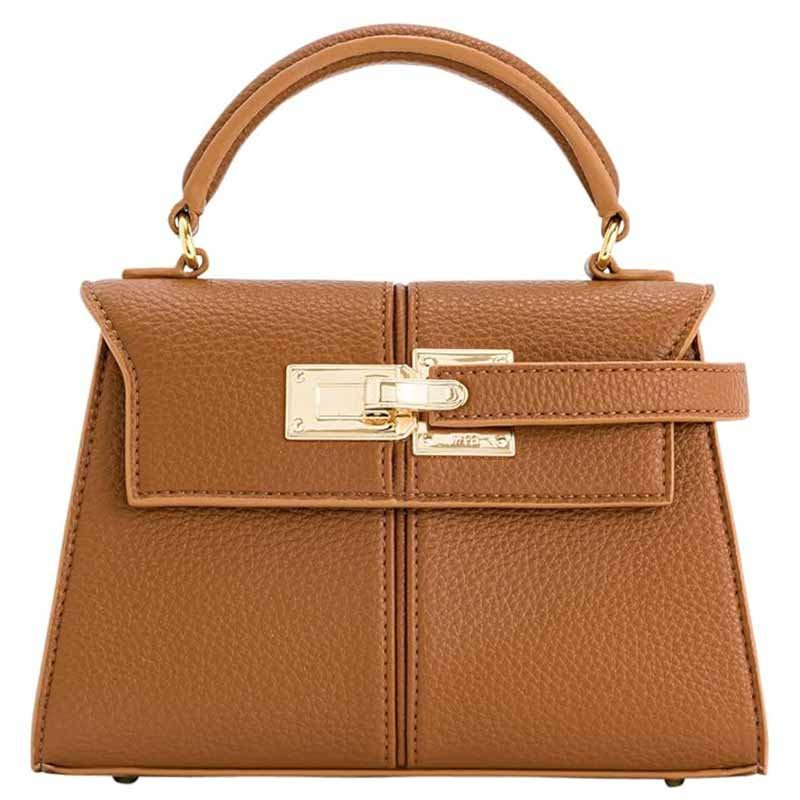
A luxury bag worth starting with combines timeless design, durable leather, high-quality craftsmanship, and consistent market demand. It should be easy to wear daily, age well over time, and maintain stable resale value. The best starter luxury bags avoid short-lived trends and focus instead on proportion, material quality, and long-term usability.
What are the best luxury bags to invest in for first-time collectors?
For first-time collectors, the best luxury bags are not the most expensive or the most talked-about, but the ones with the lowest long-term regret risk.
Professionals look for bags that can be worn frequently without feeling outdated or fragile. These bags usually sit at the intersection of three factors: daily usability, design longevity, and market recognition.
From resale data and buyer behavior, first-time collectors tend to be happiest with bags that:
- Fit daily essentials comfortably
- Work across casual and formal settings
- Do not rely on bold seasonal elements
In other words, a good starter bag behaves more like a wardrobe foundation than a statement piece. It should quietly integrate into everyday life rather than demand special occasions.
Which qualities define an investment-grade luxury bag?
An investment-grade luxury bag is defined by structural and material discipline, not by hype.
Key qualities include:
- Leather stability: hides that resist cracking, stretching, and discoloration
- Consistent stitching: even stitch length and tension across all panels
- Strong stress-point reinforcement: especially at handles and strap bases
- Hardware longevity: weighty, corrosion-resistant metal
From a manufacturing perspective, these qualities require controlled material sourcing, skilled labor, and strict quality inspection—factors that separate true luxury from premium-looking products.
Importantly, investment-grade does not mean “never used.” It means the bag can be used without accelerating visible decline, which is crucial for both satisfaction and resale.
Are timeless luxury bags a safer choice than seasonal designs?
Yes—especially when starting a collection.
Seasonal bags often perform well in the short term but struggle to maintain relevance once trends shift. Timeless bags rely on proportion, balance, and neutral design language rather than trend cues.
Timeless luxury bags show lower resale volatility and steadier demand curves compared to trend-driven designs. While they may not spike in value quickly, they also avoid sharp drops.
For beginners, this stability matters more than upside potential. A first luxury bag should feel like a long-term companion, not a short-term experiment.
How does daily usability influence long-term value?
Daily usability is one of the most underestimated value drivers.
Bags that are too heavy, too small, or difficult to open often end up underused—regardless of brand prestige. Underuse leads to poor cost-per-wear and emotional disconnect.
Professionals evaluate usability through:
- Weight distribution when carried
- Ease of opening and closing
- Comfort on the shoulder or arm
- Compatibility with everyday outfits
Bags that score well here are worn more often, which paradoxically increases perceived value, even as they age.
Why does craftsmanship matter more than logos for a starter bag?
Logos attract attention—but craftsmanship earns loyalty.
For a first luxury bag, visible logos can date quickly, while construction quality remains relevant for decades. Stitching precision, edge finishing, leather thickness, and interior structure determine how a bag feels after years of use.
From a factory perspective, craftsmanship is cumulative: dozens of small decisions add up to long-term performance. This is why many experienced collectors eventually gravitate toward quieter designs—they’ve learned that quality speaks louder over time.
Which 18 luxury bags are the best to start your collection
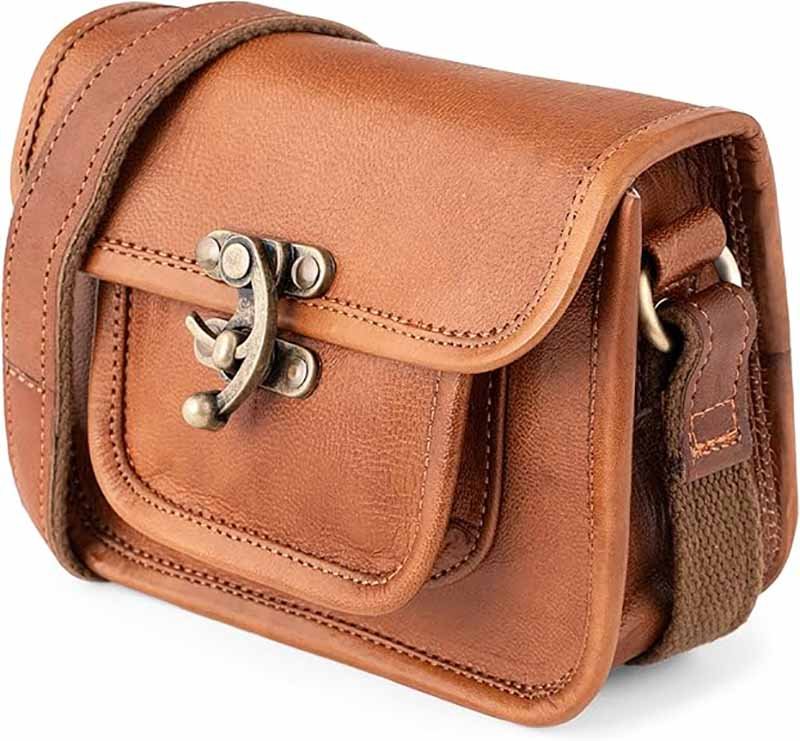
The best luxury bags to start a collection are designs with consistent demand, wearable proportions, durable materials, and strong resale performance. A smart starter set usually includes at least one timeless icon, one versatile daily shoulder bag, one tote, one crossbody, and one occasion option. The 18 bags below are widely searched, frequently purchased on resale platforms, and repeatedly referenced as long-term collection foundations.
Across resale and collector behavior, “best starter bags” tend to score well on three measurable signals:
- Demand stability (consistently searched / bought year-round)
- Value retention (brands like Hermès lead resale retention; “classic models” tend to be steadier)
- Wearability (medium sizes, neutral colors, durable leathers show lower regret)
Starter Collection Map
| Bag | Best Role in a Starter Collection | Why it Works | “Value Signal” |
|---|---|---|---|
| Hermès Birkin | Ultimate trophy + long-term hold | Scarcity + consistent investment demand | Very High |
| Hermès Kelly | Iconic top-handle + investment | Mini Kelly performance drives market attention | Very High |
| Chanel Classic Flap | Timeless shoulder icon | Historic price appreciation + constant demand | Very High |
| Chanel 2.55 | Quiet heritage classic | Less flashy, still collectible | High |
| LV Speedy | First “daily luxury” | High search/buy activity in resale | High |
| LV Neverfull | Starter tote | Always-in-demand tote category | High |
| Dior Lady Dior | Structured elegance | Formal-to-daily versatility | High |
| Dior Saddle | Fashion icon w/ cycles | Strong cultural recognition | Medium–High |
| Celine Triomphe | Quiet luxury shoulder | Modern classic demand | Medium–High |
| Loewe Puzzle | Modern engineering classic | Rebag/Vestiaire-type popularity mentions | Medium–High |
| Bottega Andiamo | New-era “grown-up” bag | Quiet luxury trend alignment | Medium–High |
| Gucci Jackie 1961 | Heritage shoulder | Repeatedly ranked iconic | Medium–High |
| Prada Re-Edition (Nylon) | Trend-proof casual | Practical + widely searched | Medium–High |
| Prada Galleria | Structured work bag | Professional starter piece | Medium–High |
| Saint Laurent Le 5 à 7 | Easy daily shoulder | Strong “first luxury” behavior | Medium–High |
| Fendi Baguette | Occasion + nostalgia | Icon status, styling flexibility | Medium–High |
| Balenciaga Le City | Revival daily bag | Trend waves (watch color/condition) | Medium |
| The Row Margaux | Quiet luxury statement | High buzz + strong brand momentum in resale talk | Medium–High |
1 Hermès Birkin
What it is: The most recognized “status asset” handbag in luxury culture.
Why it’s a strong starter (if budget allows): Birkins are frequently discussed as investment pieces and have shown long-term appreciation behavior in the market narrative (auction and decade trends are often cited).
Best beginner spec: Neutral colors + durable leathers; choose a size that fits your lifestyle rather than chasing hype.
Watch-outs: Not a “casual first bag” for many people—weight, formality, and sourcing difficulty matter. If it will sit unused, cost-per-wear collapses even if resale is strong.
2 Hermès Kelly
What it is: A structured top-handle icon with strong collector demand.
Why it’s a strong starter: Resale data discussions repeatedly spotlight Kelly variants (especially minis) as top performers in value retention conversations.
Best beginner spec: Structured leather that resists scratches; pick a size you’ll actually carry.
Watch-outs: Top-handle structure can feel formal; minis are cute but can be impractical. If your daily life needs hands-free, consider adding a shoulder/crossbody as your “true first.”
3 Chanel Classic Flap (11.12)
What it is: The benchmark luxury shoulder bag.
Why it’s a strong starter: It’s constantly referenced as a timeless icon; studies on luxury appreciation highlight major price growth over 2020–2025 for this model.
Best beginner spec: Durable textured leather options and classic neutrals.
Watch-outs: Condition matters—corner wear, chain marks, and hardware scratches can hit resale. Buy for daily joy, not just “investment myth.”
4 Chanel 2.55 Reissue
What it is: A quieter heritage alternative to the Classic Flap.
Why it’s starter-worthy: It signals taste without shouting, and it’s heavily rooted in brand history (great for “timeless” search intent).
Best beginner spec: Neutral tone + durable leather feel; choose a size that fits phone, keys, wallet comfortably.
Watch-outs: Some versions are more delicate; the chain can feel less “soft” on the shoulder than other bags.
5 Louis Vuitton Speedy
What it is: A classic everyday holdall—widely loved for daily use.
Why it’s a strong starter: It consistently appears in “most shopped” and high-interest resale activity reports.
Best beginner spec: Choose a size aligned to your real routine (commute vs weekend).
Watch-outs: Watch handle wear and interior condition. If you want “first luxury that you actually use,” Speedy is often a safer pick than fragile fashion pieces.
6 Louis Vuitton Neverfull
What it is: A high-demand tote that anchors many starter collections.
Why it’s a strong starter: It’s consistently cited as a “most popular” tote and appears frequently in resale market attention; price movement in 2025 also drew attention from resale-focused reporting.
Best beginner spec: Neutral colorway; consider organization inserts if you hate “tote chaos.”
Watch-outs: Corner wear and strap glazing. Totes get abused—buy with your lifestyle in mind.
7 Dior Lady Dior
What it is: Structured elegance with strong brand DNA.
Why it’s starter-worthy: It works for events and polished daily looks; iconic shape is instantly recognizable without heavy logos.
Best beginner spec: Medium size + durable leather feel; neutral colors for maximum styling.
Watch-outs: Structured bags show scratches and handle wear; don’t buy too delicate a finish if you want daily use.
8 Dior Saddle
What it is: A fashion icon with cyclical trend spikes.
Why it’s starter-worthy: It’s repeatedly named among popular designer bags and stays culturally relevant.
Best beginner spec: If you love it, pick a neutral; treat it as your “style identity” piece.
Watch-outs: It’s not as universally practical as a flap or tote. As a first bag, only buy if it fits your actual outfits and daily needs.
9 Celine Triomphe
What it is: Quiet-luxury shoulder icon with clean lines.
Why it’s starter-worthy: It’s widely referenced among modern classics and popular designer bag lists.
Best beginner spec: Neutral shade; medium size for daily use.
Watch-outs: Hardware scratches show; if you’re rough on bags, prioritize a more durable leather surface.
10 Loewe Puzzle
What it is: A modern engineering-driven silhouette.
Why it’s starter-worthy: Rebag-related reports and broader resale commentary highlight it among top bags with strong demand signals in recent years.
Best beginner spec: Neutral tone; size that fits your lifestyle (everyday vs travel).
Watch-outs: Complex panel structure means condition checks matter—look at edges, corners, and shape.
11 Bottega Veneta Andiamo
What it is: A modern quiet-luxury staple with a refined feel.
Why it’s starter-worthy: It fits the 2026 “less logo, more leather” buyer mindset and offers strong daily wearability.
Best beginner spec: Neutral color; choose size based on daily carry.
Watch-outs: Woven leather needs care; if you’re hard on bags, ask for reinforced construction or choose a less delicate finish.
12 Gucci Jackie 1961
What it is: A heritage shoulder bag with strong recognition.
Why it’s starter-worthy: Frequently listed among iconic designer bags; easy to wear daily without feeling too formal.
Best beginner spec: Neutral + practical size.
Watch-outs: Some versions feel more trend-driven; aim for classic proportions.
13 Prada Re-Edition (Nylon)
What it is: A casual, functional luxury entry point.
Why it’s starter-worthy: Commonly referenced as a popular designer bag and fits “practical first luxury” demand.
Best beginner spec: Black or neutral; minimal fuss, maximum usage.
Watch-outs: Nylon shows wear differently than leather—check strap, stitching, and hardware.
14 Prada Galleria
What it is: A structured, professional work-leaning bag.
Why it’s starter-worthy: It’s a “career bag” that makes sense for daily routines (office, travel, meetings).
Best beginner spec: Neutral color, durable surface.
Watch-outs: Structured bags can feel heavy; pick a size you’ll actually carry.
15 Saint Laurent Le 5 à 7
What it is: A clean shoulder bag that fits modern wardrobes.
Why it’s starter-worthy: This style direction is repeatedly discussed as a current staple; Saint Laurent also appears strongly in resale interest lists.
Best beginner spec: Neutral shade; medium size.
Watch-outs: Smooth leather scratches—choose grain if you’re rough on bags.
16 Fendi Baguette
What it is: A compact icon with strong nostalgia and styling power.
Why it’s starter-worthy: Frequently ranked among iconic/popular designer bags, and it’s flexible for casual-to-evening looks.
Best beginner spec: Neutral; consider versatility (strap options).
Watch-outs: Smaller capacity; don’t choose it as your only starter if you need practical daily storage.
17 Balenciaga Le City
What it is: A revival-driven “cool” daily bag.
Why it’s starter-worthy: Trend cycles have brought it back, and it’s often mentioned in “what’s trending” lists.
Best beginner spec: Neutral; pick good condition to avoid regret.
Watch-outs: Because it’s trend-sensitive, treat it as a style add-on, not your core “forever first bag.”
18 The Row Margaux
What it is: The quiet-luxury “grown-up” statement tote.
Why it’s starter-worthy: Rebag’s 2025 resale narrative notes The Row’s strong retention momentum and its rise alongside major resale leaders.
Best beginner spec: Neutral; choose size based on daily work/travel needs.
Watch-outs: It’s a higher-commitment tote. If you rarely carry larger bags, start with a shoulder icon first.
How do you choose the right leather
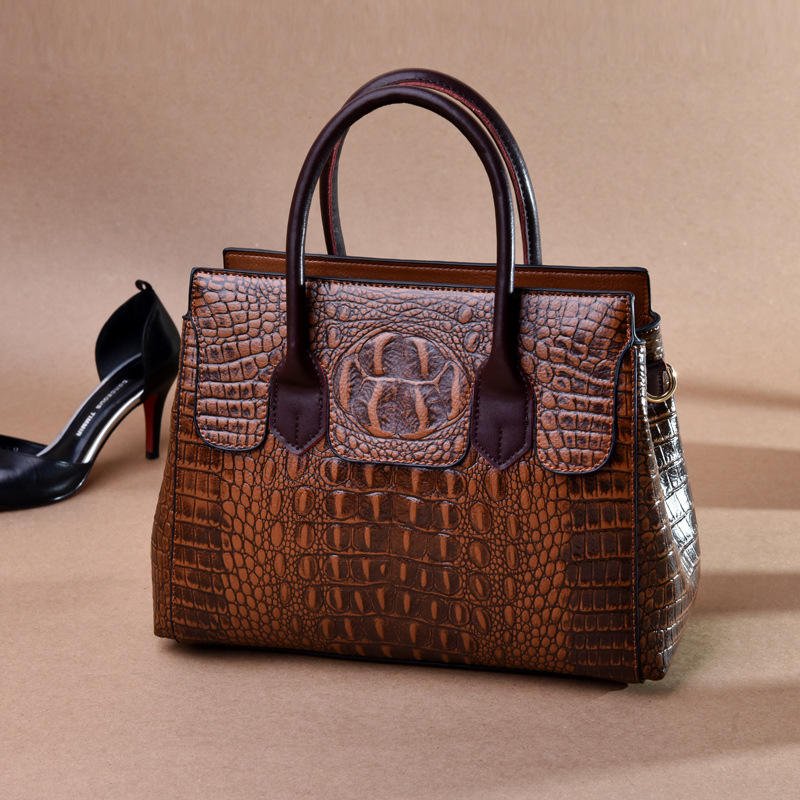
Choose your first luxury bag by matching leather durability, bag size, and color versatility to your real lifestyle. For beginners, durable grained leathers (calf/grained/caviar/saffiano-type) usually age best, medium sizes offer the highest daily wear, and neutral colors (black, tan, beige, grey) provide the easiest styling and steadier resale demand. Avoid delicate leathers and extreme mini sizes unless your routine truly supports them.
Which leather types age best and retain long-term value?
For a first luxury bag, leather should be chosen for scratch resistance + shape stability + predictable aging. The goal is to enjoy the bag daily without constantly worrying about marks.
Most beginner-friendly leathers :
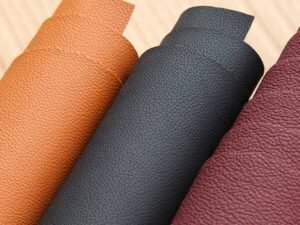
- Grained calfskin / pebbled leather: hides scratches well, strong daily option
- Caviar-style leather (textured): excellent durability; common in “forever bags”
- Saffiano-style crosshatch leather: very scratch-resistant, holds structure
- Structured smooth calf: refined look; moderate scratch risk but ages well if cared for
Leathers that often cause early regret:
- Lambskin / ultra-soft smooth leather: beautiful but shows scratches quickly
- Patent leather: prone to surface marks and stickiness over time
- Very delicate exotics: high maintenance and more complex resale considerations
What size and structure work best for daily and long-term use?
Size regret is extremely common. A first luxury bag should fit your real essentials and still look balanced on your body.
Your first luxury bag should fit: phone + card holder/wallet + keys + small makeup/hand cream + earbuds (plus sunglasses if possible).
Best starter sizes :
- Medium shoulder bag: daily + evening flexibility, easiest “one-bag solution”
- Small-to-medium crossbody: hands-free, great for travel and weekends
- Structured medium tote: best for work/laptop lifestyles
Structure matters as much as size:
- Structured / semi-structured bags hold shape and look polished longer
- Soft slouchy bags can be comfortable but may lose shape faster and show wear sooner
Fast fit check :
- If you carry a water bottle or notebook daily → lean medium tote
- If you want hands-free commuting → choose crossbody/shoulder
- If you mostly go to dinners/events → choose small shoulder + chain
Are neutral colors always the best investment choice?
For a first luxury bag, neutrals are the safest because they maximize outfit compatibility and keep resale demand steadier.
Most reliable starter colors:
- Black: easiest styling, works year-round
- Tan / camel: classic, warm, “quiet luxury” friendly
- Beige / taupe: elegant, modern, but can stain more easily
- Grey: versatile, understated, professional
When a bold color makes sense:
- You already own a neutral bag in another category
- Your wardrobe is mostly neutral and needs a “statement”
- You genuinely wear that color weekly (not “aspirational” use)
Color-care reality :
- Lighter colors show stains and denim transfer more easily
- Very trendy seasonal shades can date quickly
- Metallics can be fun but may be harder to style daily
How do hardware color and finish affect your decision?
Hardware seems minor, but it impacts daily styling and aging.
- Gold-tone hardware: warm, classic, pairs well with tan and black
- Silver-tone hardware: cooler, modern, pairs well with grey/white/black
- Brushed hardware: hides scratches better than mirror-polished
A practical approach: match hardware to what you wear most (jewelry, belt buckles, watch).
tip: choose a hardware finish that doesn’t feel “too loud.” It helps the bag stay relevant longer.
What is the safest “first luxury bag formula” for most lifestyles?
If you want a low-regret first purchase, this formula works for most people:
Leather: grained calf / caviar / saffiano-style
Size: medium shoulder or small-to-medium crossbody
Color: black, tan, taupe, or grey
Structure: semi-structured
Closure: secure but easy (zip or flap with strong hardware)
| Lifestyle | Best Starter Style | Best Leather | Best Color |
|---|---|---|---|
| Daily commuting | Shoulder/Crossbody | Grained calf / caviar | Black / taupe |
| Work + laptop | Structured tote | Structured calf / saffiano | Black / tan |
| Travel-heavy | Crossbody + secure closure | Nylon or grained leather | Black |
| Events/dinners | Small shoulder | Smooth calf (if careful) | Black / neutral |
What should you check before buying
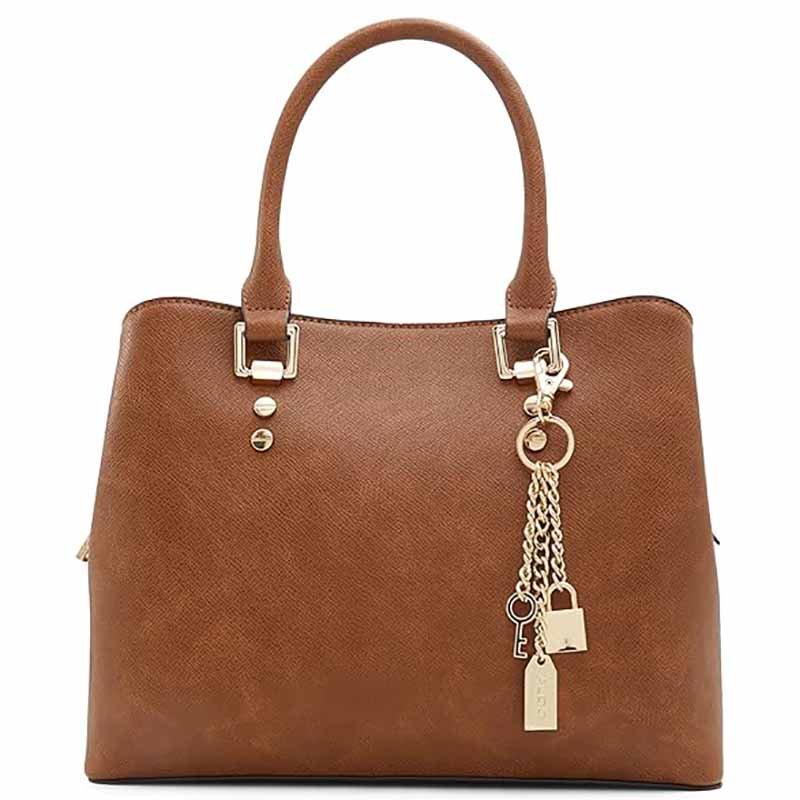
Before buying a luxury bag, verify authenticity using a consistency checklist (materials, stitching, hardware, serial/branding details), assess condition by inspecting high-wear zones (corners, handles, edges, lining), and calculate cost-per-wear to judge real value. Bags that are authentic, structurally sound, and frequently used usually deliver better long-term satisfaction and resale stability than rarely worn statement pieces.
What details help verify a luxury bag’s authenticity?
Authenticity isn’t proven by one “magic stamp.” Professionals use a pattern of consistency across materials, finishing, and construction. A fake can copy a logo; it struggles to copy how the bag behaves.
1 Materials & feel
- Leather should show natural grain behavior (not plastic uniformity)
- Smell should be leather-like, not chemical-heavy
- Lining texture should match the brand/model expectations
2 Stitching quality
- Even stitch length and stable thread tension
- No loose ends, skipped stitches, or puckering around curves
- Reinforced stress points (handles, strap bases) look clean and intentional
3 Hardware reality checks
- Engraving clarity (sharp, centered, consistent depth)
- Plating uniformity (no patchy shine)
- Weight and sound (cheap metal often feels “tinny”)
4 Branding, serial elements, and model-specific markers
- Brand stamps should be crisp, not fuzzy or overly deep
- Date codes/serial formats vary by brand and era—avoid assuming “one format fits all”
- Packaging (dust bag, box) helps but is not proof alone
How do professionals evaluate condition in new and pre-owned bags?
Condition is where real money is won or lost—especially pre-owned. Pros don’t just look for scratches; they judge structure, finish health, and functional wear.
High-wear zones to check:
- Corners & base edges: scuffing, color loss, piping damage
- Handles/straps: cracking, flattening, deformation, glazing separation
- Edge paint: micro-cracks, peeling, stickiness (common failure point)
- Hardware contact points: scratches, plating loss, loose screws
- Interior lining: stains, tearing, stretching, odor
- Closure performance: zipper smoothness, flap alignment, magnetic strength
“structure test”
- Put the bag down: does it collapse or tilt unnaturally?
- Open and close: does alignment feel off?
- Check seams: any rippling or tension stress means the bag may have been overstuffed
What are the most common red flags that buyers miss?
A lot of people focus on the logo and miss the real failure points.
Top red flags to watch:
- Edge paint cracking near corners and handle bases
- Handle glazing separation (sticky or peeling edges)
- Over-polished hardware that hides plating loss
- “Perfect” leather grain that looks too uniform (can indicate synthetic coating)
- Misaligned flap or uneven closure—often signals structural distortion
Ignoring odor and lining condition. Odor can be difficult to remove and often signals deeper issues (moisture, storage problems).
Is cost-per-wear a better metric than purchase price?
Yes—and it’s one of the best tools for choosing your first luxury bag.
Cost-per-wear formula:
Cost per wear = Total cost ÷ expected wears
Total cost should include:
- Purchase price
- Taxes/duties (if applicable)
- Any repair/cleaning cost
- Resale value (optional, if you plan to resell)
Example:
- Bag A: $2,500 worn 250 times → $10 per wear
- Bag B: $2,500 worn 25 times → $100 per wear
The “better deal” is the bag you actually use. This is why medium neutral bags often outperform trendy minis in real-life value.
How should you decide between buying new vs pre-owned?
This decision depends on your goals: emotional experience vs maximum value.
Buying new makes sense when:
- You want full brand experience and warranty/service
- You’re sensitive to condition risk
- You want exact color/material availability
Buying pre-owned makes sense when:
- You want a discontinued model
- You want a better price-to-value ratio
- You can inspect condition like a pro (or use professional authentication)
If you’re new to luxury, start with a lower-risk pre-owned classic in durable leather, or buy new for peace of mind. Avoid your first purchase being a rare, delicate, high-maintenance piece.
Which luxury bags typically keep the best resale value
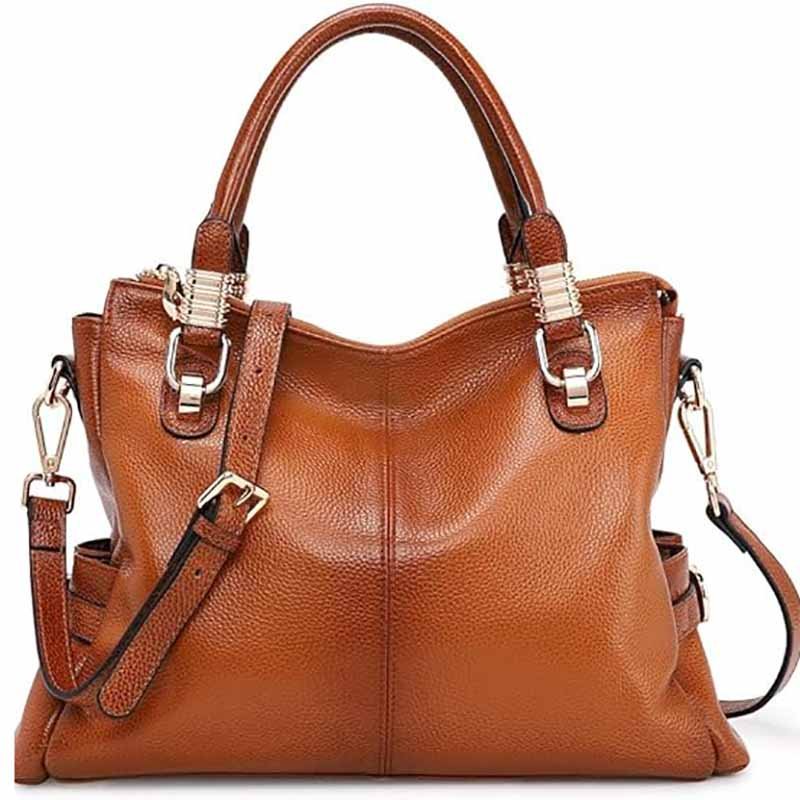
Luxury bags that keep the best resale value usually come from heritage brands, feature timeless designs, use durable leathers, and have controlled supply. Iconic models such as Hermès Birkin and Kelly, Chanel Classic Flap, and select Louis Vuitton classics consistently show stronger resale performance because demand remains stable while supply is limited. Resale value is driven more by brand discipline, craftsmanship, and long-term desirability than by short-term trends.
Which luxury brands historically lead resale value?
Resale performance is not evenly distributed across brands. A small group of luxury houses consistently dominate the secondary market due to brand control and cultural authority.
Top-performing resale brands :
- Hermès – strongest resale leader, often cited as exceeding original retail in certain cases
- Chanel – high retention driven by repeated price increases and classic models
- Louis Vuitton – stable resale for core canvas and heritage silhouettes
- Dior / Celine (select models) – strong but model-dependent
Hermès bags frequently retain 80–120%+ of retail value depending on model and condition
Chanel classic styles often retain 70–90% of retail value
Louis Vuitton classics typically retain 60–80%, with strong liquidity
Which luxury bag models are proven long-term investments?
Within each brand, only a small number of models truly behave like assets.
Proven long-term investment models include:
- Hermès Birkin and Kelly
- Chanel Classic Flap (11.12) and 2.55
- Louis Vuitton Speedy, Neverfull, Alma
- Dior Lady Dior
These models share key traits:
- Minimal design changes over decades
- Consistent size offerings
- Durable leather or canvas options
- Strong recognition across generations
Not every bag from a “strong brand” holds value. Resale depends on model discipline, not brand name alone.
Why do timeless designs outperform seasonal “it bags”?
Timeless bags benefit from repeat buyers, not just first-time hype.
Seasonal or trend-driven bags often see:
- Sharp initial demand
- Rapid saturation
- Declining interest once trends shift
Timeless bags, by contrast:
- Maintain relevance across fashion cycles
- Appeal to new buyers every year
- Fit multiple age groups and lifestyles
Resale data shows that trend-driven bags experience higher price volatility, while timeless models follow flatter, more predictable curves.
For investors and first-time collectors alike, stability usually outweighs short-term upside.
How do materials and construction affect resale value?
Material choice has a direct and measurable impact on resale.
Materials that support higher resale:
- Grained or pebbled calfskin
- Caviar-style leather
- Structured smooth calf (well-maintained)
- Coated canvas (heritage LV styles)
Materials that reduce resale stability:
- Ultra-soft lambskin (visible wear)
- Patent leather (aging issues)
- Very light colors (staining risk)
Construction matters just as much:
- Reinforced handles and stress points
- High-quality edge paint
- Stable internal structure
Bags that maintain shape and finish over time are easier to resell at strong prices.
How does supply control and scarcity influence resale value?
Scarcity is one of the strongest resale drivers—but it must be managed scarcity, not accidental shortage.
- Hermès limits supply intentionally
- Chanel reduces distribution and raises prices
- Louis Vuitton controls core models while rotating fashion lines
Result: demand exceeds supply for classic pieces, supporting resale pricing.
What bags to invest in for 2026 based on resale trends?
Looking ahead to 2026, resale signals suggest continued strength in:
- Quiet luxury designs (minimal logos, refined leather)
- Medium-sized daily bags (highest usage frequency)
- Neutral colorways (black, tan, beige, grey)
- Heritage silhouettes with subtle updates
Brands and models aligning with these signals are more likely to maintain value than heavily branded or experimental designs.
Resale Value Comparison Table
| Brand | Model Type | Typical Resale Strength | Why |
|---|---|---|---|
| Hermès | Birkin / Kelly | Very High | Scarcity + brand control |
| Chanel | Classic Flap | High | Price increases + heritage |
| Louis Vuitton | Speedy / Neverfull | Medium–High | Liquidity + recognition |
| Dior | Lady Dior | Medium–High | Icon status |
| Trend-driven brands | Seasonal bags | Medium–Low | Volatile demand |
How can brands develop “luxury-level” bags with an OEM leather factory like Szoneier Leather
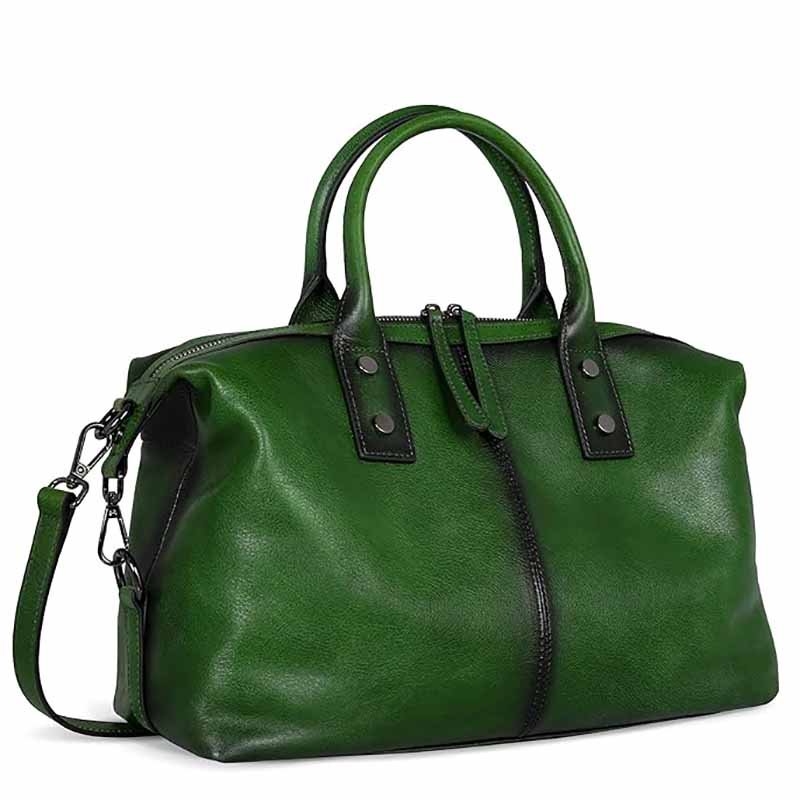
Brands can develop luxury-level bags by partnering with an OEM leather factory that controls materials, craftsmanship, and product development—not just assembly. A factory like Szoneier Leather supports luxury development through disciplined leather sourcing, structural engineering, precise sampling, and consistent quality control, helping brands translate design concepts into durable, market-ready products that meet long-term luxury standards.
Why does luxury bag development start with material control, not design sketches?
Many brands assume luxury starts with design. In reality, it starts with material control.
Luxury bags depend on:
- Predictable leather aging
- Consistent thickness and temper
- Stable color penetration
- Low defect rates across batches
Without control at the raw material stage, even the best design will fail in production.
At Szoneier Leather, luxury development begins with leather selection and testing—evaluating grain behavior, tensile strength, surface finish, and long-term durability before a single pattern is finalized. This upstream control is what allows brands to maintain consistent quality from sample to bulk.
What construction details separate luxury bags from mass-market bags?
Luxury bags are defined by invisible engineering, not visible logos.
Key construction differences include:
- Reinforced stress points at handles and strap bases
- Multi-layer edge painting with sanding between coats
- Clean panel alignment with balanced tension
- Internal structure that supports shape without stiffness
- Precision stitching with consistent stitch density
These details increase labor time and require skilled workers, which is why many factories cannot scale luxury-level production reliably.
Szoneier Leather’s advantage lies in repeatable craftsmanship—the ability to execute these details consistently across hundreds or thousands of units.
How does sampling and prototyping determine final luxury quality?
Sampling is where most luxury projects succeed—or fail.
In luxury OEM development, samples are not just “visual confirmations.” They are functional tests.
During sampling, Szoneier Leather evaluates:
- How the bag holds shape when filled
- Stress behavior at handles and seams
- Edge paint flexibility after bending
- Hardware interaction with leather over time
- Ease of opening, closing, and daily use
Multiple sample rounds are common in luxury projects. Each iteration refines structure, comfort, and durability—not just appearance.
Brands that rush sampling often pay more later through returns, complaints, or redesigns.
Which materials and finishing processes define luxury-level leather goods?
Luxury-level materials and finishes are chosen for aging behavior, not showroom shine.
Preferred material traits include:
- Full-grain or top-grain leather with natural elasticity
- Controlled tanning to prevent cracking or discoloration
- Hardware with weight and corrosion resistance
- Linings that resist stretching and staining
Finishing processes—edge painting, glazing, polishing—are executed in controlled stages rather than single passes. This slows production but dramatically improves longevity.
At Szoneier Leather, finishing standards are defined at the development stage and locked before mass production begins.
How does quality control differ in luxury OEM production?
Luxury QC is process-based, not inspection-only.
Instead of checking defects only at the end, luxury OEM factories embed quality control throughout production:
- Incoming leather inspection
- In-process stitching and assembly checks
- Edge paint and hardware inspections
- Final shape, symmetry, and functional testing
This layered QC approach reduces variability and ensures that each unit meets the same standard—critical for brand credibility.
How does OEM collaboration help brands create future “investment-grade” bags?
Many bags that later become “investment pieces” were designed with longevity in mind, not hype.
OEM collaboration enables brands to:
- Select leathers that age predictably
- Engineer structures that resist deformation
- Balance aesthetics with real-world usability
- Maintain quality consistency as volume grows
By working closely with a development-focused factory like Szoneier Leather, brands can build products that feel luxurious not just on launch day, but years later.
What information should brands prepare before working with a luxury OEM factory?
Clear inputs accelerate luxury development.
Brands should prepare:
- Target customer and usage scenario
- Desired size range and carry style
- Leather preference or performance requirements
- Expected price positioning
- Estimated order quantities and timeline
This information allows Szoneier Leather to propose appropriate materials, construction methods, and development plans—reducing revisions and cost overruns.
Conclusion
If you’re a brand, retailer, or designer looking to develop luxury-level leather bags—not just fashionable products, but pieces with longevity—partnering with the right factory is essential.
Szoneier Leather brings over 18 years of experience in leather material sourcing, product development, sampling, and mass production.
Whether you’re refining an existing luxury line or developing a future classic from scratch, our team works as a development partner, not just a manufacturer.
Contact Szoneier Leather today to discuss your next luxury bag project and request a quotation or sample.