
Leather is often described as durable, timeless, and resilient—but the moment it gets wet, panic sets in. Whether it’s a leather bag caught in the rain, a wallet accidentally washed, or a leather strap exposed to moisture, most people immediately ask the same question: Is my leather ruined?
The truth is more nuanced than a simple yes or no. Leather is a natural material made from collagen fibers that have been stabilized through tanning. While this process improves durability, it does not make leather immune to water. Moisture interacts with leather at a structural level, affecting its fibers, oils, and surface finish.
Some leather products recover well after getting wet. Others suffer long-term damage, such as stiffness, discoloration, or cracking—especially if they are dried incorrectly or exposed repeatedly. The outcome depends on leather type, tanning method, finishing, and how the leather is treated after exposure.
This confusion is made worse by common myths: that leather is waterproof, that heat drying is safe, or that a single rain exposure destroys leather forever. In reality, professional leather manufacturers understand that controlled moisture exposure is manageable—but mishandling is what causes irreversible damage.
In this guide, we explain exactly what happens when leather gets wet, which leathers are most vulnerable, how water damage develops over time, and what to do immediately when leather is exposed to moisture. We’ll also share how professional manufacturers design leather products to better handle real-world conditions—and how proper material selection makes all the difference.
When leather gets wet, water penetrates the fiber structure, causing temporary swelling and weakening. Leather is not waterproof, but it is not automatically ruined by water. Damage depends on leather type, finishing, and drying method. If dried slowly and conditioned properly, many leather products recover well. Improper drying, heat exposure, or repeated moisture can cause stiffness, cracking, or discoloration.
What Happens to Leather When It Gets Wet
When leather gets wet, water penetrates its fiber structure, causing the fibers to swell and temporarily weaken. This disrupts the balance of natural oils that keep leather flexible. If leather dries too quickly or without conditioning, it can become stiff, warped, discolored, or cracked. Damage depends on leather type, finish, and drying method.
How Does Water Interact with Leather Fibers at a Structural Level?
Leather is made from interwoven collagen fibers that have been stabilized through tanning. These fibers are strong but naturally porous. When water contacts leather, it moves into the microscopic gaps between fibers rather than sitting only on the surface.
As water enters, the fibers swell and loosen, temporarily changing the leather’s internal structure. This swelling reduces tensile strength and alters flexibility. The leather may feel softer at first, but this softness is misleading—it signals that the fiber network is under stress.
From a manufacturing perspective, high-quality leather is designed to manage limited moisture exposure, but no leather is immune. The key factor is how evenly water enters and exits the fiber structure.
Why Does Wet Leather Feel Soft at First but Stiff After Drying?
When leather is wet, water acts as a lubricant between fibers, making the material feel pliable and flexible. However, as water evaporates, it pulls natural oils out of the fiber structure.
If those oils are not redistributed or replenished, fibers begin to dry unevenly. This causes friction between fibers, leading to stiffness and loss of elasticity. In severe cases, fibers shrink and harden, which is why improperly dried leather can feel rigid or board-like.
This is why professional leather care emphasizes slow drying and post-drying conditioning—to restore lubrication within the fiber network.
Does Water Permanently Damage Leather or Only Temporarily Affect It?
Water exposure alone does not automatically cause permanent damage.
In many cases, especially with finished full-grain or top-grain leather, wetting causes temporary changes that can be reversed with proper drying and conditioning. Permanent damage usually occurs due to secondary factors, such as:
- Heat drying
- Repeated wet-dry cycles without care
- Poor-quality or unfinished leather
Professional leather goods are engineered to tolerate occasional moisture. This is why high-quality leather bags or wallets often recover well from rain exposure when treated correctly.
How Does Water Affect Leather’s Appearance (Color, Texture, Shape)?
Water can significantly affect how leather looks.
Common visual changes include:
- Darkening or water spots
- Uneven drying marks
- Temporary stretching or warping
Vegetable-tanned and light-colored leathers are particularly prone to visible water marks. As water evaporates unevenly, dyes may migrate, causing blotchy discoloration.
Texture can also change. Smooth leather may develop ripples or wrinkles, while suede and nubuck can lose their nap permanently.
From a manufacturing standpoint, leather finishing and dye fixation play a critical role in minimizing these effects.
Why Do Seams, Edges, and Stitch Holes Absorb Water Faster?
Water rarely enters leather evenly. It almost always penetrates first at weak points, such as seams, edges, and stitch holes.
These areas:
- Expose raw fiber ends
- Lack protective grain layers
- Interrupt surface coatings
Once water enters through these points, it can spread internally even if the surface appears dry. This is why edge painting, sealed stitching, and reinforced seams are critical in professional leather product design.
Factories like Szoneier Leather focus heavily on edge finishing and seam construction because most water-related failures begin there—not on flat panels.
How Does Leather Type Influence What Happens When It Gets Wet?
Different leathers respond very differently to water.
- Full-grain leather: Better structural integrity, recovers well with care
- Top-grain leather: Moderate resistance due to finishes
- Vegetable-tanned leather: Highly absorbent, darkens easily
- Suede/Nubuck: Extremely water-sensitive, stains quickly
- Bonded leather: Weakens and deteriorates when wet
This variability is why leather selection is a critical decision in product development. Leather intended for bags, wallets, or belts used daily must be chosen and finished with moisture exposure in mind.
Which Types of Leather Are Most Vulnerable to Water
Leathers with open or unfinished surfaces—such as suede, nubuck, and vegetable-tanned leather—are the most vulnerable to water. They absorb moisture quickly, stain easily, and often deform after drying. Finished full-grain and top-grain leathers offer better resistance but are still not waterproof. Water vulnerability depends on tanning method, surface finish, and fiber density.
Why Are Suede and Nubuck the Most Water-Sensitive Leathers?
Suede and nubuck are widely considered the most water-vulnerable leather types, and the reason lies entirely in their surface structure.
Both materials are created by sanding the leather surface to raise the fiber nap. This process removes the natural grain layer that normally provides a protective barrier. As a result, water penetrates immediately and deeply into the fiber structure.
Common water-related problems include:
- Dark, uneven water stains
- Flattened or hardened nap
- Permanent texture change
Once water disrupts the nap structure, it is extremely difficult to restore the original appearance—even with professional treatment. This is why suede and nubuck are rarely recommended for products expected to face rain or daily moisture exposure unless heavy protective treatments are applied.
Why Is Vegetable-Tanned Leather Highly Absorbent to Water?
Vegetable-tanned leather is prized for its natural look and patina development—but it is also highly water-absorbent.
The vegetable tanning process leaves leather with a more open fiber structure and fewer synthetic stabilizers. This allows water to enter easily, often causing:
- Rapid darkening
- Uneven water marks
- Stiffness after drying
While many users appreciate the “character” that develops over time, uncontrolled water exposure accelerates aging in undesirable ways. From a manufacturing perspective, vegetable-tanned leather is best suited for controlled environments or products where water exposure is minimal and predictable.
How Do Unfinished or Aniline Leathers React to Water?
Aniline and unfinished leathers are dyed but not heavily coated or sealed. This preserves the natural feel and appearance of the hide—but significantly increases water sensitivity.
Because there is little surface protection:
- Water penetrates directly into the leather
- Stains form easily
- Color migration occurs during drying
Aniline leather can recover structurally if dried correctly, but visual damage is often permanent. This trade-off between appearance and durability is well understood by professional manufacturers and must be carefully considered when selecting leather for bags, wallets, or accessories.
Are Corrected-Grain and Pigmented Leathers Less Vulnerable to Water?
Corrected-grain and pigmented leathers generally offer better water resistance than unfinished leathers.
Their surface coatings create a partial barrier that slows water penetration. However, these coatings are not impermeable. Water often enters through:
- Stitch holes
- Edges
- Cracks in the finish over time
Once moisture passes the surface layer, the underlying fibers behave like any other leather—absorbing water and losing oils.
These leathers perform well for daily-use products but still require proper care and realistic expectations.
Why Does Bonded Leather Perform Poorly When Wet?
Bonded leather is one of the least water-resistant materials commonly marketed as leather.
It is made from leather fibers bonded together with adhesives and coatings. When exposed to moisture:
- Adhesives weaken
- Layers separate or peel
- Structural integrity collapses
Even brief water exposure can cause irreversible damage. This is why bonded leather is unsuitable for products expected to last or face real-world conditions.
Professional manufacturers like Szoneier Leather avoid bonded leather for quality-driven products, especially bags and accessories.
How Do Finished Full-Grain and Top-Grain Leathers Compare?
Finished full-grain and top-grain leathers are among the most balanced options for water tolerance.
Their dense fiber structure provides inherent strength, while protective finishes slow moisture absorption. Light rain and brief exposure are usually manageable.
However, they are still water-resistant, not waterproof. Repeated exposure without conditioning eventually leads to dryness and stiffness.
This balance is why most high-quality leather bags and wallets use finished full-grain or top-grain leather—they offer the best compromise between appearance, durability, and real-world usability.
Leather Types vs Water Vulnerability
| Leather Type | Water Vulnerability | Typical Reaction |
|---|---|---|
| Suede / Nubuck | Very high | Staining, nap damage |
| Vegetable-tanned | High | Darkening, stiffness |
| Aniline / Unfinished | High | Permanent stains |
| Corrected-grain | Medium | Slower absorption |
| Full-grain (finished) | Medium-low | Recoverable |
| Bonded leather | Very high | Structural failure |
How Does Water Damage Leather Long-Term
Water damages leather long-term by repeatedly removing natural oils, weakening collagen fibers, and disrupting the leather’s internal structure. Over time, this leads to stiffness, cracking, color loss, odor, and mold growth. Long-term damage is usually caused by repeated moisture exposure combined with improper drying and lack of conditioning.
Why Do Repeated Wet–Dry Cycles Permanently Weaken Leather Fibers?
Leather damage from water rarely happens all at once. It develops through repeated wet–dry cycles.
Each time leather gets wet, water enters the fiber network and displaces natural oils that keep collagen fibers flexible. When leather dries, especially without conditioning, those oils are not fully restored. Over time, fibers begin to rub directly against each other, increasing internal friction.
This repeated stress causes micro-fractures within the fiber structure. While invisible at first, these fractures accumulate until the leather becomes stiff, brittle, and prone to cracking.
From a manufacturing standpoint, this is why leather products designed for daily use must be engineered to tolerate moisture exposure—not just look good when new.
How Does Water Cause Leather to Lose Flexibility and Crack Over Time?
Flexibility in leather comes from a balance between fiber structure and internal lubrication. Water disrupts this balance.
As leather dries after getting wet, uneven evaporation causes fibers to shrink at different rates. Areas that dry faster become rigid, while others remain slightly flexible. This uneven tension creates stress points.
Over time, these stress points turn into visible surface cracks—especially in high-movement areas like folds, strap roots, and edges.
Cracking is not a surface problem; it is a sign of internal fiber failure, which cannot be reversed once it occurs.
Why Does Long-Term Water Exposure Cause Color Fading and Staining?
Leather dyes are fixed within the fiber structure, not painted on the surface. When leather gets wet repeatedly, water acts as a carrier, moving dye particles within the material.
This leads to:
- Uneven fading
- Dark water rings
- Blotchy discoloration
Vegetable-tanned and aniline leathers are particularly susceptible. Over time, UV exposure combined with moisture accelerates color breakdown even further.
From a professional manufacturing perspective, dye fixation and finishing quality are critical in minimizing long-term visual degradation caused by moisture.
How Can Mold and Mildew Develop as a Result of Water Damage?
Long-term moisture exposure creates ideal conditions for mold and mildew.
Leather absorbs water deep into its fiber structure. If drying is incomplete or storage conditions are humid, residual moisture remains trapped inside. Mold spores—present everywhere—then activate.
Once mold develops:
- It feeds on organic leather fibers and oils
- Produces persistent odors
- Weakens structural integrity
Mold damage is one of the most difficult leather problems to fully eliminate. Even after surface cleaning, spores can remain embedded inside the leather.
This is why professional factories strictly control humidity during production, storage, and packaging.
Why Do Seams, Edges, and High-Stress Areas Degrade Faster Over Time?
Long-term water damage rarely appears evenly across a leather product.
Seams, edges, and stress points degrade first because:
- Stitch holes expose raw fibers
- Edges lack protective grain layers
- Stress concentrates moisture movement
Water repeatedly enters and exits through these weak points, accelerating fiber breakdown. Over time, this results in:
- Fraying edges
- Seam separation
- Structural distortion
This is why edge sealing, reinforced stitching, and seam engineering are critical in professional leather product design.
Why Improper Drying Accelerates Long-Term Leather Damage More Than Water Itself
Improper drying is the single biggest contributor to long-term water damage.
Heat sources such as hair dryers, heaters, or direct sunlight cause rapid evaporation. This forces oils out of the leather and shrinks fibers unevenly.
Even one heat-drying incident can permanently weaken leather. Repeated heat exposure guarantees long-term failure.
Professional leather care and manufacturing always prioritize slow, controlled drying—because leather recovers from water far better than from heat.
How Does Long-Term Water Damage Affect Leather Odor and Feel?
As oils break down and mold develops, leather often develops:
- Musty odors
- Sticky or chalky surfaces
- Unpleasant tactile changes
These sensory changes signal internal deterioration. At this stage, cosmetic fixes rarely solve the underlying problem.
For brands and manufacturers, preventing these issues through material selection and finishing is far more effective than trying to fix them later.
Long-Term Effects of Water on Leather
| Long-Term Effect | Root Cause |
|---|---|
| Stiffness | Oil loss |
| Cracking | Fiber fracture |
| Fading | Dye migration |
| Mold | Trapped moisture |
| Odor | Organic breakdown |
| Seam failure | Repeated moisture stress |
How to Protect Leather from Water Damage
Leather cannot be fully waterproofed, but water damage can be significantly reduced through proper material selection, surface finishing, conditioning, and correct use habits. Protective treatments slow moisture absorption, while good design and seam construction prevent water from entering weak points. Prevention is far more effective than repair for leather products.
Is Leather 100% Waterproof or Only Water-Resistant?
Leather is never 100% waterproof.
Even heavily finished leather remains a porous, fibrous material. While coatings and treatments can slow water penetration, moisture will eventually enter—especially through seams, edges, and stitch holes.
This distinction is critical. Many consumers assume leather bags or wallets are waterproof, leading to misuse. In reality, leather products are designed to withstand light rain and brief exposure, not prolonged soaking.
Professional manufacturers avoid misleading claims and instead engineer leather products for controlled water resistance, balancing protection with breathability and long-term durability.
How Does Proper Leather Selection Reduce Water Damage Risk?
Water protection begins with choosing the right leather, not applying treatments later.
Key selection factors include:
- Dense fiber structure
- Appropriate tanning method
- Stable dye fixation
- Surface finishing compatibility
Finished full-grain and top-grain leathers outperform unfinished or vegetable-tanned leathers in wet environments. Suede, nubuck, and aniline leathers should be avoided for products expected to encounter moisture.
At Szoneier Leather, leather selection is engineered based on product usage scenarios—daily carry, travel, or outdoor exposure—ensuring water risk is addressed at the source.
What Finishing Methods Improve Leather Water Resistance?
Water resistance is built through layered finishing systems, not a single coating.
Professional finishing methods include:
- Wax or oil impregnation to slow absorption
- Protective top coatings to seal the grain
- Edge paint and sealed stitching to block entry points
These finishes must be carefully balanced. Excessive coating can stiffen leather or trap moisture, while insufficient protection leaves leather vulnerable.
Factories apply these finishes under controlled conditions to ensure consistency—something difficult to replicate with home-applied products.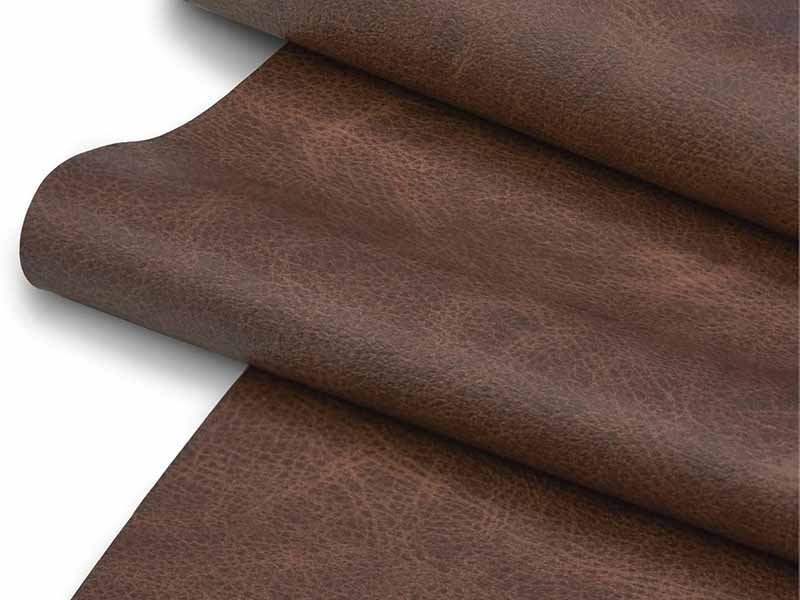
How Do Conditioners Help Protect Leather from Moisture Over Time?
Conditioning is essential for long-term water protection.
Leather conditioners replenish oils that maintain fiber flexibility and reduce water absorption. Well-conditioned leather resists cracking and recovers more easily after exposure to moisture.
However, over-conditioning can clog pores and attract dirt. Professional care schedules recommend light, periodic conditioning, especially after leather has been exposed to rain or humidity.
Conditioning should always be done on fully dry leather to avoid trapping moisture inside the fiber structure.
Why Are Seams, Edges, and Stitching Critical to Water Protection?
(~120–180 words)
Most water damage does not start on flat leather surfaces—it starts at weak points.
Seams, edges, and stitch holes expose raw fibers and interrupt protective finishes. Water enters here first and spreads internally.
Professional leather product design addresses this through:
- Reinforced seam construction
- Edge sealing or edge painting
- Proper stitch density and thread choice
At Szoneier Leather, seam engineering is treated as part of water protection strategy—not just aesthetics.
How Can Daily Use Habits Reduce Water Damage?
User behavior plays a major role in water protection.
Best practices include:
- Avoid prolonged exposure to rain
- Do not store leather while damp
- Allow airflow after wet use
- Use dust bags for storage
Even well-made leather products can degrade quickly if stored wet or compressed in humid environments.
Professional manufacturers design for durability, but correct daily use ensures that protection measures remain effective over time.
Why Is Prevention More Effective Than Repair for Leather?
Once leather fibers crack, delaminate, or grow mold, damage is rarely reversible.
Preventive measures:
- Preserve fiber structure
- Maintain appearance
- Extend product lifespan
From a manufacturing perspective, it is far more efficient to engineer water resistance into the product than to rely on aftercare alone.
This philosophy drives how Szoneier Leather approaches leather R&D—designing products that tolerate real-world moisture exposure instead of merely reacting to it.
How to Protect Leather from Water Damage
| Protection Area | Key Action |
|---|---|
| Leather selection | Choose finished full/top-grain |
| Surface protection | Apply balanced finishing |
| Conditioning | Restore oils periodically |
| Seam design | Seal edges and stitch points |
| Usage habits | Avoid prolonged moisture |
| Storage | Dry, ventilated environment |
What to Do When Leather Gets Wet
When leather gets wet, blot excess water gently, reshape the item, and let it air-dry naturally at room temperature. Avoid heat, sunlight, or forced drying. Once completely dry, apply a leather conditioner to restore lost oils. Correct drying and conditioning determine whether leather recovers or suffers permanent damage.
What Should You Do Immediately After Leather Gets Wet?
The first few minutes after leather gets wet are critical.
Immediate steps:
- Blot, don’t rub – Use a clean, dry cloth to absorb surface water
- Remove contents – Empty bags or wallets to prevent internal stretching
- Gently reshape – Restore the leather item to its original form
Rubbing pushes water deeper into the fiber structure and damages the surface. Shaking or squeezing leather also distorts fibers.
Professional leather handlers treat wet leather delicately, understanding that fibers are weakest when saturated. The goal at this stage is to remove surface moisture without stressing the material.
How Should Wet Leather Be Dried Safely?
Drying is the most important—and most misunderstood—step.
Correct drying method:
- Place leather in a well-ventilated room
- Keep away from heaters, radiators, and direct sunlight
- Allow leather to dry slowly at room temperature
Air drying may take several hours to a full day, depending on thickness. This slow process allows fibers to contract evenly and retain structure.
Never use:
- Hair dryers
- Heat guns
- Ovens
- Direct sun exposure
Heat causes rapid evaporation, pulling oils out of leather and leading to stiffness, shrinkage, and cracking.
Is It Okay to Speed Up Drying with Heat or Sunlight?
No—heat is the fastest way to permanently damage leather.
When leather dries too quickly:
- Fibers shrink unevenly
- Natural oils evaporate
- Surface hardens before the interior dries
This creates internal stress that leads to cracking, warping, and loss of flexibility.
Even brief exposure to heat can cause irreversible damage. Professional leather drying always uses controlled temperature and airflow—never forced heat.
Should Leather Be Reshaped While Drying?
Yes—reshaping is an important but often overlooked step.
Wet leather is pliable. If allowed to dry in a distorted shape, it will set permanently that way.
Best practices:
- Lay bags flat or stuff lightly with paper to maintain shape
- Align straps, handles, and folds naturally
- Avoid hanging wet leather, which causes stretching
Factories reshape leather components during drying to ensure consistent final form. This same principle applies at home.
When and How Should Leather Be Conditioned After Getting Wet?
Conditioning should be done only after leather is completely dry.
Why conditioning matters:
- Replaces oils lost during wetting and drying
- Restores flexibility
- Reduces future cracking risk
Apply a small amount of leather conditioner evenly using a soft cloth. Allow it to absorb naturally—do not over-apply.
Applying conditioner to damp leather traps moisture inside and increases mold risk, which is why timing is critical.
What If Leather Gets Soaked or Saturated?
If leather is fully soaked:
- Follow the same slow drying process
- Expect longer drying time
- Pay extra attention to reshaping
In severe cases, professional leather care may be required. Saturated leather is more likely to experience dye migration, stiffness, or odor.
High-quality leather recovers better than low-grade or bonded leather, which often fails structurally when soaked.
What Should You Never Do When Leather Gets Wet?
Avoid these common mistakes:
- Do not use heat
- Do not rub aggressively
- Do not apply soap, alcohol, or household cleaners
- Do not store leather while damp
- Do not seal leather in plastic while wet
These actions accelerate fiber damage and promote mold growth.
Understanding what not to do is as important as following the correct steps.
Wet Leather Emergency Care
| Step | Action |
|---|---|
| 1 | Blot surface water gently |
| 2 | Remove contents and reshape |
| 3 | Air-dry at room temperature |
| 4 | Avoid heat and sunlight |
| 5 | Condition only after fully dry |
| 6 | Store in ventilated area |
Are There Myths or Mistakes About Wet Leather Care
Yes. Many common leather care myths cause more damage than water itself. Heat drying, alcohol cleaning, excessive oiling, and sealing wet leather trap moisture or destroy fiber structure. Proper wet leather care focuses on slow drying, controlled conditioning, and avoiding aggressive treatments that permanently weaken leather.
Myth 1 – “Heat Helps Leather Dry Faster and Safer”
This is the most destructive myth about wet leather.
Using hair dryers, heaters, or sunlight may seem logical, but heat causes rapid evaporation that pulls natural oils out of the leather. Fibers shrink unevenly, creating internal stress that leads to stiffness, warping, and cracking.
From a manufacturing perspective, leather is never dried with direct heat. Professional drying uses controlled temperature and airflow to preserve fiber integrity.
Once leather has been heat-dried, damage is often permanent—even if it looks acceptable initially. Cracks usually appear weeks or months later.
Myth 2 – “Alcohol, Soap, or Household Cleaners Remove Water Stains”
Alcohol and household cleaners are extremely harmful to wet leather.
These substances:
- Strip protective finishes
- Dissolve natural oils
- Accelerate fiber drying
While they may remove surface stains temporarily, they cause long-term structural damage. Soap residues also attract moisture, increasing mold risk.
Professional leather care uses pH-balanced, leather-specific cleaners, and only when absolutely necessary. Cleaning should never be the first response to wet leather.
Myth 3 – “More Oil or Conditioner Means Better Protection”
Over-conditioning is a common mistake, especially after water exposure.
Excess oil:
- Clogs leather pores
- Traps moisture inside
- Softens leather excessively
- Attracts dirt and bacteria
Leather requires balanced lubrication, not saturation. Professional conditioning restores oils gradually and evenly—never all at once.
Conditioning wet or damp leather is especially dangerous, as it seals moisture inside and promotes mold growth.
Myth 4 – “Once Leather Gets Wet, It’s Ruined”
This myth leads to unnecessary product disposal.
High-quality leather is remarkably resilient when treated correctly. Most water damage becomes permanent only due to improper drying, heat exposure, or repeated neglect.
Finished full-grain and top-grain leathers often recover well from rain exposure. The belief that any water ruins leather discourages proper care and encourages panic-driven mistakes.
Professional manufacturers design leather goods to tolerate occasional moisture—it’s misuse, not water itself, that causes failure.
Myth 5 – “Waterproof Sprays Make Leather Fully Waterproof”
Waterproof sprays create a false sense of security.
They slow water absorption but do not seal seams, edges, or stitch holes. Over-reliance on sprays often leads users to expose leather to conditions it cannot handle.
In some cases, excessive spray buildup stiffens leather or alters appearance.
Manufacturers treat water resistance as a system, not a product: leather selection, finishing, seam engineering, and correct usage all work together.
Mistake 1 – Storing Leather While Damp or in Plastic
Storing wet leather—even slightly damp—is one of the fastest ways to cause mold.
Plastic bags or airtight containers trap moisture and prevent evaporation. Mold spores activate quickly in these conditions, feeding on leather fibers and oils.
Professional storage always prioritizes airflow and humidity control. Leather should be fully dry before storage and kept in breathable environments.
Mistake 2 – Ignoring Seams, Edges, and Interior Layers
Many users only check the surface of leather after it gets wet.
However, moisture often remains inside seams, edges, padding, or linings. These hidden areas dry slower and are where mold and odor problems usually begin.
Professional inspections always consider internal layers, not just visible surfaces.
Mistake 3 – Repeated Wetting Without Maintenance
Occasional rain exposure is manageable. Repeated exposure without conditioning is not.
Each wet-dry cycle removes oils. Without maintenance, leather becomes progressively weaker—even if no immediate damage is visible.
Long-term durability depends on periodic care, not emergency fixes.
Wet Leather Myths vs Reality
| Myth or Mistake | Reality |
|---|---|
| Heat drying is safe | Heat causes permanent damage |
| Alcohol cleans stains | Alcohol destroys fibers |
| More oil is better | Over-conditioning traps moisture |
| Wet leather is ruined | Most damage is preventable |
| Waterproof spray solves everything | Only partial protection |
Conclusion
Understanding what happens when leather gets wet helps users care for products—but it also highlights why material selection, tanning, and finishing matter so much at the manufacturing stage.
Szoneier Leather is a leather product R&D and manufacturing factory with over 18 years of experience.
If your brand requires leather products designed to perform in real-world conditions—not just look good—contact Szoneier Leather to discuss custom development and production solutions.