
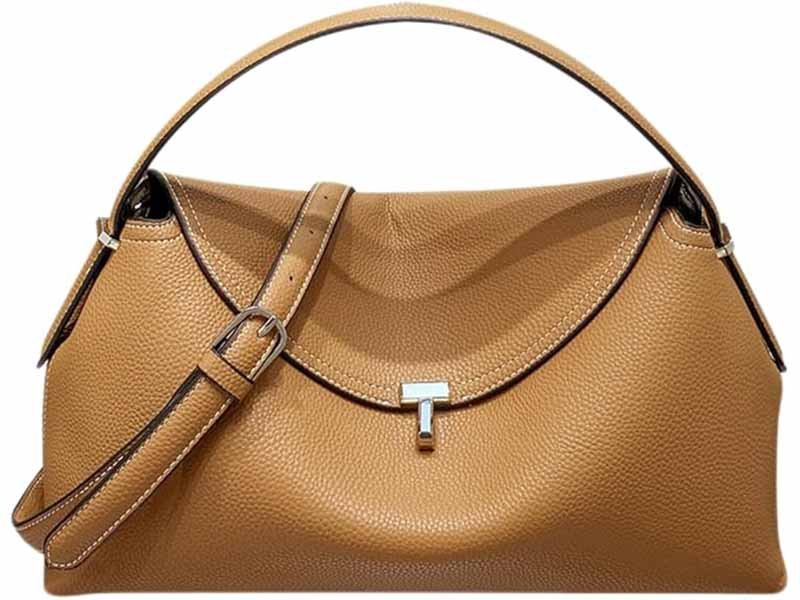
Selling a luxury bag today is no longer just about owning a famous logo—it’s about understanding value, timing, condition, and trust. The resale market for luxury handbags has matured into a data-driven ecosystem where buyers compare listings across platforms, scrutinize condition photos, and expect near-retail transparency. As a result, many sellers are surprised to learn that two identical-looking bags can sell at dramatically different prices, simply because one was positioned better than the other.
At the same time, interest in luxury resale continues to grow. Buyers are more educated, more cautious, and more selective. They know which models retain value, which materials age well, and which brands consistently perform in the secondary market. This shift means sellers must think less like casual owners and more like professional merchandisers—even when selling a single bag.
What complicates things further is choice. There are now dozens of resale platforms, each with different fee structures, authentication standards, payout timelines, and risk profiles. Some reward patience with higher returns. Others prioritize speed and simplicity at the cost of margin. Choosing incorrectly can quietly erase a large portion of your potential profit.
But when approached correctly, selling luxury bags can be both profitable and repeatable. It’s not luck—it’s structure.
Selling luxury bags successfully requires understanding resale value, choosing the right selling platform, authenticating properly, and pricing based on real market demand—not retail price. Profitable sellers focus on condition grading, clear listings, trusted authentication, and secure shipping. The most successful sales balance timing, transparency, and channel selection to maximize payout while minimizing risk.
A European fashion buyer once told us she sold the same model bag twice—one privately and one through a managed resale platform. The difference in payout? Over 35%. The bag didn’t change. The strategy did.
Let’s break down what actually makes a luxury bag sell—and sell well.
What Makes a Luxury Bag “Easy to Sell”
A luxury bag is easy to sell when it combines strong brand recognition, proven resale demand, durable materials, timeless design, and verifiable condition. Bags that sell fastest are those buyers already trust: classic models, neutral colors, high-quality leather, and clear authentication evidence. Ease of resale depends less on original retail price and more on liquidity, transparency, and long-term usability.
“Easy to sell” does not mean cheap, trendy, or heavily discounted. In the luxury resale market, ease of sale is a function of predictability—buyers want to know exactly what they are getting, how it will age, and whether they can resell it again in the future.
Below are the core factors that consistently determine whether a luxury bag sells quickly and confidently.
Is selling designer bags profitable—or just possible?
Selling designer bags becomes profitable only when resale demand is stable and measurable. Many luxury bags can be sold, but only a subset can be sold well.
Profitability depends on three elements:
- Demand consistency: Bags with steady search volume and frequent resale transactions are easier to price and move.
- Value retention: Some bags lose value immediately after purchase, while others stabilize or even appreciate.
- Cost discipline: Fees, shipping, authentication, and time-to-sale all reduce net profit.
A bag that sells in two weeks at 75% of its market value is often more profitable than one that sits for six months chasing an unrealistic price. Ease of sale favors liquidity over speculation.
Which luxury bags have the highest resale liquidity?
Liquidity matters more than hype. The easiest luxury bags to sell usually share these traits:
- Timeless silhouettes (structured totes, crossbody, top-handle designs)
- Neutral colors (black, brown, beige, grey)
- Medium, practical sizes (not too large, not micro)
- Consistent production history (buyers recognize the model instantly)
Seasonal colors, experimental shapes, or novelty designs may look exciting at launch—but they narrow the resale audience dramatically.
From a buyer’s perspective, a bag is “easy to buy” when it fits seamlessly into daily use. From a seller’s perspective, that same practicality equals faster conversion.
How does material quality affect resale speed?
Material quality is one of the most underestimated resale factors—and one of the most important.
High-performing resale bags typically use:
- Full-grain or top-grain leather that develops even patina
- Dense leather fiber structure that resists sagging
- Reinforced handles and stress points
- Hardware that retains color and weight over time
Buyers may not describe this in technical terms, but they recognize it instantly. A bag that holds its shape, smells clean, and shows controlled aging feels trustworthy.
Poor materials age loudly. Quality materials age quietly—and that quiet durability makes resale much easier.
What condition details matter most to buyers?
Condition is not judged emotionally—it is judged systematically.
Buyers focus on predictable wear zones:
- Corners and bottom edges
- Handle creasing or darkening
- Hardware scratches or fading
- Interior stains or odors
A bag with visible but honestly disclosed wear often sells faster than a “perfect” bag with vague descriptions. Transparency reduces buyer anxiety.
In resale, trust accelerates decisions. Hiding flaws slows everything down.
Why do classic designs outperform trendy ones in resale?
Trendy designs rely on timing. Classic designs rely on utility.
A classic bag:
- Fits multiple outfits and seasons
- Matches evolving fashion tastes
- Remains recognizable year after year
This predictability allows buyers to justify the purchase rationally, not emotionally. It also gives them confidence that they can resell the bag later if needed.
Ease of resale is closely tied to future optionality—buyers want flexibility, not commitment to a trend.
How does authentication readiness influence sellability?
A luxury bag is easier to sell when it is easy to authenticate.
Clear heat stamps, consistent stitching, durable edge paint, and accurate hardware engravings all simplify the authentication process. This reduces platform delays, buyer hesitation, and dispute risk.
Bags that are well-constructed from the start leave a clean authenticity trail. Poorly made bags—even if genuine—create friction during verification.
In modern resale markets, authentication is not an extra step. It is a gatekeeper.
What makes buyers feel “safe” enough to buy quickly?
Buyers move fast when uncertainty is low.
They look for:
- Clear photos showing real condition
- Precise descriptions, not marketing language
- Evidence of care and proper storage
- Consistency between images and text
When information feels complete, buyers stop comparing—and purchase.
Ease of sale is ultimately about reducing cognitive effort for the buyer. The less they have to guess, the faster they decide.
Which Selling Channels Fit Your Goal Best
The best channel to sell a luxury bag depends on your priority: maximum payout, faster cash, or lower risk. Peer-to-peer marketplaces offer higher prices but require time and effort. Consignment platforms balance exposure and convenience, while instant buyout services provide speed at lower payouts. Choosing the right channel means matching platform structure with your timeline, risk tolerance, and pricing expectations.
There is no universally “best” place to sell luxury bags—only channels that align better with what you want to achieve. Most selling mistakes happen when sellers choose a platform based on popularity instead of purpose.
Below is a practical breakdown of the main resale channel types, how they work, and when each makes sense.
What is the best resale site for luxury items?
The “best” resale site is the one that matches your selling objective, not the one with the loudest marketing.
In practice, resale platforms fall into three functional categories:
| Channel Type | Best For | Trade-Off |
|---|---|---|
| Peer-to-peer marketplaces | Highest possible price | More effort, slower sales |
| Consignment platforms | Balanced value & convenience | Fees and longer payout |
| Instant buyout services | Fastest cash | Lowest payout |
Understanding these categories is more useful than memorizing platform names. The structure of the channel—not the brand—determines outcomes.
Which platforms pay more but take longer?
Peer-to-peer marketplaces typically generate the highest gross selling prices because sellers retain pricing control. Buyers on these platforms actively compare listings and are willing to pay premiums for well-presented, well-documented bags.
However, this model requires:
- Competitive pricing based on sold data
- High-quality photos and descriptions
- Patience during buyer comparison cycles
- Willingness to handle questions and negotiations
Sales cycles can range from days to several months depending on demand and condition. Sellers who prioritize margin over speed—and who understand resale pricing—benefit most from this channel.
This option favors sellers who treat resale like a project, not a quick transaction.
Which channels sell faster with less effort?
Consignment and instant buyout services prioritize ease and certainty.
With consignment, the platform manages photography, authentication, storage, and fulfillment. The bag is exposed to a large, trust-based audience, but sellers give up control and wait for payment until after sale.
Instant buyout services skip the waiting entirely. The platform evaluates the bag and offers a guaranteed price, often paying within days. This eliminates market risk but caps upside.
These channels are ideal when:
- Cash flow matters more than maximizing price
- Time and effort are limited
- The seller wants to avoid disputes
Speed is the product being sold here—not the bag.
How do fees and payouts change your real profit?
Fees are where many sellers miscalculate success.
Common costs include:
- Platform commission (10–30%)
- Authentication fees
- Shipping and insurance
- Storage or handling fees (for consignment)
A higher selling price does not always mean higher net profit. For example, a bag sold for 20% more on a high-fee platform may result in a lower payout than a faster, lower-priced buyout.
Professional sellers calculate net payout per day, not just final price.
Which channel works best for different types of sellers?
Different sellers should use different strategies:
- Individual sellers: One or two bags, low urgency → peer-to-peer or consignment
- Frequent sellers: Rotating inventory → mix of peer-to-peer and buyout
- Retailers or brands: Liquidation or cash flow → instant buyout
- High-value classics: Stable demand → price-maximizing platforms
There is no loyalty bonus in resale. Sellers who adapt channel choice to the bag itself consistently outperform those who don’t.
Should you use more than one selling channel?
Yes—experienced sellers often do.
A common strategy is to start with a high-margin platform and switch to a faster channel if traction is low after a defined period. This prevents inventory stagnation and emotional pricing decisions.
Using multiple channels strategically increases both sell-through rate and capital efficiency.
How Do You Authenticate a Luxury Bag Before Selling
To authenticate a luxury bag before selling, you must verify physical construction details such as leather quality, stitching consistency, hardware markings, and serial identifiers. Most buyers and resale platforms rely on a combination of high-resolution images, brand-specific construction standards, and third-party authentication services. Receipts help but are not required—authenticity is proven by craftsmanship evidence, not paperwork alone.
In today’s resale market, authentication is no longer a courtesy—it is a gatekeeping requirement. Buyers are educated, platforms are cautious, and disputes are costly. As a result, luxury bag authentication has evolved into a detail-driven verification process that focuses on how the bag was made, not just what brand it claims to be.
Below is how authentication actually works—and how sellers should prepare.
How do buyers and platforms authenticate luxury bags?
Authentication typically happens in three overlapping layers:
- Visual verification through listing photos
- Platform or third-party expert review
- Physical inspection (for consignment or buyout services)
Experts compare your bag against known brand manufacturing standards: stitch density, logo placement, leather grain behavior, hardware weight, and structural proportions. These standards are brand- and model-specific.
Importantly, authentication does not rely on a single feature. A genuine bag passes because all details align. One mismatch rarely fails a bag—but multiple small inconsistencies almost always do.
This is why authentication is cumulative, not binary.
What physical details are checked most often?
Buyers and authenticators focus on the details that are hardest to fake and easiest to compare:
- Stitching: even spacing, correct stitch count per inch, no loose ends
- Leather: grain consistency, fiber density, natural aging patterns
- Edge paint: thickness, flexibility, cracking behavior
- Hardware: weight, finish durability, engraving depth and alignment
- Structure: symmetry, panel alignment, reinforced stress points
These details reveal manufacturing discipline. High-quality construction leaves consistent signals across the entire bag. Poor construction—even in genuine items—creates doubt and delays approval.
How important are serial numbers, date codes, and heat stamps?
Serial numbers and date codes are supporting evidence, not final proof.
They help confirm production period and model alignment, but they are always cross-checked against physical construction. A correct code on a poorly constructed bag still raises concerns.
Heat stamps and logo embossing are examined for:
- Font accuracy
- Depth and clarity
- Spacing and alignment
- Wear consistency over time
Authenticators know that logos are the easiest elements to replicate—and therefore the least trusted on their own.
Do you need original receipts or packaging to authenticate a bag?
No—receipts are helpful but not required.
Most resale platforms and buyers accept bags without receipts as long as physical authentication passes. Receipts mainly:
- Reduce buyer hesitation
- Speed up platform approval
- Slightly shorten selling time
They rarely override physical red flags. A well-constructed, well-documented bag often sells confidently without paperwork, while a poorly detailed bag struggles even with a receipt.
In resale markets, craftsmanship outweighs documentation.
Should you use third-party authentication services before listing?
Yes—especially for high-value bags.
Third-party authentication provides:
- Pre-listing confidence
- Platform acceptance support
- Stronger buyer trust
- Dispute protection
For sellers, authentication is no longer just a defensive move—it is a conversion tool. Listings with verified authentication consistently sell faster and with fewer negotiations.
Professional sellers treat authentication as part of the selling process, not an optional step.
What mistakes cause authentication delays or rejections?
The most common seller mistakes include:
- Low-resolution or incomplete photos
- Missing close-ups of critical areas
- Vague descriptions that contradict images
- Assuming brand name alone proves authenticity
Another frequent issue is poor long-term construction. Bags that have lost shape, show uneven wear, or reveal weak materials often trigger extended reviews—even when genuine.
Authentication friction usually points back to manufacturing quality.
Why are well-made bags easier to authenticate?
Because consistency is difficult to fake.
Bags produced with disciplined processes—stable leather sourcing, precise cutting, controlled stitching, and durable finishing—leave a clear authenticity trail. Every component reinforces the next.
From a manufacturing perspective, this explains why some luxury bags authenticate smoothly year after year, while others face repeated scrutiny. Quality simplifies verification.
In resale, ease of authentication equals ease of sale.
How Should You Price a Luxury Bag for Resale
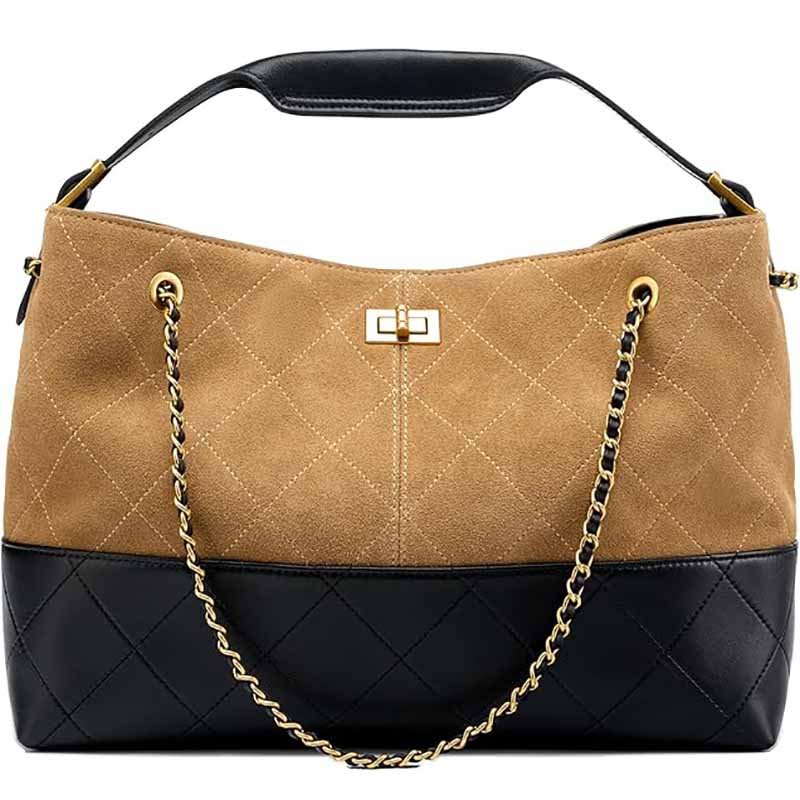
Luxury bag resale pricing should be based on recent sold prices, condition grade, and net payout after fees—not original retail price. Sellers should compare identical models, adjust for wear, color, and demand, and factor in platform commissions. Strategic pricing balances speed and profit, while overpricing often reduces final returns.
Pricing a luxury bag for resale is not about what you paid—it’s about what the market will accept today. Professional sellers treat pricing as a controlled process built on data, timing, and buyer psychology, not emotion.
Below is a practical framework that mirrors how experienced resellers price successfully.
Why is original retail price a poor pricing reference?
Retail price reflects brand positioning at launch—not resale demand.
Many luxury bags depreciate immediately once purchased, especially seasonal designs or fashion-driven silhouettes. Anchoring to retail price leads to overpricing, longer listing times, and eventual discounting that hurts final profit.
Resale buyers care about:
- Current market supply
- Condition compared to alternatives
- Practical usability today
A bag listed too high often sells for less later than if it had been priced correctly from the start.
How do you find accurate resale price data?
The most reliable pricing data comes from recent sold listings, not asking prices.
When researching, filter by:
- Same brand, model, size, and color
- Similar condition grade
- Sales completed within the last 30–90 days
Ignore outliers unless the bag is truly rare. Pricing should reflect the middle of the market, not the highest exception.
Experienced sellers maintain mental price ranges rather than single numbers. This flexibility improves both speed and outcome.
How does condition affect resale price?
Condition is the strongest pricing lever.
Most resale platforms categorize condition into tiers such as:
| Condition Level | Typical Price Impact |
|---|---|
| Like new | 85–95% of market peak |
| Excellent | 70–85% |
| Good | 55–70% |
| Fair | 40–55% |
Minor wear disclosed clearly often has less impact than buyers expect. Hidden damage, however, leads to disputes, returns, and forced price reductions.
Transparency protects pricing power.
How do color, size, and design influence price?
Not all versions of the same bag are equal.
Neutral colors consistently outperform bold or seasonal tones. Medium, functional sizes sell faster and closer to market averages. Extreme sizes—very small or oversized—narrow the buyer pool and usually require sharper pricing.
Classic designs hold value because they remain wearable across seasons. Trend-driven variations may peak briefly but fall quickly.
Liquidity—not uniqueness—drives resale pricing.
How should you factor in platform fees and net payout?
Pricing without calculating net payout is a common mistake.
Typical costs include:
- Platform commission (10–30%)
- Authentication fees
- Shipping and insurance
- Possible return handling
A bag sold for a higher price on a high-fee platform may net less than a lower-priced fast sale elsewhere.
Professional sellers think in net return, not headline price. They also factor in time: capital tied up for months has an opportunity cost.
When should you price high—and when should you price aggressively?
Price high when:
- Demand is strong and supply is limited
- Condition is near-perfect
- You can wait without urgency
Price aggressively when:
- Similar listings are abundant
- Condition shows visible wear
- Cash flow matters
Strategic sellers monitor listing performance. If engagement is low after a defined period, they adjust—not hesitate.
Stubborn pricing often costs more than it gains.
How does brand demand shape long-term pricing power?
Brands with consistent quality and controlled production tend to show price stability. Their bags sell faster and require fewer price cuts.
Demand is built on trust—trust in materials, construction, and longevity. Buyers pay more for bags they believe will still look good in five years.
From a manufacturing standpoint, this explains why well-engineered leather goods outperform trend-led designs in resale markets.
What pricing mistakes should sellers avoid?
Common errors include:
- Pricing emotionally based on purchase history
- Ignoring fees and net payout
- Comparing against unsold listings
- Overestimating rarity
- Refusing to adjust
Pricing is not a one-time decision. It’s an ongoing response to market signals.
How Do You Create a Listing That Sells Faster
A luxury bag listing sells faster when it minimizes buyer uncertainty through professional photos, precise condition disclosure, and clear, factual descriptions. Fast-selling listings show all wear honestly, provide exact measurements and materials, and align pricing with real market data. Trust—not exaggeration—is the key driver of conversion speed.
Most luxury bag listings do not fail because the bag is undesirable. They fail because the listing does not answer buyer questions fast enough.
In resale markets, speed comes from clarity. Buyers compare dozens of listings in minutes. The one that reduces thinking wins.
Below is how professional sellers design listings that convert quickly.
How do professional sellers photograph luxury bags?
Photos are the single most important factor in resale speed.
Fast-selling listings follow a clear visual checklist:
- Neutral background (white, grey, light wood)
- Natural or diffused lighting (no harsh shadows)
- Full set of angles: front, back, sides, bottom, top
- Close-ups of corners, handles, stitching, hardware
- Interior lining and brand stamp details
Buyers use photos to authenticate, assess condition, and compare value. Over-edited or filtered images slow decisions by creating doubt.
Well-made leather bags photograph better naturally. Clean edge paint, even stitching, and structured panels remain visually convincing years later—another reason construction quality matters long after production.
What photos do buyers look at first?
Buyers rarely start with the “pretty” shot. They zoom in on risk zones:
- Bottom corners (abrasion and scuffing)
- Handle attachment points (stress wear)
- Hardware close-ups (scratches, fading)
- Interior base (stains, odors, pen marks)
Listings that show these areas clearly—even with wear—sell faster than listings that avoid them. Transparency removes fear.
If buyers can’t see it, they assume the worst.
What descriptions increase buyer confidence?
High-conversion descriptions are factual, not promotional.
They include:
- Exact measurements (width, height, depth, strap drop)
- Material type (e.g., full-grain leather, suede lining)
- Hardware color and finish
- Clear condition grading with examples
- Disclosure of repairs, odors, or alterations
Avoid phrases like “perfect” or “flawless” unless provably true. Specific language (“light corner wear,” “minor handle darkening”) builds trust and reduces post-sale disputes.
Confidence comes from precision.
How detailed should condition disclosure be?
More detailed than you think.
Professional sellers treat condition disclosure as risk management, not marketing. They assume buyers will notice flaws eventually—so they disclose them first.
A good rule: If you can photograph it, you should describe it.
This approach leads to:
- Faster buyer decisions
- Fewer return requests
- Stronger seller reputation
- Higher long-term pricing power
Transparency does not reduce value—it stabilizes it.
How does pricing presentation affect listing speed?
Even correct prices can feel wrong if poorly presented.
Fast-selling listings often:
- Sit slightly below crowded price clusters
- Avoid “emotional” numbers tied to retail price
- Match price language to condition (“priced accordingly”)
Buyers move quickly when pricing feels fair and justified by photos and description. If buyers feel they must negotiate to “fix” a price, they hesitate—or move on.
Price clarity accelerates conversion.
What listing mistakes slow sales the most?
The most damaging mistakes include:
- Missing angles or low-resolution photos
- Vague condition descriptions
- Overuse of marketing language
- Ignoring buyer search keywords
- Inconsistent information between photos and text
Another common error is underestimating buyer sophistication. Luxury resale buyers are trained by experience—they recognize incomplete listings instantly.
A weak listing doesn’t just delay a sale. It quietly disqualifies itself.
How do keywords and structure affect AI and search visibility?
Listings that sell faster are easier to find.
Effective listings use:
- Brand + model + size + material in the title
- Natural repetition of key attributes in descriptions
- Clear headings or bullet points for readability
This structure helps both human buyers and AI systems understand and surface the listing. Search visibility is not about stuffing keywords—it’s about organized clarity.
Well-structured listings outperform noisy ones.
Why do well-made bags list and sell better over time?
Because quality ages visibly—and favorably.
Bags made with durable leather, reinforced stitching, and balanced structure maintain shape, photograph cleanly, and inspire confidence even after years of use.
From a manufacturing standpoint, this explains why some bags feel “easy to sell” while others require heavy discounts. The listing reflects the product’s build integrity.
Resale performance is often decided at the factory—not the marketplace.
How Do You Ship Safely and Avoid Scams
To ship a luxury bag safely and avoid scams, sellers should document condition before shipping, use insured and trackable delivery with signature confirmation, and keep all communication within the selling platform. Most fraud occurs during shipping or payment disputes, not listing. Proper packaging, proof records, and rule compliance are the most effective protections.
Many sellers believe the hardest part of resale is pricing or finding a buyer. In reality, the highest financial risk begins after the sale, during shipping and delivery.
Luxury bag scams rarely look dramatic. They usually exploit small gaps: missing photos, uninsured parcels, off-platform messages, or unclear delivery proof. Below is how professional sellers eliminate those gaps.
How should you prepare a luxury bag before shipping?
Preparation is your first layer of protection.
Before packing, sellers should:
- Photograph the bag from all angles, including existing wear
- Capture close-ups of corners, handles, interior, and hardware
- Record serial numbers, heat stamps, or identifying features
- Save images with timestamps
This documentation becomes evidence if disputes arise. Without it, sellers rely on memory—platforms rely on proof.
Experienced sellers assume that every shipment may need to be defended and prepare accordingly.
How should luxury bags be packed for safe shipping?
Proper packing prevents both damage and false claims.
Best practices include:
- Lightly stuffing the bag to maintain shape
- Wrapping hardware to prevent scratches
- Placing the bag inside a dust bag or protective sleeve
- Using a rigid inner box, then double-boxing with padding
- Adding moisture barriers for long-distance transit
Photograph the bag inside the box before sealing. This proves condition and packaging method.
High-quality leather and structured construction handle transit stress better—another reason well-made bags reduce downstream risk.
Which shipping options protect sellers best?
Shipping method matters as much as packaging.
Sellers should always use:
- Tracked shipping with real-time updates
- Insurance that covers full resale value
- Signature confirmation upon delivery
Cheaper shipping options often exclude seller protection. If a package is lost or claimed damaged, platforms default to carrier documentation—not seller intent.
Professional sellers treat shipping cost as risk insurance, not overhead.
Why is staying on-platform critical for scam prevention?
Most scams begin with requests to move off-platform.
Common red flags include:
- Requests for private payment or alternate shipping addresses
- Pressure to ship faster than platform rules allow
- Attempts to resolve “issues” outside official messaging
Once communication leaves the platform, seller protection usually disappears. Platforms can only defend transactions they can audit.
The safest rule in resale is simple: If it’s not documented on-platform, it doesn’t exist.
What are the most common luxury resale scams?
Understanding scam patterns reduces emotional mistakes.
Common scenarios include:
- Item-not-as-described claims after delivery
- Switch scams, where a different bag is returned
- Chargebacks citing non-delivery or damage
- Fake courier disputes exploiting uninsured shipping
Most succeed because sellers lack documentation or skip required steps.
Scams rely on speed and confusion. Structure neutralizes both.
How do returns and disputes usually work?
Platforms typically side with documentation.
Sellers who win disputes usually have:
- Pre-shipment condition photos
- Proof of insured, tracked delivery
- Consistent listing descriptions
- Platform-based communication logs
Without these, even honest sellers may lose claims.
In resale, fairness is less important than evidence clarity.
How does bag construction affect shipping risk?
Not all bags survive shipping equally.
Bags with:
- Reinforced handles
- Balanced structure
- Dense leather fiber
- Secure edge finishing
are less likely to deform, crease, or show transit stress. Buyers often misinterpret shipping damage as seller fault—even when accidental.
From a manufacturing standpoint, durability is a form of post-sale protection.
What mindset helps sellers avoid costly mistakes?
Professional sellers think defensively.
They assume:
- Packages can be delayed
- Buyers may change their mind
- Platforms require proof, not explanations
This mindset leads to better preparation, calmer decisions, and fewer losses.
Shipping safely is not about distrust—it’s about risk literacy.
Conclusion
Luxury resale markets reveal an uncomfortable truth: not all bags age equally. Some gain character and value. Others deteriorate quickly. The difference is rarely branding alone—it’s engineering, material choice, and construction discipline.
At Szoneier Leather, we see this cycle from the beginning. Bags designed with durable leather, reinforced stress points, balanced structure, and precise stitching consistently perform better—not just at first sale, but years later in resale environments.
For brands, this matters. Products that hold value strengthen brand trust, improve customer loyalty, and support sustainable consumption. For buyers, it means confidence. For sellers, it means profit.
Ready to Build Luxury Bags That Sell—Again and Again?
If you are a brand owner, retailer, or project developer looking to create luxury leather bags engineered for long-term value, Szoneier Leather is ready to support you.
With over 18 years of experience in leather material R&D, product design, prototyping, manufacturing, and quality control, we help our clients develop bags that are not only beautiful at launch—but desirable in the resale market years later.
Contact Szoneier Leather today to discuss custom luxury bag development, OEM/ODM production, and materials engineered for lasting value.
Your first sale matters. Your second sale—matters even more.