
Bonded Leather vs PU Leather: Differences, Durability & Uses
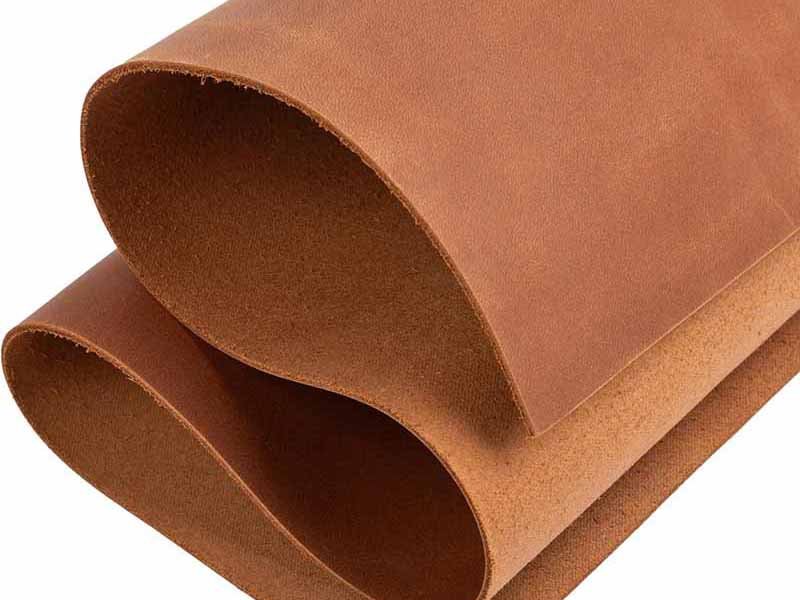
In today’s leather goods market, terms like bonded leather, PU leather, imitation leather, and synthetic leather are used interchangeably—often incorrectly. For buyers, brand owners, and product developers, this creates confusion that goes far beyond semantics. The choice between bonded leather and PU leather directly affects product lifespan, customer satisfaction, pricing strategy, and brand reputation.
Many consumers assume that anything containing “leather” must be closer to genuine leather than synthetic alternatives. Others believe PU leather is automatically inferior because it is not animal-based. In reality, the performance gap between bonded leather and PU leather is not determined by labels, but by material structure, manufacturing process, and use case. Bonded leather and PU leather are both leather alternatives, but they differ significantly in structure and durability. Bonded leather is made from leather scraps bonded with polyurethane or latex, while PU leather is a fully synthetic material with a coated polymer surface. In most real-world applications, PU leather lasts longer and performs more consistently than bonded leather, which is often considered the lowest quality leather category.
At Szoneier Leather, with over 18 years of experience developing and manufacturing leather goods for brands and professional buyers, we see these material choices impact everything from return rates to long-term brand trust. Let’s start by breaking down what bonded leather really is—and what it is not.
What Is Bonded Leather
Bonded leather is a leather-like material made by grinding leftover leather scraps into fibers, mixing them with polyurethane or latex binders, and pressing the mixture into sheets. Although it contains a small percentage of real leather, bonded leather lacks the natural fiber structure of genuine leather. It is widely considered the lowest quality leather category due to its limited durability and tendency to peel over time.
What Is Bonded Leather Made Of?
Bonded leather is created from leather waste, not whole hides. During genuine leather production, large amounts of scraps, dust, and shavings are generated. These remnants are collected, finely ground, and mixed with synthetic binders such as polyurethane (PU) or latex.
In most commercial bonded leather:
- 10–30% of the material consists of actual leather fibers
- 70–90% consists of binders, fillers, and backing materials
The mixture is pressed onto a paper or fabric base and coated with a polyurethane surface layer, which is then embossed to imitate natural leather grain.
From a materials science perspective, bonded leather is closer to a composite sheet material than true leather.
How Is Bonded Leather Manufactured?
The manufacturing process of bonded leather prioritizes cost efficiency and material reuse, not structural performance.
Typical steps include:
- Collecting and grinding leather scraps into fine fibers
- Mixing fibers with chemical binders
- Spreading the mixture onto a backing sheet
- Heat-pressing to form uniform thickness
- Applying a surface coating and embossed texture
This process creates a material that looks like leather on the surface but lacks the continuous collagen fiber network that gives genuine leather its strength, flexibility, and aging characteristics.
Because the leather fibers are fragmented and glued together, bonded leather is inherently structurally weak under repeated stress.
Is Bonded Leather Considered Real Leather or the Lowest Quality Leather?
This is one of the most misunderstood points in the leather industry.
Technically, bonded leather does contain real leather fibers, which allows it to be marketed using the word “leather” in some regions. However, from an industry and performance standpoint, bonded leather is widely regarded as the lowest quality leather category.
Key reasons include:
- No natural hide structure
- Cannot be conditioned or restored like genuine leather
- Surface layer separates from backing over time
- Short functional lifespan
In professional manufacturing, bonded leather is often grouped closer to synthetic leather alternatives than to full-grain or top-grain leather.
Why Does Bonded Leather Peel or Flake Over Time?
Peeling is the most common failure mode of bonded leather, and it is structural, not accidental.
Bonded leather relies on chemical binders to hold fibers together. Over time, these binders:
- Degrade due to heat and UV exposure
- Become brittle with repeated bending
- Lose adhesion between layers
Once the polyurethane surface layer separates from the fiber base, the material begins to flake. Unlike genuine leather, bonded leather cannot be repaired, reconditioned, or refinished once peeling starts.
This is why bonded leather products often look acceptable when new but deteriorate rapidly in real-world use.
How Does Bonded Leather Perform in Real Products?
In low-stress applications such as decorative panels or lightly used furniture, bonded leather may perform acceptably for a short period. However, in high-wear products—including bags, wallets, belts, and straps—its performance is poor.
Common issues include:
- Early surface cracking at folds
- Peeling at corners and edges
- Loss of flexibility
- Visible aging within 1–3 years
For export markets and brand products, these issues often lead to returns, complaints, and negative reviews.
Why Do Some Brands Still Use Bonded Leather?
Despite its limitations, bonded leather is still used because:
- It is low cost
- It allows reuse of leather waste
- It provides a leather-like appearance at entry-level pricing
For very price-sensitive markets or short-term promotional items, bonded leather may be acceptable. However, for brands that care about durability, reputation, and customer trust, bonded leather is usually not recommended.
Bonded Leather vs Genuine Leather: A Reality Check
Bonded leather should not be confused with:
- Full-grain leather
- Top-grain leather
- Split leather
Those materials are cut from actual hides and retain natural fiber structure. Bonded leather does not. Understanding this distinction is critical for buyers making material decisions.
What Is PU Leather
PU leather, or polyurethane leather, is a synthetic leather made by coating a fabric base with one or more layers of polyurethane. Unlike bonded leather, PU leather does not contain leather scraps. Its structure is engineered for consistency, flexibility, and surface durability. High-quality PU leather—especially microfiber PU—is widely used in bags, wallets, belts, and accessories due to its stable performance and controlled lifespan.
What Does “PU” Mean in PU Leather?
PU stands for polyurethane, a versatile polymer widely used in coatings, foams, and flexible surfaces. In PU leather, polyurethane forms the outer layer that replicates the look and feel of natural leather.
Unlike genuine leather, which relies on animal hide structure, PU leather is fully engineered. This means its softness, thickness, stretch, grain pattern, and abrasion resistance can all be precisely controlled during production.
From a manufacturing standpoint, this controllability is one of PU leather’s biggest advantages—it delivers predictable and repeatable quality across batches.
How Is PU Leather Made?
PU leather is produced through a layered coating process, not by recycling leather waste.
A typical production process includes:
- Selecting a textile base (polyester fabric, microfiber, or nonwoven backing)
- Applying liquid polyurethane coatings
- Curing and drying the layers
- Embossing surface grain patterns
- Adding protective topcoats for abrasion, UV, or stain resistance
Higher-grade PU leather often uses microfiber backing, which significantly improves tear strength, flexibility, and overall durability. This is why microfiber PU is commonly chosen for mid-range to premium accessories.
Is PU Leather the Same as Imitation or Synthetic Leather?
PU leather is a type of synthetic (imitation) leather, but not all imitation leathers are equal.
The term “imitation leather” is broad and can include:
- PU leather
- PVC leather
- Low-grade coated fabrics
Among these, PU leather—especially microfiber PU—is generally considered superior because it is softer, more flexible, less brittle, and more breathable than PVC-based alternatives.
So while PU leather is technically imitation leather, it should not automatically be associated with low quality.
Does PU Leather Contain Real Leather?
No. PU leather does not contain real leather fibers. It is entirely synthetic.
However, this does not mean it performs worse than materials that contain leather scraps (such as bonded leather). In fact, many professional manufacturers prefer PU leather because it avoids the structural weaknesses caused by fragmented leather fibers and chemical binders.
Performance, not leather content percentage, determines real-world quality.
How Durable Is PU Leather in Real Use?
PU leather durability depends on grade and construction.
- Low-grade PU leather may crack or peel within 2–3 years
- Mid-grade PU leather typically lasts 3–5 years in bags and accessories
- High-grade microfiber PU leather can last 5–7 years or longer under normal use
Key factors affecting durability include:
- Thickness of PU coating
- Quality of backing fabric
- Number of protective top layers
- Resistance to UV, heat, and abrasion
When properly engineered, PU leather often outperforms bonded leather in daily-use products.
Is PU Leather Breathable and Comfortable?
Breathability depends on the backing and coating structure.
Standard PU leather is less breathable than genuine leather, but advanced microfiber PU allows limited airflow and moisture management. This makes it more comfortable for items like handbags, straps, and wallets that are handled frequently.
For bags and accessories, PU leather’s balance of softness, flexibility, and surface stability often results in a better user experience than brittle alternatives.
Does PU Leather Peel or Crack Over Time?
PU leather can peel or crack, but this is not inevitable.
Peeling usually occurs when:
- Coatings are too thin
- Inferior adhesives are used
- UV protection is insufficient
- Products are exposed to extreme heat or dryness
High-quality PU leather with proper finishing resists peeling far better than bonded leather. Importantly, PU leather fails more gradually, while bonded leather often fails suddenly and irreversibly.
How Is PU Leather Used in Bags and Accessories?
PU leather is widely used in:
- Handbags and tote bags
- Wallets and card holders
- Belts and straps
- Leather boxes and cases
- Fashion and lifestyle accessories
Its consistent thickness and surface allow precise cutting, stitching, and edge finishing—critical for clean, professional product appearance.
This is why many export brands and private-label buyers choose PU leather for stable mass production.
Why Do Brands Choose PU Leather Over Bonded Leather?
From a brand perspective, PU leather offers:
- Better durability predictability
- Lower risk of peeling complaints
- More consistent appearance
- Easier quality control
- Better customer review outcomes
Even without “real leather content,” PU leather often delivers higher real-world value.
Which Is Better: Bonded Leather or PU Leather
PU leather is generally better than bonded leather for most real-world applications. Although bonded leather contains leather scraps, its fragmented structure makes it less durable and prone to peeling. High-quality PU leather offers more consistent performance, better flexibility, and longer usable lifespan, making it a more reliable choice for bags, wallets, belts, and accessories.
When deciding which material is better, the key question is not “Which contains leather?” but “Which performs better over time?” Below is a critical comparison based on durability, user experience, manufacturing stability, and brand risk.
Does Bonded Leather Last Longer Than Imitation Leather?
In most cases, no.
This is one of the most common misconceptions in the market. Bonded leather is often assumed to last longer because it contains real leather fibers. However, those fibers are shredded and glued together, not naturally interwoven like genuine leather.
PU leather, although fully synthetic, has a continuous polymer surface bonded to a textile backing. This structure distributes stress more evenly when the product is bent, folded, or handled daily.
In practical use:
- Bonded leather often begins peeling within 6–24 months
- Medium- to high-grade PU leather typically lasts 3–6 years or more
So in terms of usable lifespan, PU leather usually outperforms bonded leather, despite being an imitation material.
Which One Is More Resistant to Peeling, Cracking, and Wear?
Bonded leather is highly prone to surface peeling, especially at:
- Bag corners
- Wallet folds
- Strap attachment points
Once the surface layer separates, bonded leather cannot be repaired or restored.
PU leather can also crack or peel, but this usually happens only with low-grade PU or poor coating technology. High-quality PU leather uses:
- Multi-layer polyurethane coatings
- UV-resistant topcoats
- Flexible microfiber or fabric backings
As a result, PU leather fails more slowly and predictably, giving brands better control over product lifespan and customer expectations.
Which Material Handles Daily Stress Better?
Daily stress includes:
- Repeated bending
- Friction from handling
- Temperature changes
- Light moisture exposure
Bonded leather performs poorly under repeated stress because the binders holding the fibers together gradually break down.
PU leather, by contrast, is engineered to flex repeatedly without structural failure. This makes it far more suitable for:
- Handbags and backpacks
- Wallets and card holders
- Belts and straps
From a functional standpoint, PU leather is better suited for high-frequency use products.
Which Feels Better and Looks Better Over Time?
Bonded leather may feel firm at first, but it lacks elasticity. Over time, it becomes stiff and brittle, leading to visible aging.
PU leather—especially microfiber PU—maintains:
- More consistent softness
- Stable surface appearance
- Uniform grain retention
Importantly, PU leather ages more evenly, while bonded leather often looks acceptable initially and then degrades suddenly.
For consumers, this translates to better perceived quality and satisfaction.
Which Is Better for Manufacturing Consistency and Quality Control?
From a factory and brand perspective, PU leather is clearly superior.
Bonded leather quality varies significantly depending on:
- Scrap composition
- Binder ratios
- Pressing consistency
This variability makes quality control difficult across batches.
PU leather, being fully engineered, offers:
- Consistent thickness
- Predictable tensile strength
- Stable surface behavior
For brands producing at scale or exporting internationally, PU leather reduces quality risk and after-sales issues.
Which Material Is Better for Brand Reputation and Reviews?
Bonded leather is one of the most common sources of negative reviews in leather-like products. Complaints often include:
- Peeling within one year
- “Fake leather” appearance after use
- Inability to repair or maintain
PU leather, when properly specified, results in:
- Fewer durability complaints
- More stable user experience
- Lower return rates
From a long-term brand perspective, PU leather is the safer choice.
Bonded Leather vs PU Leather: Direct Comparison Table
| Factor | Bonded Leather | PU Leather |
|---|---|---|
| Contains Leather Fibers | Yes (scraps) | No |
| Structural Integrity | Low | Medium to High |
| Flexibility | Poor | Good |
| Peeling Risk | Very High | Medium to Low |
| Average Lifespan | 1–3 years | 3–7 years |
| Repairability | None | Limited |
| Quality Consistency | Unstable | Stable |
| Brand Risk | High | Low |
| Best Use | Decorative items | Bags, wallets, accessories |
So, Which Is Better in Practice?
For most buyers and brands, PU leather is the better choice because it offers:
- Longer usable life
- Better resistance to peeling
- More predictable performance
- Lower customer complaint risk
Bonded leather may only make sense for very low-cost, low-use, or decorative products, where durability is not a priority.
How Do You Tell Bonded Leather from PU Leather
You can tell bonded leather from PU leather by checking labels, backing material, surface behavior when bent, and long-term peeling risk. Bonded leather usually has paper-like backing, cracks at folds, and peels over time. PU leather has fabric or microfiber backing, flexes smoothly, and shows more consistent durability. Labels such as “bonded leather” or “reconstituted leather” are key indicators.
Identifying the difference is easiest when you combine label inspection, physical tests, and structural clues. No single test is perfect—but together they provide a reliable answer.
What Labels or Product Descriptions Should You Look For?
The fastest way to tell the difference is to read the label carefully—especially for export or branded products.
Common terms for bonded leather:
- Bonded leather
- Reconstituted leather
- Leather fiber
- Leather blend
Common terms for PU leather:
- PU leather
- Polyurethane leather
- Synthetic leather
- Vegan leather
Important: If a product description uses vague terms like “leather-like” or “eco leather” without material composition, it often signals lower transparency. Professional manufacturers clearly state whether a product is bonded leather or PU leather.
How Does the Backing Material Reveal the Difference?
Backing material is one of the most reliable physical indicators.
- Bonded leather backing: Often looks and feels like paperboard or compressed fiber. It may tear easily and lacks visible fabric weave.
- PU leather backing: Typically fabric-based (polyester or microfiber). You can usually see a woven or nonwoven textile structure, which adds strength and flexibility.
If you can access the inside edge, seam allowance, or underside of the material, the backing often tells the truth immediately.
How Do Surface Flexibility and Bending Behavior Differ?
A simple bending test reveals a lot.
- When gently bent:
- Bonded leather often shows sharp creases or fine cracks on the surface.
- PU leather bends smoothly and returns to shape with fewer stress lines.
This happens because bonded leather relies on binders holding fragments together, while PU leather uses a continuous polymer layer that distributes stress more evenly.
This test is especially useful for wallets, straps, and bag corners.
Can Smell Help Identify Bonded Leather vs PU Leather?
Smell is not definitive—but it can provide clues.
- Bonded leather: Often smells chemical or neutral. Any “leather smell” fades quickly because the leather content is minimal.
- PU leather: Usually smells neutral or slightly plastic-like at first, then becomes odorless. It does not develop a natural leather scent over time.
Smell alone should never be your only test, but combined with others it supports identification.
How Does Grain Pattern and Surface Texture Differ?
Look closely at the surface grain.
- Bonded leather: Grain often looks uniform and shallow, stamped to imitate leather. Repetition patterns may be noticeable.
- PU leather: Grain can range from very uniform to highly refined, depending on quality. High-grade PU can replicate natural leather texture surprisingly well.
Consistency alone does not mean quality—but overly flat, lifeless grain combined with other signs often points to bonded leather.
How Can You Spot Peeling Risk Before Buying?
Peeling is the biggest concern with bonded leather, and there are early warning signs.
High peeling risk indicators:
- Very thin surface layer
- Excessive gloss
- Brittle feel at folds
- Cracking after light bending
Bonded leather often looks acceptable when new but fails suddenly once peeling begins. PU leather, by contrast, usually degrades gradually, giving more predictable aging.
How Do Bonded Leather and PU Leather Age Differently Over Time?
Long-term behavior is the clearest differentiator.
- Bonded leather: Surface starts peeling or flaking within 1–3 years in daily-use products. Once peeling starts, failure accelerates rapidly.
- PU leather: High-quality PU may last 3–7 years or more. Surface wear appears gradually rather than catastrophically.
This difference matters greatly for brand reputation, warranty planning, and customer reviews.
Can You Tell the Difference Without Cutting or Damaging the Product?
Yes, in most cases.
Without damaging the product, you can still check:
- Labels and descriptions
- Interior seams or folded edges
- Flexibility at corners
- Surface behavior under light pressure
For buyers and brands, the most reliable method remains requesting material samples before committing to production.
Do Bonded Leather and PU Leather Crack or Peel Over Time
Yes, both bonded leather and PU leather can crack or peel over time, but bonded leather fails faster and more severely. Bonded leather typically peels within 1–3 years due to binder breakdown. High-quality PU leather, especially microfiber PU, resists cracking better and usually lasts 3–7 years or longer when properly manufactured and maintained.
Cracking and peeling are not random defects. They are predictable material failure modes caused by structure, chemistry, and use conditions. Understanding why they happen is the key to choosing the right material.
Why Does Bonded Leather Crack or Peel So Easily?
Bonded leather is structurally vulnerable by design.
It is made from:
- Shredded leather fibers
- Chemical binders (PU or latex)
- A surface coating pressed onto a backing
There is no continuous leather fiber network. Instead, fibers are glued together. Over time, the binders:
- Lose elasticity
- Become brittle under heat and UV
- Weaken at fold and stress points
When the binder fails, the surface layer separates from the base. This causes flaking and peeling, not gradual wear. Once peeling starts, bonded leather cannot be repaired or stabilized.
This is why bonded leather products often look fine initially, then suddenly deteriorate.
How and When Does Bonded Leather Typically Fail?
In real-world use, bonded leather follows a common timeline:
- 0–6 months: Looks acceptable
- 6–18 months: Fine cracks appear at folds and corners
- 12–36 months: Surface peeling accelerates
- After peeling: Structural failure is irreversible
High-stress products such as bags, wallets, belts, and straps experience failure faster than decorative items. Daily bending and handling dramatically shorten lifespan.
From a brand perspective, bonded leather introduces high warranty and reputation risk.
Does PU Leather Crack or Peel Over Time?
Yes, PU leather can crack or peel—but not all PU leather behaves the same.
PU leather is a layered polymer system bonded to a textile backing. Its durability depends on:
- PU coating thickness
- Coating elasticity
- Quality of adhesives
- Backing fabric (polyester vs microfiber)
Low-grade PU with thin coatings may crack within 2–3 years. High-quality PU—especially microfiber PU—can remain stable for 5–7 years or longer.
Importantly, PU leather usually degrades gradually, not catastrophically like bonded leather.
Why Is PU Leather More Resistant to Cracking Than Bonded Leather?
The key difference is stress distribution.
- Bonded leather: Stress concentrates at fiber/binder boundaries
- PU leather: Stress spreads evenly across a continuous polymer surface
PU leather flexes as a unified sheet. Bonded leather flexes unevenly, causing micro-failures that grow into visible cracks.
This is why PU leather performs far better in:
- Wallet folds
- Bag handles
- Strap attachment points
- High-friction contact areas
What Environmental Factors Accelerate Cracking and Peeling?
Both materials are affected by environment, but bonded leather is far more sensitive.
Major accelerators include:
- UV exposure: Breaks down binders and coatings
- High heat: Dries and embrittles surfaces
- Low humidity: Reduces flexibility
- Repeated friction: Weakens surface layers
Bonded leather degrades rapidly under these conditions. PU leather tolerates them better, especially with UV-resistant topcoats.
This explains why bonded leather often fails faster in hot, dry climates or near windows and car interiors.
How Does Daily Use Affect Cracking and Peeling?
Frequency of movement matters more than load.
Products that:
- Bend repeatedly
- Are opened and closed often
- Are handled daily
will expose weaknesses quickly.
Bonded leather is unsuitable for:
- Wallets
- Belts
- Bag straps
- High-use handbags
PU leather—particularly microfiber PU—handles repeated motion far more effectively.
Can Cracking or Peeling Be Prevented?
Prevention is limited—but material choice makes the biggest difference.
For bonded leather:
- Conditioning does not prevent peeling
- Repairs are cosmetic at best
- Failure is inevitable
For PU leather:
- Avoid extreme heat and UV
- Clean gently, avoid solvents
- Choose higher-grade PU at sourcing stage
Once bonded leather peels, replacement is the only solution. PU leather offers more usable life before failure.
What Does This Mean for Brands and Product Developers?
From a commercial perspective:
- Bonded leather leads to early complaints and returns
- PU leather offers predictable aging
- Predictable aging = manageable warranties
For export brands, Amazon sellers, and private-label products, avoiding sudden failure is critical. Customers tolerate gradual wear—but not rapid peeling.
Bonded Leather vs PU Leather: Failure Comparison
| Aspect | Bonded Leather | PU Leather |
|---|---|---|
| Cracking Resistance | Very Low | Medium–High |
| Peeling Risk | Extremely High | Medium–Low |
| Failure Speed | Sudden & Irreversible | Gradual |
| Repairability | None | Limited |
| Typical Lifespan | 1–3 years | 3–7 years |
| Brand Risk | High | Low |
How Should You Choose for Bags, Wallets, and Accessories
When choosing materials for bags, wallets, and accessories, durability and flexibility matter more than whether a material contains leather fibers. PU leather generally performs better than bonded leather in high-wear products such as bags, wallets, belts, and straps. Material choice should be based on stress points, bending frequency, lifespan expectations, and brand positioning rather than cost alone.
Choosing between bonded leather and PU leather is not a one-size-fits-all decision. Different products experience very different mechanical stresses, and the wrong material choice often leads to early failure, customer complaints, and negative reviews.
Below is a practical selection logic used by experienced manufacturers and brands.
Which Material Is Better for Bags with High Wear Points?
For bags—especially tote bags, backpacks, travel bags, crossbody bags, and handbags—PU leather is almost always the better choice.
Why? Bags experience:
- Continuous weight load
- Repeated bending at handles and openings
- Friction at corners and seams
Bonded leather performs poorly under these conditions. Its surface layer tends to crack or peel at:
- Handle attachment points
- Bottom corners
- Folded edges
PU leather, particularly microfiber PU, distributes stress more evenly and maintains flexibility. This makes it far more reliable for bags intended for daily or travel use.
Professional rule: If a bag is meant to be carried daily, bonded leather should be avoided.
Which Material Works Best for Wallets and Small Leather Goods?
Wallets, card holders, and small pouches are among the most demanding products in terms of material performance.
They are:
- Opened and closed dozens of times per day
- Folded sharply along the same lines
- Exposed to body heat, oils, and friction
Bonded leather fails very quickly in this category, often peeling at fold lines within 6–12 months.
PU leather—especially softer, flexible grades—handles repeated bending far better. For premium feel and longer life, microfiber PU or genuine leather is recommended.
Key takeaway: For wallets, flexibility matters more than surface appearance.
How Should You Choose for Belts, Straps, and Handles?
Belts, shoulder straps, and bag handles are tension-driven components.
They experience:
- Constant pulling force
- Repeated micro-flexing
- Concentrated stress near holes and stitching
Bonded leather is structurally unsuitable here. It lacks tensile strength and often delaminates or cracks under tension.
PU leather with reinforced backing—or layered construction—performs significantly better. Many professional manufacturers also laminate PU leather with internal webbing for added strength.
Never use bonded leather for:
- Belts
- Adjustable straps
- Load-bearing handles
Which Material Is Acceptable for Accessories and Decorative Items?
Bonded leather may still have limited use in low-stress, decorative accessories, such as:
- Rigid leather boxes
- Desk organizers
- Light-use covers
- Display or gift items
In these cases, the material is not repeatedly bent or stressed. However, even here, bonded leather carries long-term aging risk, especially in dry or hot environments.
PU leather offers a safer alternative with similar cost levels but better longevity.
How Does Material Choice Affect Brand Positioning?
Material selection directly impacts how customers perceive your brand.
- Bonded leather products often lead to:
- Early peeling complaints
- Negative reviews mentioning “cheap leather”
- Higher return and replacement rates
- PU leather products (properly specified) deliver:
- More predictable aging
- Better review stability
- Lower after-sales risk
For brands selling online—especially on platforms like Amazon—avoiding sudden material failure is critical. Customers may tolerate gradual wear, but not peeling within a year.
How Should Brands Balance Cost vs Longevity?
Bonded leather is cheaper upfront, but more expensive over time.
Hidden costs include:
- Customer complaints
- Returns and refunds
- Brand damage
- Loss of repeat buyers
PU leather costs slightly more but:
- Reduces failure risk
- Improves customer satisfaction
- Protects long-term brand value
From a total-cost-of-ownership perspective, PU leather is often the more economical choice.
What Do Professional Manufacturers Recommend in Practice?
From a factory perspective, experienced manufacturers typically recommend:
- Bags: PU leather or genuine leather
- Wallets: Microfiber PU or genuine leather
- Belts & straps: Reinforced PU or genuine leather
- Decorative accessories: PU leather preferred over bonded leather
Bonded leather is generally avoided in products expected to last beyond short-term or promotional use.
Quick Decision Guide
| Product Type | Recommended Material | Avoid |
|---|---|---|
| Tote / Handbags | PU leather, microfiber PU | Bonded leather |
| Backpacks / Travel Bags | PU leather | Bonded leather |
| Wallets / Card Holders | Microfiber PU | Bonded leather |
| Belts / Straps | Reinforced PU | Bonded leather |
| Decorative Items | PU leather (limited bonded use) | — |
Conclusion
Choosing between bonded leather and PU leather is not just about materials—it’s about product longevity, customer satisfaction, and brand credibility. The wrong material choice can lead to peeling, complaints, returns, and long-term damage to your brand image. The right manufacturing partner helps you avoid those risks before they happen.
At Szoneier Leather, we are not a trading company or generic supplier. We are a leather goods R&D and manufacturing factory with over 18 years of hands-on experience, working directly with brands, designers, and professional buyers who understand materials and expect engineering-level answers—not sales talk.
Contact Szoneier Leather today to discuss your product concept, request material samples, or receive a tailored quotation from a professional factory team.
What Can I Do For You?
Here, developing your OEM/ODM private label leather goods collection is no longer a challenge,it’s an excellent opportunity to bring your creative vision to life.
Make A Sample First?
If you have your own tech packs, logo design artwork, or just an idea,please provide details about your project requirements, including preferred fabric, color, and customization options,we’re excited to assist you in bringing your leather goods designs to life through our sample production process.