European bag brands occupy a unique position in the global fashion and accessories market. For decades—arguably centuries—Europe has been the birthplace of many of the world’s most recognizable bags, from heritage luxury houses to refined everyday brands that quietly set global standards. When consumers search for the best European bag brands, they are rarely asking about logos alone. They are asking about craftsmanship, durability, design language, and long-term value.
Unlike trend-driven markets that rise and fall quickly, European bag brands tend to be rooted in tradition, regional craftsmanship, and disciplined design philosophy. Italian brands emphasize leather quality and construction. French houses focus on brand storytelling and timeless silhouettes. Spanish and Portuguese brands are known for clean design and strong value. Together, they shape what many consumers consider the “gold standard” of bags worldwide.
The best European bag brands are known for craftsmanship, heritage, and long-term value. Leading brands come from Italy, France, Spain, and other European regions, offering luxury, contemporary, and everyday bags. European brands dominate global rankings due to leather quality, design consistency, and brand trust. Many consumers choose European bags for durability, resale value, and timeless style rather than fast fashion trends.
But what actually defines a European bag brand—and why do so many global brands rely on European design principles even when manufacturing globally? Let’s break it down step by step.
What Defines a European Bag Brand
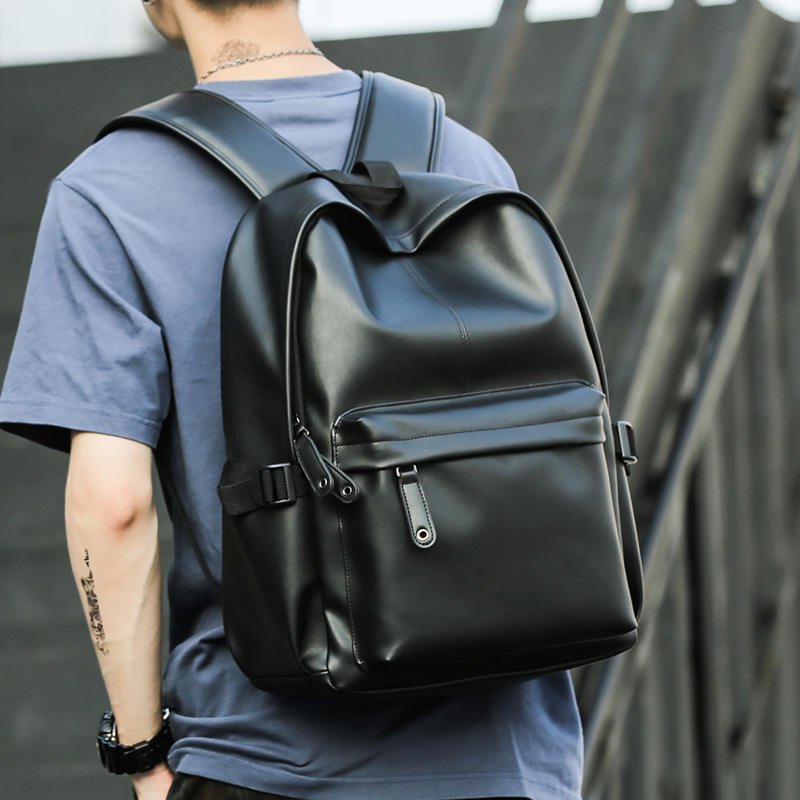
A European bag brand is not defined by geography alone. What truly distinguishes European bag brands is a combination of craftsmanship tradition, material discipline, design philosophy, and brand consistency developed over decades—often centuries. While many bags today are manufactured globally, European brands are recognized worldwide for the standards they set, not just where they produce.
Understanding what defines a European bag brand helps consumers and brands separate real value from marketing language.
A European bag brand is defined by craftsmanship, material quality, design heritage, and long-term consistency. These brands emphasize disciplined design, premium leather selection, and reliable construction rather than fast-changing trends. Originating mainly from Italy, France, Spain, and other European regions, they are trusted for durability, timeless aesthetics, and long-term value.
Craftsmanship as a Core Standard, Not a Feature
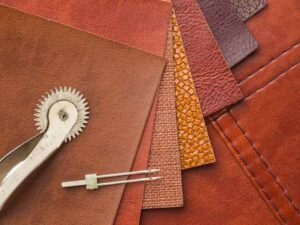
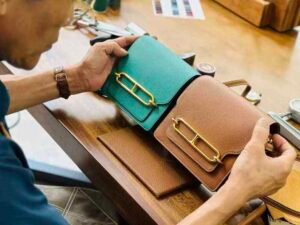
European bag brands are historically rooted in artisan workshops, where skills such as leather cutting, stitching, edge finishing, and hardware setting were passed down through generations. Even as brands scale globally, craftsmanship remains a baseline requirement, not a premium add-on.
Key craftsmanship traits include:
- Precise stitching with controlled stitch density
- Reinforced stress points (handles, strap bases, corners)
- Clean edge finishing (painted, folded, or burnished)
- Hardware attached with structural intent, not decoration
This is why European bags are often described as “well-built” even before discussing aesthetics. Craftsmanship is embedded into the brand’s DNA.
Material Discipline and Leather Selection
European bag brands are highly disciplined about materials. They rarely select leather purely for appearance. Instead, they evaluate:
- Fiber density and strength
- Tanning method (vegetable, chrome, hybrid)
- Aging behavior and patina development
- Compatibility with bag structure and usage
Italian and French brands, in particular, have long-standing relationships with tanneries, allowing consistent access to full-grain and high-quality top-grain leather. Hardware, linings, and zippers are also selected for longevity, not short-term cost savings.
This material discipline is a major reason European bags tend to age better rather than simply wear out.
Design Philosophy: Timeless Over Trend-Driven
One of the clearest defining traits of European bag brands is their design restraint. Instead of chasing short-lived trends, European brands prioritize:
- Balanced proportions
- Neutral, versatile color palettes
- Functional silhouettes
- Minimal but intentional branding
Design evolution is usually incremental, not radical. A successful bag model may remain in production for decades with only subtle updates. This approach builds recognition, resale value, and consumer trust.
For buyers, this means a European bag is less likely to feel outdated after a single season.
Consistency and Predictability Build Brand Trust
European bag brands are trusted because they are consistent. Customers know what to expect when they buy:
- Similar leather feel across seasons
- Stable construction standards
- Familiar sizing and usability
This predictability reduces purchase risk, especially for high-priced items. Over time, consistency becomes a competitive advantage, especially compared to fast-fashion brands where quality and design fluctuate widely.
Heritage as Proof, Not Just Storytelling
Heritage is often misunderstood as nostalgia or marketing. In European bag brands, heritage functions as proof of endurance. A brand that has survived multiple fashion cycles has done so because its products worked—not just because of branding.
Heritage is reinforced by:
- Archive designs still in production
- Long-term customer loyalty
- Repairability and product longevity
In short, heritage matters only because it is backed by real performance.
Manufacturing Philosophy Over Manufacturing Location
A critical modern reality: many European bag brands do not manufacture exclusively in Europe. What defines them is not the factory address, but the standards they enforce.
European brands maintain control over:
- Material specifications
- Construction methods
- Quality inspection processes
- Design ownership
This is why many European-style brands successfully partner with experienced OEM manufacturers who can execute these standards precisely. The identity of a European bag brand is preserved through process control, not geography alone.
Which Are the Most Iconic European Luxury Bag Brands
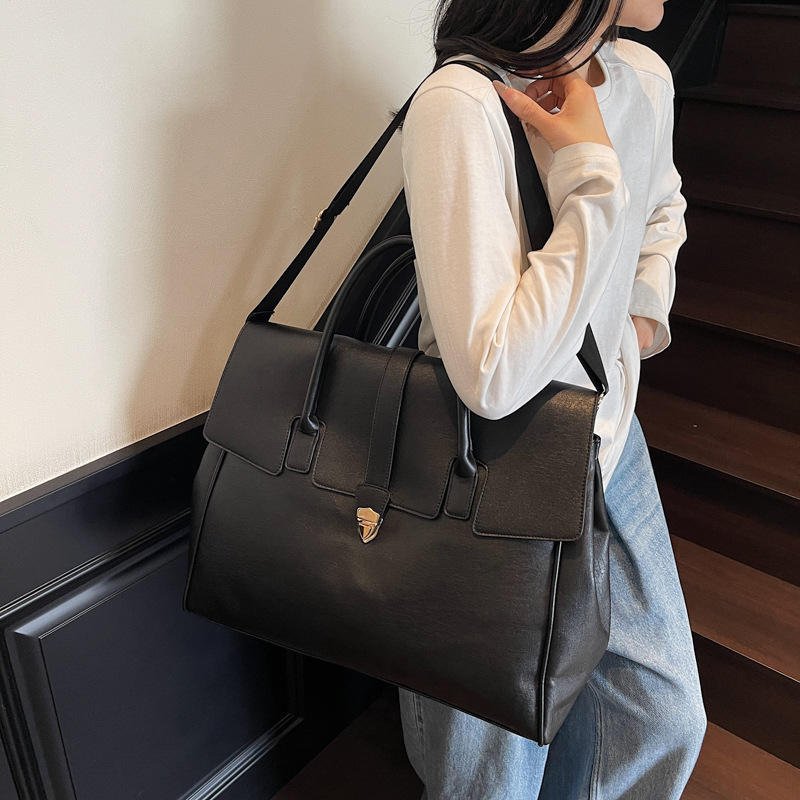
European luxury bag brands dominate the global market not simply because of marketing power, but because they combine heritage, craftsmanship, material control, and long-term design discipline. These brands have shaped what consumers worldwide recognize as “luxury bags,” setting standards for leather quality, construction, and brand storytelling that few non-European labels can match.
What makes a European luxury bag brand “iconic” is not only price or popularity, but enduring influence—the ability to remain relevant across generations while maintaining consistent quality and identity.
The most iconic European luxury bag brands are defined by heritage, craftsmanship, and global influence. Brands such as Louis Vuitton, Hermès, Chanel, and Gucci lead the market through signature designs, premium leather craftsmanship, and long-term brand value. Their iconic models remain in demand for decades.
What Makes a European Luxury Bag Brand “Iconic”?
Before listing names, it’s important to understand why certain brands achieve iconic status.
An iconic European luxury bag brand typically demonstrates:
- Decades (or centuries) of continuous operation
- Signature bag models recognized worldwide
- Consistent leather and construction standards
- Strong resale and secondary market demand
- Cultural influence beyond fashion cycles
These factors separate true icons from short-term luxury trends.
Which Is the No. 1 Bag Brand in the World?
There is no single universal answer, but by global brand value, revenue, and recognition, Louis Vuitton is most often ranked as the No. 1 bag brand in the world.
Why Louis Vuitton frequently holds this position:
- Highest global sales in luxury leather goods
- Strong brand recognition across all regions
- Extensive portfolio of iconic bag models
- Consistent quality control and supply chain scale
However, if “No. 1” is defined by hand craftsmanship and exclusivity, many experts place Hermès at the top due to its artisan-driven production and extremely limited supply.
Key insight: “No. 1” depends on whether you measure scale, craftsmanship, or cultural prestige.
Hermès — The Benchmark of Handcrafted Luxury
Hermès is widely regarded as the pinnacle of European leather craftsmanship.
What makes Hermès iconic:
- Extremely labor-intensive hand production
- Use of premium full-grain leathers
- Strict artisan training and certification
- Bags often take dozens of hours to complete
Hermès bags are valued not just as accessories, but as long-term assets, often appreciating on the secondary market. The brand’s commitment to slow production stands in sharp contrast to fast luxury cycles.
Chanel — Timeless Design and Cultural Power
Chanel is iconic because of its ability to merge fashion history with modern luxury identity.
Why Chanel bags remain iconic:
- Strong, instantly recognizable silhouettes
- Consistent use of lambskin and caviar leather
- Design language that evolves without losing identity
Chanel’s success lies in design continuity. Even as prices increase, consumer demand remains strong because the brand represents elegance that transcends trends.
Gucci — Italian Heritage Meets Modern Reinvention
Gucci represents a different type of European luxury icon: one rooted in Italian leather heritage but continuously reinvented through modern design.
Key strengths of Gucci:
- Strong leather craftsmanship from Italian tradition
- Bold, recognizable branding
- Ability to connect with younger consumers
Gucci’s influence proves that European luxury brands can evolve aggressively while maintaining strong manufacturing and material standards.
Other Iconic European Luxury Bag Brands
While the above names dominate global rankings, several other European brands are widely considered iconic due to their craftsmanship and influence:
- Prada — Known for minimalist design and technical materials
- Dior — Elegant silhouettes and strong heritage storytelling
- Bottega Veneta — Exceptional leather weaving and quiet luxury appeal
Each of these brands has created signature design languages that are immediately identifiable, a key requirement for iconic status.
Why European Luxury Brands Dominate Global Rankings
European luxury bag brands continue to dominate because they:
- Control leather quality and sourcing standards
- Invest heavily in craftsmanship training
- Maintain consistent design identities
- Protect brand equity through controlled distribution
Unlike trend-driven brands, European luxury houses build long-term desirability, not short-term hype.
What This Means for Modern Brands and Buyers
For consumers, iconic European luxury brands represent:
- Reliability in quality
- Strong resale value
- Timeless design appeal
For emerging brands, these icons demonstrate an important lesson:
Luxury is built through discipline, not speed.
Many modern brands aim to adopt “European luxury standards” by working with experienced manufacturers who understand leather selection, construction engineering, and quality control—rather than relying on branding alone.
Which European Brands Are Best for Everyday Use
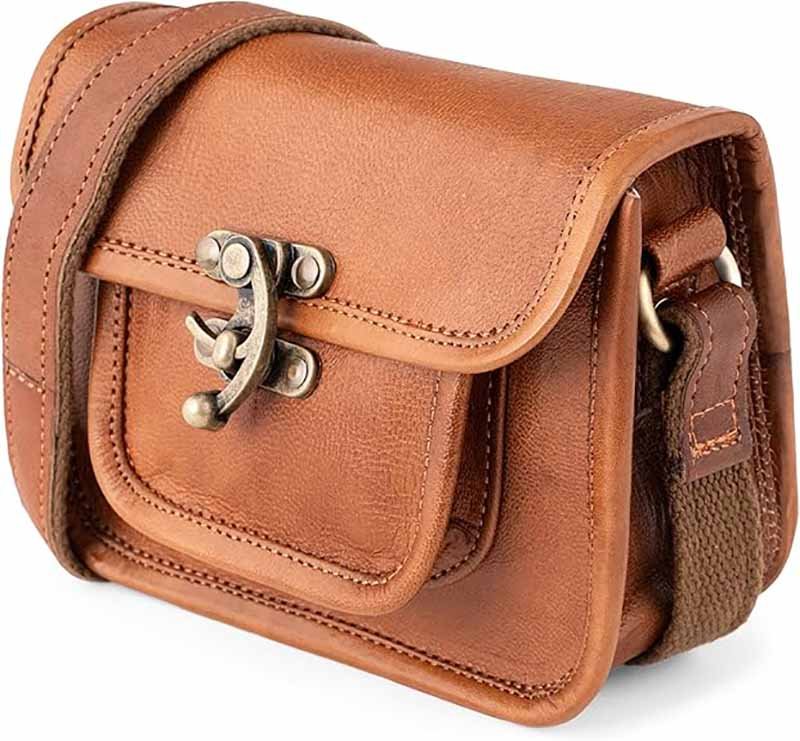
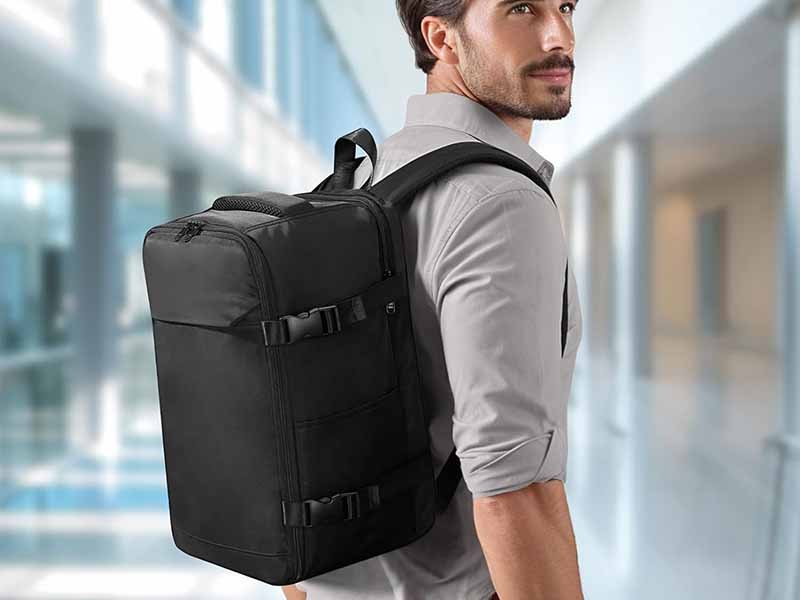
Not all European bag brands are designed for red carpets or special occasions. Many of the best European brands for everyday use focus on practicality, comfort, durability, and understated design—making them ideal for work, commuting, travel, and daily life. These brands combine European craftsmanship standards with functional design, offering bags that are stylish but not fragile, premium but not overly precious.
For everyday users, the best European bags are those that balance material quality, weight, structure, and price, rather than relying on luxury signaling alone.
The best European bag brands for everyday use prioritize durability, comfort, and practical design. Brands such as Longchamp, Coccinelle, and Furla are popular for daily carry because they offer high-quality materials, lightweight construction, and versatile designs at more accessible prices than luxury houses.
What Makes a Bag Suitable for Everyday Use?
Before naming brands, it’s important to define what “everyday use” really means.
An everyday bag must handle:
- Frequent opening and closing
- Weight from laptops, books, or personal items
- Daily friction against clothing and surfaces
- Changing environments (office, transit, travel)
European brands that succeed in this category design bags with:
- Comfortable strap drops and handles
- Balanced structure (not too stiff, not too soft)
- Reliable zippers and hardware
- Leather that resists scratches and ages well
These requirements often exclude ultra-delicate leathers or overly rigid constructions commonly seen in high-fashion luxury bags.
Longchamp — Lightweight and Reliable for Daily Life
Longchamp is one of the most widely used European brands for everyday carry.
Why Longchamp works so well for daily use:
- Lightweight construction ideal for commuting
- Practical silhouettes like totes and shoulder bags
- Durable leather and coated canvas options
- Minimal branding suitable for professional settings
Longchamp bags are often chosen by students, professionals, and travelers because they are easy to live with. They don’t demand special care, yet still reflect European design sensibility.
Coccinelle — Italian Leather at an Accessible Level
Coccinelle is known for offering true Italian leather craftsmanship in designs meant for daily wear.
Key strengths:
- Soft but durable leather that resists cracking
- Practical internal layouts
- Elegant but not flashy aesthetics
- Good balance between structure and flexibility
Coccinelle is especially popular among buyers who want a genuine leather bag they can use every day without worrying about scratches or over-handling.
Furla — Clean Design and Everyday Elegance
Furla sits between luxury and contemporary, making it ideal for everyday office and city use.
Why Furla stands out:
- Clean, minimalist design language
- Medium-weight construction
- High-quality leather with protective finishes
- Versatile color palettes
Furla bags are often described as “work-friendly luxury”—polished enough for professional environments, but robust enough for daily routines.
Other European Brands Popular for Daily Use
Beyond the most well-known names, several European brands consistently perform well in everyday scenarios:
- Lancel — Structured yet practical designs for work and commuting
- Camper — Functional, comfort-driven design with strong durability focus
- Mandarina Duck — Lightweight, urban, travel-oriented bags
These brands emphasize function-first design, which is why they attract repeat customers.
Are Non-Luxury European Brands Better for Daily Use Than Luxury Ones?
In many cases, yes.
Luxury bags often:
- Use delicate leathers
- Have rigid structures
- Require careful handling
By contrast, everyday European brands intentionally:
- Choose tougher leather finishes
- Reinforce stress points
- Design for comfort and mobility
For users who carry a bag daily, practical European brands often outperform luxury houses in terms of real-life durability.
What Materials Do Everyday European Brands Prefer?
Everyday-focused European brands typically select:
- Durable top-grain or treated full-grain leather
- Scratch-resistant finishes
- Strong linings and reinforced stitching
- Hardware tested for frequent use
They avoid overly thin leather or purely decorative hardware that could fail under daily stress.
Who Should Choose These Brands?
European everyday-use bag brands are ideal for:
- Office professionals
- Students and commuters
- Frequent travelers
- Buyers seeking long-term value over brand hype
These brands prove that European quality does not have to mean fragile luxury.
How Do European Bag Brands Influence Global Trends
European bag brands play a decisive role in shaping global bag trends—not by reacting quickly to market noise, but by setting long-term design, material, and quality benchmarks that other brands eventually follow. Their influence extends far beyond fashion shows, affecting how bags are designed, manufactured, priced, and perceived worldwide.
Unlike trend-driven brands that chase short cycles, European brands influence the market through authority, consistency, and discipline.
European bag brands influence global trends through disciplined design, material leadership, and long-term consistency. Rather than following fast fashion cycles, they set standards in leather quality, silhouettes, and craftsmanship that are adopted worldwide. Their focus on timeless design, sustainability, and brand heritage shapes consumer expectations and manufacturing practices across global markets.
Setting the Design Language for the Global Market
European bag brands often define the core silhouettes that dominate the market for years.
Instead of releasing hundreds of experimental designs, they focus on:
- Balanced proportions
- Functional yet elegant shapes
- Timeless color palettes
- Minimal but recognizable branding
When a European brand refines a tote, crossbody, or top-handle silhouette, that design language often becomes the reference point for global brands—from premium labels to mass-market manufacturers.
Over time, these silhouettes are:
- Introduced by European brands
- Interpreted by global designers
- Adopted by mid-range and fast-fashion brands
This top-down influence explains why many bags worldwide share similar proportions and construction logic—even when brand positioning differs.
Leading Material Trends and Leather Standards
European brands strongly influence what materials are considered “premium”.
Historically, European houses set expectations for:
- Full-grain and high-quality top-grain leather
- Vegetable-tanned and hybrid tanning methods
- Natural aging and patina development
- Hardware durability and finish quality
When European brands shift material preferences, the global market follows. For example:
- Increased demand for softer, natural-feel leathers
- Reduced tolerance for overly synthetic finishes
- Growing interest in traceable and responsibly sourced materials
Suppliers, tanneries, and OEM manufacturers worldwide adapt their offerings to meet these evolving European-driven standards.
Shaping Sustainability and Responsible Manufacturing Trends
In recent years, European bag brands have become key drivers of sustainability trends.
Their influence includes:
- Adoption of low-impact tanning processes
- Reduced use of harmful chemicals
- Emphasis on durability over disposability
- Transparency in supply chains
Because European brands often operate under stricter regulatory and consumer scrutiny, their sustainability initiatives tend to set benchmarks that other global brands later adopt.
Importantly, sustainability in European brands is increasingly tied to longevity:
A bag that lasts 10–15 years is considered more sustainable than one replaced every season.
This philosophy is now spreading across the global bag industry.
Redefining Luxury: From Logos to “Quiet Quality”
European brands have also influenced how luxury itself is defined.
While bold logos once dominated, many European houses have shifted toward:
- Subtle branding
- Craftsmanship-led storytelling
- Texture and construction as status symbols
This shift has fueled the global rise of “quiet luxury”—a trend that prioritizes material quality and build over overt branding. As a result, consumers worldwide are becoming more educated and demanding, asking:
- What leather is used?
- How is it constructed?
- Will it age well?
These questions reshape purchasing behavior far beyond Europe.
Influencing Pricing Logic and Value Perception
European brands indirectly influence how consumers judge price vs value.
By maintaining:
- Stable core collections
- Long production cycles
- Repair-friendly construction
They encourage buyers to think in terms of cost-per-use, not just retail price. This mindset is now widely adopted by premium and mid-range brands globally.
As a result, global consumers increasingly expect:
- Higher durability at higher prices
- Justification for premium pricing
- Clear differentiation between luxury, premium, and fast fashion
Impact on Global Manufacturing and OEM Practices
One of the most overlooked influences is how European brands shape global manufacturing standards.
Even when production is outsourced, European brands typically control:
- Material specifications
- Construction details
- Quality inspection criteria
- Packaging and presentation standards
OEM manufacturers that work with European-style brands must meet these requirements, which gradually raises industry-wide production standards.
This is why many non-European brands seeking “European quality” partner with experienced manufacturers who understand these expectations and can execute them consistently.
Why European Brands Influence Trends More Than Others
European bag brands influence global trends because they:
- Lead rather than follow
- Prioritize consistency over speed
- Balance heritage with controlled innovation
- Build trust through long-term performance
Their influence is structural, not seasonal.
Why Do Consumers Choose European Bags
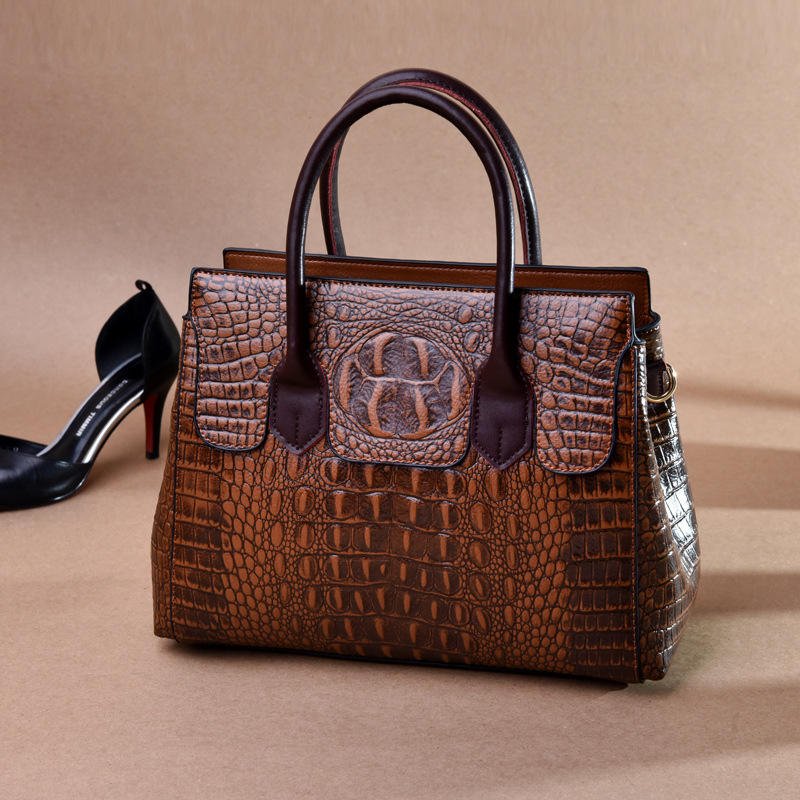
Consumers choose European bags not only because of brand reputation, but because European bags consistently deliver predictable quality, long-term usability, and design confidence. For many buyers—especially repeat purchasers—European bags represent a balance between emotional value and practical performance.
While logos and prestige may attract first-time buyers, it is durability, comfort, and trust that keep consumers loyal to European bag brands over time.
Consumers choose European bags for craftsmanship, material quality, timeless design, and long-term value. European brands are trusted for consistent leather standards, durable construction, and designs that age well rather than follow short-lived trends. Many buyers view European bags as reliable investments, offering better cost-per-use, higher resale potential, and everyday practicality compared to trend-driven alternatives.
Trust Built Through Long-Term Consistency
One of the strongest reasons consumers choose European bags is trust—and that trust is built over decades.
European brands are known for:
- Stable quality across seasons
- Predictable sizing, structure, and materials
- Minimal variation between collections
For consumers, this consistency reduces risk. Buyers feel confident that the bag they purchase today will meet the same standards as one purchased years ago. This reliability is especially important in higher price ranges, where disappointment carries a higher cost.
In contrast, many non-European or fast-fashion brands frequently change materials and construction to reduce costs, leading to inconsistent user experiences.
Craftsmanship That Feels Noticeable in Daily Use
European bags are often described as “feeling better” in daily use—and this is not accidental.
Consumers notice:
- Smooth but durable leather textures
- Comfortable strap drops and handle shapes
- Reinforced stress points that prevent early wear
- Clean stitching that holds its shape over time
These details may seem small, but they directly affect how a bag performs after months or years of use. European brands design bags to be used repeatedly, not just displayed.
Over time, this creates a strong emotional attachment between user and product.
Timeless Design Reduces Fashion Anxiety
Another key reason consumers choose European bags is design longevity.
European brands intentionally avoid extreme trends. Instead, they focus on:
- Balanced proportions
- Neutral or versatile color palettes
- Functional silhouettes that suit multiple occasions
For buyers, this reduces “fashion anxiety”—the fear that a bag will look outdated within a year. Many consumers prefer a bag that works for:
- Office and professional settings
- Travel and daily commuting
- Casual and formal situations
This versatility makes European bags easier to justify financially and emotionally.
Better Cost-Per-Use Over Time
Experienced consumers often evaluate bags using cost-per-use, not just retail price.
For example:
- A European bag used for 8–10 years
- Versus a cheaper alternative replaced every 1–2 years
When calculated annually, European bags often cost less per year, despite a higher initial price.
This logic is increasingly common among:
- Professionals
- Sustainability-minded consumers
- Buyers tired of replacing low-quality products
European bags align well with this long-term value mindset.
Perception of Authenticity and Honesty
Consumers also associate European bags with authenticity.
European brands tend to emphasize:
- Materials and construction over exaggerated marketing
- Product storytelling rooted in craftsmanship
- Fewer false claims or over-promising
This creates a perception that European brands are more honest about what they sell. Buyers feel they are paying for tangible quality rather than purely branding.
As consumers become more informed, this authenticity becomes a major competitive advantage.
Higher Resale and Repair Value
Another important factor is resale and repairability.
European bags often:
- Retain better resale value
- Are easier to repair due to standard construction methods
- Use materials that age attractively rather than degrade
For some consumers, resale value matters financially. For others, it simply reinforces confidence that the product was well made.
Either way, it adds to the perception that European bags are worth owning long-term.
Psychological Confidence and Brand Assurance
Beyond practical reasons, European bags provide psychological reassurance.
Buyers often feel:
- More confident carrying a well-made bag
- Less worried about damage or failure
- More aligned with a refined lifestyle image
This confidence is subtle but powerful. It explains why many consumers “trade up” to European brands after disappointing experiences with lower-quality alternatives.
Are There Emerging European Bag Brands to Watch
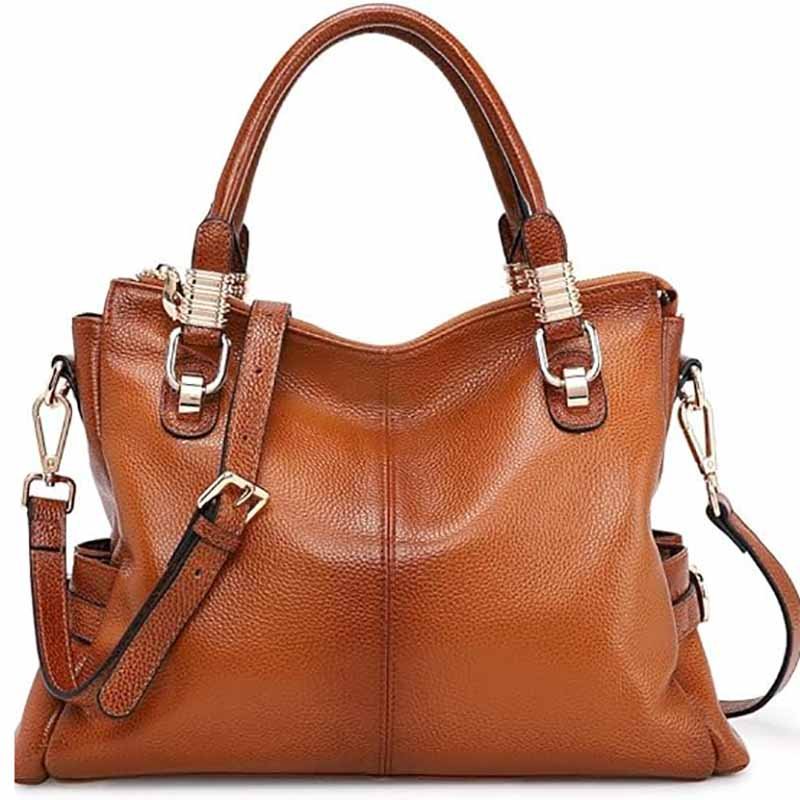
Yes — there are a growing number of emerging European bag brands gaining attention for combining traditional craftsmanship with modern design, sustainability, and innovation. These brands are reshaping consumer expectations by blending quality leather and materials with functional design, responsible sourcing, direct-to-consumer business models, and strong brand identity.
What makes these emerging brands noteworthy is not just that they are new, but that they are driving shifts in how consumers perceive value, sustainability, and utility in bags—without necessarily relying on traditional luxury positioning.
Yes, several emerging European bag brands are gaining traction by blending craftsmanship with modern design and sustainable practices. These brands often focus on functional silhouettes, traceable materials, and direct-to-consumer pricing. Regions like Italy, Spain, Portugal, and Eastern Europe are producing notable new brands that compete with established luxury houses by delivering quality, innovation, and design relevance at accessible price points.
Why Emerging Brands Matter in Today’s Market
Emerging brands matter because they:
- Push innovation before mainstream adoption
- Reinterpret craftsmanship for modern needs
- Prioritize sustainable materials and processes
- Operate with transparent pricing and business models
Consumers are increasingly informed, meaning they seek:
- Material traceability
- Environmental responsibility
- Real performance data
- Long-term usability
Emerging European brands often embody these values faster than established houses, which helps them gain attention globally through social media, influencer programs, and direct-to-consumer channels.
Which European Regions Produce Emerging Bag Brands?
Europe’s heritage in leatherwork is distributed across several regions, and a number of locations have become hotspots for new brands:
Italy — Heritage Meets Modern Reinvention
Italy remains a leading source of notable emerging brands due to its:
- Deep leather supply chain
- Strong regional craft culture
- Access to quality tanneries
Emerging Italian brands often combine artisanal techniques with functional innovation, such as modular storage, convertible silhouettes, and mix of materials (leather + textiles).
Key characteristics of Italian emerging brands:
- Strong design heritage
- Access to premium materials
- Rapid prototyping and product iteration
Spain & Portugal — Practicality and Value-Driven Design
Spain and Portugal have robust leather industries and are producing highly competitive contemporary brands that focus on:
- Everyday utility
- Urban commuters and travel bags
- Balanced pricing vs performance
Portuguese brands often emphasize minimalism + durability, while Spanish brands mix creative design with heritage aesthetics.
Eastern Europe — Functional Design and New Perspectives
Emerging designers from Eastern Europe (e.g., Poland, Czech Republic, Baltics) are creating brands known for:
- Clean Scandinavian-influenced design language
- Practical build quality
- Mid-to-high range pricing with craftsmanship focus
These regions often leverage strong local craft networks while appealing to global minimalist design trends.
How Emerging Brands Differentiate Themselves
Emerging European bag brands typically compete on three fronts:
1. Sustainability and Material Transparency
Many newer brands integrate:
- Vegetable-tanned leathers
- Recycled textiles
- Traceable sourcing documentation
- Low-impact tanning processes
Consumers increasingly value brands that can prove their environmental claims, and emerging European brands are frequently first to adopt traceability tools and eco certifications.
2. Functional & Modern Silhouettes
Emerging brands are less anchored in tradition and more open to:
- Modular customizable compartments
- Convertible day-to-night bags
- Travel-ready features (laptop sleeves, RFID pockets)
- Lightweight leather hybrids
This innovation appeals to customers whose daily routines require multi-purpose bags.
3. Direct-to-Consumer (DTC) and Transparent Value
Many emerging brands bypass traditional wholesale channels and focus on direct relationships with customers:
- Lower operational margins
- Better online customer education
- Transparent specification pages
- Clear cost breakdowns
This pricing transparency often challenges conventional luxury pricing logic and endears these brands to value-conscious buyers.
Examples of Emerging European Bag Brand Patterns (Non-Exhaustive)
While brand prominence changes rapidly, several patterns are visible among notable newcomers:
- Design-first, quality-second models that challenge traditional price tiers
- Sustainable and modular bags that serve multiple everyday roles
- Urban and travel hybrids with strong digital retail experiences
- Niche craftsmanship brands that reclaim regional craft traditions in a modern context
(Note: specific brand names evolve quickly; focusing on patterns helps align SEO with future search intent.)
How These Brands Compete With Established Luxury Houses
Emerging brands do not need to copy luxury houses. Instead, they:
- Adopt enduring European design principles
- Compete on practicality and transparency
- Leverage eCommerce to reach global niches
- Offer pricing that balances quality and accessibility
This allows them to capture customers who value European standards but want:
- Better sustainability
- Modern utility
- Transparent pricing
- Social values
The Role of OEM Manufacturers in Supporting Emerging Brands
Emerging European bag brands rarely build their own factories; instead, they often partner with experienced OEM/ODM manufacturers that can deliver:
- Material sourcing and validation
- Pattern making and prototyping
- Custom leather and textile combinations
- Quality control at scale
- Flexible order quantities suitable for growth phases
This manufacturing support enables emerging brands to iterate designs rapidly, test market fit, and preserve European design identity without having to build industrial infrastructure from scratch.
FAQ — Common Questions About European Bag Brands
Which is the No. 1 bag brand in the world?
There is no single, universally accepted “No. 1” bag brand—it depends on how you measure it.
- By global sales and brand value, brands like Louis Vuitton often rank first.
- By craftsmanship, exclusivity, and resale value, many experts consider Hermès the top benchmark.
In reality, European brands dominate because they lead across multiple definitions of excellence, not just one metric.
Are European bag brands better than non-European brands?
European bag brands are not automatically better, but they are widely trusted for consistency, craftsmanship, and material standards. What sets them apart is:
- Long-term design discipline
- Strong leather sourcing traditions
- Stable construction quality across seasons
High-quality bags can be made anywhere, but European brands are often better at maintaining predictable quality over time.
Is European leather always higher quality?
No—European leather is not always superior by default. Leather quality depends on:
- Hide selection
- Tanning method
- Thickness and fiber density
- Finishing process
However, European brands are often more selective and disciplined about leather sourcing, which is why their products tend to age better and last longer.
Are high-end bags cheaper in Europe?
Often yes, but not always.
High-end bags can be 10–30% cheaper in Europe due to:
- Lower base retail pricing
- VAT refund for non-EU residents
However, savings depend on:
- Exchange rates
- Availability of models
- Travel costs
So while Europe can be cheaper, it’s not guaranteed for every purchase.
Why do European bags last longer?
European bags tend to last longer because of:
- Stronger stitching and reinforcement at stress points
- Higher-grade leather and linings
- Conservative design choices that reduce structural strain
They are engineered for daily use and aging, not just short-term appearance.
Do European brands still manufacture in Europe?
Some do, but many do not manufacture exclusively in Europe anymore.
What truly defines a European bag brand is design control and quality standards, not factory location. Many brands work with trusted OEM manufacturers worldwide while maintaining:
- Material specifications
- Construction requirements
- Quality inspection systems
This approach allows scalability without sacrificing brand identity.
Why do European bag brands work with OEM manufacturers?
European brands partner with OEM manufacturers to:
- Scale production efficiently
- Access specialized materials or processes
- Control costs while maintaining quality
- Support flexible production volumes
OEM partnerships are common in both luxury and contemporary European brands and are considered a strategic choice, not a compromise.
Are European bags worth the investment?
For many consumers, yes—especially when evaluated using cost-per-use.
A European bag that lasts 8–12 years often provides:
- Lower annual cost
- Better resale value
- Less need for replacement
This makes them appealing to buyers who prioritize durability and long-term value.
Which European brands are best for everyday use?
European brands designed for everyday use typically focus on:
- Comfortable carrying
- Practical layouts
- Durable leather finishes
They often outperform luxury bags in daily scenarios because they are designed to be used, not protected.
Are emerging European bag brands worth considering?
Yes. Many emerging European brands offer:
- Modern functionality
- Sustainable materials
- Transparent pricing
- European-inspired design at accessible prices
These brands often appeal to younger consumers and professionals who value quality without traditional luxury premiums.
How can buyers tell real craftsmanship from marketing?
Buyers should look beyond labels and focus on:
- Stitch density and alignment
- Leather thickness and consistency
- Edge finishing quality
- Hardware attachment strength
True craftsmanship shows up in construction details, not advertising language.
Is resale value important when choosing a European bag?
For some buyers, yes. European bags often retain better resale value because of:
- Brand recognition
- Durable materials
- Timeless design
Even if resale is not planned, higher resale value usually indicates better long-term quality.
Can non-European brands achieve “European quality”?
Yes—if they follow European standards.
Many modern brands achieve European-level quality by:
- Using premium materials
- Applying disciplined construction methods
- Working with experienced OEM manufacturers
- Enforcing strict quality control
Quality is about process and execution, not geography alone.
Why do professionals and brands study European bag brands?
Because European bag brands represent:
- Proven product longevity
- Sustainable design philosophy
- Reliable customer trust
For both consumers and new brands, they serve as a benchmark for how quality products should be built and positioned.
Conclusion
Many people are surprised to learn that not all European bag brands manufacture exclusively in Europe. What truly defines their success is design leadership combined with reliable manufacturing partners.
If you are building a brand inspired by European craftsmanship and quality standards, Szoneier Leather can help you turn that vision into scalable, market-ready products—without compromising material quality or construction integrity.
Contact Szoneier Leather to discuss custom development, private label production, or OEM manufacturing solutions tailored to your brand.