Your handbag brand deserves more than a supplier—it deserves a long-term manufacturing partner.
Starting a handbag business from home is no longer a dream reserved for fashion insiders or large investors. Today, many successful handbag brands began exactly where you are now—working from a spare room, testing designs online, and collaborating with professional manufacturers to bring ideas to life.
What makes handbags especially attractive is their unique position in the market. They are not just functional products; they are emotional purchases tied to identity, lifestyle, and status. A well-designed handbag can command strong margins, build brand loyalty, and scale globally without requiring massive infrastructure upfront.
However, this opportunity also comes with misconceptions. Many beginners believe they must design and manufacture everything themselves, invest huge capital, or compete directly with luxury giants. In reality, most profitable handbag businesses grow by focusing on clear positioning, smart sourcing, and controlled scaling—not by doing everything at once. To start a handbag business from home, you need a clear niche, a basic business plan, startup budget, reliable manufacturing partner, and an online sales strategy. Most beginners start with small production runs using OEM or private-label factories, sell through platforms like Shopify or marketplaces, and scale gradually. Handbags can be profitable when product positioning, cost control, and quality are aligned.
Behind every successful handbag brand is a series of practical decisions—about cost, materials, production, and sales channels. This guide walks you through those decisions step by step, helping you avoid common mistakes and build a business that can actually grow.
What Is a Handbag Business
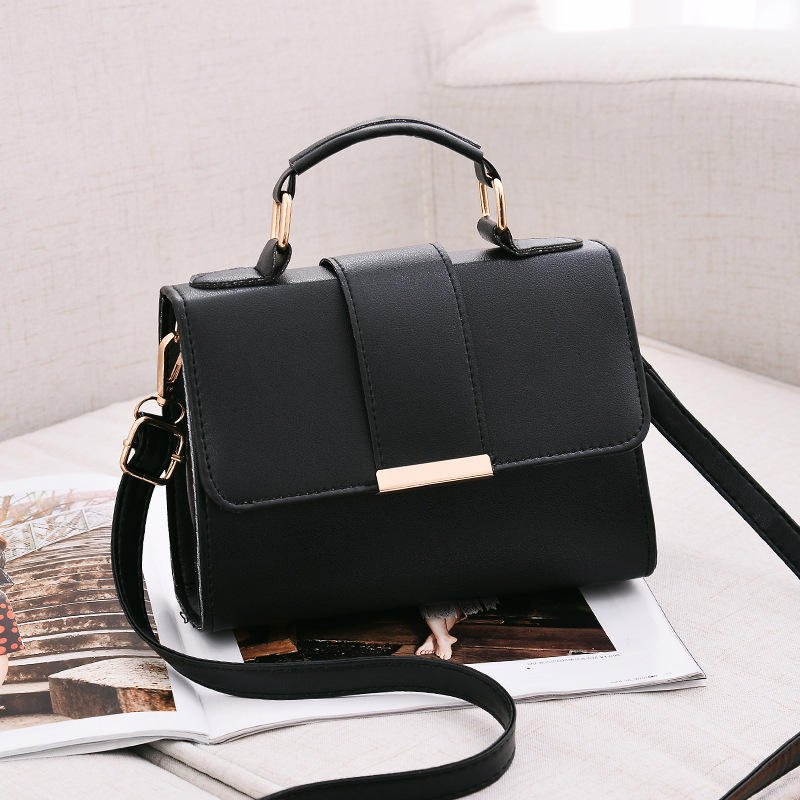
A handbag business involves designing, sourcing, branding, and selling handbags to consumers or retailers. It can be run from home and typically focuses on product design, brand positioning, and sales, while manufacturing is outsourced to professional OEM/ODM factories. Modern handbag businesses often operate online, target niche markets, and scale gradually based on demand and customer feedback.
What defines a handbag business?
A handbag business is defined less by how bags are made and more by how value is created. Most successful handbag businesses do not own factories or sew bags themselves. Instead, they focus on:
- Identifying a clear target customer
- Designing handbags that fit a specific lifestyle or use case
- Building a recognizable brand and visual identity
- Managing pricing, distribution, and customer experience
In practical terms, a handbag business acts as the brand owner and product planner, while production is handled by specialized manufacturers. This model allows even small, home-based founders to compete in the global market without heavy upfront investment.
Are handbags profitable as a business?
Yes—handbags are widely considered one of the more profitable product categories in fashion accessories, especially for direct-to-consumer brands.
Typical reasons include:
- High perceived value relative to production cost
- Flexible pricing based on branding and design
- Strong repeat purchase potential (colors, styles, collections)
For example, a leather handbag costing $30–$50 to manufacture can often retail for $150–$300 when positioned correctly. Gross margins of 60–75% are common for online handbag brands.
Profitability, however, depends on:
- Cost control through reliable sourcing
- Clear niche positioning
- Consistent product quality
Handbags are profitable when treated as a business system—not just a product.
How big is the handbag market today?
The global handbag market is estimated at USD 50+ billion annually and continues to grow steadily. Growth is driven by:
- E-commerce and social commerce
- Lifestyle-driven purchasing decisions
- Acceptance of emerging and independent brands
Unlike traditional luxury markets dominated by a few giants, today’s handbag market leaves room for small, focused brands that serve specific audiences—such as working professionals, travelers, or eco-conscious consumers.
This market structure makes handbags particularly suitable for home-based entrepreneurs and startup brands.
What types of handbag businesses exist?
Handbag businesses come in several common models:
- Direct-to-Consumer (DTC) – Selling through your own website or social platforms
- Private Label / OEM Brands – Customizing designs with a manufacturing partner
- Niche or Lifestyle Brands – Focused on a specific function or audience
- Wholesale-Focused Brands – Selling to boutiques or retailers
Most beginners start with a DTC + OEM model, which offers the best balance of control, margin, and scalability.
Can you run a handbag business from home?
Absolutely. Many modern handbag brands operate entirely from home, especially in their early stages.
What you typically manage from home:
- Design direction and product decisions
- Online store and marketing
- Customer communication
- Order coordination with manufacturers
What you don’t need at home:
- Manufacturing equipment
- Large inventory storage
- In-house production staff
By working with an experienced OEM partner like Szoneier Leather, founders can focus on growth while production, quality control, and scaling are handled professionally.
What makes a handbag business successful long term?
Long-term success depends on:
- Choosing the right niche
- Delivering consistent quality
- Building trust through honest branding
- Working with reliable manufacturing partners
A handbag business is not a one-time product launch—it is a brand-building process. Those who treat it seriously, plan carefully, and partner wisely are the ones who scale.
How Do You Plan Your Handbag Business
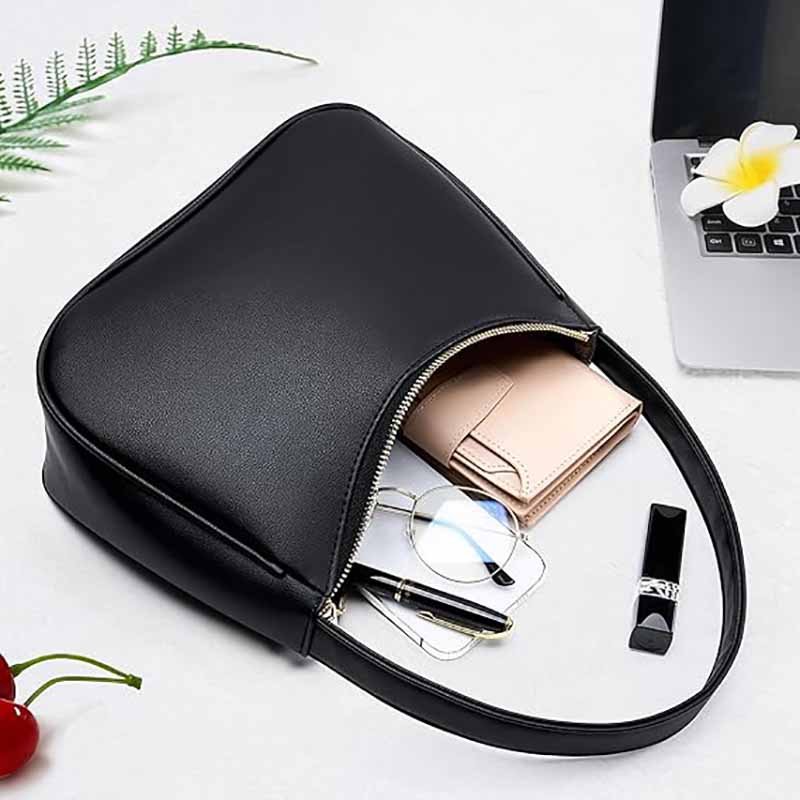
To plan a handbag business, define your target market, product niche, and brand positioning. Conduct market research to understand demand and competition. Create a solid business plan, focusing on initial costs, product development, pricing strategies, and sales channels. A detailed roadmap helps you prioritize tasks, stay on track, and avoid costly mistakes as you move from concept to execution.
How to start your own handbag company step by step?
Starting a handbag business begins with turning your idea into a clear, actionable plan. Here’s a step-by-step breakdown:
- Market Research: Study competitors and target demographics. Understand what types of handbags are in demand, which styles are trending, and where your brand can stand out.
- Define Your Brand: Decide your brand’s identity. Are you targeting luxury consumers or offering affordable, functional bags? The design, pricing, and positioning all hinge on this decision.
- Product Selection: Focus on a manageable range of styles. Many brands start with 1–2 core products (e.g., a work bag or a classic tote) before expanding.
- Business Plan: Outline your financial goals, pricing strategies, expected costs, and initial budget. This plan should detail everything from production to marketing.
- Find Suppliers: Search for reliable manufacturers, such as Szoneier Leather, who can produce your designs in small batches at first.
- Launch and Marketing: Create your website, set up social media accounts, and start building a customer base. Focus on organic marketing (e.g., Instagram, Pinterest) to drive awareness.
What is a business plan and why do you need one?
A business plan is your blueprint for the business, mapping out the essential elements from product creation to sales. For a handbag brand, a business plan should cover:
- Market Analysis: Understanding customer needs and trends in the handbag market
- Product Overview: Detailing design, materials, production timelines, and expected outcomes
- Marketing Strategy: How you’ll promote your products and gain customers (social media, influencers, paid ads)
- Financial Projections: Estimating startup costs, pricing models, and expected profit margins
- Operational Plan: Identifying manufacturers, distribution channels, and logistics
Having a business plan helps avoid costly mistakes, align team efforts, and secure funding from potential investors if necessary.
Which handbag niche should you choose?
The success of your handbag business heavily depends on selecting a specific niche that can differentiate your brand in a crowded market. Here are some popular options:
- Luxury handbags: High-end materials like full-grain leather, limited collections, and premium pricing.
- Eco-friendly handbags: Vegan leather or recycled materials targeting environmentally conscious consumers.
- Functional bags: Travel bags, work bags, or diaper bags designed with practicality in mind.
- Fashion-forward bags: Trendy designs aimed at specific seasons or fashion-conscious buyers.
- Budget-friendly bags: Affordable bags made with synthetic leather or lightweight materials, targeting price-sensitive buyers.
Tip: The narrower your niche, the easier it is to stand out. Focus on a specific audience, then expand once you’ve built a strong brand.
What market research should you conduct before starting?
Before starting your handbag business, it’s essential to conduct thorough market research to validate your idea and understand your target audience’s needs. Key research steps include:
- Competitor Analysis: Study other successful handbag brands. What are their price points? What is their marketing strategy? Where can you differentiate?
- Customer Insights: Define who your ideal customer is. Are they working professionals? College students? Travelers? Understand their preferences and buying behaviors.
- Trends Analysis: Keep track of fashion trends, material innovations, and shifts in consumer preferences. Resources like Instagram, Pinterest, or fashion magazines are great ways to track trends.
- SWOT Analysis: Understand your business’s strengths, weaknesses, opportunities, and threats. This helps position your handbag brand effectively in the market.
By completing market research before launching, you can refine your designs, choose the right materials, and set competitive yet profitable prices.
How should you set your prices and budget?
Pricing is one of the most critical aspects of your business plan. Here’s how to set a realistic price for your handbags:
- Cost of Goods Sold (COGS): Calculate the total cost of manufacturing each handbag, including raw materials, labor, and shipping.
- Margins: Aim for a profit margin of 50–70% for handbags, but keep in mind the balance between affordability and quality.
- Competitor Pricing: Check what similar brands are charging. Stay competitive but do not undervalue your work.
Your budget should include:
- Initial production cost: Prototypes, first orders, and manufacturing setups
- Marketing and sales costs: Website setup, photography, ads, etc.
- Operational expenses: Packaging, shipping, and customer service tools
Proper financial planning avoids cash flow issues and helps you understand when to scale.
How to create a unique value proposition (UVP)?
A unique value proposition (UVP) is what sets your brand apart from competitors. It’s essential to clearly communicate why customers should choose your bags over others.
Ask yourself:
- What makes your designs different?
- How do your materials or craftsmanship stand out?
- What values do you bring (e.g., sustainability, quality, customer service)?
This clarity helps with all aspects of your business—from marketing to sales to customer retention.
What Legal and Financial Steps Are Required
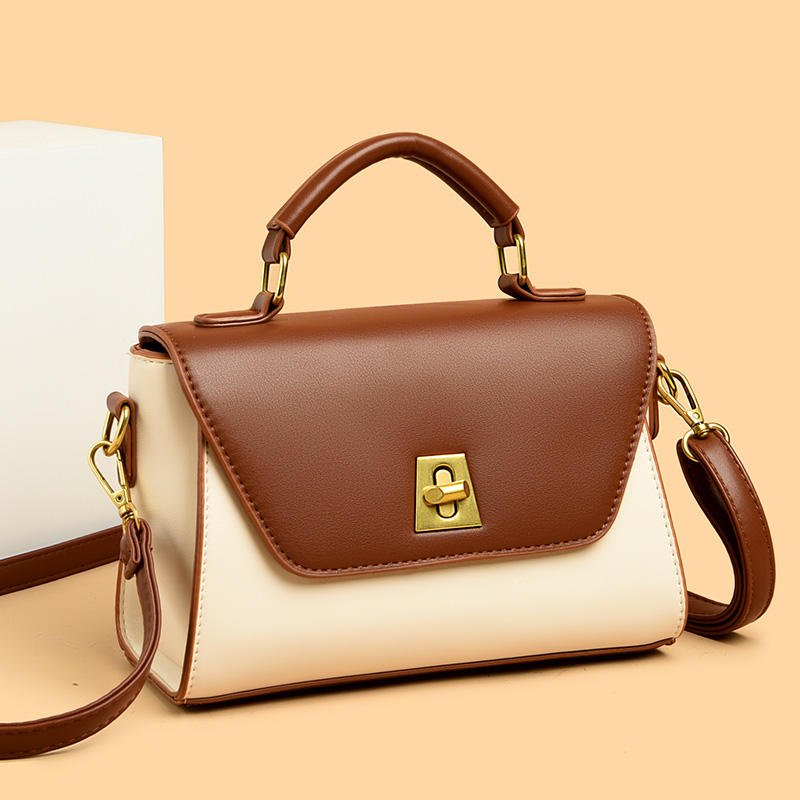
To start a handbag business, you’ll need to legally register your business, set up finances, and understand costs. Key steps include obtaining a business license or tax ID, choosing the right legal structure (LLC, sole proprietorship, etc.), opening a business bank account, and calculating startup costs. A solid financial foundation helps ensure long-term stability and scalability.
Do you need a business license or tax ID?
Yes—most countries require a business license to legally operate, and you will need a tax ID (EIN in the US) for tax purposes.
Steps include:
- Business Registration:
- Register your business with local authorities or a government agency.
- Choose a legal structure: Sole Proprietorship, LLC (Limited Liability Company), or Corporation (depending on your country).
- An LLC is typically recommended for small brands due to liability protection, especially if you are planning to scale.
- Tax ID (EIN):
- In the US, for example, an EIN (Employer Identification Number) is required to separate personal finances from business finances and file taxes.
- Internationally, similar tax identification numbers are required.
This legal framework protects your personal assets and establishes a professional identity for your handbag business.
How should you set up business finances?
Proper financial setup is critical for business success. These financial steps will help you manage cash flow and prepare for growth:
- Business Bank Account:
- Separate your personal and business finances by opening a dedicated business bank account. This simplifies tracking, tax filing, and securing loans in the future.
- Accounting System:
- Set up an accounting system to track income and expenses. Software like QuickBooks or Xero helps you monitor cash flow and manage taxes.
- As your business grows, you may want to hire an accountant or bookkeeper to ensure everything is in order.
- Budgeting:
- Create an initial startup budget and ongoing financial projections. This will include costs like:
- Manufacturing (samples, production, shipping)
- Marketing and branding
- Website development and hosting
- Operating costs (business tools, logistics, packaging)
- Create an initial startup budget and ongoing financial projections. This will include costs like:
Being clear about costs will prevent overspending and ensure you can afford the production volume and marketing spend needed for growth.
What are the common legal structures for a handbag business?
Choosing the right legal structure is important because it affects taxes, liability, and how you raise capital.
- Sole Proprietorship:
- Easiest and least expensive to set up but offers no personal liability protection. Profits and losses are reported on your personal tax return.
- LLC (Limited Liability Company):
- Offers liability protection, meaning your personal assets (house, car, etc.) are protected from business debts or legal issues.
- Provides tax flexibility and is commonly used by small business owners.
- Corporation:
- A more complex structure, often used by large businesses or those looking for outside investment. Offers the highest level of protection, but comes with higher costs and administrative duties.
Best Option for Startups: For most handbag businesses starting from home, an LLC is the best choice. It provides a balance of liability protection, tax flexibility, and administrative simplicity.
How much does it cost to start a handbag business?
Starting a handbag business from home is affordable compared to traditional retail. Here’s an estimated breakdown of initial costs:
| Item | Estimated Cost |
|---|---|
| Business registration (license, tax ID) | $100–$500 |
| Website setup (Shopify, domain, hosting) | $300–$1,500 |
| Design, prototyping & samples | $300–$2,000 |
| Initial production run (MOQ for OEM) | $1,000–$5,000 |
| Marketing & branding (logo, photography) | $200–$1,000 |
| Miscellaneous (tools, software, shipping) | $200–$1,000 |
Total Estimated Startup Costs:
- $2,000–$10,000 (for a small, home-based brand) Depending on your chosen production method, initial inventory, and marketing strategy, this range can vary.
At Szoneier Leather, we offer low minimum order quantities (MOQs), allowing you to start small and scale up as your brand grows.
How do you manage taxes for your handbag business?
Proper tax management is crucial to avoid fines and ensure profitability. These are basic tax considerations for a handbag business:
- Sales Tax: Depending on your location, you may need to charge sales tax on handbags sold to customers. Sales tax rates vary by country and state.
- Income Tax: As a business owner, you’ll need to file an annual income tax return. Keep detailed records of all business expenses, as you can deduct legitimate costs (e.g., production, shipping, marketing).
- Self-Employment Tax: If you’re a sole proprietor or LLC member, you may be subject to self-employment tax. This covers Social Security and Medicare taxes.
Working with an accountant can help ensure your taxes are filed accurately and on time. If your business grows, you may eventually hire a tax advisor to handle complex filings.
How do you secure funding for your handbag business?
Many entrepreneurs struggle with finding the right funding, especially when starting small. Here are some ways to secure funding:
- Personal Savings: Many small business owners use personal savings to fund the initial stages of their business. This is the simplest option but can be risky if the business does not take off.
- Small Business Loans: Local government programs or banks may offer small business loans or lines of credit. However, they often require solid credit and a good business plan.
- Crowdfunding: Platforms like Kickstarter or Indiegogo allow you to raise funds from people who believe in your brand. In exchange, you offer them early access to products or exclusive perks.
- Investors or Angel Funding: If you plan to scale quickly, you might seek angel investors or venture capital, but this often requires giving up equity in your business.
How to Design and Source Your Handbags
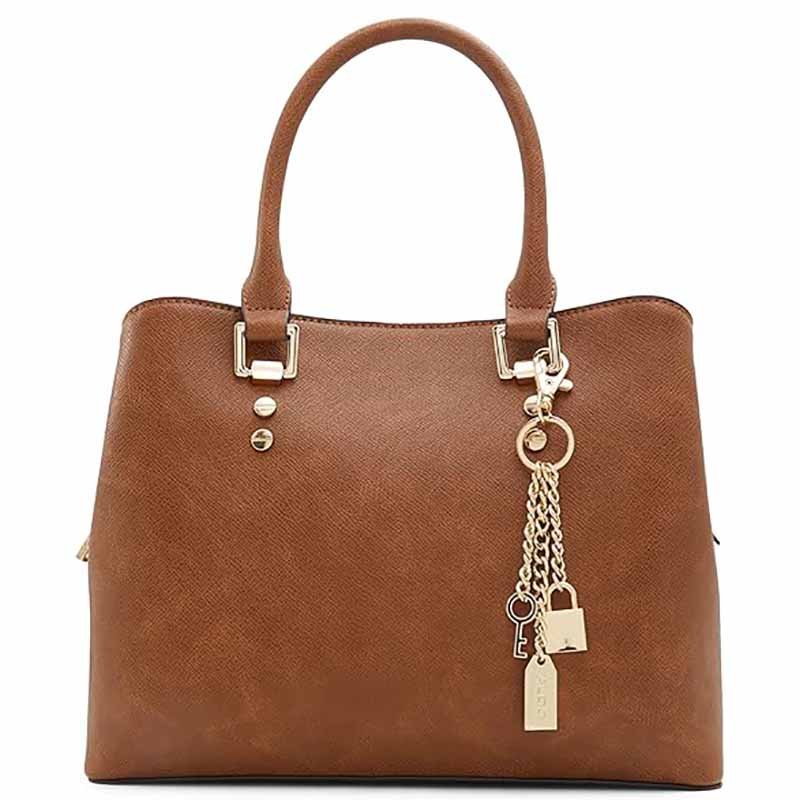
Designing and sourcing handbags involves translating your brand vision into a physical product. This process includes designing styles, selecting materials, and partnering with reliable manufacturers. Most home-based brands start with a few core styles, then scale by working with OEM/ODM factories to produce the designs. Quality control, material choice, and supplier relationships play a critical role in building a successful handbag business.
How do you design your first handbag collection?
Starting your handbag collection can seem overwhelming, but breaking it down into manageable steps helps. Here’s how to approach it:
- Identify your market needs
- Understand your target audience: What problems do they need solved, or what desires do they have? Are they looking for a work bag, travel bag, or fashion accessory?
- Research competitors: Look at other brands in your niche. What designs are popular, and how can you innovate?
- Sketch your designs
- Draw inspiration from your market research and trend analysis. Focus on 1–3 core styles that speak to your target audience. This allows you to test the market without overcommitting.
- Work with professional designers or use design software (like Adobe Illustrator or Procreate) if needed.
- Choose key features
- Functionality: Pockets, zippers, straps, durability—all these elements define your bag’s usability.
- Size & shape: Decide on the bag’s size and structure (e.g., tote, backpack, crossbody).
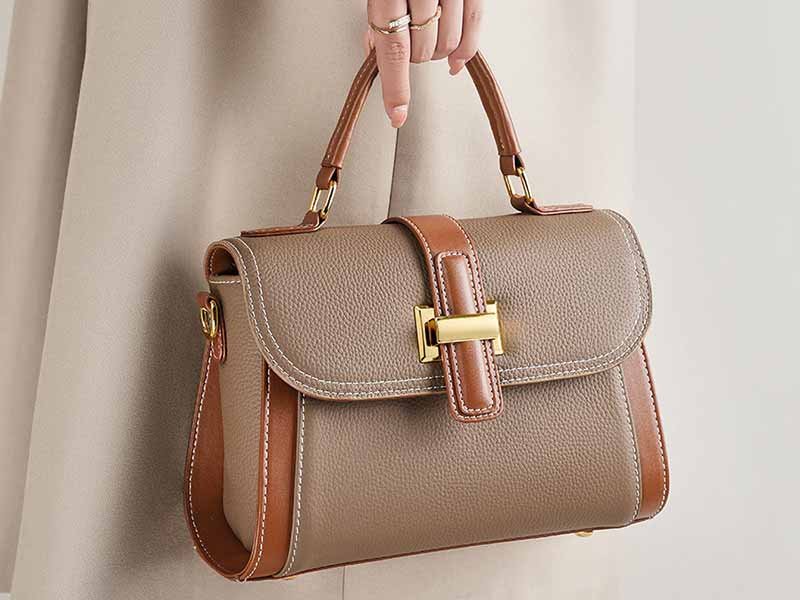
- Aesthetic appeal: Think about colors, stitching, hardware, and branding elements like logos or tags.
- Create technical specifications
- Once you have your sketches, turn them into detailed technical drawings or CAD files for your manufacturers. These specs should include measurements, material choices, stitching details, and hardware specifications.
Where can you source handbag manufacturers?
Once your designs are ready, sourcing the right manufacturers is the next step. There are two main types of sourcing options:
- OEM (Original Equipment Manufacturer)
- OEM manufacturers work with you to produce designs and products based on your specifications. You supply the design, and they handle production.
- Pros: Higher customization, control over designs, and flexibility in production.
- Cons: Typically higher minimum order quantities (MOQs), higher initial costs, and longer lead times.
- ODM (Original Design Manufacturer)
- ODM suppliers provide pre-existing designs that can be customized to some extent (e.g., color, branding, hardware). They’re more cost-effective and are a great option for small brands.
- Pros: Lower MOQs, faster production, and lower initial costs.
- Cons: Less design flexibility and higher reliance on the supplier’s pre-existing designs.
Where to source manufacturers:
- China: Home to many experienced and cost-effective OEM/ODM handbag manufacturers, especially in cities like Dongguan and Guangzhou.
- Vietnam, India: Alternative low-cost manufacturing options with skilled workers and competitive pricing.
- Europe (Italy, Portugal): Known for luxury leather goods, but prices tend to be higher.
For Szoneier Leather, with over 18 years of experience, we can help you source and customize your designs with the right materials, quality checks, and low-MOQ options.
How do you choose leather and materials?
Material choice is one of the most critical aspects of your handbag’s quality, cost, and brand image. Here’s how to approach it:
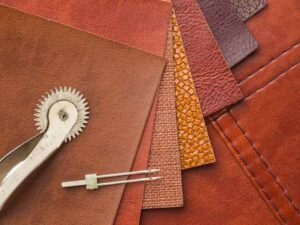
- Leather vs Synthetic Materials
- Leather: Full-grain leather, top-grain leather, or corrected grain leather are the most common types. Each type has different characteristics in terms of appearance, durability, and cost. Full-grain leather, for instance, is the highest quality but more expensive, while corrected grain leather is cost-effective and highly durable.
- Synthetic (PU) Leather: Vegan leather or PU leather is a popular alternative. It’s more affordable but may not offer the same durability or luxury appeal as real leather. However, it’s a good option for targeting eco-conscious consumers.
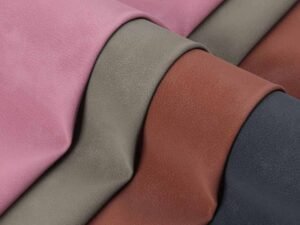
- Fabric & Linings
- Consider cotton, polyester, nylon, or velvet linings depending on the style and durability you need. For premium bags, silk or satin linings are often used.
- Straps and Handles: Should be chosen based on comfort and strength. Leather, canvas, or nylon straps are common, and each has different feels and durability.
- Hardware and Accessories
- Zippers, buckles, clasps, and rivets should match the aesthetic of the bag. Gold or silver-toned hardware often signals higher quality, while matte finishes suit more minimalist designs.
- Look for high-quality closures, as these are common failure points.
Work closely with your manufacturer to get material samples before committing to large orders. At Szoneier Leather, we provide free design consultations to help you choose the right materials for your bag’s purpose and target audience.
How do you ensure quality control?
Quality control is critical, especially when you’re working with manufacturers who may be overseas. Here’s how to ensure your handbags meet the expected standards:
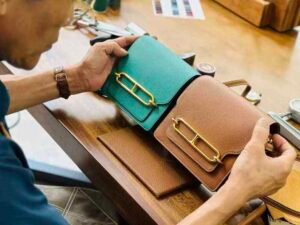
- Pre-Production Samples Always request pre-production samples from your manufacturer before committing to a full run. This sample allows you to assess quality, design, and functionality.
- Third-Party Inspection If you’re outsourcing production to overseas manufacturers, consider hiring a third-party inspection service to visit the factory and ensure products are being made to your specifications. This can help avoid mistakes that could affect your brand’s reputation.
- Clear Specifications Ensure your technical specifications are detailed and clear. Include everything from the stitching type to hardware dimensions to material descriptions. The more specific you are, the less room for error.
- Ongoing Communication Maintain regular communication with your manufacturer during the production process. This ensures that any issues can be addressed early.
At Szoneier Leather, we offer full QC support from prototyping to final production, ensuring that your handbags meet the highest standards.
How Do You Sell and Market Your Handbags
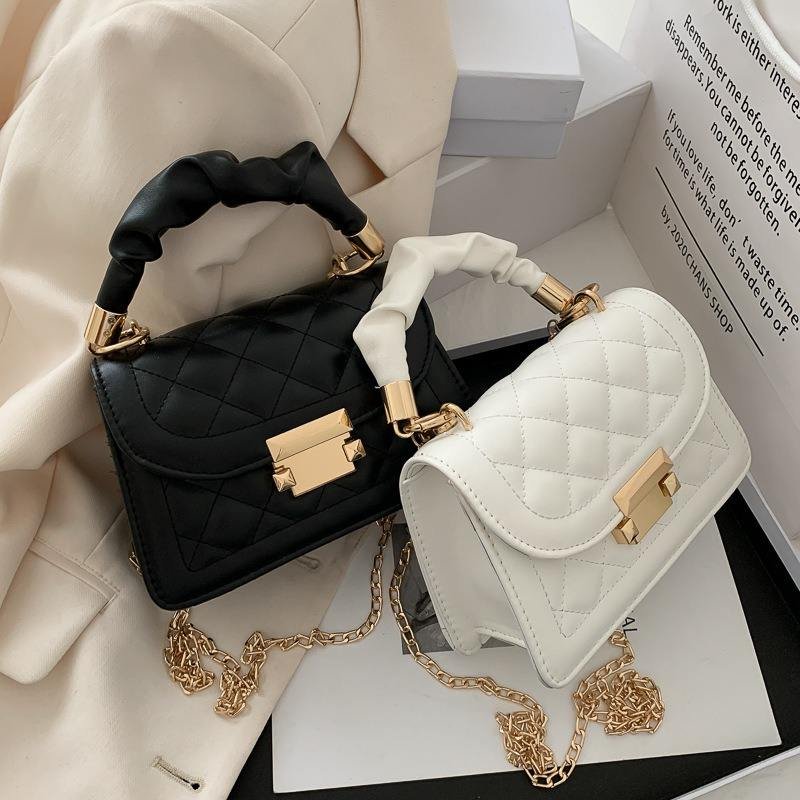
Selling and marketing handbags requires a strategic approach that blends online presence, brand storytelling, and targeted marketing campaigns. Most handbag brands start by selling through their own e-commerce store (Shopify, Etsy), then use social media platforms (Instagram, TikTok) and influencer partnerships to drive awareness. Effective storytelling, customer engagement, and user-generated content are essential for building a loyal customer base.
Which sales channels work best for handbag brands?
When it comes to selling handbags, you need to choose the right sales channels to reach your target market effectively. The best channels for your brand depend on your goals, audience, and available resources.
- E-commerce Stores (Shopify, BigCommerce, WooCommerce)
- Shopify is the most popular platform for selling directly to consumers, offering easy integration, mobile-friendly templates, and comprehensive e-commerce tools.
- BigCommerce and WooCommerce (for WordPress sites) are great alternatives, offering more flexibility for customization.
- Tip: Ensure your website is visually appealing, mobile-optimized, and user-friendly to encourage repeat purchases.
- Marketplaces (Amazon, Etsy)
- Amazon and Etsy are excellent for reaching large audiences without spending too much on marketing. Etsy is especially good for niche or handmade items, while Amazon offers access to a massive, ready-to-buy customer base.
- Tip: Keep in mind the marketplace fees (listing, transaction, and shipping fees), which can impact your profit margins.
- Pop-Up Shops and Local Markets
- If you’re starting small, selling at local markets or pop-up events can help you get face-to-face feedback, build community relationships, and test your product in a live setting.
- Tip: Pop-up shops are a great way to test your designs with limited risk and establish local brand recognition.
Best Practice: Many successful brands use a combination of online sales (Shopify or Etsy) and strategic in-person pop-up shops or events.
How do you build an online handbag store?
A well-designed online store is essential for your brand’s success. Here’s how to build and optimize it:
- Choose the right platform
- Shopify is the most popular for handbag brands due to its ease of use, secure payment gateways, and customization options. If you prefer a more customizable option, WooCommerce (for WordPress) is another great choice.
- Create compelling product pages
- High-quality images: Show your handbags from multiple angles and highlight key features. Use lifestyle images to make your bags look stylish and desirable.
- Detailed descriptions: Include material information, dimensions, and features. Focus on benefits (e.g., durability, comfort, fashion-forward style) rather than just product specs.
- Customer reviews: Add reviews and ratings to boost trust and social proof.
- Optimize for mobile
- With more than 70% of e-commerce purchases made on mobile devices, ensuring your website is mobile-optimized is crucial for a smooth customer experience.
- Add payment and shipping options
- Offer multiple payment methods (credit cards, PayPal, Apple Pay) to increase conversions.
- Provide clear shipping and return policies to enhance customer trust.
What marketing strategies help handbag brands grow?
Effective marketing is the key to driving sales and building a loyal customer base. The best strategies for handbag brands typically include:
- Social Media Marketing (Instagram, TikTok, Pinterest)
- Instagram is a must for handbag brands, as it’s highly visual and allows you to showcase your designs in real-life scenarios.
- TikTok is a rapidly growing platform with huge potential for viral marketing and influencer partnerships.
- Pinterest is great for generating traffic to your website and SEO—users often look for product inspiration on Pinterest, which can then lead to conversions.
- Influencer Marketing
- Collaborating with influencers who have the same target audience helps you build brand credibility. They can create authentic content around your handbags, reaching followers who trust their recommendations.
- Tip: Work with micro-influencers (10k–100k followers) for a more cost-effective partnership with highly engaged audiences.
- Email Marketing & Retargeting Ads
- Email campaigns are one of the most effective ways to retain customers. Send out newsletters with new arrivals, exclusive offers, and behind-the-scenes content.
- Retargeting ads: Use Facebook Ads and Google Ads to retarget visitors who left your website without purchasing. These ads remind them about your products and encourage them to come back and complete the transaction.
- Content Marketing
- Share blog posts, tutorials, or how-to guides related to handbags (e.g., “how to care for leather bags” or “best bags for work”). This adds value to your audience’s experience and boosts your SEO.
How to use branding and storytelling in marketing?
Branding and storytelling are crucial in differentiating your handbags from the competition. Here’s how to use these elements:
- Tell Your Brand Story
- Share your brand values, why you started, and your mission. People connect with authentic stories. Let them know why you are passionate about handbags and what sets your products apart (e.g., craftsmanship, eco-friendly materials, or charity partnerships).
- Build a Lifestyle Brand
- Position your handbags as part of a larger lifestyle. Show customers how your bags fit into their everyday lives—whether it’s at the office, while traveling, or at social events.
- Use customer-generated content (UGC) on social media to show how real people use your bags.
- Create a Visual Identity
- Consistency is key. Choose brand colors, fonts, and visual elements that reflect your brand’s personality and use them consistently across your website, social media, and packaging.
Sales Channels & Marketing Summary Table
| Channel/Strategy | Strengths | Best For |
|---|---|---|
| Shopify Store | Full control, customizable | Established brands, long-term growth |
| Etsy | Low barrier, great for handmade | Niche, handmade brands |
| Visual storytelling, high engagement | Lifestyle brands, influencer partnerships | |
| TikTok | Viral potential, high engagement | Trend-driven, younger audience |
| Traffic generation, SEO | Fashion inspiration, e-commerce | |
| Email Marketing | Direct communication, customer retention | Loyalty programs, sales announcements |
What Are the Key Challenges and How Do You Scale
Key challenges in the handbag business include inventory management, maintaining consistent quality, and managing cash flow. To scale, brands need efficient operations, reliable suppliers, and solid marketing strategies. Successful scaling involves increasing production capacity, optimizing logistics, expanding product lines, and continuously engaging customers through digital channels. The key is steady growth and avoiding overextension.
What are the key challenges when starting a handbag business?
Every handbag brand faces several challenges, especially during the early stages. Here are the most common:
- Inventory Management Proper inventory control is critical for small handbag businesses. Poor inventory management can lead to either:
- Overproduction, causing excess stock and storage costs
- Underproduction, resulting in missed sales opportunities
- Quality Control Maintaining consistent quality across every bag is challenging, particularly when working with overseas manufacturers. Solution: Regularly inspect samples, set clear production guidelines, and hire third-party inspection services. Ensure that your manufacturer is capable of producing according to the agreed-upon standards.
- Cash Flow and Pricing Balancing product cost with pricing and customer demand can be tricky. Mismanagement of cash flow is one of the most common reasons for business failure. Solution: Set a realistic pricing strategy based on production costs and competitor pricing. Don’t forget to factor in overheads, marketing costs, and shipping. Keep a cash buffer to avoid running out of funds during slow periods.
- Brand Recognition and Marketing New handbag brands often struggle to gain visibility in a crowded market. Creating a strong brand identity is vital. Solution: Invest time in developing your brand story, aesthetic, and unique value proposition. Use social media (Instagram, TikTok) and collaborate with influencers to build your presence.
How do you scale your handbag business from home?
Scaling a handbag business doesn’t happen overnight. It requires strategic decisions, careful planning, and efficient systems. Here’s how to do it:
- Increase Production Capacity As your sales grow, you will need to increase production capacity without compromising quality. Work with your manufacturer to adjust minimum order quantities (MOQ) based on demand forecasts. Solution: Expand to multiple suppliers or shift to larger OEM factories with greater capacity. Evaluate your manufacturing partners regularly to ensure they can keep up with your growth.
- Diversify Your Product Line Start by offering a small collection of bags, but once you build a loyal customer base, consider expanding your product range. Ideas to expand:
- Add new styles (e.g., shoulder bags, backpacks, evening clutches)
- Introduce different materials (e.g., canvas, eco-friendly fabrics)
- Expand into accessories (wallets, keychains, and other leather goods)
- Optimize Your Supply Chain As demand grows, you’ll need a streamlined supply chain to handle increased order volume. This includes more efficient sourcing, storage, and distribution processes. Solution: Consider outsourcing fulfillment to a third-party logistics provider (3PL), such as ShipBob or Fulfillment by Amazon (FBA). This will allow you to scale your operations without having to manage every aspect of warehousing and shipping yourself.
- Leverage Data and Analytics Data-driven decisions help optimize inventory, marketing, and customer engagement. Use analytics tools to track sales, understand customer behavior, and optimize pricing. Solution: Platforms like Google Analytics, Shopify Analytics, or Klaviyo provide actionable insights into customer purchasing patterns, which can help you make informed decisions about scaling.
How do you build a sustainable marketing strategy for growth?
Marketing is at the heart of your scaling strategy. Steady growth requires long-term engagement with your audience. Here’s how to build a sustainable marketing plan:
- Focus on Customer Retention Retaining customers costs less than acquiring new ones. Building customer loyalty through consistent, quality experiences will ensure repeat business. Solution: Offer exclusive deals, loyalty rewards, and personalized marketing to existing customers. Stay engaged through email newsletters and social media.
- Invest in Paid Advertising Paid advertising (Google Ads, Facebook/Instagram Ads) can be a powerful tool to scale. Focus on targeted ads based on customer demographics, interests, and purchasing behavior. Solution: Set a clear advertising budget, test different ad creatives, and track ROI. Use retargeting strategies to capture customers who previously interacted with your website.
- Collaborate with Influencers Influencer marketing allows you to tap into established audiences and drive brand awareness. Influencers can promote your handbags on social media platforms, creating a buzz around your brand. Solution: Choose influencers whose audience aligns with your target market. Micro-influencers (10k–100k followers) often offer better engagement and more affordable collaboration rates.
- Social Media Content Strategy Building a strong social media presence is vital for engaging with your audience. Content should focus on both the lifestyle and practicality of your handbags. Solution: Post regularly on platforms like Instagram and TikTok, showcasing user-generated content, behind-the-scenes looks, and promotions. Use Instagram Stories, Reels, and TikTok to engage with followers in a more interactive way.
How do you manage cash flow as you scale?
Maintaining a healthy cash flow as you scale is critical to sustaining growth. Here’s how to keep your finances healthy:
- Monitor Cash Flow Regularly A good cash flow monitoring system is vital to track income and expenses. Avoid the mistake of overproducing and spending more than you earn. Solution: Use accounting software like QuickBooks or FreshBooks to manage invoices, expenses, and profits. Create a monthly budget and adjust it as your business grows.
- Balance Inventory with Sales Having too much unsold stock ties up cash, while running out of stock can hurt sales. Predict demand based on historical data and market trends. Solution: Use forecasting tools to predict sales trends. Maintain a lean inventory while ensuring you have enough stock to meet growing demand.
- Offer Payment Terms As your handbag business scales, consider negotiating payment terms with suppliers. This can help you manage cash flow by delaying payments until your products are sold. Solution: Negotiate payment terms with manufacturers, such as paying for production in installments, allowing you to hold inventory before payment is due.
Conclusion
Starting a handbag business from home is not just about having a good idea—it’s about executing that idea with the right manufacturing partner.
At Szoneier Leather, we understand the real challenges that brand founders and small-to-mid buyers face: limited budgets, unclear material choices, production risks, and the fear of investing in the wrong factory. That’s exactly why we’ve built a one-stop OEM/ODM solution tailored for growing handbag brands.
With over 18 years of hands-on experience in leather goods R&D and manufacturing, we help you move confidently from concept to market. Whether you’re launching your first handbag line or expanding an existing collection, our team supports you at every critical step—design optimization, material selection, sampling, mass production, packaging, and quality control.
Contact Szoneier Leather today
Tell us about your handbag idea, target market, and budget. Our team will help you choose the right materials, estimate realistic costs, and develop a production plan that fits your business stage.