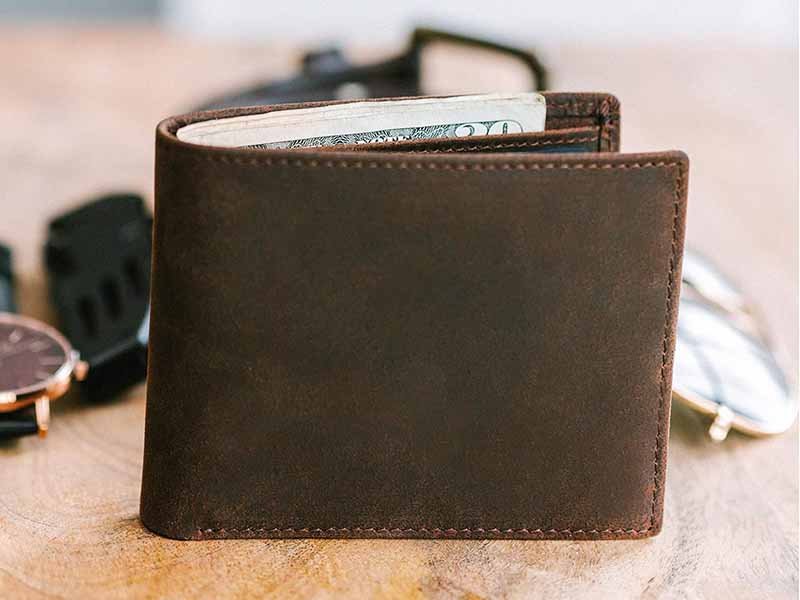
A leather wallet is one of the few everyday accessories that silently records your habits, environment, and lifestyle. It sits in your pocket or bag daily, exposed to friction, body heat, moisture, oils, dust, and repeated bending. Yet most people treat their leather wallet as a “set it and forget it” item—until it dries out, cracks, fades, or loses its shape.
The irony is that leather wallets don’t fail because leather is fragile. They fail because leather is alive as a material—responsive to moisture, oils, and stress. With the right care, a leather wallet can last many years, even decades, developing a natural patina that reflects personal use. With the wrong care—or no care at all—it can deteriorate far earlier than expected.
To care for a leather wallet, clean it gently with a soft cloth, condition it periodically with a leather conditioner (not oil), avoid water and harsh chemicals, and store it properly when not in use. Different leather types require different care routines, but consistent light maintenance significantly extends the wallet’s lifespan and appearance.
At Szoneier Leather, we have produced millions of leather wallets for brands worldwide over the past 18+ years. From full-grain vegetable-tanned wallets to chrome-tanned everyday styles, we’ve seen exactly how wallets age—and why some survive years of daily use while others fail prematurely. Understanding proper care is not just helpful for consumers; it is essential knowledge for brands, buyers, and designers who want their products to stand the test of time.
What Is a Leather Wallet and Why Proper Care Matters
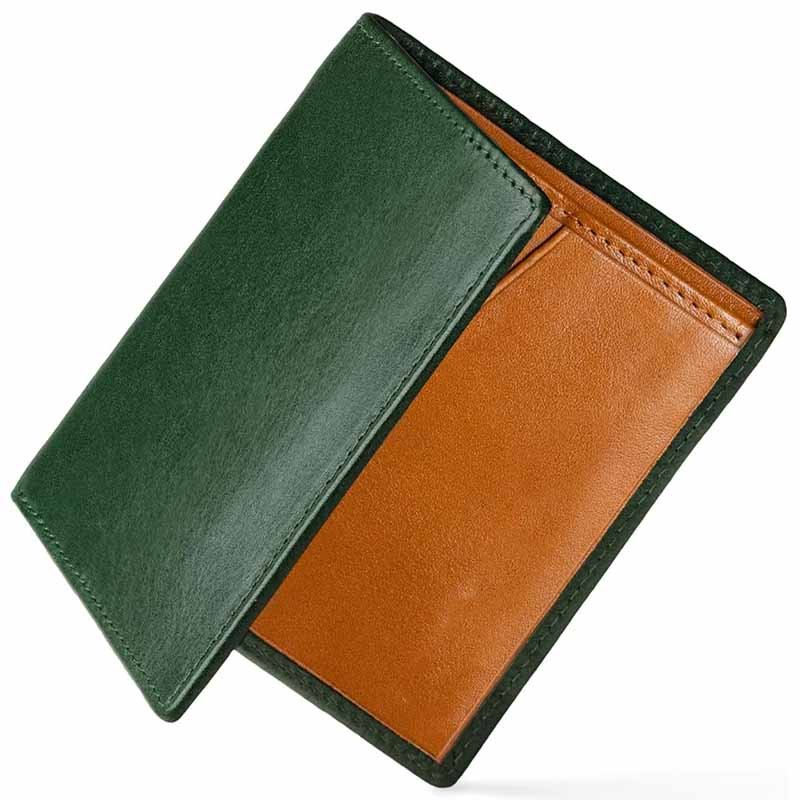
A leather wallet is a daily-use accessory made from natural animal hide that flexes, absorbs moisture, and reacts to heat, friction, and oils. Proper care matters because leather gradually loses its natural oils through everyday use. Without regular cleaning and conditioning, leather wallets dry out, stiffen, crack, and lose their appearance and structural integrity far earlier than expected.
What exactly is a leather wallet from a material perspective?
From a materials standpoint, a leather wallet is not just a fashion item—it is a flexible structural product. Leather is composed of tightly interwoven collagen fibers that provide strength, elasticity, and durability when properly hydrated. Unlike synthetic materials, leather is porous and breathable, which allows it to adapt to movement but also makes it sensitive to its environment.
Every time a wallet is folded, sat on, or slid in and out of a pocket, its fibers bend and compress. This constant micro-movement is normal, but it slowly depletes natural oils. Understanding leather as a living material explains why care is not optional—it is maintenance for the fiber structure itself.
Why do leather wallets age differently from fabric or synthetic wallets?
Fabric and synthetic wallets rely on stable polymers that remain largely unchanged over time. Leather, however, evolves with use. It darkens, softens, and develops patina as oils, friction, and light interact with its surface.
When cared for properly, this aging is desirable. When neglected, the same processes cause dryness, stiffness, and cracking. This dual nature is why two leather wallets made from the same hide can look dramatically different after a year of use—care habits matter more than brand names alone.
Why does everyday use cause leather wallets to deteriorate?
Daily exposure to:
- Body heat
- Sweat and skin oils
- Pocket friction
- Dry indoor air
gradually pulls moisture from leather fibers. Unlike jackets or bags, wallets are thin and folded constantly, making them more vulnerable to stress.
From a manufacturing perspective, most wallet failures occur at fold lines and edges—not because of poor leather, but because fibers lose flexibility and begin to break under repeated bending.
What happens if a leather wallet is not cared for properly?
Without proper care, common deterioration includes:
- Surface dryness and dullness
- Permanent creases at fold points
- Edge cracking and peeling
- Loss of shape and stiffness
Once leather fibers crack, the damage cannot be reversed—only slowed. This is why preventive care is far more effective than attempting repairs later.
Why does proper care extend both lifespan and appearance?
Proper care maintains moisture balance inside the leather fiber network. Light cleaning removes contaminants that accelerate wear, while conditioning replenishes lost oils and keeps fibers flexible.
From long-term production data, wallets that receive basic care can last 2–3 times longer than those that are never maintained. For brands, this translates to fewer complaints and stronger perceived quality. For users, it means a wallet that looks better with time instead of worse.
Why do manufacturers emphasize care even with high-quality leather?
Even the best full-grain leather cannot protect itself indefinitely. Quality leather slows deterioration, but it does not eliminate the need for care. As manufacturers, we often see customers assume “premium leather means no maintenance”—a misunderstanding that leads to avoidable disappointment.
At Szoneier Leather, we design wallets to age well, but we also educate brands and end users on proper care. Material quality and maintenance work together; one cannot replace the other.
Which Leather Types Affect How You Should Care for Wallets
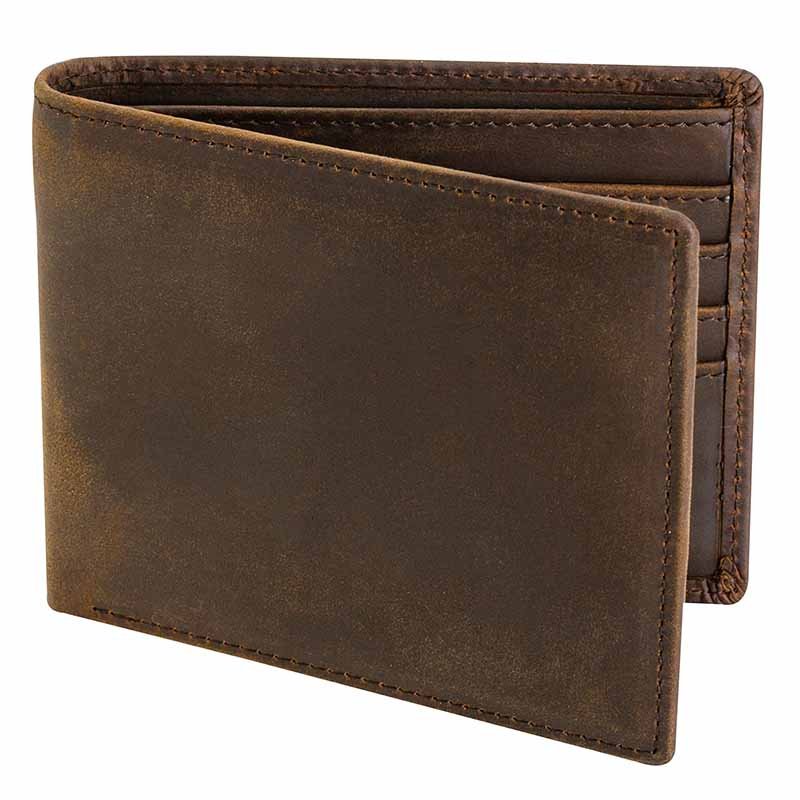
Leather wallet care depends heavily on leather type, tanning method, and surface finish. Full-grain and vegetable-tanned leathers require light, regular conditioning, while chrome-tanned and coated leathers need gentler cleaning and less frequent conditioning. Suede and nubuck wallets require dry care only. Understanding leather type prevents over-conditioning, staining, and premature damage.
Which leather types are most common in wallets?
Most leather wallets fall into a few main categories, each with distinct care needs:
| Leather Type | Key Characteristics | Care Sensitivity |
|---|---|---|
| Full-grain leather | Natural surface, visible pores | Medium |
| Top-grain leather | Smoothed surface, uniform | Low–Medium |
| Genuine leather | Layered or split | Low |
| Bonded leather | Reconstituted fibers | Very Low |
Full-grain wallets show wear more visibly but also age the best when cared for properly. “Genuine leather” wallets often have heavier coatings, making them less responsive to conditioning.
How does tanning method (vegetable-tanned vs chrome-tanned) affect care?
Tanning method significantly influences how leather reacts to moisture and oils:
- Vegetable-tanned leather
- Highly absorbent
- Develops rich patina
- Requires careful, light conditioning
- Stains more easily
- Chrome-tanned leather
- More flexible and moisture-resistant
- Less sensitive to water
- Requires less frequent conditioning
Applying heavy conditioners to vegetable-tanned wallets can darken them unevenly, while neglecting conditioning leads to stiffness.
Which leather finishes require special care?
Surface finish changes how leather interacts with care products:
- Aniline leather: minimal coating, shows natural grain; needs gentle care
- Semi-aniline leather: lightly protected; more forgiving
- Pigmented or coated leather: sealed surface; minimal conditioning needed
- Embossed leather**:** textured; hides wear well but still needs cleaning
Highly coated finishes should not be over-conditioned—excess product sits on the surface and attracts dirt.
How should suede and nubuck wallets be cared for differently?
Suede and nubuck are not smooth leather and require completely different care:
- Use dry suede brushes only
- Avoid water, conditioners, and oils
- Treat stains with specialized suede erasers
Moisture permanently darkens suede fibers, making wet cleaning a common and irreversible mistake.
How does leather thickness and structure influence care needs?
Thinner wallet leathers dry out faster than thick bag leathers. Because wallets bend constantly, thin leather loses oils more quickly and needs lighter but more consistent care.
From a manufacturing standpoint, wallets are among the most care-sensitive leather goods due to:
- Thin cross-sections
- High fold frequency
- Constant skin contact
This makes proper care even more critical than for bags or belts.
How Do You Clean a Leather Wallet Safely
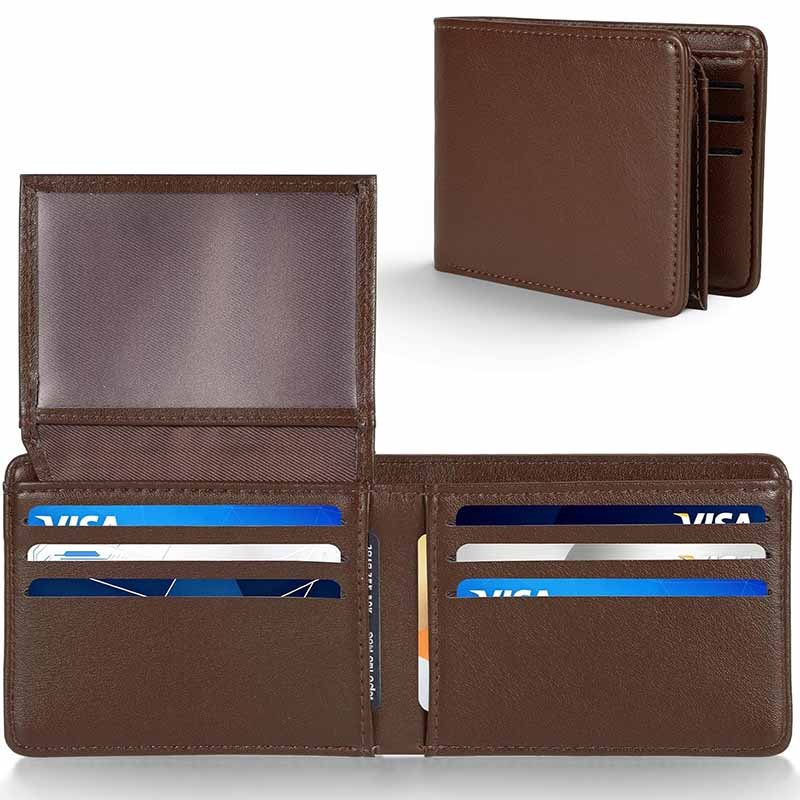
To clean a leather wallet safely, first empty it completely, then wipe the surface with a soft dry or slightly damp cloth. Use a mild leather-safe cleaner only when necessary, and avoid soaking, scrubbing, or alcohol-based products. Gentle, infrequent cleaning preserves leather fibers and prevents drying, discoloration, or cracking.
How often should you clean a leather wallet?
For most leather wallets, light cleaning every 1–2 months is enough. Daily-use wallets carried in pockets may need slightly more frequent attention, while wallets stored in bags require less.
Over-cleaning is a common mistake. Leather does not benefit from frequent wet cleaning. Each exposure to moisture removes some natural oils, so cleaning should be purposeful—not habitual.
From manufacturing after-sales data, wallets that are lightly cleaned but not over-cleaned retain flexibility and appearance far longer than wallets scrubbed regularly.
How should you prepare a leather wallet before cleaning?
Preparation prevents accidental damage. Before cleaning:
- Remove all cards, cash, and receipts
- Shake out dust and debris
- Lay the wallet flat on a clean surface
- Identify the leather type (smooth, suede, coated)
Cleaning a stuffed wallet stretches seams and traps moisture inside. Proper preparation ensures even cleaning and avoids deformation.
What is the safest basic cleaning method for leather wallets?
For routine maintenance, follow this safest method:
- Use a soft microfiber or cotton cloth
- Lightly dampen with clean water (not wet)
- Wipe gently in one direction
- Let the wallet air-dry naturally
This method removes surface dirt, body oils, and dust without penetrating deep into the leather fibers. It is suitable for most smooth leather wallets, including full-grain and top-grain leather.
When should you use a leather cleaner, and how?
Leather cleaner should be used only when visible dirt or stains appear. Choose a mild, pH-balanced leather cleaner designed for small leather goods.
How to apply safely:
- Test on an inconspicuous area first
- Apply a small amount to a cloth, not directly on leather
- Gently wipe—never scrub
- Remove residue with a clean dry cloth
Excess cleaner left on the surface attracts dirt and accelerates wear.
What should you never use to clean a leather wallet?
This is one of the most critical safety points.
Never use:
- Alcohol wipes or hand sanitizer
- Baby wipes or disinfectant wipes
- Acetone or nail-polish remover
- Household cleaners (glass, kitchen, bleach)
- Excess water or soaking
These products strip oils, break down finishes, and cause irreversible dryness or discoloration. As manufacturers, we see many wallets ruined by a single wrong cleaning attempt.
How should you clean suede or nubuck leather wallets?
Suede and nubuck wallets require dry cleaning only:
- Use a suede brush to lift dirt
- Use a suede eraser for stains
- Never use water or liquid cleaners
Moisture permanently darkens suede fibers. Once damaged, restoration is extremely difficult.
What should you do if a leather wallet gets wet during cleaning?
If accidental moisture exposure occurs:
- Blot immediately with a dry cloth
- Air-dry at room temperature
- Do not use heat, hair dryers, or sunlight
Once fully dry, light conditioning may be needed to restore flexibility—but only if the leather type allows it.
Why safe cleaning matters more than aggressive cleaning
Leather wallets fail not because they are dirty—but because they are cleaned incorrectly. Gentle, minimal cleaning preserves fiber structure, color stability, and finish integrity.
How Do You Condition and Moisturize Leather Wallets
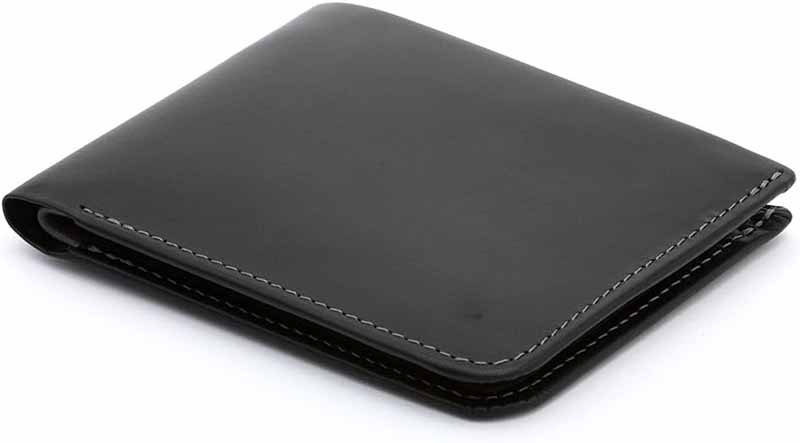
To condition a leather wallet, apply a small amount of light leather conditioner with a soft cloth, allow it to absorb, and gently buff the surface. Conditioning replenishes lost moisture, keeps leather fibers flexible, and prevents cracking. Wallets should be conditioned sparingly—typically every 3–6 months—using products designed for small leather goods, not heavy oils.
What does conditioning actually do for a leather wallet?
Conditioning does not waterproof leather or make it shiny. Its primary purpose is to restore moisture balance inside the leather fibers. Leather is made of collagen fibers that flex constantly in a wallet. Over time, friction, body heat, and dry air pull natural oils out of these fibers.
When leather fibers lose lubrication:
- Flexibility decreases
- Creases become permanent
- Cracks form at fold lines
Conditioning slows this process by keeping fibers supple. From a manufacturing perspective, wallets that receive light, consistent conditioning last significantly longer than wallets that are never conditioned.
Should you oil a leather wallet or use conditioner instead?
You should NOT oil a leather wallet. This is one of the most misunderstood leather-care topics online.
Heavy oils such as:
- Olive oil
- Coconut oil
- Mink oil
- Neatsfoot oil
are designed for thick work leather (boots, saddles). Wallet leather is thin and folded constantly. Oils:
- Over-soften leather
- Darken color unevenly
- Weaken fiber structure over time
- Attract dirt and dust
For wallets, always choose a light, cream-based leather conditioner, not oil.
What can I use to condition my leather wallet safely?
Safe conditioning options include:
- Cream-based leather conditioners
- Neutral leather balms designed for small leather goods
- Professional leather-care products labeled “wallet” or “accessories”
Avoid DIY remedies. From factory after-sales data, home remedies cause more permanent damage than lack of conditioning.
Application method matters as much as product choice:
- Apply a pea-sized amount to a cloth
- Rub gently in circular motion
- Let absorb for 5–10 minutes
- Buff lightly to remove excess
Less is always better.
How often should you condition your leather wallet?
For most users:
- Every 3–6 months is ideal
- Dry climates may require slightly more frequent care
- Humid climates require less
Over-conditioning is a common mistake. If the wallet still feels soft and flexible, it does not need conditioning yet.
A simple rule used by manufacturers:
Condition only when leather begins to feel dry—not on a fixed calendar.
Can you over-condition a leather wallet? What happens if you do?
Yes—over-conditioning is harmful.
Signs of over-conditioning include:
- Greasy or sticky surface
- Loss of shape
- Dirt attraction
- Dark blotches
Excess conditioner cannot be “absorbed forever.” It sits on the surface, blocks pores, and accelerates surface breakdown—especially on coated or chrome-tanned leather.
Does conditioning work the same for all leather types?
No. Conditioning must match leather type:
| Leather Type | Conditioning Advice |
|---|---|
| Full-grain / veg-tan | Light, regular conditioning |
| Chrome-tanned | Minimal conditioning |
| Coated leather | Rare conditioning |
| Suede / nubuck | Do not condition |
Conditioning suede or nubuck permanently damages the surface.
How Do You Protect Leather Wallets from Damage
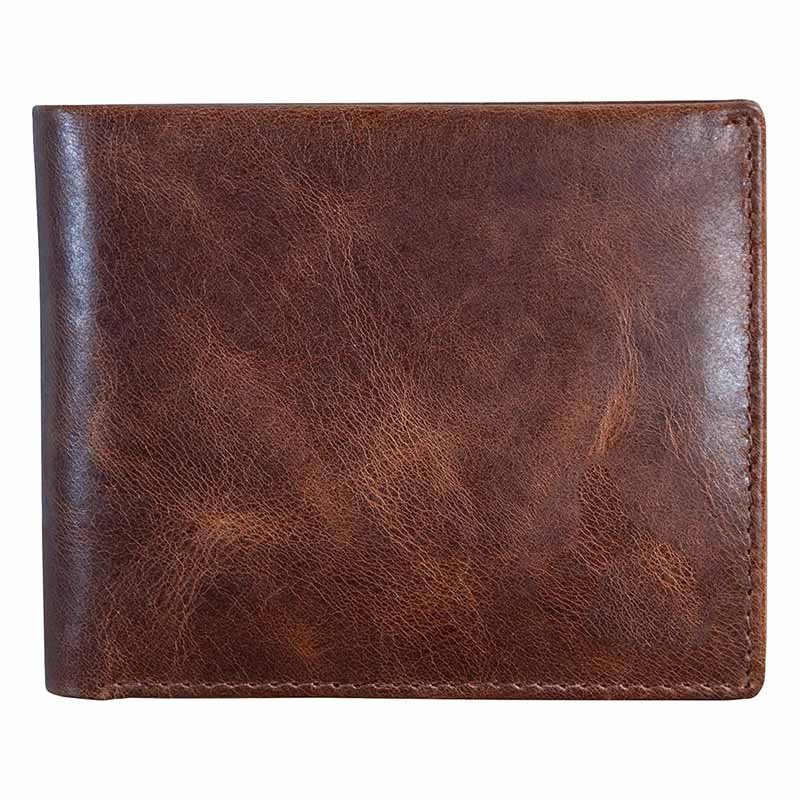
To protect a leather wallet from damage, minimize exposure to water, heat, and friction, avoid overstuffing, keep it away from oils and chemicals, and store it properly when not in use. Preventive habits are more effective than frequent cleaning or conditioning and play the biggest role in extending a wallet’s lifespan.
How do you protect leather wallets from water and moisture?
Water is one of leather’s biggest threats. Leather absorbs moisture quickly, which weakens fibers and causes stiffness once dried. To reduce moisture damage:
- Avoid carrying wallets in wet pockets or bags
- Keep wallets away from rain and spills
- If wet, blot immediately and air-dry naturally
Waterproof sprays are not recommended for wallets. They stiffen leather and interfere with natural aging. From manufacturing experience, wallets damaged by water are rarely fully recoverable.
How do you protect leather wallets from heat and sunlight?
Heat accelerates moisture loss in leather. Prolonged exposure to:
- Direct sunlight
- Hot cars
- Radiators or heaters
causes leather to dry, fade, and crack. Wallets should never be left on dashboards or window sills. Even short, repeated exposure adds up over time.
How does overstuffing damage leather wallets?
Overstuffing is a silent killer of wallets. Stuffing too many cards or cash:
- Stretches leather fibers permanently
- Weakens stitching at seams
- Deforms wallet shape
Once stretched, leather does not fully recover. Slimming wallet contents is one of the simplest and most effective protective habits.
How do you prevent oil stains, sweat damage, and dirt buildup?
Leather absorbs oils easily. Common sources include skin oils, sweat, food residue, and lotions. To reduce buildup:
- Avoid handling wallets with greasy hands
- Rotate wallets to allow drying
- Use pocket placement that minimizes sweat exposure
Oil stains are especially difficult to remove once absorbed.
How do you protect leather wallets from color transfer?
Color transfer occurs when leather rubs against dyed fabrics—especially dark denim. New wallets are more vulnerable. To reduce risk:
- Avoid pairing light leather wallets with dark jeans initially
- Allow natural patina to develop before heavy friction
This issue is common in vegetable-tanned and aniline leathers and is considered normal rather than a defect.
How should leather wallets be stored when not in use?
Proper storage preserves shape and flexibility:
- Empty the wallet completely
- Store flat in a breathable dust bag
- Avoid airtight plastic containers
Leather needs airflow. Sealed environments trap moisture and encourage mildew.
Are leather protectant sprays or coatings recommended?
For wallets, generally no. Most protectant sprays:
- Stiffen leather
- Change surface feel
- Interfere with conditioning
Wallets benefit more from gentle habits than from chemical coatings.
What Are Common Leather Wallet Problems and How Do You Fix Them
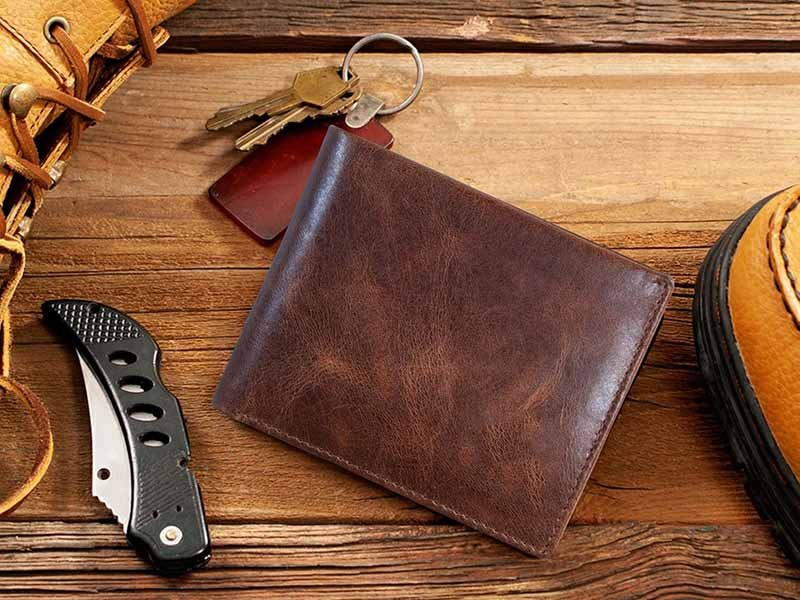
Common leather wallet problems include surface scratches, dryness, stiffness, cracking, deformation, discoloration, stains, and odor. Minor issues can often be improved with gentle cleaning, light conditioning, and correct storage. However, deep cracking, severe stretching, and structural damage are irreversible. Understanding which problems are fixable—and which are not—prevents further damage and extends wallet lifespan.
Why do leather wallets develop problems over time?
Leather wallet problems are rarely caused by a single event. Instead, they result from cumulative daily stress, including:
- Constant folding at the same points
- Friction from pockets and cards
- Exposure to body heat, sweat, and oils
- Dry indoor environments
- Improper cleaning or over-conditioning
From a manufacturing standpoint, wallets are among the highest-stress leather goods, because they use thin leather and flex thousands of times per year. Even high-quality leather will fail prematurely if care habits are incorrect.
What should you do if a leather wallet gets scratched or scuffed?
Light scratches are usually cosmetic and often improve naturally as oils redistribute through handling.
What you can do:
- Gently rub the scratch with a clean finger or soft cloth
- Apply a very small amount of light leather conditioner to blend the area
- Allow time for natural patina to develop
Deep scratches that cut through the grain layer cannot be removed. Conditioning may reduce contrast, but the mark will remain part of the wallet’s character.
What causes leather wallets to feel dry or stiff, and can this be fixed?
Dryness and stiffness are caused by loss of natural oils inside leather fibers, often due to:
- Long periods without conditioning
- Exposure to heat or sunlight
- Over-cleaning with moisture
If stiffness is mild, light conditioning can restore flexibility. Apply sparingly and allow full absorption.
If the leather feels brittle or resists bending, fiber damage has already begun. Conditioning may slow further deterioration but cannot fully reverse stiffness.
What happens when a leather wallet starts cracking?
Cracking is one of the most serious leather problems—and also the most misunderstood.
Cracks form when:
- Fibers dry out completely
- Repeated bending breaks the fiber network
Once cracks appear:
- They cannot be repaired
- Conditioner cannot “heal” cracks
- Conditioning can only slow further cracking
Cracks most commonly appear at fold lines, edges, and corners. This is why preventive care matters far more than repair attempts.
Why do leather wallets lose their shape or become stretched?
Loss of shape is almost always caused by overstuffing and pressure, not leather quality.
Common causes:
- Too many cards or cash
- Sitting on the wallet
- Storing wallets in tight spaces
Early-stage deformation may improve by emptying the wallet and storing it flat. Severely stretched leather does not shrink back—the fiber structure has permanently changed.
What causes discoloration, dark spots, or uneven color?
Color issues are common and usually caused by:
- Water exposure
- Oil absorption from skin
- UV sunlight
- Dye transfer from clothing
Natural leathers (vegetable-tanned, aniline) darken more easily. Some uneven color evens out with time; deep stains rarely disappear completely.
Attempting aggressive stain removal often causes more damage than the stain itself.
Why does a leather wallet develop odor, and how do you fix it safely?
Odors usually come from moisture trapped in enclosed environments (pockets, bags).
Safe steps:
- Air the wallet in a cool, dry place
- Remove contents and allow airflow
Avoid:
- Baking soda inside the wallet
- Sprays or fragrances
- Alcohol-based deodorizing products
These can damage leather and leave residues.
Which leather wallet problems cannot be fixed at home?
The following are irreversible:
- Deep cracking
- Severe stretching
- Torn stitching due to leather tear
- Mold damage penetrating fibers
Professional restoration may improve appearance in some cases, but full recovery is unrealistic. Knowing when to stop DIY attempts prevents further harm.
When is professional leather wallet restoration worth considering?
Professional care may be worth it for:
- Premium or custom wallets
- Sentimental items
- Minor structural or color issues
For mass-market wallets, replacement is often more cost-effective than restoration.
How Do You Choose Quality Leather Wallet Care Products
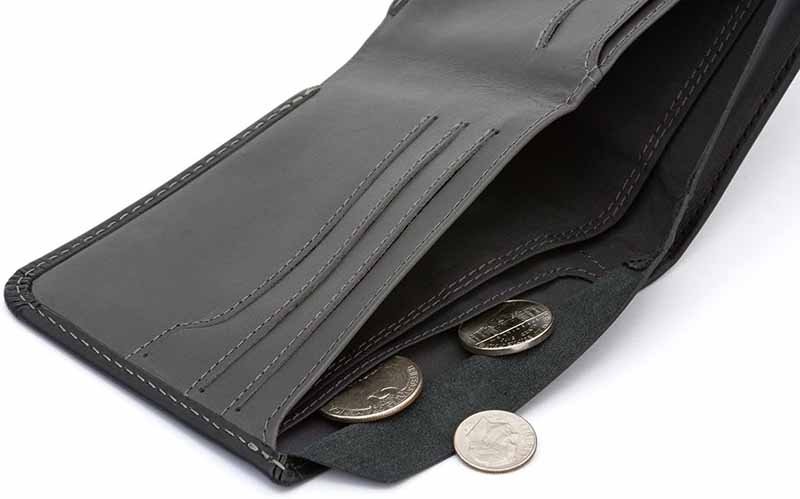
Choose leather wallet care products that are mild, alcohol-free, and designed for small leather goods. A quality leather conditioner should be lightweight (cream or balm), non-greasy, and compatible with your leather type and finish. Avoid heavy oils, solvent-based cleaners, silicone-heavy formulas, and “all-purpose” household wipes. Always patch-test first to prevent discoloration or surface damage.
How do you match care products to your wallet’s leather type?
The “best” product depends on leather type and finish—this is the biggest mistake shoppers make. Use this quick matching guide:
| Wallet Leather Type | What Works Best | What to Avoid |
|---|---|---|
| Full-grain / veg-tan | Light conditioner (cream) | Heavy oils, wax overload |
| Chrome-tanned smooth | Mild conditioner (less often) | Strong cleaners, solvents |
| Coated / pigmented | Light cleaning only | Frequent conditioning |
| Suede / nubuck | Suede brush + eraser | Liquids, oils, conditioners |
If you don’t know your leather type, start with the gentlest option and avoid any product that promises dramatic “revival” instantly.
What ingredients should you look for on labels?
For wallet-safe products, look for wording like:
- leather conditioner / leather balm
- pH-balanced
- for small leather goods / handbags / accessories
- non-greasy / quick-absorbing
These terms usually indicate a formulation made for thin, flexible leather—exactly what wallets are.
What ingredients should you avoid in leather wallet care products?
Avoid products with:
- Alcohol (dries leather and strips finish)
- Harsh solvents (can dissolve coatings and dyes)
- Ammonia / bleach (destroys leather fibers)
- Silicone-heavy formulas (creates slick surface, traps dirt)
Also avoid “disinfectant wipes” and “baby wipes.” They’re not leather care products, even if they feel gentle on skin.
Are natural oils a good idea for leather wallets?
In most cases, no. Natural oils (olive, coconut) are unpredictable:
- They darken leather unevenly
- They can become sticky
- They over-soften thin wallet leather
- They attract dirt and lint
Boot oils (mink, neatsfoot) are also usually too heavy for wallets. Wallets need light conditioning, not oil saturation.
Which product format is best: cream, balm, wax, or spray?
For wallets, the safest and most effective formats are:
- Cream conditioners: best all-around, easy to control
- Light balms: good for mild protection and sheen
- Heavy waxes: only for specific finishes, can stiffen wallets
- Sprays: usually unnecessary and can affect touch/finish
If you want one “go-to” product for most smooth leather wallets: choose a light cream conditioner.
How can you tell if a product is too heavy for a wallet?
Warning signs after application:
- Greasy or sticky feel
- Wallet feels softer and loses shape
- Excess residue transfers to hands or pockets
- Surface attracts dust quickly
If any of these happen, you used too much product or the formula is too heavy. In wallet care, less is more.
Which tools and cloths should you use with care products?
Use:
- Soft microfiber cloths
- Clean cotton cloths
- Soft horsehair brush (optional for buffing)
Avoid:
- Paper towels (abrasive fibers)
- Rough sponges or brushes
- Dirty cloths (they grind dust into leather)
Tool choice matters because wallet leather is thin and scratch-prone.
Why is patch-testing important even with “safe” products?
Even high-quality products can react differently depending on leather finish, dye, and tanning method. Always patch-test:
- Inside corner
- Under a fold
- Small hidden area
Wait 10–15 minutes to see if the leather darkens, streaks, or becomes sticky. This single step prevents most “I ruined my wallet” accidents.
Is It Worth Professional Leather Wallet Maintenance
Professional leather wallet maintenance is worth it for high-quality, premium, or custom wallets when issues involve deep stains, structural stiffness, or aesthetic restoration. For low-cost or heavily damaged wallets, professional care is often not cost-effective. Understanding wallet value, damage severity, and repair limits helps determine whether professional maintenance is worthwhile.
What does professional leather wallet maintenance actually include?
Professional maintenance goes far beyond home cleaning or conditioning. Services may include:
- Controlled deep cleaning using pH-balanced solutions
- Fiber rehydration to restore flexibility
- Color correction or light re-dyeing
- Structural reshaping under controlled humidity
- Edge repair or reinforcement
Professionals use tools and products unavailable to consumers, and they understand how different leathers react to treatment—reducing risk of further damage.
When is professional leather wallet care truly worth it?
Professional care is most worthwhile when:
- The wallet is made of full-grain or premium leather
- The wallet has high monetary or sentimental value
- Damage is moderate but not structural
- Discoloration or stiffness affects usability
For custom or brand-level wallets, professional maintenance can extend life significantly and preserve design integrity.
When is professional maintenance not worth the cost?
Professional care is usually not worth it if:
- The wallet is inexpensive or mass-market
- Leather is severely cracked or torn
- The wallet has lost structural shape permanently
- Mold has penetrated deep into fibers
In these cases, replacement is often more economical and practical than restoration attempts.
How much does professional leather wallet maintenance typically cost?
Costs vary by region and service level, but typical ranges include:
- Basic professional cleaning: moderate cost
- Conditioning and reshaping: higher cost
- Color restoration or repair: premium cost
In many cases, professional care can approach or exceed the price of a mid-range wallet—making value assessment essential.
What risks exist with professional leather wallet maintenance?
While professionals reduce risk, no treatment is risk-free. Potential risks include:
- Color variation after re-dyeing
- Slight changes in texture
- Incomplete stain removal
Reputable professionals will explain limitations clearly and set realistic expectations before treatment.
How do you decide between DIY care and professional service?
A simple decision framework:
- Minor dirt or dryness → DIY care
- Moderate stiffness or stains → Consider professional
- Cracks or major deformation → Replacement
Knowing limits prevents wasted effort and money.
How can brands and manufacturers reduce the need for professional care?
From a manufacturing standpoint, professional care becomes less necessary when wallets are:
- Made from properly tanned, stable leather
- Designed with reinforced stress points
- Accompanied by clear care instructions
Conclusion
Proper care extends the life of a leather wallet—but quality begins at manufacturing.
At Szoneier Leather, we design and manufacture leather wallets with real-world use in mind. With over 18 years of experience, in-house material R&D, sampling, and strict QC, we help brands create wallets that age beautifully and perform reliably.
Whether you are developing a full-grain heritage wallet line or a modern everyday collection.
Contact Szoneier Leather to discuss your custom leather wallet project or request a tailored quotation.