Genuine leather has long been celebrated for its durability, natural beauty, and the unmistakable character it develops over time. Yet in today’s world of fast fashion and synthetic alternatives, more buyers—especially brand owners and professional sourcing teams—are asking a simple but critical question: How long does genuine leather really last? The answer is more complex than most expect. Leather longevity depends on grade, tanning method, construction, climate exposure, care habits, and even how often the item is used. Because of these variables, two leather wallets purchased at the same time may age very differently.
Most genuine leather lasts 5–20+ years depending on leather grade, thickness, tanning method, usage intensity, and care. High-quality full-grain leather can last a lifetime, while lower-grade genuine leather typically lasts several years with proper maintenance. Environmental exposure, moisture, and craftsmanship play major roles in determining real-world leather longevity.
Think of a vintage briefcase passed down through generations versus a low-cost belt that cracks within two years—both made of “genuine leather,” yet not the same quality. Understanding the difference is essential for buyers who want long-lasting products, whether for premium retail brands or custom OEM/ODM collections. And this is where our journey begins: understanding what genuine leather truly is, what determines its lifespan, and how to choose a material that will not just last—but age gracefully.
What Is Genuine Leather and How Is Its Lifespan Defined?
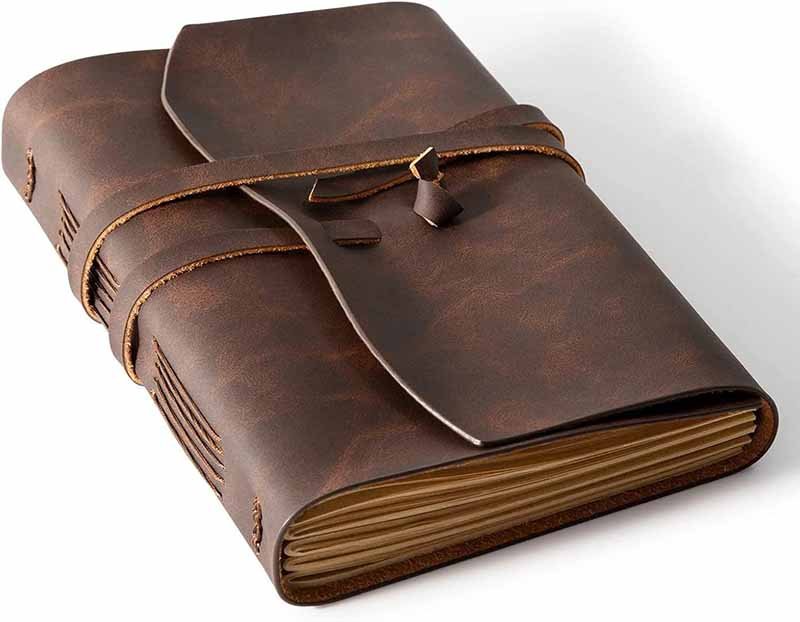
Genuine leather is a mid-grade real leather made from the lower layers of the hide after the top-grain portion is removed. Its lifespan is defined by fiber density, tanning method, finishing quality, and use conditions. While not as durable as full-grain or top-grain leather, well-processed genuine leather can last 5–20+ years depending on thickness, care, and product application.
To understand genuine leather lifespan, you must first understand how the hide is structured and how manufacturers split it during production. A natural hide has its strongest fibers in the topmost layer. This top fiber network is extremely dense and tightly interwoven, giving full-grain leather its legendary durability. Under that lies a looser fiber structure—this is where genuine leather comes from. It is real leather, but from the lower, softer, more porous layers.
Because the top grain is removed for premium applications, genuine leather no longer has the same structural integrity. This is why genuine leather is considered a mid-tier grade: affordable, versatile, and widely used, but not the longest-lasting option. Still, that doesn’t mean genuine leather is low quality. When sourced correctly, thick genuine leather splits (1.6–2.2 mm) with high-grade finishes can outperform poorly processed top-grain leather in certain applications.
The lifespan of genuine leather depends on four fundamental pillars:
1. Fiber Density: The True Core of Durability
Genuine leather’s fibers are looser and less dense than upper-grain leather. This affects:
- Tear resistance
- Stretch resistance
- Long-term shape retention
- Ability to handle repeated bending
High-density splits taken closer to the grain layer last longer. Lower-quality splits taken deeper into the hide can feel papery and age faster. This is why two products labeled “genuine leather” may show dramatically different performance.
2. Tanning Method: The Chemistry of Longevity
The tanning process locks fibers in place, stabilizing the hide against microbial decay and moisture changes.
Vegetable-tanned genuine leather
- Best long-term aging and patina
- Firmer structure
- Lifespan: 10–25+ years with care
Chrome-tanned genuine leather
- Softer, flexible, widely used in fashion
- More moisture-resistant, but may degrade faster
- Lifespan: 5–15 years
Combination-tanned genuine leather
- Balanced durability + softness
- Good for bags, belts, wallets
- Lifespan: 8–20 years
Tanning quality is one of the biggest variables separating premium OEM leather from low-cost mass-market leather.
3. Finishing System: Protection vs. Natural Feel
The finish layer determines surface durability, color stability, and resistance to scratches.
Thick pigment coatings
- Higher scratch & stain resistance
- But may crack over time
- Ideal for high-use items (belts, straps)
Aniline or semi-aniline finishes
- More natural look
- More breathable
- But easier to scratch or darken with age
A well-applied finish can significantly extend genuine leather lifespan—sometimes even doubling it.
4. Use Conditions: Where the Real Aging Happens
Lifespan in real-world use varies widely:
| Product Type | Typical Lifespan (Genuine Leather) | Stress Factors |
|---|---|---|
| Wallets | 5–15 years | Bending, pocket friction |
| Bags | 8–20 years | Load, sweat exposure |
| Belts | 2–5 years | Tension, sweat, daily bending |
| Shoes | 3–7 years | Moisture, flexing |
| Upholstery | 10–25 years | UV, abrasion |
Thus, lifespan is not a fixed number—it’s an outcome of material + craftsmanship + usage patterns + maintenance.
What Counts as Genuine Leather Compared With Other Real Leather Grades?
Genuine leather differs from higher grades in that it comes from the split layers of the hide, not the natural grain. It is real leather, but:
- Less dense
- More uniform after processing
- Often embossed with artificial grain patterns
- More dependent on finishing for durability
Because it presents good cost-performance, brands commonly use genuine leather for wallets, belts, mid-tier bags, and large volume retail items.
Is 100% Genuine Leather Good?
“100% genuine leather” guarantees authenticity—not quality level. A high-grade genuine leather can outperform a poorly tanned top-grain leather, but it will not match the natural longevity of full-grain. The key to evaluating quality lies in:
- Thickness
- Tensile strength
- Tanning stability
- Finish adhesion
- Surface uniformity
Professional buyers should request spec sheets, not rely on marketing labels.
What Key Material Properties Decide How Long Genuine Leather Can Last?
The most critical properties impacting longevity include:
- Thickness (≥1.4 mm recommended for bags)
- Fiber density
- Finish adhesion (ASTM finish rub tests)
- Tensile strength (≥12–20 N/mm for quality goods)
- Water absorption rate
- Colorfastness to rubbing (dry & wet)
These numbers greatly influence whether a leather bag cracks in 3 years or still looks beautiful after 15 years.
What Is the Shelf Life of Genuine Leather Before and After Use?
Shelf Life (Unused)
When stored properly (40–60% humidity, no UV exposure), genuine leather can remain stable for 20–50 years. Tanned hides are chemically stabilized, so they do not “expire” quickly.
Service Life (Active Use)
Dependant on product category:
- Wallets: 8–15 years
- Bags: 10–20 years
- Belts: 2–5 years
- Shoes: 3–7 years
- Upholstery: 10–25+ years
Proper conditioning and clean storage dramatically increase longevity.
How Long Does Genuine Leather Last in Different Applications?
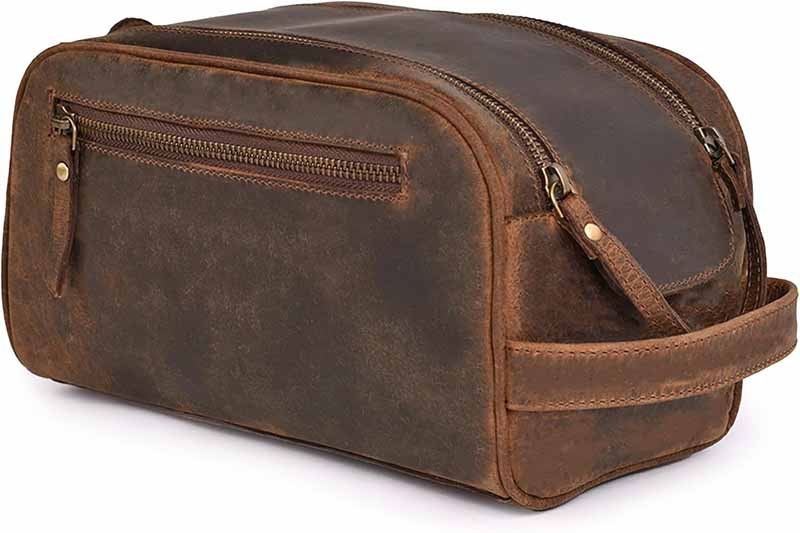
Genuine leather typically lasts 5–20 years, but actual lifespan depends heavily on the application. Bags and wallets last the longest (8–20 years), belts and straps wear out sooner (2–5 years), while footwear falls in the mid-range (3–7 years). Upholstery and automotive interiors can last 10–25+ years if properly maintained. Product stress, humidity, craftsmanship, and care ultimately determine longevity.
Genuine leather ages differently depending on how it is used, handled, and exposed to daily stress. Each product category places distinct mechanical, environmental, and chemical demands on the material. This is why a high-quality genuine leather tote can remain beautiful for two decades, yet a belt made from the same leather may stretch or crack within three years. Understanding these differences is essential for buyers who want to match leather grade to product design, warranty expectations, and brand positioning.
Leather items generally undergo four types of wear:
- Bending and flex cycles – wallets, footwear, straps
- Load-bearing stress – bags, belts, luggage
- Surface friction and abrasion – upholstery, automotive seats
- Moisture and chemical exposure – shoes (sweat), belts, straps, outdoor goods
Because genuine leather has a looser fiber structure than full-grain or top-grain leather, its performance varies more noticeably between applications. A durable finish, proper reinforcement, and appropriate thickness significantly improve its lifespan.
Below is a detailed analysis of how genuine leather performs across major product categories, along with typical lifespan expectations and the primary factors affecting wear.
Can Genuine Leather Last a Lifetime?
In low-stress product categories, yes—genuine leather can last a lifetime, especially when:
- The leather thickness is 1.6–2.2 mm
- The surface finish is strong and flexible
- The item is not exposed to heavy friction or constant bending
- The user maintains it properly with cleaning and conditioning
Examples of lifetime-use items:
- Journals & folios
- Decorative home goods
- Document folders
- Occasional-use fashion bags
However, for belts, footwear, and heavy-duty bags, a “lifetime” lifespan is unrealistic for genuine leather. Full-grain or top-grain is required for true generational durability.
How Long Does Genuine Leather Last in Bags, Wallets, and Small Leather Goods?
Typical Lifespan: 8–20 Years
Bags and wallets are the most favorable application for genuine leather. They experience moderate bending, occasional friction, and manageable load stress. With proper craftsmanship—reinforced seams, stable lining, edge coating, and structured panels—genuine leather bags often outlast user expectations.
Factors that extend lifespan:
- Structured designs that reduce pressure points
- 1.4–1.8 mm leather thickness
- Protective finishes that resist scratches
- Quality hardware and lining
- Dust bag storage and periodic conditioning
Common failure points:
- Corner wear
- Strap stretching
- Lining tearing
- Edge paint cracking
In OEM production, Szoneier Leather often recommends top-grain for premium lines and high-quality genuine leather splits for entry and mid-range collections to balance durability and cost.
How Long Do Genuine Leather Belts, Straps, and Watch Bands Usually Last?
Typical Lifespan: 2–5 Years
Belts and straps undergo extreme repetitive tension, making them the shortest-lifespan category for genuine leather. Every use cycle stresses the same fold points, causing fiber fatigue and stretching.
High-stress factors include:
- Continuous bending around the buckle
- Sweat absorption (acidity breaks down fibers)
- Friction against clothing
- Over-tightening
- Outdoor humidity and heat exposure
Because belts function as structural components, many brands choose top-grain or full-grain even for mass-market lines. For genuine leather belts, Szoneier typically recommends:
- ≥3.0 mm thickness
- Firm vegetable-tanned splits
- Reinforced core construction
- Sweat-resistant finish coatings
Watch straps experience similar issues due to sweat and daily bending, with a typical lifespan of 1–3 years.
How Long Does Genuine Leather Last in Footwear and Clothing?
Typical Lifespan: Shoes 3–7 Years | Jackets 10–20 Years
Footwear is exposed to the harshest wear environment of all leather products:
- Constant flexing (tens of thousands of cycles)
- Sweat, moisture, and salt
- Outdoor weather conditions
- Ground friction and pressure
For these reasons, genuine leather shoes may last 3–7 years, while full-grain shoes last significantly longer. Using genuine leather for structural components (toe box, heel counter) is not recommended unless reinforced.
Leather jackets and garments, however, face less structural stress, so they last much longer—often 10–20 years with occasional conditioning.
How Long Can Genuine Leather Upholstery and Automotive Interiors Last?
Typical Lifespan: 10–25+ Years
Upholstery performs exceptionally well when crafted with high-quality genuine leather. Unlike belts or shoes, upholstery does not experience extreme bending. Instead, its biggest challenges are:
- Friction (sitting, sliding, rubbing)
- UV exposure (especially in cars)
- Body oils and sweat
- Temperature fluctuations
Automotive leather is often coated with thick protective finishes, allowing genuine leather to last 15–25+ years in cars.
How to extend lifespan:
- UV protection films
- Regular wipe-downs
- Periodic conditioning
- Ventilated covers in hot climates
This category demonstrates that genuine leather can achieve excellent durability when used appropriately and protected correctly.
Which Types of Leather Last the Longest?
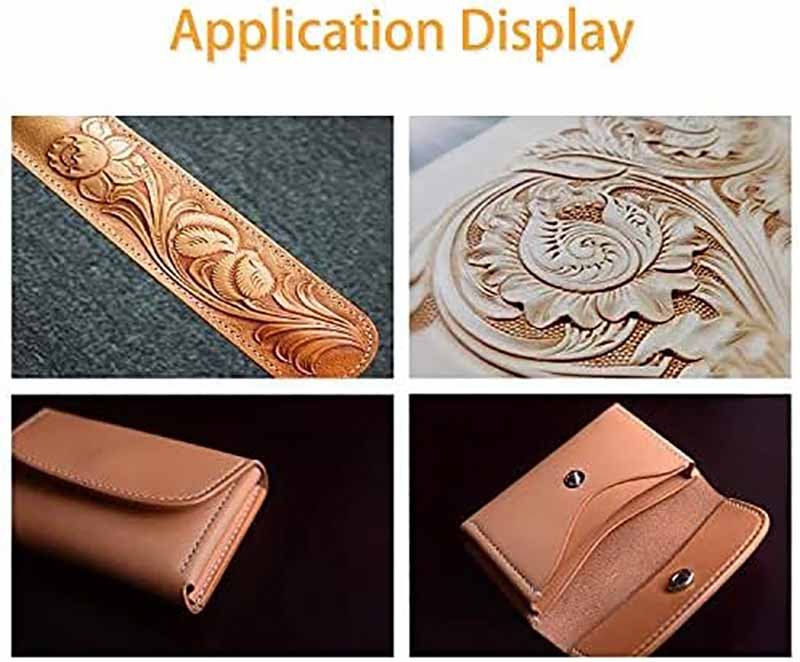
Full-grain leather lasts the longest because it retains the hide’s strongest natural fibers and ages without losing structural integrity. Top-grain leather ranks second with excellent durability and a more uniform surface. High-quality genuine leather offers mid-level longevity, while bonded leather has the shortest lifespan. Tanning method, thickness, fiber density, and finishing all further determine real-world leather durability.
Understanding which leather lasts the longest starts with understanding how a hide is structured. A natural cowhide is not uniform—its fibers vary dramatically in density from the outer grain layer to the inner corium. Durability is directly proportional to how many of the hide’s strongest fibers are preserved during leather production.
This is why the leather hierarchy—full-grain → top-grain → genuine leather → bonded leather—correlates almost perfectly with lifespan. But leather grade is only one part of the story. The tanning chemistry, finishing system, hide thickness, and structural engineering all influence real-world performance. A premium full-grain hide can last 50+ years, but a poorly tanned one may dry and crack in a few seasons. Conversely, a well-finished genuine leather can outperform a cheap top-grain leather in certain use cases.
To help buyers make informed choices, this section breaks down each major leather type, its expected durability, strengths, weaknesses, and ideal applications.
What Type of Leather Lasts the Longest?
Typical Lifespan: 30–50+ Years
Full-grain leather is the strongest, most durable, and most prestigious leather type. It contains the entire grain layer, which holds the natural fiber structure responsible for exceptional tear resistance, shape retention, and long-term flexibility.
Why full-grain lasts the longest:
- The grain layer remains intact
- Fibers are densely packed and interwoven
- Natural oils retain flexibility for decades
- Aging produces patina, not surface failure
- Responds well to conditioning and repair
Because it ages beautifully and rarely wears out, full-grain is the material of choice for:
- Heritage bags
- Premium belts
- Luxury footwear
- High-end upholstery
- Lifetime-warranty leather goods
Brands wanting to position themselves in the luxury market almost always choose full-grain.
Top-Grain Leather: Durable, Long-Lasting, but Slightly Less Robust
Typical Lifespan: 10–30 Years
Top-grain leather is the second-strongest grade. It retains much of the grain structure but undergoes sanding or buffing to remove surface imperfections.
Durability characteristics:
- Slightly less fiber density than full-grain
- More consistent surface appearance
- Good tensile strength and flexibility
- Ages well but does not develop as deep a patina
This leather is ideal for:
- Premium wallets
- Mid- to high-end handbags
- Quality upholstery
- Belts, straps, accessories
Top-grain is favored by brands needing a combination of durability, aesthetics, and cost efficiency.
Genuine Leather: Mid-Grade Durability for Everyday Use
Typical Lifespan: 5–20 Years
Genuine leather comes from the split layers beneath the grain. While not as robust as full- or top-grain, high-quality genuine leather can still provide excellent value when used appropriately.
Durability insights:
- Lower fiber density means more stretching and bending fatigue
- Finishing layers greatly influence longevity
- Thickness (≥1.6 mm) significantly improves performance
- Best used in mid-tier bags, wallets, belts, upholstery
Because the quality varies widely, buyers should request:
- Tensile strength tests
- Tear resistance data
- Finish adhesion test results
- Thickness tolerance specifications
Genuine leather is ideal for brands looking for authentic material with lower cost and good functional lifespan.
Bonded Leather: Lowest Durability, Best for Low-Cost Goods
Typical Lifespan: 1–3 Years
Bonded leather is made by combining leather fibers with polyurethane binders. It has the lowest durability due to the absence of a natural fiber matrix.
Failure patterns include:
- Peeling
- Cracking
- Delamination
- Weak tear resistance
Bonded leather is commonly used in low-cost furniture and fashion accessories where longevity is not a priority.
How Tanning Method Influences Leather Longevity
Tanning stabilizes collagen fibers. The method used plays a major role in how leather withstands aging.
Vegetable-Tanned Leather (Longest Lasting)
- Lifespan: 20–50+ years
- Thick, firm structure
- Ages gracefully
- Best for belts, straps, heritage goods
Chrome-Tanned Leather (Flexible, Mid–High Durability)
- Lifespan: 10–25 years
- More water-resistant
- Softer and more versatile
- Ideal for mass-market goods
Combination-Tanned Leather (Balanced Performance)
- Lifespan: 15–30 years
- Best ratio of durability and flexibility
- Popular for bags, wallets, luggage
How Thickness, Fiber Density & Finishing Affect Durability
1. Thickness
Thicker leather lasts longer. Typical recommendation:
| Product Type | Recommended Thickness |
|---|---|
| Bags | 1.4–2.0 mm |
| Belts | 3.0–4.0 mm |
| Wallets | 1.2–1.6 mm |
| Upholstery | 0.9–1.2 mm |
2. Fiber Density
Higher density = greater tear strength and lifespan.
3. Finish Quality
Finish determines scratch resistance, water resistance, and colorfastness.
Poor finish → cracking High-quality finish → decades of performance
Which Types of Genuine Leather Are Best for Heavy-Duty Use?
High-durability genuine leather splits must be:
- 1.8–2.2 mm thick
- Chrome- or combination-tanned
- Coated with tough polyurethane finishes
- Tested for tear and tensile strength
Ideal applications include:
- Work belts
- Tool bags
- Luggage
- Structured handbags
Szoneier Leather often recommends reinforced panel construction, edge coating, and laminated backing for superior longevity in OEM projects.
How Do Use, Environment, and Care Affect Genuine Leather Lifespan?
Genuine leather lasts significantly longer when protected from heat, moisture, UV exposure, friction, and chemical damage. Proper cleaning, conditioning, and storage can extend its lifespan by 2–3×. Without care, leather dries, cracks, stretches, or grows mold, depending on environmental stress. Usage behavior, load weight, and maintenance routines ultimately determine real-world longevity.
Leather may be durable, but it is not indestructible. Genuine leather is made of collagen fibers that behave much like human skin—flexible, porous, sensitive to moisture balance, and reactive to environmental stress. When exposed to harsh conditions or improper use, the fibers weaken, lose their natural oils, and eventually break. On the other hand, when cared for, leather can last decades longer than predicted.
Real-world lifespan depends on three interconnected factors:
- Usage habits (how the item is handled and stressed daily)
- Environmental exposure (heat, humidity, UV, sweat, chemicals)
- Maintenance practices (cleaning, conditioning, storage)
Below is a detailed breakdown of how each factor influences genuine leather’s long-term durability and what buyers—and end customers—should know before choosing leather for their products.
How Do Heat, Moisture, UV, and Sweat Accelerate Leather Aging?
1. Heat (Drying & Oil Loss)
High temperatures evaporate natural oils inside leather, causing fibers to stiffen, shrink, and eventually crack. Heat is the most frequent cause of premature aging—especially when leather sits in hot cars or near heaters. Once oils evaporate, conditioning becomes less effective.
Effects of heat exposure:
- Cracking along stress points
- Hard, brittle texture
- Surface peeling if finish dries out
- Permanent color changes
2. Moisture & Humidity (Swelling & Mold)
Too much moisture causes leather fibers to swell and weaken. If kept in humid environments, leather can develop mold within weeks.
Common moisture-related damage:
- Mold spots
- Sour or musty odor
- Fiber weakening
- Staining and discoloration
- Surface waviness (“water wrinkles”)
3. UV Light (Color Fading & Fiber Breakdown)
UV exposure breaks down the collagen structure and finish layers.
Signs of UV degradation:
- Faded color
- Dryness
- Surface cracking
- Weakening around edges
Car interiors and outdoor goods experience the highest UV risk.
4. Sweat & Chemicals (Acid Damage)
Sweat contains salt and acids that attack leather fibers.
Typical sweat-related damage:
- Darkening
- Sticky surface texture
- Accelerated cracking on belts and watch straps
- Finish dulling
Household chemicals—like alcohol wipes—strip oils and damage finish layers.
How Should You Clean and Condition Leather to Maximize Its Lifespan?
Cleaning Best Practices
Genuine leather should be cleaned with a pH-balanced cleaner to avoid damaging its natural oils. Frequency depends on use:
- Daily-use items (belts, bags, wallets): Clean every 4–6 weeks
- Footwear: Wipe down weekly, deep clean monthly
- Upholstery / Car seats: Clean every 2–3 months
Avoid:
- Alcohol wipes
- Baby wipes
- Soap-based products
- Excess water
Conditioning Best Practices
Conditioning replenishes oils and prevents fiber dryness. Recommended every 2–4 months, depending on climate.
Good conditioners contain:
- Natural oils
- Beeswax
- Lanolin
- Non-darkening moisturizers
Conditioning benefits:
- Prevents cracking
- Improves flexibility
- Restores color richness
- Extends lifespan by 50–200%
Polishing & Protective Treatments
For bags and wallets:
- Apply light wax-based protection every 3–6 months
For shoes:
- Use cream polish, not hard wax, to prevent dryness
For upholstery:
- Use UV-protective conditioners
Deep Care for Long-Term Storage
Before storing leather long-term:
- Clean thoroughly
- Apply a thin leave-on conditioner
- Store in breathable dust bags
- Keep humidity 40–60%
- Avoid sealed plastic bags
Proper storage can double leather’s usable lifespan.
How Does Storage, Rotation, and Handling Influence Years of Service?
Handling Habits That Extend Lifespan
- Avoid overloading leather bags
- Alternate belts and shoes to reduce stress cycles
- Prevent sharp objects from rubbing internal surfaces
- Lift bags by both handles to avoid stretch
Storage Habits That Prevent Aging
- Use dust bags (never plastic)
- Keep leather away from radiators, windows, or AC vents
- Maintain consistent humidity
- Use shoe trees for leather footwear
- Stuff bags with paper to retain shape
Rotation & Usage Frequency
Using one leather item every day dramatically reduces lifespan.
For example:
- Wallet rotated every 2–3 days lasts 30–40% longer
- Belt used once or twice a week lasts 2× longer
- Footwear rotated daily can last 5–7 years instead of 2–3
Impact of Load Stress
Leather stretches under load. Heavy weights can:
- Deform bag handles
- Stretch belt holes
- Bend wallet corners
- Stress stitching
Brands should engineer reinforcements at high-load areas to counteract this.
How Do Repairs and Refurbishment Extend Leather’s Practical Life?
Leather is highly repairable—unlike PU or bonded leather.
Common repairs that significantly extend lifespan:
- Edge repainting (prevents fiber fraying)
- Re-stitching weak seams
- Panel reinforcement
- Color touch-ups for wear spots
- Deep conditioning for dried leather
- Replacing straps or handles
- Re-soling leather shoes
Realistic Lifespan Extension Through Repair:
- Bags: +5–10 years
- Wallets: +3–7 years
- Footwear: +2–5 years
- Jackets: +10 years
Why Refurbishment Matters for Brand Buyers
High-quality, repairable leather reduces:
- Customer complaints
- Return rates
- Warranty claims
- Waste and environmental impact
It also increases customer satisfaction and repeat purchase rates.
Szoneier Leather supports OEM clients by offering reinforced construction and premium finish selections to maximize repairability.
Is Genuine Leather More Durable Than PU and Vegan Leather?
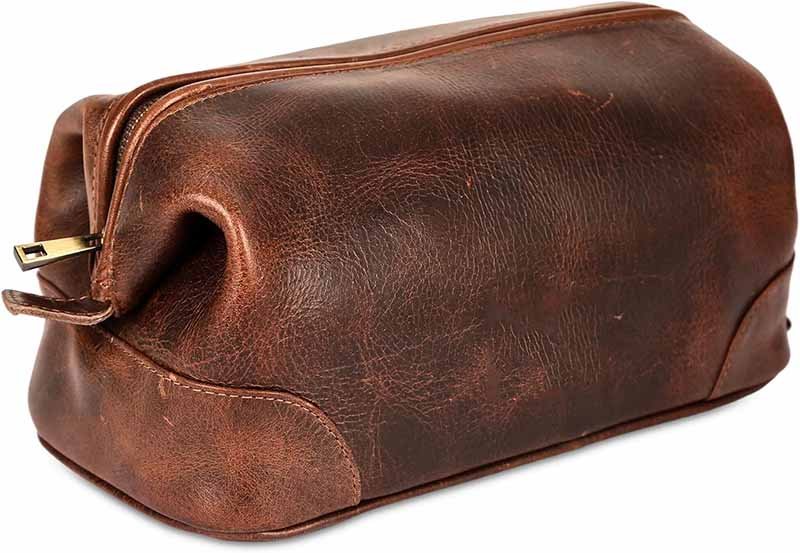
Yes. Genuine leather is significantly more durable than PU leather and most vegan leathers. While genuine leather lasts 5–20+ years depending on care, PU typically lasts 2–5 years before peeling, and plant-based vegan leathers often last 1–5 years due to weaker fiber structure. Genuine leather ages through patina—not cracking—while synthetic materials degrade structurally, making them harder to repair and less suitable for long-term use.
Durability is one of the most misunderstood differences between genuine leather and synthetic alternatives like PU or plant-based vegan leather. Consumers are often attracted to the uniform appearance and lower price of synthetics, but the long-term performance gap is substantial—especially when products are exposed to heat, moisture, bending, and abrasion.
1. Structural Differences Shape Durability
Genuine leather is made of natural collagen fibers arranged in an interwoven 3D matrix. This structure allows the material to flex without breaking, retain strength over decades, and develop patina instead of surface failure.
PU leather, by contrast, is made by coating fabric (often polyester) with polyurethane. The coating determines almost all durability, and once it cracks or oxidizes, the product becomes unusable. Plant-based vegan leathers improve sustainability but still rely on binders—often plastics or bio-polymers—that degrade faster than natural fibers.
2. Aging Behavior: Patina vs. Peeling
One of the biggest differences lies in how the materials age:
- Genuine leather ages gracefully, darkening, softening, and developing character.
- PU cracks, peels, and flakes when the polyurethane layer oxidizes.
- Vegan leathers deform or crack due to weak fiber support and binder fatigue.
These differences become magnified in high-touch areas like handles, straps, wallets, and shoes.
3. Environmental Resistance
While PU is initially more water-resistant, it is extremely vulnerable to:
- Heat
- Humidity
- UV exposure
- Sweat acidity
These conditions accelerate polymer breakdown.
Genuine leather handles environmental variation better because oils can be replenished through conditioning. When cared for, its lifespan increases dramatically.
4. Repairability & End-of-Life Value
Genuine leather can be repaired, conditioned, re-dyed, re-stitched, and refinished. Synthetics cannot.
Repairability dramatically increases lifespan and reduces total cost of ownership:
| Material | Repairability | End-of-Life Behavior |
|---|---|---|
| Genuine Leather | High (can restore for decades) | Ages naturally |
| PU Leather | Nearly zero | Cracks → peels → trash |
| Vegan Leather | Low | Warps or flakes over time |
In a premium product line, repairability is essential for long-term brand value.
5. Cost-Per-Year Comparison
Even though synthetics have a lower initial cost, genuine leather usually offers better lifetime value.
Example scenario (wallet, moderate daily use):
| Material | Cost | Average Lifespan | Cost Per Year |
|---|---|---|---|
| PU Leather | $10–20 | 1–3 years | $7–15/year |
| Vegan Leather | $25–40 | 1–5 years | $5–25/year |
| Genuine Leather | $40–80 | 8–15 years | $3–10/year |
Genuine leather is usually cheaper over time.
6. Sustainability Misunderstandings
Many assume vegan leather is automatically “eco-friendly,” but the reality is mixed:
- Many vegan leathers use plastic binders, which degrade into microplastics.
- PU manufacturing involves solvents and chemicals.
- Genuine leather is a byproduct of the food industry, not a primary source of animal agriculture.
- Genuine leather lasts longer, resulting in fewer disposed goods.
From a circular-economy perspective, longer lifespan = reduced waste.
7. Application-Based Durability
| Product Type | Genuine Leather | PU Leather | Vegan Leather |
|---|---|---|---|
| Bags | 10–20+ years | 1–4 years | 1–5 years |
| Wallets | 8–15 years | 1–3 years | 1–4 years |
| Belts | 2–5 years | 1–2 years | 1–3 years |
| Shoes | 3–7 years | 1–2 years | 1–3 years |
| Upholstery | 10–25 years | 2–5 years | 2–7 years |
This is why luxury and premium brands overwhelmingly choose real leather for their flagship collections.
How Does Genuine Leather Lifespan Compare to PU and PVC Synthetic Leather?
Genuine Leather Lifespan: 5–20+ years
- Ages instead of cracking
- Strength comes from natural fibers
- Can be maintained indefinitely
PU Leather Lifespan: 2–5 years
- Polyurethane coating breaks down
- Cracks → peels → unusable
- Cannot be restored
PVC Leather Lifespan: 3–7 years
- Tougher than PU but heavier and less flexible
- Still peels and cracks with heat and UV exposure
Genuine leather clearly outperforms both.
Is Vegan Leather Durable Enough for Everyday Bags, Wallets, and Belts?
Vegan leather durability varies based on material composition:
1. Plant-Based Leathers (Cactus, Pineapple, Apple, Mushroom)
- Fiber strength is relatively weak
- Biopolymer binders degrade faster
- Most products last 1–3 years
- Sustainable message is strong, but longevity is limited
2. PU-Based Vegan Leather
- Still relies on polyurethane
- Lifespan similar to standard PU: 2–5 years
Suitability:
✔ Fashion-forward items ✔ Trend collections ✖ Premium goods ✖ Heavy-duty applications ✖ Long-term everyday use
How Do Cost-Per-Year and Sustainability Compare?
Cost-Per-Year
Genuine leather is more cost-efficient long-term because it rarely fails and often lasts more than 10 years.
Sustainability
Genuine leather advantages:
- Byproduct of meat industry
- Long lifespan reduces waste
- Repairable and biodegradable
Synthetic leather challenges:
- PU → microplastic shedding
- PVC → chlorine-based chemistry
- Vegan leather → still uses plastic binders
- Short lifespan → more landfill waste
For brands wanting real sustainability, longevity must be part of the equation.
What Signs Show That Synthetic “Leather” Fails Earlier Than Genuine Leather?
Early failure indicators include:
- Surface peeling
- Topcoat cracking
- Sticky texture due to binder breakdown
- Uneven discoloration
- Stiffening or brittleness
- Flaking at edges and seams
Genuine leather never peels—its fibers age naturally instead of separating.
How Can Brands and Buyers Choose Genuine Leather That Lasts Longer?
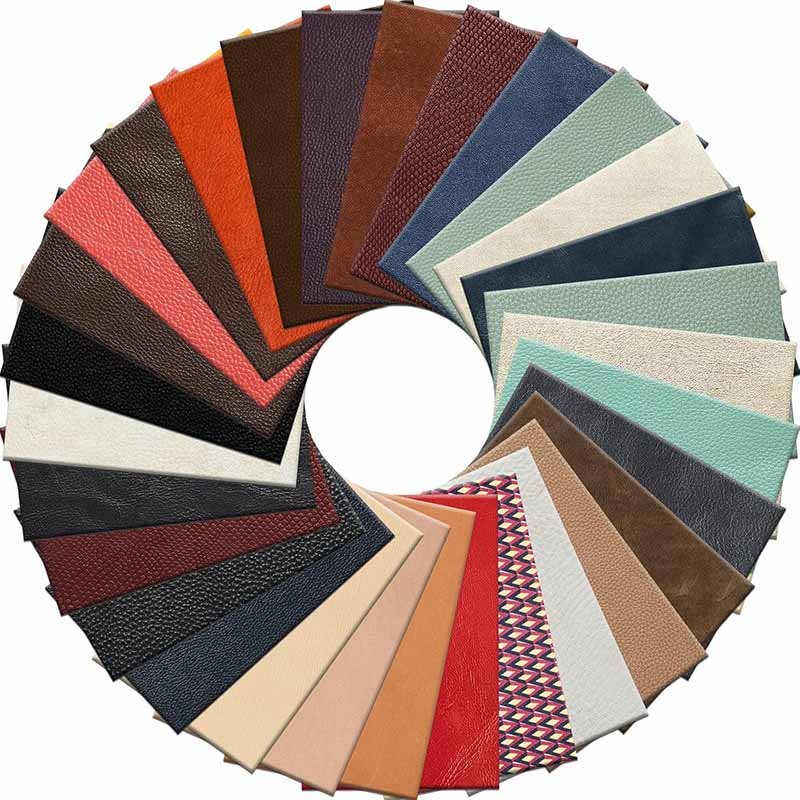
Brands can choose longer-lasting genuine leather by evaluating fiber density, thickness, tanning method, finish durability, tensile strength, and construction compatibility. Buyers should request technical test data, examine craftsmanship details, and match leather type to the product’s stress level. Choosing the right supplier and ensuring proper reinforcement significantly increase real-world lifespan.
Selecting genuine leather that truly lasts requires much more than reading labels like “100% leather” or “genuine leather.” Professional buyers must look at measurable indicators, technical test data, processing quality, and construction engineering to ensure that the final product achieves the intended durability.
Below is a comprehensive framework that OEM/ODM buyers, brand owners, and sourcing teams can use to ensure they select leather that withstands years—or even decades—of use.
1. Evaluate Fiber Density: The Foundation of Leather Durability
Leather durability begins with fiber density, which is determined by how close the leather split is to the grain layer.
What Buyers Should Look For
- Tighter, more compact fiber structure
- Firm but flexible surface handfeel
- Minimal loose fibers on the back side
- Slow tear behavior when pulled along the edge
Why It Matters
High fiber density increases:
- Tear resistance
- Tensile strength
- Bending fatigue resistance
- Shape retention
Low-density leather stretches, deforms, and cracks more easily. Brands sourcing large volumes must compare several split levels to evaluate consistency.
2. Choose the Right Thickness Based on Application
Leather thickness is one of the strongest predictors of lifespan. Thicker leather equals more wearable years—but only if matched correctly to the product.
Recommended Thickness by Product Category
| Product Type | Ideal Thickness | Why |
|---|---|---|
| Bags | 1.4–2.0 mm | Balance of structure & flexibility |
| Belts | 3.0–4.0 mm | Withstands tension and bending |
| Wallets | 1.2–1.6 mm | Slim profile but durable |
| Footwear | 1.6–2.2 mm | Handles bending fatigue |
| Upholstery | 0.9–1.2 mm | Comfortable with wide surface wear |
Thin leather may feel soft but often fails prematurely. Szoneier Leather recommends selecting thickness based on expected user behavior + regional climate + warranty requirements.
3. Prioritize Tanning Method: Chemistry Determines Aging
Tanning chemically stabilizes collagen fibers, determining how leather reacts to heat, moisture, bending, and environmental exposure.
Best Tanning Choices for Durability
Vegetable-Tanned Leather
- Lifespan: 20–50+ years
- Firmer structure
- Aging produces premium patina
- Ideal for belts, structured bags, accessories
Chrome-Tanned Leather
- Lifespan: 10–25 years
- Flexible, lightweight
- Better moisture resistance
- Preferred for bags, footwear, apparel
Combination Tanning
- Lifespan: 15–30 years
- Balanced strength + softness
- Most consistent for mass OEM production
Brands should request tanning method disclosure and stability tests (pH, chromium content, aging tests).
4. Look at the Finish System: The Main Barrier Against Wear
Finish layers protect the leather surface from:
- Scratches
- Moisture
- UV exposure
- Sweat damage
- Daily friction
Types of Finishes
| Finish Type | Durability | Notes |
|---|---|---|
| Pigmented/PU finish | High | Best for scratch resistance |
| Semi-aniline | Medium–High | Good balance of natural look & durability |
| Aniline | Medium | Most natural but vulnerable to stains |
| Oil/Wax Finish | High | Ages beautifully; great for work goods |
What Buyers Should Check
- Finish adhesion test results (dry/wet rub test cycles)
- UV resistance ratings
- Scratch-resistance tests
- Sweat-resistance test (ISO 11641)
A weak finish can cause even premium genuine leather to fail early.
5. Test Mechanical Strength: Tensile, Tear, Flex, and Abrasion
Brands should request the following standardized tests:
1. Tensile Strength (ISO 3376)
Higher tensile strength = higher durability. Recommended: ≥12–25 N/mm
2. Tear Strength (ISO 3377)
Prevents seam blowouts and cracking. Recommended: ≥30–80 N/mm
3. Flex Resistance (Bally Flex Test)
Simulates bending cycles. High-quality leather: ≥50,000–100,000 cycles
4. Abrasion Resistance (Martindale Test)
Critical for bags, footwear, upholstery.
Szoneier can provide test reports to help customers compare materials objectively.
6. Match Leather Type to Product Stress Level
Using the wrong leather for a high-stress application results in premature failure.
Example Matching Framework
| Product | Stress Level | Recommended Leather |
|---|---|---|
| Watch straps | Extremely high (sweat + bending) | Top-grain or full-grain |
| Belts | High tension | Veg-tan, ≥3 mm |
| Handbags | Medium | High-quality genuine or top-grain |
| Footwear | Very high flex | Chrome-tanned top-grain |
| Upholstery | High surface wear | Corrected-grain/chrome-tanned |
Correct material-product matching increases lifespan by 30–200%.
7. Analyze Craftsmanship & Construction Engineering
Leather quality alone is not enough—manufacturing precision determines whether leather reaches its full lifespan.
Key Construction Details to Inspect
- Stitch density (6–8 SPI for wallets, 4–6 SPI for bags)
- Reinforcement patches at stress points
- Edge paint quality and number of layers
- Lining compatibility (stretch, adhesion, pH)
- Consistency of panel thickness
- Handle/strap reinforcement materials
- Core fillers (EVA, felt, fiberboard)
Weak construction shortens lifespan by 40–60%.
8. Request Supplier Transparency & Technical Documentation
Professional buyers should request:
- Tanning method
- Country of hide origin
- Test reports (tensile, tear, flex, rub tests)
- Finish durability specifications
- Thickness tolerance
- Batch consistency data
- Sample aging test photos
Szoneier Leather provides full material documentation for OEM/ODM buyers, enabling accurate material comparison.
9. Consider Climate & Market Use Case
Different climates affect leather differently:
Humid Regions (Southeast Asia, Brazil, Africa)
→ Need mold-resistant finishes → Chrome tanning preferred → Anti-mold packaging recommended
Dry Regions (Middle East, Australia)
→ Need flexible leather to prevent cracking → Thicker oils & conditioners
Cold Regions (Canada, Europe)
→ Need soft chrome-tanned leather that won’t stiffen
Matching leather to climate conditions can reduce customer complaints by 50%+.
10. Reinforcement & After-Sales Care Recommendations
Szoneier suggests that brands include:
- Care cards
- Conditioning instructions
- Anti-mold packets
- Dust bags
- Reconditioning guides
These small details significantly extend product life and improve customer satisfaction.
Conclusion
With over 18 years of leather R&D and manufacturing expertise, Szoneier Leather helps global brands create long-lasting bags, wallets, belts, straps, leather boxes, and accessories engineered for real-world performance.
Whether you’re building a premium collection or scaling wholesale production, Szoneier ensures consistent durability, beautiful material character, and exceptional craftsmanship at every step.
If you want leather goods that truly last — contact Szoneier Leather today for OEM/ODM, private label, or custom development. Our team will recommend the ideal leather grade, construction method, and finishing system to match your brand’s positioning and durability requirements.