PU leather’s rise in global fashion, luggage, automotive interiors, and everyday accessories has created one of the most frequently searched questions on Google today: How long does PU leather actually last? Buyers want clarity; brands want predictability; and manufacturers aim to deliver stable performance. The challenge is that PU leather varies widely in quality—from ultra-durable microfiber-reinforced PU that lasts for years, to low-density PU that cracks within months. Consumers often receive mixed messages online, creating confusion around whether PU leather is a reliable choice for bags, wallets, belts, and other lifestyle goods.
PU leather typically lasts 2–5 years, depending on material quality, coating thickness, backing fabric, usage intensity, and storage conditions. High-grade microfiber PU can last longer—often 5+ years—while low-grade PU may peel or crack faster. Proper care, reduced UV exposure, and controlled humidity significantly extend its lifespan. PU leather durability varies by application, making quality selection essential for brands and buyers.
This question matters because product lifespan directly affects brand reputation, warranty claims, and customer satisfaction. Whether you’re a sourcing manager developing new bag collections or a brand owner balancing sustainability with affordability, understanding PU leather’s durability helps you make smarter material decisions. Let’s explore what really determines PU leather longevity—plus how manufacturers like Szoneier Leather engineer longer-lasting PU solutions through better materials, design, and testing.
What Is PU Leather and How Is Its Lifespan Defined?

PU leather is a synthetic material created by coating a fabric base with polyurethane, which determines its texture, flexibility, and durability. Its lifespan—typically 2–5 years—depends on coating thickness, polymer quality, backing fabric strength, and exposure to heat, humidity, UV light, and daily friction. Premium microfiber PU lasts longer due to its denser fiber structure and higher hydrolysis resistance.
PU leather, or polyurethane leather, has become one of the most widely used materials in modern bag, accessory, fashion, and upholstery manufacturing. But understanding what PU leather truly is requires looking beyond the surface appearance. To buyers, it may seem like one category of synthetic leather—but in reality, PU comes in multiple grades, chemistries, constructions, and performance levels, all of which directly affect lifespan.
The durability of PU leather cannot be evaluated by appearance alone. Two visually similar PU materials may have dramatically different hydrolysis resistance, peeling performance, tear strength, and aging stability. This is because PU leather is engineered—not grown—meaning its performance depends entirely on how each manufacturer designs and constructs it. For sourcing managers and brand developers, identifying these differences is essential to avoid premature peeling, cracking, or customer complaints.
Lifespan is defined by three core elements:
- Material Composition — what the PU coating is made of
- Structural Design — how thick each layer is, and how strong the backing is
- Usage Environment — temperature, humidity, UV exposure, friction, and sweat
A high-quality PU with strong polymer chains and microfiber reinforcement can maintain flexibility and structural integrity for years. Lower-quality PU with thin coatings or weak backing will degrade much faster—sometimes in under a year.
What Materials and Layers Make Up PU Leather?
PU leather is built from engineered layers, each contributing to durability. The structure usually includes:
- Surface PU Coating — This determines flexibility, scratch resistance, and resistance to cracking. A thicker, denser coating improves durability and prevents early peeling.
- Middle Foam Layer — Adds softness and cushioning but may weaken over time if exposed to heat and humidity.
- Fabric Backing — Polyester, cotton, or microfiber.
- Microfiber backing is the strongest, closely imitating the fiber matrix of genuine leather. It improves tear strength, tensile strength, and dimensional stability.
- Thin polyester backing is weaker and more prone to ripping or delamination.
The bonding between these layers is equally critical; poor lamination leads to the common issue of PU leather “bubbling” or separating. The lifespan is largely determined by the interaction of coating + foam + backing—not any single layer alone.
How Does PU Leather Differ Fro1m Genuine and PVC Leather?
PU leather sits between genuine leather and PVC leather in performance and cost. Unlike genuine leather—which has natural grain fibers that strengthen with age—PU is engineered, meaning its durability depends on polymer quality and layer design. PU is more flexible and breathable than PVC and more comfortable for bags and accessories. PVC’s heavy plasticizers make it stiffer and longer-lasting against abrasion, but it tends to crack in cold temperatures.
Durability comparison:
- Genuine Leather: 10–20 years
- Microfiber PU: 5–7+ years
- Standard PU: 2–4 years
- PVC Leather: 3–5 years
This makes PU an excellent choice for fashion markets where design variety, color consistency, lower cost, and vegan positioning matter more than extreme longevity.
What Typical Lifespan Range Do Experts Give for PU Leather?
Experts generally assign PU leather a lifespan of 2–5 years, but this range varies widely depending on material grade. High-end microfiber PU can last 5–7 years or more, especially when engineered for hydrolysis resistance. On the opposite end, thin, low-density PU may peel within 6–12 months.
Key determinants of lifespan include:
| Durability Factor | Impact on Lifespan | Explanation |
|---|---|---|
| Coating Thickness | High | Prevents cracking, improves surface wear. |
| Polymer Density | High | Stronger bonding, better hydrolysis resistance. |
| Backing Strength | Very High | Prevents ripping and delamination. |
| Hydrolysis Resistance Rating | Very High | Critical for humid climates; 3-year, 5-year, 7-year ratings differ greatly. |
| UV Resistance | Medium | Prevents surface oxidation. |
Understanding these factors helps buyers select PU leather that matches real-world usage expectations—not just appearance or price.
How Long Does PU Leather Last in Different Applications?
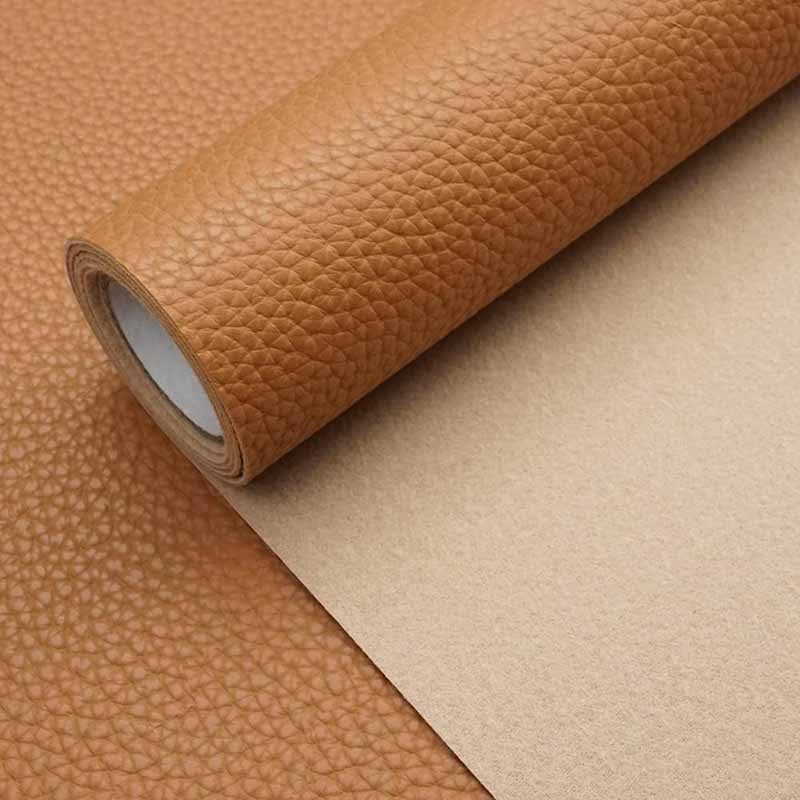
PU leather typically lasts 2–4 years in everyday products like bags, wallets, and accessories, 1–3 years in belts or wearable items, and 3–5 years in furniture and automotive interiors. Lifespan changes based on usage intensity, climate, UV exposure, and material grade. High-quality microfiber PU lasts significantly longer, while low-grade PU deteriorates quickly under friction, sweat, and heat.
Different applications expose PU leather to different stresses—bending, friction, sweat, UV light, heat, stretching, and weight load. Because PU leather is an engineered material, its lifespan depends heavily on whether the chosen PU grade matches the actual usage scenario.
A PU handbag used occasionally in cool weather may last 5+ years, while a PU belt worn daily in a humid climate may crack in under a year. Car seats endure UV and body heat cycles; wallets endure bending; backpacks endure load-bearing stress. This is why the same PU material can perform well in one product type and fail in another.
For sourcing managers and brands, selecting PU purely based on appearance or price is a key mistake. What matters more is the application-performance fit—and this is where lifespan differences become most obvious.
How Long Does PU Leather Last in Bags, Wallets and Accessories?
Bags, wallets, cosmetic cases, backpacks, and small leather goods typically expose PU leather to moderate bending, surface rubbing, and hand oils. These are not high-stress conditions, so PU generally performs well.
Typical lifespan:
- Standard PU: 2–3 years
- High-density PU: 3–5 years
- Microfiber PU: 5–7+ years
Wallets folded daily may show crease lines earlier, but good microfiber PU maintains flexibility without cracking. Handbags, fashion totes, and men’s bags often last 3–5 years if not exposed to heavy sunlight or humidity.
Key performance factors for bags & wallets:
- PU coating thickness (≥0.7mm recommended)
- Hydrolysis resistance (3-year or 5-year rating)
- Abrasion cycles (20,000+ Martindale for bags)
- UV resistance for outdoor fashion bags
With proper storage (dust bags, low humidity), PU bags can exceed their expected lifespan, maintaining appearance even after years of moderate use.
How Long Does PU Leather Last in Belts and Wearable Items?
Belts, watch straps, harnesses, camera straps, and wearable items put the highest mechanical stress on PU leather—continuous bending at the same point every day.
Typical lifespan:
- Standard PU: 1–2 years
- Microfiber PU: 2–4 years
- Premium PU: up to 3 years
Why belts fail faster:
- Constant bending causes polymer fatigue.
- Sweat accelerates hydrolysis (especially in humid climates).
- High-tension points (belt holes) stretch the PU beyond its elastic limits.
- Temperature cycles from body heat weaken the surface coating.
For belts, the most reliable options are:
- microfiber-backed PU
- thicker PU (≥1.0mm coating)
- sweat-resistant polymer formulations
Brands selling PU belts should expect faster replacement cycles compared with leather belts and communicate care instructions clearly to customers.
How Long Does PU Leather Last in Furniture, Car Seats and Interiors?
Furniture upholstery and automotive interiors challenge PU leather severely because of UV exposure, temperature fluctuations, body oils, and constant friction.
Typical lifespan:
- Household furniture PU: 2–4 years
- Commercial-grade PU: 3–5 years
- Automotive-grade PU: 4–7 years
Why automotive PU lasts longer:
- higher hydrolysis resistance (5–8 years rating)
- UV-resistant surface coatings
- temperature-stable polymer structure
- thicker coatings (often 1.0–1.2mm)
Household sofa PU often fails faster because users tend to sit in the same spot, producing repetitive friction and oil buildup. If used in hot climates, cracking or peeling may appear within 18–30 months unless the PU is specifically engineered for high heat.
Brands developing furniture or car interiors should opt for PU meeting the following criteria:
- ≥50,000 Martindale abrasion cycles
- ≥5-year hydrolysis rating
- UV test rating ≥ 500 hours
- microfiber or knitted backing to resist tearing
Does PU Leather Rip Easily Under Daily Use?
High-quality PU leather does not rip easily. Ripping usually results from:
- weak backing fabric
- thin PU coating
- poor bonding between layers
- low-density foam core
Microfiber-backed PU offers tear strength comparable to split leather and is extremely difficult to rip by hand. Standard polyester-backed PU may rip under sudden stress—especially at seams, stitching points, or when used in load-bearing items like backpacks.
Recommended tear strength for durability:
- Bags & wallets: ≥12–15N
- Backpacks: ≥18–25N
- Upholstery: ≥25–30N
As long as brands choose PU with a stronger backing, ripping is not a major concern. Most failures occur due to peeling or cracking—not tearing.
Does Light, Moderate or Heavy Use Change the Lifespan?
Yes—usage intensity dramatically affects lifespan.
Estimated lifespan by usage type:
| Usage Level | Expected Lifespan | Risk Factors |
|---|---|---|
| Light Use | 4–6+ years | occasional wear, low friction |
| Moderate Use | 2–4 years | daily bending, surface contact |
| Heavy Use | 6–18 months | sweating, sunlight, load-bearing, abrasion |
Heavy-use environments (gyms, outdoor work, humid climates, daily commuting) accelerate polymer breakdown. Light-use environments—such as occasional travel bags—extend PU lifespan significantly.
Which Factors Most Affect PU Leather Durability and Aging?
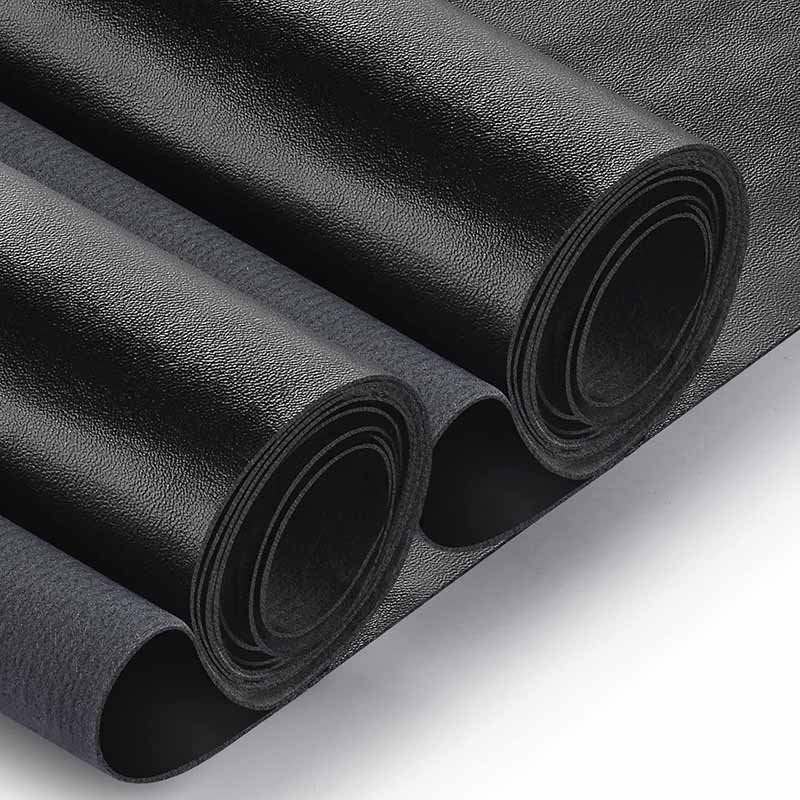
PU leather durability is determined by coating thickness, polymer quality, backing fabric strength, hydrolysis resistance, UV stability, and environmental exposure. Heat, humidity, sweat, and friction accelerate aging, while high-quality microfiber-backed PU with thicker coatings lasts significantly longer. Understanding these factors helps buyers choose PU leather that resists peeling, cracking, and degradation.
PU leather does not age randomly—its durability is the direct result of how well its polymer structure, physical layers, and environmental resistance were engineered. While price and appearance often drive purchasing decisions, the true determinant of lifespan lies in material science and environmental stress testing. PU leather ages through mechanisms such as polymer chain breakdown (hydrolysis), oxidation (UV exposure), mechanical fatigue (bending), and delamination (poor bonding).
For brand owners, sourcing managers, and product developers, understanding these durability factors is crucial for predicting product lifespan, reducing return rates, and choosing the correct PU grade for the target market. The following sections break down the strongest influences on PU aging and how they can be evaluated before production.
Which Quality Indicators Show If PU Leather Will Last Longer?
High-quality PU leather exhibits measurable technical indicators that predict durability. Buyers and R&D teams should evaluate:
1. Coating Thickness
Thicker coatings resist cracking.
- Bags & wallets: ≥0.7mm
- Belts & straps: ≥1.0mm
- Upholstery: ≥1.0–1.2mm
A denser, more uniform coating provides greater resistance to surface wear and bending.
2. Hydrolysis Resistance
This is the most important factor in humid climates. Typical hydrolysis ratings:
- 2-year PU → budget materials
- 3-year PU → standard bags
- 5-year PU → premium bags & furniture
- 7–8-year PU → automotive interiors
Higher hydrolysis resistance significantly extends lifespan.
3. Abrasion Resistance
Strong PU for bags should achieve 20,000–30,000 cycles, and upholstery should exceed 50,000–100,000 cycles.
4. Bond Strength
Good PU should show peel strength:
- Bags: 1.2–1.8 N/mm
- Upholstery: >2.0 N/mm
Low peel strength leads to the dreaded peeling issue.
5. Backing Fabric Strength
Microfiber > knitted > woven polyester. Microfiber dramatically improves tear and tensile performance.
How Do Heat, Sunlight, Humidity and Sweat Affect PU Leather?
Environmental exposure is the fastest way PU leather ages prematurely:
Heat
High temperatures soften the PU coating, accelerating polymer breakdown. Storage in hot cars is a common cause of peeling.
Humidity
Moisture triggers hydrolysis, which breaks down polyurethane chains. This is why PU products fail faster in Southeast Asia, South America, and tropical climates.
UV Light
Sun exposure causes oxidation, discoloration, and surface hardening. UV-resistant PU is essential for automotive or outdoor products.
Sweat & Body Oils
Acids and salts weaken PU coating and backing fabric over time. Belts, watch straps, and camera straps are the most affected.
Combined Effect
High heat + humidity + sweat = accelerated degradation. For heavy-use or tropical markets, microfiber PU or upgraded formulations are essential.
How Do Thickness, Coating Type and Backing Fabric Influence Lifespan?
PU leather is a multi-layer system—its durability depends on the synergy between layers.
1. Thickness
Thicker layers withstand bending and friction better. Thin-budget PU (<0.6mm) is prone to early cracking.
2. Coating Chemistry
- Solvent-based PU: stronger, more durable, better hydrolysis resistance
- Water-based PU: softer, eco-friendly, but slightly less durable
Buyers should match material chemistry to product usage.
3. Backing Fabric Strength
Backing fabric determines tear resistance and dimensional stability.
- Microfiber backing → premium durability (5–7+ years)
- Knitted polyester → good performance for standard bags
- Woven polyester → cost-effective but weaker under stress
A strong backing reduces risk of ripping and delamination.
4. Coating-Lamination Bond
Poor lamination causes bubbling and peeling even if coating thickness is high. Always request peel-strength test documentation from manufacturers.
What Common Problems Appear Over Time?
Aging PU leather exhibits predictable failure patterns:
1. Peeling
Occurs when the surface coating detaches from the backing. Common causes:
- low hydrolysis resistance
- poor bonding
- heat & humidity exposure
- aging foam layer
Peeling is typically irreversible.
2. Cracking
Happens along fold lines or stress points. Common causes:
- thin coating
- repeated bending
- cold temperatures
- low flexibility polymer formulation
Microfiber PU resists cracking far better than standard PU.
3. Flaking
Small pieces of coating break off. Often a sign of polymer oxidation or UV damage.
4. Ripping
Usually caused by weak backing fabric, not surface coating.
By identifying these issues early, brands can adjust materials or upgrade to higher-performance PU types to reduce after-sales risk.
How Does PU Leather Compare to Genuine Leather and Other Synthetics?
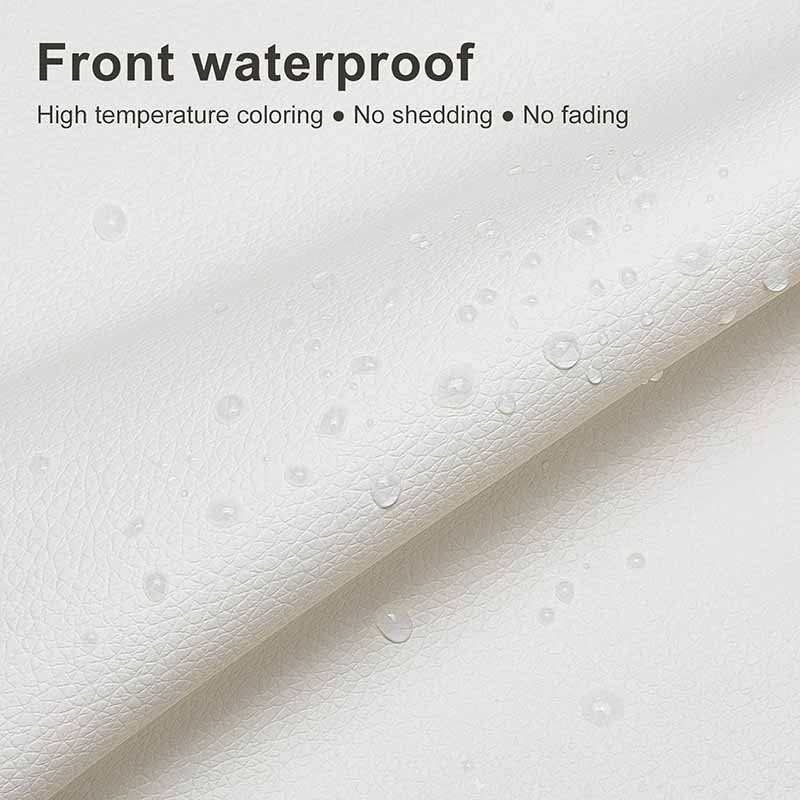
PU leather is less durable than genuine leather overall but can outperform split leather and standard PVC leather under specific conditions. Compared with PVC, PU is softer, lighter, and more flexible, though slightly less resistant to abrasion. Microfiber PU narrows the gap with real leather, providing 5–7+ years of lifespan with high color consistency and lower maintenance. These differences help buyers choose the right material for each application.
When choosing material for bags, wallets, belts, upholstery, or accessories, buyers often compare PU leather with genuine leather, PVC leather, and microfiber leather. The comparison involves not just lifespan but also cost-performance ratio, end-user expectations, environmental exposure, aesthetic requirements, and brand positioning.
Genuine leather sets the benchmark for long-term durability, with a natural fiber structure that strengthens over time. PU leather, by contrast, is engineered—not naturally grown. This gives PU significant advantages in consistency, color options, and cost, but also limits how long its polymer structure can remain stable. The decision between PU and other materials should be based on product use, consumer expectations, and price targets—not just appearances.
Microfiber PU, the highest grade of synthetic leather, brings the performance far closer to genuine leather. PVC leather remains the most abrasion-resistant synthetic but is heavier, stiffer, and less breathable. Understanding these differences helps sourcing teams avoid mismatches between product expectations and material performance.
Is PU More Durable Than Leather in Real-World Use?
In real-world conditions, top-grain and full-grain leather outperform PU in nearly every durability category:
- tensile strength
- tear resistance
- long-term flexibility
- aging stability
- resistance to permanent cracking
Full-grain leather can last 10–20+ years, and some leather goods improve with age. PU leather, even at its best, typically lasts 3–7 years depending on grade.
However, PU can outperform certain low-quality natural leathers, particularly:
- split leather
- reconstituted leather (bonded leather)
- poorly tanned leather
In humid environments, high-quality microfiber PU sometimes maintains its appearance better than low-grade leather because PU resists mold more effectively. For fashion-driven items replaced seasonally, PU offers a practical balance of cost, aesthetics, and durability—without requiring leather-level maintenance.
Is PU Leather as Long-Lasting as Full-Grain or Top-Grain Leather?
Full-grain and top-grain leather remain unmatched in their ability to resist aging. Their natural fiber matrix allows them to bend thousands of times without failure. With proper care, full-grain leather belts, bags, and wallets can last decades.
PU leather lacks this natural fiber structure. Its polyurethane coating gradually degrades with heat, UV exposure, and humidity, even if the product is lightly used. Typical lifespan:
- Standard PU: 2–4 years
- High-density PU: 3–5 years
- Microfiber PU: 5–7+ years
Thus, even the best synthetic options fall short of premium leather’s longevity. However, PU maintains color consistency, smooth finishes, and lightweight feel, making it preferred for mass-market and vegan-friendly products.
How Does PU Leather Lifespan Compare With Microfiber and PVC Leather?
PU leather sits between microfiber PU and PVC leather in both comfort and durability.
Microfiber PU
- Longest-lasting synthetic (5–7+ years)
- Excellent abrasion and tear strength
- Closely mimics natural leather fibers
- High breathability and flexibility
- Ideal for premium bags, wallets, and upholstery
Microfiber PU is the top choice when durability and aesthetics are equally important.
PVC Leather
- Strong resistance to abrasion and chemicals
- Typically lasts 3–5 years
- More rigid, heavier, and less breathable
- Can crack under cold temperatures
- Lower comfort level
PVC is common in cost-sensitive markets or heavy-duty furniture.
Standard PU Leather
- Softer and more flexible than PVC
- More affordable than microfiber PU
- Ideal for fashion bags, accessories, and light-use belts
Durability comparison summary:
| Material | Durability | Comfort | Weight | Cost | Lifespan |
|---|---|---|---|---|---|
| Full-grain leather | ★★★★★ | ★★★★☆ | Medium | High | 10–20+ yrs |
| Microfiber PU | ★★★★☆ | ★★★★★ | Low | Medium | 5–7+ yrs |
| PVC Leather | ★★★☆☆ | ★★☆☆☆ | High | Low | 3–5 yrs |
| Standard PU | ★★☆☆☆ | ★★★★☆ | Low | Low | 2–4 yrs |
Do Price and Service Life Make PU Leather a Good Value Choice?
Yes—especially for brands competing in the fashion, lifestyle, mid-market, or vegan product categories.
PU leather offers these advantages:
- Lower material cost (30–60% cheaper than real leather)
- Massive design flexibility (colors, textures, embossing patterns)
- Lightweight feel ideal for modern bag designs
- Lower maintenance for end consumers
- No animal-derived material, appealing to vegan and eco-conscious buyers
For consumers who change bags every 1–2 years or brands releasing multiple seasonal collections, PU delivers excellent value without unnecessary durability. The lower cost also reduces inventory pressure for brands and increases profit margin.
When is real leather a better investment?
- luxury goods
- heirloom-quality items
- high-load or heavy-use products
- premium men’s accessories
Ultimately, PU leather is a strategic material choice for brands balancing cost, durability, and aesthetics—especially when paired with high-performance microfiber or upgraded coatings.
How Can You Make PU Leather Last Longer in Daily Use?
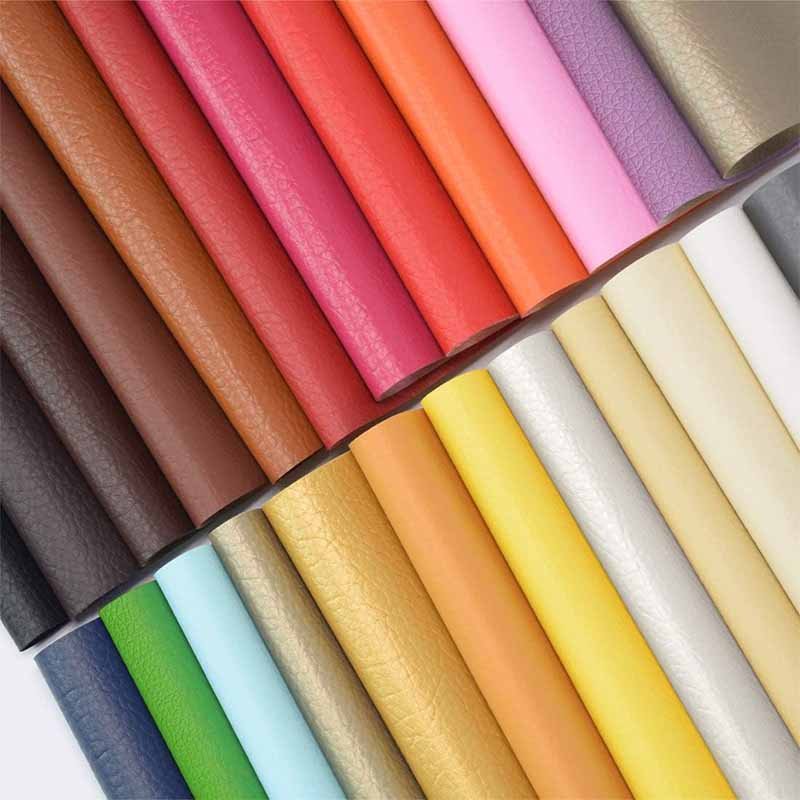
To make PU leather last longer, avoid heat, humidity, sunlight, and sweat exposure. Clean it regularly with mild, non-alcohol solutions, store it in breathable dust bags, and maintain proper shape stuffing for bags. Keep PU away from sealed plastic storage and extreme temperatures. With correct care, PU leather can last years longer and maintain its original appearance.
PU leather naturally has a shorter lifespan than genuine leather, but how it is used, cleaned, and stored often determines whether it lasts 6 months or 5+ years. Most premature PU failures—peeling, cracking, rippling, stickiness—are not manufacturing defects but environmental degradation caused by heat, humidity, UV exposure, body oils, sweat, or improper storage.
For brands, educating customers on PU care drastically reduces return rates. For users, applying proper maintenance habits extends the material’s lifespan dramatically. PU leather does not require conditioning like genuine leather—but it does require environmental protection and gentle handling.
Below is a detailed, practical guide for maximizing PU leather longevity, suitable for consumer instructions, product manuals, or B2B material training.
What Care Routines Help PU Leather Resist Peeling and Cracking?
Peeling and cracking occur when the polyurethane coating begins breaking down or separating from its backing. Preventing this starts with simple, consistent care.
Care Steps That Extend Lifespan:
- Regular Gentle Cleaning Wipe with a soft cloth and mild soap every 2–3 weeks to remove oils and contaminants that accelerate hydrolysis.
- Avoid Alcohol-Based Cleaners Alcohol dissolves surface coating and dramatically increases cracking. Never use disinfectant wipes, nail polish remover, or acetone.
- Use Silicone-Free Surface Protectants A water-based protectant can maintain flexibility without chemically reacting with PU.
- Keep Dry at All Times Moisture triggers hydrolysis. If PU becomes wet, ensure full air-drying before storage.
- Minimize Constant Bending Bending creates stress points where cracking begins. Wallets, belts, and straps benefit from occasional rotation or gentle handling.
Consistent care can extend PU lifespan by 30–60%, especially in moderate-use items like handbags, wallets, and accessories.
How Should You Clean PU Leather Bags, Wallets and Belts Safely?
Cleaning is one of the most misunderstood aspects of PU maintenance. Over-cleaning or improper cleaning accelerates aging.
Safe Cleaning Method
- Use a microfiber cloth slightly dampened with warm water.
- Add a drop of mild soap or gentle dish cleanser.
- Wipe in circular motions—never scrub aggressively.
- Remove any soap residue with clean water.
- Air dry fully before storing or using.
Avoid These Common Mistakes:
- Alcohol or acetone → causes delamination
- Bleach → oxidizes and hardens the PU layer
- Abrasive cloths → scratch coating
- Leather conditioners → cause chemical reaction on PU surfaces
Belts should be cleaned more frequently because of sweat exposure. Wallets should be fully dried before returning into pockets or bags to prevent moisture trapping.
How Should You Store PU Leather to Extend Its Lifespan?
Correct storage has a greater impact than cleaning. PU leather breaks down fastest when left in hot, humid, poorly ventilated environments.
Best Storage Conditions:
- Temperature: 18–26°C
- Humidity: below 60%
- Light: indirect sunlight only
- Airflow: breathable, ventilated space
Best Storage Practices:
- Use breathable dust bags (cotton or nonwoven), not plastic bags.
- Avoid sealed containers—they trap humidity and accelerate hydrolysis.
- Stuff bags with soft paper or fabric to maintain shape.
- Keep belts and straps flat instead of rolled tightly.
- Rotate usage to avoid long-term pressure marks or permanent bends.
Climate warning:
Hot and humid regions (Southeast Asia, Middle East, South America) require more careful storage; PU may degrade 2–3× faster in these environments without proper care.
Can You Repair Damaged or Peeling PU Leather, and How Effective Is It?
PU leather repair is possible in limited cases—but complete restoration is rarely achievable.
What CAN Be Repaired:
- minor scratches
- small surface scuffs
- discoloration
- minor cracking through recoloring agents
- loose edges with PU adhesive
These repairs improve appearance but do not fully restore original strength.
What CANNOT Be Fully Repaired:
- peeling or flaking coating
- deep cracking
- delamination
- foam-layer degradation
- hydrolysis damage
Peeling happens because the top PU layer separates from its backing; once separation begins, continued peeling is inevitable. No repair method can re-bond degraded PU to its base fabric.
Best Strategy:
Prevent damage through correct care and select high-quality PU with:
- ≥3–5-year hydrolysis rating
- microfiber backing
- thicker coating (≥0.7mm)
For brands, offering replacement programs or guiding customers to proper care reduces long-term dissatisfaction.
Is PU Leather the Right Choice for Your Next Bag, Wallet or Accessory Project?
PU leather is an excellent choice for bags, wallets, and accessories when affordability, design flexibility, color consistency, and low maintenance are priorities. While not as durable as genuine leather, high-quality PU—especially microfiber PU—offers strong performance for fashion-forward or seasonal collections. Choosing PU depends on your target customers, brand positioning, expected lifespan, and product use conditions.
Choosing PU leather for a new product line is not a simple “yes or no” decision—it is a strategic material selection that depends on your brand audience, pricing goals, intended product lifespan, and functional requirements. PU leather has evolved significantly in the past decade. Modern PU materials, especially microfiber PU, offer performance levels that approach genuine leather in appearance and tactile feel, but at a much lower cost and with far more design freedom.
PU leather is ideal for brands seeking large color ranges, repeatable patterns, fast trend adaptation, and vegan-friendly positioning. It also meets the needs of retailers who change collections frequently or require high-volume production with strict visual consistency.
However, PU is not suitable for every product. Its polymer structure makes it sensitive to heat, humidity, and long-term heavy use. For this reason, understanding where PU excels—and where other materials perform better—is essential for successful product development.
What Product Types Are Best Suited to PU Leather vs Genuine Leather?
PU leather is especially well-suited to light to moderate-use fashion products, where design, texture, and price matter more than extreme long-term durability.
Best products for PU leather:
- fashion handbags & tote bags
- women’s backpacks
- wallets & cardholders
- cosmetic bags & organizers
- small accessories (pouches, cases, boxes)
- vegan collections
- gift packaging and branded promotional products
When to choose genuine leather instead:
- premium men’s wallets
- heavy-use belts
- long-life luxury bags
- heirloom-quality items
- products exposed to heat or sweat (e.g., heavy-duty straps)
Why PU is favored for fashion collections:
- tens of thousands of color & texture possibilities
- uniform grain patterns
- fast lead time for new styles
- lower MOQ for seasonal or experimental designs
- lighter weight enhances comfort in large bags
PU excels in visual versatility and cost-efficiency, making it the ideal choice for lifestyle and trend-driven markets.
How Should Brands Decide Between PU and Real Leather for Their Lines?
A smart material decision comes from evaluating four key dimensions:
1. Customer Expectations
Are your customers buying for style—or long-term durability?
- Trend-driven consumers prefer PU.
- Luxury buyers expect genuine leather.
2. Product Use Case
Is the product exposed to heavy friction, sweat, or heat?
- Wallets → PU acceptable
- Heavy belts → genuine leather recommended
- Backpacks → microfiber PU for strength
3. Price & Margin Targets
PU reduces material cost by 30–60% compared with leather. For brands seeking competitive pricing, PU provides stronger margins.
4. Brand Positioning
Are you positioning as luxury, mid-market, fast fashion, or vegan?
- PU = perfect for mid-market, everyday lifestyle, vegan-friendly designs
- Leather = luxury & premium tier differentiation
When in doubt, many successful brands strategically offer both:
- PU for entry-level collections
- Leather for signature high-value items
This multi-tier strategy captures both markets and maximizes customer reach.
What Questions Should Buyers Ask a PU Leather Manufacturer About Service Life?
To ensure that PU leather is suitable for your project, sourcing and development teams should ask suppliers the following critical questions:
Key Material Questions:
- What is the hydrolysis rating (2-year, 3-year, 5-year, or 7-year)? Essential for humid markets.
- What is the coating thickness? Bags: 0.7–0.9mm Belts: 1.0–1.2mm
- What backing fabric is used? Microfiber > knitted polyester > woven polyester
- What are the abrasion resistance results? Bags: ≥20,000 cycles Upholstery: ≥50,000 cycles
- Is UV-resistant coating available? Crucial for outdoor products & automotive interiors.
Production & Performance Questions:
- Can you provide peel strength test results? Ensures the PU will not delaminate.
- Do you offer upgraded PU formulations? Such as anti-sweat, anti-cracking, thickened PU, or matte finishes.
- Can we test samples in our expected environment? For example: humidity simulation, sunlight exposure, bending tests.
Asking these questions prevents lifespan misalignment and ensures the PU grade matches your exact product requirements.
How Can OEM / Custom Engineering Improve PU Leather Durability for Your Brand?
A capable manufacturer can significantly extend PU leather lifespan through customized engineering—far beyond what standard off-the-shelf PU provides.
Possible OEM/ODM Enhancements:
- Upgraded PU Coating Thickness +0.2–0.4mm increase dramatically improves crack resistance.
- Microfiber Backing Reinforcement Improves tear strength by 30–60%.
- Hydrolysis-Resistant Formulations Engineered for tropical climates; maintains integrity up to 5–7 years.
- UV-Protective Top Coats Prevent fading and surface oxidation.
- Anti-Sweat Polymer Treatments Ideal for belts, straps, and wearable accessories.
- Heat-Stabilized PU Blends Essential for automotive or outdoor applications.
- Reinforced Stitching & Load-Bearing Zones Prevent tearing in heavy-use bags and backpacks.
For brands, this means:
- fewer customer complaints
- longer product lifespan
- stronger brand reputation
- improved value perception
Manufacturers like Szoneier Leather combine material R&D + product engineering to deliver tailored PU solutions that outperform standard materials.
Conclusion
If you’re developing PU leather bags, wallets, belts, straps, boxes, or accessories and need materials that offer stable durability, premium appearance, and reliable performance, Szoneier Leather is ready to support your project. With 18+ years of R&D and manufacturing expertise, robust material sourcing, in-house testing, and full OEM/ODM capability, we help brands create PU products that last longer and perform better.
Tell us your project requirements—and our expert team will help you choose the right PU materials, engineer your product for durability, and deliver high-quality custom manufacturing.