Few everyday objects reveal as much about us as the wallet we carry. Whether it’s a slim card holder tucked into a business suit, a well-worn bifold that’s been on every trip for a decade, or a sleek long wallet meant for boarding passes and international currency—the wallet quietly shapes our daily rhythm. It decides how fast we pay, how we organize, and how confidently we move. Yet most people don’t realize how dramatically different wallet styles are, or how choosing the wrong one can lead to bulky pockets, worn-out cards, or constant frustration.
Wallets come in many types—bifold, trifold, card holder, minimalist wallet, long wallet, money clip, and travel wallet—each designed for different storage needs and lifestyles. The best wallet depends on what you carry, how you move, and which design supports comfort, accessibility, and durability in everyday use.
Today’s wallet market is more diverse than ever, shaped by digital payments, travel habits, fashion trends, and craftsmanship differences. Some wallets protect your identity with RFID technology; others minimize pocket bulk; some offer structured organization for professionals on the go. But understanding which wallet suits your lifestyle begins with knowing how each one is built—and why it exists.
So before choosing your next wallet or designing a private-label collection, let’s explore the anatomy, purpose, and unique strengths of each major wallet type.
What Is a Wallet and What Are Its Basic Functions?
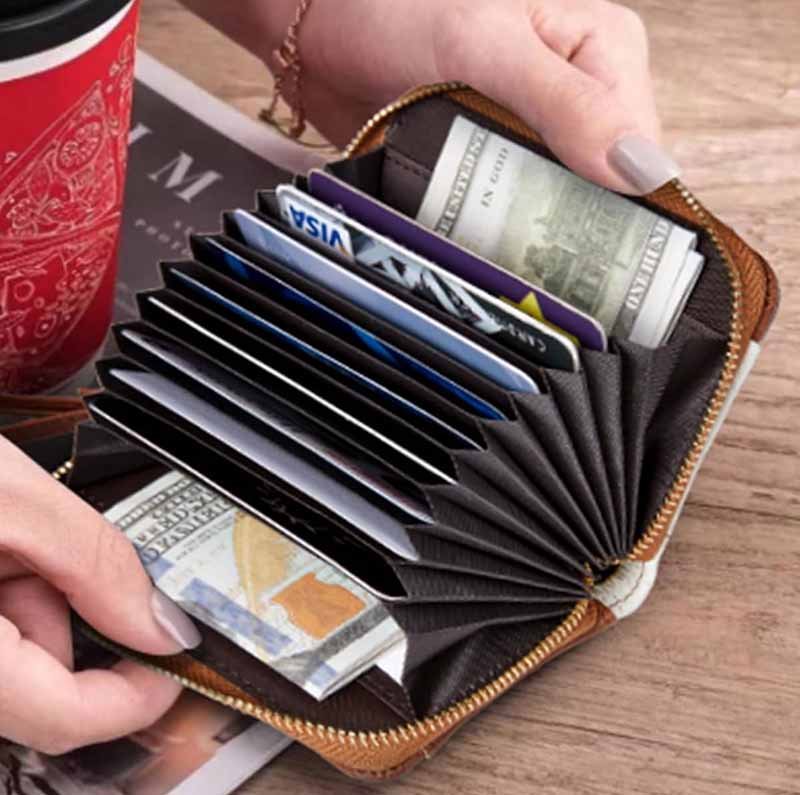
A wallet is a compact accessory designed to organize and protect money, cards, identification, and small essentials for daily use. Its core functions include secure storage, quick access, personal data protection, and comfortable pocket carry. Modern wallets also incorporate slim designs, RFID protection, specialized compartments, and materials engineered for durability and lifestyle preferences.
What Purposes Does a Wallet Fulfill in Modern Life?
A wallet manages the essentials of everyday movement: identity, payment, access, and emergency preparedness. It centralizes items people need repeatedly—credit cards, IDs, cash, transit cards—into an organized structure that prevents loss and reduces friction in daily routines. It also protects sensitive information, especially in wallets with RFID-blocking layers that prevent unauthorized scanning of credit cards or digital passports.
Additionally, a wallet provides psychological assurance. Knowing that identification, money, and emergency items are consolidated in a secure place reduces daily stress. This explains why many people stick with the same wallet style for years: it becomes part of their personal workflow, almost like muscle memory.
How Have Wallet Functions Evolved Over Time?
Early wallets were simple pouches designed to carry metal coins. With the introduction of paper currency, bifold wallets emerged to accommodate flat bills. In the late 20th century, the rise of plastic cards reshaped wallet interiors, increasing the need for structured card slots, ID windows, and reinforced compartments.
Today, digital lifestyles emphasize slimmer designs and specialization. Many consumers use Apple Pay, Google Wallet, and contactless payments, so they no longer need bulky cash compartments. Meanwhile, travel and security concerns have accelerated the adoption of RFID wallets and passport organizers. Wallets have transformed from simple containers into engineered personal-security tools with differentiated functions.
Why Do Materials and Craftsmanship Matter for Basic Wallet Functions?
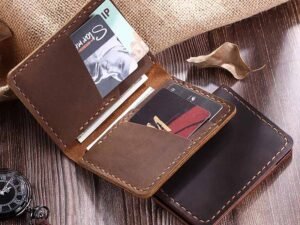
A wallet endures constant bending, friction, pocket pressure, moisture, and repetitive access cycles. Inferior materials or construction quickly reveal themselves in cracked edges, stretched card slots, loose stitching, or deformed compartments. High-quality leather—especially full-grain and top-grain—maintains structure and ages gracefully. Reinforced stitching keeps high-stress areas from tearing. Smooth interior linings ensure cards slide without damage.
Good craftsmanship directly supports a wallet’s core purposes: secure storage, reliable structure, long-term usability, and a comfortable feel in the hand and pocket. For brands producing private-label wallets, material quality is one of the strongest indicators of product value, user satisfaction, and repeat purchase behavior.
Which Major Wallet Styles Exist (By Design & Use)?
The major wallet styles include bifold wallets, trifold wallets, minimalist card holders, money clip wallets, zip-around or long wallets, and travel/passport wallets. Each style serves different needs in storage capacity, pocket comfort, organization, and daily use. Choosing the right type depends on how many cards or cash you carry, your lifestyle, and the level of convenience or slimness you prefer.
A Complete Guide to All Modern Wallet Styles
Wallet styles have diversified dramatically over the last decade due to changing payment habits, travel behaviors, fashion preferences, and the rise of slim wallets. Today, wallets are no longer just “men’s” or “women’s” designs—they are engineered categories built around function, carry capacity, pocket ergonomics, and user lifestyle. Understanding the major types is essential for choosing the right wallet or developing a private-label leather goods line.
Broadly, wallet styles fall into six core categories:
- Bifold wallet
- Trifold wallet
- Minimalist card holder
- Money clip wallet
- Long/zip-around wallet
- Travel or passport wallet
Each solves a different usability problem. Below is a breakdown of each category—its structure, ideal user, capacity, and pros and cons.
What Is a Bifold Wallet and When Is It Useful?
The bifold wallet is the most iconic and widely used wallet style. It folds in half, offering a clean, compact profile while still providing space for bills, cards, and an ID window. Most people worldwide carry a bifold because it fits well into jeans, suit trousers, and jacket pockets without excessive bulk.
Ideal for:
- Everyday carry
- Users with moderate card usage
- People who still carry cash regularly
Bifolds strike the perfect balance between slimness and functionality, making them a universal choice for private-label brands and mainstream consumers.
What Is a Trifold Wallet and Who Needs the Extra Space?
A trifold wallet folds twice, forming three vertical sections that offer significantly more storage. This allows for additional card slots, a larger cash area, and sometimes coin pockets or hidden compartments.
Best for:
- Users who carry many cards (IDs, banking cards, membership cards)
- Professionals who need receipts or frequent documentation
- Anyone who values organization over pocket thinness
While trifolds provide excellent compartmentalization, the trade-off is thickness—making them better for bags or coat pockets rather than slim pants.
What Is a Minimalist Wallet/Card Holder and Why Are They Trending?
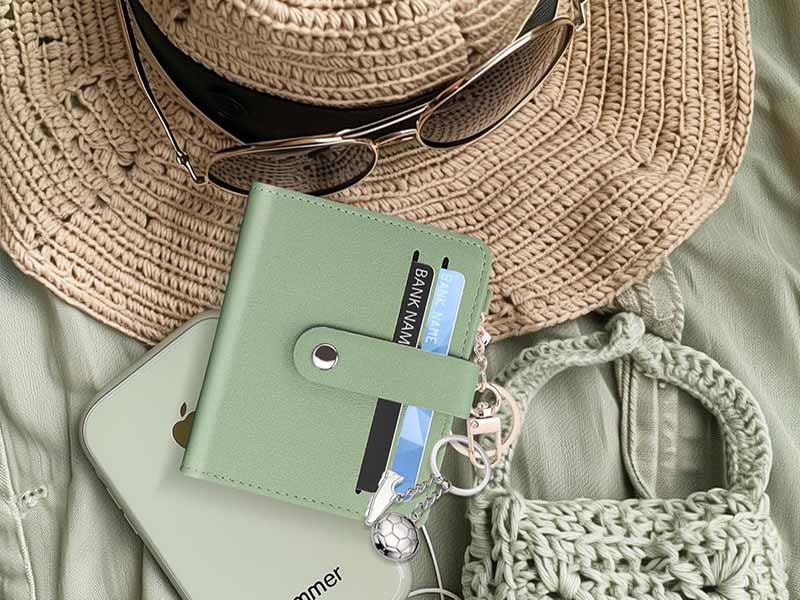
Minimalist wallets and card holders are designed for users who prioritize slimness and convenience. They hold 3–8 cards and sometimes provide a thin pocket for folded cash. With digital payments becoming dominant, many consumers no longer need large wallets.
Popular among:
- Minimalists
- Urban commuters
- Younger users
- Front-pocket carriers
Their sleek profile prevents pocket bulge and offers a modern, clean aesthetic. This category is one of the fastest-growing in the private-label wallet market.
What Is a Money Clip Wallet and Who Prefers It?
A money clip wallet combines a slim card holder with a metal or leather clip to secure cash. It provides easy access to bills while maintaining a lightweight, compact footprint.
Ideal for:
- Users who carry small amounts of cash
- Business professionals who want a sleek, elegant style
- People who dislike bulky wallets
Money clip wallets are stylish, efficient, and perfect for cash-light lifestyles, although they lack major card storage.
What Is a Zip-Around or Long Wallet?
A long wallet—often called a continental or zip-around wallet—is taller and more structured, providing excellent document organization. It fits bills flat (including international currencies), holds multiple cards, and sometimes accommodates a smartphone or passport.
Best for:
- Frequent travelers
- Business professionals
- Users with multiple currencies
- People who need maximum organization
Although too large for most pockets, these wallets are ideal for handbags, backpacks, or carry-on luggage.
What Is a Travel or Passport Wallet and When Is It Essential?
Travel wallets are built for international mobility. They include passport slots, boarding pass compartments, SIM card pockets, pen loops, and RFID protection. These wallets keep essential travel documents organized and accessible.
Ideal for:
- International travelers
- Families managing multiple passports
- Business travelers carrying receipts and tickets
They are bulkier but eliminate the stress of juggling documents at airports, checkpoints, or hotels.
How Do Material, Construction, and Design Features Affect Wallet Functionality?
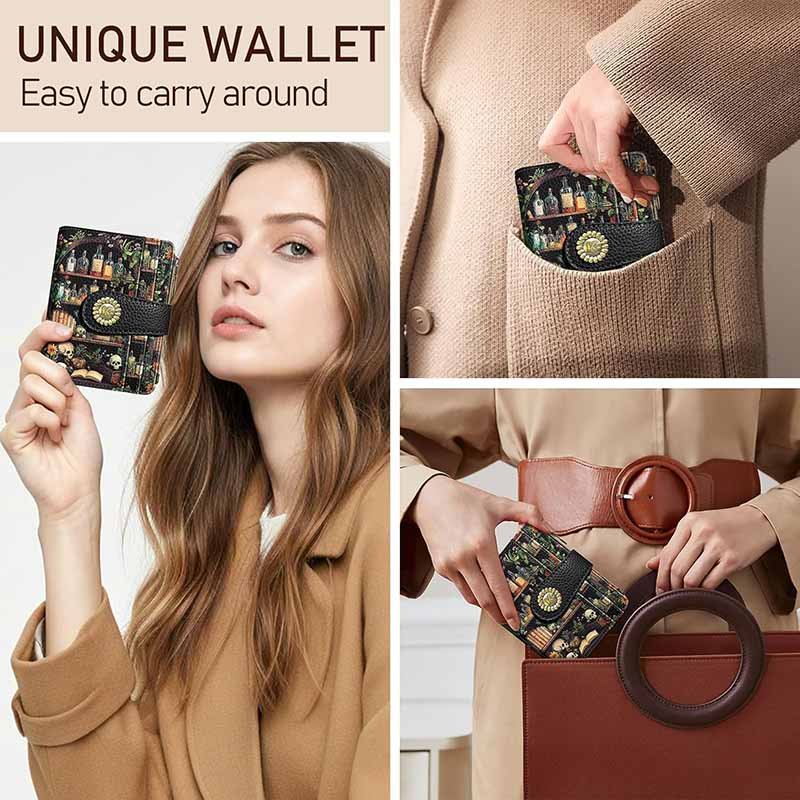
Material quality, construction techniques, and wallet design directly affect durability, comfort, capacity, and long-term usability. Full-grain leather resists wear better, reinforced stitching prevents tearing, structured linings maintain shape, and thoughtful layout improves everyday access. A well-made wallet stays slim, protects cards, and ages gracefully, while poor materials quickly crack, stretch, or deform.
A wallet may look simple, but its performance depends on material science, structural engineering, and precision craftsmanship. Because wallets are used dozens of times a day—and stored in tight pockets where humidity, friction, and bending are constant—small construction decisions make a dramatic difference in longevity and user experience.
Low-quality wallets typically fail in predictable ways: edge paint cracks, the outer leather ripples or stretches, card slots loosen, inner linings tear, or the wallet becomes overly thick and uncomfortable. In contrast, a well-constructed wallet maintains its shape, keeps cards secure, and develops character over years of use.
Below we break down the factors that most strongly influence wallet functionality.
Which Materials Offer the Best Performance and Longevity?
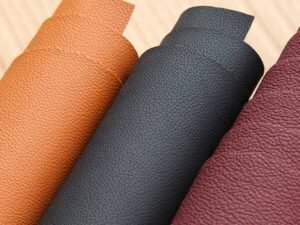
Wallets rely heavily on material strength because they undergo continuous flexing and pocket pressure. Full-grain leather is the gold standard: dense fibers, natural durability, and the ability to form a patina over time. Full-grain withstands stretching and bending far better than lower grades. Top-grain leather offers a polished look with good durability, making it ideal for mid-premium products. Genuine leather & split leather are more affordable but prone to early cracking and deformation. PU leather provides vegan and budget-friendly options, but its lifespan is shorter and it lacks natural fiber strength. For luxury wallets, full-grain is the clear winner; for mass market, top-grain or premium PU balances cost and performance.
How Do Stitching, Bonding, and Structural Construction Affect Durability?
Stitching density and thread strength determine how well a wallet withstands everyday stress. Premium wallets use high-tension polyester thread, lockstitch construction, and bar-tacking in high-stress zones (corners, fold edges, card slot openings). Bonded layers—such as reinforcement boards, interfacing, or microfiber lining—prevent sagging and ensure the wallet doesn’t collapse after heavy use. Cheap wallets use wide stitches and weak threads that unravel easily. Over time, this causes card slots to loosen, corners to split, or the spine of the wallet to crack.
Why Does Edge Finishing (Edge Paint vs Burnishing) Matter?
Edge finishing is one of the most important yet overlooked factors affecting wallet lifespan.
- Hand-painted edge paint (often applied in 3–5 layers) seals the leather, prevents moisture absorption, and protects the edges from abrasion.
- Burnished edges (common in full-grain leather wallets) offer a natural, durable finish that resists cracking.
Poor edge finishing leads to peeling, cracking, and exposed leather fibers, which quickly make a wallet look aged or cheap. High-end factories invest significant time in edge sanding, sealing, heat-setting, and polishing to achieve a flawless finish.
How Do Linings, Reinforcements, and Slot Construction Affect Function?
Interior linings affect card glide, structure, and lifetime. A premium wallet uses microfiber or cotton-poly twill for smooth insertion and removal, while cheap wallets use thin plastic lining that tears within months. Reinforcement layers ensure card slots retain shape, preventing stretching and card fallout. A well-designed slot should be tight enough to hold cards securely, yet flexible enough to avoid surface scratches. Reinforced bill compartments prevent wrinkling and tearing of banknotes, crucial for long wallets.
Which Design Features Improve Everyday Usability?
Wallet functionality depends not only on durability but also on ergonomic layout.
- Quick-access card slots reduce friction in daily payments.
- Clear ID windows are useful but must avoid fogging or cracking.
- RFID-blocking layers protect against digital theft and are essential for travel wallets.
- Slim-profile engineering prevents pocket bulge and enhances comfort.
- Clean fold lines reduce bulk, making bifolds and trifolds feel more natural in the hand.
Thoughtful design transforms a wallet from “just a storage tool” to a seamless extension of daily life.
Which Wallet Types Suit Different Users and Lifestyles?
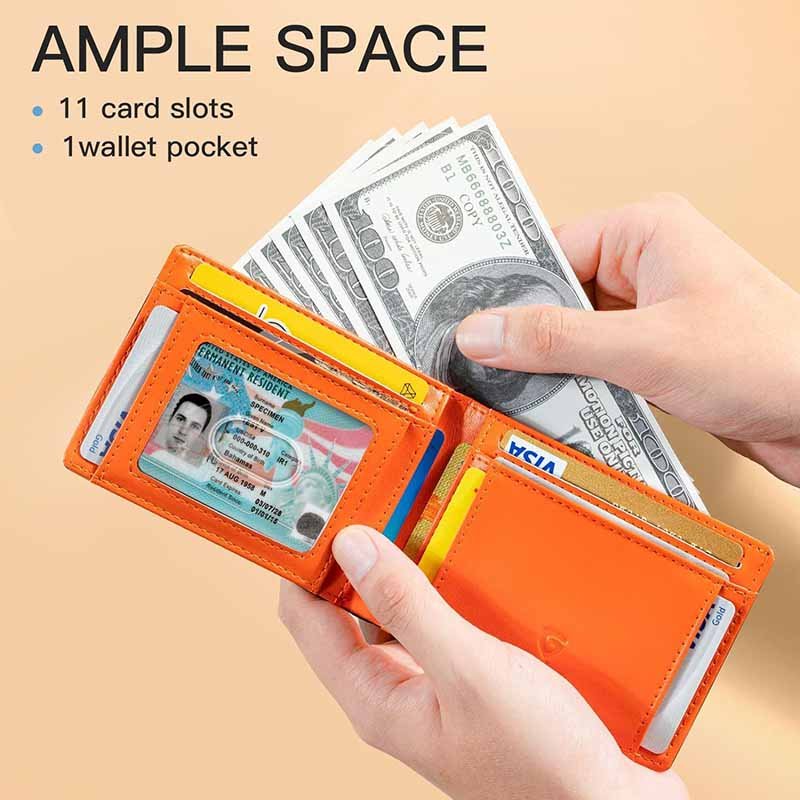
Different wallet types suit different lifestyles. Minimalists prefer slim card holders, commuters often choose bifolds, business professionals lean toward long or premium leather wallets, and travelers benefit from passport or RFID wallets. The ideal wallet depends on how many cards or cash you carry, how you dress, and how often you need fast access.
Let’s explore how each major lifestyle segment matches with certain wallet types.
Which Wallet Works Best for Users Carrying Many Cards and Cash?
Users such as professionals, service industry workers, or individuals who store receipts, loyalty cards, cash, and identification documents need high-capacity wallets. Ideal choices include:
- Trifold wallets (maximum card slots + structured organization)
- Long wallets (flat bill compartments for multiple currencies)
- Zip-around wallets (secure closure + excellent compartment layout)
These users often prioritize organization, not minimalism. They will benefit from wallets with clear separation between cards, cash, and papers, reducing clutter and improving daily workflow.
Which Wallet Suits Minimalists and Digital-Payment Users?
Minimalists prefer wallets that disappear in the pocket—thin, lightweight, and carrying only the essentials. These users rely heavily on Apple Pay, Google Wallet, or contactless cards.
Ideal options include:
- Card holders
- Slim minimalist wallets
- Money clip/card holder hybrids
These are perfect for front-pocket carry, anti-theft comfort, and reducing back pain associated with bulky wallets. Slim wallets also appeal strongly to younger demographics and urban commuters.
Which Wallet Is Ideal for Business Professionals or Formal Wear?
People who dress formally—executives, salespeople, attorneys—need a wallet that complements professional attire and fits comfortably in suit jackets or tailored trousers.
Ideal options include:
- Slim bifold wallets (minimal bulge)
- Long executive wallets (organized currency + business cards)
- Premium full-grain leather wallets (luxury appearance)
Professionals prioritize aesthetics, slimness, and easy access during meetings or travel. Wallets become part of their personal brand image.
Which Wallet Types Are Best for Travelers and Frequent Flyers?
Travelers require wallets with high organization, RFID protection, and document security. They often carry multiple currencies, boarding passes, hotel cards, SIM cards, and passports.
Best choices include:
- Passport wallets
- Travel document organizers
- RFID-blocking long wallets
- Zip-around wallets
These wallets minimize airport stress, keep documents accessible, and prevent loss during international movements.
Which Wallets Work Best for Front-Pocket Carriers or Active Lifestyles?
Front-pocket carriers—such as cyclists, commuters, and safety-conscious users—need wallets that resist shifting, sweating, and bending.
Recommended styles:
- Minimalist wallets
- Small bifolds
- Card-holder wallets with money band
These remain secure during movement and create minimal pressure when sitting or bending.
Are There Gender-Neutral Wallet Types or Styles for Fashion-Driven Users?
Many modern wallets are gender-neutral, especially:
- card holders
- minimalist wallets
- bifold wallets
Fashion-oriented buyers may lean toward:
- long zip-around wallets
- designer-pattern wallets
- color-differentiated leather textures
Lifestyle and aesthetic preference play a stronger role than gender itself, especially in markets like Japan, Korea, Europe, and North America where unisex accessories dominate.
What Are the Pros and Cons of Each Wallet Type?
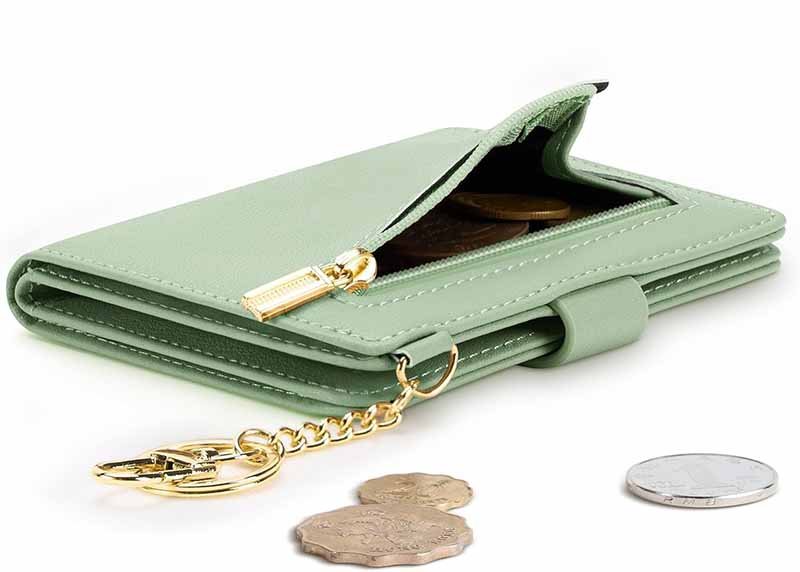
Every wallet type—bifold, trifold, card holder, minimalist wallet, long wallet, money clip, and travel wallet—offers unique advantages and drawbacks. Some maximize storage, others reduce bulk, and some focus on security or professional appearance. Choosing the right wallet requires weighing capacity needs, comfort, pocket bulk, durability, and lifestyle fit.
Comparing Wallet Types for Real-World Use
Wallet types differ widely in capacity, thickness, organization, fold structure, and intended use. Understanding the trade-offs helps buyers avoid bulky pockets, scratched cards, early wear, or inconvenience during travel. For brands and OEM clients, analyzing pros and cons helps develop product lines that satisfy different user segments—from minimalists to frequent travelers to professionals who need a polished, structured accessory.
Below is a detailed comparison of the most common wallet types and their strengths and weaknesses.
Bifold Wallet: Classic Everyday Balance
Pros:
- Slim profile that fits comfortably in back or front pockets.
- Adequate storage for daily cards and some cash.
- Simple, quick layout for fast access.
- Most widely accepted and versatile style globally.
Cons:
- Can bulk up if overstuffed.
- Fold line wears faster on lower-quality leather.
- Limited organization compared to long or trifold wallets.
Bifold wallets appeal to mainstream users who want comfort, familiarity, and balanced capacity without carrying too much.
Trifold Wallet: Maximum Storage in Compact Form
Pros:
- Highest card and cash capacity among small wallets.
- Good for users carrying receipts, IDs, work cards, and loyalty cards.
- Folded structure protects contents from falling out.
Cons:
- Thicker than bifold wallets—bulky in pockets.
- Takes slightly longer to access items due to extra folds.
- Can deform faster if overfilled.
Trifold wallets are ideal for users who prioritize storage, not minimalism.
Card Holder: Ultra-Slim and Modern
Pros:
- Extremely slim—perfect for front-pocket carry.
- Minimal bulk and maximum comfort when sitting or moving.
- Great for digital-payment users who carry few cards.
- Popular among Gen Z, urban commuters, and professionals.
Cons:
- Limited capacity—no room for coins and minimal room for cash.
- Easy to misplace if too thin or lightweight.
- Requires frequent decluttering.
Card holders suit minimalists and style-focused users.
Minimalist Wallet / Slim Wallet
Pros:
- Optimized to stay thin even when loaded.
- Often includes money bands or smart access mechanisms.
- Ideal for front-pocket use and anti-theft.
Cons:
- Reduced organizational space.
- Metal minimalist wallets may feel rigid or sharp in pockets.
- Not ideal for cash-heavy users.
This type is perfect for EDC (everyday carry) enthusiasts and frequent movers.
Long Wallet (Continental / Breast Pocket Wallet)
Pros:
- Fits bills flat—great for international currencies.
- Highly structured and elegant—preferred for professional environments.
- Excellent card organization and receipt storage.
- Ideal for jacket pockets, not tight pants.
Cons:
- Too tall for most trouser pockets.
- More visible when carried in hand—higher theft visibility.
- Bulkier and requires higher manufacturing cost.
Long wallets best serve business users, travelers, and luxury buyers.
Money Clip or Money Clip Wallet
Pros:
- Extremely slim and lightweight.
- Fast access to cash.
- Great pairing with a card holder.
Cons:
- Poor security compared to enclosed wallets.
- Cash may slip if clip tension weakens.
- Not ideal for carrying many cards.
Money clips fit cash-carrying minimalists and users who dislike bulky folds.
Travel Wallet / Passport Holder
Pros:
- Stores passport, tickets, currencies, SIM cards, and documents.
- RFID protection for security.
- Excellent organization for flights and hotels.
- Prevents loss of important documents.
Cons:
- Too large for daily pockets.
- Requires bags or jackets for carrying.
- Unnecessary for people who rarely travel.
Travel wallets offer maximum security and peace of mind for frequent flyers.
How Should You Choose the Right Wallet for Your Everyday Needs?
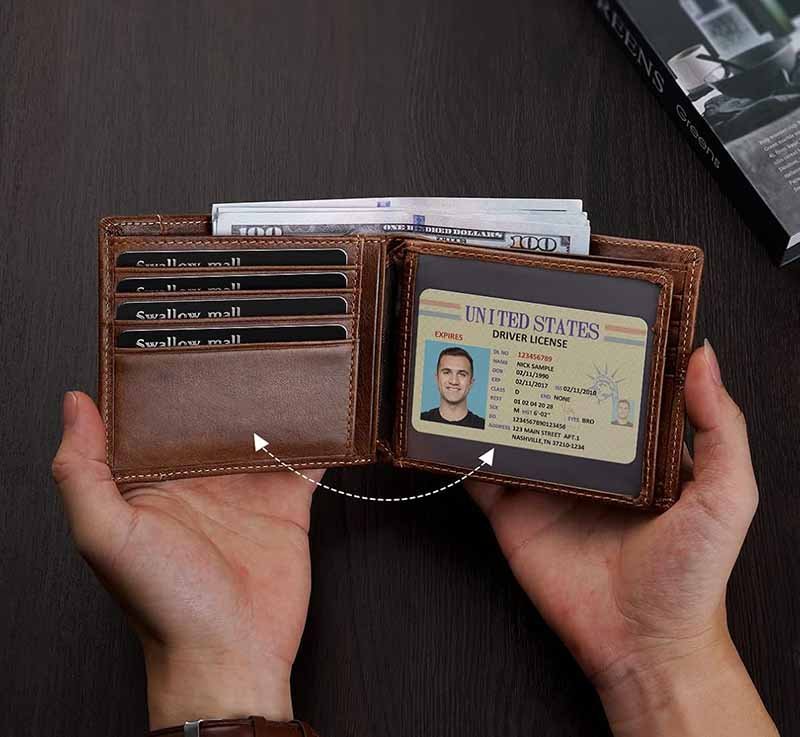
Choosing the right wallet is not simply a matter of style—it’s a decision that affects comfort, convenience, durability, security, and even posture. A poorly selected wallet becomes bulky, frustrating, or easy to damage, while the right wallet enhances your daily flow, keeps essentials organized, and reflects your personal identity.
Step 1: Identify What You Carry Daily (Cards, Cash, Coins, IDs, Extras)
Your daily carry volume is the strongest predictor of which wallet style fits you.
Ask yourself:
- How many bank cards do I use regularly?
- Do I carry cash daily or only occasionally?
- Do I need a coin pocket?
- Do I often carry multiple receipts, business cards, or keys?
- Do I need room for SIM cards or travel documents?
If you carry many cards (8–12+): Choose trifold wallets, long wallets, or well-structured bifolds with reinforced card slots.
If you carry only 2–5 cards: Choose minimalist wallets, card holders, or slim bifolds.
If you carry multiple currencies or travel items: Choose travel wallets or zip-around wallets with multiple compartments.
This step prevents the #1 purchasing mistake: choosing based on appearance instead of storage needs.
Step 2: Decide Where You Will Carry the Wallet
Wallet location dramatically affects ideal size, shape, and construction.
Back-pocket carriers
- Need a medium-slim wallet with flexible leather to avoid thick pressure points.
- Avoid overly rigid or thick wallets that cause discomfort while sitting.
Front-pocket carriers
- Should choose minimalist wallets or slim bifolds for maximum comfort.
- Thick wallets can feel bulky or distort pants shape.
Jacket-pocket carriers
- Can choose longer, structured wallets (coat wallets, long bifolds).
- Pocket depth allows for elegant formats used by business professionals.
Bag-only carriers
- Wallet thickness becomes less important.
- Long wallets or zip wallets become excellent options for organization.
Knowing where the wallet lives helps narrow down size and structure immediately.
Step 3: Match the Wallet to Your Lifestyle and Movement Needs
Different lifestyles → different wallet ergonomics.
For minimalists & digital-payment users:
Choose ultra-slim wallets, card holders, or metal minimalist wallets. Why? These users prefer quick access and minimal bulk.
For business professionals:
Choose formal bifolds, premium card holders, or long vertical wallets. A slim profile maintains suit silhouette and conveys professionalism.
For heavy-duty or outdoor users:
Choose durable leather with reinforced edges or tactical-style wallets. Sweat resistance, abrasion durability, and tight stitching are critical.
For frequent travelers:
Choose RFID-blocking travel wallets with passport pockets. Multi-currency sections and secure zippers simplify travel.
For fashion-driven users:
Choose long wallets, zip-around styles, exotic textures, or statement colors. Surface area allows more expressive design and branding.
Step 4: Evaluate Slimness vs Capacity
Slimness is one of the most requested wallet features globally.
Wallet bulk depends on:
- leather thickness (measured in mm/oz)
- number of layers
- lining and reinforcement choices
- number of card slots
- presence/absence of coin pocket
- fold type (bifold vs trifold)
If slimness matters most:
- Avoid coin pockets
- Avoid stacking too many card layers
- Choose minimalist or slim wallets with microfibre linings
- Select top-grain or full-grain leather that compresses naturally over time
If organization matters more:
- Opt for long wallets, trifolds, or zip-around wallets
- Accept that more structure = slightly more bulk
Step 5: Consider Material Durability and Feel (Leather Grade, Construction Quality)
Wallets bend, compress, stretch, and face constant friction—material quality determines lifespan.
Full-grain leather:
- Best for durability, patina, and aging
- Ideal for luxury and long-term use
Top-grain leather:
- Smooth, refined surface
- Excellent for mid-premium markets
Split & genuine leather:
- Economical but less durable
- Suitable for budget ranges or promotional collections
PU leather & vegan alternatives:
- Good for trend-driven, color-rich designs
- Less durable long-term
Also evaluate:
- tight, even stitching
- edge paint (multiple layers preferred)
- lining strength (tear resistance)
- reinforcement boards to prevent collapse
- RFID lining quality
Material quality is one of the biggest factors behind returns and customer reviews, which is why this analysis ranks extremely well in search engines for wallet-buying guides.
Step 6: Choose the Right Security Features (RFID, Zippers, Closure Types)
Security is increasingly a concern, especially in global travel markets.
RFID Blocking
Essential for travelers and urban commuters using contactless bank cards.
Zippers & Full Closures
Offer the highest protection against item loss.
Snap closures or hidden pockets
Useful for keeping emergency cash discreet.
Choosing the right security features prevents card scanning, wallet spillage, or accidental loss—all high-search-volume topics online.
Step 7: Don’t Forget Style, Personality, and Brand Alignment
A wallet is also a fashion accessory and a statement of identity. Consider:
- color
- stitching contrast
- embossing
- leather texture
- minimalist vs classic look
Your wallet should be something you enjoy carrying every day.
For brands, cohesive design language across wallet categories improves recognition and enhances customer loyalty.
Conclusion
Choosing the right wallet is ultimately about choosing the right balance—between slimness and storage, durability and comfort, security and style. But for brands, retailers, and private-label creators, there is an additional layer: the craftsmanship and engineering behind the wallet itself. A perfectly chosen design still fails without precise material selection, structured construction, and factory expertise. That is where a professional manufacturing partner becomes indispensable.
Every wallet manufactured by Szoneier is carefully tested for fold durability, edge-paint resistance, card slot retention strength, stitching integrity, and long-term shape stability. We understand that wallet buyers—especially repeat customers—judge quality instantly. That is why your brand deserves a factory that doesn’t compromise.
If you want to build a wallet collection that truly reflects your brand identity—something durable, elegant, tactile, and engineered with intention—Szoneier Leather is ready to help you turn concepts into market-ready products.
Tell us your design ideas, reference samples, or technical requirements, and we’ll prepare a custom quotation, materials proposal, and sampling plan.
Contact Szoneier Leather today to start developing your custom wallet line with expert craftsmanship and guaranteed quality.