Choosing the best leather purse brand has become more complex than ever. With global craft traditions, luxury fashion houses, independent ateliers, and emerging ethical brands all competing for attention, consumers and buyers are faced with an overwhelming number of options. A “best” leather purse brand today must blend craftsmanship, authentic materials, durability, design innovation, and transparency—far beyond logo prestige alone. Whether you’re a shopper looking for a long-lasting everyday purse or a brand researching competitors before launching a new leather line, understanding what truly differentiates top leather purse makers is essential.
The best leather purse brands are those that consistently deliver high-quality materials, expert craftsmanship, durable construction, timeless design, and transparent sourcing. What distinguishes top brands is not only the leather grade they use—such as full-grain or vegetable-tanned leather—but also stitching precision, hardware strength, design functionality, and long-term performance. A great leather purse brand balances heritage, material integrity, and modern usability.
But beyond product quality, a brand’s story matters too. Some of the world’s most respected leather purse brands are rooted in centuries-old craftsmanship, while others are emerging studios redefining minimalism, sustainability, or modular design. Interestingly, many new consumers place durability above fashion trends, and procurement buyers increasingly evaluate brands based on supply-chain transparency and technical performance—not hype.
Before revealing which 23 brands consistently earn global recognition, this guide breaks down the criteria that make a leather purse brand truly exceptional—insights valuable for shoppers, boutique owners, private-label buyers, and even luxury houses benchmarking competitors.
Let’s begin with the foundational question.
What Makes a Leather Purse Brand Great?
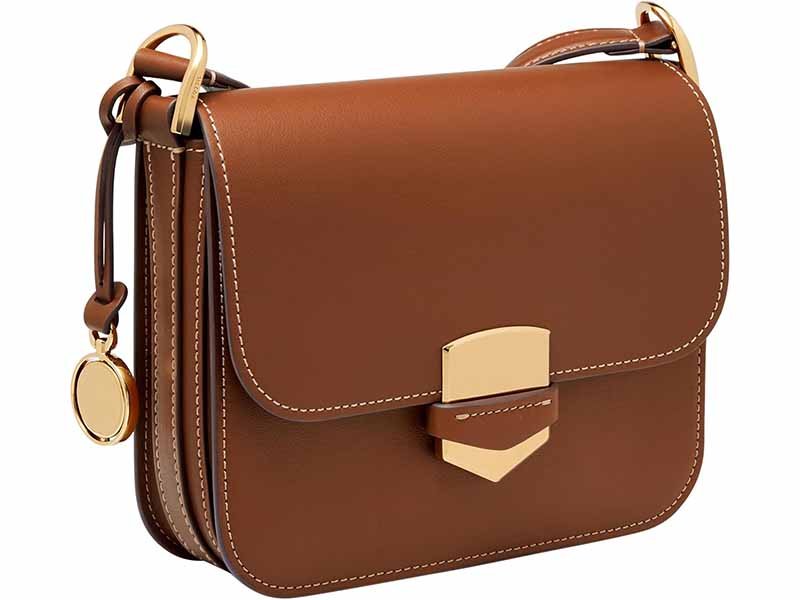
A great leather purse brand consistently delivers exceptional material quality, expert craftsmanship, long-term durability, and thoughtful design. What separates top brands from average ones is their commitment to full-grain or premium leathers, precise construction techniques, strong hardware, structured engineering, and transparent sourcing. A truly great brand builds trust through consistent quality, not seasonal trends.
The Complete Framework Defining a Great Leather Purse Brand
A “great” leather purse brand is not necessarily the most expensive, the most popular, or the most fashionable. It is the brand that delivers material integrity, craftsmanship excellence, functional design, and long-term performance with consistency. The world’s top leather houses—whether luxury or mid-range—follow a strict internal quality logic rooted in materials engineering, tannery partnership, stitching precision, and predictable durability.
Use of High-Quality Leather — Full-Grain, Top-Grain & Premium Tanning
The first—and most crucial—indicator of a great leather purse brand is the leather itself.
High-quality brands consistently use:
- Full-grain leather: the strongest, densest, and most durable part of the hide. It shows natural grain, ages gracefully, and lasts 10–20 years.
- Top-grain leather: refined and smooth, offering a balance between beauty and durability.
- Vegetable-tanned leather: chemical-free tanning with warm color evolution and artisanal character.
- Italian, Spanish, or Japanese tanned leathers: known for precise color control, fiber strength, and advanced finishing techniques.
Great brands also disclose:
- tannery origin
- tanning method
- leather grade
- finish type
- durability expectations
Brands unwilling to name their leather type often rely on lower-quality splits or bonded leather.
Precision Craftsmanship — Stitching, Edge Work, and Structural Engineering
Craftsmanship is not just “handmade”—it is the ability to build purses that stay beautiful and structurally strong after thousands of uses. Great brands invest heavily in:
Stitching
- 6–8 stitches per centimeter
- tension-balanced threads
- reinforced load points
- double stitching on strap attachments
Uneven or loose stitches are signs of rushed factory work.
Edge finishing
- multi-layer edge paint
- burnished raw edges
- heat-sealed coating High-end brands may apply edge paint 4–6 times to avoid cracking.
Structural layers
Inside a luxury purse, multiple layers of material maintain shape:
- fiber sheets
- stiffeners
- foam
- reinforcement tapes
These layers prevent deformation over time—a key difference between premium and low-cost brands.
Hardware Integrity — Metal Components That Last 5–15 Years
Hardware is the most common failure point in cheap bags. A great purse brand treats hardware as seriously as leather selection.
High-quality hardware includes:
- solid brass
- zinc alloy with multi-layer plating
- stainless steel components
- YKK or Raccagni zippers
- custom-cast clasps and chains
Great brands test hardware against:
- salt spray corrosion
- pull strength
- colorfastness
- scratch resistance
If a purse uses thin metal parts that bend, fade, or squeak, it cannot be considered “great” regardless of the leather grade.
Functional Design — Usability, Organization, Comfort & Weight Balance
A purse that looks good in photos but fails in daily use is not great. Leading brands combine aesthetics with human-focused design engineering.
Functional features that distinguish top brands:
- weight distribution to reduce shoulder fatigue
- thoughtfully placed pockets
- smooth zipper track that does not snag
- ergonomic strap drop length
- interior organization suited for modern lifestyles
- secure closures (magnetic, zipper, flap, turn-lock)
High-end brands test real-life scenarios: Can a customer open the purse one-handed while holding a phone?Does the bag sit comfortably against the body?Does it retain shape after carrying heavy items?
Brand Integrity — Consistency, Heritage, and Design DNA
A great leather purse brand has a recognizable identity—a “design DNA” that customers can identify instantly.
Key elements include:
- consistent design language
- signature stitching or weave
- iconic silhouette
- craftsmanship heritage
- brand narrative based on real values, not artificial storytelling
Luxury brands excel in this area, but many independent brands also build strong identity through minimalism, traditional craftsmanship, or sustainable methods.
Consistency is the ultimate test: A great brand must deliver the same quality year after year, collection after collection.
Transparency & Ethical Sourcing — Modern Buyers Care About Where Leather Comes From
Today’s consumers—especially premium buyers—care how leather is sourced.
Leading brands disclose:
- certified tanneries (LWG Gold, ISO 14001)
- chemical safety protocols
- sustainable tanning processes
- ethical labor standards
- environmental initiatives
- traceability of hides
Transparency builds trust and distinguishes serious leather makers from trend-driven fashion labels.
Additionally, the best brands offer:
- repair programs
- lifecycle care guides
- refurbishment or reconditioning services
This demonstrates commitment to long-term product value, not fast consumption.
Product Longevity & Real-World Durability Tests
Great leather purse brands run rigorous durability tests, such as:
- abrasion resistance
- handle stress testing
- colorfastness under UV light
- moisture resistance
- hardware pull tests
- shape retention tests
A high-quality purse should last 5–15 years, depending on leather type and usage. When brands design with longevity in mind, customers perceive greater value and trust.
Which Global Leather Purse Brands Are Frequently Ranked Best?
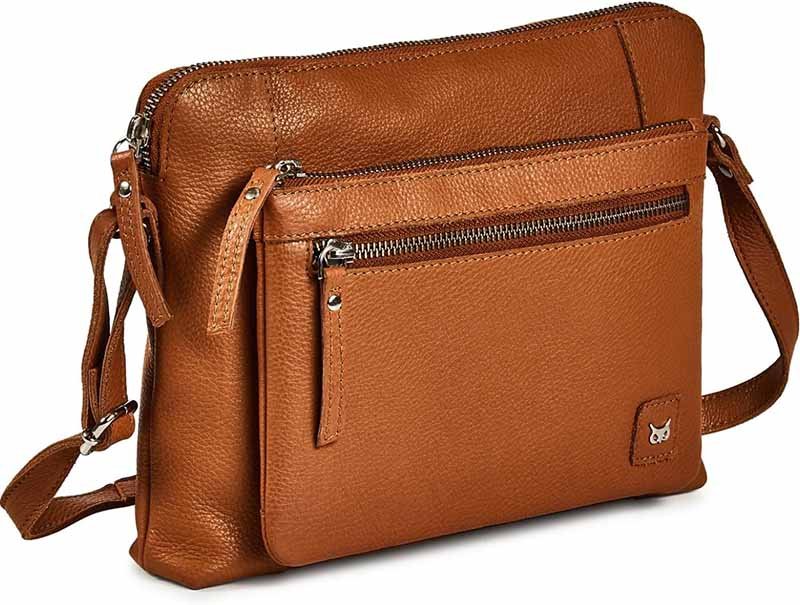
The world’s best leather purse brands are consistently ranked based on craftsmanship, full-grain or premium leather quality, design originality, and long-term durability. Luxury houses like Hermès, Chanel, Louis Vuitton, Celine, Bottega Veneta, and Prada dominate high-end rankings, while brands such as Coach, Fossil, Polène, Madewell, and Cuyana offer widely praised mid-range options. These brands earn top positions because of their material integrity, signature construction methods, and proven longevity.
1. Hermès (France)
Hermès is widely considered the gold standard in luxury leather handbags. The Birkin and Kelly bags are fully hand-stitched using the saddle stitch, often requiring 18–24 hours of artisan work per bag. Hermès uses exceptional full-grain calf, Togo, Clemence, Barenia, and exotic leathers, combined with solid brass hardware plated in precious metals. Because production is tightly controlled and quality is extremely high, Hermès bags have some of the strongest resale performance in the market and are often treated as investment pieces.
2. Chanel (France)
Chanel is best known for its Classic Flap and 2.55 bags, featuring diamond quilting, chain straps, and signature CC hardware. The brand primarily uses lambskin and caviar-grain calfskin, both designed to deliver a mix of softness and durability. The craftsmanship combines high-precision machine work with meticulous hand-finishing, especially around quilting, edge paint, and hardware placement. Chanel bags are strongly associated with iconic Parisian style and also retain good resale value in the luxury market.
3. Louis Vuitton (France)
Louis Vuitton built its reputation in trunk-making and travel goods and is now one of the most recognized handbag brands in the world. Its signature coated canvas (Monogram, Damier) is paired with vachetta leather trims and durable, high-strength hardware, making the bags especially resistant to daily wear. Popular purse styles include the Speedy, Neverfull, and Alma. Many rankings place Louis Vuitton in the very top tier for both popularity and long-term resale stability.
4. Celine (France)
Celine focuses on minimalist, architectural design—clean lines, structured silhouettes, and very refined leather. The brand uses smooth and pebbled calfskin, often with subtle grain and strong internal reinforcement to maintain shape. Current icons include the Triomphe and 16 bags. Celine appeals to buyers seeking “quiet luxury” with high craftsmanship but less overt logo emphasis compared with some other French houses.
5. Bottega Veneta (Italy)
Bottega Veneta is famous for its Intrecciato hand-woven leather technique. Instead of large logos, the woven pattern itself is the brand’s signature. The company uses high-quality calf and lamb leathers that are soft yet strong enough to withstand weaving and everyday use. Recent styles like the Jodie, Cassette, and Andiamo highlight the brand’s sculptural approach while maintaining its core craftsmanship values, making Bottega a regular on “best handbag” and “most-wanted” lists.
6. Prada (Italy)
Prada is particularly known for its Saffiano leather, a cross-hatch textured, coated calfskin that is scratch-resistant and very structured. This material makes Prada bags highly practical for daily use while still looking polished. Alongside Saffiano, Prada also works with smooth and brushed leathers in more fashion-forward designs. The Galleria and Cleo bags regularly appear among top designer bag selections thanks to their blend of durability, function, and classic Italian style.
7. Gucci (Italy)
Gucci blends heritage motifs—such as the GG monogram and Horsebit hardware—with contemporary shapes. Its leather purses range from smooth calfskin and quilted matelassé to monogram canvas with leather trim. Popular lines like the Marmont, Jackie 1961, and Blondie continuously show up in global style and investment lists. The combination of bold branding, strong hardware, and solid construction make Gucci a leading choice for fashion-driven luxury buyers.
8. Loewe (Spain)
Loewe, a Spanish house with a long leather heritage, is renowned for its Puzzle, Hammock, and Flamenco bags. Its craftsmanship centers on extremely precise pattern-cutting and edge finishing to create complex geometric shapes that still feel soft and wearable. Many of Loewe’s bags are produced in Spain using high-grade calfskin and nappa. Because of this fusion of advanced construction and luxury materials, Loewe is consistently listed among today’s top luxury handbag brands.
9. Saint Laurent / YSL (France)
Saint Laurent offers sleek, modern, and often edgy purse designs—think Chevron-quilted calfskin with the YSL monogram and chain straps. Best-known lines include the Loulou, Solferino, and Kate bags. The brand uses durable calfskin and strong metal hardware, with a focus on evening-friendly and city-chic silhouettes. In many rankings, Saint Laurent is seen as a “gateway luxury” brand: high quality and recognisable but generally more affordable than Hermès or Chanel.
10. Dior (France)
Dior’s Lady Dior, Book Tote, and Saddle bags are icons in their own right. The brand uses premium calfskin, lambskin, and sometimes exotics, often with cannage quilting or embroidered canvas. Lady Dior’s structure and hardware (D-letter charms) make it a frequent feature in investment-bag rankings. Dior’s leather craftsmanship focuses on hand-finishing, structured shapes, and couture-inspired detailing, positioning it solidly in the top luxury tier.
11. Fendi (Italy)
Fendi’s best-known bag is the Baguette, but the Peekaboo and Sunshine Shopper are also globally recognized. The brand works with smooth and grained calfskin, Selleria hand-stitched leather, and coated canvas. Fendi’s style DNA leans toward playful luxury, combining strong logos and bold design with solid Italian craftsmanship. Its bags frequently appear in lists of the most popular designer handbags worldwide.
12. Mulberry (United Kingdom)
Mulberry is a British leather goods brand known for its Bayswater, Alexa, and Amberley lines. The brand leans into vegetable-tanned leathers and classic British styling, often with practical interiors and everyday-friendly proportions. Mulberry’s price positioning is below the French and Italian ultra-luxury houses, but quality remains high—making it a favorite among buyers who want long-lasting leather bags with heritage feel at a more accessible price.
13. MCM (Germany)
MCM (Modern Creation München) is famous for its Visetos monogram coated canvas and leather-trimmed backpacks and crossbody bags. Although it started with travel and streetwear-leaning styles, MCM now produces more refined leather purses as well. The brand targets younger consumers and urban markets, offering durable materials, bold logos, and functional designs that sit between streetwear and luxury fashion.
14. Coach (United States)
Coach is one of the most respected mid-to-premium leather handbag brands globally. It built its reputation on sturdy full-grain leather and strong construction at accessible prices. Modern collections feature polished pebble leather, glove-tanned leather, and coated canvas, along with solid hardware and well-designed interiors. In many expert and consumer rankings, Coach is often recommended as the best value brand for genuine leather purses that can last many years of daily use.
15. Kate Spade (United States)
Kate Spade focuses on playful, feminine, and colorful designs, using saffiano, smooth, and pebbled leather. While price points are generally lower than luxury houses, quality is still consistent, especially in core leather lines. Kate Spade attracts customers looking for fun, trend-aligned purses with reasonable durability and approachable pricing, making it a popular choice in the contemporary handbag space.
16. Michael Kors (United States)
Michael Kors is known for structured totes, satchels, and crossbodies in saffiano and pebbled leather, often branded with prominent MK logos. Positioned as “affordable luxury,” it offers good functional design, pocket layouts, and strong zipper hardware at mid-range prices. While not as artisanal as top European luxury houses, its leather lines deliver solid value and are widely stocked by department stores around the world.
17. Polène (France, Made in Spain)
Polène is a Parisian leather goods brand founded in 2016 by three siblings. The brand combines minimalism and sculptural forms, with bags made from Italian and Spanish calfskin in Ubrique, Spain—a historic leather-crafting town that also produces for leading luxury houses. Polène focuses on full-grain or high-grade calf leather, ISO-certified materials, and small-batch European manufacturing, which has made it a global reference for “quiet luxury” at contemporary prices.
18. Cuyana (United States)
Cuyana is a California-based brand built around the philosophy of “Fewer, Better Things.” It offers minimalist, timeless leather totes, crossbody bags, and small leather goods, mostly made from premium Italian leather with a strong focus on functional design and sustainable production. (Cuyana) Cuyana’s bags are engineered to replace multiple lower-quality bags, appealing to modern consumers who want durable, well-organized work and travel bags without heavy logos.
19. Longchamp (France)
Longchamp is best known for its Le Pliage line, but it also produces a wide range of leather purses and totes. The brand specializes in combining lightweight practicality with French design. Its leather collections use refined calf and cowhide, often with simple, everyday-friendly silhouettes. Longchamp occupies a mid-range price tier and is favored by commuters and travelers who want durable, understated bags with a European feel.
20. Strathberry (Scotland / Spain)
Strathberry is an Edinburgh-based luxury leather handbag brand whose products are handcrafted in Ubrique, Spain, using high-quality Spanish leathers. The signature design element is a metal bar closure across structured silhouettes. Strathberry is positioned as a modern luxury brand with strong craftsmanship, clean lines, and a “new classic” aesthetic, offering investment-worthy bags at prices typically below French ultra-luxury houses.
21. Mansur Gavriel (United States / Italy)
Mansur Gavriel became globally known for its minimal bucket bags and clean, color-blocked leather totes. The brand uses Italian vegetable-tanned leather and smooth calfskin, often produced in Italian factories. Its aesthetic is very pared-back: no heavy logos, just pure color and shape. Mansur Gavriel appeals to design-oriented consumers who want high-quality materials and minimalist styling without classic luxury branding.
22. Fossil (United States)
Fossil is a heritage American brand that offers accessible genuine leather bags, often in vintage-inspired silhouettes. It typically uses full-grain or top-grain leather in relaxed, casual designs suitable for everyday wear. While pricing is significantly below luxury labels, Fossil remains popular because it delivers genuine leather and decent craftsmanship at mass-market price points, making it a strong entry option for buyers who want real leather without major investment.
23. Tory Burch (United States)
Tory Burch positions itself between contemporary and accessible luxury, offering leather purses with strong brand signatures like the Double-T logo. The brand uses pebbled and smooth calfskin, as well as quilted leather in lines like the Fleming and Kira. Bags are designed to be practical for work and weekend use while still delivering a polished, fashion-forward look. Many style guides and fashion editors regularly include Tory Burch as a top option in the premium handbag segment.
Japanese & Scandinavian Artisan Leather Brands
These brands are less globally known but frequently appear in “best craftsmanship” lists.
- Hender Scheme – natural veg-tan leather; hand-stitched; develops beautiful patina
- Il Bisonte) – rustic Florence craftsmanship
- Nordlys – minimalist Scandinavian leather goods
Although niche, they are respected for extreme quality control and artisanal authenticity.
What These Top Brands Have in Common
Across all price tiers, great brands share the same characteristics:
1. Material Discipline
They use predictable, traceable, high-grade leather and avoid split leather or coated split.
2. Precise Construction
Stitch count, edge finishing, reinforcement techniques, and structural engineering meet high standards.
3. Design Identity
Customers instantly recognize the brand from silhouettes, colors, or hardware styling.
4. Durability Over Fast Fashion
Most bags last 5–20 years with proper care.
5. Transparent Sourcing & Ethical Production
Leading brands disclose:
- leather origin
- tannery certification
- environmental compliance
These criteria explain why the above brands consistently dominate “best leather purse brand” rankings worldwide.
How Do Different Brands Compare in Style, Price, and Quality?
Leather purse brands differ widely in style, price, and quality based on their material choices, craftsmanship, hardware durability, design philosophy, and target consumers. Luxury brands offer full-grain leathers, refined construction, and iconic aesthetics at premium prices, while mid-range brands balance quality and affordability using simplified designs and industrial manufacturing. Comparing brands across categories reveals clear distinctions in long-term durability, resale value, and overall craftsmanship.
Below is a detailed comparison across three major market tiers: Ultra-luxury, Luxury, and Premium Mid-range. A full comparison table is included to help buyers and brands understand positioning more accurately.
Comparison Table: Style × Price × Quality Across Market Tiers
| Brand Tier | Representative Brands | Style Positioning | Price Range (USD) | Leather Quality | Craftsmanship Level | Longevity | Ideal For |
|---|---|---|---|---|---|---|---|
| Ultra-Luxury | Hermès, Chanel, Louis Vuitton, Celine, Bottega Veneta | Iconic, artistic, heritage-driven | $3,000–$20,000+ | Full-grain, calfskin, exotic leathers | Handcrafted or near-handcrafted | 10–25 years+ | Investors, collectors, luxury consumers |
| Luxury | Prada, Gucci, Loewe, Mulberry, MCM | Fashion-forward yet timeless | $800–$3,500 | High-grade calfskin, Saffiano, lambskin | High-precision machine + hand finishing | 7–15 years | Professionals, fashion shoppers seeking durability |
| Premium Mid-Range | Coach, Polène, Cuyana, Tory Burch, Fossil | Modern, minimalistic, practical | $150–$800 | Full-grain or refined grain leather | High-quality industrial manufacturing | 3–10 years | Everyday consumers, brand builders, small businesses |
This comparison shows a clear pattern: style differentiates the brand identity, price reflects brand positioning, and quality is determined by leather grade + craftsmanship consistency.
1. Style Differences Across Global Leather Brands
Ultra-Luxury: Bold Identity + Iconic Design DNA
Hermès, Chanel, and Bottega Veneta lead with unmistakable silhouettes:Birkin, Classic Flap, Cassette, and Intrecciato weave. Their styles prioritize:
- engineering symmetry
- signature stitching details
- recognizable hardware
- architecture-like structure
These are bags designed not just to be worn but to be admired and collected.
Luxury Brands: Classic Meets Contemporary
Prada, Gucci, and Loewe combine fashion trends with craftsmanship traditions. Their styles often emphasize:
- sculptural silhouettes
- logo identity
- playful hardware
- statement colors
They attract fashion-driven buyers without reaching ultra-luxury pricing.
Premium Mid-Range Brands: Minimalism, Practicality, Accessibility
Coach, Polène, and Cuyana deliver clean lines, neutral palettes, and ergonomic construction. They serve buyers seeking high-quality leather without brand “luxury tax,” making them ideal for:
- everyday use
- young professionals
- minimalist wardrobes
Style is ultimately the most emotional factor, but consistent design DNA is what separates great brands from trend-dependent ones.
2. Price Strategy — Why Some Brands Cost 20× More Than Others
The dramatic price gap across brands comes from:
1. Craftsmanship Time & Labor
Handcrafting increases labor hours exponentially:
- Hermès: 18–24 hours per bag
- Chanel: 8–12 hours
- Coach: mostly industrial, 2–3 hours
More time = higher cost = higher price.
2. Leather Grade
Ultra-luxury brands use:
- full-grain calf
- vegetable-tanned hides
- exotic skins(crocodile, ostrich, lizard)
Mid-range brands may use:
- refined top-grain
- corrected-grain leather
- protective coatings for cost efficiency
3. Hardware Engineering
Premium hardware can cost 5–10× more depending on:
- brass vs. zinc alloy
- custom molds
- anti-scratch plating
- corrosion tests
4. Brand Equity(Intangible Value)
Hermès bags increase in resale value; this “investment effect” drives pricing beyond material cost.
5. Manufacturing Location
Europe(Italy、France、Spain)= higher labor cost China/Asia ≠ lower quality; instead, higher efficiency and more advanced machinery for scaling
Luxury pricing reflects heritage and craftsmanship, not just material cost.
3. Quality Comparison — Materials, Build, Longevity
Material Quality
Ultra-luxury uses the purest leather grades. Premium brands use high-quality but more standardized hides. Bonded or split leather is never used in top-tier brands.
Construction Quality
Key differentiators include:
- stitch density
- edge paint layers
- reinforcement tapes
- lining material
- shape-retention engineering
Ultra-luxury hand-stitching lasts longer than machine lock-stitching because it does not unravel if a stitch breaks.
Longevity
- Hermès/Bottega: 15–25+ years
- Prada/Loewe: 7–15 years
- Coach/Polène: 3–10 years
Longevity correlates strongly with:
- leather density
- hardware strength
- structural layers(stiffeners, padding, reinforcements)
Resale Value
Brands like Hermès, Chanel, and Louis Vuitton often appreciate in value due to global demand and limited supply, something mid-range brands cannot replicate.
4. Usability & Functional Design Differences
Ultra-Luxury
Prioritize aesthetics and structure; may be heavier or less casual, but engineered for longevity.
Luxury
Strike balance between function and fashion. Loewe Puzzle and Prada Galleria are examples of ergonomic yet elegant designs.
Mid-Range
Prioritize comfort, weight reduction, and daily practicality. Polène excels at lightweight sculpted designs suitable for all-day wear.
Functionality is increasingly important to modern buyers—brands that integrate pockets, adjustable straps, and protected interiors tend to perform better in long-term customer satisfaction.
5. Brand Positioning
Buy Ultra-Luxury if you want:
- collectible design
- heirloom-level durability
- excellent resale value
- hand craftsmanship
- distinctive brand identity
Buy Luxury if you want:
- modern fashion expression
- premium materials
- strong construction
- lower entry price than ultra-luxury
Buy Mid-Range if you want:
- excellent value
- durable everyday leather
- modern minimalism
- high quality without logo-driven pricing
- options for private-label inspiration for your own brand
What Should Buyers Look for When Choosing a Leather Purse Brand?
Buyers choosing a leather purse brand should evaluate the leather grade, craftsmanship quality, hardware durability, structural engineering, brand transparency, and long-term durability. A reliable brand uses full-grain or high-grade leather, precise stitching, reinforced construction, and corrosion-resistant hardware. Avoid brands that hide material details or rely heavily on surface coatings. The best brands offer consistent quality and clear sourcing information.
The Complete Buyer’s Checklist for Selecting a Leather Purse Brand
When choosing a leather purse brand—whether for personal use, retail, or OEM/ODM development—the process should go far beyond appearance and logo. A high-quality leather purse is a material-engineered product, and selecting the right brand requires systematic evaluation of construction, durability, sourcing, ethical standards, and functionality.
Below is a comprehensive framework used by experts, sourcing managers, and premium fashion buyers worldwide.
1. Leather Quality & Authenticity — The Foundation of Every Good Brand
This is the most important factor. A reputable leather purse brand will clearly specify:
- Leather type(Full-grain, Top-grain, Split, Corrected-grain)
- Tanning process(Vegetable, Chrome, Semi-aniline, Aniline)
- Hide origin(Italy, Spain, Brazil, US)
- Finish type(natural, pigmented, coated, embossed)
What buyers should look for:
Full-grain leather —— densest fibers, longest lifespan Top-grain leather —— refined & durable Semi-aniline finish —— balanced protection & natural grain Vegetable-tanned leather —— premium aging & sustainability
Red flags:
Brands that refuse to mention the leather type Bonded leather marketed as “genuine leather” Excessively stiff corrected-grain leather Heavy chemical coatings hiding imperfections
In general, the more transparent the brand is about its materials, the more trustworthy it is.
2. Craftsmanship & Construction Quality — Does the Brand Build Bags That Last 5–15+ Years?
Beyond material, craftsmanship determines how long a purse will last.
Buyers should evaluate:
Stitching
High-end brands maintain:
- 6–8 stitches per centimeter
- even, straight, strong stitching
- backstitching reinforcement at stress points
- saddle stitching in ultra-luxury products
Loose, uneven, or overly long stitches are signs of weak craftsmanship.
Edge Finishing
Good brands use:
- 3–6 layers of edge paint
- heat sealing
- burnished edges(for vegetable-tanned leather)
Poor edge finishing causes cracking, peeling, and premature wear.
Internal Reinforcement
Premium bags contain:
- structural stiffeners
- reinforcement tapes
- padding layers
- lining materials that resist tearing
Cheap brands skip these hidden layers, resulting in sagging or collapsing structure within months.
3. Hardware Durability — Zippers, Clasps, and Metal Components Tell the Truth
Hardware is a major failure point; buyers must evaluate:
Look for:
Solid brass or stainless steel hardware YKK, Raccagni, or custom-cast zippers Multi-layer anti-tarnish plating Hardware that feels weighty and solid
Avoid:
Lightweight zinc alloy that bends or flakes Painted hardware instead of plated hardware Rough zipper tracks
High-quality brands test hardware for:
- salt spray corrosion
- scratch resistance
- tensile strength
- repeated usage cycles
Hardware quality often indicates whether the brand prioritizes longevity or just aesthetics.
4. Brand Transparency, Sustainability & Ethical Sourcing
Consumers today expect integrity—not just a pretty bag.
Great brands disclose:
- tannery certifications(LWG Gold, ISO 14001)
- sustainability commitments
- chemical safety protocols
- supply chain transparency
- labor ethics
Brands that hide their production origin or tanning method usually have inconsistent quality.
Ethical indicators to look for:
responsible leather sourcing clear environmental statements traceability of raw materials long-term repair service or maintenance programs
Brands with transparent sourcing are far more trustworthy and consistent.
5. Functionality & Design Engineering — Is the Bag Practical in Real Life?
Design is not just a matter of aesthetics. A good leather purse brand also considers usability.
Evaluate:
- weight distribution
- shoulder/handle comfort
- pocket functionality
- bag opening design
- security and closure mechanism
- lining material durability
- balance between structure and softness
High-end brands engineer bags to:
- hold weight without deforming
- maintain silhouette long-term
- provide seamless user experience
Poorly engineered bags:
- collapse under weight
- deform after months
- feel heavy despite small capacity
- snag when opening or closing
Functionality is especially important for buyers who use handbags daily.
6. Long-Term Durability, Resale Value, and Warranty
Buyers should consider total lifetime value, not just the upfront price.
What to evaluate:
Durability Testing
Good brands test for:
- abrasion resistance
- UV fading
- handle stress testing
- hardware corrosion
- shape retention
- color rub-off
If a brand publicly mentions durability tests, it’s usually a positive sign.
Resale Value
Brands with high resale value(Hermès, Chanel, LV)are recognized for:
- consistent materials
- timeless design
- highly controlled production
Warranty & Repair Programs
Buyers should prioritize brands offering:
repair services reconditioning hardware replacement warranty coverage
This shows the brand believes in the longevity of its craftsmanship.
7. Red Flags Buyers Should Avoid
A brand is not worth buying if:
- it does not specify leather type
- prices are too low for “full-grain leather” claims
- stitching looks uneven or loose
- edge paint cracks easily
- hardware feels overly light
- strong chemical smell from poor finishing
- overly trendy design with no structural engineering
- the brand hides its manufacturing location
These common red flags indicate poor durability and inconsistent production quality.
How Can a Factory Partner Like Szoneier Add Value for Buyers?
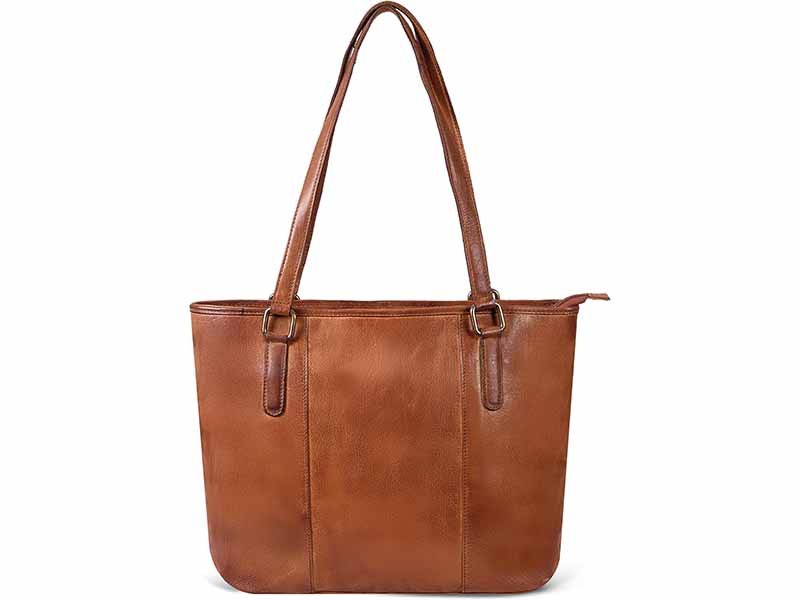
A factory partner like Szoneier adds value by offering end-to-end leather product development: material sourcing, R&D, pattern engineering, sampling, mass production, and packaging. With 18+ years of experience, in-house supply chain, and OEM/ODM capabilities, Szoneier helps brands control cost, quality, and lead time while delivering custom designs, low MOQs, and consistent craftsmanship—something most retail brands or trading companies cannot match.
For serious buyers—brands, wholesalers, designers, and retailers—choosing the right factory partner is often more critical than choosing the right “famous brand” to copy. A strong factory partner doesn’t just make products; it becomes part of your R&D team, cost-control strategy, and long-term brand moat.
Szoneier Leather is not a trading company; it is a leather goods R&D and manufacturing factory with over 18 years of experience in bags, wallets, belts, straps, accessories, and leather boxes. Here is how a partner like Szoneier creates real, measurable value.
1. Vertically Integrated Supply Chain — From Raw Leather to Finished Purse
Most brands buy from finished-goods suppliers with limited control over materials. Szoneier works differently.
Because Szoneier has a strong raw material supply chain, we can:
- source full-grain, top-grain, and specialty leathers directly from trusted tanneries
- run material R&D for different markets (soft Napa, structured box leather, scratch-resistant finishes, etc.)
- control consistency from batch to batch
- balance price and performance for different product tiers
Instead of choosing from a narrow catalog, buyers can define target leather profiles (hand-feel, thickness, firmness, finish, colorfastness), and Szoneier helps engineer the right leather solution. This reduces quality risk and gives your brand a unique material identity instead of generic “PU + random hardware.”
2. Engineering-Led Product Development & Fast Sampling
Many factories only “follow orders.” Szoneier actively co-develops products with you.
With in-house pattern designers, sample room, and technicians, Szoneier can:
- translate your sketches, tech packs, or reference samples into production-ready patterns
- adjust dimensions, structure, and layers for better shape retention and durability
- optimize pattern nesting for better leather yield (lower material cost)
- create samples quickly—often within a few working days depending on complexity
For buyers, this means:
- faster time-to-market
- easier A/B testing of shapes and sizes
- the ability to refine construction before committing to large orders
Instead of just “copying a bag,” you build a technically optimized product that can stand next to global brands.
3. Full OEM/ODM Customization — From Design Language to Branding Details
A retail brand will sell you their logo. A factory like Szoneier will help you build your own logo story on your own products.
With OEM/ODM capabilities, you can customize:
- leather types(full-grain, pebbled, box leather, vegetable-tanned, embossed patterns)
- purse categories(crossbody, tote, shoulder bags, mini bags, clutches, wallets, belt bags, etc.)
- structure(soft, semi-structured, fully structured)
- hardware shape & finish(gold, matte black, gunmetal, brushed nickel…)
- edge painting color, stitch color, thread thickness
- interior compartments, zippers, card slots, phone pockets
- branding(embossed logo, metal plate, printed lining, custom packaging)
This level of customization is ideal for brands that want to differentiate instead of just pushing generic OEM designs already sold to many others.
4. Cost, MOQ, and Lead Time Advantages for Growing Brands
Szoneier is experienced with both brand clients and small to mid-size wholesale buyers, so the factory understands that:
- not every buyer can start at 3,000–5,000 pcs per style
- new projects need low MOQ and reasonable trial orders
- cash flow and inventory risk must be controllable
By offering:
- flexible MOQs
- transparent material + labor + packaging cost structure
- realistic lead times
- fast re-orders
Szoneier helps brands scale step-by-step—from first testing batches to larger, stable annual programs. This is especially valuable for DTC brands, Amazon/Shopify sellers, and boutique labels starting or expanding their leather purse collections.
5. Multi-Layer Quality Control & Risk Management
A beautiful design means nothing if quality issues appear after launch. Szoneier builds QC into every stage:
- incoming inspection for leather & hardware
- in-process checks at cutting, stitching, and edge finishing
- final inspection for shape, stitching consistency, surface defects, color, and hardware performance
- packaging checks(dust bags, labels, barcodes, carton protection)
Because Szoneier is a long-term manufacturer, not a short-term trader, every shipment directly affects factory reputation. This pushes us to prioritize stable quality and long-term cooperation over one-time deals.
For buyers, this means fewer claims, fewer returns, and stronger customer reviews—critical for both offline retail and online platforms.
6. Strategic Partnership, Not Just Production — Co-Building Your Leather Brand
The biggest value a factory like Szoneier offers is partnership thinking.
Instead of asking only “What is your target price?”, we also ask:
- Who is your target customer?
- What positioning do you want: premium, luxury, or affordable quality?
- What lifetime do you expect for your bags?
- Which markets will you sell into(EU/US/Asia/Middle East)?
Then we adjust:
- leather selection
- structure strategy
- hardware spec
- branding details
to match that positioning. Over time, this helps you build a coherent leather purse collection—not just a random mix of SKUs.
Conclusion
Choosing the right leather purse brand is ultimately about choosing quality, consistency, craftsmanship, and trust. Whether you’re competing in the premium market or building a luxury-inspired line, the foundation of long-term success always depends on the factory partner standing behind your products.
From choosing the right leather to selecting the ideal structure, reinforcement layers, hardware, edge finishing, stitch density, and packaging—Szoneier helps you engineer leather products with professional stability and market-ready quality.
Whether you want to develop a premium minimalist purse line, launch a luxury-grade structured collection, or create a signature leather goods series with your own brand DNA, our team can guide you through every step: design, sampling, testing, production, and packaging.
Your next successful product line starts here.
If you’re ready to create leather purses that look stunning, feel premium, and perform beautifully for years, we invite you to collaborate with Szoneier Leather. Tell us your ideas, references, sketches, or technical requirements—and we will turn them into a complete, manufacturable, and market-ready product line.
Contact Szoneier Leather today to start your custom leather purse project.