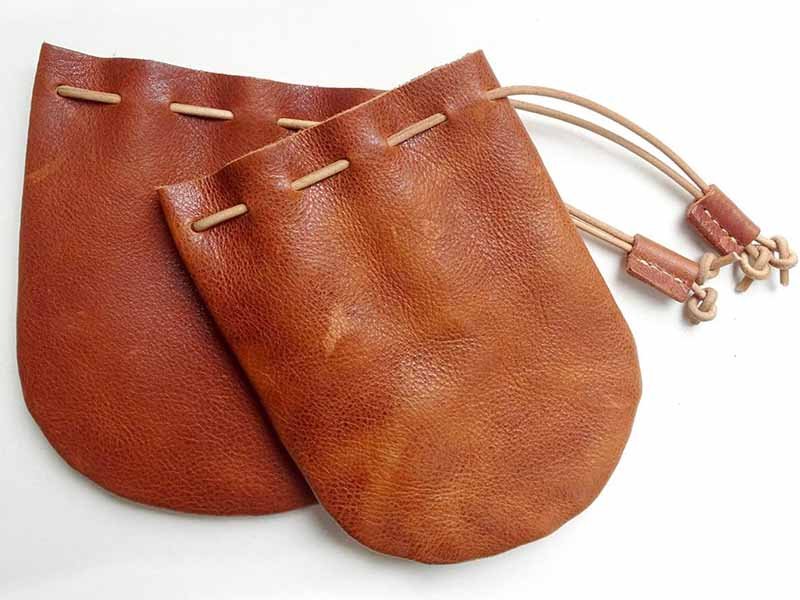
Leather drawstring bags are the kind of accessory that quietly captures attention—simple, modern, and unexpectedly luxurious. You’ve probably seen them everywhere without even realizing it: the soft leather pouch cinched elegantly at the top, or the stylish bucket bag gently collapsing into its own silhouette, carried by travelers, designers, students, or fashion lovers who appreciate beauty without effort. But what exactly defines a leather drawstring bag, why does this style remain irresistible, and why has it become a favorite category for private-label brands around the world?
A leather drawstring bag is a pouch, bucket bag, or backpack made from genuine or vegan leather that uses a pull-string closure instead of zippers or buckles. When the cord is tightened, the bag closes securely; when loosened, it expands for easy access. This style is valued for its versatility, timeless design, and premium feel, making it ideal for everyday use, travel, gifting, and brand customization.
A designer once shared that what she loved most about drawstring bags wasn’t their functionality—but their emotion. “A drawstring bag never looks stiff or overdesigned,” she said. “It looks like it belongs to a person, not a display.” That’s exactly why the style keeps returning to runways and streetwear: it’s effortless, adaptable, and quietly elegant.
Whether you’re a brand owner exploring new product lines, a designer researching silhouettes, or a shopper curious about what makes these bags special, understanding leather drawstring bags opens the door to a category that blends craftsmanship with modern lifestyle needs. Let’s dive deeper into what they are, how they’re made, and why they continue to thrive.
What Is a Leather Drawstring Bag?
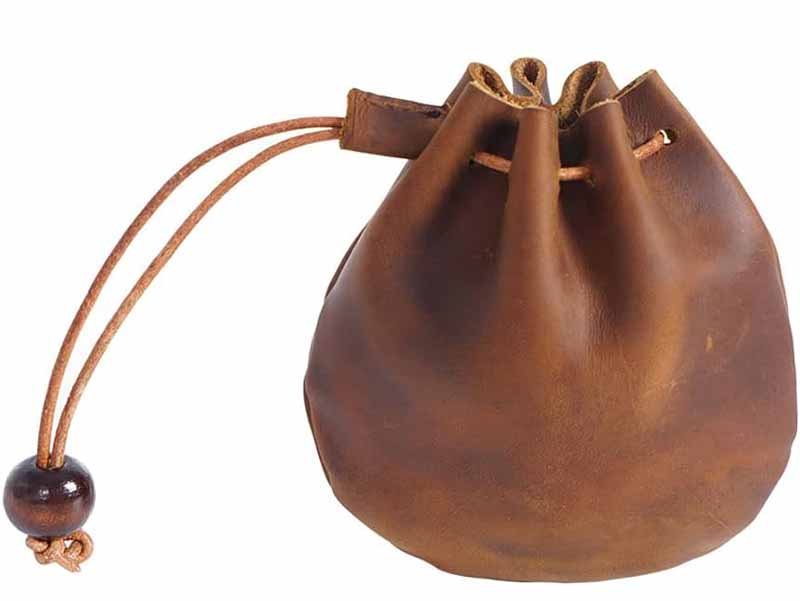
A leather drawstring bag is a pouch, bucket bag, or backpack made from genuine, split, or vegan leather and secured with a pull-cord closure. The drawstring gathers the top opening to protect belongings while maintaining an expandable, flexible silhouette. This style balances practicality and aesthetics, making it ideal for fashion, travel, gifting, and private-label manufacturing.
A leather drawstring bag is one of the oldest bag structures still widely used in modern fashion, yet it remains one of the most versatile forms of soft leather craftsmanship. At its core, a leather drawstring bag is defined by its closure system: instead of zippers, magnetic snaps, or buckles, it uses a continuous cord or leather strap that tightens the opening when pulled. This creates a natural gathering effect—soft folds that give the bag its signature relaxed-yet-luxurious look.
Unlike structured handbags or briefcases, leather drawstring bags embrace fluidity and character. The top of the bag collapses and expands as needed, offering both visual softness and functional adaptability. This makes the design suitable for multiple purposes:
- Daily use (a stylish everyday companion)
- Travel (easy to open and close quickly)
- Fashion & luxury (as bucket bags or mini pouches)
- Sports & lifestyles (drawstring backpacks)
- Cosmetics & accessories (small leather pouches)
- Brand giveaways or merchandising products
Because the drawstring structure does not rely on hardware-heavy closures, it provides a lightweight solution with fewer failure points, making the design more durable over time.
Structurally, a leather drawstring bag typically includes the following elements:
1. Leather Shell (Outer Body)
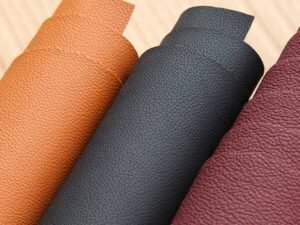
This is the primary material and determines the bag’s entire character: the drape, shine, stiffness, durability, and aging behavior. Premium brands often choose full-grain or top-grain leather, while lifestyle brands may choose genuine leather, split suede, or vegan microfiber leather.
2. Drawstring Channel or Eyelet System
The top edge contains a built-in tunnel or several metal-reinforced eyelets where the cord passes through. This structure must be stitched carefully because it experiences the highest tension.
3. Drawstring Cord, Strap, or Rope
Made of leather, cotton, polyester, waxed rope, or braided cord. Premium bags often use a leather strap for a polished look.
4. Interior Lining
Soft cotton, polyester, microfiber, suede, or unlined (for minimalistic artisanal pieces). Lining prevents stretching and protects the leather’s inner surface.
5. Base and Side Reinforcement
Some drawstring designs—especially bucket bags—include reinforced bottoms or panels to maintain shape and support weight.
6. Hardware (Optional)
Cord locks, grommets, end caps, buckles, or metal eyelets.
Compared with other bag styles, drawstring bags stand out because they combine structure + softness + adjustability. A tote bag may hold more; a zipper pouch may seal tighter; but the drawstring bag offers unparalleled ease of access and the iconic shrinking/gathering motion that feels both functional and fashionable.
Today, leather drawstring bags are produced in countless silhouettes, from minimalist pouches to luxury structured bucket bags found in high-end boutiques. The style adapts effortlessly to fashion trends while maintaining timeless appeal, which is why so many brands and designers continue to include drawstring designs in their seasonal collections.
What Defines a Drawstring Design?
A drawstring design is defined by a tension-based closure mechanism that uses a single or double cord running through a channel or eyelets. When pulled, the cord tightens the opening evenly. When released, the opening expands.
Key features include:
- A flexible top opening
- A smooth cinching motion
- Adjustable opening width
- Easy-access usability
- A relaxed, gathered silhouette
This mechanism works equally well for small leather pouches and large daily-use bags.
What Are Those Drawstring Bags Called?
Depending on size and structure, leather drawstring bags may be known as:
- Leather bucket bags — most common fashion form
- Leather drawstring backpacks — popular for casual/lifestyle use
- Leather pouches — cosmetics, accessories, jewelry
- Leather cinch bags — sportswear or streetwear terminology
- Leather cord bags — small to medium pouches
Fashion buyers tend to use the terms “bucket bag” or “pouch,” while manufacturers use “drawstring bag” for all variations.
What Types of Leather Are Commonly Used?
Different leather types suit different design goals:
Premium Options
- Full-grain leather — strongest & ages beautifully
- Top-grain leather — smoother surface, elegant & luxurious
- Vegetable-tanned leather — artisanal, eco-friendly, firm structure
Mid-Range Options
- Genuine leather — economical for wholesale
- Split suede — soft, textured, fashionable
Sustainable / Vegan Options
- Microfiber vegan leather — durable, heat-resistant, scratch-resistant
- PU leather — lightweight & flexible
- Plant-based leathers — cactus, apple, mushroom (emerging)
Leather choice determines:
- Durability
- Flexibility
- Weight
- Cost
- Aging & patina
- Target customer segment
What Makes It Different from Other Bag Styles?
Leather drawstring bags offer benefits not found in other closures:
- Expandable storage (capacity adjusts naturally)
- Lightweight closure (no heavy hardware)
- Soft silhouette (relaxed but premium)
- Balanced between fashion & function
- Fewer mechanical failure points than zippers
- Multi-market versatility (travel, fashion, casual, gifting)
Because the bag collapses softly around its contents, it “molds” to the user’s lifestyle—one reason the drawstring format has stayed relevant for centuries.
Why Choose Leather for Drawstring Bags?
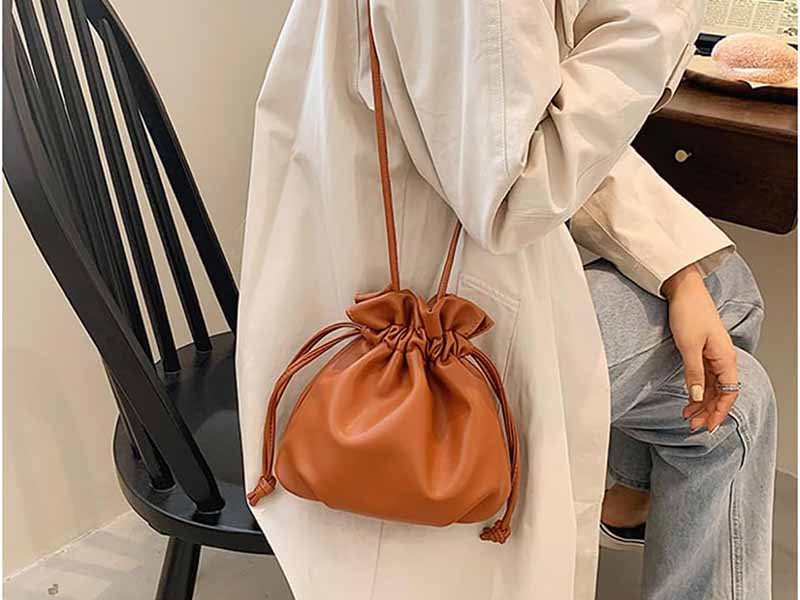
Leather is chosen for drawstring bags because it offers strength, flexibility, longevity, and a premium aesthetic that other materials cannot replicate. Leather can withstand repeated tension from the drawstring mechanism, develops a beautiful patina over time, and elevates perceived value—making it ideal for fashion brands, luxury designers, and private-label collections. Its durability, natural texture, and structural integrity give drawstring bags both functional reliability and timeless style.
The Functional, Aesthetic, and Commercial Advantages of Leather
Choosing leather for drawstring bags is not simply a stylistic decision—it is rooted in material science, durability performance, user experience, and market perception. Drawstring bags undergo a unique stress pattern: every time the cord is pulled, tension concentrates around the top edge, the channel seam, and the upper side panels. Few materials withstand this repeated mechanical stress as well as leather.
Leather’s natural fiber structure is composed of tightly interwoven collagen fibers, creating tensile strength, tear resistance, and long-lasting flexibility. Unlike canvas or synthetic fabric that may fray or lose shape over time, leather maintains integrity even with daily cinching, pulling, and stretching. This is particularly important for bucket bags, which rely on the drawstring to hold the entire silhouette together.
From an aesthetic standpoint, leather transforms a simple drawstring design into a sophisticated statement. The surface texture, aroma, weight, and visual richness create a sense of understated luxury. Even minimalistic leather pouches immediately feel more elevated than their cotton or nylon equivalents. The softness and drape of leather also enhance the natural gathering effect of the drawstring, allowing the bag to collapse and expand elegantly without looking sloppy.
From a commercial perspective, leather is one of the most profitable materials for private-label and OEM/ODM drawstring bag projects. It delivers high perceived value, supports broad price segmentation (mid-range to luxury), and allows extensive customization in color, finish, embossing, hardware, and silhouette. For brands, leather offers higher retail margins and stronger customer loyalty—buyers keep leather bags longer, recommend them more often, and return for additional colors or sizes.
Leather also aligns with long-term sustainability values when sourced responsibly. Unlike synthetic materials that degrade, peel, or crack over time, high-quality leather becomes better with age. Patina—the gradual softening, darkening, and textural enrichment—creates emotional attachment and uniqueness. This aging process is impossible to replicate with PU, canvas, or nylon.
In fashion trends, leather drawstring bags remain evergreen. Their soft silhouettes fit seamlessly into minimalist, streetwear, luxury, and lifestyle aesthetics. From classic bucket bags to ultra-modern geometric designs, leather remains the preferred choice across style categories.
Altogether, leather offers a rare combination of durability + luxury + longevity + versatility—making it the ideal material for drawstring bag design.
Why Is Leather Durable and Premium?
Leather’s durability comes from its organic collagen fiber network, which provides natural resistance to:
- tearing
- stretching
- abrasion
- moisture (in treated leathers)
- long-term deformation
Premium-grain leathers maintain their structural integrity for years—even decades—making them ideal for drawstring tension and daily use.
Leather is also perceived as premium because of:
- natural grain patterns
- hand-feel softness
- aroma
- patina development
- weight and density
These sensory cues immediately communicate quality, which is why consumers associate leather drawstring bags with craftsmanship and value.
Why Does Leather Aging Matter?
Aging (patina) is one of leather’s most desirable traits. Over time:
- colors deepen
- surfaces become smoother
- folds soften
- character builds
- bag shape becomes more refined
Instead of deteriorating, leather becomes more beautiful. This emotional “aging journey” is part of why customers prefer leather drawstring bags over synthetic alternatives.
For brands, patina adds storytelling: Every crease or shine tells the story of the owner’s lifestyle—a powerful branding advantage.
Are Drawstring Bags in Style Today?
Yes—drawstring bags are experiencing strong global demand due to several influences:
1. Minimalist Aesthetic Trend
Consumers favor simple silhouettes with clean lines. Drawstring bags fit perfectly into this trend.
2. Revival of 90s Bucket Bags
Major luxury brands (Loewe, Mansur Gavriel, Coach) relaunched bucket silhouettes, triggering widespread interest.
3. Functional Luxury Movement
People want stylish bags that are also practical. Drawstring bags provide easy access + secure closure.
4. Unisex and Multi-Age Appeal
Works for:
- men
- women
- students
- travelers
- professionals
5. Social Media Style Culture
Instagram, Pinterest, TikTok trends frequently feature leather bucket bags and pouches, increasing visibility and demand.
Why Do Brands Value Leather Drawstrings for Private Label
Brands choose leather drawstrings because they offer:
1. High Retail Margins
Leather elevates perceived value, enabling higher price points.
2. Wide Customization Options
- Colors
- Grain textures
- Cord styles
- Metal hardware
- Embossed or debossed logo
- Edge paint colors
- Lining types
3. Strong Category Versatility
Suitable for:
- luxury fashion
- lifestyle brands
- corporate gifting
- boutique retail
- e-commerce exclusives
- handmade/artisan lines
4. Scalable Manufacturing
Factories like Szoneier Leather can produce:
- low MOQ batches
- premium collections
- high-volume wholesale orders
5. Timeless Market Demand
Leather drawstring bags don’t follow short-lived trends—they maintain relevance across years and seasons.
Which Features Matter Most in Leather Drawstring Bags?
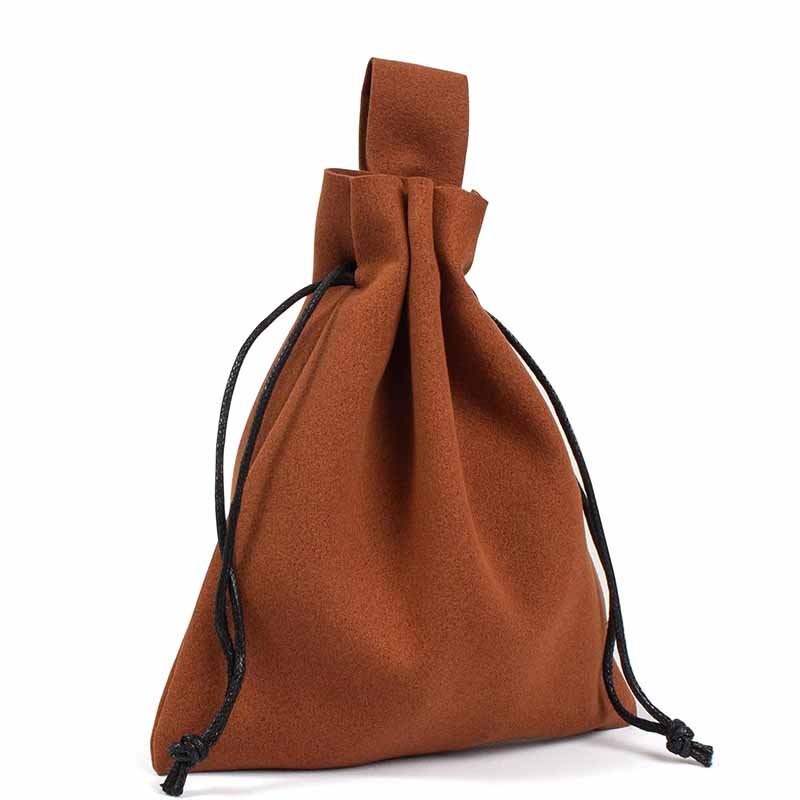
The most important features in leather drawstring bags include leather thickness, grain quality, structural reinforcement, drawstring engineering, lining durability, hardware selection, stitching density, and overall construction. These elements determine the bag’s longevity, shape retention, drawstring smoothness, and premium appearance. High-quality leather drawstring bags use stable leather temper, strong cord channels, reinforced stress points, and well-designed interiors for daily usability.
Which Leather Thickness and Finish Are Ideal?
Leather thickness and temper directly influence the bag’s silhouette, durability, and cinching behavior.
Recommended Thickness (Industry Standards):
| Bag Type | Recommended Thickness |
|---|---|
| Small pouches | 1.0–1.2 mm |
| Bucket bags | 1.2–1.8 mm |
| Drawstring backpacks | 1.4–2.0 mm |
| Structured luxury bucket bags | 1.6–2.2 mm (stiffer temper) |
Why Thickness Matters:
- Too thin → collapses poorly, wears quickly
- Too thick → difficult to cinch, stiff at the drawstring channel
- Ideal thickness → soft gathers + strong resistance
Finish Types:
- Pebbled leather → scratch-resistant, holds shape
- Smooth full-grain → luxury appearance, elegant drape
- Nubuck / suede → soft-touch fashion appeal
- Vegetable-tanned → premium artisanal aging
Temper (Softness):
- Soft temper → relaxed silhouette
- Medium temper → classic bucket bag look
- Firm temper → structured, premium feel
Leather quality determines how “clean” the gathering looks when cinched—a major aesthetic factor for consumers.
Which Hardware and Rope Style Are Best?
The drawstring mechanism determines usability. Poorly engineered cords cause friction, snagging, or uneven closure.
Cord Options:
- Leather cord — premium, durable, fashion-forward
- Braided cotton rope — soft, casual, lightweight
- Waxed rope — smooth pull, water-resistant
- Polyester cord — strong, color-customizable
What Brands Should Consider:
- Cord should match the bag’s weight
- Thicker cords distribute tension better
- Leather straps must be edge-painted to prevent cracking
- Drawstring should feel “smooth but firm”
Hardware Options:
- Metal eyelets — reinforce stress points
- Cord locks — functional, adjustable
- Metal end caps — premium finishing
- Grommets — prevent tearing around holes
Key Functionality Tests:
- Pull strength test (cord should withstand 5–12 kg depending on bag type)
- Smooth sliding (no catching in channel)
- Repeated cinch durability (simulated 3,000–10,000 pulls)
Which Internal Layout Suits Drawstring Use?
Interior structure dramatically influences real-world convenience and the bag’s perceived premium value.
Important Interior Features:
- Soft lining (cotton, microfiber, suede) to protect items
- Zipper pockets for valuables
- Slip pockets for phones/cards
- Reinforced base for shape stability
- Side-wall stabilizers (optional)
Why Lining Matters:
- Prevents leather stretching
- Enhances tactile experience
- Adds color contrast for luxury appeal
Bucket Bag Interiors:
Should combine:
- Wide base panel
- One central zipper pocket
- One slip pocket
- Internal reinforcement tape
Backpack Interiors:
Should include:
- Laptop sleeve (for larger models)
- Shock-absorbing foam panel
- Multiple compartments
Small Pouch Interiors:
Minimalist, usually unlined or with single-panel lining.
When designing for private label, the interior layout is a major differentiator, because consumers associate interior organization with perceived craftsmanship.
Additional Key Features
1. Stitching Density & Thread Quality
- 5–7 stitches per cm for premium bags
- Bonded nylon thread resists friction from drawstring movement
2. Edge Paint Quality
- Multi-layer edge paint prevents cracking
- Critical for drawstring straps
3. Shape Retention & Base Support
- Reinforced EVA/board
- Soft bags rely on leather temper; structured bags rely on base paneling
4. Colorfastness & Coating
- Must pass rub test (≥500 cycles)
- Prevents dye transfer and fading
How Are Leather Drawstring Bags Made?
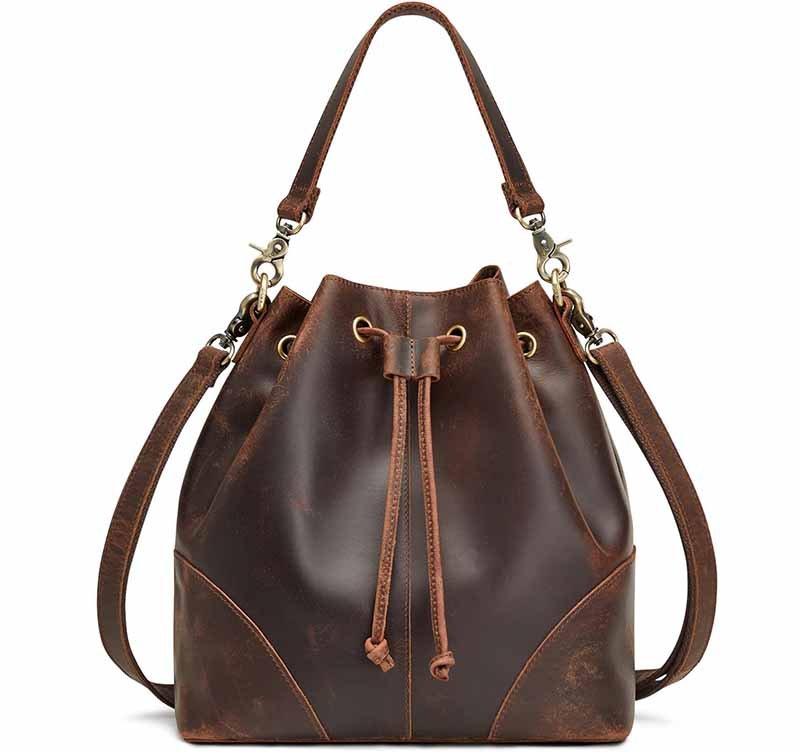
Leather drawstring bags are made through a specialized process that includes leather selection, pattern drafting, precision cutting, edge finishing, channel construction, stitching, drawstring integration, reinforcement, hardware installation, interior assembly, and multi-stage quality inspection. Professional factories combine handcrafted detailing with machine precision to produce durable, smooth-cinching drawstring bags suitable for fashion brands, luxury labels, and OEM/ODM production.
From Raw Leather to Finished Bag: The Full Manufacturing Process
Creating a high-quality leather drawstring bag is a multi-stage craft that blends material science, precision engineering, and hand-finishing skills. Unlike fabric drawstring bags, leather bags require careful preparation, reinforcement, and detailed craftsmanship because the drawstring mechanism applies repeated tension to specific areas. Below is a full breakdown of how professional factories like Szoneier Leather manufacture premium leather drawstring bags.
The process can be divided into six major phases:
1.Material Sourcing & Leather Preparation
Leather Selection
Factories typically source leather based on:
- Grain grade: full-grain, top-grain, genuine, suede
- Thickness: 1.0–2.2 mm depending on bag style
- Temper (soft–medium–firm)
- Coating & finish: pebbled, smooth, matte, oil wax, veg-tan
- Color consistency & dye penetration
Why this matters: Drawstring bags need leather that folds naturally but also withstands tension when cinched.
Leather Conditioning
Leather sheets undergo:
- Moisturizing
- Softening
- Surface coating inspection
- Grain correction (if needed)
This ensures uniformity across all panels.
2.Pattern Design, CAD Drafting & Prototyping
Pattern Engineering
Designers create:
- Main body pieces
- Base panel
- Side reinforcements
- Drawstring channel pattern
- Pocket layouts
- Lining templates
CAD Correction
Laser/CAD is used to:
- Ensure symmetry
- Avoid distortion
- Align grain direction
- Optimize yield (material efficiency)
Prototype Development
A first physical sample is made:
- Tests stitching
- Tests cinching performance
- Tests silhouette collapse
- Adjusts channel width for smooth draw
Brands review this sample before mass production.
3.Cutting, Edge Treatment & Component Preparation
Leather Cutting
Cutting is performed using:
- CNC cutting machines (for precision)
- Steel dies (for repeated mass orders)
- Manual cutting (for premium veg-tan or thick hides)
Edge Preparation
Edges are:
- Sanded
- Sealed
- Edge-painted in 2–4 layers
- Heat-burnished for durability
Component Preparation
This includes:
- Drawstring cord cutting
- Eyelets die-cutting
- Lining panels
- Foam or EVA reinforcements
- Base boards (for bucket bags)
All components must be prepped before assembly begins.
4.Assembly: Stitching, Channel Construction & Drawstring Integration
This is the most important phase.
Constructing the Drawstring Channel
The channel requires:
- Perfect width (too narrow → friction, too wide → uneven closure)
- Reinforced stitching
- Smooth interior surface
Factories test channel smoothness by performing:
- Sliding test
- Tension test
- Repeat cinch test (3,000–10,000 cycles)
Stitching the Leather Panels
Panels are stitched using:
- Bonded nylon thread
- 5–7 stitches/cm
- Reverse-stress stitching at tension points
Installing Eyelets or Grommets
Metal hardware must be aligned perfectly to avoid:
- Leather tearing
- Cord abrasion
- Asymmetrical closure
Integrating the Drawstring Cord
The cord must:
- Slide smoothly
- Distribute tension evenly
- Form a clean silhouette when cinched
Premium bags use:
- Leather straps
- Braided cotton rope
- Waxed rope
- Reinforced end caps
5.Interior Construction & Structural Reinforcement
Lining Installation
Lining materials may include:
- Microfiber suede
- Cotton canvas
- Polyester twill
The lining is stitched or glued using:
- Heat-activated adhesive
- EVA foam panels
Internal Pocket Construction
Zipper pockets, slip pockets, and side walls are assembled before sealing the bag body.
Base Reinforcement
Bucket bags and backpacks require:
- EVA/board reinforcement
- Molded PU panels
- Foam-laminated layers
This ensures the bag keeps its shape without collapsing excessively.
6.Final Assembly, Hardware Setting & Quality Control
Hardware Installation
- Cord locks
- Eyelets
- Metal logo plates
- Decorative rivets
- Magnetic snaps (optional secondary closures)
Quality Control Tests
Every bag undergoes:
- Stitching durability test
- Colorfastness test (rub test)
- Drawstring performance test
- Shape retention test
- Edge paint crack test
- Load-bearing test (5–10 kg depending on style)
Branding & Packaging
Final steps include:
- Embossing/foil logo stamping
- Dust bag packaging
- Hang tags
- Final hand inspection
How Does Leather Sourcing and Treatment Work?
Leather sourcing determines 60% of the final bag quality. Factories evaluate leather based on:
- Tensile strength
- Grain uniformity
- Flexibility under drawstring tension
- Surface coating durability
- Color depth
Vegetable-tanned leather is excellent for premium drawstring bags due to its firmness and beautiful aging process. Chrome-tanned leather offers softer drape and low-maintenance performance. Vegan microfiber leather is ideal for brands seeking sustainable yet durable options.
Before cutting, leather is conditioned to ensure consistent feel across all panels. Poorly conditioned leather can cause uneven gathering and premature cracking.
How Is the Drawstring Mechanism Crafted and Integrated?
The drawstring mechanism involves:
- Channel width calibration
- Reinforcement tape integration
- Friction reduction treatment
- Cord selection matching bag weight
- Meticulous eyelet-spacing alignment
Factories test smoothness through:
- Repeated cinch test
- Pull force test
- Shoulder load test (for backpacks)
The mechanism’s engineering determines whether the drawstring feels luxurious and smooth or cheap and stiff. This single detail heavily influences consumer satisfaction and reviews.
How Is Production Managed for OEM/ODM Custom Orders?
Professional factories like Szoneier Leather follow a structured OEM/ODM workflow:
- Design consultation & sketches
- Material selection (leather + lining + hardware)
- Sample development (3–7 days)
- Client approval
- Bulk material procurement
- Mass production (20–35 days)
- QC & packaging
- Export logistics (EXW/FOB/DDP)
Factories maintain:
- Standardized size grading
- Color card consistency
- Template-based cutting accuracy
This ensures repeatable quality across large orders.
How to Care for Leather Drawstring Bags?
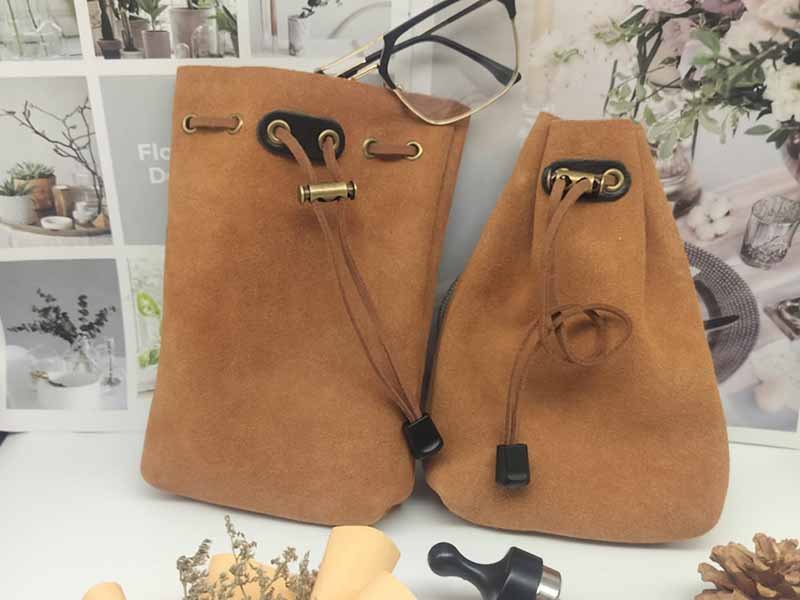
Leather must be cleaned, conditioned, and stored properly for longevity.
1. Daily Cleaning and Routine Maintenance
Regular care is the key to keeping a leather drawstring bag soft, clean, and looking premium. For everyday upkeep, gently wipe the surface with a soft microfiber cloth to remove dust and oils from hands, clothing, and the environment. Leather should never be cleaned with alcohol-based wipes, harsh detergents, or baby wipes, as these can strip natural oils and leave permanent dry patches. For deeper routine cleaning, use a pH-balanced leather cleaner designed specifically for full-grain or top-grain leather—apply a small amount to a cloth and rub in slow, circular motions. This helps remove buildup while preserving the leather’s finish. For suede or nubuck drawstring bags, use a dedicated suede brush to lift the nap and eliminate surface dirt without damaging the fibers. Keeping the surface free of grime prevents long-term discoloration and preserves the leather’s natural scent and softness.
2. Conditioning and Hydrating the Leather
Leather is essentially “skin,” so it must stay moisturized to remain flexible. Conditioning prevents cracking, stiffening, and surface peeling—issues that commonly appear around the drawstring channel because it’s constantly folded and stretched. Apply a quality leather conditioner every 2–4 months depending on climate: humid environments require less frequent conditioning, while dry or cold climates require more. Use a conditioner made for your leather type (smooth grain, veg-tan, or oil-waxed). Gently massage a pea-sized amount onto the surface using a clean cloth, letting it absorb naturally. Avoid over-conditioning, as too much product can cause dark patches or a sticky finish. For vegetable-tanned bags, conditioning also enhances patina development, allowing the bag to age into a deeper, richer tone over time. If the bag has colored edges (edge paint), apply conditioners carefully to avoid softening the paint. Proper hydration ensures the leather stays supple and retains its shape when the drawstring is opened and closed repeatedly.
3. Caring for the Drawstring, Channel, and Hardware
The drawstring mechanism requires special care because it experiences the most mechanical stress. Over time, dust and debris can accumulate inside the channel, affecting how smoothly the bag cinches. To maintain optimal performance, gently blow out dust from the channel and wipe the cord with a slightly damp cloth. Leather cords should be conditioned lightly to prevent cracking, while cotton or waxed ropes may require only gentle cleaning. If the drawstring uses metal eyelets or grommets, ensure they are free of rust or dirt—clean them with a dry cotton swab to keep the cord sliding smoothly. For bags with cord locks or decorative hardware, occasional lubrication with a small drop of mineral oil can prevent stiffness. Inspect the stitching around the drawstring path regularly; any loose threads should be repaired early to prevent tearing. A well-maintained drawstring system keeps the bag functional and luxurious, ensuring the cinching action remains smooth and satisfying.
4. Proper Storage, Shape Protection, and Long-Term Care
How you store a leather drawstring bag determines how well it ages. Never store the bag crushed under heavy items, as the natural leather fibers can deform permanently. Instead, fill the bag with soft stuffing—bubble wrap, clean clothes, or kraft paper—to help it retain shape. Avoid newspapers, as ink can transfer to the lining. Keep the bag inside a breathable fabric dust bag (never plastic) and store it in a cool, dry place with stable humidity. Excess moisture can cause mold, while direct sunlight can fade leather or create uneven tones. For long-term storage, loosen the drawstring completely to reduce unnecessary tension on the channel. If storing for several months, air the bag out occasionally to prevent odors and moisture buildup. With proper care, a high-quality leather drawstring bag can last 10–20+ years and develop a beautiful, personalized patina that becomes part of the bag’s identity.
Conclusion
Leather drawstring bags may appear simple at first glance, but behind their soft silhouette is a balance of engineering, craftsmanship, and material expertise. From the way the leather folds into elegant gathers to the smooth pull of the drawstring channel, every detail influences how the bag feels, functions, and ages. For brands, retailers, and designers exploring new product categories, leather drawstring bags offer one of the most versatile opportunities: they’re timeless, profitable, customizable, and loved by customers across fashion, lifestyle, gifting, and luxury markets.
Whether you’re developing a small leather pouch, a luxury bucket bag, a drawstring backpack, or a full private-label collection, we support you through every stage:
Our goal is simple: to help your brand launch leather products that feel premium, perform beautifully, and build long-term customer loyalty.
If you’re ready to create a leather drawstring bag that truly represents your brand’s identity — elegant, functional, and crafted to last — our team is here to help.
Contact Szoneier Leather today to start your custom OEM/ODM drawstring bag project. Let’s turn your ideas into products your customers will love, use, and remember.