
Is Saffiano Leather Vegan:A Complete Guide
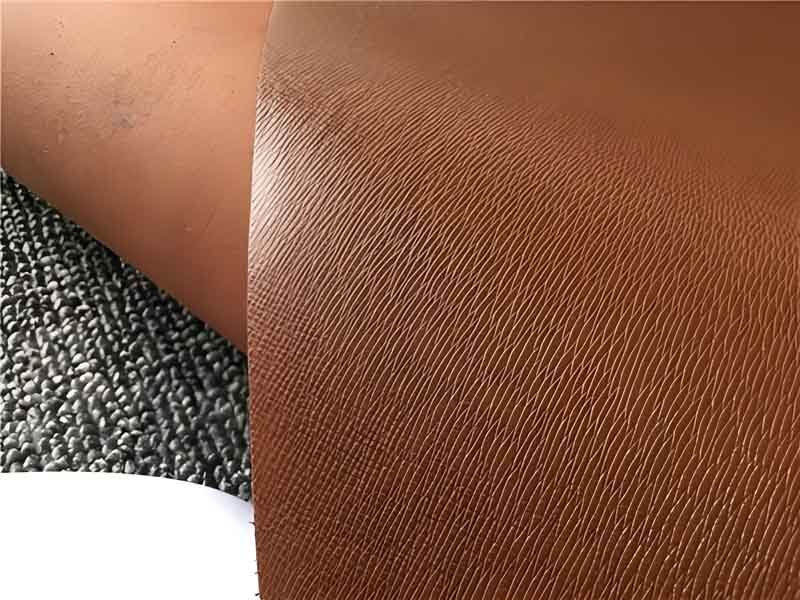
In the world of premium accessories—from wallets and belts to structured handbags—the term saffiano leather pops up repeatedly. Its elegant cross-hatch texture, water-resistant finish and structured silhouette give it instant premium appeal. For brands and high-end buyers, sourcing saffiano-finish goods means balancing craftsmanship, material quality, and brand perception. Saffiano leather is not inherently vegan; traditional versions use animal hide that is pressed, wax-coated and embossed, while newer “saffiano-style” finishes can employ PU or PVC and thus be vegan. Brands must inspect material composition and sourcing claims if they intend vegan credentials. Imagine your next leather box or strap collection featuring saffiano finish—but you want to market it as vegan. Would you be selling genuine vegan material, or simply using the name “saffiano” to describe texture? Keep reading to explore what saffiano leather is made of, whether it can be cruelty-free, its strengths and weaknesses, and how you (as a brand or buyer) at Szoneier Leather can specify the right version for your market.
What Is Saffiano Leather?
Saffiano leather refers to a cross-hatch textured, wax-coated leather finish originally developed from calfskin by luxury Italian tanneries. The pattern is pressed onto the leather using a heat-embossing process that gives it a distinctive diagonal grain and high resistance to scratches and water. Today, “Saffiano” also describes synthetic or coated materials (PU, PVC, or microfiber) embossed in the same pattern—making it both a leather type and a finish style used in luxury and vegan products alike.
The Origin and Signature Texture of Saffiano
The term Saffiano originates from Italy, believed to have been popularized by Mario Prada in the early 1900s. Traditional Italian saffiano was made from fine full-grain or top-grain calf leather, prized for its smooth, tight fibers that could withstand the embossing process without tearing.
The texture itself—the iconic cross-hatch pattern—is created by a metal plate engraved with diagonal lines. This plate is heat-pressed into the surface at temperatures between 70 °C – 100 °C for several seconds. The resulting micro-pattern gives the leather a distinctive dual-tone sheen and a tactile grain that is both visual and functional.
After embossing, the surface receives a protective wax or polyurethane coating, which:
- Seals pores to prevent water penetration.
- Increases scratch and stain resistance.
- Adds subtle gloss and color depth.
- Preserves structure, allowing bags and wallets to retain shape for years.
The result is a surface both luxurious and practical, making saffiano a go-to choice for handbags, wallets, luggage tags, belts, and luxury packaging boxes.
What Is Saffiano Leather Made Of?
Originally, saffiano leather referred strictly to animal-derived calfskin, tanned (vegetable or chrome) and finished with a wax coating. Modern saffiano products, however, may use multiple substrates, depending on price tier and sustainability goals.
| Base Material | Composition | Typical Thickness | Notes |
|---|---|---|---|
| Top-Grain Calf Leather | Genuine hide | 1.0–1.2 mm | Traditional luxury saffiano; natural feel with wax protection. |
| Corrected-Grain / Split Leather | Lower hide layer + coating | 0.8–1.0 mm | Cost-efficient; embossed to mimic full-grain saffiano. |
| PU (Polyurethane) Synthetic | Fabric base + PU coating | 0.6–1.0 mm | Vegan; flexible, lightweight, consistent texture. |
| PVC (Polyvinyl Chloride) Film | Plasticized sheet on textile | 0.5–0.8 mm | Glossy, highly water-resistant, budget-friendly. |
| Microfiber / Recycled PU | Non-woven microfiber base + PU coating | 0.7–1.0 mm | Eco-vegan alternative; soft feel and high tensile strength. |
“Saffiano” defines the finish, not the material. It can appear on animal leather, coated split leather, or fully synthetic bases. Hence, both “real saffiano leather” and “vegan saffiano” are valid—depending on substrate choice.
At Szoneier Leather, we produce both:
- Traditional calf-hide saffiano (for heritage brands).
- Vegan micro-PU saffiano (for sustainable or cruelty-free brands).
The Multi-Stage Manufacturing Process
The saffiano finish involves several technical stages. Each influences durability, color tone, and tactile quality:
| Process Stage | Description | Technical Function |
|---|---|---|
| 1. Base Preparation | The leather or PU substrate is trimmed, buffed, and base-coated. | Smooths surface, ensures emboss adhesion. |
| 2. Embossing (Cross-Hatch) | Hot metal plate presses diagonal pattern. | Imprints the iconic saffiano texture. |
| 3. Coating / Waxing | Application of wax, PU, or resin coating. | Adds water resistance and color depth. |
| 4. Drying & Fixing | Controlled heat drying. | Hardens coating and stabilizes color. |
| 5. Finishing / Buffing | Optional matte or glossy topcoat. | Defines final appearance (matte or sheen). |
Every stage can be customized. For example, a matte saffiano finish suits minimalist brands, while a high-gloss finish complements luxury or formal lines. Szoneier’s factory can replicate both Italian and Japanese emboss plates for different regional markets.
What Is Japanese Saffiano Leather and How Does It Differ?
Japanese Saffiano leather refers to saffiano-style materials developed in Japan, often using synthetic or composite substrates rather than natural hides. The focus is on precision embossing, micro-PU coatings, and color uniformity—hallmarks of Japanese material engineering.
| Feature | Japanese Saffiano | Italian (Original) Saffiano |
|---|---|---|
| Base Material | Micro-PU or synthetic composite | Calf or cowhide leather |
| Feel | Softer, more elastic | Firm, structured |
| Durability | High abrasion resistance | High structural stability |
| Eco Profile | PVC-free, vegan options | Animal-based, longer lifespan |
| Cost Range | $$ | $$$$ |
Japanese saffiano appeals to brands seeking vegan luxury alternatives or consistent large-batch quality. Italian saffiano, meanwhile, remains the standard for heritage leather goods. Szoneier offers both types, ensuring brands can align material origin with market positioning.
The Advantages and Limitations of Saffiano Leather
Advantages
- Exceptional Durability – Resistant to scratches, stains, and deformation.
- Shape Retention – Maintains structural form for rigid handbags and boxes.
- Water Resistance – Wax/PU coating repels moisture.
- Easy Maintenance – Wipe-clean surface.
- Elegant Texture – Signature diagonal grain adds perceived luxury.
Limitations
- Limited Breathability – The coating seals pores, reducing softness.
- Stiff Hand-Feel – Less flexible than smooth-grain leather.
- Difficult to Repair – Surface coating limits re-tanning or patching.
- Risk of Imitations – Many low-grade synthetics use saffiano embossing to appear premium.
Tip: Always confirm whether a supplier’s saffiano is real leather or PU, and check thickness, coating type, and odor. Premium saffiano should have a subtle leather aroma, consistent cross-hatch, and waxed edges—not plasticky gloss or strong chemical scent.
How the Term “Saffiano” Has Evolved in Today’s Market
A century ago, “Saffiano” was synonymous with Italian luxury—exclusive to high-end tanneries. Today, the word has become generic, describing any cross-hatched leather or synthetic with similar texture. This democratization has benefits and challenges:
- Benefit: The finish is now accessible for more brands at varying price points.
- Challenge: The term’s overuse creates confusion, with many products labeled “saffiano leather” that contain no leather at all.
Industry analysts estimate that over 60% of “saffiano” products sold online are synthetic, not genuine leather. For brand owners, this means clear labeling and sourcing verification are critical to maintain trust.
Is Saffiano Leather Vegan by Definition?
By definition, Saffiano leather is not vegan—the original material is made from animal-derived calf hide embossed with a cross-hatch pattern and coated with wax or polyurethane. However, modern “Saffiano-style” finishes can be made from synthetic, microfiber, or plant-based substrates, which are fully vegan. Therefore, the term “Saffiano” refers to the texture and finish, not the source of the material; only certified synthetic or bio-based Saffiano can be considered vegan.
Does “Saffiano Leather” Always Include Animal Hide?
In most commercial contexts, yes. Luxury brands such as Prada, Michael Kors, or Tory Burch use top-grain or corrected-grain cowhide or calfskin as their Saffiano base. These leathers are embossed, coated, and marketed under the Saffiano name for their structure and durability.
However, the term Saffiano has become generic, describing any cross-hatched finish regardless of substrate. Manufacturers in China, Japan, and South Korea now apply the same embossing pattern on PU, PVC, or microfiber, allowing them to market “Vegan Saffiano Leather.”
Key distinction: “Saffiano” = pattern + finish. Vegan or not depends entirely on what lies underneath.
Is Saffiano Leather Cruelty-Free or Animal-Derived?
Traditional Saffiano leathers are not cruelty-free, since they rely on hides obtained from the meat or dairy industry. Even if tanned in eco-certified facilities, they remain animal by-products.
Some buyers assume that because Saffiano leather has a polyurethane (PU) topcoat, it qualifies as synthetic—this is incorrect. The coating does not replace the hide; it only protects it. To qualify as cruelty-free, the entire structure—from substrate to adhesive—must be animal-free.
Szoneier Leather’s vegan Saffiano alternatives ensure:
- Zero animal substrate.
- Synthetic or bio-based PU films.
- Non-animal adhesives.
- Optional PETA or Vegan Society certification.
This guarantees a truly cruelty-free alternative while maintaining the same cross-hatch aesthetic.
Which Saffiano Versions Are Genuinely Vegan?
| Type | Base Material | Coating | Vegan Status | Notes |
|---|---|---|---|---|
| Classic Italian Saffiano | Calf hide / cowhide | Wax + PU | ❌ Not Vegan | Premium heritage product |
| Coated Split Leather Saffiano | Split leather | PU | ❌ Not Vegan | Animal derived core |
| PU Saffiano (Vegan) | Polyurethane on fabric base | PU | ✅ Vegan | Most popular synthetic option |
| Microfiber Saffiano | Non-woven microfiber + PU | PU | ✅ Vegan | Soft feel and high durability |
| Plant-Based Saffiano | Cactus / pineapple / apple fiber film | Bio-resin | ✅ Vegan | Emerging eco category |
Vegan Saffiano is created by applying the same cross-hatch embossing to a synthetic substrate, usually micro-PU or PVC-free film. Advanced factories like Szoneier Leather can now reproduce the exact grain pattern and stiffness of Italian Saffiano using sustainable, animal-free materials.
How Can Buyers Verify Vegan Claims on Saffiano Products?
The global market is saturated with “vegan leather” labels—many unverified. To ensure authenticity and compliance, sourcing professionals should adopt the following checklist:
| Verification Step | Why It Matters |
|---|---|
| Request Material Breakdown | Confirms substrate + coating + adhesive composition. |
| Check for Certifications | PETA-Approved Vegan, VEGANOK, REACH, ROHS. |
| Review Test Reports | Confirms no animal proteins or chrome compounds. |
| Inspect Factory Documentation | Vegan audit reports and supply-chain transparency. |
| Odor and Tactile Test | Genuine leather has natural smell and fibrous back; synthetic is smooth and uniform. |
Why the Term “Vegan Saffiano” Is Both Useful and Confusing
Because “Saffiano” describes finish rather than origin, it straddles two regulatory categories:
- Leather Goods – Products made from tanned animal hide.
- Imitation Leather Goods – Products made from synthetic or plant materials.
From a marketing standpoint, “Vegan Saffiano Leather” is powerful—it conveys luxury texture with ethical value. However, under EU Regulation 1007/2011, using “leather” for non-animal products can be misleading unless accompanied by terms such as “synthetic”, “PU”, or “vegan”. Ethical branding must therefore use transparent phrasing like:
“Vegan Saffiano (Polyurethane Embossed Finish)” or “Saffiano-Style Vegan Leather — No Animal Ingredients.”
Environmental and Regulatory Context
Even though vegan Saffiano avoids animal hides, environmental impact depends on chemistry:
- PU-based Saffiano = lower toxicity than PVC, but still petrochemical-derived.
- Bio-PU or plant PU films = reduced carbon footprint.
- Genuine Saffiano leather = biodegradable but tanning chemicals must be controlled.
Hence, sustainability isn’t binary (vegan = eco). A responsible factory balances cruelty-free ethics and chemical safety.
How Do Performance and Quality Compare: Traditional vs Vegan Saffiano?
Traditional saffiano (animal-hide base with wax/PU coating) generally offers superior durability, structure and heritage appeal, whereas vegan saffiano (synthetic film or PU substrate with saffiano emboss) brings cruelty-free credentials, cost advantages and consistent finish. The choice depends on your brand’s positioning, target market and cost structure.
Durability & Wear Resistance
Traditional saffiano leather:
- Because it’s made from a genuine animal hide (often calf or cow), and embossed with the cross-hatch pattern then wax-coated, it offers excellent scratch resistance and structure. For example, one source states that saffiano leather is “incredibly popular … because of its unique texture … very durable and water-resistant.”
- The wax or polyurethane coated finish helps repel water and stains.
- Structured bags made from saffiano leather retain their shape better than many untreated leathers. Trade-offs:
- The finish may limit how the leather ages; you won’t get the natural patina or supple softening of untreated leather.
- Edges or seams may still wear depending on construction and usage; one article notes saffiano’s coating can eventually degrade (“edges could peel or flake off after some time”).
Vegan saffiano material:
- A synthetic substrate (PU, microfiber, recycled film) receives the saffiano emboss and top-coat finish to mimic the look.
- Because substrate is uniform, finish and emboss are consistent across batches, which aids manufacturing quality control.
- Some vegan materials can match or approach durability of coated leathers if engineered well—several mentions in manufacturing/market sources. Trade-offs:
- The tactile feel can differ: many users feel vegan saffiano “feels more plasticky” than real saffiano. For example, a Reddit user commented:
- Aging is different: synthetic bases may not develop the same depth or character over time.
- If lower-grade film is used, there is risk of delamination, edge cracking or loss of emboss pattern earlier.
Durability comparison table:
| Material Type | Scratch Resistance | Shape Retention | Aging / Patina | Maintenance Effort |
|---|---|---|---|---|
| Traditional Saffiano Leather | Very High | Very High | Limited patina | Low – wipe clean |
| Vegan Saffiano (High Grade) | High | High | Minimal patina | Low – wipe clean |
| Vegan Saffiano (Low Grade) | Moderate | Moderate | Synthetic aging signs | Slightly higher risk |
Hand Feel & Brand Perception
From a sourcing and brand standpoint, the “feel” of material affects how the consumer perceives value.
- Traditional saffiano leather often has a firmer feel (due to embossing + coating) but still retains underlying hide texture, natural leather grain, and leather smell. These signal “luxury leather” to consumers.
- Vegan saffiano may lack the animal-hide grain and aroma; the feel may be more uniform, sometimes less “warm.” Some consumers prefer it for ethical reasons, others feel it is less luxurious. The Reddit forum indicates there’s a division: some users love saffiano for durability; others feel it “cheapens” the look if material feels plasticky. (reddit.com)
- For a brand partner like Szoneier Leather, this means the specification must include not only “saffiano finish” but material hand feel, thickness, flex test, and edge-quality to ensure premium perception.
Production & Manufacturing Considerations
- Traditional saffiano leather must account for hide variation (natural blemishes, size constraints), which may lead to higher cost, greater waste, and more inspection.
- The emboss and coating process require precision (plate alignment, temperature control, coating thickness). Quality segmentation matters: good saffiano emboss depth (~0.25-0.40 mm), consistent coating thickness, edge sealing etc.
- Vegan saffiano materials have more uniform base materials (fabric backing + PU film or micro-PU), reducing variation. This simplifies QC, allows lower MOQ, and can reduce cost per unit.
- However, vegan materials may require different machinery (for film lamination, emboss, trimming) and require specification of glue/adhesive, substrate film tensile strength, flex tests, etc.
Cost Versus Margin
From a business buyer perspective:
- Traditional saffiano leather is typically higher cost: premium hide + embossing + coating + finishing. But allows premium retail pricing and luxury positioning.
- Vegan saffiano offers cost savings—substrate may be less expensive, sourcing more stable, and lower waste. However, retail positioning must reflect that cost saving: pricing, brand story and packaging must align, or margin may erode if positioning too similar to luxury leather.
- Brands must therefore design tiered lines: luxury leather saffiano for high-end; vegan saffiano for ethical/entry premium segment. Szoneier Leather’s OEM/ODM model supports this segmentation.
Sustainability & Compliance Implications
While performance and quality are key, material choice also influences sustainability credentials:
- Traditional leather involves animal hide, tanning chemicals, and may carry higher environmental burden (depending on tannery practices).
- Vegan saffiano avoids animal hide, but if low-grade film or PVC is used, environmental benefits may be offset by plastic use or chemical film finishing.
- For premium branding, sourcing high-grade synthetic saffiano with recycled micro-PU, PVC-free coating and transparent chemical disclosure adds value.
- Specification must include compliance: REACH, ROHS, phthalate-free glues, testing for flex life, colorfastness, film delamination etc.
Conclusion
When you’re a brand, selector or buyer looking at saffiano finish—whether tailored for bags, wallets, belts, straps or leather boxes—your material decision matters. Do you want heritage luxury with calf-hide saffiano or a modern cruelty-free vegan saffiano? Each path has cost, quality, brand story, and sustainability trade-offs. Ready to define your saffiano line? Contact us for a quotation and we’ll help you specify material, finish, cost, and branding narrative.
Let’s craft saffiano-finish leather goods that align with your brand’s values, market, and price tier—whether vegan or luxury heritage.
What Can I Do For You?
Here, developing your OEM/ODM private label leather goods collection is no longer a challenge,it’s an excellent opportunity to bring your creative vision to life.
Make A Sample First?
If you have your own tech packs, logo design artwork, or just an idea,please provide details about your project requirements, including preferred fabric, color, and customization options,we’re excited to assist you in bringing your leather goods designs to life through our sample production process.