
How Long Does Bonded Leather Last: Complete Expert Guide
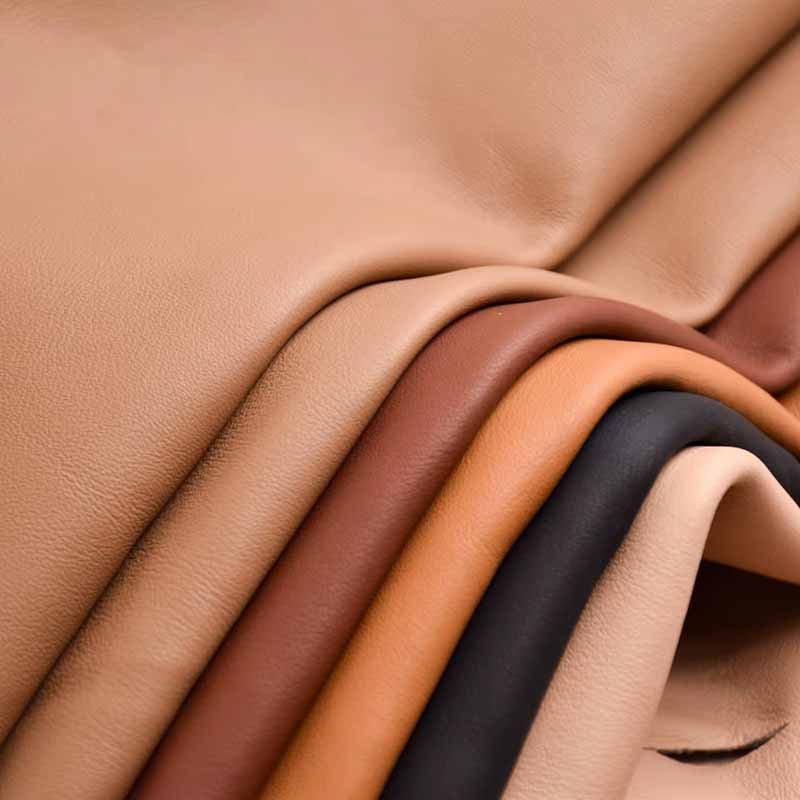
Bonded leather is one of those materials that looks luxurious at first glance—smooth surface, consistent grain, attractive price. But any brand owner, buyer, or consumer who has ever watched a “leather” wallet begin peeling within months knows the truth: bonded leather lives in the gray zone between real leather and synthetics. And as global demand grows for affordable leather alternatives, one question is becoming more important than ever—how long does bonded leather really last, and is it worth choosing for your product line?
Bonded leather usually lasts 6 months to 3 years, depending on its composition, coating quality, usage, and care. Because it is made from shredded leather fibers mixed with polyurethane binders, it peels and cracks far faster than genuine or PU leather. While bonded leather can be cost‑effective for low‑wear items, it is not designed for long-term durability.
What makes this question even more fascinating is how unpredictable bonded leather can be. Two items made from “the same” bonded leather may age completely differently based on heat, humidity, friction, and even the user’s habits. Some brands choose bonded leather because of cost; others avoid it entirely because of customer-return risks.
Imagine a customer writing to your brand six months after purchasing a “leather” bag—only to report that the strap surface is flaking off in thin strips. Or consider another buyer whose bonded leather notebook cover stayed intact for years simply because it was rarely exposed to sunlight. The material’s behavior isn’t random—it’s dictated by structure, chemistry, and manufacturing choices.
To help you understand bonded leather’s true lifespan, this guide breaks down what it is, how it’s made, why it fails, how to prevent peeling, and how it compares to PU, faux leather, and genuine leather. Whether you’re a brand sourcing materials or a buyer wanting transparency, this is the clarity you need before choosing bonded leather.
What Is Bonded Leather?
Bonded leather is one of the most misunderstood materials in the leather goods market. It is often marketed with words like “genuine,” “reconstituted,” or “leather blend,” which leads many consumers—and even some brands—to assume it performs like true leather. In reality, bonded leather sits at the very bottom of the leather hierarchy because of how it is engineered, how little natural leather it contains, and how it behaves under wear. To understand bonded leather’s lifespan, you must first understand what it actually is and how it is made.
Bonded leather is a composite material made by shredding leftover leather scraps, mixing them with polyurethane or latex binders, pressing the mixture onto a fabric backing, and coating it with a PU top layer embossed with a leather-like grain. While it contains 10–30% real leather fibers, it does not perform like genuine leather. It is considered the lowest leather grade and is prone to peeling and cracking over time.
What Bonded Leather Is Made Of
Typical bonded leather contains:
| Component | Percentage | Function |
|---|---|---|
| Leather fibers | 10–30% | Adds “real leather” content for marketing appeal |
| PU or latex adhesives | 50–70% | Binds fibers together into a sheet |
| Fabric or paper backing | 10–20% | Provides structure and stability |
| PU topcoat | Thin surface layer | Adds color, durability, grain texture |
This structure is not the fibrous interlocking collagen network found in natural leather, which is why bonded leather cannot stretch, mold, or age gracefully.
How Bonded Leather Is Manufactured (Step-by-Step)
- Collecting Scraps: Factories gather leftover hide fibers from cutting tables.
- Grinding Process: Scraps are pulverized into small fibers.
- Blending: Fibers are mixed with polyurethane or latex to form a slurry.
- Sheet Pressing: The mixture is spread onto a backing cloth and pressed at high temperature.
- Surface Coating: A PU layer is added for color and protection.
- Embossing: A leather-like grain texture is pressed into the surface.
- Finishing: Sheets are trimmed, dyed, and cut for production.
The production is efficient and cost-effective—but fundamentally cannot replicate natural leather’s performance.
Is Bonded Leather Real Leather?
The answer is yes and no:
- Yes: It contains real leather fibers.
- No: It does not behave like leather—doesn’t patina, doesn’t breathe, doesn’t stretch naturally, and peels easily.
Some countries allow manufacturers to label bonded leather as “genuine leather,” but this is a marketing loophole rather than a reflection of quality.
Where Bonded Leather Sits Among Leather Grades
The five primary leather grades are:
- Full-grain – highest quality
- Top-grain
- Genuine leather (corrected grain)
- Split leather
- Bonded leather – lowest grade
Bonded leather is the least durable and offers the shortest lifespan.
Why Bonded Leather Looks Good but Fails Quickly
The PU top layer is what makes bonded leather visually appealing, but this same layer is also its biggest weakness:
- It cracks under friction
- It peels when heat or moisture weakens the adhesive
- It cannot be restored once damaged
- It does not develop patina or softness like real leather
This explains why many bonded leather items look perfect on day one—but deteriorate rapidly under normal use.
Bonded Leather vs Fake Leather vs Real Leather
Bonded leather behaves most similarly to PU leather, but with less durability because synthetic fibers are stronger and more flexible than pulverized leather fibers.
Durability (shortest → longest) Bonded leather → PU leather → Microfiber leather → Genuine leather → Full-grain leather
Why Manufacturers Use Bonded Leather
Despite its weaknesses, bonded leather remains widely used because:
- It is very inexpensive
- It can mimic the look of real leather
- It supports waste reduction
- It is available in huge quantities
- It allows brands to offer “leather products” at low retail prices
However, its short lifespan often results in higher return rates—something brands must consider seriously.
What Is the Lowest Quality Leather Called?
Bonded leather is widely considered the lowest quality “leather-like” material. Split leather or reconstituted leather ranks above it but still below genuine leather.
What Is the Most Common Fake Leather?
PU leather (polyurethane leather) and PVC leather are the most common synthetic leathers. Both outperform bonded leather in durability and resistance to peeling. Microfiber leather is currently the highest-quality synthetic option.
How Durable Is Bonded Leather Compared to Genuine Leather?
Bonded leather is often chosen because it looks like leather and costs far less—but when durability becomes the priority, it performs dramatically differently from genuine leather. Understanding the durability gap is crucial for brands, retailers, and consumers who need to make informed decisions about product longevity, returns, and customer satisfaction.
Bonded leather is significantly less durable than genuine leather, typically lasting 6 months to 3 years, while genuine leather lasts 10–30 years or more. Bonded leather peels and cracks because it is made from leather fibers mixed with polyurethane, not a full hide. Genuine leather has a natural collagen structure that resists wear, flexes with use, and ages gracefully, giving it far longer lifespan and stability.
Structural Differences Directly Affect Lifespan
Genuine leather is cut from a continuous hide containing interwoven collagen fibers. This natural fiber network gives real leather its well-known strength, flexibility, and ability to withstand decades of use.
Bonded leather, on the other hand:
- Contains fragmented leather fibers
- Uses synthetic adhesives to bind them
- Has a thin PU topcoat that provides color and texture
- Lacks the structural integrity of natural hide
This means:
- It cannot tolerate repeated flexing
- It cannot stretch and recover
- It cannot develop patina
- It fails where the PU topcoat meets the fiber layer
Because the layers are glued rather than naturally connected, peeling is a built-in weakness—not an accident.
Lifespan Comparison in Real-World Products
Different product categories show different lifespans, but the gap is consistent:
Bonded Leather
| Product Type | Typical Lifespan |
|---|---|
| Wallets | 6–18 months |
| Belts | 6–12 months |
| Office chairs | 1–2 years |
| Sofas | 1–3 years |
| Bags | 1–2 years |
| Journals / notebooks | 2–4 years |
Genuine Leather
| Product Type | Typical Lifespan |
|---|---|
| Wallets | 5–20 years |
| Belts | 10–20 years |
| Sofas | 10–30+ years |
| Bags | 10–25 years |
| Shoes | 5–15 years |
| Leather boxes | 10–30+ years |
The difference is drastic—bonded leather rarely survives more than a few years, even with light use.
Why Bonded Leather Peels While Genuine Leather Doesn’t
Bonded leather’s biggest failure point is its PU topcoat. This coating is responsible for most peeling and cracking issues because:
- Heat softens and breaks the adhesive
- Humidity swells the fiber layer
- Friction weakens the surface
- UV exposure dries and cracks the topcoat
- Sweat and body oils degrade the PU finish
Once peeling begins:
- It spreads rapidly
- It cannot be repaired
- The product becomes unusable
Genuine leather, even when dried or scratched, does not peel; it simply develops natural wear that adds character.
Durability Under Heat, Sweat, and Humidity
Bonded leather is extremely sensitive to environmental conditions:
Heat
Softens the PU layer → accelerates cracking
Humidity
Causes delamination → peeling begins
Sweat and Body Oils
Break down adhesives → top layer lifts
Friction
Weakens the grain → topcoat shreds
In contrast, genuine leather thrives under these conditions, softening and shaping itself to the user.
Durability When Used in Bags, Wallets, and Accessories
Bonded Leather
- Works only for low-use fashion items
- In high-friction zones (edges, straps, corners), failure happens fast
- Does not handle stretching, stuffing, or weight well
Genuine Leather
- Ideal for long-term, daily-intensive products
- Becomes more flexible and comfortable over time
- Maintains structural integrity even after years of stress
This is why luxury brands never use bonded leather for core products.
What Factors Determine How Long Bonded Leather Will Last?
Bonded leather’s lifespan doesn’t come down to luck—it’s shaped by a combination of material composition, production quality, usage patterns, environmental exposure, and maintenance. While bonded leather is known for its affordability, it is equally known for its unpredictable durability. Two bonded leather bags made in different factories—even with similar prices—may age completely differently. Understanding the factors that influence its performance helps brands choose the right applications and avoid customer dissatisfaction.
Bonded leather durability depends on factors like the percentage of leather fibers, adhesive strength, PU topcoat thickness, backing material, product design, friction exposure, climate, and maintenance. Higher synthetic content and weaker adhesives shorten the lifespan, while high-quality PU coatings and gentle use can slightly extend it. However, bonded leather generally lasts only 6 months to 3 years regardless of care.
Leather Fiber Content Percentage (Quality of Raw Material)
Bonded leather may contain anywhere between 5% and 30% real leather fibers. This percentage directly influences:
- Flexibility
- Breathability
- Resistance to cracking
Higher leather content creates a more flexible sheet and slows down topcoat delamination. But even at 30% leather content, bonded leather does not come close to genuine leather’s durability.
Low-grade bonded leather (5–10% leather fibers) is the type that typically peels within months, especially on furniture cushions and bag straps.
Adhesives and Resin Binders
The majority of bonded leather’s structure is held together by adhesives. The quality of adhesive used has more impact on lifespan than fiber content.
Weak adhesives cause:
- Early peeling
- Faster cracking
- Sensitivity to humidity
- Surface bubbling
High-quality adhesives offer:
- Better bonding between layers
- Improved resistance to heat
- Slightly longer lifespan (up to 2–3 years)
However, no adhesive lasts like natural collagen fibers. Over time, adhesives always weaken.
PU Topcoat Thickness and Quality
The PU top layer is what gives bonded leather its color, shine, and “leather-like” appearance. It is also the first layer to fail.
Thin topcoats (common in low-cost goods):
- Peel earlier
- Crack easily
- Fade quickly
- Feel plasticky
Thicker topcoats (mid-grade bonded leather):
- Look more realistic
- Provide better resistance against daily wear
- Delay peeling, but cannot prevent it entirely
A well-applied PU topcoat might extend lifespan by 6–12 months, but peeling remains inevitable.
Backing Materials
Bonded leather is usually pressed onto a backing such as:
- Polyester fabric
- Cotton fabric
- Paper backing
- Mixed textile scrims
Better backings = more durability
A strong textile backing can preserve shape and minimize stretching even when the surface starts to degrade.
Paper backings = worst durability
Cheap notebooks, belts, and budget wallets often use paper backing, which collapses quickly and accelerates cracking.
Product Type & Usage Intensity
Some bonded leather products naturally last longer because they face less friction, pressure, or stretching.
Shortest lifespan items:
- Belts (high friction, constant bending)
- Furniture cushions (heat + body weight)
- Bag straps (stretch + shoulder pressure)
Moderate lifespan items:
- Wallets (pockets cause friction but low stretch)
- Office organizers
- Menu covers
Longest lifespan items:
- Journals
- Decorative items
- Packaging boxes
In other words, the more movement, heat, and weight the product handles, the faster bonded leather breaks down.
Environment & Climate (Heat, Moisture & UV Exposure)
Bonded leather is extremely sensitive to environmental factors:
Heat
Softens adhesives and causes early delamination.
Humidity
Swells leather fibers and weakens PU adhesion.
Sweat & Body Oils
Break down PU topcoat and cause bubbling.
UV Exposure
Dries the topcoat and causes cracking.
This is why bonded leather sofas in tropical regions often last only 6–12 months before peeling.
Maintenance & Cleaning Habits
Maintenance cannot prevent peeling, but it can sometimes delay it.
Good habits include:
- Keeping away from direct sunlight
- Avoiding alcohol-based cleaners
- Using PU-friendly conditioners
- Storing in cool environments
Bad habits accelerate damage:
- Cleaning with harsh chemicals
- Over-conditioning with oily products
- Leaving items in hot cars
- Exposing to sweat or friction for long periods
Still, even the best care does not make bonded leather last longer than a few years.
Which Uses Are Suitable (or Unsuitable) for Bonded Leather?
Bonded leather is suitable for low-wear items such as journals, packaging, decorative pieces, and occasional-use accessories, but it is unsuitable for high-friction, high-stress products like belts, handbags, furniture upholstery, and daily-use items. Because bonded leather cracks and peels under heat, sweat, and movement, brands must choose applications carefully. For any product requiring durability, PU leather, microfiber leather, or genuine leather are far better options.
Bonded leather’s performance varies dramatically depending on how the product is used. Unlike full-grain or top-grain leather—which naturally strengthen, stretch, and adapt over time—bonded leather has limited flexibility and relies heavily on adhesives. For this reason, usage intensity is the single biggest predictor of how long bonded leather will last.
Let’s break down the ideal and non-ideal applications one by one.
Best Use Cases for Bonded Leather
Bonded leather can be cost-effective when used in items where friction, bending, or heat exposure are minimal.
1. Notebooks, Journals, and Planner Covers
These items involve:
- Little stretching
- Minimal hand oils exposure
- No body-weight pressure
- Almost no friction
This makes them arguably the best use for bonded leather. A bonded leather notebook can last 3–5 years without visible peeling.
2. Decorative Boxes and Packaging
Luxury packaging often uses bonded leather because:
- It looks premium
- It holds embossing well
- It is inexpensive
- Longevity isn’t critical
Gift boxes, jewelry boxes, and cosmetic cases can maintain appearance for many years if rarely touched.
3. Display Items or Light-Use Accessories
Examples:
- Decorative trays
- Photo frames
- Menu covers in low-traffic environments
In these cases, limited handling prevents topcoat damage.
4. Fashion Elements Not Exposed to Stress
Bonded leather can be used for bag trims or embellishments where no real weight or bending occurs.
Moderate Suitability
1. Wallets (Light to Moderate Use)
Wallets stored in bags and handled gently may last up to 1–2 years. But pants-pocket wallets peel quickly due to:
- Sweat
- Friction
- Heat
- Constant bending
2. Portfolio Folders, Office Accessories, and Organizers
Office environments are generally gentle. Bonded leather can work well for:
- Business portfolios
- Desk mats
- Document organizers
But if these items face frequent flexing or heat exposure, peeling risk increases.
Worst Use Cases for Bonded Leather
These categories cause bonded leather to fail the fastest.
1. Belts
Belts require:
- Constant bending
- Pulling
- Tightening
- Sweat exposure
Bonded leather belts frequently crack within 6–12 months, making them a high-return risk for brands.
2. Handbags and Daily-Use Bags
Why bonded leather fails quickly:
- Straps stretch the material
- Corners rub against clothing
- Body heat and sweat soften the PU layer
- Heavy items deform structure
Even with gentle use, bonded leather bags rarely last longer than 1–2 years.
3. Furniture Upholstery (Sofas, Recliners, Office Chairs)
This is the most problematic category.
Reasons:
- Body heat + sweat
- High-pressure contact
- Constant movement
- UV exposure
- Large surface area
Bonded leather sofas often peel within 12–24 months, especially in humid climates.
4. Footwear or Tool Holders
These items require extreme durability—bonded leather simply cannot withstand the stress.
Why Bonded Leather Fails in Heavy-Use Scenarios
Bonded leather has structural limitations:
- Adhesives weaken under heat
- PU topcoat cracks under friction
- Fiber sheet lacks elasticity
- Backing materials tear easily
- Cannot regenerate or patina like real leather
These weaknesses make high-use applications unsuitable, even if the surface initially looks premium.
How Brands Should Position Bonded Leather Products
If your brand plans to use bonded leather, strategic positioning is essential.
When it works:
- Budget-friendly products
- Aesthetic-driven items
- Non-durable fashion items
- Promotional goods
- Fast retail turnover environments
Must-do communication points:
- Clearly set customer expectations
- Avoid labeling it “high durability”
- Provide care instructions
- Do not position it as premium leather
When to avoid bonded leather completely:
- Any product intended for >1 year lifespan
- Products exposed to friction, sweat, or bending
- Premium or luxury-lifestyle products
In these cases, PU, microfiber leather, or genuine leather protect your brand reputation far better.
How Do You Maintain Bonded Leather to Slow Peeling?
① Clean & Care Properly: Maintain the PU Topcoat Without Damaging It
Most peeling begins at the surface where the PU topcoat meets the bonded leather fiber layers. The wrong cleaner or too much moisture can accelerate this separation. Homeowners and brands should follow gentle, PU-safe cleaning routines to prevent premature breakdown.
Use Only Mild, Non-Alcohol Cleaners
Bonded leather should be cleaned using:
- A slightly damp microfiber cloth
- A diluted mild soap solution (very small amount)
- PU-safe leather cleaners
- Non-oily conditioners designed for synthetic materials
Avoid:
- Alcohol wipes
- Leather oil or cream (these are for real leather, not bonded)
- Strong detergents
- Excessive water
These substances dissolve the adhesive and weaken the top layer, leading to bubbling and cracking.
Frequency Matters
- Light-use items: Clean every 2–3 weeks
- High-use items (chairs, wallets): Clean weekly
Cleaning removes sweat, salt, and dust that accelerate degradation.
Drying Is Critical
Never heat-dry the surface. Always air-dry naturally. Heat = adhesive failure.
② Control the Environment: Heat, Humidity, Sweat & UV Are Bonded Leather’s Biggest Enemies
Bonded leather is extremely sensitive to environmental factors. Even well-made bonded leather will peel quickly if exposed to the wrong conditions. The key is minimizing adhesive stress.
Avoid Direct Sunlight
UV rays break down the PU topcoat and cause:
- Color fading
- Surface cracking
- Loss of flexibility
For furniture: Place near indirect light, use curtains, or add sun-protection film to windows.
For bags or accessories: Never store in hot cars or sunny windows.
Minimize Heat & Humidity Exposure
Moisture causes fiber swelling, leading to delamination. Heat softens adhesives.
Avoid:
- Leaving bonded leather in cars during summer
- Storing products in damp basements
- Using heaters or blow-dryers anywhere near the surface
Ideal environment:
- 18°C–26°C (64°F–79°F)
- 40%–60% humidity
Sweat & Body Oils = Guaranteed Peeling
Sweat contains salt and acid that erode PU coatings.
Tips:
- For chairs: use breathable covers
- For belts and handbags: rotate usage
- For wallets: avoid pocket storage in hot climates
Controlling contact with sweat is often the #1 factor in slowing peeling.
③ Improve Usage Habits: Reduce Friction, Bending & Pressure on Vulnerable Areas
Bonded leather fails fastest in areas experiencing repeated friction, bending, stretching, and weight pressure. Many peeling cases come from daily habits rather than material defects.
Reduce Bending Stress
Avoid extreme folding or bending—bonded leather cannot stretch naturally. Examples:
- Do not overstuff wallets
- Avoid folding notebooks back on themselves
- Do not overload bonded leather bags
Minimize Friction
Friction damages the PU surface and reveals the fiber layer.
Avoid:
- Bag straps rubbing against clothing
- Shoes or belts made from bonded leather (high failure risk)
- Sliding across bonded leather chairs with textured clothing
Handle With Rotational Use
Rotate bonded leather items to reduce concentrated wear.
Example routine:
- Alternate between two belts weekly
- Rotate handbags every few days
- Use slipcovers for furniture during hot seasons
Store Properly When Not in Use
Correct storage helps maintain flexibility.
Do:
- Keep in breathable dust bags
- Add silica gel for humidity control
- Store with internal fillers to retain shape
Don’t:
- Store in sealed plastic bags
- Leave products compressed under other items
- Hang heavy handbags for long periods (pulls on straps)
Conclusion
Bonded leather can be a budget-friendly option—but only when its limitations are understood. If you’re building a brand that prioritizes durability, customer satisfaction, and long-term performance, choosing the right leather grade is essential. With 18+ years of leather product manufacturing experience, Szoneier Leather helps global brands make smarter material decisions, develop prototypes quickly, and produce leather bags, accessories, and small goods with consistent quality.
Whether you’re exploring bonded leather, PU leather, microfiber, or genuine leather, our team can guide you to the best option for your market.
Message Szoneier today to get expert recommendations, samples, and a customized quotation for your next leather collection.
What Can I Do For You?
Here, developing your OEM/ODM private label leather goods collection is no longer a challenge,it’s an excellent opportunity to bring your creative vision to life.
Make A Sample First?
If you have your own tech packs, logo design artwork, or just an idea,please provide details about your project requirements, including preferred fabric, color, and customization options,we’re excited to assist you in bringing your leather goods designs to life through our sample production process.