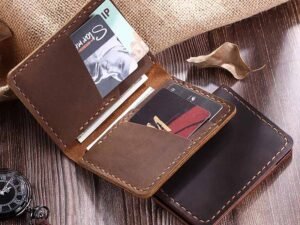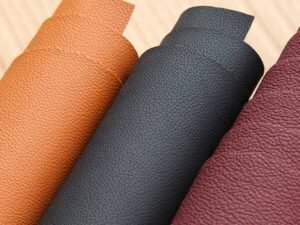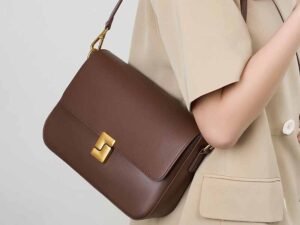
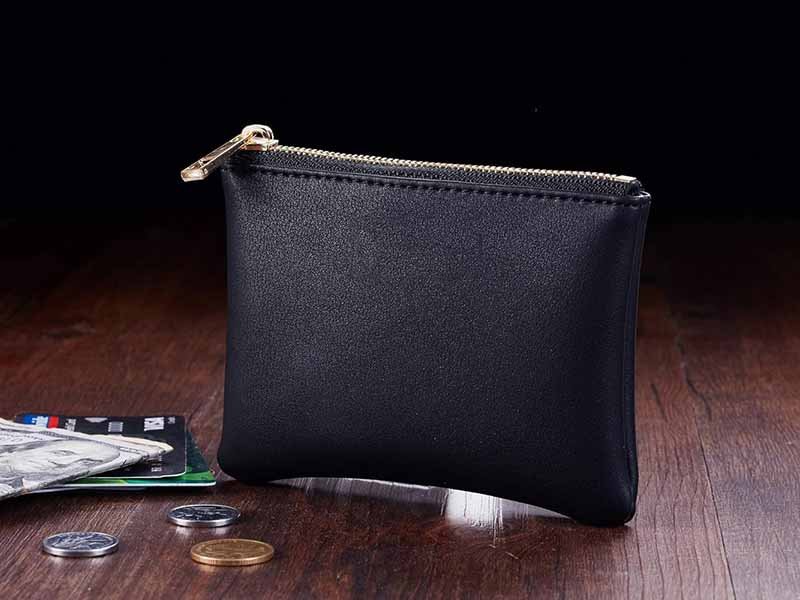
It begins with a question you didn’t know you needed to ask: What makes a leather pouch truly memorable? Is it the buttery-soft texture, the sharp edge paint, the solid YKK zipper pull that glides like a luxury car door — or the quiet confidence it lends when your customer holds it for the first time?
In today’s saturated market, small leather goods are no longer just accessories — they’re branding vessels. Whether it’s a custom cosmetic pouch for a beauty brand, a tech cable organizer for a startup, or a limited-edition collector sleeve, a leather pouch can deliver emotional value far beyond its size. The difference lies in how it’s made.
To create a standout leather pouch, brand owners must select the right leather weight and hardware, avoid beginner-level sewing mistakes, optimize for function and branding, and work with an experienced OEM manufacturer like Szoneier to control quality, lead time, and customization.
But here’s the problem: most guides only skim the surface. They’ll show you a DIY wallet tutorial or a leather cutting demo — but not the real journey from idea to sample to scalable production. In this guide, we take you behind the scenes of leather pouch manufacturing with the precision, mindset, and systems used by professional OEM/ODM suppliers. Whether you’re a startup brand or an established label, this is how you build a product that speaks volumes — stitch by stitch.
Let’s open the pouch and unpack everything inside.
What Is a Leather Pouch?
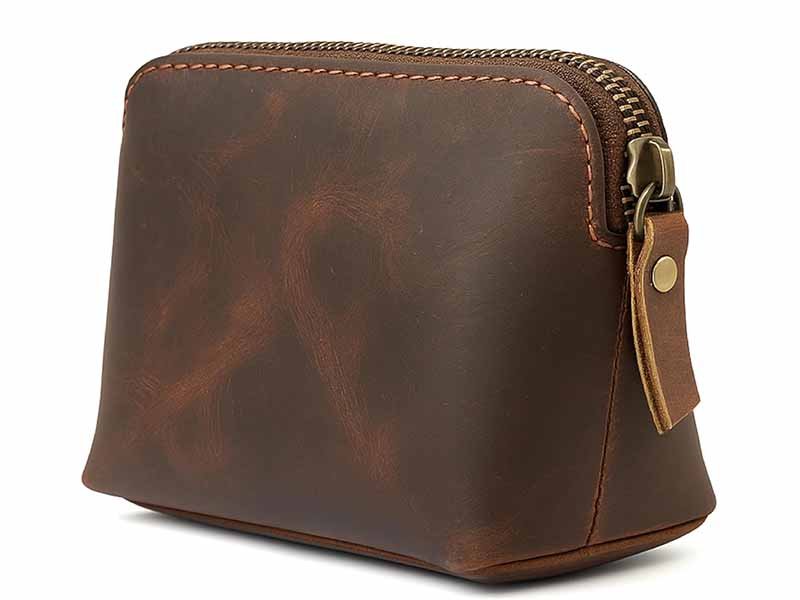
A leather pouch is a compact container made from genuine or synthetic leather, used for organizing, protecting, or presenting small items. It offers brands a perfect blend of function, luxury, and customization potential — making it an ideal choice for fashion, tech, gifting, and lifestyle sectors.
More Than Just a Pouch — It’s Brand Packaging, Utility, and Emotion
At first glance, a leather pouch may seem like a simple product — a small bag with a zipper or snap, designed to hold loose items like cosmetics, coins, cables, or cards. But for a growing number of fashion and lifestyle brands, the leather pouch plays a multifunctional role:
- As a Product: It can be sold standalone as a luxury good (e.g., toiletry pouches, tech organizers).
- As Packaging: It elevates perceived value when used to wrap high-end jewelry, cosmetics, or tools.
- As a Gift: Custom-branded pouches make ideal promo items or retail giveaways.
- As a Brand Statement: A well-crafted leather pouch speaks volumes about a brand’s commitment to quality.
This multifunctionality is why brands—from startups to heritage houses—now integrate pouches into product lines, PR boxes, subscription kits, or packaging strategies.
Why Leather?
While fabric, nylon, or PU are often cheaper options, real leather brings unmatched advantages:
| Feature | Leather | Fabric/Nylon |
|---|---|---|
| Durability | Long-lasting, scuff-resistant | May fray or stretch |
| Feel | Luxurious, supple, textured | Often flat or rough |
| Aging | Patina improves over time | Looks worn or faded |
| Perceived Value | Premium, artisanal | Basic, industrial |
| Customizability | Emboss, foil-stamp, burnish | Limited or harder to manipulate |
A leather pouch isn’t just a container — it’s a sensory product. It smells rich, feels solid, and ages beautifully. In fact, studies in consumer packaging psychology have shown that products with premium-feeling packaging (like leather pouches) are perceived to be 40% more valuable, even when the internal product is unchanged.
Types of Leather Pouches in the Market
Depending on function and brand image, leather pouches can vary widely in design and construction:
| Pouch Type | Description | Common Use |
|---|---|---|
| Flat Zipper Pouch | Minimalist, soft-sided | Makeup, travel documents |
| Box Pouch | Structured with gussets | Toiletries, tech accessories |
| Drawstring Pouch | No zippers, quick access | Jewelry, luxury packaging |
| Snap-Button Pouch | Fold-over flap + snap | Coin or card wallets |
| Organizer Roll | Wrap-around layout with slots | Tools, makeup brushes, pens |
Each type can be fully customized with different stitching, linings, logos, and hardware to fit the brand’s aesthetic.
Who Uses Leather Pouches ?
Leather pouches are found across multiple industries. Here are just a few examples:
| Industry | Typical Application |
|---|---|
| Fashion & Apparel | GWP (gift with purchase), packaging for accessories |
| Cosmetics & Beauty | Branded pouch for skincare kits or makeup brushes |
| Consumer Electronics | Organizer pouch for cables, chargers, or earphones |
| Corporate Gifts | Embossed logo pouches for events or holiday gifts |
| Luxury Goods | Packaging for watches, bracelets, perfumes |
| Travel & Lifestyle | Passport or toiletry kits in leather or vegan leather |
Popular Types of Leather Purses
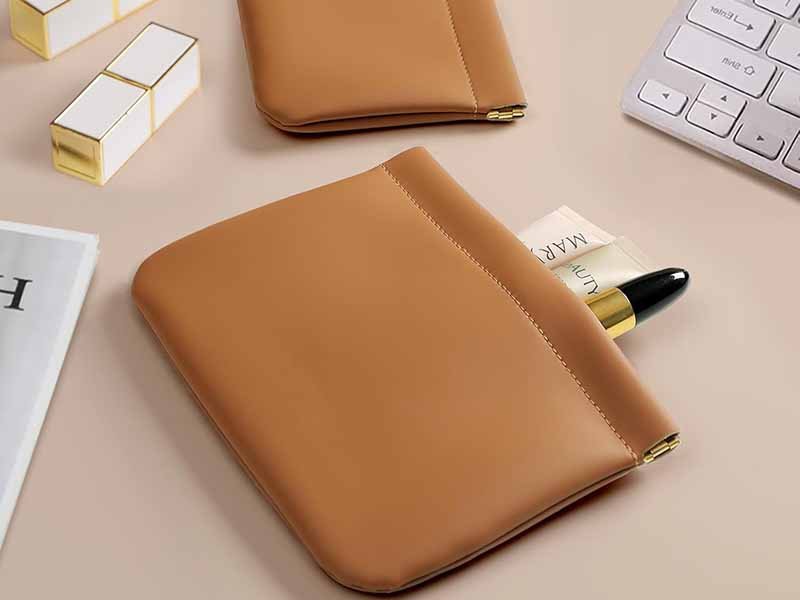
Here’s a list of popular types of leather purses, categorized by style and function – each widely recognized in both fashion and utility markets. This can help quide your product development orpurchasing decisions.
1. Tote Leather Purse
The leather tote purse is a wardrobe staple. With its large open compartment, dual shoulder straps, and minimal closures, it’s designed for daily utility. Brands often choose it as their hero item due to its universal appeal and high customer retention.
Structure & Features:
- Open or zip-top design
- Rectangular or trapezoid shape
- Reinforced base for support
- Optional inner zipper pockets or detachable pouch
Ideal For:
- Urban professionals, students, moms, travelers
- Brands targeting the workwear, casual luxury, or commuter segment
Why It’s Popular:
- Carries laptops, books, makeup kits — even groceries
- Works with both casual outfits and business attire
- Serves as a canvas for brand storytelling (embossed logos, custom linings)
2. Clutch Leather Purse
The leather clutch is the epitome of minimalist elegance. Typically used for evening events or formal settings, clutches offer just enough space for essentials like cards, phones, and lipstick — all wrapped in luxurious materials.
Structure & Features:
- No straps or handles
- Envelope flap, zip, or magnetic closure
- May include wristlet loop or hidden chain strap
Ideal For:
- Eveningwear, bridesmaid gifts, upscale packaging, luxury GWP
- Women aged 25–55 seeking sophistication in compact form
Why It’s Popular:
- Perfect for events, dinners, and weddings
- Lightweight and easy to carry
- Premium leather elevates the look of even simple outfits
3. Crossbody Leather Purse
A crossbody leather purse is the ultimate hands-free urban companion. With its long adjustable strap and medium-size build, it blends convenience with clean aesthetics — making it a favorite for daily errands or weekend outings.
Structure & Features:
- Long strap (adjustable or fixed)
- Zipper or flap closure
- Rounded, square, or saddlebag shapes
- May include front slip pockets or back zippers
Ideal For:
- Commuters, students, tourists, Gen Z & Millennials
- Brands targeting mid-range fashion or utility categories
Why It’s Popular:
- Keeps hands free while walking or shopping
- Secure, close-to-body wear for theft prevention
- Works across fashion styles — minimalist, boho, or sporty
4. Structured Satchel Leather Purse
A satchel is where fashion meets business. Typically boxy with a flap front and top handle, this purse type conveys structure, organization, and authority — ideal for customers who need style and function in one.
Structure & Features:
- Flap closure (often magnetic or with buckle)
- Top handle + optional crossbody strap
- Multiple compartments inside
- Rigid or semi-rigid construction
Ideal For:
- Office professionals, fashion-conscious executives
- Heritage or premium handbag brands
Why It’s Popular:
- Holds daily office essentials without being bulky
- Luxurious presence without sacrificing structure
- Appeals to buyers who love timeless silhouettes
5. Wristlet Leather Purse
A wristlet is essentially a small clutch with an attached wrist strap, allowing it to be carried securely. It fits the gap between a wallet and a handbag, making it ideal for quick errands or add-on gifting.
Structure & Features:
- Compact, rectangular or rounded
- Zipper top with side wrist loop
- Fits phone, keys, cards
Ideal For:
- Gifting programs, event merch, cosmetics promotions
- Young adults, moms, minimalist buyers
Why It’s Popular:
- Lightweight and functional
- Can be used alone or inside larger bags
- Affordable entry point into leather product range
6. Travel Organizer Leather Purse
Often flat and zippered, travel organizers are designed to hold boarding passes, passports, cards, SIM tools, and even pens — in an elegant, leather-clad format.
Structure & Features:
- Bi-fold or tri-fold body
- Multiple internal slots
- Full zip-around closure or snap flap
- Pen loop or SIM card slot
Ideal For:
- Business travelers, digital nomads, luxury airlines
- Premium brands offering travel accessories
Why It’s Popular:
- Professional alternative to fabric passport wallets
- Perfect gifting product with high perceived value
- Can double as a clutch in a pinch
7. Coin Pouch / Cardholder Purse
Tiny but mighty, the leather coin pouch or cardholder is often used as an entry-level item or upsell. With zipper or snap closures, these pouches are extremely popular for both practical use and branding purposes.
Structure & Features:
- Fits in palm or pocket
- May include keyring, pull loop
- Can be single-compartment or with card slots
Ideal For:
- Retail checkout counters, gift shops, subscription boxes
- Brands looking to test leather products with low MOQ
Why It’s Popular:
- Fast-selling, low-risk inventory
- High volume giveaway or promotional item
- Easy to personalize with initials, logos, foil stamping
8. Envelope Leather Purse
The envelope-style purse is defined by its slim body and triangular flap, mimicking the shape of a paper envelope. Elegant yet functional, it suits events, weddings, or minimalist buyers.
Structure & Features:
- Flap front with hidden magnetic or snap closure
- No gusset or a slim fold
- Ideal for documents, phones, or flat items
Ideal For:
- Fashion events, PR kits, ceremony gifting
- Brands looking for packaging that doubles as a product
Why It’s Popular:
- Elegant lines, easy to carry
- Doubles as document or tablet case in larger sizes
- Easy to customize and cost-effective to produce
9. Bucket Leather Purse
The bucket bag blends bohemian charm with roomy function. Its relaxed silhouette and drawstring closure make it an ideal canvas for brands wanting style with comfort.
Structure & Features:
- Cylindrical body
- Drawstring top
- One or two inner pockets
- Flat base to stand upright
Ideal For:
- Resort collections, coastal fashion, Gen Z
- Brands focused on easygoing lifestyle
Why It’s Popular:
- Soft slouchy shape is trendy and comfortable
- Leather elevates what is often a casual design
- Works well in seasonal colors or limited editions
Which Materials and Components Are Needed?
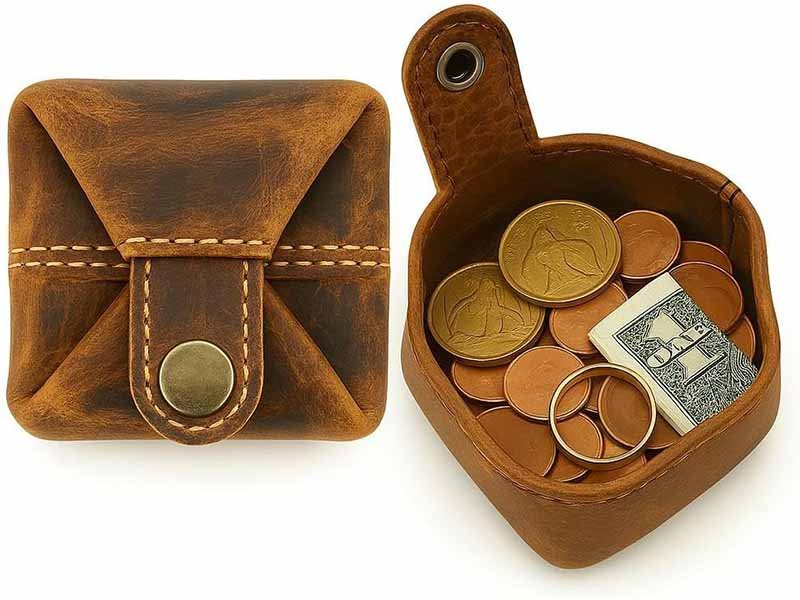
Whether you’re creating a high-end tech organizer or a minimalist coin pouch, selecting the right materials and components will make or break the final product. At Szoneier Leather, we often tell our clients: “The way a pouch feels in hand is 70% material, 30% workmanship.”
Let’s break it all down — leather first.
1. Choosing the Right Leather
Leather is the soul of your pouch. Its grain, texture, thickness, and finish directly impact touch, durability, and luxury perception.
| Leather Type | Features | Typical Use | Price Impact |
|---|---|---|---|
| Full-Grain | Natural, uncorrected surface with full strength | Luxury pouches, visible grain designs | High |
| Top-Grain | Slightly sanded and finished | Mid-to-high-end brands | Medium |
| Split Leather | Lower layers of the hide | Budget-friendly pouches | Low |
| Veg-Tan Leather | Plant-based tanned, great for embossing & patina | Rustic, artisanal styles | Medium–High |
| Chrome-Tan Leather | Soft, vibrant colors, flexible | Fashion pouches, everyday use | Medium |
Did you know? 3–4 oz leather is about 1.2–1.6 mm thick — ideal for pouches. It’s thick enough to hold shape, yet thin enough to stitch and fold cleanly.
2. Hardware & Fasteners
Small parts, big impact. Zippers, buttons, and D-rings may seem minor, but poor choices here can ruin usability or aesthetics.
| Component | Options | Recommendation |
|---|---|---|
| Zipper | Metal (YKK, SBS), Nylon coil, Waterproof TPU | YKK metal zipper with leather pull tab for premium feel |
| Closure | Snap buttons, Magnetic clasps, Velcro | Magnetic snap for sleek, modern styles |
| Rings | D-ring, O-ring, Swivel hook | D-ring for wristlet pouches or belt attachment |
| Pull Tabs | Leather, metal, canvas | Leather matches body, gives luxury feel |
Tip: Always specify zipper tape color, teeth finish (silver, gold, gunmetal), and stitching detail to maintain brand uniformity across SKUs.
3. Stitching Material & Thread Type
This is the detail most end-users don’t notice — until it fails.
- Nylon Thread: Ideal for most pouches. Strong, flexible, and weather-resistant.
- Polyester Thread: Slightly stiffer but UV-resistant.
- Waxed Thread: Great for hand-sewn artisanal styles. Bold visual impact.
Thread thickness depends on stitch style. For example:
- Standard machine stitch: 0.5 mm thread (for smooth lines)
- Decorative saddle stitch: 0.8–1 mm waxed thread
Common mistake: Using cotton thread on leather — it absorbs moisture and breaks faster. Always go synthetic.
4. Lining Material (Optional but Powerful)
Inner linings enhance structure and reinforce branding.
| Lining Type | Features | Use Case |
|---|---|---|
| Microfiber | Soft, luxurious, suede-like | Jewelry, tech pouches |
| PU-Coated Nylon | Wipeable, water-resistant | Makeup or toiletry pouches |
| Canvas or Cotton | Natural, tactile | Eco-brands, rustic style |
| No Lining | Raw leather back is visible | Minimalist styles, veg-tan looks |
5. Logo Application Methods
Your logo placement and application is your identity — don’t treat it as an afterthought.
| Method | Pros | Ideal For |
|---|---|---|
| Blind Debossing | Subtle, elegant, tactile | Luxury styles |
| Foil Stamping (Gold/Silver) | High contrast, premium look | Gift sets, festive editions |
| Sewn Patch | Durable, rustic | Outdoor brands |
| Laser Engraved Metal Plate | High-end, modern | Collector’s items |
6. Packaging Components
Don’t forget the outer experience — packaging is the first physical contact with your brand.
- Drawstring Dust Bag: Usually cotton or velvet
- Branded Gift Box: Cardboard with foil logo or magnetic closure
- Tissue Wrap & Insert Card: Softens the presentation + delivers care tips
Szoneier supports fully branded packaging design and prototyping — including barcode/QR integration, eco-paper stock, and fulfillment-ready packing.
7. Additional Customization Materials (Optional)
Want to go the extra mile for branding or functionality?
- RFID Blocking Layer (for pouches used with passports/cards)
- EVA or PE Foam Padding (for tech accessory cases)
- Reflective Tapes or Color Panels (for sport/lifestyle gear)
- Fireproof / Waterproof Membranes (for specialized outdoor applications)
Material Choices by Project Type
| Pouch Use Case | Leather | Lining | Closure | Logo Method |
|---|---|---|---|---|
| Luxury Gift | Full-grain | Microfiber | Magnetic Snap | Gold foil emboss |
| Cosmetic Bag | Top-grain | Nylon PU | Zipper | Debossed logo |
| Tech Organizer | Chrome-tan | EVA + canvas | Zipper + divider | Patch with QR |
| Rustic Coin Pouch | Veg-tan | None | Snap button | Blind deboss |
How Thick is 3 to 4 oz Leather?
3–4 oz leather is about 1.2 to 1.6 mm thick, perfect for structured yet flexible pouches. It’s thick enough to hold shape, thin enough to sew efficiently.
| Weight (oz) | Thickness (mm) | Best Use |
|---|---|---|
| 2–3 oz | 0.8–1.2 mm | Lining, light coin pouch |
| 3–4 oz | 1.2–1.6 mm | All-purpose pouch |
| 5–6 oz | 2.0–2.4 mm | Tool pouches, holsters |
How to Design the Leather Pouch: From Concept to Prototype
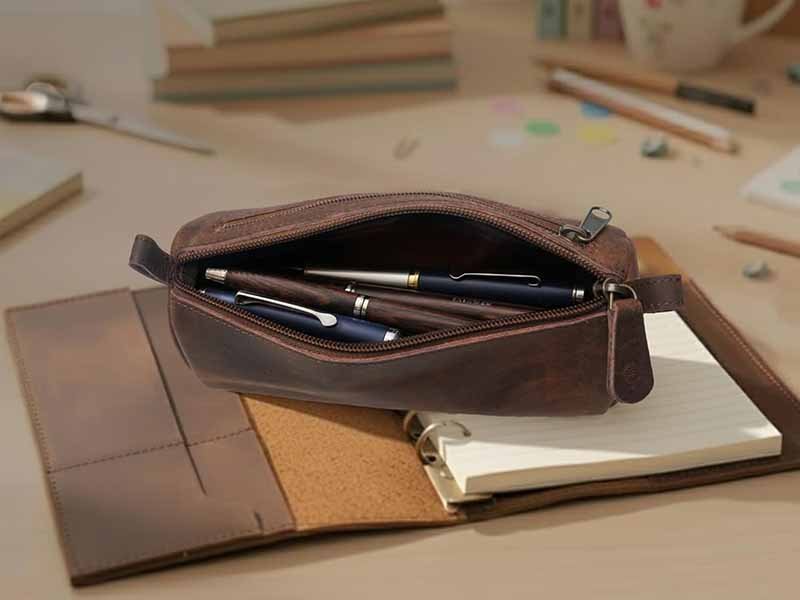
Design isn’t just about sketching something pretty — it’s about making a pouch that fits your brand, delights your customers, and can actually be produced at scale.
At Szoneier, we often tell clients: “Start with the end in mind — the usage, the hand-feel, the brand message.” Let’s walk through that design journey, step-by-step.
1. Define Function First: What Will the Pouch Hold?
Always design backward from the object.
| Use Case | Design Focus | Suggested Size |
|---|---|---|
| Lipsticks or cosmetics | Wide base for stability | 18 x 10 x 7 cm |
| Tech cables & gadgets | Compartmentalization | 22 x 12 x 6 cm |
| Coins & cards | Minimalism + security | 11 x 8 cm |
| Gift packaging | Soft, flexible | 14 x 16 cm drawstring |
Tip: Ask yourself — does it need structure or softness? Does it need to stand on a counter or fit in a pocket?
2. Decide the Structure: Flat, Boxed, Gusseted, or Rolled?
This choice defines both appearance and complexity.
| Structure | Characteristics | Pros | Cons |
|---|---|---|---|
| Flat Pouch | 2-panel, no depth | Easy to produce, cost-efficient | No volume |
| Box Pouch | 3D build with gusset | Premium feel, more storage | More stitching, higher cost |
| Envelope Pouch | Fold-over flap | Stylish, minimal hardware | Limited space |
| Roll Pouch | Slots & wrap tie | Functional, tool-like | Niche appeal |
If you’re unsure — start with a flat pouch, then iterate.
3. Choose Edge Style, Stitching & Seams
- Folded edges = Clean look, hides raw leather (ideal for luxury)
- Burnished raw edges = Rugged or artisanal
- Edge painting = Sleek & premium (common in Italian fashion)
Stitching Type Matters Too:
- Machine stitching (lockstitch): Uniform, cost-effective, faster
- Hand saddle-stitch: Bold, durable, visual — great for small runs or handmade vibes
Tip: We often produce 2 stitching samples: one machine-sewn, one hand-sewn — so clients can feel the difference.
4. What Are Common Mistakes When Designing for Leather?
Here’s where many first-time pouch designers slip up — and how to avoid it:
| Mistake | Why It’s a Problem | How to Fix |
|---|---|---|
| Stitch holes too close to the edge | Weakens seam, may rip | Leave 3–5 mm margin |
| Over-designing with too many layers | Makes pouch stiff, hard to sew | Simplify the structure |
| Ignoring leather grain direction | Warps over time | Always align grain vertically |
| Wrong thread type | Can break or look cheap | Use waxed nylon or poly |
| Mixing incompatible hardware finishes | Hurts visual harmony | Standardize hardware coating (e.g., all gold or gunmetal) |
5. Move from Sketch to Prototype: How Szoneier Helps
Once you finalize the design concept, Szoneier Leather walks you through our structured prototype process:
Step 1: Sketch or Inspiration Photo
You can provide:
- A hand-drawn sketch
- A sample pouch you like
- A reference image with notes
Don’t worry — even a basic drawing is enough for our designers to build on.
Step 2: Technical Draft + Spec Sheet
We’ll generate a 2D tech drawing with:
- Dimensions (length × width × depth)
- Panel breakdown
- Stitch placement
- Logo location
- Hardware type
- Leather spec & thickness
Step 3: Material Matching & Mockup
We’ll propose 2–3 leather swatches that fit your budget and color needs, along with:
- Zipper tape colors
- Logo application options
- Lining samples (if needed)
Step 4: Sample Production (3–5 Days)
Your first physical prototype is hand-built by our sample master — and we share:
- 360° HD photos
- Stitch close-ups
- Video of zipper opening & closing
- Logo embossing detail
Want to feel it yourself? We can ship samples via DHL/UPS express within 3–5 working days.
Step 5: Revisions & Final Sample
Based on your feedback:
- We tweak the size, logo position, stitch style, etc.
- A final sample is produced for bulk approval
Most clients finalize within 1–2 rounds, thanks to our structured feedback system.
How Does the Manufacturing Process Work?
The leather pouch manufacturing process includes six key stages: cutting, edge prep, stitching, hardware assembly, logo application, and final quality inspection. Cutting thick leather precisely and maintaining consistency across batches are critical for premium results.
Here’s what that process looks like from raw hide to ready-to-ship pouch:
1. Leather Selection & Conditioning
Once your material is chosen (e.g., 3–4 oz full-grain cowhide), hides are:
- Checked for defects: scars, stretch marks, uneven thickness.
- Conditioned: lightly moistened to improve flexibility.
- Rested flat: 12–24 hrs to stabilize for uniform cutting.
Tip: Even within the same batch, hides vary slightly in thickness. We pre-sort by weight to ensure all pouches in one order feel identical in hand.
2. Leather Cutting
This is where precision matters most — especially with thick leather.
How to Cut Thick Leather (3–5 oz)?
| Method | Tool Used | Best For |
|---|---|---|
| Manual | Utility knife + steel ruler | Small batches, custom shapes |
| Die-Cutting | Clicker press + steel mold | Mass production |
| CNC | Laser or drag knife cutter | Tight tolerances, complex layouts |
Best practice: Use dies for high-run consistency, hand-trim fine areas like zipper openings or logo insets.
Szoneier has over 800+ reusable pouch die sets — saving you mold cost if your design fits existing specs.
3. Edge Preparation
Edge finishing is a small detail — but your customers will touch it every time they use the pouch.
| Method | Description | Ideal Style |
|---|---|---|
| Burnishing | Smooths raw edges with heat/friction | Rustic or veg-tan looks |
| Folding | Leather edges are folded inward and stitched | Luxury styles |
| Edge Painting | Multiple coats of colored paint | Fashion-forward pouches |
We typically apply 3–5 layers of edge paint, sanding between coats for a flawless feel.
4. Stitching & Assembly
Assembly depends on pouch type — flat vs. boxed vs. gusseted. Most involve:
- Leather panel alignment
- Machine stitching with nylon thread
- Reinforcement at stress points (zip ends, corners)
- Lining insert (if applicable)
Stitch specs we follow:
- Stitch length: 3.5 mm (standard)
- Thread: #20 bonded nylon (YKK-matched color)
- Back-tacking at zipper ends: always double stitched
Visual Quality Tip: Even stitch spacing = perceived luxury. We reject any panel with >1.5 mm stitch deviation.
5. Hardware & Logo Application
This stage brings your branding and usability to life:
Hardware
- Zippers installed with topstitching and pull tabs
- Snaps, rivets, D-rings pressed via hydraulic rivet machine
- Magnetic clasps installed with leather backing support
Logos
- Debossing: Heat + metal stamp for a clean, sunken logo
- Foil stamping: Optional gold, silver, gunmetal finishes
- Sewn patches: Rugged or casual brands often prefer this
We test logos on scrap panels first to confirm depth and clarity — especially for small text or thin lines.
6. Final Quality Control (QC)
Every pouch goes through triple-level QA:
| Stage | What We Check | Method |
|---|---|---|
| In-Line | Stitching, alignment, component placement | Real-time at sewing tables |
| Post-Assembly | Functionality (zip/snap), surface blemishes | Manual + visual check |
| Pre-Packaging | Logo visibility, packaging integrity | Random batch testing |
We perform additional spot tests for:
- Zipper runs (must pass 100 open/close cycles)
- Snap pressure (must hold and release cleanly)
- Stitch strength (tug test at key points)
For larger orders, we offer AQL-based inspection (Acceptable Quality Limit), often requested by overseas buyers.
Packaging & Final Prep
After passing QA, pouches are:
- Brushed to remove dust
- Stuffed with filler (to maintain shape)
- Placed in individual dust bags or tissue wrap
- Boxed with barcode stickers (if needed)
- Carton-packed with anti-crush buffer
We offer fulfillment-ready packing — including FBA carton specs, custom outer boxes, or dual-language insert cards.
Are There After-Sales Considerations and Care Tips?
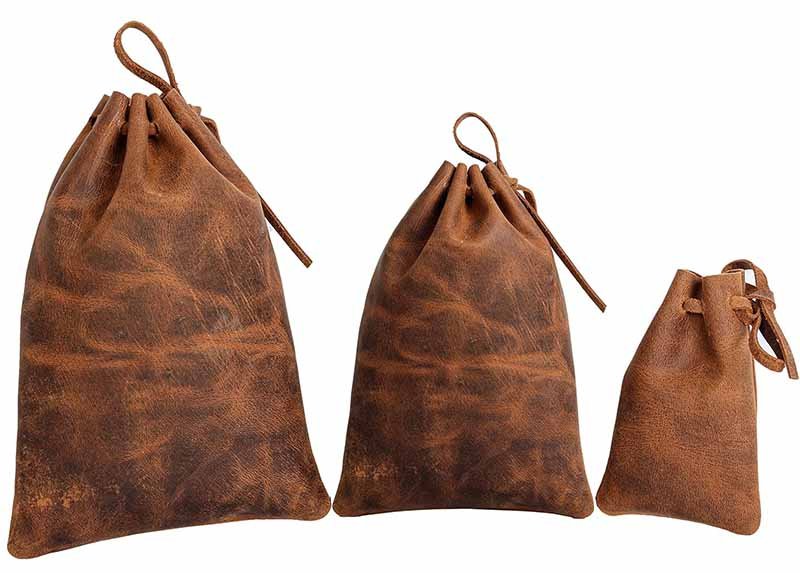
Yes, leather pouches require care guides and clear communication about natural variation. Warranties enhance trust for retail and luxury buyers.
How Should Brands Educate End Users on Leather Care?
Leather is beautiful — but it’s also organic, meaning it needs regular care and proper usage guidance. As a manufacturer, Szoneier recommends that every pouch shipped to customers — whether retail, DTC, or wholesale — includes a printed or digital care card. This isn’t just about preserving product quality; it’s about building brand credibility.
Here’s what a typical leather pouch care guide should cover:
- Cleaning: Wipe gently with a soft, dry cloth. Avoid water, alcohol, or aggressive cleaners.
- Conditioning: Use a pH-neutral leather balm or cream every 3–6 months to keep the pouch supple.
- Storage: Store in a dust bag away from sunlight and moisture. Avoid stacking heavy items on top.
- Avoid Overstuffing: Overloading can distort the leather shape permanently.
Tip for Brands: Offer a downloadable PDF care manual with your logo and social links. It adds value and drives traffic back to your website.
How to Handle Leather Variations and Set Customer Expectations?
One of the most misunderstood aspects of leather goods is that no two pouches look exactly alike — and that’s a feature, not a flaw. Leather grain, color variation, and minor natural blemishes are signs of authenticity, especially in full-grain or veg-tanned products.
At Szoneier, we help our clients communicate these characteristics clearly:
- Product Listing Notes: Add a line like “Due to the natural properties of genuine leather, slight variations in tone and texture may occur. These enhance the uniqueness of each item.”
- Photography Tips: Shoot 3–4 units of the same product in your catalog to visually show natural variation.
- Retail Signage: If you sell in physical stores, use a hang tag or table card that educates buyers about patina development over time.
This not only reduces returns and complaints — it positions your brand as knowledgeable and transparent. Consumers today value honesty and product authenticity over unrealistic perfection.
Should You Offer Warranty or After-Sales Repair Options?
Offering even a basic warranty or repair policy can significantly enhance buyer trust — especially in high-ticket leather goods. Here’s what we suggest based on your brand positioning:
| Brand Type | Suggested Warranty | Repair Support |
|---|---|---|
| Luxury / Premium | 1-year stitching & hardware guarantee | Optional leather spa or refurbishment |
| Mid-Tier Retail | 6-month functional warranty | Zip or snap replacement service |
| Gift/Promo | 30–90 days functional guarantee | No repair, but reissue if defective |
Tip: If you’re sourcing from Szoneier, we can pre-agree to supply replacement hardware, extra snap buttons, or logo tags with your bulk shipment. This way, your in-house team or retail partners can handle small repairs locally — saving you time and cost.
Some clients even work with local leather technicians in their country to offer paid after-sales services (like re-conditioning, re-coloring, or monogramming) — turning post-purchase support into a new revenue stream.
Ready to Bring Your Leather Pouch Idea to Life?
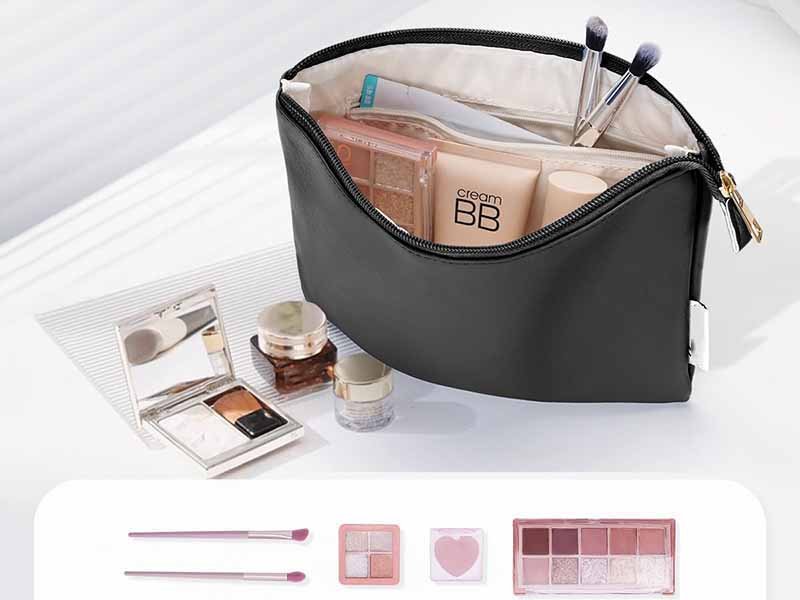
Whether you’re a fashion startup looking to launch a signature pouch collection, a tech brand needing premium packaging for your devices, or a luxury retailer seeking a timeless accessory to accompany your product line — one truth remains:
Execution matters.
A great idea deserves an equally great factory. At Szoneier Leather, we don’t just stitch pouches — we build products that carry your brand’s values, aesthetics, and promises into the hands of your customers.
From initial sketches to production-ready samples, from leather sourcing to final packaging, we act as your silent but skilled partner behind the scenes — ensuring that every detail is as refined as your brand identity.
Let’s Get Started
Got a sketch, a reference pouch, or even just a vision? Let our experts help you transform it into a real product — with speed, quality, and a touch of timeless craftsmanship.
Contact Szoneier Leather now for a free consultation and sample quote: