
Are Leather Collars Safe for Dogs:Expert Guide
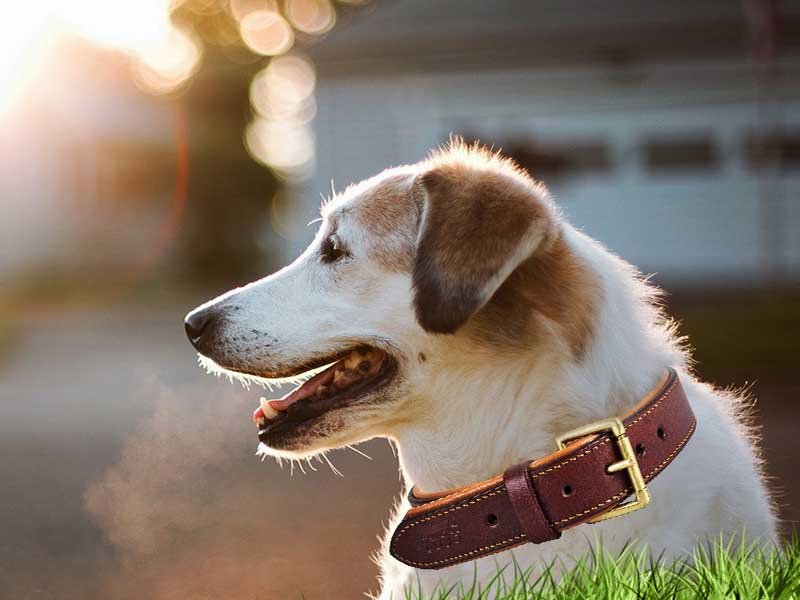
Here’s a thought experiment: Imagine walking into a pet boutique filled with premium accessories, soft lighting, and shelves lined with beautifully crafted leather collars. You reach out to touch one — it feels sturdy yet smooth, smells rich and natural, and looks like something any dog would wear with pride. But right before purchasing, a question flashes in your mind:
“Is this leather collar actually safe for my dog?”
This single question is more common than most brands think. Pet owners today are not just buying collars — they’re evaluating comfort, materials, ethical sourcing, skin sensitivity, hardware safety, and long‑term durability. In a world where dogs are treated like family, quality is no longer enough; reassurance is essential.
Leather dog collars are safe when made from high‑quality leather, fitted with strong hardware, manufactured with pet‑safe finishes, and matched to the correct size and breed. Their safety depends on material grade, construction, fit, and proper care — not merely the fact that they’re leather.
But here’s where things get interesting: a leather collar can be beautifully designed yet still unsafe if the wrong leather grade is used, if hardware fails under force, or if poor stitching irritates a dog’s skin. On the other hand, a well‑engineered leather collar can outperform nylon in comfort, longevity, and overall safety.
To understand the truth — and to design or source collars that meet modern pet‑industry standards — let’s dig deeper into how leather collars are made, what risks actually exist, and what separates a safe collar from a dangerous one.
What Is a Leather Dog Collar?
A leather dog collar is a neck accessory made from genuine leather, used for leash attachment, identification, and control. Compared to nylon or synthetic options, leather offers better durability, comfort, and a premium brand image when manufactured properly.
A leather dog collar isn’t just a strap around a pet’s neck — it’s a carefully engineered product that blends functionality, comfort, durability, and design. It serves multiple purposes: control, identification, protection, and increasingly, brand expression.
Whether you’re a pet accessory startup, a high-end fashion brand entering the pet niche, or a leather goods company expanding into dog gear, understanding what defines a leather collar — and why it’s preferred — is crucial.
Basic Definition & Structure
At its core, a leather dog collar is:
- A band made from tanned leather, sized to fit around a dog’s neck.
- Fitted with hardware like buckles, D-rings, rivets, or nameplate mounts.
- May include lining, padding, or decorative stitching for comfort and branding.
It’s used for:
- Leash attachment via a D-ring.
- Holding identification tags (e.g., rabies, name, address).
- Training or behavior correction, particularly in working breeds.
- Fashion or status symbol (particularly among pet owners who treat dogs like children).
Why Do Pet Owners Prefer Leather?
- Comfort That Gets Better With Age Leather is supple and conforms to a dog’s neck over time. Unlike synthetic materials that may stay stiff or fray, quality leather softens, creating a custom-like fit.
- Durability That Lasts Years A full-grain leather collar, properly maintained, can last 3–5 years or more. It resists tearing, stretching, and general wear — especially important for active or large dogs.
- Premium Aesthetic & Brand Positioning Let’s be real: owners love to accessorize. Leather offers a more upscale look and aligns with luxury lifestyle branding. If you’re a brand trying to position above “commodity” nylon collars, leather immediately elevates perception.
- Less Irritation for Some Dogs Dogs with skin allergies or sensitivities often benefit from natural materials. A well-finished leather collar (free from harsh dyes or chrome residues) is gentler on fur and skin, especially with padded linings.
- Eco-Responsibility (when sourced well) Veg-tanned or vegetable-dyed leather is a more biodegradable option than petroleum-based synthetic collars, appealing to eco-conscious customers.
Leather vs Nylon vs Rope — What’s the Real Difference?
| Feature | Leather | Nylon | Rope/Cord |
|---|---|---|---|
| Comfort | Softens over time | May cause friction | Can chafe under tension |
| Look & Feel | Premium, classic | Casual, sporty | Rugged, informal |
| Durability | Years with care | Frays under abrasion | Frays or knots easily |
| Brand Perception | Luxury, bespoke | Basic, functional | Adventure, handmade |
| Price Range | Mid to high | Low to mid | Low to mid |
Which Materials and Components Should Be Used?
A safe and high-quality leather dog collar requires full-grain or top-grain leather, corrosion-resistant hardware like brass or stainless steel, secure stitching using bonded nylon thread, and dog-safe finishes. Each component must match the dog’s size and intended use.
1. Leather Type: Structure, Comfort, Branding
| Leather Type | Features | Best For | OEM Recommendation |
|---|---|---|---|
| Full-Grain Leather | Strongest layer, natural grain intact | Large breeds, premium lines | Szoneier standard for high-end models |
| Top-Grain Leather | Slightly sanded, softer, more uniform | Mid-range brands, light-duty use | Ideal for embossed logos or fashion-first styles |
| Split Leather / Bonded | Lower layers or reconstituted scrap | Budget ranges, not for strength | Not recommended for safety-critical collars |
| Vegetable-Tanned | Natural, chemical-free | Eco-conscious markets, sensitive dogs | May darken over time; premium pricing |
| Chrome-Tanned | Softer, vibrant colors, waterproof options | Fashion-focused or everyday urban use | Choose for variety and flexibility |
Leather Thickness Guidelines:
- Small Dogs: 2.0–2.5 mm
- Medium Dogs: 2.5–3.0 mm
- Large Dogs: 3.5–4.0 mm full-grain
Szoneier Tip: We moisture-condition all hides before cutting to reduce cracking at folds. Each collar is skived and edge-sealed based on thickness spec to ensure smooth comfort.
2. Hardware: Strength Meets Aesthetics
Key Hardware Components:
- Buckle: Fastening point — pin buckle, roller buckle, quick-release
- D-Ring: Leash attachment point
- Rivets / Chicago Screws: Reinforce stress points
- Loops: Hold excess strap tail
| Component | Preferred Materials | Testing Spec | Notes |
|---|---|---|---|
| Buckle | Brass, Stainless Steel | Pull test >150kg for medium breeds | Avoid zinc alloy in large-dog lines |
| D-Ring | Welded stainless steel | Weld strength >300kg for large dogs | Must not deform under leash tension |
| Rivets | Brass/Steel + smooth cap | Pull >50kg force | Ensure no sharp edge inside collar |
| Screws | Brass / Nickel-plated | Thread-lock treated | For modular or adjustable collars |
Factory QA Protocol at Szoneier:
- Each production batch includes pull-test samples for D-ring and buckle strength
- Hardware passivation tested to avoid corrosion after 48h salt spray exposure
3. Thread, Stitching, Reinforcement
Often overlooked — but the thread and stitch pattern keep everything together. Breakage here means failure in the field.
- Thread Type: Bonded nylon or polyester, not cotton
- Thread Thickness: #138 or #210 for large dogs
- Stitch Style: Double-row straight or box-X stitch at stress points
- Reinforcement: Bar-tack stitching at buckle and D-ring zones
| Stitch Area | Stitch Type | Purpose |
|---|---|---|
| Buckle loop | Double-row + bar tack | Avoid pull-through under force |
| D-ring tab | Box-X or X-tack | Stabilize lateral stress from leash |
| Edge seams | Single-row straight | Cosmetic + structural |
Szoneier Stitch QC Rule: Every 25th collar in bulk run is checked for 3mm stitch gap uniformity, thread tension consistency, and end-lock security.
4. Lining, Padding & Edge Treatment
Comfort isn’t optional — especially for collars worn 10+ hours/day.
Options:
- Lining: Suede, microfiber, or secondary leather
- Padding: EVA foam or leather sandwich for shock absorbency
- Edge Finishing: Burnished, folded, or painted (multi-layer coated)
| Option | Pros | When to Use |
|---|---|---|
| Suede Lining | Soft, breathable | Luxury models or sensitive-skin dogs |
| Padded Core | Prevents pressure bruising | Working dogs or pullers |
| Painted Edge | Sleek, colorful finish | Fashion-focused brands |
| Folded Edge | Seamless and plush | High-end, formal aesthetics |
Customization Note: Many of our clients match edge paint to brand Pantone color for retail consistency.
5. Chemical Safety & Leather Finishing
In some markets (EU, North America), leather goods — especially pet products — must comply with chemical safety standards like:
- REACH (EU)
- CPSIA (USA)
- EN-71-3 (toxicity from contact)
As a result, Szoneier offers leather options that are:
- Chrome-free or low-chrome
- VOC-free finishes
- Water-based edge paint
- No phthalates or heavy metals
6. OEM Customization Considerations
As a brand, you may want to customize the following based on your market segment:
| Customizable Element | Examples | Suggested MOQ |
|---|---|---|
| Leather Finish | Smooth, grainy, oil-waxed, distressed | 300 pcs |
| Stitch Thread Color | Contrast, tone-on-tone, UV-reactive | 300 pcs |
| Logo Application | Blind emboss, foil stamp, metal badge | 100 pcs |
| Hardware Finish | Gold, antique brass, gunmetal, matte black | 500 pcs |
| Lining Material | Vegan leather, cork, cotton canvas | 300 pcs |
| Packaging | Hang tag, custom dust bag, care card | 500 pcs |
Material Choices by Collar Size/Style
| Dog Size | Leather | Hardware | Stitching | Recommended Width |
|---|---|---|---|---|
| Small (0–10kg) | Top-grain, 2mm | Mini brass buckle | Single row, #138 thread | 15–20 mm |
| Medium (10–25kg) | Full-grain, 2.5–3mm | Stainless steel D-ring | Double row, #210 thread | 20–30 mm |
| Large (25kg+) | Full-grain, 3.5–4mm | Welded steel buckle & ring | Box-X & bar tack, reinforced | 30–40 mm |
Are Leather Collars Safe for Dogs?
Leather dog collars are safe for dogs — when made with high-quality leather, fitted with strong hardware, and properly sized. Safety depends on material grade, edge finishing, buckle strength, stitching integrity, and chemical-free tanning processes.
1. Material Safety: Is Leather a Safe Material for Skin Contact?
Yes,if it’s the right kind of leather.
- Full-grain and top-grain leather are breathable and skin-friendly, especially when tanned naturally (vegetable-tanned) or with low-VOC chrome processes.
- Avoid bonded leather or split leather for collars, as they are more likely to crack, de-laminate, and irritate the dog’s neck — especially in hot weather or when wet.
- Harsh chemical finishes, such as low-grade dye or sealant, can cause allergic reactions or even light chemical burns on sensitive skin.
Safe Practice Tip: Szoneier Leather uses only REACH-compliant, non-toxic, and pet-safe dyes and glues when producing leather collars for global clients. We also offer chrome-free veg-tan leather for ultra-sensitive applications.
2. Hardware Integrity: Will the Buckle or D-Ring Fail Under Pressure?
Many collar failures have nothing to do with leather — but with the hardware.
Common risk points:
- Weak D-ring bends or detaches under leash force
- Low-grade buckles (e.g., cheap zinc alloy) snap or unlock unexpectedly
- Rivets fall out, or have sharp interior prongs that poke the dog
Leather collars actually outperform synthetics here — they hold hardware firmly, don’t stretch as easily, and offer more structure for rivet anchoring.
| Dog Weight | Recommended D-Ring Strength | Szoneier Hardware Spec |
|---|---|---|
| <10 kg | ≥ 100 kg tensile strength | ✔️ Stainless or brass, welded |
| 10–25 kg | ≥ 200 kg | ✔️ Load tested |
| 25+ kg | ≥ 300–400 kg | ✔️ Rivet + stitched reinforcement |
3. Fit & Structural Safety: Will It Choke, Slip, or Cause Injury?
Fit matters more than material. Even the best leather collar becomes unsafe if:
- It’s too tight and compresses the trachea
- It’s too loose and slips off, especially in long-haired dogs
- It rubs excessively, causing hair loss or hot spots
Why leather helps:
- Leather softens over time, adapting to the dog’s neck without fraying
- It holds shape better than nylon — preventing roll or twist, which can irritate skin
- The structured feel reduces collar “digging” during high activity
4. Long-Term Hygiene & Skin Comfort: Is Leather Better or Worse Over Time?
One major myth: “Leather is hard to clean, so it’s not sanitary.”
Truth: While leather shouldn’t be soaked in water like nylon, it is naturally resistant to bacteria, provided it’s wiped regularly and conditioned every few months.
Szoneier clients often request:
- Microfiber backing for sweat absorption
- Anti-bacterial surface treatment (available via water-based coating)
- Sealed edges to avoid moisture intrusion
For dogs with sensitive skin (e.g., Frenchies, Labs, or short-coat breeds), leather often causes less skin reaction than nylon with rough webbing edges or PU with harsh chemical binders.
5. Comparison: Are Leather Collars Safer than Other Materials?
| Material | Safety Score (1–5) | Key Strength | Key Risk |
|---|---|---|---|
| Full-Grain Leather | ⭐⭐⭐⭐⭐ | Breathable, durable, ages well | Requires occasional care |
| Top-Grain Leather | ⭐⭐⭐⭐ | Soft, customizable | Slightly less strong |
| Nylon | ⭐⭐⭐ | Lightweight, waterproof | Frays, can cut into skin |
| PU (synthetic leather) | ⭐⭐ | Cheap, colorful | Stiff, can crack or flake |
| Metal Chain | ⭐⭐ | High strength | Can injure throat under tension |
| Rope / Cord | ⭐⭐ | Soft feel | Poor load distribution, frays |
How to Ensure Leather Collars Are Safe
| Safety Dimension | What to Check |
|---|---|
| Leather Material | Full-grain/top-grain, vegetable or low-chrome tan |
| Hardware | Welded D-ring, load-tested buckle, no zinc-only alloy |
| Fit | Two-finger space, matched to breed neck size |
| Stitching | Box-X or bar-tack reinforcement at stress points |
| Edge Finish | Painted or burnished, no raw sharp edges |
| Surface Treatment | Non-toxic, pet-safe, REACH or CPSIA compliant |
How to Design and Manufacture a Safe Leather Collar
Designing a safe leather dog collar means specifying fit for breed size, choosing the correct material/hardware, avoiding manufacturing mistakes like weak stitching or unsafe chemicals, and implementing robust quality assurance from sample to bulk.
When your brand or OEM partner (such as Szoneier Leather) designs a leather dog collar product line, you need a structured development path. Let’s break it down.
Step 1 – Define Use Case & Dog Size
Start by identifying your target dogs: small breeds (<10 kg), medium (10‑30 kg), large (>30 kg). Each size requires different width, buckle strength, and leather thickness. You may plan:
- Small: 20‑25 mm width, lightweight brass buckle
- Medium: 25‑30 mm width, thicker leather 2.5mm, stainless buckle
- Large: 30‑40 mm width, full‑grain 3mm leather, heavy‑duty D‑ring rated for > 300 kg load
Mapping collar size to breed helps reduce risk of misuse, slipping off or trachea pressure.
Step 2 – Material & Hardware Specification
With fit defined, the next stage is spec sheet:
- Leather: full‑grain cowhide, Veg‑tan or chrome‑tan depending on brand aesthetic
- Finish: hypo‑allergenic, dog‑safe dye, optional waterproofing
- Hardware: buckle, D‑ring, rivets rated to leash tension tests
- Thread: bonded nylon #210 or heavier for large breed collars
- Edge finish: burnished and sealed to avoid fraying and dog hair abrasion
You’ll want your factory to provide a sample with load testing (e.g., buckle buckle pull test to X Newtons) and report results.
Step 3 – Sample Prototyping & Testing
Before bulk production:
- Create 2–3 size samples + variations (leather grade, hardware finish)
- Perform stress tests: leash jerk simulation, weather exposure, salt water soak
- Real‑life evaluation: have dogs wear for a week, inspect for irritation or build issues
This step ensures your design is not just aesthetic but functional and safe.
Step 4 – Production Controls & Common Mistakes to Avoid
Manufacturers like Szoneier must avoid common errors:
- Use of split or bonded leather labelled “leather” (weak)
- Under‑spec’d hardware (buckles pulling open)
- Insufficient backing or lining causing rough inside surface
- Edges not sealed, causing fraying or hair pull
- Use of toxic finishes or heavy dyes that may irritate skin
Quality team should check each collar for: proper width, buckle functionality, smooth edges, logo placement not interfering with dog comfort, no sharp rivets inside.
Step 5 – Bulk Production, QA, Packaging
Once sample approved:
- Create production run drawing clear spec and tolerances
- QC random checks (e.g., 1% of batch for pull test)
- Provide brand with certificates (material, hardware test, chemical compliance)
- Packaging should be pet‑industry appropriate (e.g., hang tags, size labels, care instructions)
How to Care for Leather Collars & Maintain Safety Over Time
To keep leather dog collars safe and long-lasting, clean them regularly with a damp cloth, condition with leather balm every 1–3 months, and store in a dry, cool place. Avoid soaking, harsh cleaners, or prolonged sun exposure to prevent cracking or mold.
How to Clean a Leather Dog Collar (Step-by-Step)
Regular cleaning (every 2–4 weeks for most dogs) is essential. Here’s how to do it safely:
What You Need:
- A clean damp cloth (not soaking)
- Mild leather cleaner (or diluted baby soap)
- Dry towel
- Optional: Soft-bristle toothbrush (for buckle area)
Cleaning Steps:
- Remove the collar from the dog before cleaning.
- Wipe the collar surface gently with a damp cloth to remove dirt.
- For deeper grime, apply a drop of leather-safe soap or cleaner to the cloth and rub in circles.
- Use a soft brush around the buckle or rivets if dirt is embedded.
- Wipe off soap residue with a clean, damp cloth.
- Pat dry with towel — then air dry in a shaded area (not under direct sun or heater).
Avoid:
- Soaking leather in water
- Using alcohol, vinegar, bleach, or detergent
- Machine washing
Szoneier collars are treated with a surface sealer to resist light stains and splashes, but we always recommend dry-wiping after heavy activity.
How to Condition Leather and Keep It Flexible
Leather dries out over time — especially in cold climates or homes with dry indoor heat. That’s why conditioning is the key to softness, longevity, and safety.
Conditioning Guide:
| Conditioner Type | Frequency | Notes |
|---|---|---|
| Natural Beeswax Balm | Every 2–3 months | Softens, waterproofs |
| Neatsfoot Oil | Every 3–6 months | Deep conditioning (avoid on suede) |
| Lanolin-based Cream | Monthly for dry zones | Smooth, non-greasy |
Apply a small amount with your fingers or cloth and let it absorb for a few hours before putting the collar back on the dog.
Szoneier Tip: Brands can bundle leather balm jars in retail packages or offer care kits as upsell products.
Storage & Environment: Protecting Leather From Climate Damage
Where and how you store the collar also affects its longevity.
Best Practices:
- Store collars in a cool, dry place (avoid windows, heaters, or damp basements)
- Keep away from direct UV for long hours — it causes fading and drying
- Avoid hanging heavy items on the collar when not in use (can warp shape)
- For off-season or spare collars, wrap in a cotton cloth or muslin pouch
If the collar gets soaked (e.g., rain or pool):
- Remove immediately
- Pat dry, air dry slowly
- Condition 1–2 days later to restore oils
How to Detect Wear That Could Compromise Safety
Even well-maintained collars need to be inspected regularly. Szoneier suggests a Monthly Safety Check to ensure the following:
| Checkpoint | What to Look For | Action |
|---|---|---|
| Leather surface | Cracks, stiffness, peeling | Condition or replace |
| Stitching | Fraying or broken threads | Replace if critical |
| Buckle/D-ring | Looseness, rust, deformation | Replace hardware |
| Rivets/screws | Missing, sharp edges | Tighten or replace |
| Odor | Persistent smell even after cleaning | Likely mold – replace |
A collar that smells musty, feels brittle, or leaves red marks on the dog’s neck is no longer safe.
Leather Collar Maintenance at a Glance
| Task | Frequency | Time Required | Benefit |
|---|---|---|---|
| Wipe down collar | Weekly | 2 mins | Removes dirt & sweat |
| Deep clean | Monthly | 5–10 mins | Prevents odor & cracking |
| Condition | 2–3 months | 10 mins | Keeps soft & flexible |
| Inspect for damage | Monthly | 2 mins | Prevents safety issues |
| Store correctly | Daily | – | Preserves shape & finish |
Keeping leather collars safe isn’t complicated — it’s just consistent. A well-cared-for leather collar can last 3–5 years, develop a beautiful patina, and stay gentle on your dog’s skin the whole time.
Ready to Partner With a Proven Manufacturer?
Your vision deserves more than a generic supplier — it needs a strategic manufacturing partner who understands quality, safety, and brand value from the inside out.
At Szoneier Leather, we bring over 18 years of OEM/ODM expertise in crafting premium leather goods for global pet brands, boutiques, and private-label distributors. From full-grain leather collars and braided leashes to hardware-integrated sets and sustainable leather alternatives — we’ve developed it all.
Whether you’re launching your first pet product or scaling an entire collection, we’ll guide you from idea to shelf-ready product — fast, reliably, and cost-effectively.
Start your leather collar project with a factory trusted by brands in Europe, North America, and Australia. Let’s design collars that dogs love — and owners trust.
What Can I Do For You?
Here, developing your OEM/ODM private label leather goods collection is no longer a challenge,it’s an excellent opportunity to bring your creative vision to life.
Make A Sample First?
If you have your own tech packs, logo design artwork, or just an idea,please provide details about your project requirements, including preferred fabric, color, and customization options,we’re excited to assist you in bringing your leather goods designs to life through our sample production process.