
How to Wear a Leather Harness:Style, Fit & Care Guide
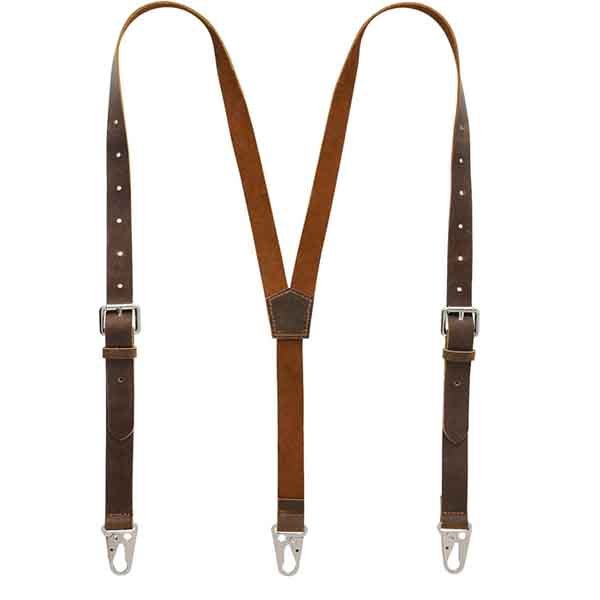
Fashion has always been cyclical — old symbols of strength, rebellion, and individuality constantly reemerge in modern contexts. The leather harness, once a utilitarian item for soldiers and workers, has evolved into a striking statement of craftsmanship and identity. Today, it’s found on runways, in streetwear, and in the closets of those who value both edge and elegance.
A leather harness is a versatile accessory made from genuine or vegan leather, worn over or under clothing for style or structure. To wear it right, balance fit, layering, and confidence — pairing it with shirts, dresses, or jackets to elevate your outfit’s visual strength.
Once symbolic of armor and function, the harness now bridges fashion and functionality — worn by both men and women as a symbol of self-expression. Brands and designers are reimagining it in minimalist forms, luxurious finishes, and even sustainable leathers.
And while it may look complex, understanding how to wear one is simple: it’s about proportion, confidence, and intention. Whether you’re styling a structured chest harness over a crisp shirt or a thin leather belt harness around a dress, this guide explores every aspect — from materials to fit, maintenance, and how Szoneier Leather crafts them for brands worldwide.
What Is a Leather Harness and Why Is It Trending Again?
A leather harness is a structured accessory made of interlinked leather straps, rings, and buckles that can be worn over or under clothing. Once used for protection or utility, it has evolved into a modern fashion statement representing craftsmanship, empowerment, and individuality. Its resurgence is driven by the growing fusion of functionality, art, and self-expression in contemporary style.
The Evolution: From Utility to Identity
Leather harnesses were not born from fashion—they were born from function. In their earliest forms, they were used by soldiers, horse riders, and workers to secure equipment or distribute physical load evenly across the body. These harnesses were built for resilience, not appearance — made of thick vegetable-tanned hides, often riveted and waxed to endure harsh conditions.
Fast forward a few centuries, and the symbolism of the harness shifted dramatically. By the late 20th century, the item had been reinterpreted through subcultural movements — especially in punk, gothic, and avant-garde communities — as a form of rebellious self-expression. Designers began to recognize that the harness was not merely utilitarian; it embodied control, freedom, and defiance all at once.
Now, in the 2020s, leather harnesses have completed their metamorphosis. What used to symbolize labor and strength is now an emblem of design intelligence and confidence, featured in collections by Alexander McQueen, Gucci, Givenchy, and Rick Owens. It’s a dialogue between structure and style — between armor and artistry.
The Anatomy of a Modern Leather Harness
Modern leather harnesses are precision-engineered pieces of wearable design. They consist of interconnected leather straps, metal hardware (buckles, D-rings, rivets), and adjustable closures to fit different body shapes. The quality and function of a harness depend on several craftsmanship choices:
| Component | Material / Technique | Purpose / Benefit |
|---|---|---|
| Leather Straps | Full-grain or top-grain cowhide | Strength, structure, longevity |
| Hardware | Brass, zinc alloy, or stainless steel | Durability and aesthetic polish |
| Stitching | Double or edge-painted seams | Prevents fraying, ensures smooth finish |
| Lining | Suede or microfiber | Comfort and moisture absorption |
| Coating | Wax, oil, or pigment finish | Enhances flexibility and shine |
At Szoneier Leather, every harness begins as raw hide selection — inspected for uniform texture, thickness, and grain. The leather is precision-cut using digital CNC machines, then edge-painted and hand-stitched. This balance of technology and craftsmanship ensures each harness conforms to both ergonomic comfort and visual refinement.
Why It’s Trending Again
The leather harness’s resurgence aligns with three major global fashion movements: gender fluidity, utility fashion, and tactile luxury.
- Gender-Neutral Appeal The modern fashion scene celebrates inclusivity and fluidity. Harnesses, once perceived as masculine or subcultural, now transcend gender — appearing in women’s corset-style belts, men’s chest harnesses, and unisex accessories layered over shirts or jackets. Brands like Prada and Helmut Lang redefined them as statements of balance between strength and vulnerability.
- Functional Aesthetic Post-pandemic fashion shifted toward functional minimalism — designs that serve both purpose and style. A leather harness complements this movement by combining structure, utility, and form. It can hold small accessories, reinforce posture, or simply outline the body in architectural lines that feel modern yet timeless.
- Tactile and Sustainable Luxury Consumers are increasingly drawn to tangible, durable materials that age gracefully — and leather fits that perfectly. The visible craftsmanship of a harness, its hand-burnished edges and solid metal detailing, speaks to authenticity. Eco-conscious production using vegetable-tanned and chrome-free leathers also makes it a sustainable alternative to fast fashion.
- Cultural Reinterpretation In global media, harnesses are now celebrated in K-pop, streetwear, and luxury fashion editorials alike. They project power, individuality, and sensual confidence — values that resonate strongly with the Gen Z and millennial demographics dominating luxury spending.
“The leather harness today is less about armor and more about authenticity — it’s a symbol of creative control over how you present yourself.”
The Design Philosophy Behind Modern Harnesses
The renewed popularity of the harness lies in its balance between contrast and harmony — soft yet structured, minimal yet expressive. When worn correctly, it enhances posture, defines silhouette lines, and acts as a wearable sculpture that bridges art and apparel.
1. Structure as Aesthetics
Designers treat the harness as architectural fashion. Straps map the body’s geometry — creating linear tension that draws the eye. Each segment becomes a deliberate design choice, blending anatomical awareness with style.
2. Material as Expression
Leather itself conveys authenticity. Full-grain hides tell a story — subtle grain marks, color variations, and natural texture add depth. Brands choosing genuine or vegetable-tanned leather communicate quality and sustainability simultaneously.
3. Craftsmanship as Identity
For artisans, building a harness means mastering proportion. The placement of each rivet, edge paint layer, and buckle spacing defines both durability and comfort. At Szoneier Leather, artisans with 10+ years of experience treat every harness as a functional art piece — combining mechanical precision with tactile artistry.
From Runway to Real Life
The harness’s re-entry into mainstream fashion isn’t confined to luxury. High-street and independent brands now incorporate leather harnesses into daily wear — styled over trench coats, knitwear, or dresses. Fashion editors describe it as the “modern corset” — symbolic, sculptural, and empowering.
Even in men’s fashion, chest and shoulder harnesses have found a place alongside messenger bags and minimalist vests, reflecting the blurred line between utility and aesthetics.
| Context | Style Approach | Example Look |
|---|---|---|
| High Fashion | Over suits or gowns | Balmain, McQueen, Mugler |
| Streetwear | Over tees or denim jackets | Off-White, Ambush |
| Minimalist | Under blazers for structure | COS, Helmut Lang |
| Functional | With bags or tools | Techwear / Tactical lines |
The Future of Leather Harness Design
Looking forward, the harness continues to evolve — not as a niche accessory but as a category of wearable identity. Designers are experimenting with:
- Mixed materials (nylon webbing + leather hybrids)
- Eco-conscious finishes (vegetable-dyed and recycled leather)
- 3D patterning and adjustable fit systems
As the global market for handcrafted accessories grows (projected $62 billion by 2028, Statista), the leather harness remains a prime example of how a traditional item can adapt to new cultural values — craftsmanship, individuality, and sustainability.
Which Types of Leather Harnesses Are Popular Today?
The most popular leather harness types include chest harnesses, body harnesses, and waist harnesses. Each offers different aesthetics and functions, from minimalist everyday wear to bold runway styling.
1. Chest Harness
Usually worn across the shoulders and chest, this design provides structure and accentuates upper-body shape. Common in men’s streetwear or unisex styling, it pairs beautifully with shirts, T-shirts, or jackets.
- Ideal leather: Top-grain or full-grain cowhide (durable, smooth).
- Typical strap width: 1.5–2.5 cm.
- Styling tip: Layer over slim-fit tops for contrast.
2. Body Harness
Extends from shoulder to waist or hips, offering a sculptural silhouette. Often worn over dresses or coats in women’s fashion to create shape and definition.
- Ideal leather: Soft cowhide or lambskin for flexibility.
- Hardware: Adjustable buckles and D-rings.
- Customizable via Szoneier: Logo embossing, color dyeing, metallic finishes.
3. Waist Harness (Belt Harness)
Functions as both a belt and decorative layer. Favored in editorial looks and corporate-luxury fusions, it adds power and precision to minimalist outfits.
| Harness Type | Primary Audience | Typical Use | Key Leather Type |
|---|---|---|---|
| Chest Harness | Unisex | Statement & Utility | Full-grain cowhide |
| Body Harness | Women | Silhouette Styling | Lambskin or PU |
| Waist Harness | All | Belt + Aesthetic Accent | Vegetable-tanned cowhide |
How to Wear a Leather Harness with Different Outfits
To wear a leather harness stylishly, pair it with structured or minimalist clothing, keeping proportions balanced. Layer it over shirts, dresses, or jackets — or wear under outerwear for a subtle detail.
1. Casual Styling: Effortless Edge
Wear a thin black harness over a white tee and denim. This mix of simplicity and statement draws attention without appearing forced.
Example: A minimalist PU chest harness by Szoneier can elevate even a basic outfit.
2. Streetwear or Avant-Garde Fashion
Combine bold harnesses with oversized shirts or tailored blazers. Metallic buckles, thick straps, or matte finishes emphasize confidence. Streetwear designers increasingly use color-dyed leathers — deep brown, oxblood, or matte gray — for fashion-forward looks.
3. Formal & Business Styling
Modern minimalism has brought subtle harness belts into high-end fashion. Slim waist harnesses layered over blazers or coats create a tailored architectural line.
| Occasion | Recommended Style | Outfit Pairing | Ideal Leather |
|---|---|---|---|
| Casual | Chest Harness | T-shirt + Jeans | PU or cowhide |
| Streetwear | Body Harness | Oversized shirt + cargo pants | Cowhide or synthetic blend |
| Formal | Waist Harness | Suit jacket + trousers | Full-grain leather |
“Think of your harness like jewelry — it should enhance, not overwhelm.”
How Should a Leather Harness Fit and Adjust?
A proper leather harness should fit snugly yet comfortably, allowing movement without shifting. Adjustment points on shoulders and waist ensure balance and symmetry.
1. Measuring for the Perfect Fit
Before ordering or customizing a harness, measure:
- Chest circumference
- Shoulder width
- Waist circumference
Szoneier’s custom harness line uses 3D body sizing and adjustable hardware to achieve ideal ergonomics for all genders.
2. Adjusting Straps & Buckles
A harness should rest flat against the torso without pinching. Always adjust while wearing a thin layer underneath. For body harnesses, the waist buckle should align with your natural waistline.
3. Comfort and Mobility
High-quality leathers soften over time, forming to the wearer’s shape. Poor fit often results from stiff or poorly tanned leather. Full-grain hides are recommended for long-term wear comfort.
How to Care for and Store Your Leather Harness
To care for a leather harness, wipe it regularly with a soft cloth, clean with a mild leather cleaner, and condition it every few months to prevent dryness or cracking. Avoid soaking, harsh chemicals, or direct heat. Store your harness hanging or laid flat in a cool, dry place away from sunlight, ideally in a dust bag. Proper care keeps the leather supple, the hardware bright, and the fit comfortable for years.
Daily & Weekly Cleaning
Goal: remove sweat, dust, body oils, and surface grime before they penetrate the leather.
Basic Routine (after use):
- Wipe down the harness with a soft, dry microfiber or cotton cloth.
- If there are light marks, slightly dampen the cloth with clean water and gently wipe — no soaking.
- Let it air dry naturally, away from heaters or direct sun.
For occasional buildup (makeup, city dust, light sweat marks):
- Use a pH-neutral leather cleaner (or saddle soap very sparingly).
- Apply a tiny amount to a cloth, not directly on the harness.
- Work in small circular motions; don’t scrub aggressively.
- Wipe off residue with a clean dry cloth.
Rule of thumb: if the harness is worn weekly, clean it lightly every 2–3 wears.
Conditioning: Keeping the Leather Supple and Crack-Free
Leather dries out over time, especially around bending points and holes (buckle areas, shoulders, and waist sections). Conditioning keeps the fibers flexible.
How often?
- For full-grain or top-grain harnesses: every 2–3 months.
- In dry climates or heavy use: every 4–6 weeks.
How to condition:
- Clean the harness first. Dirt + conditioner = mud.
- Apply a small amount of leather conditioner (cream, balm, or wax) to a soft cloth.
- Rub it in gently, focusing on high-stress areas (strap holes, bends, edges).
- Let it absorb for 10–20 minutes.
- Buff lightly with a dry cloth to remove excess and restore sheen.
| Leather Type | Conditioner Type | Frequency (Normal Use) |
|---|---|---|
| Full-grain cowhide | Cream / balm / oil-wax | Every 2–3 months |
| Top-grain leather | Cream / balm | Every 3–4 months |
| Vegetable-tanned | Balm / wax (no heavy oils) | Every 2–3 months |
| PU / Microfiber | No oil – mild wipe only | As needed |
If you’re a brand, Szoneier can include care cards in your packaging so customers know exactly how to treat the harness, which reduces returns and boosts satisfaction.
What to Avoid: The “Do Not” List for Leather Harnesses
Even premium leather can be destroyed by the wrong products or habits.
Avoid:
- Soaking in water or washing machines — leather + water + agitation = warped, stiff straps.
- Alcohol, bleach, or strong detergents — they strip oils and damage dye.
- Direct heat (hairdryers, radiators, blazing sun) for drying — causes shrinkage and cracking.
- Plastic bags for long-term storage — they trap moisture and encourage mold.
- Over-conditioning — too much oil can weaken structure and darken leather unevenly.
If your harness gets unexpectedly soaked (rain, spill, sweat):
- Gently blot (don’t rub) with a towel.
- Reshape straps and lay flat or hang naturally.
- Let dry at room temperature.
- Once dry, apply a light conditioner.
Storing Your Leather Harness: Shape, Airflow, Protection
Storage is where many people unknowingly damage their leather. Harnesses are structured, and if you toss them into a drawer, they can warp and bend unnaturally.
Best storage practices:
- Hang it on a padded or wide hanger so straps keep their natural shape.
- Or lay it flat in a drawer lined with fabric, making sure straps are not twisted.
- Store in a cool, dry place away from direct sunlight or radiators.
- Use a breathable dust bag (cotton/non-woven) instead of plastic.
- Add a small silica gel sachet if you live in a humid climate.
For brands, Szoneier can custom-design logo dust bags and packaging that are functional (for protection) and beautiful (for unboxing).
Caring for Hardware: Buckles, Rings & Rivets
Leather isn’t the only part that needs attention — metal hardware can tarnish, rust, or scratch.
To maintain hardware:
- Wipe metal parts with a soft, dry cloth after use — especially if exposed to sweat or moisture.
- For brass or plated finishes, use a gentle metal polish only if recommended; test on a hidden area first.
- Avoid letting hardware knock around in crowded drawers or bags; this can scratch both metal and leather.
Szoneier often uses nickel-free, anti-corrosion hardware for export markets, especially where skin sensitivity is a concern.
Long-Term Care for Brands & Heavy Users
If you are a stylist, performer, or brand sample owner and your harnesses see heavy rotation:
- Conduct a monthly inspection of stitching, holes, and strap edges.
- Reinforce or repair early — a loose stitch is cheap to fix; a torn strap is not.
- Consider a yearly deep-care routine: full clean, condition, and professional edge touch-up if needed.
Brands partnering with Szoneier can also reorder or refresh designs easily, because patterns and leather specs are archived and repeatable.
Are Leather Harnesses Unisex, Ethical, and Sustainable?
Yes — modern leather harnesses are unisex and increasingly sustainable, with options for eco-tanned or vegan leathers that reduce environmental impact without sacrificing style.
1. Gender-Neutral Appeal
Modern harnesses are designed for inclusivity. Adjustable fits and neutral colors make them versatile across fashion categories.
2. Ethical and Eco-Friendly Options
Factories like Szoneier Leather now use:
- Vegetable tanning (low-chemical, plant-based dyes)
- Recycled or LWG-certified leathers
- Vegan PU materials for ethical buyers
3. Transparency and Certifications
Szoneier holds ISO9001, REACH, and OEKO-TEX® certifications, ensuring compliance with international eco-standards.
| Sustainability Metric | Material Used | Environmental Impact |
|---|---|---|
| Chrome-free tanning | Cowhide | Low |
| Vegan PU | Synthetic | Moderate |
| Recycled leather | Mixed fibers | Low |
Final Thoughts
Fashion today is as much about authenticity as it is about aesthetics — and few accessories embody both like a well-crafted leather harness. Whether worn as an accent of power, artistry, or subtle rebellion, a harness tells a story — one of individuality and design precision.
At Szoneier Leather, that story begins with material, but it ends with meaning. Each strap, buckle, and stitch is tailored to express your brand’s vision. Backed by 18 years of experience in leather design, manufacturing, and export, Szoneier doesn’t just make products — it crafts statements that last.
Ready to create your own custom leather harness collection? Contact Szoneier Leather today — explore full-grain, vegetable-tanned, or vegan leather harness options with free design consultation and quick sampling.
What Can I Do For You?
Here, developing your OEM/ODM private label leather goods collection is no longer a challenge,it’s an excellent opportunity to bring your creative vision to life.
Make A Sample First?
If you have your own tech packs, logo design artwork, or just an idea,please provide details about your project requirements, including preferred fabric, color, and customization options,we’re excited to assist you in bringing your leather goods designs to life through our sample production process.