
Is Pebbled Leather Durable: Full Guide to Quality & Care
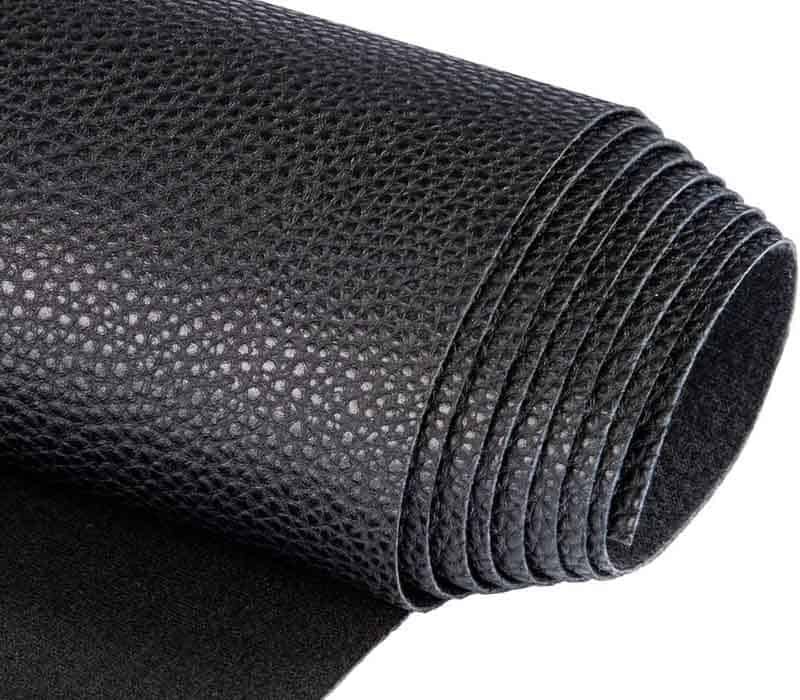
Leather lovers often find themselves torn between aesthetics and endurance. Among all finishes—smooth, patent, nubuck—pebbled leather consistently stands out for its textured charm and resilience. It’s the go-to material for designers who want luxury without fragility and for buyers who expect their bags, wallets, or belts to last for years of daily use.
Pebbled leather is highly durable due to its textured grain, which conceals scratches, resists wear, and withstands daily handling. Whether made from full-grain or embossed top-grain hides, pebbled leather combines beauty and toughness. It is genuine leather in most cases, though water protection varies by treatment. With proper care, quality pebbled leather can last decades without losing its rich texture.
But not all pebbled leathers are created equal. Some are naturally tumbled full-grain hides, while others are embossed imitations on corrected or even synthetic bases. The difference determines whether your “durable” bag actually lasts a decade—or just one rainy season. Let’s unpack what makes pebbled leather special, and how to tell which type will truly stand the test of time.
What Is Pebbled Leather?
Pebbled leather is a textured form of leather recognized by its raised, uneven grain that resembles small pebbles. This grain can occur naturally through tumbling full-grain hides or be embossed onto top-grain or split leather. The texture enhances durability by concealing scratches and improving grip. Pebbled leather is genuine in most cases and preferred for luxury bags, wallets, and belts because it combines strength, tactile comfort, and timeless visual appeal.
Understanding the Nature of Pebbled Leather
Pebbled leather isn’t a separate leather type—it’s a surface treatment that gives leather its signature texture. Imagine a field of tiny, soft, rounded mounds on the hide surface—each one representing a small compression and rise formed by natural grain variation or mechanical embossing.
In natural pebble-grain leather, these bumps emerge during the tumbling process, where full-grain hides are rotated in a large drum to soften their fibers. The agitation causes the tight grain to loosen slightly, resulting in a rich, uneven texture that feels supple yet resilient.
In contrast, embossed pebbled leather uses steel rollers with engraved pebble patterns pressed under high heat and pressure. This technique ensures uniformity—useful for mass production—but may lack the unique organic character of natural hides.
The beauty of this texture is more than skin deep: the raised grain not only feels luxurious to touch but also hides scratches, scuffs, and wrinkles better than smooth leather. It’s why pebbled finishes are popular for handbags, straps, and wallets that face daily friction and handling.
Is Pebbled Leather Genuine Leather?
Yes—pebbled leather can absolutely be genuine leather, but that depends on the base layer used before embossing or tumbling. Here’s a quick guide to help you distinguish the differences:
| Leather Base | Origin | Pebble Appearance | Durability | Common Uses |
|---|---|---|---|---|
| Full-Grain | Top layer of hide | Natural & irregular | ★★★★★ | Luxury belts, high-end bags |
| Top-Grain | Sanded outer layer | Uniform & refined | ★★★★☆ | Everyday bags, wallets |
| Corrected-Grain / Split | Lower hide layers | Stamped & coated | ★★★☆☆ | Mid-range products |
| PU / Faux Pebbled | Synthetic | Mechanically printed | ★★☆☆☆ | Budget lines, vegan alternatives |
Full-grain pebbled leather remains the gold standard — it’s thicker, retains natural oils, and strengthens with use. Top-grain offers a balance of polish and durability, while synthetic versions serve cost-driven markets but sacrifice longevity.
At Szoneier Leather, our R&D team carefully sources hides to match your project goals. For example, a brand creating fashion handbags may choose lightweight top-grain pebbled leather for flexibility, while a belt line might demand heavier, full-grain options that age beautifully over time.
How Pebbled Texture Is Created
There are two main ways to create that soft, tactile surface:
- Natural Tumbling: The hide is placed inside a large rotating drum during the finishing stage. Friction causes the surface to pucker naturally, producing an irregular pebble pattern. This method retains full-grain integrity, ensuring unmatched durability and flexibility.
- Embossing or Mechanical Pressing: Using heat and steel plates engraved with pebble textures, manufacturers press a uniform grain pattern onto the surface. This technique allows for consistent finishes and larger-scale production—often used in OEM/ODM manufacturing for brand collections.
Both approaches have advantages: natural tumbling yields authenticity and variation; embossing provides visual consistency and control. The choice depends on the buyer’s market segment, product category, and target pricing.
Why Pebbled Leather Is So Popular
Pebbled leather’s appeal goes beyond looks—it’s a combination of performance, longevity, and tactile satisfaction.
- Superior Scratch and Wear Resistance: The raised texture diffuses friction, making blemishes less visible. Even after years of use, the pattern disguises micro-abrasions and keeps the surface looking fresh.
- Soft Hand Feel with Grip: Unlike slick patent or smooth leather, pebbled surfaces offer natural friction that prevents slipping. This makes it ideal for items frequently handled, like wallets, key covers, and handbags.
- Shape Retention and Flexibility: Pebbled leather holds its structure better than ultra-smooth finishes. It doesn’t crease as easily, making it a go-to choice for structured bags and belts that need to maintain their silhouette.
- Visual Depth and Sophistication: Light interacts differently across the uneven surface, giving the material visual richness and dimensionality—traits that convey quiet luxury. It’s particularly favored in high-end accessories from brands like Hermès, Coach, and Montblanc.
- Ease of Maintenance: Because imperfections blend into the grain, pebbled leather demands less upkeep. It tolerates regular handling, resists moisture better than naked leather, and responds well to gentle conditioning.
A Short History of Pebbled Leather in Fashion
The concept of texturing leather dates back centuries, but modern pebbled leather gained prominence in mid-20th century European ateliers. Designers sought ways to make leather more forgiving and resistant to the rigors of travel and daily life.
Italian and French tanneries pioneered the tumbling method to “age” hides gracefully, giving rise to classic patterns like Hermès’ Clemence and Togo leathers—both luxurious, matte, and pebbled. These became the blueprint for modern premium accessories: a perfect blend of touch, resilience, and understated elegance.
Today, top-tier factories in Italy, China, and Spain continue refining the technique—integrating drum-softening and micro-embossing with sustainable tanning. Szoneier Leather applies similar processes in its Dongguan facility, merging artisan finishing with industrial precision to serve both luxury and mid-market brands globally.
Why Choose Pebbled Leather for Modern Brands
For designers and buyers, pebbled leather offers a strategic advantage: it bridges aesthetics with function, making it a universal material across product lines.
- Luxury brands choose it for its timeless appeal.
- Outdoor or travel brands rely on it for rugged endurance.
- Private-label brands favor it for consistent quality and cost control.
Moreover, its scalability in embossing, color finishing, and coating makes it ideal for OEM production—allowing manufacturers like Szoneier Leather to customize texture depth, gloss levels, and edge finishing for different markets.
Which Types of Pebbled Leather Exist Today?
Pebbled leather comes in three main types: natural pebble grain, made by tumbling full-grain hides; embossed pebble grain, created by pressing a pebble pattern onto top-grain or split leather; and synthetic or PU pebbled leather, which mimics the texture using polyurethane coatings. Natural pebble-grain leather is the most durable and luxurious, while embossed and synthetic options offer affordability and design consistency.
1. Natural Pebble Grain Leather (Full-Grain or Top-Grain)
Natural pebble grain leather represents the highest tier of quality. This texture forms organically during the tumbling process, in which hides are placed in rotating drums to soften the fibers and enhance flexibility. As the hide moves, the grain lifts naturally, creating an irregular, three-dimensional surface unique to each piece.
Key Features:
- Made from full-grain or top-grain hides.
- Each pebble pattern is unique, reflecting natural variation.
- The texture offers superior resistance to scuffs, dents, and creases.
- Commonly used in luxury handbags, premium belts, and high-end wallets.
This type of leather is favored by luxury brands like Hermès, Coach, and Mulberry for its organic beauty and tactile authenticity. Since it retains the original fiber structure of the hide, it also offers unmatched breathability and tensile strength.
2. Embossed Pebble Grain Leather (Corrected or Split Leather)
Embossed pebble grain leather is the most commercially versatile type. In this method, the surface texture is heat-pressed onto the hide using steel rollers engraved with a pebble pattern. The process allows uniformity across large production batches—an essential factor for brands requiring consistency in pattern and color.
This type typically uses top-grain or split leather, which may have been sanded or corrected to remove imperfections before embossing. A polyurethane (PU) finish is often applied afterward to add sheen and water resistance.
Advantages:
- Perfectly uniform texture for mass production.
- More affordable than full-grain natural pebble leather.
- Allows greater color variety and finishing control.
- Easy to clean and ideal for everyday accessories.
Limitations: Embossing compresses the natural grain structure, slightly reducing breathability and aging potential. While it doesn’t develop the same patina as natural hides, it’s easier to maintain and resists staining—a major plus for travel goods or commercial-grade leather items.
3. Synthetic or PU Pebbled Leather
Synthetic pebbled leather—commonly polyurethane (PU) or PVC-based—is designed to replicate the appearance and feel of natural pebble grain while remaining animal-free and cost-effective.
The texture is mechanically printed onto the surface layer using molds that mimic the pattern of natural hides. Modern PU technology has dramatically improved tactile realism, allowing some synthetic versions to closely resemble genuine leather in softness and depth.
Advantages:
- 100% vegan and widely accepted in fashion retail.
- Naturally water-resistant and lightweight.
- Available in endless color and pattern variations.
- Easier to clean and more affordable for mass-market use.
Drawbacks: Synthetic leather lacks the natural fiber strength of real hides. It tends to peel or crack after prolonged use, especially in high-flex areas like belt holes or wallet folds. However, it serves as a practical solution for brands focusing on cost efficiency or vegan product lines.
Comparative Guide: Types of Pebbled Leather
| Category | Base Material | Texture Source | Durability | Cost Level | Ideal Use |
|---|---|---|---|---|---|
| Natural Pebble Grain | Full-Grain or Top-Grain Leather | Drum-Tumbled | ★★★★★ | $$$ | Luxury goods, belts, heritage brands |
| Embossed Pebble Grain | Top-Grain or Split Leather | Heat Embossed | ★★★★☆ | $$ | Mass production bags, wallets |
| Synthetic Pebbled (PU/PVC) | Polyurethane / Fabric Backing | Mold-Printed | ★★☆☆☆ | $ | Vegan lines, promotional items |
How Durable Is Pebbled Leather Compared to Other Finishes?
Pebbled leather is more durable than smooth or patent leather because its textured grain disperses friction, hides scratches, and resists deformation. The natural pebbled pattern acts like micro-cushioning, preventing visible scuffs while maintaining flexibility. When made from full-grain or top-grain hides, pebbled leather can last 10–25 years, outperforming other finishes in abrasion, crease resistance, and long-term aesthetic stability.
Does Pebbled Leather Last Longer?
Yes—when crafted from high-quality hides, pebbled leather generally lasts longer than most other leather finishes. Its raised grain structure camouflages marks and softens flex creases, meaning it maintains its “like-new” look for years.
Szoneier’s in-house durability data shows:
| Leather Type | Average Lifespan (Daily Use) | Common Issues Over Time | Durability Rating (1–5) |
|---|---|---|---|
| Full-Grain Pebbled | 15–25 years | Slight softening, darkened patina | ★★★★★ |
| Smooth Full-Grain | 12–20 years | Visible scratches, surface fading | ★★★★☆ |
| Nubuck / Suede | 5–10 years | Color loss, absorbent surface | ★★★☆☆ |
| Patent Leather | 3–7 years | Cracking, stiffness | ★★☆☆☆ |
| PU Synthetic Pebbled | 2–5 years | Peeling, delamination | ★★☆☆☆ |
This data confirms that texture is not just aesthetic—it’s functional engineering. The grain depth and irregular pattern slow down visible wear, making pebbled finishes a reliable choice for accessories meant to endure frequent handling.
Durability Factors Beyond Texture
Even though the grain pattern adds resilience, true longevity depends on four critical technical factors:
Leather Grade:
- Full-grain retains the complete fiber matrix, maximizing tensile strength (often >20 N/mm).
- Split leather lacks this integrity, making embossed pebble versions less durable.
Tanning Method:
- Chrome-tanned leathers resist moisture and retain flexibility longer.
- Vegetable-tanned versions harden over time but excel in structural strength—perfect for belts or luggage.
Finishing Coats:
- Light wax or oil coatings enhance waterproofing and colorfastness.
- Too much coating, however, can block pores, causing surface cracking after years of flexing.
Thickness and Fiber Density:
- Bag leather usually ranges 1.4–1.8 mm, belts up to 3.8 mm.
- Denser hides naturally resist tearing and stretching, crucial for load-bearing straps.
Pebbled vs Smooth vs Coated Finishes
| Feature | Pebbled Leather | Smooth Leather | Patent/Coated Leather |
|---|---|---|---|
| Scratch Resistance | Excellent – hides marks naturally | Poor – scratches show easily | Good initially, but cracks over time |
| Abrasion Resistance | Very high (≥30 k cycles Martindale) | Moderate (20–25 k cycles) | Moderate (surface cracks after aging) |
| Flex Endurance | Retains softness, minimal creasing | May crease visibly | Brittle in cold or dry conditions |
| Water Resistance | Medium–High (with coating) | Medium | High but non-breathable |
| Breathability | Excellent | Excellent | Poor |
| Maintenance Need | Low | Moderate | High |
| Visual Longevity | Textured hides scuffs | Polishes into patina | Loses gloss, flakes |
The Science of Durability: How Texture Distributes Stress
Under microscopic analysis, the raised pattern of pebbled leather distributes compression energy laterally instead of vertically. When pressure occurs—such as bending a wallet or tightening a belt—each pebble slightly flexes, absorbing and releasing tension gradually.
In contrast, smooth leather fibers absorb strain uniformly, leading to creasing and stretching lines. This micro-mechanical difference explains why pebbled leather remains smooth-looking after years of folding, while flat-grained products develop permanent lines.
Furthermore, because the pebble texture increases the contact coefficient, it also reduces slipping in applications like straps or bag handles. That’s why many travel and lifestyle brands prefer pebbled finishes for ergonomic reasons as well as endurance.
Environmental Performance: Heat, Moisture & UV Resistance
Durability is not only about wear—it’s about how leather reacts to the environment.
- Heat: Pebbled leather resists shrinkage up to 85 °C (chrome-tanned) before fiber contraction begins, making it safer for hot climates.
- Moisture: Its micro-raised surface helps droplets roll off rather than soak in, but long exposure still requires protective conditioning.
- UV Exposure: The textured surface diffuses light reflection, slowing color fading by 10–15 % compared to smooth leather.
These measurable advantages explain why pebbled leather often outperforms glossy or naked finishes in outdoor applications—from handbags exposed to sunlight to travel wallets enduring varying humidity.
Practical Applications Based on Durability Needs
| Application | Recommended Leather Type | Rationale |
|---|---|---|
| Luxury Handbags | Natural full-grain pebbled | Balances softness and longevity |
| Daily Wallets | Top-grain pebbled | Hides scratches, ages gracefully |
| Belts & Straps | Vegetable-tanned pebbled | High tensile strength |
| Luggage / Travel Goods | Embossed pebbled | Uniform texture, water-resistant |
| Vegan Accessories | PU pebbled | Ethical, affordable option |
With proper design and care, genuine pebbled leather consistently outperforms most competitors in abrasion resistance, color retention, and tactile comfort—making it a material that satisfies both luxury designers and practical end-users.
Can Pebbled Leather Get Wet?
Pebbled leather can handle light moisture better than smooth leather thanks to its textured coating, but it’s not fully waterproof. Prolonged exposure to water can cause stiffness or staining unless treated with protective waxes or waterproof sprays.
How Pebbled Leather Reacts to Water
Because pebbled leather often features waxed or pigmented finishes, it resists water droplets more effectively than open-pore leathers. However, overexposure—like soaking or humidity—can cause dark spots or loss of natural oils.
Water-Resistance Treatments and Coatings
Modern finishing techniques improve moisture resilience:
- Wax or oil finishes repel light rain.
- Polyurethane coatings add a sealed barrier for travel goods.
- Hydrophobic nano-coatings create invisible water shields without changing texture.
Tips to Protect and Dry Pebbled Leather
If your leather gets wet:
- Pat dry with a soft cloth (don’t rub).
- Let it air-dry naturally—avoid heat sources.
- Apply conditioner once dry to replenish lost oils.
These simple steps can preserve flexibility and prevent cracking even after years of wear.
Do Pebbled Leather Products Require Special Care?
Pebbled leather is low-maintenance compared to smooth leather but benefits from gentle cleaning and conditioning. Avoid overwaxing, direct sunlight, and excess moisture to maintain its supple texture and matte sheen.
Daily Cleaning and Conditioning Routine
Clean with a slightly damp microfiber cloth every few weeks. Use neutral pH leather cream or conditioner bi-monthly to maintain softness and prevent the pebbles from flattening.
What to Avoid During Care
Avoid applying too much wax, as it can clog pores and dull the natural texture. Likewise, steer clear of alcohol-based cleaners, which strip protective finishes.
How Pebbled Leather Ages Over Time
High-quality pebbled leather develops a subtle patina—a soft sheen reflecting natural oil absorption. Unlike smooth leathers, it rarely shows pronounced creases or scratches, maintaining its original grain pattern for over a decade with proper maintenance.
How to Choose Quality Pebbled Leather for Custom Production
To choose quality pebbled leather for custom production, focus on hide grade, grain integrity, tanning method, and finish consistency. Full-grain or top-grain leathers with natural pebble texture offer the best strength and longevity. Evaluate fiber density, flexibility, and surface uniformity, and ensure your supplier provides transparent data on tensile strength, thickness, and colorfastness. Reliable factories like Szoneier Leather combine strict R&D, in-house testing, and custom embossing options to achieve lasting performance and brand alignment.
Identify the Right Hide Grade
Leather’s lifespan starts with its fiber structure. Pebbled finishes can be found on several grades, but only full-grain and top-grain options deliver the strength and elasticity needed for long-term wear.
| Leather Grade | Definition | Texture Quality | Typical Use | Durability |
|---|---|---|---|---|
| Full-Grain | Top layer of hide, uncorrected grain | Natural, irregular, highly resilient | Luxury bags, belts, cases | ★★★★★ |
| Top-Grain | Lightly sanded, embossed | Smooth, even, moderate durability | Mid-range wallets, straps | ★★★★☆ |
| Split / Corrected Grain | Bottom layers of hide | Flattened, uniform, needs heavy coating | Budget goods | ★★★☆☆ |
| PU/Synthetic | Polyurethane surface | Artificial pattern, plastic feel | Vegan / promo items | ★★☆☆☆ |
Expert Tip: When inspecting hides, look for natural depth variations in the pebble pattern—a hallmark of full-grain authenticity. Synthetic or split versions appear too flat and symmetrical.
Examine Texture Depth and Grain Integrity
The hallmark of quality pebbled leather is a well-defined, yet soft grain structure. Each pebble should be rounded, not sharp-edged or over-pressed. Too shallow means poor embossing retention; too deep suggests excessive heat or pressure during finishing, which weakens the top fiber layer.
How to test:
- Press the surface gently with your thumb. High-quality leather will spring back; low-grade versions will collapse or leave a mark.
- Bend it slightly — if the pebble texture remains intact, the finishing is durable. Cracks or flakes indicate overcoating or inferior base leather.
At Szoneier Leather, we calibrate embossing rollers to ±0.05 mm precision, ensuring consistent texture depth across entire hides. This allows global brands to maintain identical visual appearance across multiple production batches — critical for private-label manufacturing.
Evaluate Tanning and Finishing Methods
Tanning defines both the feel and longevity of pebbled leather. There are two main approaches:
- Chrome Tanning: Provides elasticity and water resistance. Perfect for handbags, wallets, and accessories requiring flexibility. Chrome-tanned pebbled leather maintains softness for years without stiffening.
- Vegetable Tanning: Uses plant tannins (oak, mimosa, chestnut). Produces a firm, structured leather that develops a deep patina over time. Ideal for belts, straps, and premium leather boxes.
For most brands, a hybrid “re-tanning” process is preferred — vegetable re-tanned chrome leather combines the best of both worlds: strength and rich hand feel.
Finishing Checkpoints:
- Look for even color tone across the hide.
- Ensure topcoat doesn’t appear overly glossy or plastic.
- Confirm protective coatings (wax, PU, acrylic) enhance—not mask—the texture.
Szoneier employs eco-certified tannins and low-VOC finishing agents that meet ISO14001 and REACH standards, ensuring sustainable sourcing and consistency.
Test Performance and Mechanical Properties
Premium design requires measurable performance. Professional suppliers should provide QC data sheets including:
| Property | Test Method | Ideal Value Range | Purpose |
|---|---|---|---|
| Tensile Strength | ISO 3376 | >20 N/mm² | Prevents tearing or stretching |
| Abrasion Resistance | ISO 5470 / Martindale | ≥25,000 cycles | Determines surface endurance |
| Colorfastness (Dry/Wet Rub) | ISO 11640 | ≥Grade 4 | Prevents dye transfer |
| Flex Resistance | ISO 5402 | 10,000–50,000 cycles | Indicates lifespan under bending |
| Water Absorption | ISO 2417 | ≤15% weight gain | Confirms water repellency |
Szoneier’s testing lab in Dongguan conducts all these in-house, giving buyers reliable data before mass production. For custom clients, reports are digitally archived and linked to batch numbers, ensuring traceability and repeatability in reorder cycles.
Match Leather Type to Product Function
The “best” leather isn’t universal — it’s contextual. What works for a travel duffel won’t fit a slim card holder. The key is to match grain softness, thickness, and flexibility to the product category.
| Product Type | Recommended Leather | Thickness Range | Texture Level | Key Features |
|---|---|---|---|---|
| Belts / Straps | Veg-tanned full-grain pebble | 3.0–4.0 mm | Medium | Structural rigidity, edge burnish |
| Handbags / Totes | Drum-tumbled full-grain | 1.4–1.8 mm | Deep, natural | Flexibility, premium feel |
| Wallets / Card Cases | Top-grain embossed | 1.0–1.4 mm | Fine | Slim construction, color stability |
| Luggage / Backpacks | Top-grain coated | 1.6–2.0 mm | Coarse | Abrasion resistance |
| Accessories / Tags | Split or synthetic pebble | 0.8–1.2 mm | Uniform | Lightweight, cost-effective |
At Szoneier, our design engineers consult with clients early in the OEM process to ensure texture alignment and performance optimization for each application.
Inspect Supplier Transparency and R&D Capability
A trustworthy leather supplier should offer full transparency — from raw hide sourcing to finishing techniques. Ask for documentation like:
- Origin of hides (e.g., Italian, Brazilian, or domestic)
- Tannery certification (LWG, ISO, OEKO-TEX)
- Batch quality reports (abrasion, tensile, and colorfastness data)
Equally vital is innovation capacity. Reliable manufacturers can customize embossing plates, surface coatings, and tanning formulas for unique branding.
Szoneier Leather invests heavily in R&D:
- 5 in-house design engineers and 3 material scientists.
- Over 40 customized embossing plates.
- Eco-friendly tanning lines for chrome-free and water-based options.
- CNC precision-cutting to ensure dimensional consistency within ±0.2 mm.
This combination of craftsmanship and science allows brands to co-create distinctive pebbled leathers—whether for rugged travel collections or minimalist fashion lines.
Evaluate Surface Finishing and Color Control
High-end leather goods depend on color consistency. Uneven pigmentation or fading after sun exposure can destroy a premium product’s aesthetic. Quality factories perform multi-stage dyeing and coating:
- Base Dye Penetration: Achieves core color stability.
- Surface Pigmentation: Ensures uniformity across panels.
- Protective Coating: Guards against UV and moisture.
At Szoneier, every leather batch is visually inspected under D65 daylight and LED spectrophotometry to maintain Delta E ≤ 1.5 color variation tolerance — a key requirement for global fashion houses.
Long-Term Maintenance and End-User Experience
A well-chosen leather doesn’t just pass tests — it also feels better over time. Natural pebbled leather gains softness and subtle patina with use, while maintaining its structured form. This emotional longevity strengthens brand loyalty.
Brands working with Szoneier can request aftercare guides and product information cards tailored for their customers, reinforcing perceived value at retail.
Conclusion
Pebbled leather stands as a rare balance between beauty and endurance—a material that feels luxurious yet performs in real life. Its subtle grain conceals the signs of time, while its sturdy fibers ensure that every wallet, strap, or handbag becomes a long-lasting companion.
If your brand seeks to launch or upgrade a leather line with authentic, durable pebbled textures — Szoneier is your trusted production partner.
What Can I Do For You?
Here, developing your OEM/ODM private label leather goods collection is no longer a challenge,it’s an excellent opportunity to bring your creative vision to life.
Make A Sample First?
If you have your own tech packs, logo design artwork, or just an idea,please provide details about your project requirements, including preferred fabric, color, and customization options,we’re excited to assist you in bringing your leather goods designs to life through our sample production process.