For centuries, artisans have searched for creative ways to leave a mark on leather. From medieval bookbinding to luxury handbags today, techniques like debossing and embossing have shaped how brands communicate identity through texture and detail. But if you’re a brand owner, designer, or manufacturer, one key question often comes up: debossed vs embossed — which is the smarter choice for my product?
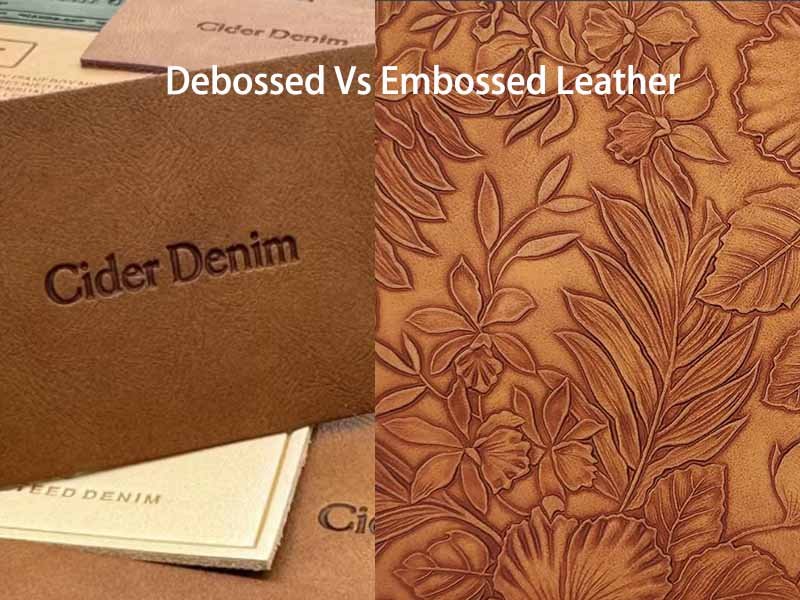
Debossing creates a recessed impression by pressing a logo or design into the leather, while embossing raises the design above the surface. Debossed logos are subtle, durable, and timeless, while embossed designs stand out with bold, tactile patterns. Choosing between the two depends on leather type, desired effect, durability needs, and brand identity.
Imagine this: a startup fashion label wants a logo on their wallets. They test embossing with metallic foil and debossing without ink. Customers consistently prefer the debossed mark for its subtle elegance. That story illustrates why the choice isn’t purely technical — it’s also emotional. Let’s dive deeper into the details so you can make the right call.
What Do “Debossed” and “Embossed” Mean on Leather?

Debossing presses a design into the surface of leather, creating a recessed impression, while embossing raises the design above the surface. Both methods add texture, branding, or decoration, but debossing is subtle and long-lasting, while embossing is more eye-catching and decorative.
When leather is personalized or branded, two of the most common finishing techniques are debossing and embossing. At first glance, the two may look similar, but the processes and end results are distinct:
Debossing (Pressed Inwards)
Debossing uses a heated metal plate or stamp to press a design downward into the leather surface. This creates a sunken effect that can be left plain (blind debossing), highlighted with foil (foil debossing), or filled with color. Debossing works exceptionally well on durable leathers such as full-grain or vegetable-tanned hides, where the fiber density allows the impression to stay crisp for years. For instance, luxury brands often deboss their discreet logos onto wallet interiors or belt straps, appealing to customers who prefer subtlety and timeless elegance.
Embossing (Raised Outwards)
Embossing does the opposite — it uses heat and pressure to raise a design above the leather’s surface, often by pressing the leather into a mold with a recessed shape. The result is a 3D elevated effect that makes the design highly visible. Embossing is often combined with foils or pigments to enhance contrast and highlight patterns. Handbags, gift boxes, and accessories frequently use embossing because it creates bold visual impact that stands out on shelves.
Key Differences
| Feature | Debossed Leather | Embossed Leather |
|---|---|---|
| Visual Effect | Recessed, subtle | Raised, bold, decorative |
| Durability | Very durable, impression lasts long | May flatten over time with heavy use |
| Best For | Wallets, belts, corporate gifts | Handbags, packaging, luxury branding |
| Cost | Moderate, depends on leather | Often higher, especially with foils |
| Style Appeal | Minimalist, discreet | Attention-grabbing, premium-looking |
Both methods use custom dies (metal plates made of brass, magnesium, or steel). The dies are heated and pressed into the leather at controlled pressure. The choice between debossing and embossing depends on:
- Aesthetic Goals: Do you want subtle branding (deboss) or attention-grabbing textures (emboss)?
- Surface Function: Raised embossing can wear faster on high-contact products like wallets or belts. Debossing resists friction better.
- Enhancements: Both can be combined with foil stamping, color-fill inks, or blind (no color) impressions. For instance, a gold-foil embossed logo screams luxury, while a blind debossed logo whispers minimalism.
Variants:
Blind Debossing/Embossing
Blind debossing or embossing refers to leaving an impression on leather without adding any foil, ink, or pigments. The beauty lies in its simplicity — it relies entirely on the natural contrast of light and shadow created by the recessed or raised areas. Blind debossing is especially popular in minimalist branding for wallets, journals, or luxury belts, where the logo should not compete with the product’s natural grain. For example, a matte black wallet with a blind debossed logo looks subtle yet sophisticated, appealing to customers who value understated elegance. On the other hand, blind embossing works well for monogramming or decorative textures but may wear faster if applied to high-contact items. Brands often choose blind finishes for corporate gifts or boutique collections where durability is less important than exclusivity.
Foil Stamping
Foil stamping introduces metallic foils (gold, silver, rose gold, holographic, etc.) into the debossing or embossing process. The result is a shiny, reflective logo that instantly signals luxury. Think of luxury brands like Louis Vuitton or Montblanc — they frequently use foil embossing on packaging, diaries, and high-end leather goods. However, foil stamping requires more care: foils can fade or scratch with heavy use, especially on wallets or straps that are constantly handled. The cost is also slightly higher, as foils add extra material and time in production. Still, foil stamping is an unbeatable choice for premium handbags, packaging boxes, or limited-edition runs where visual impact outweighs long-term durability. If combined with embossing, foil stamping creates a three-dimensional shimmer that’s hard to miss on retail shelves.
Color Fill Debossing
Color fill debossing is a hybrid method where pigments, paints, or even epoxy resins are applied inside the recessed debossed area. This technique combines the subtle depth of debossing with the bold visibility of printed logos. It’s particularly effective for logos with multiple colors, bold letters, or when the brand identity relies heavily on a specific Pantone shade. For example, a sports accessories brand might deboss their logo on a gym bag strap and fill it with bright red epoxy for instant recognition. Compared to foil, color fills are more resistant to scratches and can withstand daily wear better. However, they may peel or fade if not applied properly or exposed to harsh chemicals. Brands targeting youth markets, sports industries, or lifestyle products often prefer color fill debossing because it balances visibility, durability, and affordability.
Which Technique Works Best for Different Leathers and Finishes?
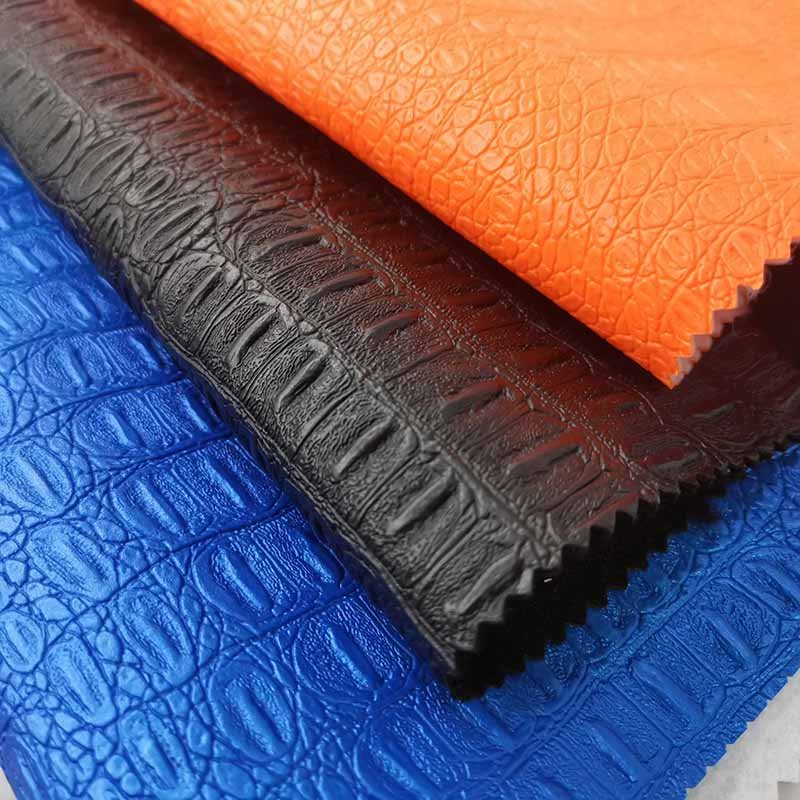
Debossing works best on firm, natural leathers like full-grain or vegetable-tanned hides, while embossing is better suited for softer or corrected leathers with even surfaces. The choice depends on whether durability and subtlety (debossing) or visibility and decorative appeal (embossing) are the goal.
When choosing between debossing and embossing, the type of leather and its surface finish play a huge role in how the final design looks and lasts. Each technique reacts differently to leather density, texture, and finish.
Full-Grain Leather
- Debossing: Excellent. Full-grain leather is dense, with tightly packed fibers that hold impressions very well. A debossed logo or pattern can remain sharp for decades, even as the leather ages.
- Embossing: Possible, but less common. Raised embossing on full-grain can sometimes fade as the surface naturally patinas. Still, embossing can look stunning when combined with metallic foil for a bold effect.
- Best Applications: Luxury wallets, belts, corporate gifts where longevity matters.
Top-Grain Leather
- Debossing: Works very well because the sanded and treated surface still has enough firmness to hold a recessed design. Blind debossing often looks very sleek here.
- Embossing: Popular, especially for fashion handbags and accessories, because top-grain leathers take foils and pigments well, creating vibrant raised logos.
- Best Applications: Mid- to high-end bags, accessories where brands want a balance of durability and visibility.
Corrected-Grain or Coated Leather
- Debossing: Limited. Since the surface is heavily corrected or coated, pressing inwards can sometimes crack the coating or reduce clarity.
- Embossing: Excellent. Embossing pairs well with uniform coated surfaces, creating clean, decorative patterns. This is often used in fashion leathers with embossed crocodile or lizard textures.
- Best Applications: Mass-market handbags, decorative leather goods, affordable fashion accessories.
Split Leather (Suede, Nubuck)
- Debossing: Works moderately well. Suede and nubuck are soft, so impressions can be fuzzy rather than sharp. Hot foil debossing improves visibility.
- Embossing: Not recommended. The nap of suede or nubuck doesn’t hold raised embossing effectively.
- Best Applications: Casual wallets, soft accessories, limited branding marks.
PU / Faux Leather (Synthetic)
- Debossing: Works, but less durable. The synthetic top layer may not hold deep impressions for long.
- Embossing: Very effective, since synthetic materials can be molded into consistent raised designs. Many affordable handbags use embossed branding on PU leather.
- Best Applications: Promotional items, mass-market accessories, vegan alternatives.
Side-by-Side Comparison
| Leather Type | Debossing Performance | Embossing Performance | Best Use Case |
|---|---|---|---|
| Full-Grain | ★★★★★ (crisp & lasting) | ★★★ (patina can soften effect) | Premium wallets, belts |
| Top-Grain | ★★★★☆ (clean, sleek) | ★★★★☆ (takes foils well) | Fashion bags, accessories |
| Corrected-Grain | ★★☆☆☆ (risk of cracking) | ★★★★★ (clear, decorative) | Decorative textures |
| Suede/Nubuck | ★★★☆☆ (fuzzy, subtle) | ★☆☆☆☆ (not recommended) | Casual goods |
| PU / Faux Leather | ★★☆☆☆ (less durable) | ★★★★☆ (uniform patterns) | Mass-market branding |
Tanning Methods
- Vegetable-Tanned: Best for deep, crisp debossing. It “remembers” impressions well.
- Chrome-Tanned: Softer and more flexible, better for embossing bold textures.
Finishes & Textures
- Smooth/Aniline: Shows sharp detail. Ideal for luxury branding.
- Pebbled or Saffiano: Small patterns can interfere with embossing clarity; debossing often delivers cleaner logos.
- Patent/Coated: Reflective surfaces make embossing pop, but debossing may appear shallow.
How Are Debossing and Embossing Produced in the Factory?
Debossing and embossing are made using heat, pressure, and custom-made dies. In debossing, the design is pressed into the leather surface to create a recessed mark. In embossing, the design is pressed upward with a male–female die set, raising the pattern above the surface. Both require precise control of temperature, pressure, and dwell time to achieve a clean, lasting effect.
Factory production of debossed and embossed leather involves specialized equipment, custom dies, and skilled operators. The goal is to translate a brand’s logo, pattern, or decorative design into a permanent impression without damaging the leather surface.
1. Design Preparation
- The first step is digital artwork creation of the logo, pattern, or lettering.
- This is converted into a metal die (stamp), typically made of brass, magnesium, or hardened steel, depending on the level of detail required and production volume.
- For embossing, two dies are made — male (raised) and female (recessed) — so the leather can be “sandwiched” between them. For debossing, usually only one die is needed.
2. Leather Preparation
- The leather surface is cleaned, sometimes lightly moistened to make fibers more pliable.
- In high-end production, vegetable-tanned or full-grain leather is often preferred because it holds impressions better.
- For corrected-grain or PU-coated leathers, surface testing is done to prevent cracking.
3. The Pressing Process
Debossing:
- The die is heated to a precise temperature (typically 120°C – 150°C for vegetable-tanned leathers).
- Pressure (measured in tons) is applied for 1–3 seconds.
- The result: a recessed design that sinks into the leather’s surface.
Embossing:
4. Optional Add-Ons
- Foil Stamping: Metallic foils (gold, silver, rose gold, etc.) can be added during debossing/embossing for more visibility.
- Color Fill: Debossed areas can be hand-painted or ink-filled.
- Texture Overlay: Embossing can create entire surface patterns (e.g., crocodile, ostrich, or geometric textures).
5. Quality Control
- Every piece is checked for sharpness, depth, alignment, and consistency.
- Factory technicians test multiple samples to confirm that impressions don’t fade after bending or flexing the leather.
- High-end factories (like Szoneier) also run durability checks with abrasion or rub tests.
6. Scale of Production
- Small runs (custom/OEM): Often use manual or semi-automatic hot stamping machines.
- Mass production: Utilizes hydraulic or pneumatic embossing presses with automated feeding systems for consistency.
Example
- A luxury belt factory debosses brand initials with blind stamping (no foil) for a subtle, long-lasting mark.
- A fashion handbag brand embosses an all-over crocodile pattern using full-surface embossing plates, giving PU leather the look of exotic hides.
Do Debossed or Embossed Marks Last Longer?

Debossed marks generally last longer, as the recessed impression resists friction and wear. Embossed marks can flatten over time, especially on high-use items, but proper care and finishing can extend durability.
Durability is critical for products like belts, wallets, and handbags that face daily handling.
- Debossing: The recessed logo sits below the surface, shielded from abrasion. On wallets or straps, debossed marks often outlast the product itself.
- Embossing: Raised designs are more vulnerable. Constant friction from hands, clothing, or surfaces can flatten embossing within 2–3 years if not carefully maintained.
Care Tips:
- Conditioning leather every 3–6 months keeps impressions sharp.
- Avoid direct sunlight, which can dry and fade both debossed and embossed marks.
- Foil-embossed logos should be kept away from alcohol-based cleaners, which strip foil.
Durability by Product Type:
| Product | Best Branding Method | Reason |
|---|---|---|
| Wallets | Debossing | High-contact item, resists friction |
| Handbags | Embossing + Foil | Decorative, visible branding |
| Belts | Debossing | Withstands tension and bending |
| Gift Boxes | Embossing | Minimal wear, decorative value |
How Much Do Debossing and Embossing Cost?
Debossing typically costs less than embossing, especially when done blind (no foil). Basic blind deboss might add $0.50–$5 per piece in volume; embossing (especially with foil, color, or complex dies) can be $2–$20+ per piece depending on size, complexity, and run size. The cost of tooling (creating the dies) is a one-time upfront investment and can range from $50 to several hundred dollars depending on material and complexity.
When you’re budgeting for debossed or embossed leather, there are several cost components and factors to keep in mind. Here are the main ones, with more detailed examples.
1. Die Tooling (Initial Setup Cost)
- A die is the metal stamp used to press the logo/design. If you’re doing blind debossing, you often need just a single die. For embossing, especially if you want raised designs, or matching male/female dies, tooling can be more complicated.
- Materials matter: brass or steel dies are more durable and retain sharper detail, but cost more to make. Magnesium or softer metals are cheaper but wear faster and lose detail sooner.
- Typical tooling costs: Die Type Complexity Cost Range (USD) Simple logo, small size Magnesium or soft brass $50 ‒ $150 Medium complexity (multiple letters, border, small details) Hardened brass or steel $150 ‒ $400 Large or textured logos (multiple layers, foil, color-fill) High precision steel + finishing $400 ‒ $1,000+
- If you do repeat production often with the same logo, that tooling cost is amortized over many units, reducing per-piece cost substantially.
2. Per-Piece Cost in Production
After tooling, the per-piece cost depends on:
| Factor | Effect on Cost |
|---|---|
| Leather Type & Finish | Thick, full-grain leather costs more to emboss; PU/synthetic may cost less but less detail. |
| Design Size & Complexity | Large or intricate designs require more pressure, time, and more precise alignment—higher cost. |
| Use of Foil or Color Fill | Adds materials (foil, pigment), extra steps, and sometimes extra time—boosts cost. |
| Run Size (Quantity) | Larger runs reduce cost per piece (economies of scale). Small custom batches tend to be much more expensive per unit. |
| Labor & Machine Time | Pressing, heat, alignment, finishing each unit takes skilled labor. Overhead and machine wear matter. |
3. Typical Price Ranges
To give you concrete numbers, here are typical costs for various sizes/runs. These are estimates and can vary by region, supplier, and quality:
| Product Type | Run Size | Technique | Estimated Additional Cost Per Unit* |
|---|---|---|---|
| Wallet (small logo) | 1000 units | Blind Deboss | $0.80 ‒ $2.50 |
| Belt Buckle Area | 500 units | Deboss + Color Fill | $1.50 ‒ $4.00 |
| Handbag Front Panel | 200 units | Embossed + Foil | $5.00 ‒ $12.00 |
| Leather Box Lid (large) | 100 units | Embossed Logo & Texture | $8.00 ‒ $20.00+ |
| Custom Set (wallet + belt + strap) | Low-volume (50–100) | Mixed Deboss/Emboss + Foil | $10.00 ‒ $30.00 extra per unit |
Which Method Should Brands Choose for Specific Products and Aesthetics?

Debossing suits wallets, belts, and high-use goods, while embossing enhances handbags, boxes, and luxury packaging. The choice depends on usage, logo detail, and brand style.
- Wallets & Belts: Debossing works best due to durability. Logos remain sharp even with daily bending and abrasion.
- Handbags & Luggage: Embossing (with or without foil) creates a luxury, eye-catching effect. Customers often associate embossed logos with premium brands.
- Leather Boxes & Packaging: Embossing elevates presentation. For gift-ready items, raised logos add perceived value.
- Straps & Small Accessories: Debossing prevents logos from wearing off in high-contact use.
Design Factors:
- Thin lines may disappear in embossing but stand out in debossing.
- Large logos look dramatic embossed, but may overpower on small goods.
- Foil embossing adds shine but reduces long-term durability.
Mistakes to Avoid:
- Overly fine lines in embossing (they blur).
- Excess heat in debossing (causes burn marks).
- Choosing embossing for rugged products where longevity matters more than looks.
Conclusion
Choosing between debossing and embossing is more than a technical decision — it’s about how you want your leather goods to tell a story. Debossing offers quiet elegance and durability, perfect for brands that value subtle sophistication. Embossing delivers visual impact and texture, ideal for products that need to stand out and catch attention. Both techniques can dramatically enhance the look and feel of bags, wallets, belts, and accessories when done with precision. For brands, retailers, or designers, the key lies in choosing the right technique based on your target audience, product type, and brand identity. Do you want your logo to whisper luxury or shout sophistication? Do you need the design to withstand daily wear or serve as a decorative focal point? These are questions that define whether debossing or embossing is your best match.
Ready to create leather goods that stand out?
Contact Szoneier Leather today to discuss your next project. Let’s work together to design and manufacture custom bags, wallets, belts, straps, and accessories with the perfect debossed or embossed finish for your brand.