
Purse vs Shoulder Bag: Key Differences & Style Guide
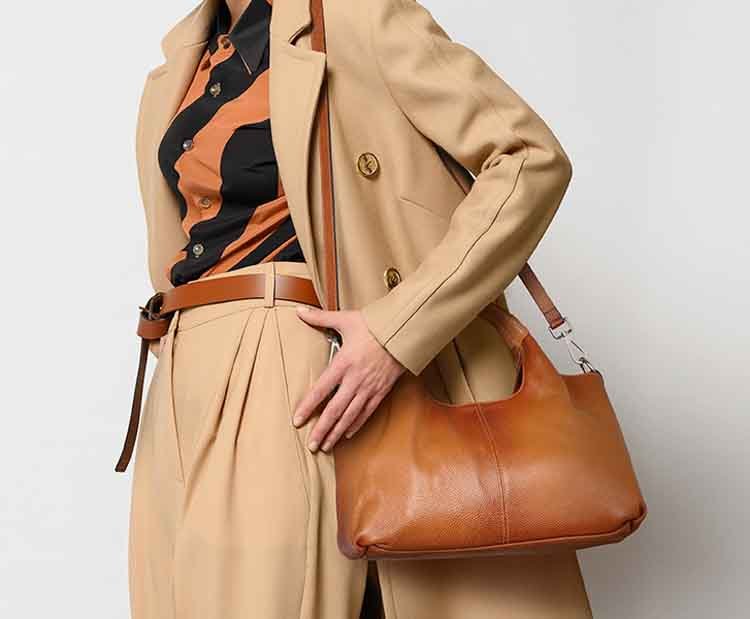
Walk into any boutique or scroll through any online fashion catalog, and you’ll notice two terms popping up again and again: purse and shoulder bag. At first glance, they might seem interchangeable. After all, both carry your essentials, come in countless materials, and range from fast-fashion to luxury designer pieces. But beneath the surface, these two terms carry historical roots, regional terminology differences, and practical distinctions that influence how fashion designers, retailers, and consumers view them.
A purse typically refers to a smaller, handheld or short-strapped bag, often associated with women’s fashion and formal occasions. A shoulder bag, on the other hand, features longer straps designed for shoulder wear, offering more capacity and versatility for everyday use. While modern fashion often blurs these lines, the distinctions remain clear in design, functionality, and cultural terminology.
To make this article more engaging, let’s take you from New York’s Fifth Avenue—where “purse” dominates—to Parisian streets, where “sac à main” takes over, and finally into the global luxury market, where satchels, totes, and crossbody hybrids add complexity to the story.
What Defines a Purse vs a Shoulder Bag?
A purse is typically a small, handheld or short-strap bag designed for essentials and formal occasions, while a shoulder bag features longer straps for hands-free wear and larger capacity, making it ideal for daily use. Historically, “purse” dominates in U.S. fashion terminology, while “shoulder bag” emphasizes functionality and design structure. Modern fashion often blends features, blurring strict definitions between the two styles.
When we compare purse vs shoulder bag, we uncover historical roots, regional terminology differences, and design intentions that shaped how each style is perceived in today’s fashion world.
Historical Origins: From Coin Pouches to Modern Accessories
- Purse origins: The word purse dates back to the Middle Ages in Europe, when small drawstring pouches carried coins and personal valuables. Over time, these pouches became fashion accessories for women, evolving into today’s clutches and handheld handbags.
- Shoulder bag origins: Shoulder bags emerged much later, primarily for practical needs. Soldiers, workers, and travelers used strap-equipped bags for carrying equipment hands-free. Fashion designers adopted the function-first concept into women’s handbags in the 20th century, blending style with utility.
By the 1950s, purses symbolized elegance and femininity, while shoulder bags represented modern, urban practicality—a distinction that still lingers in fashion psychology today.
Regional Terminology: U.S vs France vs Global Fashion
- What do Americans call a purse? In the United States, “purse” and “handbag” are often interchangeable, though “purse” dominates casual language. For instance, a woman might say, “I left my purse in the car,” referring to anything from a clutch to a tote bag.
- What do the French call a purse? In France, the term is “sac à main” (literally “handbag”), covering purses, shoulder bags, and totes under one elegant umbrella. French fashion focuses more on style and silhouette than strict functional categories, which explains why Chanel’s classic flap bag is both a purse and a shoulder bag by American standards.
- Global influence: British English favors “handbag” for women’s bags, while Asia’s luxury market uses “purse” for status-symbol accessories and “shoulder bag” for practical everyday wear.
These linguistic nuances affect marketing strategies for brands selling internationally.
Design & Functionality Differences
| Feature | Purse | Shoulder Bag |
|---|---|---|
| Strap Length | Short or none (handheld or wristlet) | Long straps for over-the-shoulder wear |
| Capacity | Small, essentials only | Medium to large, for daily items |
| Formality | Often formal, elegant events | Casual to semi-formal, everyday use |
| Carrying Style | In hand or on forearm | Hands-free, over one or both shoulders |
| Typical Examples | Clutch, evening purse | Tote, hobo, bucket, crossbody styles |
- Purses: Perfect for weddings, dinners, or cocktail parties, where style and minimalism dominate.
- Shoulder bags: Favored for work commutes, shopping, or travel, offering storage capacity without sacrificing fashion.
Evolving Fashion: The Blurred Lines
Modern handbag design increasingly hybridizes features. For instance:
- Convertible bags: Detachable straps transform a purse into a shoulder bag or crossbody.
- Mini shoulder bags: Popularized by brands like Prada and Jacquemus, these mimic purse elegance but retain shoulder straps for versatility.
- Oversized clutches: Daytime clutches now rival small shoulder bags in size, merging categories once separated by function.
The global luxury market shows a 35% growth in multi-functional handbags (Edited Retail Data, 2024), proving that modern consumers value flexibility over strict definitions.
Cultural Symbolism & Brand Positioning
- Purses: Often tied to femininity, sophistication, and luxury branding (e.g., Chanel Classic Flap, Dior Lady Bag).
- Shoulder bags: Linked with practicality, mobility, and urban lifestyles (e.g., Longchamp Le Pliage, Coach Tabby Bag).
Luxury fashion houses deliberately position purses as iconic collectibles while marketing shoulder bags as functional staples, shaping consumer perception and pricing power.
Which Bag Styles Are Most Popular Today?
Today’s bag styles that are trending highest include crossbody bags, mini purses, and oversized shoulder totes—each blending fashion with function. Hybrid designs (convertible straps), tech-friendly bags, and sustainable materials are also sought after as consumers demand style, utility, and ethical values in one piece.
1. Crossbody Bags & Mini Bags
Crossbody bags have surged in popularity because they’re hands-free, compact, and versatile. They appeal to urban commuters, festival goers, and travelers who want essentials like phone, wallet, keys, and perhaps a small notebook without the bulk. Mini purses—smaller versions—are fashion statements; influencers and social media push them as stylistic accents more than functional storage.
- Why they’re popular: Safety (harder to snatch), mobility, lightweight.
- Design traits: Adjustable straps, secure closures (zippers, flap covers), often decorative hardware or logo accents.
- Material preferences: Grained leather, lightweight smooth leather, sometimes vegan alternatives for trend-affinity.
Many brands offer convertible crossbody/mini purse designs, so a bag can shift from shoulder bag to crossbody or clutch, giving more utility.
2. Oversized Totes & Shoulder Bags
For many, especially professionals, parents, or frequent travelers, capacity matters. Oversized shoulder bags and large totes are in demand for their ability to carry laptops, water bottles, extra layers, and gym gear. They strike a balance of style and utility.
- Why they’re popular: They serve as single-bag solutions for work, errands, travel.
- Design traits: Long and strong straps to carry weight, internal compartments (zip pockets, padded sections), magnetic or zip closures.
- Trend shifts: Lighter hardware, lighter leathers/fabrics, and use of mixed materials to reduce weight. Sustainability plays in via recycled lining fabrics or leather with lower environmental footprint.
3. Satchels, Bucket Bags, and Hobo Styles
These intermediate-size styles combine structure and ease. Satchels: more structured, often with flap, rigid shape, often has top handle + shoulder strap. Bucket bags: drawstring or relaxed open shapes. Hobos: slouchy shoulder bags that mold to wearer.
- Satchel vs Shoulder Bag difference: Satchel is structured, often boxy, sometimes rigid, with more formal presence; shoulder bag may be slouchy or soft.
- Popular because: They give aesthetic variety—structured formality or relaxed casual—or both via hybrids.
4. Sustainable & Hybrid Designs
Consumer demand for sustainable products is pushing styles toward eco-friendly materials (vegetable-tanned leather, recycled leather, alternative “leathers” like cork or mushroom) and designs that combine functions. Bags that can convert (detachable straps), include safety features, or integrate technology (charging ports, phone pockets).
- Eco influence: Labels that highlight environmental ethics see higher engagement on social media.
- Hybrid design examples: Convertible shoulder/purse, modular inserts, expandable or compressible bags for different uses.
5. Statement Designs & Fashion-Forward Accents
While utility and sustainability matter, fashion statements still lead certain segments. Statement bags with bold colors, unusual textures, embellishments (studs, fringe, chains), exaggerated hardware or logo branding are hot among younger buyers and luxury seekers.
- Colors/Textures: Neon accents, metallics, embossed patterns, exotic prints.
- Influence: Social media, celebrity carry-features, fashion week peaks, seasonal drops.
How Do Materials and Craftsmanship Compare?
Real leather offers superior durability, patina development, and timeless appeal, while synthetic materials like PU or canvas prioritize affordability, lighter weight, and weather resistance. Craftsmanship—from hand-stitched leather edges to machine-made seams—determines the bag’s lifespan, price, and aesthetics. Premium brands often use full-grain leather and artisanal techniques, while mass-market bags rely on lower-cost materials and automated production for affordability.
Common Materials Used in Purses and Shoulder Bags
Bags today come in a range of materials, each with its unique cost, durability, and aesthetic profile.
| Material Type | Durability | Weight | Typical Applications |
|---|---|---|---|
| Full-Grain Leather | 15–20 years | Medium-Heavy | Luxury purses & shoulder bags |
| Top-Grain Leather | 10–15 years | Medium | Mid-to-high fashion bags |
| Genuine Leather | 5–10 years | Medium | Affordable everyday bags |
| PU / Vegan Leather | 2–5 years | Light | Fast fashion & seasonal styles |
| Canvas / Nylon | 3–7 years | Very Light | Travel & outdoor shoulder bags |
| Exotic Skins | 15+ years | Medium | Limited edition luxury pieces |
- Full-grain leather develops a patina—a rich sheen that adds value over time.
- PU (Polyurethane) leather offers a leather-like look but cracks and peels faster.
- Canvas and nylon are favored for utility shoulder bags because they’re lightweight, washable, and affordable.
2. Craftsmanship: Hand-Made vs Machine-Made Construction
Craftsmanship affects longevity, aesthetics, and cost:
Hand-Stitched Leather Bags:
- Each seam is individually stitched, often using saddle stitching techniques.
- Stronger, more resistant to wear and tear because both threads lock independently.
- Seen in luxury brands like Hermès, where a single artisan crafts a bag start to finish.
- Takes 20–40 hours per bag; this labor intensity explains prices often exceeding \$5,000.
Machine-Made Bags:
- Rely on industrial stitching—faster, uniform, but less durable if a stitch breaks.
- Ideal for mass production and affordable price points.
- Brands like Michael Kors use machine stitching but add hand-finished edges for mid-market positioning.
3. Hardware and Structural Components
High-end purses and shoulder bags use solid brass, stainless steel, or gold-plated hardware for zippers, buckles, and clasps—resistant to rust and wear.
- Luxury bags: Reinforced interiors with leather-wrapped edges, multiple layers of interfacing for shape retention, and hand-painted edges for aesthetics.
- Budget bags: Often rely on alloy hardware, plastic zippers, and minimal reinforcement, lowering cost but also lifespan.
4. The Price–Quality Relationship
The material + craftsmanship equation directly impacts pricing:
- A full-grain leather, hand-stitched bag might start at $1,000–$5,000 because of artisan labor and raw material costs.
- A PU leather, machine-stitched bag can retail for $50–$200, designed for seasonal fashion trends rather than longevity.
Example:
- Hermès Birkin: Full-grain leather + hand stitching → $10,000+.
- Coach Tote: Top-grain leather + machine stitching → $300–$500.
- Zara Shoulder Bag: PU leather + mass production → $50–$100.
5. Sustainability Factors
Modern buyers also consider eco-impact:
- Vegetable-tanned leather uses plant-based tannins, reducing chemical waste.
- Recycled leather composites and bio-based vegan leathers (e.g., mushroom, cactus leather) gain traction among eco-conscious consumers.
- Brands like Stella McCartney use lab-grown vegan leathers to balance luxury aesthetics with ethics.
6. Longevity & Care Requirements
- Real leather bags can last decades with conditioning and storage care.
- Synthetic materials need minimal care but have shorter lifespans due to cracking and peeling.
- Canvas bags wash easily but lose shape faster over time.
How to Choose Between a Purse and a Shoulder Bag
Choosing between a purse and a shoulder bag depends on your occasion, lifestyle, storage needs, and style preferences. Purses suit formal events, minimal essentials, and elegant outfits, while shoulder bags work better for daily commutes, hands-free convenience, and larger capacities. Consider material quality, comfort, versatility, and budget before making your choice, as modern designs often offer convertible options that blend both styles.
Factors to Consider When Choosing
Deciding between a purse and a shoulder bag involves more than just style. Here’s a detailed framework to help you pick the right one based on function, fashion, and long-term value.
1. Occasion & Lifestyle Needs
- Purse: Best for evening events, weddings, date nights, or occasions where minimalism and elegance matter.
- Shoulder Bag: Suited for daily use, office commutes, shopping, or travel, where storage and practicality take priority.
| Factor | Purse | Shoulder Bag |
|---|---|---|
| Occasion | Weddings, dinners, cocktail parties | Work, school, travel, casual outings |
| Carrying Style | Handheld or wrist | Hands-free over the shoulder |
| Formality Level | High (elegant & polished) | Medium to Low (functional & casual) |
Tip: If you attend both formal and casual events, consider a convertible bag with detachable straps, giving you the flexibility to switch between styles.
2. Storage Capacity & Organization
A key functional difference lies in capacity:
- Purses: Minimal storage, typically for phone, wallet, keys, lipstick—the essentials only.
- Shoulder Bags: Larger compartments for laptops, books, gym gear, plus pockets for organization.
| Storage Needs | Recommended Option |
|---|---|
| Essentials Only | Purse (clutch, mini bag) |
| Everyday + Work Items | Shoulder bag (tote, satchel) |
| Travel + Gym + Office | Oversized shoulder tote |
Real-World Example:
- A Chanel Mini Flap Purse fits essentials for an evening gala.
- A Longchamp Le Pliage Shoulder Tote carries laptops, notebooks, and even groceries—ideal for urban professionals.
3. Comfort & Convenience
- Purse: Carried by hand or forearm; stylish but can be tiring for long hours.
- Shoulder Bag: Distributes weight on the shoulder; practical for commuting, shopping, or traveling.
Hybrid Trend: Crossbody bags combine shoulder straps with compact purse-like design, offering hands-free comfort without losing elegance.
4. Material, Craftsmanship & Longevity
Your choice also depends on quality expectations:
- Purses often feature luxury leathers (e.g., full-grain, exotic skins) because they’re fashion pieces designed for occasional use.
- Shoulder Bags prioritize durable materials (e.g., top-grain leather, canvas, nylon) since they face daily wear and tear.
| Material Preference | Better Option |
|---|---|
| Exotic leather or luxury | Purse |
| Durable everyday leather | Shoulder bag |
| Waterproof & lightweight | Shoulder bag (nylon/canvas) |
5. Style Versatility & Wardrobe Coordination
- Purses elevate formal and feminine outfits—evening dresses, business attire, or date-night looks.
- Shoulder Bags complement casual or professional wardrobes, from jeans and blazers to workwear suits.
Styling Insight: Many luxury brands like Prada and Michael Kors now offer convertible designs—bags that switch between purse mode and shoulder mode with adjustable or detachable straps.
6. Budget & Long-Term Value
Price differences often reflect materials and brand positioning:
- Purse: High cost per use due to occasional wear but often retains value in resale markets (e.g., Hermès Birkin).
- Shoulder Bag: Lower cost per use because of daily functionality and longer lifespan.
Investment Tip:
- For luxury collectors → A designer purse may appreciate in value.
- For practical buyers → A durable shoulder bag offers better ROI in cost per wear.
Are There Emerging Trends in Bag Design?
Trends point toward sustainability, minimalist aesthetics, and tech-integrated designs in both purses and shoulder bags.
Innovation & Sustainability
- Minimalism: Brands like Cuyana push “fewer, better things,” favoring timeless designs over seasonal trends.
- Sustainability: Eco-materials like mushroom leather or recycled PET fabrics gain traction as consumers demand greener products.
- Smart Features: Tech integration—USB charging, anti-theft zippers, GPS trackers—appears in urban shoulder bags targeting younger demographics.
McKinsey’s 2024 Luxury Report notes 62% of Gen Z consumers prioritize sustainability when purchasing fashion items, influencing future bag designs.
Conclusion
Choosing between a purse and a shoulder bag ultimately depends on your lifestyle, fashion preferences, and practical needs. Whether it’s the elegance of a classic purse, the versatility of a shoulder bag, or the modern appeal of convertible hybrids, the right design combines functionality, craftsmanship, and style to complement any wardrobe.
Whether you need luxury purses, functional shoulder totes, or multi-purpose convertible designs, Szoneier ensures quality, efficiency, and brand alignment in every product we deliver.
Contact Szoneier today to explore how we can help you create custom leather bags that combine craftsmanship, innovation, and market appeal—so your brand stands out in a competitive fashion landscape.
What Can I Do For You?
Here, developing your OEM/ODM private label leather goods collection is no longer a challenge,it’s an excellent opportunity to bring your creative vision to life.
Make A Sample First?
If you have your own tech packs, logo design artwork, or just an idea,please provide details about your project requirements, including preferred fabric, color, and customization options,we’re excited to assist you in bringing your leather goods designs to life through our sample production process.