
What Handbags Are Trending:A Complete Style Guide
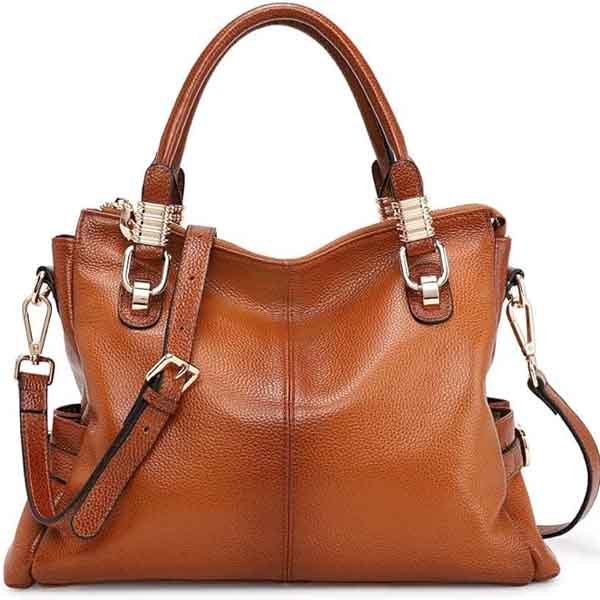
Handbags have always been more than just accessories. They’re cultural symbols, investment pieces, and fashion statements rolled into one. In future, the global handbag market is projected to reach over $78 billion, fueled by evolving consumer lifestyles, sustainability demands, and the growing influence of social media on fashion trends.
The trending handbags include oversized totes for work and travel, mini and micro bags for evening style, bucket and crossbody bags for casual chic, and functional handbags with RFID protection or convertible features. Luxury brands like Hermès, Chanel, and Dior remain iconic, while emerging designers focus on sustainable materials, bold colors, and tech-integrated designs to meet modern consumer needs.
And behind every trend lies a story — whether it’s the Instagram-worthy Jacquemus micro bag craze or the revival of 90s hobo silhouettes, fashion trends this year reflect functionality meeting personality like never before.
What Handbag Styles Are Leading the Trend Charts?
Oversized totes, mini/micro bags, crossbody styles, bucket bags, and convertible handbags are the top trending styles. These designs balance fashion-forward looks with practical utility — oversized totes for travel and work, mini bags for evening or statement wear, crossbodies for hands-free functionality, bucket bags for casual chic, and convertibles that adapt to multiple occasions.
Oversized Totes
Oversized totes are resurging because people are carrying more — with hybrid work, remote tools, tablets, water bottles, masks, etc. Brands like Louis Vuitton, Dior, and Celine are pushing large leather or reinforced canvas totes with structured bases, multiple compartments, and hardware that withstands weight without sagging. For many consumers, these bags serve as the single everyday carry: they go from laptop workdays to travel, reducing the need for multiple bags. Material selection, reinforced stitching, and durability of straps are crucial here — weak stress points cause wear quickly, so buyers and manufacturers are prioritizing these in trending styles.
Mini and Micro Bags
In contrast, the rise of social media and influencer culture has revived micro and mini handbags. These are not always about practical capacity, but more about visual style, status, and statement. Models like the Jacquemus Le Chiquito, Fendi Baguette Minis, and Prada Re-NYLON mini crossbodies are popular because they photograph well and symbolize that you don’t need size to show luxury. For emerging designers, micro bags let them experiment with hardware, color, and material finishes with lower material costs, while offering high perceived value.
Crossbody Bags
Crossbody styles continue to trend—especially among commuters, travelers, and city residents—because they free up hands, distribute weight more comfortably, and allow safer movement in crowds. In 2025, crossbodies are evolving: wider straps for comfort, stylish chain or woven details, RFID-protected pockets, slip compartments for phones, and even sling or belt-bag hybrids. These bags must also balance security and ease: zip or flap closures, secure hardware, and body-side openings are in demand.
Bucket Bags
Bucket bags combine relaxed silhouette with structured utility. After years of minimalist rectangular bags, there’s demand for shapes that feel softer, more casual, but still elevated. Designers are reimagining bucket bags with smoother leather finishes, contrast stitching, and detachable linings. The drawstring closure gets upgraded with toggles or hidden magnetic systems so you don’t lose sophistication. For weekend wear or casual business, bucket bags give personality without sacrificing function.
Convertible & Modular Handbags
Versatility is a big trend. Bags that convert — detachable straps, fold-over tops, modular inserts (switching from crossbody strap to top handle) — are very much in vogue. For many buyers, paying more for multifunctionality means more usability across different environments (travel, work, evening out) and better value. Some brands now offer accessories sets: a handbag with both a wrist strap, a long crossbody strap, and a top handle, letting one bag function in multiple styles. This also aligns with sustainability — fewer bags needed when one does more.
| Style Type | Key Brands | Functionality Focus | Trend Appeal |
|---|---|---|---|
| Oversized Tote | Louis Vuitton, Dior | Work, travel, organization | High |
| Mini/Micro Bag | Jacquemus, Fendi | Statement, fashion accessory | Very High |
| Crossbody Bag | Prada, Gucci | Hands-free, mobility | High |
| Bucket Bag | Mansur Gavriel, LV | Casual chic, weekend style | Medium |
| Convertible Bag | Chanel, Dior | Day-to-night versatility | High |
Which Materials Are Most Popular in Designer Handbags?
The most popular materials for designer handbags include premium calfskin and lambskin leather, exotic skins (crocodile, ostrich), high-quality vegan leather and sustainable alternatives, and durable technical fabrics like coated canvas or recycled nylon. These are paired with refined finishes—anti-scratch coatings, metallic shines, matte textures—to meet demands for luxury, longevity, and eco-conscious style.
1) Premium Leathers: Calfskin & Lambskin
- Calfskin remains a benchmark for luxury due to its fine, tight grain and ability to take finishes beautifully. Brands use it because it patinas well and resists wear. Lambskin is softer, smoother, more luxurious in feel, preferred in quilted designs (e.g. Chanel, Dior). But lambskin is more delicate; it scratches more easily and requires more care.
- Tanning process matters: aniline and semi-aniline finishes retain softness and natural feel, but cost more and have higher risk for flaws. Pigmented leathers (with protective coatings) cost less and are more durable in everyday wear.
2) Exotic Skins: Crocodile, Ostrich & More
- Exotics carry high prestige: crocodile belly skins or ostrich thigh panels are more expensive, rarer, and often regulated (CITES). The rarity and distinctive texture make a bag instantly recognizable.
- However, exotic leather has high costs in sourcing, specialized tanning, matching panels (so pattern symmetry), and regulation. Moreover, some consumers push back on ethical concerns, driving demand for legally sourced and certified exotics.
3) Vegan & Sustainable Materials
- Material innovation is accelerating: plant-based leathers (apple peel, cactus, mushroom), PU/cork hybrids, recycled leather fibers are gaining traction. Brands are marketing them for their lower environmental footprint or animal welfare credentials.
- Though vegan leathers often have lower durability or different hand-feel compared to full-grain leather, many consumers accept trade-offs for ethical/sustainable reasons. Finishing, lining, hardware quality can help compensate.
4) Technical Fabrics & Coated Canvases
- Coated canvases (e.g. coated cotton or blends) are durable, relatively lightweight, and heat/moisture resistant. Brands use them for travel bags, totes, or bags that undergo greater wear. Coated canvas with leather trim gives a luxury look but with more resilience.
- Recycled nylons or polyesters are being used more often, especially in “sport- or utility-inspired” lines or bag styles whose users expect rougher use. These fabrics are lighter, often cheaper, and when done well can resist water and abrasion.
5) Finishes, Coatings & Textures
- Finishes matter: anti-scratch coatings, metallic foils, embossed textures (e.g. crocodile or reptile embossing on non-exotic leather) are very popular.
- Matte finishes, suede or nubuck textures have a softer aesthetic; contrast stitching, edge paints, burnished edges are details that elevate perception.
- Hardware and lining also contribute: durable lining fabrics, premium zippers and clasps, metal hardware with premium plating (gold, palladium) raise material cost significantly.
Examples & Material Comparison Table
| Material Type | Durability | Cost Tier | Best Use Cases | Eco / Regulatory Notes |
|---|---|---|---|---|
| Full-Grain Calfskin | High | Luxury | Everyday luxury, structured bags | Needs high-quality tanning, may vary hide quality |
| Lambskin | Soft, less scratch-resistant | Luxury | Quilted or flap designs | Sensitive to moisture, scratching |
| Exotic Skins | Very High (if well-treated) | Ultra-Luxury | Statement pieces, status symbols | CITES regulation; high cost & special care |
| Vegan / Plant-Based Leathers | Medium-Low to Medium | Mid-Luxury | Ethical fashion lines, young consumer appeal | Finish and durability vary; testing needed |
| Coated Canvas / Tech Fabrics | High | Mid-range to Luxury | Travel bags, casual styles, sneakers | Lighter, more weather resistant, less prestige |
What Colors, Patterns & Finishes Are Trending?
Trending handbag aesthetics include neutral tones like beige, ivory, taupe; bold color pops such as neon green, electric pink, and cobalt blue; metallic & pearlescent finishes for evening and statement pieces; matte and textured leathers (embossed, grainy, croc pattern); and minimal branding with tone-on-tone logos or subtle embossing over loud logos.
Neutrals & Quiet Luxury
Neutral shades continue to dominate the “quiet luxury” aesthetic: warm beige, cream, soft taupe, camel, ivory. These colors are versatile, have broad consumer appeal, and work well in both casual and formal contexts. Designers lean toward limited contrast stitching, tone-on-tone hardware, and subtle textures. For manufacturers, neutrals reduce the complexity of color matching across hardware and linings, which can lower rejection rates and simplify inventory.
Bold Pops & Pastels
Alongside neutrals, fashion shows and street style are embracing bursts of color—neon greens, hot pinks, electric blues, and deep corals. Pastel shades like mint, lilac, and powder blue provide mood-softening accents, especially in spring/summer collections. These colors often appear as lids, panels, or straps rather than full bags, to avoid consumer hesitation. From a production standpoint, these bold dyes require more rigorous fastness testing and careful pigment blending, pushing material costs higher.
Metallic, Pearlescent & Reflective Finishes
Evening and special occasion bags are seeing finishes in silver, rose gold, and pearlescent coatings. Holographic or iridescent leather finishes are also trending — not for everyone, but they make statements. Reflective piping or hardware enhances visibility in urban wear. Manufacturers must manage specialized finishing processes (multiple coats, curing) and often protective top layers to prevent scratching.
Textures & Pattern Embellishments
Embossed croc or alligator patterns on non-exotic leather have become mainstream. Grainy leather, pebble textures, and raised “quilting” or padded surface textures add depth. Mixed materials (leather + suede or leather + canvas panels) are popular. Patterned finishes like checks, geometric motifs, abstract prints—often tone-on-tone or low-gloss—give interest without overwhelming the bag. Texture increases labor in trimming, edge finishing, and inspection.
Minimal Branding & Subtle Logos
Consumers are shifting away from large logos and overt branding. Instead, demand is growing for embossed logos, small metal plaques, subtle signatures, or no visible branding. Brands like Bottega Veneta have pushed the “logo-free” look. For OEMs, this means opportunities to offer minimalist options, where material and finish carry the value rather than brand name.
Hybrid Finishes & Protective Coatings
With urban wear increasing, finishes that resist scratches, water, or fading are in demand. Nano-coatings, semi-aniline treatments, matte finishes that hide wear, and hydrophobic treatments are more common. Some handbags include mixed finishes: matte bodies with glossy trims, pebble bodies with smooth straps. These require additional quality control, more elaborate finishing steps, and sometimes higher-cost materials.
How Are Luxury Brands Setting Handbag Trends?
Luxury brands set handbag trends through heritage-driven design continuity, celebrity collaborations, limited editions, digital marketing campaigns, and seasonal runway collections. Brands like Hermès, Chanel, Dior, Gucci, and Bottega Veneta balance classic bestsellers with innovative materials, silhouettes, and marketing strategies, ensuring handbags remain cultural symbols, fashion statements, and investment pieces. Their control over scarcity, storytelling, and quality keeps them at the center of global fashion conversations.
Heritage Brands Define the Benchmarks
Legacy houses like Hermès (1837) and Chanel (1910) shape handbag expectations because they own the timeless classics: the Birkin, Kelly, and Chanel Classic Flap are perennial icons. These brands rarely chase fleeting trends; instead, they let quality, craftsmanship, and heritage dictate value. Annual price increases (Hermès raised Birkin prices 5–10% annually over the last decade) and limited distribution maintain exclusivity, making these pieces both fashion staples and financial assets.
Seasonal Runway Collections Create Buzz
Luxury brands use Spring/Summer and Fall/Winter runway shows to launch new silhouettes, materials, and colors. For example:
- Bottega Veneta introduced padded Cassette bags in bold colors during Milan Fashion Week, sparking a global quilted leather trend.
- Dior mixes heritage Lady Dior bags with seasonal embroideries or metallic finishes, creating fresh demand without abandoning classics. Runway exclusivity ensures media coverage, influencer attention, and social media virality, keeping new designs aspirational.
Celebrity Collaborations & Influencer Marketing
- Dior’s partnership with Jennifer Lawrence and Louis Vuitton’s campaigns with Emma Stone drive Hollywood glamour associations.
- Gucci’s collaborations with Harry Styles and Adidas tap into youth culture and streetwear crossover appeal.
- Micro-influencer marketing on TikTok and Instagram makes niche designs viral overnight—Jacquemus’ Le Chiquito mini bag became a global phenomenon because of Instagram aesthetic trends, not runway shows alone.
Limited Editions & Scarcity Economics
Brands release capsule collections, country-specific exclusives, and artistic collaborations (e.g., Louis Vuitton x Yayoi Kusama) to fuel FOMO-driven demand. Limited production runs ensure:
- Higher resale value on secondary markets like The RealReal or Vestiaire Collective
- Increased brand prestige and media coverage
- Long-term investment perception among buyers
Scarcity not only boosts desirability but also keeps luxury bags immune to fast fashion copycat fatigue.
Innovation in Materials & Sustainability
Luxury brands now lead the push toward eco-conscious materials without compromising prestige:
- Gucci Off the Grid line uses recycled nylon.
- Stella McCartney champions plant-based leathers like Mylo (mushroom leather).
- Hermès experiments with lab-grown leather alternatives.
Innovation helps brands align with Gen Z values, keeping them relevant while maintaining price integrity.
Omnichannel Storytelling & Digital First Strategies
Modern luxury brands blend physical flagship experiences with digital storytelling:
- Augmented Reality (AR) try-ons, like Gucci’s app filters
- NFT-linked exclusives for luxury buyers
- Short-form video campaigns dominating TikTok, Instagram Reels, and YouTube Shorts
Are Functional & Tech-Integrated Handbags Gaining Popularity?
Yes, RFID-blocking liners, convertible straps, anti-theft zippers, and wireless charging pockets transform handbags into fashion-tech hybrids, catering to commuters, travelers, and business professionals.
Practicality Meets Innovation
- RFID Security: Travel bags like Pacsafe integrate anti-skimming layers for passports and cards.
- Convertible Designs: Day-to-night transitions via detachable chains and modular pouches grow mainstream.
- Smart Features: Startups launch bags with built-in power banks, GPS locators, and Bluetooth locks for digital nomads.
- Lightweight Engineering: Brands reduce weight with aluminum hardware and hybrid fabrics for all-day carrying comfort.
How to Choose the Right Handbag Trend for Your Style & Budget?
Buyers should weigh longevity, resale value, functionality, and personal style before investing. Classics offer stability, while seasonal pieces bring freshness but depreciate faster.
1) Start with Your Lifestyle
Before you buy any trending handbag, think about your daily routine. If you’re a professional carrying a laptop and documents, a structured tote with multiple compartments makes sense. Frequent commuters or travelers should look for anti-theft features, RFID-blocking pockets, and lightweight materials. For evening events or parties, a mini or micro bag with a sleek design adds style without being bulky. Your lifestyle should always shape your handbag choice first.
2) Balance Trends with Timeless Value
Some handbags are worth investing in because they hold or even increase in value over time—think Hermès Birkin or Chanel Classic Flap. On the other hand, seasonal statement bags in neon colors or oversized shapes might be fun for one year but lose appeal quickly. A smart strategy is to own one or two classic staples for long-term value and mix in affordable trendy pieces each season to stay fresh.
3) Set a Clear Budget & Brand Tier
Your budget determines which brands to consider. Entry-level luxury (under $1,000) brands like Coach or Michael Kors are great for everyday practicality. Mid-range luxury ($1,000–$3,000) brands such as Tory Burch or Longchamp offer stylish designs at moderate prices. High-end luxury ($3,000–$10,000+) brands like Chanel, Dior, and Hermès deliver iconic, investment-worthy pieces. A good rule: spend 70% on classics, 30% on trend-led bags.
4) Choose Materials for Durability
If you plan to use a bag daily, go for durable materials like full-grain leather, saffiano leather with anti-scratch finishes, or coated canvas for weather resistance. Eco-conscious buyers can explore vegan leather or recycled materials, which are growing in popularity. Material choice affects not only the look and feel but also how long the bag lasts and how easy it is to maintain.
5) Think About Resale Value & Sustainability
If resale value matters, stick to brands with stable secondhand demand like Hermès or Chanel—some classic models resell at 70–120% of retail price on platforms like The RealReal or Vestiaire Collective. For sustainability-minded buyers, buying fewer but higher-quality bags is better than collecting multiple low-cost, fast-fashion options. It saves money long-term and reduces environmental impact.
Conclusion
As handbag trends in future continue to evolve—balancing style, functionality, sustainability, and innovation—brands need manufacturing partners who can turn design concepts into premium products quickly and reliably.
Whether you need trendy crossbody bags, timeless leather totes, or tech-integrated travel bags, Szoneier delivers craftsmanship, innovation, and scalability to keep your brand ahead in competitive handbag market.
What Can I Do For You?
Here, developing your OEM/ODM private label leather goods collection is no longer a challenge,it’s an excellent opportunity to bring your creative vision to life.
Make A Sample First?
If you have your own tech packs, logo design artwork, or just an idea,please provide details about your project requirements, including preferred fabric, color, and customization options,we’re excited to assist you in bringing your leather goods designs to life through our sample production process.