 Skip to content
What Are the Different Styles of Luxury Designer Handbags:Complete Guide
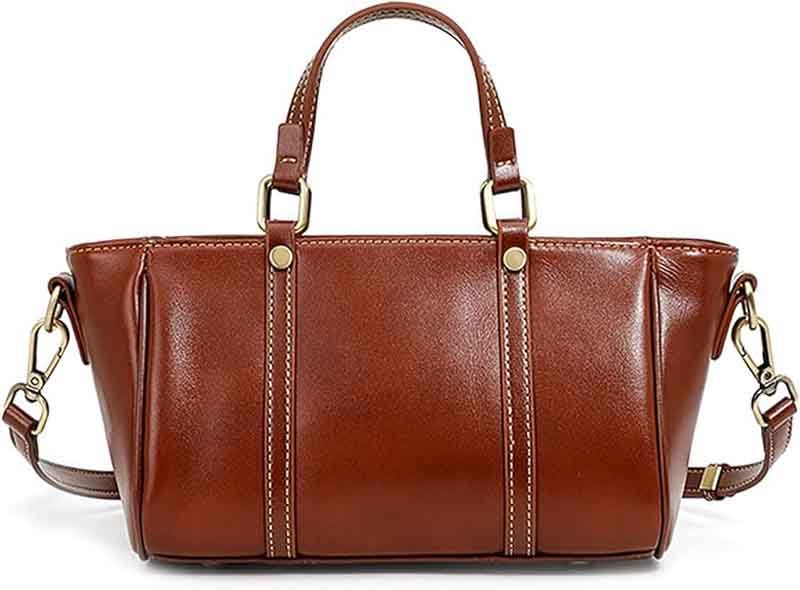
Luxury designer handbags aren’t just accessories—they are status symbols, functional essentials, and fashion investments rolled into one. From the timeless tote to the edgy bucket bag, each style carries a unique design language, heritage, and purpose. But for buyers, designers, or private-label brands, the real question often is: what are the different styles of luxury designer handbags, and how do you choose the right one for your customers or lifestyle?
The main luxury handbag styles include totes, shoulder bags, satchels, crossbody bags, clutches, and bucket bags. Each serves a distinct purpose—totes for work and travel, satchels for structured sophistication, crossbodies for hands-free convenience, clutches for evening elegance, and bucket bags for casual chic. Materials, craftsmanship, and brand heritage further shape their value, durability, and style impact.
Luxury handbags tell stories—of Parisian ateliers, Italian leather artisans, and iconic runway debuts. So, let’s explore each style in depth and see what truly defines luxury .
What Defines a Luxury Designer Handbag Today?
A luxury handbag combines premium materials, impeccable craftsmanship, brand heritage, and functional design. It reflects exclusivity through limited production, signature elements (logos, hardware), and timeless aesthetics. Unlike mass-market bags, luxury pieces focus on longevity, repairability, and resale value—making them both fashion statements and investments.
Premium Materials & Ethical Sourcing
A true luxury designer handbag starts with exceptional materials—full-grain leather, exotic skins like crocodile or python, or advanced eco-leathers crafted from cactus, mushroom, or recycled materials. Modern buyers demand not just beauty and durability but ethical sourcing transparency, including traceable supply chains, compliance with standards like LWG (Leather Working Group) or OEKO-TEX®, and animal welfare certifications. This shift elevates luxury handbags from mere status symbols to conscientious investments, aligning heritage craftsmanship with environmental responsibility.
Artisanal Craftsmanship & Heritage Techniques
Craftsmanship remains the soul of luxury handbags. Iconic houses like Hermès and Louis Vuitton employ artisans who spend 20–40 hours handcrafting a single piece, using saddle stitching, edge painting, hand-burnished finishes, and reinforced corners for longevity. Limited production volumes ensure quality over speed, with artisans often undergoing 5–10 years of training before leading production. This dedication to time-intensive, skill-driven techniques differentiates authentic luxury from mass-market assembly lines, preserving cultural heritage while delivering unmatched quality.
Functional Design Meets Modern Lifestyles
Today’s luxury handbags blend elegance with practicality, reflecting the realities of global travel, remote work, and urban mobility. Structured interiors with laptop compartments, RFID-secure pockets, and lightweight linings meet modern needs without compromising aesthetics. Convertible designs—like tote-to-backpack hybrids or detachable crossbody straps—offer multiple carrying modes, while waterproof coatings and scratch-resistant leathers ensure real-world resilience. This convergence of functionality and form shows that luxury now caters to utility-driven yet style-conscious buyers.
Exclusivity, Personalization & Limited Editions
Scarcity defines luxury appeal—think Hermès Birkin waitlists or Dior seasonal exclusives. Limited-edition releases, numbered series, or artist collaborations heighten desirability and resale value. Beyond exclusivity, personalization services—monogramming, bespoke color palettes, or hardware selection—allow buyers to co-create unique pieces, forging emotional connections with their bags. Brands using digital tools like 3D configurators or AR try-ons enhance this experience, reflecting how customization and rarity amplify both status and personal identity in luxury fashion.
Investment Value & Resale Performance
Unlike fast-fashion accessories, top-tier luxury handbags often appreciate in value. Data from platforms like Rebag and Vestiaire Collective shows Hermès Birkin and Chanel Flap bags maintaining or exceeding retail prices on secondary markets. Factors driving resale value include brand reputation, material durability, timeless design, and limited availability. For many buyers, a luxury handbag is not just a fashion purchase but a tangible financial asset, merging aesthetic pleasure with investment strategy.
Sustainability & Next-Gen Consumer Demands
Millennial and Gen Z luxury buyers prioritize sustainability, ethical labor, and circular fashion practices. Brands now explore carbon-neutral production, recycled packaging, and repair programs to extend product lifecycles. Materials innovation—like lab-grown leathers and plant-based dyes—meets rising demand for eco-conscious luxury. Certifications such as B Corp or Cradle-to-Cradle add credibility, signaling that responsibility and luxury are no longer mutually exclusive but rather co-drivers of brand loyalty and long-term growth.
Luxury vs Mass-Market Bags
| Feature | Luxury Handbags | Mass-Market Bags |
|---|---|---|
| Material Quality | Full-grain leather, exotic skins | PU leather, synthetic blends |
| Craftsmanship | Hand-stitched, artisanal finishing | Machine-made, mass production |
| Longevity | 10–20 years+ with care | 1–3 years average lifespan |
| Resale Value | High (e.g., Chanel, Hermès) | Low to none |
| Customization | Available: monograms, colors, hardware | Rare or unavailable |
Which Classic Handbag Styles Dominate the Luxury Market?
The dominant luxury handbag styles are totes, shoulder bags, satchels, crossbody bags, clutches, and bucket bags. Each offers unique silhouettes, capacities, and styling versatility. Totes and satchels lead professional markets, while crossbodies and bucket bags target casual or travel buyers. Clutches remain the go-to for evening elegance and red-carpet looks.
1. Tote Bags
Luxury tote bags are the go-to for style-savvy professionals and travelers because they blend functional capacity with refined design. These bags are typically oversized and open-topped—or zip-secured—crafted from sumptuous materials like supple full-grain leather, coated canvas, or exotic skins. Brands such as Louis Vuitton’s Neverfull and Goyard’s Saint Louis make this style iconic, offering endless customization via monograms or interior linings. The true allure lies in their combination of workhorse utility—holding laptops, files, even light shopping—with high-end finishes and brand prestige. For private label or custom-label brands like yours, a luxury tote can be a canvas for storytelling: durable structure, elegant lines, and subtle branding converge into a daily vehicle for modern elegance.
2. Shoulder Bags
Shoulder bags occupy the sweet spot between functionality and fashion-forward elegance, serving both daytime errands and after-hours events. Think Gucci’s Jackie or Prada’s Cleo—sleek yet structured, with comfortable straps for carry and refined closures for security. Their medium size makes them versatile; not too big to feel cumbersome, yet spacious enough for essentials. In leather goods production, shoulder bags offer ample design latitude—contrast stitching, metal chain straps, and detachable elements—which allows brands like Szoneier Leather to showcase craftsmanship and finish options that elevate perceived value. This style hits the sweet spot for customers seeking convenience without compromising on luxury.
3. Satchels
Satchel bags carry an air of structured sophistication, and in the luxury world, they say “polished and purposeful.” With designs like the Hermès Kelly or Michael Kors Selma, satchels provide elegant compartmentalization, sharp contours, and a distinguished top-handle profile (often with an optional crossbody strap). Made from rigid leathers or high-quality structured materials, satchels offer orderliness—perfect for the executive or formal-event crowd. For brands positioning themselves in premium markets, satchels serve as an ideal first entry point: they require high-grade materials and fine-edge finishing, and they reinforce brand values of precision and poise.
4. Crossbody Bags
Crossbody bags are the modern-day essentials for urban mobility and hands-free living, and the luxury sector continues embracing them with elegant interpretations—Celine Trio or Chanel Boy, for example. What sets them apart is their adaptability: adjustable long straps, secure closures, and compact yet practical interiors. For custom leather manufacturers, crossbody’s popularity lies in the balance it strikes—these bags showcase design details like contrast edging, interior lining variations, and hardware finishes while thriving on understated minimalism. They fit perfectly into brand stories focused on “smart minimal luxury,” appealing to on-the-go professionals, travelers, and younger generations seeking both form and function.
5. Clutch Bags
Clutches are the epitome of evening elegance and statement dressing—they’re the go-to red-carpet style for many high-net-worth clientele. Bags like the Bottega Veneta Knot or Jimmy Choo Celeste turn heads with sculptural forms, rich textures (like metallic leathers, crystals, or satin finishes), and the absence of typical straps. This minimalist design requires impeccable craftsmanship—clean seams, firm structure, and flawless décors. This is where your expertise shines: clutches offer an opportunity for high-margin, limited-quantity production, personalized hardware, and sophisticated packaging. For clients looking to elevate a look with a signature evening accessory, the clutch delivers pure impact.
6. Bucket Bags
Bucket bags offer relaxed luxury with a bohemian edge—characterized by their drawstring closures, roomy interiors, and softly structured bases. The Mansur Gavriel Bucket Bag or Louis Vuitton Noé (originally created for champagne transport) have given bucket bags a fashion-forward revival in luxury markets. These designs are perfect for showcasing unique materials—oiled leather, suede, or textured hides—and artistry in drawstring hardware or lining prints. For custom producers, bucket styles allow for both playful creativity (patterned interiors, vibrant leathers) and technical quality (reinforced bases, durable draw chords). They resonate especially with younger luxury customers who value ease and understated chic.
How Do Seasonal Trends Influence Luxury Handbag Designs?
Seasonal trends shape luxury handbags through color palettes, material choices, silhouettes, and functional details inspired by global fashion weeks, cultural moments, and consumer preferences. For example, mini bags dominated recent seasons, while oversized slouchy totes and earthy neutrals are forecasted for 2025. Designers balance timeless luxury with trend-responsive elements, ensuring handbags stay fashionable without losing long-term resale value or brand identity.
1. Color Trends and Fashion Cycles
Each fashion season unveils a color story that sets the tone for accessories. Spring/Summer collections often feature pastels, brights, and neutrals, while Fall/Winter introduces deep jewel tones, metallics, or muted earth shades. For instance, 2025 forecasts predict terracotta, olive green, and metallic silver as key shades in handbags, inspired by sustainability and futuristic design narratives.
| Season | Trending Colors (2025 Forecast) | Example Brands Using It |
|---|---|---|
| Spring/Summer | Sage Green, Terracotta, Cream Neutrals | Bottega Veneta, Prada |
| Fall/Winter | Burgundy, Metallic Silver, Midnight Blue | Gucci, Saint Laurent |
| Resort/Cruise | Coral Pink, Sand Beige, Aqua Blue | Louis Vuitton, Dior |
2. Material Experimentation
Luxury brands align handbag materials with seasonal moods:
- Summer: Raffia, woven leathers, canvas, and lightweight cotton blends create breathable, vacation-ready designs.
- Winter: Quilted lambskin, shearling trims, or embossed leathers add warmth and tactility.
- Year-Round Luxury: Exotic skins and full-grain leather maintain timeless appeal but get seasonal updates through color and finishing techniques (e.g., metallic foils or matte coatings).
This seasonal material shift allows brands to showcase artisanal techniques while offering clients bags that feel fresh yet remain functional.
3. Silhouette Shifts & Functional Details
Mini bags became the unexpected runway phenomenon in recent years (thanks to Jacquemus), followed by oversized totes making a strong comeback for 2025. Designers tweak:
- Strap lengths: Longer crossbody straps in summer, structured handles in winter.
- Closures: Drawstrings, flaps, or magnetic snaps trend seasonally to match aesthetics.
- Base shapes: From boxy winter satchels to slouchy summer hobos, silhouettes evolve with seasonal fashion language.
4. Cultural and Runway Influences
- Fashion Weeks (Paris, Milan, NYC): Shape global accessory trends 6–12 months ahead.
- Celebrity Styling: Influences sudden spikes in demand (e.g., a celebrity carrying a limited-edition Dior Saddle Bag).
- Cultural Events: Red-carpet seasons or art collaborations (Louis Vuitton x Yayoi Kusama) spark unique seasonal releases.
| Trend Driver | Impact on Handbag Design | Example |
|---|---|---|
| Runway Shows | Seasonal color & shape direction | Prada Cleo revival |
| Celebrity Endorsement | Limited-edition capsule demand spikes | Dior Saddle Bag re-launch |
| Art/Fashion Collabs | Bold prints, collectible pieces | LV x Takashi Murakami Multicolor |
5. Balancing Trend with Timelessness
The best luxury brands adapt seasonal aesthetics without alienating buyers seeking investment pieces. For example, Chanel may release quilted flap bags in trendy colors for Spring/Summer but keeps the core silhouette unchanged, preserving resale value and heritage branding.
For private-label or OEM producers like Szoneier Leather, understanding seasonal cycles helps clients launch timely capsule collections while maintaining classic bestsellers year-round.
Do Materials and Craftsmanship Define Style or Status?
Yes. In luxury handbags, premium materials (like full-grain leather, exotic skins, or innovative eco-leathers) and artisanal craftsmanship (hand-stitching, edge-painting, hardware finishing) directly shape both style appeal and status symbolism. Materials influence durability, texture, and aesthetics, while craftsmanship signals exclusivity, heritage, and brand value. Together, they elevate a handbag from a simple accessory to a status-defining investment piece recognized globally for quality and prestige.
Materials
The choice of materials sets the visual identity, tactile experience, and longevity of a handbag. Luxury brands use:
- Full-Grain Leather: The highest-quality leather, aging beautifully with a natural patina.
- Exotic Skins: Crocodile, python, or ostrich offer rarity and texture depth, commanding premium prices.
- Innovative Materials: Eco-leathers (like mushroom or cactus leather) address sustainability without sacrificing luxury aesthetics.
Material selection also determines brand perception—a Louis Vuitton Monogram Canvas tote signals heritage, while a Hermès crocodile Birkin reflects ultra-elite exclusivity.
Craftsmanship
Handbag craftsmanship represents human touch, heritage skills, and time investment. Key elements include:
- Saddle Stitching: A hand-stitching technique taking hours per seam, resistant to unraveling.
- Edge Painting: Multiple layers of lacquer ensure polished, durable edges.
- Hardware Finishing: PVD-coated gold or palladium prevents tarnishing while enhancing luxury feel.
For instance, Hermès artisans spend 20–40 hours crafting one Birkin, with waiting lists spanning months or years—making craftsmanship itself part of the luxury narrative.
Style Evolution Through Materials & Techniques
Materials influence bag silhouette and seasonal adaptability:
- Supple leathers suit slouchy hobos or bucket bags.
- Structured leathers like box calfskin create sharp-edged satchels or top-handle bags.
- Quilted lambskin, as used by Chanel, adds both texture and iconic recognizability.
Craftsmanship details like hand-woven intrecciato (Bottega Veneta) or quilting patterns become style signatures, shaping trends while reinforcing brand DNA.
Status Symbolism
Luxury buyers link materials and craftsmanship to exclusivity, wealth, and cultural capital. A Hermès Birkin in crocodile leather can exceed $100,000 at auctions, while a standard leather version retains resale values above retail. Craftsmanship rarity, combined with premium materials, ensures long-term value and global recognition.
Materials vs Craftsmanship in Luxury Handbags
| Factor | Materials Impact | Craftsmanship Impact |
|---|---|---|
| Aesthetic Appeal | Texture, color, surface finish | Stitch quality, symmetry, edge painting |
| Durability & Longevity | Leather grade, coating treatments | Reinforced seams, hardware plating |
| Brand Status Symbolism | Exotic skins, eco-certified leathers | Hand-stitching, artisanal heritage |
| Resale & Investment Value | Rare materials increase scarcity | Time-intensive techniques raise exclusivity |
| Trend Adaptability | Seasonal colors, material innovation | Limited-edition artisanal releases |
Modern Shifts: Sustainability & Technology
Next-gen buyers demand eco-conscious luxury—brands now use:
- Water-based dyes, plant-based leathers
- Traceable supply chains, blockchain authentication
Meanwhile, 3D design tech enables precision cutting to reduce waste while keeping artisanal finishing intact. Luxury thus evolves to marry heritage craftsmanship with modern responsibility.
How Do You Choose the Right Luxury Handbag for Your Lifestyle?
Choosing the right luxury handbag depends on your lifestyle, wardrobe needs, functionality preferences, and investment goals. Professionals lean toward structured totes or satchels; travelers prefer crossbody bags or convertible backpacks; evening buyers opt for clutches or mini bags. Material quality, brand reputation, resale value, and customization options further guide decisions, ensuring the handbag matches daily use, style preferences, and long-term value expectations.
A luxury handbag isn’t just a fashion accessory—it’s a functional statement piece that should align with your daily routine, personal style, and long-term goals. Here’s how to make the right choice:
1. Functionality First: Matching Bag Type to Daily Needs
- Corporate Professionals: A structured tote or satchel fits laptops, files, and essentials while maintaining polished aesthetics. Brands like Prada Galleria or Hermès Kelly deliver executive elegance with roomy interiors.
- Frequent Travelers: Crossbody bags or convertible designs with multiple compartments keep passports, phones, and wallets organized while offering hands-free convenience.
- Casual Lifestyle Buyers: Bucket bags or slouchy hobos suit relaxed wardrobes and weekend outings, balancing style with comfort.
2. Occasion-Specific Choices
- Day-to-Day Office Use: Neutral shades like black, tan, or navy blend seamlessly with professional attire.
- Evening Events: Clutches or mini bags with metallic finishes or embellishments elevate cocktail dresses or formal wear.
- Multi-Role Bags: Convertible handbags—crossbody to shoulder bag transformations—offer maximum versatility for buyers who want “one bag, multiple lives.”
3. Budget, Brand, and Resale Value
Luxury handbags often act as investment pieces. For instance:
- Chanel Flap Bags maintain 87–92% resale value after 5 years.
- Hermès Birkin & Kelly Bags appreciate over time, sometimes exceeding retail prices on secondary markets. Buyers seeking long-term value should prioritize iconic designs over seasonal trends, ensuring durability and recognizability.
4. Size, Compartmentalization & Carry Comfort
- Larger totes suit commuters and mothers needing space for laptops or baby essentials.
- Crossbody or mini bags serve light packers and evening users who prioritize mobility over capacity.
- Padded straps, lightweight materials, and ergonomic handle drops improve carrying comfort for daily use.
5. Customization & Personal Style
Modern brands like Louis Vuitton and Gucci offer monogramming, color customization, and interchangeable straps, allowing buyers to match bags with personal aesthetics. For private-label brands, offering bespoke services increases buyer loyalty and perceived luxury value.
Lifestyle-to-Bag Match Table
| Lifestyle Segment | Recommended Styles | Why It Fits | Example Brands |
|---|---|---|---|
| Corporate Professionals | Tote, Satchel | Structured, roomy, laptop-friendly | Prada, Hermès |
| Frequent Travelers | Crossbody, Convertible Bag | Hands-free, secure, easy access compartments | Louis Vuitton, Tumi |
| Evening Socialites | Clutch, Mini Bag | Elegant, compact, statement piece | Bottega Veneta, Dior |
| Casual Weekenders | Bucket Bag, Hobo | Relaxed vibe, versatile interiors | Mansur Gavriel, Loewe |
| Fashion Trendsetters | Micro Bag, Limited Editions | On-trend silhouettes, exclusive drops | Jacquemus, Balenciaga |
Conclusion
Luxury handbags are more than fashion accessories—they’re functional investments, status symbols, and brand storytellers. As consumer expectations evolve toward premium materials, artisanal craftsmanship, customization, and sustainability, brands need reliable manufacturing partners who can deliver excellence without compromise.
Whether you’re a boutique label looking to create a custom capsule collection or a global brand seeking scalable production with luxury finishes, Szoneier ensures precision craftsmanship, premium quality control, and fast lead times to bring your vision to life.
What Can I Do For You?
Here, developing your OEM/ODM private label leather goods collection is no longer a challenge,it’s an excellent opportunity to bring your creative vision to life.
Make A Sample First?
If you have your own tech packs, logo design artwork, or just an idea,please provide details about your project requirements, including preferred fabric, color, and customization options,we’re excited to assist you in bringing your leather goods designs to life through our sample production process.