
How to Tie a Belt Without Buckle: Step by Step Guide
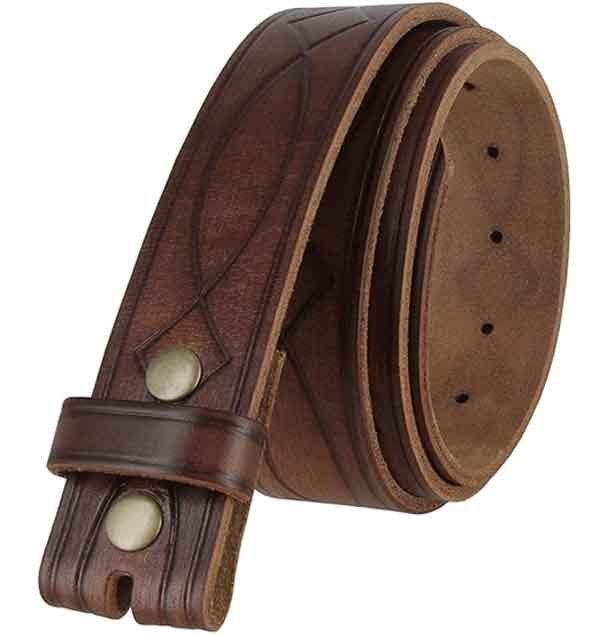
Belts are usually associated with buckles—the metallic clasp that secures your waistline. But not all belts follow this rule. In fact, buckle-free belts are becoming increasingly popular in both fashion and function. From fabric sashes on elegant dresses to leather straps styled with knots, tying a belt without a buckle opens up a world of styling creativity and practicality. This technique isn’t just a fashion hack—it’s a way to personalize your look and adapt accessories to different contexts.
To tie a belt without a buckle, simply loop the strap around your waist and secure it with a knot such as a single tie, wrap-around loop, or decorative bow. The method depends on the belt’s material—leather, fabric, or rope—and your desired style. Buckle-free belts offer both functionality and fashion versatility, making them popular for dresses, coats, casual outfits, and custom-designed accessories.
Think of a soft leather strap knotted casually over jeans, or a silk sash tied in a bow over a coat—it’s a simple detail that transforms an outfit from plain to polished. In this article, we’ll explore what buckle-free belts are, the best materials to use, step-by-step tying methods, popular styles, gender-based variations, and how brands customize them for retail and private-label fashion.
What Does It Mean to Tie a Belt Without a Buckle?
Tying a belt without a buckle means securing it with knots, loops, or wraps instead of using metal hardware. It transforms the belt into a flexible accessory that adapts to body shape and style. Unlike fixed buckle designs, buckle-free belts provide comfort, adjustability, and creativity, making them popular in fashion (sashes, obi belts), casual wear, and custom branding. It’s both a practical solution and a style statement.
Definition
When we talk about tying a belt without a buckle, we mean using manual fastening methods like knots, twists, and loops instead of relying on the conventional metal prong-and-hole system. This approach allows the wearer to adjust the belt’s tightness freely and experiment with different styles. A sash tied at the waist, a rope knotted casually, or a strip of leather wrapped around jeans all represent buckle-free ways of wearing belts.
The Practical Value of Buckle-Free Belts
Unlike buckle-based belts, which limit adjustability to pre-punched holes, buckle-free belts are infinitely adjustable. This makes them ideal for diverse body types, layered clothing, or situations where comfort matters more than formality. For example, tying a fabric sash around a winter coat lets you cinch the waist as tightly or loosely as needed. Similarly, leather tie belts adapt well to both slim and oversized outfits, making them practical for fashion-forward consumers.
Cultural and Historical Context
The idea of buckle-free belts is not new—it has deep cultural roots.
- Japanese Obi Belts: Traditionally used in kimonos, wide fabric belts are tied in elaborate knots, symbolizing both aesthetic and cultural meaning.
- Martial Arts Belts: Karate, judo, and other martial arts rely on cloth belts tied without buckles to indicate rank and discipline.
- Medieval and Nomadic Clothing: Ropes and sashes were historically tied around tunics for both function and identity.
This history underscores how buckle-free belts are as much about heritage and symbolism as practicality.
Fashion and Lifestyle Interpretation
Modern fashion embraces buckle-free belts as a form of creative styling. A sash tied in a bow over a dress adds elegance, while a leather strap tied in a knot brings rugged, minimalist appeal. In high fashion, designers experiment with asymmetrical ties, oversized wraps, and draping effects to reinvent the belt as a statement piece. In lifestyle accessories, tying a belt allows consumers to express individuality while avoiding the standardized look of metal buckles.
Comparison with Buckled Belts
- Buckled Belts: Rigid, formal, defined by fixed sizing, often associated with workwear and classic styles.
- Buckle-Free Belts: Fluid, casual-to-formal adaptable, infinitely adjustable, and more expressive in design. Where a buckled belt says “structured and professional,” a tied belt says “creative, versatile, and personal.” This comparison explains why buckle-free belts thrive in both casual streetwear and luxury fashion.
Buckled vs Buckle-Free Belts
| Feature | Buckled Belts | Buckle-Free Belts |
|---|---|---|
| Adjustability | Limited to punched holes | Infinite, adjustable via knots/loops |
| Comfort | Structured but rigid | Flexible, adapts to waist/body shape |
| Style Expression | Classic, formal | Creative, customizable, fashion-forward |
| Materials | Leather + metal hardware | Leather, fabric, canvas, rope |
| Branding Potential | Focus on hardware design | Focus on material, stitching, prints |
Which Belt Materials Work Best Without a Buckle?
The best buckle-free belts are made from leather, fabric, canvas, rope, or eco-friendly alternatives. Leather offers durability and luxury, fabric provides flexibility, canvas adds rugged casual appeal, and rope delivers creative or nautical aesthetics. Eco-friendly materials like PU or recycled fibers serve sustainable markets. Each material supports unique tying methods, making the choice dependent on target style, function, and customer needs.
Leather
Leather is one of the most popular materials for buckle-free belts due to its strength, timeless appeal, and premium feel.
- Pros: Durable, long-lasting, molds to the body over time, and conveys luxury.
- Cons: Stiffer leathers (like full-grain cowhide) can be harder to knot neatly; higher cost compared to fabric or canvas.
- Best Uses: Minimalist leather tie belts for men’s and women’s fashion, luxury sashes with embossed logos, or lifestyle belts for coats and jackets. Brands often choose top-grain or suede leather because they offer both durability and pliability. Embossed logos or foil stamping stand out more clearly on leather, making it an excellent material for private-label or premium collections.
Fabric
Fabric belts, made of cotton, silk, or polyester, are highly adaptable and comfortable.
- Pros: Lightweight, easy to knot into bows or decorative styles, available in endless prints and colors.
- Cons: Less durable than leather, prone to fraying if not stitched or hemmed properly.
- Best Uses: Women’s dresses, robes, kimono-inspired fashion, and casual outfits. Silk sashes or polyester ribbons are especially popular in formalwear, while cotton belts dominate casual and summer fashion. For brands, fabric belts are cost-effective and customizable, allowing full-color digital printing or embroidery.
Canvas
Canvas belts are made from tightly woven cotton or blends, giving them a sturdy yet relaxed vibe.
- Pros: Durable, washable, and comfortable; excellent for simple knots and casual wear.
- Cons: Limited in luxury appeal; bulkier than silk or leather, making decorative bows harder.
- Best Uses: Streetwear, workwear, military-inspired outfits, and casual unisex belts. Canvas belts are especially popular with younger consumers looking for utility-focused, budget-friendly products. For brands, canvas belts allow custom colors and screen-printed logos, making them great for mass retail or promotional items.
Rope or Cord
Rope belts are unique and highly expressive, often seen in bohemian, nautical, or summer styles.
- Pros: Creative look, texture variety (braided, twisted), and strong flexibility for different knotting styles.
- Cons: Can fray with heavy use, less formal, and sometimes less comfortable against bare skin.
- Best Uses: Resort wear, casual summer outfits, beachwear, or boho chic fashion. These belts allow experimentation with knots inspired by sailing or climbing culture, which gives them a distinct storytelling appeal. They also resonate with customers who like artisanal or handcrafted accessories.
Vegan & Recycled Alternatives – Sustainable Options
As eco-conscious fashion grows, vegan leather (PU), cork, and recycled fibers are gaining traction.
- Pros: Sustainable branding, cruelty-free, and align with modern ethical standards.
- Cons: PU can crack or peel over time; newer materials may be more expensive than traditional fabrics.
- Best Uses: Sustainable fashion collections, private-label brands appealing to environmentally conscious consumers. Factories like Szoneier offer OEM/ODM customization in PU or eco-leather, ensuring brands can target green markets without sacrificing aesthetics.
Materials for Buckle-Free Belts
| Material | Durability | Comfort | Style Appeal | Branding Potential | Best Use Cases |
|---|---|---|---|---|---|
| Leather | High | Medium | Luxury, timeless | Embossing, stamping, foil | Premium fashion, coats |
| Fabric (Silk/Cotton) | Medium | High | Elegant, versatile | Printing, embroidery | Dresses, robes, sashes |
| Canvas | High | Medium | Rugged, casual | Screen printing, patches | Streetwear, casual belts |
| Rope/Cord | Medium | High | Nautical, bohemian | Limited (color, texture) | Summer/beach fashion |
| Vegan/PU/Eco | Medium | Medium | Modern, ethical | Embossing, printing, eco-labels | Sustainable brands |
How to Tie a Belt Without a Buckle – Step-by-Step Methods
To tie a belt without a buckle, you can use several methods: a simple knot, wrap-around loop, bow tie, half-knot tuck, or asymmetrical tie. Each works differently depending on the belt’s material—leather, fabric, or rope—and the outfit style. Simple knots suit casual looks, bows add elegance, while wrap-arounds create a minimalist vibe. These methods make buckle-free belts versatile for fashion, comfort, and customization.
1. The Simple Knot
The most straightforward method is tying a basic knot, similar to how you’d secure a rope. Steps:
- Wrap the belt once around your waist.
- Cross the ends over each other.
- Pull one end through the loop to create a single knot.
- Let the ends hang naturally.
Best For:
- Canvas, rope, or leather straps.
- Casual outfits such as jeans, chinos, or oversized shirts.
Why It Works: The simple knot is versatile and universally understood. It’s easy to tie, quick to adjust, and gives a relaxed, utilitarian vibe. Many brands use this style in streetwear or workwear lookbooks because it emphasizes practicality without sacrificing style.
2. The Wrap-Around Loop
This method offers a streamlined, modern look. Steps:
- Wrap the belt twice around your waist.
- Thread the free end under the second wrap.
- Adjust for a snug, flat fit.
Best For:
- Slim leather straps or soft fabric sashes.
- Minimalist outfits, coats, or monochrome styling.
Why It Works: The wrap-around loop keeps the belt tidy and polished, eliminating dangling ends. It’s especially popular in luxury womenswear, where simplicity and elegance define the silhouette. Brands often use this knot to showcase the quality of leather grain or stitching, since no hardware distracts from the material itself.
3. The Bow Tie
A bow knot turns the belt into a fashion statement. Steps:
- Wrap the belt around your waist.
- Tie a knot, leaving equal-length ends.
- Form loops with both ends and cross them into a bow.
- Adjust for symmetry.
Best For:
- Fabric belts (cotton, silk, polyester).
- Dresses, robes, or coats that need a feminine touch.
Why It Works: The bow adds elegance and playfulness, making it perfect for women’s fashion. For brands, bows highlight color, print, and fabric patterns, and can become a signature design detail for collections targeting formalwear or evening outfits.
4. The Half Knot with Tuck
This method creates a refined but understated style. Steps:
- Wrap the belt around your waist.
- Cross the ends and tie a half knot.
- Tuck the loose end vertically behind the belt loop.
- Smooth the surface for a neat finish.
Best For:
- Leather or suede belts.
- Professional attire, tailored coats, or fashion-forward streetwear.
Why It Works: This knot avoids excessive dangling while maintaining a sharp, modern silhouette. It’s often used in editorial styling to showcase brand sophistication—appealing to buyers who prefer subtle luxury over overt design.
5. The Asymmetrical Tie
For a more avant-garde look, the asymmetrical tie plays with balance. Steps:
- Wrap the belt around your waist.
- Cross the ends unevenly, leaving one longer than the other.
- Tie a loose knot, letting one end hang low.
- Adjust angle for off-center placement.
Best For:
- Wide fabric sashes or supple leather straps.
- Fashion-forward, runway, or editorial styling.
Why It Works: The asymmetrical tie is eye-catching and modern. It disrupts symmetry intentionally, creating a dynamic look. For brands, this style adds visual drama to photo campaigns, helping belts stand out as centerpiece accessories rather than background details.
Quick Comparison Table – Tying Methods
| Method | Style Appeal | Best Material | Outfit Examples | Brand Value |
|---|---|---|---|---|
| Simple Knot | Casual, relaxed | Canvas, rope | Jeans, streetwear | Practicality |
| Wrap-Around Loop | Minimalist | Leather, fabric | Coats, monochrome looks | Clean luxury |
| Bow Tie | Feminine, elegant | Silk, cotton | Dresses, robes, coats | Decorative branding |
| Half Knot with Tuck | Modern, sleek | Leather, suede | Professional attire | Subtle sophistication |
| Asymmetrical Tie | Chic, avant-garde | Wide sashes, soft leather | Fashion editorials | Visual drama |
What Are the Most Popular Buckle-Free Belt Styles?
The most popular buckle-free belt styles include obi belts, sashes, rope belts, and leather tie belts. Obi belts are wide and traditional, sashes add elegance, rope belts bring casual creativity, and leather tie belts provide minimalist luxury. Each style serves different markets, from formalwear and fashion runways to beachwear and everyday outfits, making buckle-free belts versatile accessories for both men’s and women’s fashion.
Obi Belts
Obi belts originated in Japanese culture, traditionally used to secure kimonos with elaborate knots. Today, they are reimagined in modern fashion as wide, structured belts that cinch the waist and create dramatic silhouettes. Typically made from fabric or leather, obi belts are tied with large knots or bows, sometimes layered multiple times around the waist for emphasis. Their appeal lies in blending cultural heritage with contemporary design, making them popular in runway shows, formal dresses, and luxury outerwear. For brands, obi belts are a canvas for creativity—they can be crafted in rich silks with embroidery for high-end collections, or in PU/fabric blends for more accessible fashion lines. Retailers value them because they turn simple outfits, like a plain dress or oversized coat, into bold, statement-making looks.
Sashes
Sashes are long strips of fabric or ribbon, often lightweight and flowing, tied at the waist to add shape and decoration. Unlike obi belts, sashes are more flexible in styling and are associated with elegance and femininity. They are often used in evening gowns, bridesmaid dresses, or coats to accentuate curves and provide visual balance. Materials like silk, satin, or cotton blends allow for bows, knots, and draped finishes, offering endless possibilities for personalization. For brands, sashes are a cost-effective way to incorporate customization—colors can match seasonal palettes, prints can reflect brand identity, and embroidery can add subtle luxury. Buyers appreciate sashes because they are lightweight, comfortable, and versatile, easily transitioning from formal occasions to casual fashion depending on how they are tied.
Rope Belts
Rope belts bring a bohemian, nautical, or adventurous aesthetic to buckle-free fashion. Made from braided or twisted cords, they are tied with sailor-inspired knots or left with tassel ends for extra character. Rope belts are particularly popular in summer, beachwear, and casual street styles, where their relaxed and creative vibe matches lighter outfits. They also appeal to environmentally conscious buyers when made from natural fibers like hemp or jute. Brands often highlight rope belts in resort collections or festival fashion, where storytelling around artisanal craftsmanship or coastal themes enhances market appeal. Rope belts may not be as formal as leather or obi belts, but they resonate with younger audiences seeking individuality, creativity, and playful styling in their accessories.
Leather Tie Belts
Leather tie belts are perhaps the most universal and timeless of buckle-free styles. They can be narrow straps tied in simple knots for a minimalist look, or wide belts designed to wrap around and emphasize the waistline. Leather’s durability and premium feel make it ideal for both men’s and women’s fashion, bridging casual and formal categories. These belts are often seen in coats, dresses, and editorial styling, where the focus is on clean lines and material quality. Brands choose leather tie belts for their customization potential—embossed logos, foil stamping, unique dyes, or stitched detailing turn them into signature accessories. Buyers value them because they provide both function and fashion, with the strength to hold securely and the style versatility to adapt across outfits. In luxury markets, leather tie belts often replace traditional buckles entirely, proving that simplicity can be a symbol of refinement.
Do Belt-Knotting Methods Differ for Men and Women?
Men and women style buckle-free belts differently. Men prefer minimalist knots or wrap-arounds for casual or workwear, while women often use bows or sashes for dresses, coats, and accessories. Gendered styling reflects both practicality and aesthetics.
Men’s Styling: Men often favor straightforward knots—single ties or wrap-around loops—that emphasize functionality. Canvas or leather tie belts work well with casual outfits, workwear, or military-inspired looks.
Women’s Styling: Women’s fashion embraces decorative elements. Sashes and bows are common, adding elegance to dresses or coats. A fabric sash tied at the waist can accentuate curves, while a wide obi belt creates dramatic flair.
Unisex Crossovers: Some styles, like minimalist leather straps, are gender-neutral. Brands leverage this by designing belts that appeal to both markets, highlighting inclusive fashion trends.
Conclusion
Buckle-free belts represent a blend of style, practicality, and customization. Whether tied with simple knots, bows, or wraps, they expand beyond traditional buckled designs, offering consumers more comfort and brands more creativity.
Ready to create your own custom buckle-free belts?
What Can I Do For You?
Here, developing your OEM/ODM private label leather goods collection is no longer a challenge,it’s an excellent opportunity to bring your creative vision to life.
Make A Sample First?
If you have your own tech packs, logo design artwork, or just an idea,please provide details about your project requirements, including preferred fabric, color, and customization options,we’re excited to assist you in bringing your leather goods designs to life through our sample production process.