
Which Leather Is Best for Shoes:A Comprehensive Guide
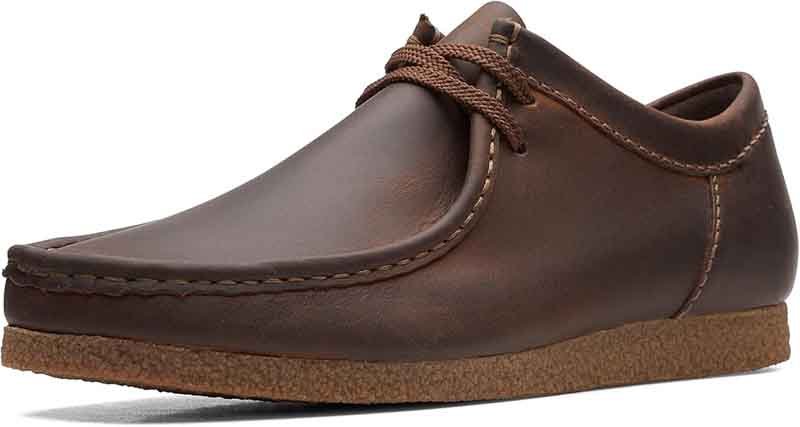
When it comes to buying or producing shoes, one of the first questions that comes to mind is: Which leather is best for shoes? The answer matters because the type of leather directly impacts durability, comfort, aesthetics, and long-term value. Shoe enthusiasts, designers, and manufacturers alike are constantly weighing the differences between full-grain, top-grain, suede, nubuck, exotic hides, and even synthetic alternatives.
The best leather for shoes is full-grain leather due to its unmatched durability, natural breathability, and ability to develop a rich patina over time. However, top-grain, calfskin, suede, and nubuck are also excellent choices depending on budget, shoe type, and fashion preference. For high-end dress shoes, full-grain and calfskin dominate, while suede and nubuck offer stylish casual options.
Leather shoes are not just footwear—they are statements of personality and craftsmanship. Imagine stepping into a boardroom with full-grain oxford shoes that tell a story of elegance and durability, or walking casually on weekends in suede loafers that combine comfort and charm. In this guide, we’ll dive into the types of leather, durability vs cost, finishes, shoe-type compatibility, care tips, and global brand insights. Whether you are a consumer, a fashion brand, or a retailer sourcing products, this article will help you make smarter choices—and show why Szoneier’s expertise in leather goods manufacturing makes us a trusted partner for custom orders.
What Types of Leather Are Commonly Used in Shoes?
Shoes are commonly made from full-grain, top-grain, corrected-grain, suede, nubuck, calfskin, and exotic leathers. Each type differs in durability, softness, and price. Full-grain is the strongest, calfskin is the most luxurious, suede and nubuck are stylish but delicate, while corrected-grain offers affordability. Exotic leathers are used for high-end fashion. Choosing the right type depends on shoe purpose, lifestyle, and budget.
1. Full-Grain Leather
Full-grain leather is widely recognized as the gold standard for footwear. It comes from the top layer of the hide, preserving the natural grain with minimal processing. This means it retains the strongest fibers, making it exceptionally durable and resistant to wear. Shoes made from full-grain leather can last decades if properly maintained, developing a natural patina that adds character. It’s the preferred choice for premium dress shoes and high-end boots.
2. Top-Grain Leather
Top-grain leather is slightly buffed or sanded to remove imperfections, creating a smoother and more uniform appearance. While it loses some of the durability of full-grain, it is still highly resilient and easier to work with during shoe production. Top-grain shoes are lighter and more affordable, making them a popular option for mid-range footwear that balances quality and price.
3. Corrected-Grain Leather
Corrected-grain leather is made from lower-quality hides that are buffed and coated with pigments or synthetic finishes to hide flaws. While it doesn’t have the natural look of higher grades, it provides consistency and affordability. Many mass-produced or entry-level leather shoes use corrected-grain leather because it is cost-effective. However, it tends to be less breathable and may crack over time.
4. Suede
Suede is produced from the underside of the hide, giving it a soft, velvety texture. It is highly popular in fashion-forward casual shoes like loafers, moccasins, and sneakers. Suede shoes feel lightweight and comfortable but require extra care since they easily stain and absorb moisture. They are best suited for indoor or dry-weather use, making them stylish but less practical for rugged or everyday conditions.
5. Nubuck
Nubuck is made from the outer side of the hide, sanded down to create a suede-like appearance. Unlike suede, nubuck is stronger because it comes from the tougher outer surface. It combines durability with a luxurious soft feel, often used in casual yet upscale footwear. However, like suede, it is prone to staining and needs protective sprays and careful cleaning to maintain its look.
6. Calfskin
Calfskin leather is sourced from young calves and is valued for its fine grain, softness, and flexibility. It is one of the most common leathers in luxury dress shoes, particularly among high-end European brands. Calfskin is lightweight and molds to the foot quickly, offering superior comfort and a refined aesthetic. Its downside is cost—calfskin shoes are significantly more expensive than cowhide options.
7. Exotic Leathers (Crocodile, Ostrich, Snake, etc.)
Exotic leathers are reserved for high-fashion and luxury footwear. Crocodile and alligator skins are prized for their distinctive patterns and durability, while ostrich leather offers unique dotted textures and softness. Snake and lizard leathers are thin but striking in appearance. These leathers are rare, expensive, and often require special care, making them more of a status symbol than a practical everyday option.
Which Leather Type Offers Best Durability vs Cost?
Full-grain leather offers the best durability but at a higher price, while top-grain balances cost and longevity. Corrected-grain is affordable but less durable, while calfskin is luxurious but costly. Suede and nubuck are stylish but not as long-lasting. For daily wear and value, top-grain leather is often the best compromise, while full-grain remains unmatched for premium shoes.
Durability vs cost is one of the most common considerations for buyers and brands.
- Full-Grain Leather: Can last 10–15 years with proper care, making it the best long-term investment.
- Top-Grain Leather: Usually lasts 5–10 years, depending on maintenance, while being 30–40% cheaper than full-grain.
- Corrected-Grain: Typically lasts 2–5 years; affordable but lacks natural breathability.
- Calfskin: Extremely soft and stylish, often used in luxury brands like Berluti or John Lobb, but costly.
- Suede/Nubuck: Lifespan is shorter (2–4 years) but their unique aesthetic keeps them popular in fashion lines.
| Leather Type | Average Lifespan | Best For |
|---|---|---|
| Full-Grain | 10–15 years | Luxury, dress shoes |
| Top-Grain | 5–10 years | Mid-range shoes |
| Calfskin | 7–12 years | Premium brands |
| Suede/Nubuck | 2–4 years | Casual shoes |
| Corrected-Grain | 2–5 years | Budget lines |
For global buyers sourcing shoes, the decision often depends on target market positioning: entry-level vs premium vs luxury.
How Does Leather Finish Affect Shoe Performance?
Leather finish affects a shoe’s durability, comfort, maintenance, and aesthetics. Aniline leather is natural and breathable but stains easily, while semi-aniline balances beauty with protection. Pull-up finishes add rugged character, patent finishes create formal shine, and waterproof treatments enhance utility. Choosing the right finish depends on whether you need luxury dress shoes, casual styles, or rugged boots—each finish changes how the shoe looks, feels, and lasts.
Leather finishing is the process of applying dyes, coatings, or treatments that influence how the shoe performs in daily use. The finish determines resistance to stains, flexibility, breathability, and even fashion appeal. Below are the most common finishes and their effect on performance.
1. Aniline Finish
Features: Dyed with soluble dyes, showing natural grain and imperfections.
Advantages:
- Natural, luxurious look that ages beautifully.
- Highly breathable, allowing feet to stay cool.
Disadvantages:
- Easily stained and scratched.
- Requires careful maintenance (conditioning and waterproof sprays).
Best For: High-end dress shoes where appearance matters more than rugged durability.
2. Semi-Aniline Finish
Features: Light surface coating applied over aniline-dyed leather.
Advantages:
- Retains natural look but adds some stain and scratch resistance.
- More durable than pure aniline leather.
Disadvantages:
- Slightly less breathable.
Best For: Premium everyday shoes that balance beauty and practicality.
3. Pull-Up Leather Finish
Features: Infused with oils or waxes that “pull up” lighter tones when stretched.
Advantages:
- Extremely durable and flexible.
- Gains a rugged, vintage look with use.
Disadvantages:
- Shows marks easily (but many consider this part of the charm).
Best For: Casual boots, outdoor shoes, or rugged sneakers.
4. Patent Leather Finish
Features: Coated with a high-gloss plastic or lacquer layer.
Advantages:
- Striking shine, perfect for formal wear.
- Water-resistant and easy to wipe clean.
Disadvantages:
- Less breathable and prone to cracking if not stored properly.
Best For: Tuxedo shoes, wedding footwear, luxury evening styles.
5. Polished Leather Finish
Features: Buffed and polished to achieve a smooth, semi-gloss surface.
Advantages:
- Clean, professional look with moderate durability.
- Easier to maintain than aniline.
Disadvantages:
- May lose natural texture.
Best For: Office shoes, business casual dress shoes.
6. Waterproof or Protective Finishes
Features: Special coatings applied to resist water, oil, or dirt.
Advantages:
- Protects shoes in wet climates.
- Reduces cleaning needs.
Disadvantages:
- May reduce breathability.
Best For: Outdoor boots, daily wear shoes in rainy areas.
Do Shoe Types Dictate Leather Choice?
Yes, the type of shoe determines the best leather. Full-grain and calfskin are ideal for formal dress shoes, pull-up and top-grain suit boots, while suede and nubuck are popular for casual loafers and sneakers. Exotic leathers are often used in luxury limited editions. Choosing leather by shoe type ensures the right balance of style, function, and durability.
- Dress Shoes (Oxfords, Brogues): Best in full-grain or calfskin for a sleek finish.
- Boots (Chelsea, Work Boots): Pull-up or top-grain for rugged durability.
- Casual Shoes (Loafers, Moccasins): Suede and nubuck provide softness and elegance.
- Sneakers: Often combine corrected-grain or suede panels for comfort and fashion.
- Luxury Footwear: Exotic hides like crocodile or ostrich, positioned for niche high-end buyers.
Matching leather with shoe type is crucial in footwear manufacturing and brand positioning.
How Do You Maintain Different Leather Shoe Types?
Maintaining leather shoes requires tailored care depending on the leather type. Full-grain and calfskin need cleaning, conditioning, and polishing; suede and nubuck require brushing and waterproof sprays; patent leather just needs gentle wiping; and vegan or synthetic leather should be cleaned with mild soap. With proper routines, leather shoes can last 2–15 years, maintaining both durability and style.
Maintenance by Leather Type
Leather shoes vary in durability and aesthetics, but the right care routine can double their lifespan. Here’s how to maintain different shoe leathers:
1. Full-Grain Leather Shoes
Full-grain is the toughest, most premium leather. It retains the natural grain, which makes it breathable and long-lasting, but it also needs consistent care.
- Cleaning: Wipe with a damp cloth weekly, and remove dirt with a soft horsehair brush.
- Conditioning: Apply leather conditioner or cream every 1–2 months to keep the fibers supple.
- Polishing: Use wax polish for shine and water resistance, cream polish for nourishment.
- Storage: Use cedar shoe trees to maintain shape and absorb moisture.
2. Calfskin Leather Shoes
Calfskin is softer and more delicate than cowhide, often used in luxury dress shoes.
- Cleaning: Use a soft cloth with a mild leather cleaner.
- Conditioning: Condition monthly to prevent cracks and dryness.
- Polishing: Alternate between cream polish (to nourish and restore color) and wax polish (to add shine).
- Protection: Avoid rain and always store in dust bags when not in use.
3. Top-Grain & Corrected-Grain Leather Shoes
These are more affordable and durable for everyday wear, but they don’t age as beautifully as full-grain.
- Cleaning: Simple wipe with damp cloth.
- Conditioning: Every 3 months, as these leathers often have protective coatings.
- Polishing: Use neutral polish to maintain even color.
- Tip: Avoid over-conditioning since coatings reduce absorption.
4. Suede Shoes
Suede is stylish but delicate, made from the underside of the hide.
- Cleaning: Never use water directly. Brush with a suede brush after every wear.
- Stains: Remove with suede eraser or white vinegar for oil stains.
- Protection: Spray with suede protector to resist water and dirt.
- Storage: Keep in breathable bags, never plastic.
5. Nubuck Shoes
Nubuck looks like suede but comes from the outer side of the hide, making it stronger.
- Cleaning: Use a nubuck brush or block; avoid liquid cleaners.
- Protection: Apply waterproof spray monthly.
- Tip: For light stains, rub gently with fine sandpaper.
Nubuck offers durability with elegance but needs similar care to suede.
6. Patent Leather Shoes
Patent leather has a glossy finish and is less porous.
- Cleaning: Wipe with damp cloth; avoid harsh chemicals.
- Polishing: Use a patent leather cleaner or petroleum jelly for shine.
- Storage: Wrap in soft cloth to prevent scratches and avoid heat exposure.
Perfect for formal wear but prone to cracking if stored improperly.
7. Vegan or Synthetic Leather Shoes
PU or plant-based leathers mimic real leather but need different care.
- Cleaning: Mild soap with warm water.
- Conditioning: Not required (non-porous surface).
- Polishing: Use water-based sprays or synthetic shoe creams.
- Durability: Lifespan is shorter than real leather (2–5 years).
Maintenance Summary Table
| Leather Type | Cleaning Method | Conditioning | Polish Type | Extra Care | Lifespan |
|---|---|---|---|---|---|
| Full-Grain | Brush & damp cloth | Every 1–2 months | Wax + cream | Shoe trees | 10–15 yrs |
| Calfskin | Soft cloth & mild cleaner | Monthly | Cream + wax | Dust bags | 7–12 yrs |
| Top/Corrected-Grain | Damp cloth | Every 3 months | Neutral polish | Avoid over-conditioning | 5–10 yrs |
| Suede | Suede brush | Not needed | N/A | Protector spray | 2–4 yrs |
| Nubuck | Nubuck brush/block | Not needed | N/A | Waterproof spray | 3–5 yrs |
| Patent Leather | Damp cloth | Not needed | Patent cleaner | Avoid scratches | 3–5 yrs |
| Vegan/Synthetic | Soap & water | Not needed | Synthetic creams | Avoid heat | 2–5 yrs |
Is Leather Choice Important for Custom Shoe Manufacturing?
Yes, leather choice is critical in custom shoe manufacturing because it defines the shoe’s durability, comfort, aesthetics, and brand positioning. Premium leathers like full-grain or calfskin elevate luxury footwear, while top-grain balances cost and performance for mid-range lines. Suede and nubuck target fashion buyers, while vegan or synthetic leathers meet sustainable markets. The right leather not only influences production quality but also impacts consumer perception and long-term brand value.
Quality and Durability
Leather is the foundation of any shoe. Choosing the right type determines how the shoe performs:
- Full-grain leather: Longest lifespan (10–15 years), resistant to daily wear, premium appeal.
- Calfskin: Soft and luxurious, highly flexible, best for formal footwear.
- Top-grain leather: Affordable, durable, easier to process, best for mid-tier shoes.
- Corrected-grain: Cost-effective, mass-market option, but less breathable.
- Suede/Nubuck: Stylish, soft, but delicate—ideal for casual shoes.
For brands, using the wrong leather can shorten product life, increase returns, and harm reputation.
Brand Positioning and Market Segmentation
Different leather types align with different market tiers:
| Market Tier | Common Leather Used | Example Shoe Styles | Price Range |
|---|---|---|---|
| Luxury | Full-grain, Calfskin, Exotic | Oxfords, Brogues, Boots | $300–$1000+ |
| Premium | Top-grain, Nubuck | Loafers, Dress Shoes | $150–$300 |
| Mid-Market | Corrected-grain, Split leather | Sneakers, Work Shoes | $80–$150 |
| Fashion/Casual | Suede, Nubuck, Vegan | Moccasins, Sneakers | $60–$120 |
| Sustainable | Vegan, Recycled leather | Lifestyle Shoes | $70–$200 |
Functionality and Performance Needs
Leather choice also depends on the intended use of the shoe:
- Formal footwear: Requires sleek, polished leathers (calfskin, full-grain).
- Outdoor/work boots: Need pull-up or waxed leather for toughness.
- Casual/fashion shoes: Use suede, nubuck, or exotic finishes for aesthetics.
- Athleisure/sustainable lines: Increasing demand for vegan leathers.
Using functional leathers (waterproofed, breathable, treated) helps brands differentiate by purpose.
Customization and OEM/ODM Needs
Leather must also support design customization:
- Logo embossing or stamping works best on full-grain or top-grain.
- Color customization is more effective with corrected-grain or pigmented leathers.
- Textured leathers (crocodile, ostrich) elevate luxury collections.
- Vegan options attract eco-conscious consumers and meet compliance in certain regions (EU/US).
A skilled OEM/ODM partner like Szoneier ensures the right leathers are chosen for both function and branding goals.
Consumer Perception and Long-Term Value
Buyers associate leather quality with brand identity. According to industry studies, over 70% of consumers equate full-grain or calfskin with premium quality, while synthetic leathers are often seen as cheaper substitutes. Even if production costs are lower, the wrong leather can devalue the product line and weaken brand credibility.
Global Brand Examples
Top global brands illustrate the importance of leather choice:
- Berluti & John Lobb: Known for calfskin and exotic hides.
- Allen Edmonds & Alden: Full-grain for timeless durability.
- Gucci & Santoni: Mix calfskin and polished finishes for luxury fashion.
- Meermin Mallorca: Offers affordable, top-grain Goodyear-welted shoes.
Frequently Asked Questions (FAQ) About Leather for Shoes
1. Which leather is best for shoes?
The best leather for shoes is full-grain leather, known for its durability, breathability, and ability to develop a rich patina over time. For premium dress shoes, calfskin is also highly regarded for its softness and refined finish. Suede and nubuck are fashionable alternatives but require more maintenance.
2. Which animal leather is good for shoes?
Cowhide is the most common choice because of its strength and balance between cost and durability. Calfskin is softer and used in luxury shoes, while goat leather is lighter and more flexible. Exotic leathers like crocodile, ostrich, or snake are reserved for high-end fashion, but they are more expensive and require special care.
3. What is the difference between full-grain and top-grain leather?
Full-grain leather retains the natural grain and is the most durable, while top-grain is sanded for a smoother appearance and slightly lower cost. Full-grain develops a patina and ages beautifully, making it perfect for premium shoes. Top-grain is easier to work with and often used in mid-range footwear.
4. Is suede good for shoes?
Yes, suede is good for casual and stylish shoes such as loafers, moccasins, and sneakers. It offers a soft texture and lightweight comfort. However, it is more prone to stains and water damage, so protective sprays and regular brushing are essential.
5. How long do leather shoes last?
High-quality full-grain leather shoes can last 10–15 years with proper care. Top-grain usually lasts 5–10 years, while suede or corrected-grain may last 2–5 years. The lifespan depends on how often the shoes are worn and how well they are maintained with cleaning, conditioning, and polishing.
6. Which polish is best for leather shoes?
For long-term care, cream polish is best for nourishing leather and restoring color, while wax polish adds shine and water resistance. A combination of cream for conditioning and wax for finishing is often recommended. Liquid polishes are convenient but not as protective for premium leathers.
7. Are leather shoes worth the price?
Yes, genuine leather shoes are worth the price because they are more durable, comfortable, and breathable than synthetic alternatives. While upfront costs are higher, leather shoes last longer and can be repaired or resoled. Over time, this makes them more cost-effective than replacing multiple pairs of cheaper shoes.
8. How can you tell if leather shoes are high quality?
High-quality leather shoes often use full-grain or calfskin leather, feature solid stitching, and have leather soles or welt construction. They should feel sturdy yet flexible. A natural leather smell, visible grain texture, and consistent finishing are strong indicators of premium craftsmanship.
9. Do vegan leathers perform as well as real leather?
Vegan leathers have improved significantly and can be lightweight, affordable, and water-resistant. However, they generally lack the breathability, patina development, and long lifespan of real leather. For sustainable buyers, high-quality PU or plant-based leathers are decent alternatives, but not a full replacement for premium footwear.
10. What is the average price of good leather shoes?
Mid-range leather shoes (often top-grain) range between $100–$250, while premium full-grain or calfskin shoes cost $300–$600. Luxury brands using exotic leathers may sell shoes for over $1,000. The price usually reflects not just material, but also craftsmanship, brand value, and longevity.
11. Can leather shoes be repaired if damaged?
Yes, leather shoes can often be repaired through resoling, reconditioning, or replacing hardware. Scuffs can be polished, and cracks can sometimes be minimized with conditioning. This repairability makes leather footwear more sustainable compared to synthetic shoes, which are often discarded once worn out.
12. What are the top leather shoe brands globally?
Some of the most respected leather shoe brands include Allen Edmonds, Church’s, Berluti, John Lobb, Alden, Santoni, Crockett & Jones, Gucci, Magnanni, and Meermin Mallorca. These brands are known for craftsmanship, material quality, and heritage. They set benchmarks for both luxury and mid-range footwear markets.
Conclusion: Why Source Leather Shoes with Szoneier
Choosing the right leather is only part of the story—execution is key. At Szoneier Leather, we combine 18+ years of expertise with a vertically integrated supply chain, from raw material sourcing to final packaging. We offer:
- Full customization (OEM/ODM) across bags, wallets, belts, straps, and shoes.
- Free design support and quick sampling.
- Low MOQs and fast lead times to serve both startups and global brands.
- Strict QC and certified materials (ISO, REACH, OEKO-TEX).
If you are a brand, retailer, or designer looking to source premium leather shoes or components, contact Szoneier today to request samples and explore custom solutions tailored to your market.
What Can I Do For You?
Here, developing your OEM/ODM private label leather goods collection is no longer a challenge,it’s an excellent opportunity to bring your creative vision to life.
Make A Sample First?
If you have your own tech packs, logo design artwork, or just an idea,please provide details about your project requirements, including preferred fabric, color, and customization options,we’re excited to assist you in bringing your leather goods designs to life through our sample production process.