
What Are Different Types of PU Leather:A Complete Guide
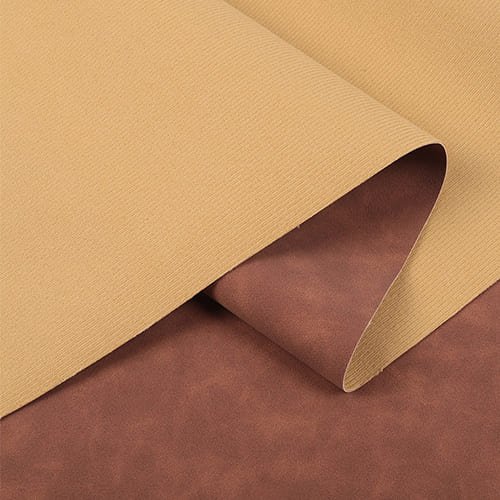
When you hear the word “leather,” you might instantly think of luxury handbags, premium belts, or elegant wallets. But not all leather is created equal—and in today’s marketplace, PU leather (polyurethane leather) has become one of the most talked-about materials. Why? Because it offers the look and feel of genuine leather at a fraction of the cost, while also being lighter, more versatile, and available in countless textures and colors.
PU leather, short for polyurethane leather, is a synthetic material made by coating a fabric base with a polyurethane layer. It mimics the look of genuine leather, comes in types like split-grain PU, bonded PU, and microfiber PU, and is widely used for bags, wallets, belts, and accessories due to its affordability and design flexibility.
For some buyers, PU leather is simply a cost-saving substitute. For others, it’s a strategic material that aligns with vegan fashion trends, sustainability goals, and scalable OEM/ODM production. The debate isn’t whether PU leather has value—it’s about which type of PU leather best matches your product and brand strategy. Imagine you’re sourcing wallets for a mid-tier fashion brand: do you go with budget-friendly bonded PU or luxury microfiber PU that elevates your brand image? That’s where understanding PU leather types becomes critical.
What Is PU Leather and How Is It Made?
PU leather, short for polyurethane leather, is a man-made material created by coating a fabric base (cotton, polyester, or split leather fibers) with a polyurethane layer. It replicates the look of genuine leather at a lower cost, is lightweight, customizable, and commonly used in bags, wallets, belts, shoes, and furniture. Manufacturing involves coating, texturing, and finishing processes to achieve desired strength and appearance.
Understanding the Basics of PU Leather
PU leather belongs to the family of synthetic leathers, often marketed as faux leather or vegan leather. Unlike genuine leather that comes from animal hides, PU is derived from polyurethane polymers. These polymers can be applied in different ways—spraying, lamination, or hot-rolling—onto a base fabric such as cotton, polyester, or recycled leather fibers.
Because of its animal-free composition, PU leather is widely used by vegan fashion brands and mid-market consumer goods manufacturers, offering the aesthetic appeal of leather without ethical concerns or high cost.
A Brief History of PU Leather
- 1960s–1970s: PU leather was first developed as a cost-effective substitute for genuine leather in upholstery and automotive seating.
- 1980s–1990s: Advances in coating technology made PU softer and more leather-like, expanding into footwear and accessories.
- 2000s–Present: With the rise of vegan fashion and sustainability awareness, PU has become a mainstream material for handbags, wallets, and belts. Newer versions like microfiber PU now rival real leather in performance.
The Manufacturing Process of PU Leather
The production of PU leather involves multiple steps:
Step 1: Base Fabric Preparation
- A woven or non-woven base (cotton, polyester, nylon, or recycled leather fibers) is selected.
- The base fabric provides structural strength.
Step 2: Polyurethane Coating
- A liquid polyurethane compound is applied to the fabric via lamination, spraying, or rolling.
- The thickness of the coating determines flexibility, durability, and cost.
Step 3: Embossing & Texturing
- Heated rollers press the surface to create grain patterns (smooth, pebbled, crocodile, etc.).
- This gives PU leather its realistic “leather-like” appearance.
Step 4: Coloring & Finishing
- PU can be dyed in unlimited colors, finished with matte, glossy, or semi-aniline looks.
- Optional treatments: waterproof coating, fire-resistant finishes, or RFID shielding layers (for wallets).
This level of manufacturing control is why PU leather is so popular in OEM/ODM production, allowing factories to create consistent textures and colors at scale.
How PU Leather Differs from Genuine Leather
| Feature | PU Leather | Genuine Leather |
|---|---|---|
| Source | Polyurethane on fabric | Animal hides |
| Durability | 2–5 years (microfiber PU: 5–8 years) | 10–15 years+ |
| Cost | $2–8 OEM/unit (wallets) | $10–30 OEM/unit (wallets) |
| Breathability | Limited (non-porous) | Excellent (natural pores) |
| Appearance | Uniform, customizable | Unique, natural grain |
| Sustainability | Animal-free, but petroleum-based | Biodegradable, but animal-derived |
PU is ideal for affordable and mid-market products, while genuine leather remains the standard for luxury and heritage goods.
Is PU Leather Eco-Friendly or Synthetic?
This is a common point of confusion.
- Eco-Friendly Aspect: PU avoids animal slaughter, making it attractive to vegan consumers. Newer water-based PU and recycled PU reduce VOC emissions and plastic waste.
- Synthetic Limitation: At the end of its lifecycle, PU is still petroleum-derived and not biodegradable.
From a brand positioning standpoint, PU leather sits between fast fashion (PVC) and natural luxury (genuine leather), offering a middle ground.
What’s Better: Faux Leather or PU Leather?
“Faux leather” is an umbrella term covering PVC, PU, and microfiber leathers. PU is generally better than PVC because it is:
- Softer & more flexible
- Less toxic to produce
- Closer in feel to genuine leather
Microfiber PU, a premium version of PU, is widely recognized as the best type of faux leather available today.
Which Types of PU Leather Are Common in the Market?
The most common types of PU leather include split-grain PU, bonded PU, microfiber PU, and bi-cast PU. Fashion-driven variations such as embossed, patent, textured, and luxury PU also exist. Among fake leathers, microfiber PU is often considered the best for premium products due to its durability, breathability, and realistic look, while bonded PU is cheapest but least durable.
1. Split-Grain PU Leather
Split-grain PU is made from the lower layers of an animal hide (split leather) coated with a polyurethane film. Unlike 100% synthetic PU, this hybrid contains real leather fibers.
Strengths:
- More durable than standard PU
- Has a more natural leather-like texture
- Marketed as “genuine leather” in some regions due to its partial hide content
Weaknesses:
- Less breathable than top-grain leather
- Surface coating may crack over time
- Lifespan ~3–5 years
Applications:
- Belts and straps (where a firmer structure is needed)
- Mid-range wallets and handbags
- Budget upholstery and office chairs
Split-grain PU works well for brands seeking to balance affordability with a genuine leather feel, but it still cannot compete with top-grain in longevity.
2. Bonded PU Leather
Bonded PU is the cheapest form of leather substitute, created by taking leftover leather scraps, grinding them, and binding them with polyurethane.
Strengths:
- Extremely affordable
- Eco-conscious in concept (recycling leather waste)
- Flexible production → easy to color and emboss
Weaknesses:
- Weakest durability (lifespan 1–3 years)
- Peels and cracks quickly under stress
- Not suitable for high-end branding
Applications:
- Promotional wallets and giveaways
- Budget handbags and small accessories
- Fast-fashion furniture
Bonded PU is best for short-term use products or markets where price is the sole driver. For serious brands, bonded PU should only be used strategically.
3. Microfiber PU Leather (Premium Synthetic)
Microfiber PU is widely regarded as the best type of PU leather, often marketed as “luxury PU”. It’s made using ultra-fine fibers layered with polyurethane, creating a dense structure that rivals genuine leather.
Strengths:
- Long lifespan: 5–8 years
- Breathable and flexible
- Closest in look and feel to real leather
- Resistant to peeling and cracking
- Lightweight but strong
Weaknesses:
- More expensive than other PU types (but still cheaper than genuine leather)
Applications:
- Premium handbags and wallets
- High-end belts and straps
- Automotive interiors and luxury furniture
4. Bi-Cast PU Leather
Bi-cast PU leather uses split leather coated with a thick polyurethane layer to create a shiny, polished surface. It’s most recognizable for its glossy finish.
Strengths:
- Attractive appearance (like patent leather)
- Affordable compared to full-grain glossy leathers
- Easy to clean
Weaknesses:
- Can feel stiff and plasticky
- Lifespan shorter than microfiber or split-grain
- Prone to cracking if bent repeatedly
Applications:
- Belts, fashion shoes, and glossy wallets
- Furniture with decorative finishes
- Fashion accessories where shine is desired
Bi-cast PU is popular in markets that value looks over longevity, especially in fast-fashion cycles.
5. Embossed, Patent, and Textured PU Variations
PU leather is extremely design-flexible, allowing manufacturers to create finishes that mimic exotic leathers or fashion trends.
- Embossed PU: Crocodile, lizard, or snakeskin textures.
- Patent PU: High-gloss shine for wallets, clutches, and belts.
- Textured PU: Grain variations that simulate natural leather inconsistencies.
- Strengths:
- Endless customization options
- Strong appeal in fashion and accessories
- Compatible with OEM branding (logos, patterns, colorways)
- Weaknesses:
- Durability depends on base PU quality
- Often chosen for appearance, not performance
- Applications:
- Handbags, wallets, seasonal fashion lines
- Footwear and belts for quick-turnover markets
These types allow brands to differentiate visually without investing in exotic hides, making them very popular in fast-moving consumer goods.
6. Luxury PU Leather
Luxury PU is not a strict category but a marketing label for high-quality PU (often microfiber). It is designed to replicate the premium look of full-grain leather at a more accessible cost.
Strengths:
- Refined finish (matte, semi-aniline, or glossy)
- More durable than basic PU (lifespan 5–8 years)
- Vegan-friendly and customizable
Weaknesses:
- Still lacks natural patina and unique grain of real leather
- Premium cost compared to standard PU
Applications:
- Mid- to high-tier fashion accessories
- Designer bags and wallets
- Automotive interiors marketed as “vegan luxury”
Luxury PU helps brands position products as premium while keeping production scalable and compliant with vegan fashion trends.
What Is the Best Type of Fake Leather?
When comparing fake leathers, microfiber PU consistently comes out on top:
- Longest lifespan (5–8 years)
- Closest resemblance to genuine leather
- Strong enough for premium applications
By contrast:
- Bonded PU = cheapest, weakest durability
- Split-grain PU = hybrid compromise
- Bi-cast PU = shiny but less flexible
- Luxury PU = microfiber-based, marketed upscale
Comparison Table: Types of PU Leather
| Type | Durability | Strengths | Weaknesses | Best Applications |
|---|---|---|---|---|
| Split-Grain PU | 3–5 yrs | Natural feel, affordable | Less breathable | Belts, budget handbags |
| Bonded PU | 1–3 yrs | Cheapest, recycled scraps | Cracks/peels quickly | Promo wallets, low-cost goods |
| Microfiber PU | 5–8 yrs | Durable, premium look/feel | Higher cost vs PU | Luxury bags, premium wallets |
| Bi-Cast PU | 3–5 yrs | Glossy finish, stylish | Stiff, prone to cracking | Belts, shiny accessories |
| Embossed/Patent PU | Varies | Design variety, trendy appeal | Durability depends on base PU | Fashion bags, seasonal products |
| Luxury PU | 5–8 yrs | Premium look, vegan appeal | No natural patina | Mid/high-end fashion |
How Do Different PU Leathers Perform in Products?
Different PU leathers perform differently by product. Microfiber PU works best for luxury bags and wallets, split-grain PU balances cost and quality for belts and mid-tier accessories, while bonded PU suits short-term or promotional goods. PU leather typically lasts 2–5 years, but high-grade microfiber PU can extend to 5–8 years. Disadvantages include peeling, cracking, lower breathability, and shorter lifespan compared to genuine leather.
1. Bags and Handbags:
PU leather is one of the most widely used materials in handbag manufacturing because it allows brands to experiment with textures, colors, and seasonal trends without committing to the high costs of genuine leather.
- Bonded PU: Used in budget handbags, but may peel or crack after 1–2 years. Works best for fast-fashion collections where style turnover is quick.
- Split-Grain PU: Suitable for mid-market handbags where a genuine leather look is needed at lower cost.
- Microfiber PU (Luxury PU): Performs the best, offering softness, breathability, and long lifespan (5–8 years). Chosen by brands competing in the “affordable luxury” space.
- Embossed/Textured PU: Adds value for fashion-driven handbags, e.g., crocodile embossing or high-gloss patent finishes.
2. Wallets and Cardholders:
Wallets face constant handling, folding, and pressure in pockets or bags, making PU performance critical.
- Bonded PU Wallets: Cheap (OEM $2–3), often used for giveaways or entry-level products. Lifespan ~1–2 years.
- Split-Grain PU Wallets: Last longer (~3–4 years) and can be marketed as “leather” in some regions.
- Microfiber PU Wallets: Best for premium lines, offering 5–8 years of use, with RFID-blocking integration possible.
- Luxury PU: Smooth finishes appeal to higher-end customers; embossing and custom colors elevate branding.
Comparison: Wallet Performance by Material
| PU Type | Lifespan | Look/Feel | Best Market |
|---|---|---|---|
| Bonded PU | 1–2 yrs | Basic, low quality | Promotional & budget |
| Split-Grain PU | 3–4 yrs | Semi-premium look | Mid-market retail |
| Microfiber PU | 5–8 yrs | Premium leather-like | Luxury & branded wallets |
| Luxury PU | 5–7 yrs | Smooth, upscale | Affordable luxury brands |
3. Belts and Straps:
Belts and straps endure constant pulling, bending, and tension, so PU performance varies drastically.
- Bonded PU Belts: Crack easily within 6–12 months; unsuitable for serious fashion brands.
- Bi-Cast PU Belts: Shiny, stylish, but stiff—good for fashion belts, not heavy use.
- Split-Grain PU Belts: Provide a stronger option for mid-market brands, lasting 2–4 years.
- Microfiber PU Belts: Closest to genuine leather, with strength and flexibility lasting 5+ years.
- Straps (Bag Handles): Microfiber PU reinforced with fabric backing ensures durability in handbag handles and backpack straps.
Example: A U.S. mid-tier fashion retailer switched from bonded PU to microfiber PU belts. Returns dropped by 40%, and customer reviews improved significantly, justifying the slightly higher cost.
4. Upholstery and Furniture:
PU leather is a staple in furniture and car interiors, but product performance depends heavily on PU type.
- Bonded PU: Often used in budget office chairs, tends to crack after 1–2 years.
- Bi-Cast PU: Chosen for its glossy look in sofas and decorative furniture, but not for high-wear seating.
- Microfiber PU: Performs exceptionally in automotive interiors and luxury office chairs, resisting wear and sunlight better than other PU types.
- Luxury PU: Appeals to the “vegan leather” luxury segment, combining aesthetics with moderate durability.
Case Study: Tesla’s move to vegan car interiors boosted microfiber PU’s reputation globally, showing how synthetic leathers can dominate premium categories.
Durability and Lifespan of PU Leather
Durability varies widely:
- Bonded PU: 1–3 years
- Split-Grain PU: 3–5 years
- Microfiber PU / Luxury PU: 5–8 years
- Genuine Leather: 10–15 years+
Factors affecting lifespan:
- Usage frequency (daily vs occasional use)
- Storage (humidity, heat, sunlight exposure)
- PU grade (low-cost vs microfiber PU)
For brands and buyers, the key is aligning lifespan expectations with target market. A $20 wallet with 2–3 years of use is acceptable for budget buyers, while a $100+ handbag must last at least 5 years.
Disadvantages of PU Leather in Real Products
Despite its advantages, PU leather has limitations:
- Peeling & Cracking: Especially common in bonded PU.
- Breathability Issues: Less comfortable in hot climates (sticky feel).
- Shorter Longevity: Still inferior to genuine leather in lifespan.
- Plastic Base: Petroleum-derived, not biodegradable.
- Perceived Value: Some consumers see PU as “cheap imitation.”
Brands must address these weaknesses through positioning and material choice—for instance, marketing microfiber PU as “vegan leather” with luxury appeal.
What Is the Lifespan of PU Leather?
On average, PU leather lasts 2–5 years, depending on quality, frequency of use, and storage. Microfiber PU extends this range to 5–8 years, competing with lower grades of genuine leather. However, bonded PU or cheap varieties may degrade in as little as a year.
- Wallets & Small Goods: 3–5 years lifespan.
- Handbags: 4–6 years with microfiber PU.
- Belts/Straps: 2–4 years, unless reinforced.
- Furniture/Upholstery: 3–7 years depending on wear.
Are PU Leathers Cost-Effective and Sustainable?
Yes. PU leather is cost-effective compared to genuine leather, with OEM costs averaging $2–8 per unit for wallets versus $10–30 for genuine leather. It also offers eco-innovations like recycled PU and water-based PU, though it is still petroleum-derived. Many PU products can meet global standards like REACH, RoHS, and CPSIA, making them suitable for international markets.
1. What Is the Price Range of PU vs. Genuine Leather?
One of the main reasons PU leather dominates the mid- to budget-market segment is cost efficiency.
PU Leather OEM Costs:
- Wallets/Cardholders → $2–8
- Belts/Straps → $3–7
- Bags/Handbags → $5–15
Genuine Leather OEM Costs:
- Wallets/Cardholders → $10–30
- Belts → $15–35
- Bags/Handbags → $30–70+
PU vs Genuine Leather Price Comparison
| Product | PU Leather (OEM) | Genuine Leather (OEM) | Retail Price Range |
|---|---|---|---|
| Wallet | $2–8 | $10–30 | PU: $20–40 / Genuine: $60–150 |
| Belt/Strap | $3–7 | $15–35 | PU: $25–50 / Genuine: $80–200 |
| Handbag | $5–15 | $30–70+ | PU: $40–100 / Genuine: $200–500+ |
For global buyers, PU leather allows entry-level or mid-range brands to compete without heavy material costs, while still commanding healthy retail margins (4–8x ROI).
2. Is Recycled PU or Water-Based PU More Eco-Friendly?
PU leather itself is petroleum-derived, which limits biodegradability. However, manufacturers have developed eco-focused alternatives:
- Recycled PU Leather: Uses recycled polyurethane and base fabrics, reducing plastic waste and carbon footprint.
- Water-Based PU: Manufactured with fewer solvents, lowering VOC emissions during production.
- Hybrid PU (Bio-based): Incorporates plant-based polymers (corn, soybean oil) into the PU formula.
These versions are more eco-friendly than standard PU, though still not as natural as genuine vegetable-tanned leather. For brands targeting eco-conscious markets, recycled or water-based PU is a smart option.
3. Do PU Leather Products Meet Global Compliance Standards?
Yes, when sourced from qualified factories. PU leather products can comply with major international standards:
- REACH (EU): Ensures PU contains no harmful chemicals like AZO dyes, lead, or phthalates.
- RoHS (EU): Especially relevant for PU leather used in electronics or accessories.
- CPSIA (US): Covers safety for children’s leather goods (e.g., school bags, wallets).
- OEKO-TEX Standard 100: Certifies PU fabrics as skin-safe and free from harmful substances.
How Do You Choose the Right PU Leather for Your Brand?
To choose the right PU leather, brands should consider market positioning, product type, durability needs, customization options, MOQ, and compliance standards. Microfiber PU is best for premium products, bonded PU suits budget lines, and luxury PU balances design and cost. Partnering with OEM/ODM factories like Szoneier ensures material selection aligns with brand goals and global standards.
1. Match PU Type to Brand Market Position
The first step is aligning PU leather choice with your brand’s target audience and price tier.
- Budget / Mass-Market Brands: Use bonded PU for wallets, fast-fashion bags, and low-cost belts. Affordable, easy to style, but short lifespan (1–3 years). Example: A promotional brand offering giveaways at $15/unit may prioritize bonded PU to keep costs under $2–3 OEM.
- Mid-Market / Lifestyle Brands: Use split-grain PU or embossed PU. These options give a semi-premium look at moderate cost, ideal for handbags or straps priced between $40–100 retail. Example: A U.S. lifestyle label uses embossed PU with crocodile patterns to compete with higher-priced brands while keeping production costs 40% lower.
- Premium / Affordable Luxury Brands:Microfiber PU (luxury PU) is the best choice. It looks and feels closest to genuine leather, lasts 5–8 years, and appeals to vegan and eco-conscious buyers. Example: A European boutique sells microfiber PU wallets at €100 retail while maintaining strong margins, positioning the line as vegan luxury.
Aligning PU type with brand segment prevents mispositioning. A $200 bag made of bonded PU will damage credibility, while a $40 wallet in microfiber PU may cut too much into profit margins.
2. Evaluate Product Use Case
Not all PU leathers perform equally across categories. Think about function first, then aesthetics.
- Handbags & Tote Bags: Require flexibility + surface finish. Microfiber PU offers softness, while embossed PU adds fashion appeal.
- Wallets & Small Goods: Need durability and RFID integration. Microfiber PU or luxury PU with layered lining performs best.
- Belts & Straps: Need tensile strength. Reinforced bi-cast PU or split-grain PU with fabric backing is preferable.
- Shoes & Apparel: Require breathability. Microfiber PU, being porous, is closer to real leather in comfort.
- Furniture/Upholstery: Must resist wear and sunlight. Microfiber PU and bi-cast PU outperform bonded PU in long-term use.
Best PU Types by Product Category
| Product Category | Recommended PU Type | Why? |
|---|---|---|
| Handbags | Microfiber, Luxury PU | Flexibility, premium look |
| Wallets | Microfiber, Split-Grain | Durability, RFID-friendly |
| Belts/Straps | Split-Grain, Bi-Cast | Strength, tension resistance |
| Shoes/Apparel | Microfiber PU | Breathability, comfort |
| Furniture/Upholstery | Bi-Cast, Microfiber PU | Wear resistance, glossy finishes |
Choosing the wrong PU for a product is a hidden cost—returns, warranty issues, and brand damage outweigh the small savings of cheaper PU.
3. Leverage Customization Options
One of PU leather’s biggest advantages is endless customization potential. Unlike genuine leather, which is limited by natural grain, PU can be engineered to match branding needs exactly.
- Color Matching: PU can replicate Pantone shades with 95–100% accuracy.
- Embossing: Create crocodile, lizard, ostrich, or custom-logo embossing.
- Surface Finishes: Matte, glossy, semi-aniline, pearl, metallic, or translucent.
- Functionality Add-ons:
- RFID shielding for wallets
- Waterproof coatings for outdoor bags
- Scratch-resistant layers for belts and furniture
Example: A Japanese accessories brand used embossed microfiber PU with RFID-blocking layers for wallets. Retail price: $85, OEM cost: $7. The collection became a top seller on Rakuten, proving how customization drives sales differentiation.
4. Factor in MOQ, Lead Time, and Cost
Supply chain realities often determine whether a material is viable for your brand.
MOQ (Minimum Order Quantity):
- Bonded PU wallets → 500–1000 pcs MOQ (low cost)
- Microfiber PU wallets → 300–500 pcs MOQ (higher price, but more flexible for boutique brands)
Lead Time:
- Samples: 7–10 days
- Bulk Production: 25–40 days standard, 15–20 days rush orders
OEM Cost vs Retail ROI:
- Bonded PU wallet: $2.50 OEM → $15–20 retail (6–7x margin)
- Microfiber PU handbag: $12 OEM → $100–120 retail (8–9x margin)
5. Compliance and Eco-Goals
Global buyers can’t ignore compliance—especially in EU and U.S. markets.
- REACH (EU): Ensures PU has no harmful chemicals.
- RoHS: Relevant if PU is used in electronics accessories.
- CPSIA (U.S.): Mandatory for children’s PU leather goods.
- OEKO-TEX Standard 100: Certifies PU as safe for direct skin contact.
Eco-Friendly PU Options:
- Recycled PU: Uses leftover polyurethane, reducing waste.
- Water-Based PU: Low VOC emissions, better for factory workers and the environment.
- Bio-Based PU: Plant-derived polymers (e.g., soybean oil) blended into PU.
Avoiding Common Mistakes
- Mistake #1: Choosing PU only by price. Cheap PU may crack in months, leading to returns and reputation damage.
- Mistake #2: Ignoring product use case. Using bonded PU for heavy-use belts is a recipe for failure.
- Mistake #3: Overlooking compliance. A non-REACH-certified PU shipment may be blocked at EU customs, creating huge losses.
Conclusion: Why Source PU Leather with Szoneier?
PU leather isn’t just a cheaper alternative—it’s a strategic material for modern brands. With the right type, it can powerfully combine design freedom, affordability, and market scalability. But success depends on having the right OEM/ODM partner who can translate design ideas into quality products.
Contact Szoneier today to request free samples, explore PU leather options, and get a tailored quote for your next product line.
FAQ: PU Leather Types Guide
1. What is PU leather mainly used for?
PU leather is widely used in bags, wallets, belts, shoes, and furniture upholstery. Its affordability, flexibility in design, and wide color/texture options make it a go-to choice for both fashion and consumer goods.
2. Which type of PU leather is best for premium products?
Microfiber PU leather is considered the best for premium products. It offers superior durability, breathability, and a leather-like texture, making it ideal for luxury wallets, handbags, and accessories.
3. How long does PU leather usually last?
Standard PU leather lasts 2–5 years, while high-quality microfiber PU can last 5–8 years. Longevity depends on material grade, usage frequency, and storage conditions.
4. Do PU leathers crack or peel over time?
Yes. Lower-quality PU, especially bonded PU, may peel or crack within 1–3 years. Choosing microfiber or luxury PU greatly reduces this issue, and OEM suppliers like Szoneier offer reinforced finishes.
5. Is PU leather waterproof?
PU leather is water-resistant but not fully waterproof. It can repel light spills and rain, but long-term water exposure may cause swelling or damage. For bags and belts, Szoneier can apply extra waterproof coatings.
6. What are the disadvantages of PU leather?
PU leather has a shorter lifespan than real leather, less breathability, and lower resale value. However, it is lighter, more affordable, and easier to customize, making it ideal for mid-range and fast-fashion markets.
7. Are PU leathers eco-friendly?
Standard PU is petroleum-based and not biodegradable. However, recycled PU and water-based PU are eco-friendlier alternatives. Szoneier offers eco-certified PU options that meet REACH and OEKO-TEX standards for global markets.
8. How can I source custom PU leather products?
Simply share your design, material preference, and order size with Szoneier. We provide free design consultation, low MOQs (300–500 pcs), and fast sampling (7–10 days), ensuring your products are retail-ready worldwide.
What Can I Do For You?
Here, developing your OEM/ODM private label leather goods collection is no longer a challenge,it’s an excellent opportunity to bring your creative vision to life.
Make A Sample First?
If you have your own tech packs, logo design artwork, or just an idea,please provide details about your project requirements, including preferred fabric, color, and customization options,we’re excited to assist you in bringing your leather goods designs to life through our sample production process.