
How to Make a Leather Valet Tray: DIY & Custom Guide
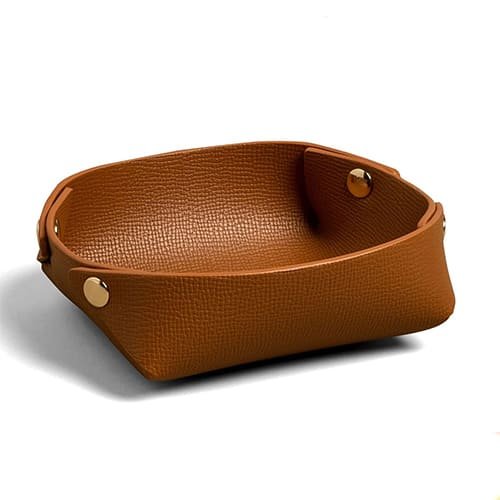
In today’s fast-paced lifestyle, we’re constantly searching for small luxuries that bring order and elegance into our daily routine. One such understated yet highly functional accessory is the leather valet tray. At first glance, it may look like a simple catch-all, but in reality, it serves as a sophisticated organizer for keys, watches, jewelry, coins, and everyday carry items. It keeps your essentials within reach while elevating the aesthetic of your desk, nightstand, or entryway.
A leather valet tray is a compact organizer made from genuine or synthetic leather, designed to hold everyday essentials neatly and stylishly. People use it for convenience, durability, and as a decorative piece that adds elegance to personal or professional spaces.
The beauty of a valet tray lies in its versatility: it fits just as comfortably in a minimalist modern apartment as it does in a high-end office. Imagine dropping your keys and watch into a tray that feels like it belongs in a luxury boutique—suddenly, an ordinary habit transforms into a ritual of style. In this guide, we’ll explore not only how to make a leather valet tray step by step, but also which materials to use, what thickness of leather works best, the different styles available, and why customized valet trays have become a rising trend in both retail and corporate gifting.
So, if you’ve ever wondered whether you can make one yourself—or if you’re a brand considering sourcing them for your customers—this article will give you insights from both DIY and manufacturing perspectives. Let’s dive in.
What Is a Leather Valet Tray?
A leather valet tray is a small, open container made from leather, designed to organize personal items like keys, watches, coins, or jewelry. People use valet trays to prevent clutter, keep essentials within reach, and add a touch of elegance to home or office décor. They are popular because they combine practicality with style, making them suitable for everyday carry storage, travel use, and luxury gifting.
The concept of a valet tray traces back to the early 20th century when men’s dressing tables and nightstands often included compartments for pocket watches and cufflinks. Over time, this accessory evolved into a stylish catch-all dish, with leather becoming the premium material of choice due to its durability and timeless appeal.
The utility of a valet tray is multi-layered:
- Organization: Instead of scattering items around the house, it provides a designated space. This minimizes the daily stress of searching for lost keys or misplaced accessories.
- Aesthetic Value: Leather valet trays double as décor items. A full-grain leather tray adds a luxurious element, while a minimalist snap-corner design matches contemporary interiors.
- Travel Convenience: Many trays are foldable or snap-flat, making them easy to carry in luggage. Business travelers, for example, use them to create a “home-like” organizational system in hotels.
- Corporate & Retail Uses: In luxury retail stores, leather valet trays are often used to present jewelry, watches, or accessories, reinforcing the brand’s premium image.
Think of it this way: a valet tray is like the unsung hero of modern organization. It doesn’t scream for attention, but once you start using one, it’s hard to imagine life without it.
Which Materials and Tools Are Needed to Make a Leather Valet Tray?
A leather valet tray requires high-quality leather (3–6 oz weight depending on purpose), fasteners like snaps, rivets, or stitching, and basic leather tools such as cutters, punches, bevelers, burnishers, and setting kits. For premium production, finishing supplies like dyes, edge paints, and embossing tools are added. The combination of the right leather type, reliable hardware, and precise tools ensures the tray is both functional and visually appealing, whether made at home or by professional manufacturers.
Choosing the Right Leather
Leather is the foundation of any valet tray, and its type, grade, and weight directly influence cost, durability, and user experience.
- Full-Grain Leather: Premium, long-lasting, develops a rich patina. Ideal for luxury trays.
- Top-Grain Leather: Slightly corrected surface, smooth and elegant. Good for corporate gifting.
- Vegetable-Tanned Leather: Natural, firm, excellent for embossing and personalization.
- PU or Faux Leather: Affordable, eco-conscious option for large-scale production.
| Leather Type | Weight (oz) | Thickness (mm) | Best Use Cases | Characteristics | Longevity |
|---|---|---|---|---|---|
| Full-Grain Leather | 4–6 oz | 1.6–2.4 mm | Premium luxury trays, desk organizers | Natural grain, patina develops, stiff & durable | 10–20 years |
| Top-Grain Leather | 3–5 oz | 1.2–2.0 mm | Mid-range trays, promotional corporate gifts | Smooth, slightly processed, balance of quality & cost | 7–15 years |
| Genuine Leather | 2–4 oz | 0.8–1.6 mm | Budget-friendly, lightweight trays | Flexible, affordable, less robust | 3–5 years |
| Bonded/PU Leather | 2–3 oz | 0.6–1.2 mm | Mass promotional items, vegan options | Eco-friendly alternatives, customizable | 2–4 years |
| Suede/Nubuck | 2–4 oz | 0.8–1.6 mm | Lining or decorative trays | Soft, elegant, luxurious texture | 3–6 years |
What weight leather for valet tray?
- Travel Tray (snap-fold): 3–4 oz → easy to pack, portable.
- Desk/Office Tray: 5–6 oz full-grain → rigidity & durability.
- Corporate Gift Tray: 2–3 oz PU or top-grain → customizable logos, cost control.
For brands, leather choice is about balance. Full-grain looks premium but raises unit cost; PU lowers costs but impacts perceived value. Many brands mix top-grain exterior + suede lining for a “luxury but affordable” hybrid.
Hardware & Fasteners
The way corners are fixed defines both functionality and portability.
Snaps (Line 20 or 24):
- Easy to assemble/disassemble.
- Best for travel-friendly trays.
Rivets:
- Permanent, strong hold.
- Common in desk organizers.
Chicago Screws:
- Reusable and adjustable.
- Flexible option for modular trays.
Thread & Waxed Needles:
- Used in stitched designs.
- Adds artisan appeal.
Practical Example:
- A hotel promotional tray often uses rivets for permanence.
- A corporate gift tray may use snaps so the tray folds flat for shipping.
Cutting & Measuring Tools
Precision is everything in leatherwork:
- Utility Knife / Rotary Cutter – Clean cuts, prevents ragged edges.
- Ruler & Metal Square – Ensures 90° corners.
- Cutting Mat – Protects surfaces, extends blade life.
- Die-Cutting Machines (Factory Use): Industrial presses cut 100+ identical pieces in minutes, ensuring consistency for bulk orders.
Edge Finishing Tools
The edges of a valet tray affect both look and touch.
- Edge Beveler: Rounds sharp cuts.
- Burnishing Tool (Wood Slicker, Bone Folder, or Machine): Creates smooth edges.
- Edge Paint / Gum Tragacanth: Seals fibers for professional look.
- Sandpaper (400–600 grit): Smoothens rough spots.
Luxury brands almost always burnish or paint edges, since unsealed leather looks unfinished.
Assembly Tools
How leather comes together changes cost & aesthetics.
- Snap Setter & Anvil: For portable tray corners.
- Rivet Setter & Hammer: Permanent hold for sturdy trays.
- Stitching Pony, Awl & Needles: For hand-sewn artisan trays.
- Industrial Sewing Machines: For scaled, stitched production.
Branding & Customization Tools
Branding is where B2B buyers find real marketing value.
- Stamping/Embossing Stamps: Raised or recessed logos.
- Foil Stamping Machine: Adds gold/silver logo appeal.
- Laser Engraver (Factory): Sharp precision logos, scalable.
- Screen Printing: Cost-efficient for PU trays.
This is why many businesses source from factories like Szoneier — because precision logo application (hot stamping, embossing, laser engraving) requires advanced equipment.
Finishing Supplies
Even a simple tray looks more premium with finishing:
- Leather Conditioner (Beeswax, Mink Oil): Protects from drying.
- Dyes & Paints: Custom colors for branding.
- Microfiber Cloths & Brushes: Polishing for presentation.
- Packaging Materials: Branded boxes, velvet pouches for gifting.
Packaging is often overlooked — yet for corporate buyers, a tray with a branded box doubles as a luxury gift-ready product.
Home DIY vs Factory Production
| Process Step | DIY Hobbyist | Professional Factory (Szoneier) |
|---|---|---|
| Leather Cutting | Utility knife, cutting mat | Die-cutting machine (100 pcs/min) |
| Corner Assembly | Manual snap setter | Automated rivet press |
| Branding | Hand embossing stamp | CNC laser or hot foil |
| Edge Work | Manual burnisher | Edge painting machine |
| Quality Control | Visual check | Multi-point inspection (stitch strength, snap durability) |
How to Make a Leather Valet Tray Step by Step
To make a leather valet tray, cut a square or rectangle piece of leather (typically 8″–10″), punch holes or mark folds at the corners, then secure them with rivets, snaps, or stitching. Smooth and finish the edges, optionally emboss a logo or initials, and treat the leather with oil or wax for protection. This simple process transforms raw leather into a stylish, functional organizer.
Creating a valet tray can be approached in two ways: the DIY home craft method and the professional factory production method. Both share the same foundation but differ in precision and scale.
Step 1: Measuring and Cutting Leather
- Standard sizes range from 8″x8″ (small) to 10″x10″ (medium) and 12″x12″ (large).
- Using a rotary cutter ensures clean, straight lines. For rounded trays, a circular template may be used.
- At this stage, many professionals pre-stamp logos or patterns into the leather for a seamless look.
Step 2: Marking Corner Folds
- Corners are where the tray gets its depth. Mark fold lines 1–1.5 inches inward from each corner.
- Depending on the design, you can either:
- Punch holes to insert rivets/snaps, or
- Cut slits for lacing and stitching.
Step 3: Edge Preparation
- Bevel the edges to remove sharpness.
- Burnish with water, gum tragacanth, or beeswax until the edges are smooth.
- Luxury versions use painted edges (often in black, brown, or contrasting colors).
Step 4: Securing Corners
- Snap Button Method: Common for travel trays, as it allows the tray to flatten when unsnapped.
- Rivets: Permanent, sturdy, popular for home/office trays.
- Hand Stitching: High-end look, especially when using waxed thread in contrasting colors.
Step 5: Conditioning and Finishing
- Apply leather balm, oil, or wax to bring out richness.
- Optionally, line the interior with suede or microfiber for a luxury touch.
- Inspect for structural integrity.
What Are the Different Styles of Leather Valet Trays?
Leather valet trays come in styles such as snap-corner travel trays, stitched desk trays, rigid framed trays, collapsible fold-flat trays, and multi-compartment organizers. Each design balances portability, durability, and aesthetics. For example, snap-corner trays are ideal for travel, while stitched rigid trays suit office desktops. Brands often customize tray style, leather type, and logo application to align with their target audience, whether for personal luxury use, retail sales, or corporate gifting.
1. Snap-Corner Leather Valet Trays (Travel-Friendly Style)
Snap-corner valet trays use metal snaps or buttons at each corner, allowing users to fold or flatten them for portability.
- Best for travelers and business professionals who need a portable organizer.
- Popular with corporate gifts because they ship flat, saving bulk shipping costs.
- Made with 3–4 oz top-grain or PU leather, ensuring balance between flexibility and durability.
- Average retail price range: $25–$50.
- Branding: Often customized with debossed or foil-stamped company logos.
2. Stitched Rigid Leather Trays (Luxury Desk Style)
These trays feature stitched corners or panels for a permanent, rigid structure that emphasizes luxury and durability.
- Suited for office desks, nightstands, and entryways.
- Crafted from 5–6 oz full-grain leather for sturdiness.
- Higher-end design, often lined with suede or nubuck for added elegance.
- Price range: $60–$150, targeting premium buyers.
- Typical buyers: luxury brands and boutique retailers.
- Branding: Hot-stamped or laser-engraved logos to appeal to corporate executive clients.
3. Fold-Flat or Collapsible Leather Trays
Collapsible trays fold flat for storage or travel, using either snaps, zippers, or magnetic corners.
- Perfect for minimalists or digital nomads who want versatility.
- Can be made with lighter-weight leather (3 oz) or PU leather.
- Easy to pack into luggage or even laptop bags.
- Often chosen by tech brands for promotional merchandise due to practical appeal.
- Price range: $20–$40 — highly scalable for wholesale.
4. Rigid Framed Leather Valet Trays (Structured Style)
Built with leather wrapped around a solid wooden or metal frame, these trays are rigid, structured, and premium.
- Used in luxury hotels, jewelry stores, and corporate boardrooms.
- Provides maximum durability and can hold heavier items like watches and keys.
- Typically lined with suede or microfiber for a polished presentation.
- High-end retail: $100–$200.
- Often gifted as executive or VIP gifts with embossed logos.
5. Multi-Compartment Organizer Trays
These trays feature divided sections for organizing watches, coins, pens, and accessories.
- Ideal for home and office organization, especially for professionals.
- Often includes removable dividers or inserts for customization.
- Manufactured with stitched or framed construction.
- Popular with watch retailers, jewelry brands, and luxury lifestyle brands.
- Price range: $70–$200 depending on customization.
- Common in gift sets (paired with leather wallets, belts, or keychains).
6. Hybrid & Modern Designs
These styles mix leather with other materials like canvas, felt, or metal trims for a contemporary look.
- Appeals to modern urban buyers looking for style over tradition.
- PU + leather hybrid makes products more affordable for mass markets.
- Corporate branding opportunities: silk-screen logos on PU + embossed logos on leather.
- Price flexibility: $25–$80, making it adaptable for mid-tier buyers.
Comparison Table of Leather Valet Tray Styles
| Style | Best Use Case | Leather Weight | Portability | Price Range | Typical Buyer |
|---|---|---|---|---|---|
| Snap-Corner Travel Tray | Travel, gifts | 3–4 oz | High | $25–$50 | Corporates, travelers |
| Stitched Rigid Tray | Luxury desks | 5–6 oz | Low | $60–$150 | Luxury brands |
| Fold-Flat Collapsible Tray | Minimalist travel | 2–3 oz | Very High | $20–$40 | Tech brands, wholesalers |
| Rigid Framed Tray | Hotels, offices | 5–6 oz | None | $100–$200 | Hotels, VIP gifts |
| Multi-Compartment Organizer | Home, watch storage | 4–5 oz | Medium | $70–$200 | Jewelry/luxury brands |
| Hybrid Modern Tray | Contemporary style | 2–4 oz (PU mix) | High | $25–$80 | Mid-tier buyers |
How Do Manufacturers Produce Custom Leather Valet Trays?
Manufacturers produce custom leather valet trays by following steps such as material selection, cutting and shaping, edge finishing, stitching or snapping assembly, and branding with logos. Customization includes leather type, weight, color, size, and logo techniques like debossing, embossing, or foil stamping. Quality checks and packaging ensure the trays meet brand standards. This structured process allows OEM/ODM factories to supply luxury brands, retailers, and corporate clients with tailored valet trays for retail and promotional use.
1. Material Selection and Sourcing
- Leather Choice: Full-grain, top-grain, split, or PU depending on durability and budget.
- Leather Weight: Typically 3–6 oz (1.2–2.4 mm). Travel trays use lighter weights; luxury rigid trays use heavier hides.
- Other Materials: Suede, felt, microfiber, or PU lining for interiors; brass, stainless steel, or magnetic snaps for closures.
- Color & Finish: Brands can request classic browns/blacks or custom Pantone-matched colors.
Example: Luxury brands may choose Italian full-grain leather with nubuck lining, while corporate gift buyers may prefer PU leather for lower price and scalability.
2. Cutting and Shaping
- Pattern Making: CAD templates or physical die-cuts are created to ensure precision.
- Cutting: High-precision cutting machines or traditional hand-cutting methods are used.
- Edge Beveling: Edges are smoothed and beveled to improve both aesthetics and durability.
3. Edge Finishing & Treatment
- Burnishing: Edges are smoothed with heat, friction, or wax for polished look.
- Edge Painting: Polyurethane edge paint ensures long-lasting, professional finish.
- Hand vs. Machine: High-end trays often require multiple hand-burnished coats for durability.
4. Assembly Methods
Two primary styles:
- Snap-Corner Assembly: Corners are folded and fixed with metal snaps or magnetic buttons (ideal for foldable/travel trays).
- Stitched Assembly: Corners are stitched permanently, creating a rigid, luxury tray.
- Rigid Frame Wrapping: Leather is glued and stitched over wood or metal frames for hotel or jewelry trays.
Customization Flexibility: Buyers can choose foldable travel style (flat shipping, cost-efficient) or rigid framed style (luxury retail presentation).
5. Branding & Customization
- Logo Options:
- Debossed/Embossed (classic luxury look)
- Foil Stamping (gold/silver for corporate gifts)
- Laser Engraving (precision logos)
- Screen Printing (affordable, large-scale orders)
- Color Combinations: Custom contrast stitching, multiple leathers, or hybrid PU + leather.
- Size Variations: Standard 4×4 inch coin trays, 6×6 inch desktop trays, or large 10×10 inch organizers.
Example: A watch retailer may request multi-compartment trays with embossed logos, while a tech brand might order flat-pack PU trays with silk-screen logos for promotional giveaways.
6. Quality Control and Testing
- Durability Tests: Snaps tested for 5,000+ openings.
- Leather Wear Tests: Scratch and rub-resistance checked.
- Edge Finish Checks: Ensuring no peeling or cracking.
- Final Inspection: Dimensions, color uniformity, and logo accuracy verified before packing.
7. Packaging & Delivery
- Retail Packaging: Gift boxes with velvet pouches or branded cartons.
- Bulk Packaging: Flat-packed trays for cost-efficient shipping.
- Custom Inserts: Foam or paperboard to prevent scratches in transit.
Process Guide
| Step | Key Activities | Customization Options |
|---|---|---|
| 1. Material Selection | Choose leather, lining, snaps | Leather type, weight, Pantone colors |
| 2. Cutting & Shaping | Die-cutting or CAD cutting | Custom tray dimensions |
| 3. Edge Finishing | Burnishing, edge paint, waxing | Matte vs glossy finish |
| 4. Assembly | Snaps, stitching, rigid frame | Travel tray vs rigid luxury tray |
| 5. Branding | Emboss, deboss, foil, laser, print | Logo placement, color, style |
| 6. Quality Control | Durability and wear tests | Strict OEM/ODM buyer standards |
| 7. Packaging & Delivery | Retail gift box or bulk flat-pack | Branded packaging, protective inserts |
How to Choose the Right Leather Valet Tray for Your Needs
To choose the right leather valet tray, consider where and how you’ll use it, the type and weight of leather, tray style (rigid vs. foldable), and customization options like size, compartments, and logo branding. Travel-friendly buyers may prefer foldable snap-corner trays, while home or office users benefit from rigid, luxury trays. Brands, wholesalers, and corporate clients should also evaluate MOQ flexibility, packaging options, and supplier reliability for OEM/ODM customization.
1. Consider the Intended Use
Before buying or commissioning a custom leather valet tray, ask: Where will I use this tray most often?
- Home/Bedroom Use: A larger rigid tray for watches, wallets, rings, or cufflinks.
- Office/Desk Use: Sleek trays sized for pens, business cards, keys, or tech gadgets.
- Travel Use: Foldable snap-corner trays, flat-packable, easy to slip into luggage.
- Corporate/Promotional Use: Mid-sized trays with debossed/foil-stamped logos in bulk.
Tip: Start by identifying the main purpose. A tray that works as a luxury retail accessory may not be ideal as a travel companion.
2. Choose the Right Leather Type & Weight
The leather itself determines durability, price, and luxury appeal:
- Full-Grain Leather (5–6 oz): Premium, long-lasting, patinas beautifully — perfect for luxury buyers.
- Top-Grain Leather (4–5 oz): Smooth, refined, more budget-friendly while retaining durability.
- Split Leather or PU (2–4 oz): Affordable, suitable for giveaways or corporate gifting.
Weight Consideration:
- Travel trays often use lighter 3–4 oz leathers to stay foldable.
- Stationary trays use heavier 5–6 oz hides for rigidity and premium feel.
3. Decide on Tray Style
There are three common types of leather valet trays:
- Rigid Tray (Stitched Corners)
- Holds shape permanently
- Best for luxury presentation, jewelry, or retail boutiques
- Snap-Corner Tray (Foldable)
- Corners snap together, folds flat for packing
- Best for travelers and promotional products
- Hybrid Tray (Rigid Base + Removable Corners)
- Combines luxury feel with travel convenience
- Ideal for corporate gifts with long-term use
4. Evaluate Size and Compartment Options
Valet trays aren’t one-size-fits-all.
- Small (4×4 in / 10×10 cm): Keys, coins, earbuds.
- Medium (6×6 in / 15×15 cm): Wallet, phone, rings.
- Large (10×10 in / 25×25 cm): Watches, office desk essentials, multi-item storage.
- Custom Compartments: Some OEM trays include watch pillows, pen slots, or card holders.
Quick Comparison Table
| Tray Size | Best For | Common Buyers |
|---|---|---|
| Small | Keys, coins, earbuds | Retail brands, promo giveaways |
| Medium | Wallet, phone, jewelry | Wholesalers, lifestyle brands |
| Large | Watches, office desk sets | Luxury brands, corporate clients |
5. Look at Branding & Customization
For B2B buyers, logo placement and finish can make or break the product’s value.
- Deboss/Emboss: Classic, discreet branding.
- Foil Stamping: Eye-catching, metallic luxury look.
- Laser Engraving: Precision logos for tech or corporate gifts.
- Silkscreen Printing: Cost-efficient for large MOQs.
Packaging Customization: Gift boxes, velvet pouches, or branded cartons can elevate brand presentation.
6. Assess Supplier Capabilities
When choosing a manufacturer, look for:
- Low MOQ Options: Flexibility for smaller brands or trial runs.
- Sampling Services: Ability to test design before bulk order.
- OEM/ODM Expertise: Can they customize beyond standard templates?
- Quality Assurance: Do they run durability tests for snaps, stitching, and edges?
- Delivery Speed: Lead times matter for seasonal or event-based orders.
Conclusion
Leather valet trays represent the perfect intersection of functionality, luxury, and branding opportunity. Whether you’re a consumer searching for a stylish organizer or a brand sourcing customizable corporate gifts, the versatility of valet trays makes them a smart investment.
At Szoneier Leather, we bring over 18 years of expertise in leather goods design, OEM/ODM production, and global supply chain solutions. From selecting the right leather weight to embossing your brand logo, we ensure each valet tray meets your exact standards.
Looking to create your own line of custom leather valet trays? Contact Szoneier Leather today for free consultation, low MOQ prototyping, and premium-quality manufacturing.
What Can I Do For You?
Here, developing your OEM/ODM private label leather goods collection is no longer a challenge,it’s an excellent opportunity to bring your creative vision to life.
Make A Sample First?
If you have your own tech packs, logo design artwork, or just an idea,please provide details about your project requirements, including preferred fabric, color, and customization options,we’re excited to assist you in bringing your leather goods designs to life through our sample production process.