
Purse vs Shoulder Bag: What’s the Difference & How to Choose?
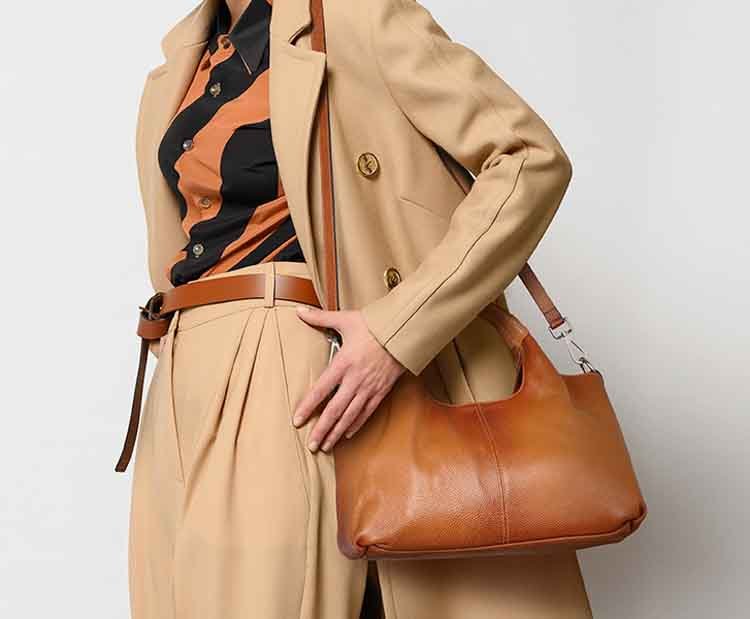
Every woman’s wardrobe boasts a collection of bags, but knowing whether to grab a purse or sling on a shoulder bag can make or break your day. Maybe you’re heading to a board meeting and need a polished accessory that holds your tablet and paperwork. Or you’re dashing through an airport and need something lightweight that still tucks in your passport and phone. Understanding the subtle—and not-so-subtle—differences between a purse and a shoulder bag ensures you carry the right partner for every occasion.
A purse is typically a smaller hand- or wrist-carried bag designed for essentials—wallet, keys, phone—often with a top handle or wristlet strap. A shoulder bag features longer straps to rest on the shoulder, larger capacity, and interior compartments for organization, making it ideal for work, travel, or daily errands. Purses prioritize compact style; shoulder bags balance functionality with hands-free convenience.
Imagine you left a red lipstick in a tote and ended up smudging your shirt mid-meeting—or worse, misplacing your boarding pass when fumbling for it at security. By the end of this guide, not only will you understand what sets purses and shoulder bags apart, but you’ll also know which styles, how to match them to events, what materials best suit your needs, and how to select the perfect design for your lifestyle and body type. Stick around—your closet (and sanity) will thank you.
What Distinguishes a Purse from a Shoulder Bag?
A purse is a compact, handheld or wristlet-style bag designed to carry minimal essentials like cards, keys, and lipstick. A shoulder bag features a longer strap that rests comfortably on one shoulder, offering greater capacity and organization. Purses often prioritize aesthetic detail, while shoulder bags emphasize hands-free convenience and functional compartments.
The terms “purse” and “shoulder bag” are often used interchangeably in casual conversation, but in the fashion world, they denote distinct silhouettes and use cases. Knowing these nuances helps you choose a style that fits both your outfit and your functional needs.
- Form Factor & Carrying Style
- Purse: Typically small—ranging from 6 to 10 inches wide, 4 to 8 inches tall—and designed to be carried by a short handle or slipped over the wrist as a wristlet. The purse puts style front-and-center, often featuring decorative hardware, quilting, and embellishments.
- Shoulder Bag: Ranges widely in size—from mini shoulder bags (8–10 inches wide) to large totes (up to 18 inches wide). Shoulder bags include a single or double strap designed to rest on the shoulder, allowing hands-free wear and easy access to contents.
- Capacity & Organization
- Purse: Offers limited space—usually one main compartment and perhaps a small zip or slip pocket. Ideal for minimalists who need only cards, cash, keys, and a phone.
- Shoulder Bag: Designed with multiple compartments—zippered pockets, slip pockets, pen holders, and sometimes dedicated tech sleeves—so you can organize items like tablets, notebooks, cosmetics, and a small water bottle.
- Use Cases & Occasions
- Purse: Best for evening events, formal occasions, or times when you want a statement accessory rather than a workhorse. Think cocktail parties, date nights, weddings.
- Shoulder Bag: Perfect for daily use, professional settings, travel, and errands. The hands-free design suits busy lifestyles, commuting, and parenthood.
- Ergonomics & Comfort
- Purse: Lightweight but requires hand or wrist support—less convenient over long periods.
- Shoulder Bag: Distributes weight across the shoulder and sometimes down the back if a crossbody option is available, reducing hand and wrist strain.
- Design & Styling Flexibility
- Purse: Often a focal point in an outfit—bold colors, metallic finishes, or intricate embellishments.
- Shoulder Bag: Balances form with function; can be minimal and sleek for office wear, or sporty and rugged for weekend adventures.
How Do Size, Capacity, and Functionality Compare?
Purses typically measure 6–10″ in width and hold 2–4 items (phone, cards, keys, lipstick). Shoulder bags range from 10–18″ wide, offering 5–10+ compartments for tech, documents, cosmetics, and snacks. Shoulder bags often include adjustable straps, interior dividers, and secure closures (zippers, flaps), while purses focus on streamlined interiors and decorative closures (clasps, kiss locks).
Understanding how size and features align with your daily rituals clarifies why one style may outshine the other.
Dimensions & Volumes
Purse Dimensions:
Type Width (in) Height (in) Volume (L) Clutch 6–8 4–6 1–2 Mini Purse 8–10 5–7 2–3 Shoulder Bag Dimensions:
Type Width (in) Height (in) Volume (L) Mini Shoulder Bag 10–12 6–8 4–6 Medium Shoulder Bag 12–14 8–10 8–10 Large Tote 14–18 10–12 12–18
Internal Features
Purses:
- Single main compartment with optional slip pocket.
- Magnetic or decorative clasp closure.
- Limited internal dividers—prioritize aesthetics over function.
Shoulder Bags:
- Multiple interior panels:
- Zippered pocket for valuables.
- Slip pockets for phone or cards.
- Pen loops and key leashes.
- Exterior pockets for quick-access items.
- Secure closures: zippers, flap with magnetic snap, or turn-lock.
Strap Configuration & Adjustability
Purses: Fixed handles or detachable wristlets; rarely adjustable.
Shoulder Bags:
- Adjustable-length straps allow crossbody or on-shoulder wear.
- Some include dual straps for versatility (top handle + shoulder strap).
- Padding options on straps for comfort under heavier loads.
Functional Scenarios
- Evening Out: A mini purse keeps essentials safe and the silhouette streamlined—no bulk under a blazer.
- Daily Commute: A medium shoulder bag carries a wallet, tablet, lunch, and umbrella, secured with a top zipper.
- Travel Day: A large tote shoulder bag with organizational pockets stores passport, guidebook, water bottle, and souvenirs—hands-free for airport security.
Security & Accessibility
- Purses: Quick open/close makes grabbing essentials effortless, but may lack the security of deeper compartments.
- Shoulder Bags: Zippered or flap closures guard against pickpocketing; exterior pockets balance security with ease of access.
Which Styles and Designs Suit Different Occasions?
For formal events, choose a sleek clutch or small purse in satin or metallic leather. Business settings call for structured shoulder bags in full-grain leather with minimal hardware. Casual outings suit slouchy shoulder bags in canvas or soft leather. Travel & errands benefit from large totes with organizational compartments. Selecting the right style ensures both function and fashion harmony.
Your choice of bag style should resonate with the event, outfit, and practical needs. Here’s how to pair silhouettes to scenarios:
Formal & Evening Events
Purses for Glamour:
- Clutches & Minaudières: Rigid frames, embellished finishes (beading, crystals), and kiss-lock closures elevate eveningwear.
- Wristlet Purse: Small, elegant, and wearable on the wrist for dance floors or cocktail receptions.
Design Tips:
- Stick to precious metals, glossy patent, or embossed croc textures.
- Oversized hardware (gem clasps, mini chains) becomes decorative accents.
Professional & Corporate Settings
Structured Shoulder Bags:
- Rectangular or trapezoidal shapes in black, taupe, or navy.
- Clean lines, subtle stitching, and discreet logos.
Features:
- Laptop sleeve, document pocket, pen slots inside.
- Lockable zipper or flap with a secure snap for privacy.
Styling:
- Match bag color to shoe and belt.
- Minimalist metal accents—e.g., gunmetal or brushed brass—to reinforce professionalism.
Casual Daytime & Weekend
Slouchy Shoulder Bags & Hobo Styles:
- Soft leathers or canvas, relaxed silhouette that drapes on the shoulder.
- Earthy colors or playful prints.
Features:
- Simple drawstrings or magnetic snaps.
- One or two interior pockets for phone and keys.
Styling:
- Pair with jeans, tees, and ankle boots or sneakers.
- Add a patterned strap or scarf tied to handle for a boho-chic twist.
Travel & Errands
Large Totes & Crossover Shoulder Bags:
- Roomy interiors for water bottles, chargers, snacks, and small purchases.
- Crossbody option for hands-free convenience.
Features:
- RFID-blocking pockets for passport safety.
- Detachable pouches for quick-access items like boarding passes.
Styling:
- Neutral canvas or nylon with leather trim—durable and easy to wipe clean.
- Adjustable straps to suit airport, train, or sightseeing comfort.
Seasonal Adaptations
- Spring/Summer: Light neutrals, pastels, perforated or woven textures.
- Fall/Winter: Rich leathers—suede, nubuck—in camel, burgundy, olive with gold hardware.
Trend Considerations
- Micro Purses: Miniature purses return as statement accessories—functional only for cards and lipstick.
- Tech-Integrated Bags: Built-in phone chargers, RFID shields, and anti-theft zippers speak to modern needs.
What Materials and Hardware Are Typical for Each?
Purses often feature fine materials—satin, patent leather, or exotic skins—with decorative hardware like jeweled clasps, kiss locks, and slender wristlet straps. Shoulder bags use robust full-grain or top-grain leather, canvas, or technical fabrics, paired with functional hardware: brass or stainless-steel D-rings, zippers, magnetic snaps, and adjustable buckles for comfort and longevity.
Material and hardware choices directly impact a bag’s look, feel, and lifespan. Here’s a closer look:
Material Selection
For Purses:
- Luxury Textiles: Satin or velvet for evening models; patent leather for gloss; exotic skins (croc, python) for statement pieces.
- Light Weight: Materials under 1.5 mm thickness to maintain a slim profile.
For Shoulder Bags:
- Full-Grain Leather: 2.5–3.5 mm thickness for structure and lasting durability.
- Top-Grain Leather: Slightly thinner (1.8–2.2 mm), more uniform, and easier to produce in volume.
- Canvas & Technical Fabrics: PU-coated canvas or high-denier nylon for casual or utility styles—lightweight, water-resistant, and easy to clean.
Hardware Components
Closures:
- Purse Clasps & Frames: Kiss-lock, snap frames, or decorative turn-locks. Precision-engineered for smooth operation.
- Shoulder Bag Closures: YKK or Riri zippers, magnetic snaps hidden under flaps, or turn-lock closures for secure access.
Strap Attachments:
- D-Rings & Swivel Hooks: Brass or stainless-steel for adjustable and detachable straps—crucial in shoulder bags.
- Wristlet Straps: Slim leather loops attached via small rivets or clasp hooks on purses.
Reinforcements:
- Rivets & Bar-Tacks: Strengthen stress points at handles and corners, extending bag life.
- Feet on Base: Small metal studs protect the underside of structured shoulder bags.
Finish & Coating
- Edge Paint: Seals cut edges of leather to prevent fraying and moisture ingress.
- Topcoat/Protective Spray: On fabric shoulder bags, PU or silicone sprays repel water and stains.
- Lining Materials: Satin, microfiber suede, or coated cotton for interior—balances luxury in purses and durability in shoulder bags.
Sustainability & Certifications
- Eco-Leathers: Vegetable-tanned, chrome-free options certified by Leather Working Group (LWG).
- Recycled Fabrics: Certified recycled nylon or canvas for environmentally conscious shoulder bag lines.
Material & Hardware Comparison
| Feature | Purse | Shoulder Bag |
|---|---|---|
| Main Material | Satin, patent leather, exotic | Full/top-grain leather, canvas, nylon |
| Thickness | 0.8–1.5 mm | 1.8–3.5 mm |
| Closures | Kiss-lock, snap frame, turn-lock | Zipper, magnetic snap, flap turn-lock |
| Strap Type | Short handles, wristlet | Adjustable straps, crossbody options |
| Hardware | Decorative clasps, frame links | D-rings, swivel hooks, rivets, zipper pulls |
| Sustainability Options | Limited | Eco-leathers, recycled textiles |
How Do You Choose the Right Bag for Your Lifestyle and Body Type?
Match bag size and strap length to your height and activity: petite figures benefit from mini purses or short-strap shoulder bags; taller frames suit larger totes and longer straps. For heavy loads, choose wide, padded shoulder straps. Align interior layout with your routine—multiple compartments for organization, RFID pockets for travel, or open interiors for quick access.
Selecting a bag that flatters your proportions and accommodates your habits ensures both comfort and confidence. Here’s a comprehensive decision matrix:
- Assess Your Daily Needs
- Essential Load: List must-haves—phone, wallet, tablet, notebook, water bottle.
- Organization Level: Do you need multiple pockets or is one main compartment sufficient?
- Frequency of Use: Will you carry it daily or reserve it for special events?
- Consider Your Body Type & Height
- Petite (Under 5’4”):
- Purse: Mini purses and wristlets keep proportions balanced.
- Shoulder Bag: Shorter straps (drop of 8–10 inches) prevent bag hitting at an awkward point.
- Average (5’4”–5’7”):
- Purse or Shoulder Bag: Versatile range; mid-drop straps (10–12 in) hit at natural waist or hip.
- Tall (5’8”+):
- Shoulder Bags: Longer straps (12–15 in drop) and larger silhouettes (14–18 in width) look proportionate and avoid seeming too small.
- Petite (Under 5’4”):
- Evaluate Comfort & Ergonomics
- Weight Distribution: Wide straps on shoulder bags reduce pressure; crossbody straps disperse weight.
- Grip & Handles: Purses with rigid top handles can be hand-fatiguing; wristlets ease carry for short periods.
- Adjustability: Look for adjustable or detachable straps to switch between shoulder, crossbody, or top-handle wear.
- Match to Personal Style & Wardrobe
- Color Coordination: Neutral bags (black, tan, navy) offer versatility; bold hues or patterns serve as focal points.
- Material Mix: Casual wardrobes pair well with canvas or soft leather; tailored outfits call for structured smooth leather.
- Hardware Finish: Match bag hardware (gold, silver, gunmetal) to your everyday jewelry and accessories.
- Lifestyle Scenarios
- Office & Meetings: Structured shoulder bag with organized compartments, laptop sleeve, and minimal branding.
- Weekend & Travel: Large tote or crossbody shoulder bag in durable materials with secure closures and zip pockets.
- Night Out & Special Events: Small purse or wristlet—compact, lightweight, and decorative.
- Budget & Value Considerations
- Investment Pieces: Quality leather shoulder bags ($300+) repay through years of wear and timeless styling.
- Fashion-Forward, Affordable: Trend-driven purses ($50–$150) allow rotation with seasonal styles.
- Custom Options: Szoneier Leather offers low-MOQ custom runs ($80–$200 range) for private label brands seeking tailored designs.
Ready to Create Your Perfect Purse or Shoulder Bag?
At Szoneier Leather, we leverage 18+ years of expertise in leather R&D, design, and production to craft custom purses and shoulder bags tailored to your brand’s vision:
- Material Sourcing: Full-grain, top-grain, suede, nubuck, and technical fabric options
- Hardware Selection: Eyelets, D-rings, magnetic snaps, and bespoke clasps
- Low MOQ Sampling: Prototype runs starting at 50 pieces
- End-to-End Service: Pattern making, sampling, production, packaging, and quality control
Contact us today to discuss your custom bag needs, request sample swatches, and get a competitive quote.Let’s design the perfect purse or shoulder bag that fits your lifestyle and elevates your brand.
What Can I Do For You?
Here, developing your OEM/ODM private label leather goods collection is no longer a challenge,it’s an excellent opportunity to bring your creative vision to life.
Make A Sample First?
If you have your own tech packs, logo design artwork, or just an idea,please provide details about your project requirements, including preferred fabric, color, and customization options,we’re excited to assist you in bringing your leather goods designs to life through our sample production process.