 Skip to content
Is Saffiano Leather Good:What You Need to Know
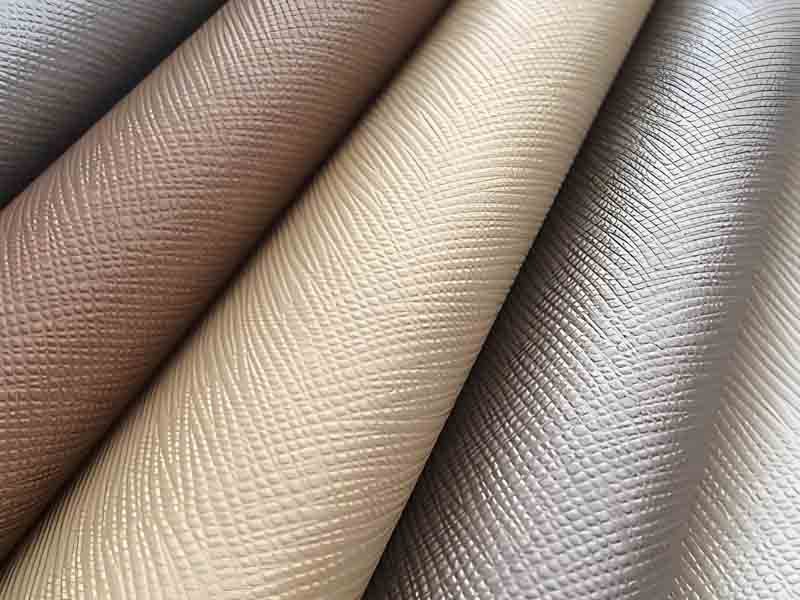
Few materials evoke luxury and resilience like Saffiano leather. Introduced by Prada in the 1980s, its distinctive cross‑hatch texture, achieved through heat‑pressing and wax coating, has adorned everything from wallets to structured totes. But beyond its chic façade lies a world of questions: is it genuine leather or merely a surface coating? How does it compare to other leathers—and to vegan alternatives? Are its benefits truly worth the price?
Saffiano leather is real top‑grain hide finished with a pressed cross‑hatch pattern and wax seal, prized for scratch resistance and easy care, though its finish can crack over time and it lacks the supple patina of untreated leathers.
Whether you’re sourcing custom lines from Szoneier or simply shopping for your next handbag, this guide arms you with the insight to choose wisely—and keep your Saffiano pieces looking flawless for years.
What Is Saffiano Leather and How Is It Made?
Saffiano leather is a genuine top‑grain hide that’s embossed with a fine cross‑hatch pattern and sealed with layers of wax and polyurethane. This manufacturing process yields a textured, water‑resistant surface prized for its scratch resistance and uniform color. Despite its treated finish, Saffiano remains authentic leather—its durability and low‑maintenance traits make it a favorite for handbags, wallets, and structured accessories.
Saffiano leather’s reputation for combining elegance with toughness begins at its source: premium top‑grain cowhide. Unlike split or bonded leathers—which use the lower layers of the hide—Saffiano starts with the strongest, outermost layer, ensuring a robust fiber structure beneath the surface treatment.
Embossing the Grain
- Once the hides are tanned (typically via chrome or a mild semi‑vegetable process), they undergo embossing. Heated rollers or metal plates etched with a precise grid pattern press into the leather at controlled temperatures and pressures.
- This cross‑hatch texture isn’t a superficial rubber stamp; it compresses and realigns the grain fibers, creating microscopic ridges that deflect scratches and help liquids bead up rather than soak in.
Wax and Seal Coating
- After embossing, artisans apply multiple layers of colored wax—often a blend of carnauba and micro‑crystalline compounds—to fill the grain impressions, deepen color, and add sheen.
- A clear polyurethane or acrylic lacquer seals the wax, bonding with the grain to lock out water, dirt, and UV rays. This coating can represent 15–25% of the finished leather’s thickness, a major factor in Saffiano’s hallmark stiffness and protective qualities.
Finishing and Quality Control
- The coated hides are then buffed to remove excess wax, polished for uniform luster, and hand‑inspected. High‑end manufacturers measure coating thickness, verify embossing depth (typically 0.2–0.4 mm), and test for color consistency (Delta E < 1 across hides).
- Although Prada patented the original “Saffiano” process, many tanneries now produce licensed or generic versions. Quality can vary: top‑tier suppliers replicate Prada’s multi‑step wax and seal regimen, while lower‑cost variants may shortcut with a single PU coat, sacrificing long‑term resilience.
Benefits of the Process
- Scratch Resistance: The raised grain and hard seal protect against scuffs; most minor abrasions buff out without leaving permanent marks.
- Water & Stain Repellency: Liquids bead on the wax‑seal, giving users precious minutes to blot spills before staining occurs.
- Shape Retention: The stiffness imparted by the coating keeps structured silhouettes crisp—ideal for tote bags and box clutches that require precise lines.
Considerations & Variations
- Breathability: The thick seal layer reduces natural hide breathing; in humid climates, moisture trapped beneath can cause delamination if not properly maintained.
- Flex Fatigue: Repeated folding at the same point can stress the wax layer, leading to micro‑cracks over time—a drawback absent in untreated leathers.
- Aesthetic Uniformity: While the finish yields consistent color and texture, it prevents the natural patina and softening that many leather enthusiasts cherish.
Industry Applications
- Luxury brands leverage true Saffiano for high‑end goods, touting its origin and craftsmanship. Meanwhile, accessory manufacturers may adopt “embossed Saffiano” for mid‑range lines—balancing cost with decorative appeal.
- Custom producers like Szoneier can recreate the Saffiano look on client‑specified hides, tailoring emboss depth, wax formula, and finish sheen to brand guidelines—all under an OEM/ODM model with low MOQs and rapid sampling.
Which Characteristics Make Saffiano Leather Desirable?
Saffiano leather is celebrated for its exceptional scratch and stain resistance, uniform color retention, and structural rigidity. The cross‑hatch embossing and wax‑seal finish create a tough barrier against daily wear—liquids bead up and wipe away, and minor abrasions buff out. Its low‑maintenance nature and ability to hold crisp shapes make it a top choice for busy professionals seeking both style and functionality.
Saffiano leather’s unique appeal lies in a combination of engineered surface properties and genuine hide quality. Below, we examine the key traits that elevate it above many other leathers:
Cross‑Hatch Texture and Surface Hardness
- The signature grid pattern isn’t purely decorative. During embossing, heated metal plates compress and realign the leather’s grain fibers, then fill each channel with colored wax. This process hardens the surface—think of it as a micro‑armoring of the hide. As a result, Saffiano resists visible scratches far better than smooth or natural‑grain leathers. In practical terms, a briefcase or wallet can rub against keys, zippers, or desk edges daily without showing scuffs, preserving a like‑new look for months or years.
Water and Stain Repellency
- Following embossing, manufacturers apply multiple coats of wax and a clear polyurethane sealant, typically constituting up to 20% of the leather’s finished thickness. This layered barrier causes spills—coffee, rain, makeup—to bead on the surface rather than soak in. A quick wipe with a damp cloth removes most stains immediately, eliminating the need for specialized cleaners or conditioners. For busy commuters or parents juggling multiple tasks, that easy‑clean feature is invaluable.
Uniform Colorfastness
- Dyeing and wax sealing occur after embossing, ensuring color penetrates deep into the impressions. Unlike aniline leathers that may fade unevenly or show sun‑bleaching, high‑quality Saffiano holds its hue consistently, even in direct sunlight. Brands often guarantee less than a 2‑Delta E change (a standard measure of color difference) after 500 hours of UV exposure. The result is a bag or accessory that retains its original tone year after year—essential for professional settings where a polished appearance matters.
Structural Stiffness and Shape Retention
- The wax‑seal finish imparts a notable firmness, enabling Saffiano goods to maintain sharp silhouettes—think box‑totes, rigid satchels, and structured wallets. Unlike softer leathers that slouch or deform under load, Saffiano pieces stand upright on their own. For designers, this means predictable form factors; for end users, it translates to easier access (zippers and clasps align consistently) and a sense of premium solidity.
Low Maintenance and Durability
- Traditional leathers often require periodic conditioning to prevent drying and cracking—but over‑conditioning can darken or stain. Saffiano’s sealed surface obviates that risk: occasional light cleaning (a damp cloth with mild soap) suffices. Internally, its robust grain backing resists tears and flex fatigue. Industry tests show that quality Saffiano withstands over 50,000 flex cycles at emboss points before micro‑cracks appear—significantly outlasting many untreated hides.
Versatility Across Products
- From slim cardholders to oversized travel bags, Saffiano leather adapts seamlessly. Its consistent texture conceals minor hide imperfections—allowing tanneries to utilize hides that might be rejected for smooth‑grain luxury lines. This efficiency can be passed to customers through more accessible price points. Moreover, the finish accepts vivid colorways (pastels, jewel tones) and metallics with equal vibrancy, expanding design possibilities.
Comparative Edge
- When stacked against pebbled or aniline leathers, Saffiano’s engineered resilience stands out. Pebbled grains mask scratches but absorb moisture, while Saffiano’s sealed emboss resists both abrasion and liquids. Compared to high‑end synthetic alternatives, Saffiano retains the tactile depth and breathability of real leather, avoiding the off‑gassing and stiffness common in heavy PVC or PU facings.
How Does Saffiano Leather Compare to Other Leathers?
Compared to faux leathers, Saffiano is genuine top‑grain hide with superior breathability, tensile strength (20–25 MPa), and a real‑leather feel, whereas PU/Vinyl tends to peel and crack. Versus pebbled leather, Saffiano trades natural patina and suppleness for greater scratch and water resistance, uniform color retention, and structural rigidity—making it ideal for structured goods but less adaptable for soft, drapey applications.
When selecting leather for bags, wallets, shoes, or accessories, understanding how Saffiano stacks up against other materials is crucial. Below, we examine its performance, aesthetics, and lifecycle in comparison to three common alternatives: faux leather (PU/Vinyl), pebbled/grain‑natural leathers, and aniline finishes.
1. Saffiano vs. Faux Leather (PU/Vinyl)
Authenticity & Feel:
Saffiano originates from genuine top‑grain cowhide, retaining the strong collagen fiber network of the hide’s outermost layer. This gives it a warm, supple hand feel over time. Faux leathers—typically polyurethane (PU) or polyvinyl chloride (PVC) coated fabrics—lack real hide fibers. They often feel plasticky, prone to creasing in sharp folds, and can off‑gas volatile compounds.
Durability & Aging:
The embossed, wax‑sealed finish of Saffiano delivers excellent scratch protection and water repellency, surviving over 50,000 flex cycles before micro‑cracking appears. PU leathers generally endure fewer than 5,000 flex cycles before the coating begins to peel or flake. Over time, genuine Saffiano develops minor surface wear that can be buffed or resealed, while faux leather failures are irreversible—peeling, cracking, and color delamination.
Breathability & Comfort:
Real leather allows moisture vapor to pass through microscopic pores, reducing trapped sweat and odor buildup. Faux leather is non‑porous; wearers often experience clamminess, especially in warmer climates or direct skin contact applications like phone cases or gloves.
Environmental & Ethical Considerations:
While PU/Vinyl tout vegan credentials, their production relies on petroleum derivatives and emits microplastics during wear and washing. Saffiano, when responsibly tanned (e.g., vegetable or low‑impact chrome methods), can be more sustainable and biodegradable at end‑of‑life, especially if paired with LWG‑certified tanneries.
2. Saffiano vs Pebbled Leather
Texture & Aesthetics:
Pebbled (natural or embossed) leathers showcase irregular grain patterns, hiding minor scratches and lending a more organic, rustic look. Saffiano’s precise, uniform cross‑hatch creates a modern, architectural aesthetic. Pebbled grain celebrates leather’s natural variation; Saffiano delivers designer consistency at scale.
Patina Development:
With pebbled hides, oils and UV exposure gradually deepen color and soften the leather, producing a unique patina. This maturation is prized by enthusiasts. Saffiano’s thick wax‑seal and PU top‑coat block much of that natural aging process, preserving initial color and texture but sacrificing the inheritance of character.
Flexibility & Applications:
Pebbled leather retains more flexibility, making it suitable for slouchy bags, soft wallets, and upholstery where drape and comfort matter. Saffiano’s rigidity excels in structured silhouettes—clutches, boxes, briefcases—but is unsuited for soft‑goods like bomber jackets or tight‑fit gloves.
Maintenance:
Both leathers resist minor scratches, but Saffiano outperforms pebbled grain in water‑resistance and easy cleaning (an occasional wipe suffices). Pebbled grain often requires leather conditioner to maintain suppleness and prevent dryness, adding a layer of upkeep that Saffiano owners can avoid.
3. Saffiano vs Aniline & Semi‑Aniline Leathers
Surface Treatment & Color:
Aniline leathers receive transparent dye only, preserving the deepest nuances of grain but offering minimal protection—making them vulnerable to staining, fading, and surface wear. Semi‑aniline adds a light surface finish for moderate protection but still pales compared to Saffiano’s multi‑layer seal.
Use Cases:
Aniline hides are often reserved for luxury interiors, collectible shoes, or garments where soft hand and natural patina are central. Saffiano is tailored to accessories requiring daily reliability—wallets, work bags, and tech covers—where life‑proofing outweighs the desire for evolving color.
Price & Perceived Value:
Pure aniline commands premium pricing due to tanning complexity and selective hide grading, yet it shows wear quickly. Saffiano occupies a mid‑to‑high price bracket but delivers visible performance benefits that reinforce its value proposition—particularly for customers seeking long‑term appearance retention.
Do the Benefits of Saffiano Leather Outweigh Its Drawbacks?
Saffiano leather’s combination of exceptional scratch resistance, water repellency, uniform color retention, and structural rigidity makes it an excellent choice for high‑use accessories. However, its treated surface can develop micro‑cracks with repeated folding, it lacks the supple patina of untreated hides, and commands a premium price. For those needing low‑maintenance, long‑lasting bags and wallets, the advantages typically outweigh the downsides—provided you’re comfortable trading natural softness and evolving character for engineered durability.
When evaluating Saffiano leather, you’re balancing engineered performance against the natural qualities many leather lovers prize. Below, we unpack its primary advantages and weigh them alongside the key limitations to help you decide if Saffiano suits your needs.
1. Scratch and Stain Resistance vs. Surface Fatigue
- Benefit: The cross‑hatch emboss and multiple layers of wax and polyurethane create a virtually armored surface. Everyday scuffs—from keys, zippers, or desk edges—tend to bounce off or buff away, and spilled liquids bead up and wipe clean. This low‑maintenance resilience is a standout feature for commuters and travelers.
- Drawback: That same heavy coating reduces leather flexibility. Over time, especially around folds or stress points (e.g., bag gussets or wallet creases), the wax‑seal can develop micro‑cracks. While superficial, these cracks can expand under repeated bending and eventually compromise water resistance.
2. Uniform Aesthetics vs. Natural Patina
- Benefit: Consistent emboss depth and sealed finish ensure color and texture remain identical hide to hide. Brands achieve tight Delta E tolerances (<1), meaning a red Saffiano tote today will look as crisp in ten years. If you demand a spotless, uniform look—particularly important in corporate settings or premium fashion lines—Saffiano delivers.
- Drawback: Traditional leathers age, soften, and develop a unique patina that tells your story. Saffiano’s barrier prevents most of that evolution; you won’t see grain stretch marks or warm color shifts. If you cherish leather’s living quality, Saffiano’s engineered permanence may feel sterile.
3. Shape Retention vs Comfort and Drape
- Benefit: The rigidity conferred by Saffiano processing allows structured silhouettes—brick‑hard satchels, box‑totes, neat clutches—to hold form under load. Zippers align reliably, and hardware stays perfectly positioned, offering a premium “architectural” effect.
- Drawback: That stiffness comes at the cost of suppleness. Softer bags conform to your body, drape comfortably, and are more forgiving when overpacked. Saffiano’s firm panels can feel rigid against the hip or under the arm in daily carry.
4. Low Maintenance vs Repair Complexity
- Benefit: Monthly or quarterly light cleaning—a damp cloth with mild soap—keeps Saffiano gleaming. No conditioners or protective creams are needed, and you avoid messy darkening or over‑oiling.
- Drawback: When the wax layer wears or micro‑cracks appear, restoration isn’t as simple as applying leather balm. Proper repair requires re‑waxing with compatible micro‑crystalline compounds and, in severe cases, professional PU top‑coat reapplication—services not always readily available.
5. Premium Price vs Cost‑Per‑Use
- Benefit: A high‑end Saffiano wallet or bag may cost 1.5–2× more than a comparable untreated leather piece, but its engineered durability extends usable life—often reducing cost‑per‑use over several years.
- Drawback: The initial investment can be prohibitive for budget‑minded shoppers. If you only use an accessory sporadically, you may never recoup the extra expense relative to a mid‑range natural‑grain leather.
How Should You Care for and Maintain Saffiano Leather Products?
To preserve Saffiano leather’s signature shine and durability, simply wipe the surface monthly with a damp, lint‑free cloth and mild soap. Avoid oils or heavy conditioners that can diminish the wax coating. Annually, refresh the protective seal by lightly applying a microcrystalline wax polish, buffing gently. Store items away from direct sunlight in breathable dust bags, and maintain indoor humidity around 40–60% to prevent coating brittleness.
Saffiano’s appeal lies in its low‑maintenance reputation and hard‑wearing finish—but like any premium material, it still benefits from proper care. Follow these steps to ensure your bags, wallets, and accessories remain flawless for years:
Routine Cleaning (Monthly)
- Tools & Materials: A soft microfiber cloth and a pH‑neutral soap (such as gentle hand soap or saddle soap diluted in water).
- Process: Dampen the cloth—not soak it—and wipe the entire surface in smooth, overlapping strokes. This removes accumulated dust, oils, and everyday dirt. Immediately follow with a dry microfiber cloth to absorb residual moisture.
- Avoid: Harsh detergents, alcohol, or abrasive sponges, which can strip the wax seal and dull the finish.
Spot Treatment (As Needed)
- Light Stains: Blot spills immediately with a clean, dry cloth. For more stubborn spots, use a slightly damp cloth with diluted soap, gently dabbing rather than scrubbing.
- Ink or Dye Transfer: Test an inconspicuous area first. Lightly apply a small dab of isopropyl alcohol on a cotton swab; if no color lifts, carefully work the spot, then cleanse and dry as above.
Protective Wax Refresh (Annually)
- Why It Helps: Over time, micro‑abrasions and UV exposure can thin the wax layer, reducing water repellency and scratch resistance.
- Application: Choose a microcrystalline wax polish (commonly sold as “leather balm” without oils). Apply a very thin layer with a soft cloth, working it into the cross‑hatch grain. Allow 10–15 minutes for penetration, then buff lightly with a clean cloth to restore sheen and reseal the surface.
- Tip: Perform this step in a shaded, well‑ventilated area and wipe off any excess to prevent build‑up in creases.
Storage Best Practices
- Avoid Heat & Sunlight: Store Saffiano items away from radiators or sunny windows to prevent the PU coat from drying and cracking.
- Humidity Control: Maintain a relative humidity of 40–60%. In dry climates, consider a small room humidifier; in damp environments, use silica‑gel packets in the dust bag to inhibit mold without soggy buildup.
- Shape Retention: For structured bags, insert soft packing (tissue paper or bubble wrap) to preserve form. Never fold or stack heavy items on top.
Handling and Daily Use
- Avoid Overstuffing: Excessive stretching along embossed lines can fatigue the wax seal faster.
- Rotate Accessories: When possible, alternate between two Saffiano pieces to minimize continuous stress on one item.
Professional Maintenance
- Deep Restorations: For significant coating cracks or color fading, seek a leather specialist who can reapply a compatible PU top‑coat and rebuff the finish.
- OEM Repairs: Brands like Szoneier Leather offer repair and recoating services—ideal for maintaining bespoke or private‑label collections.
Ready to Craft Custom Saffiano Leather Goods?
Partner with Szoneier Leather’s 18+ year expertise—from raw material R&D and custom embossing to free design and low‑MOQ OEM/ODM production—to bring your Saffiano collections to life.
Contact us to discuss your next custom leather project.
What Can I Do For You?
Here, developing your OEM/ODM private label leather goods collection is no longer a challenge,it’s an excellent opportunity to bring your creative vision to life.
Make A Sample First?
If you have your own tech packs, logo design artwork, or just an idea,please provide details about your project requirements, including preferred fabric, color, and customization options,we’re excited to assist you in bringing your leather goods designs to life through our sample production process.